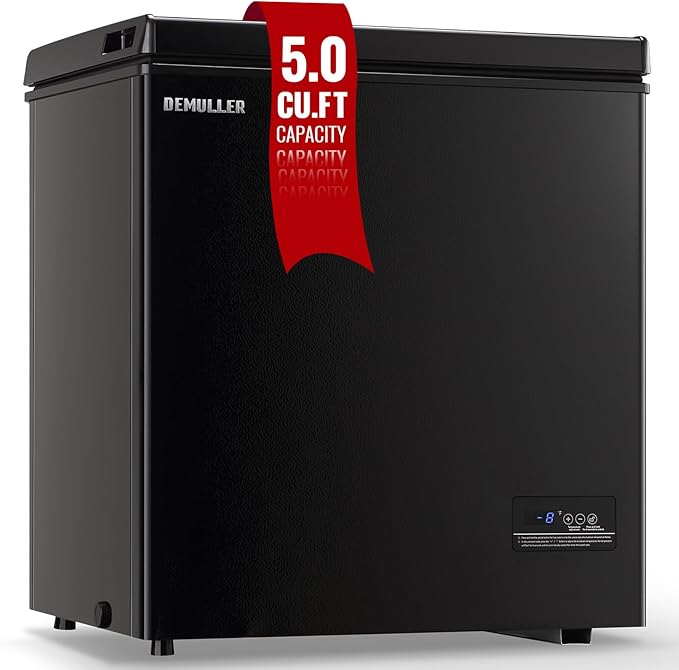
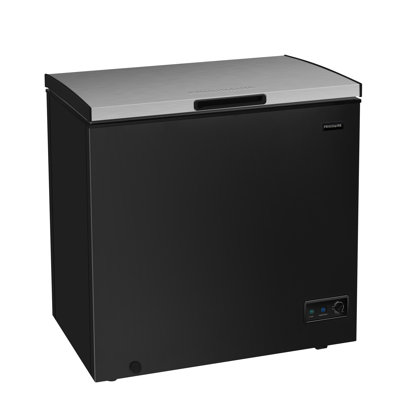
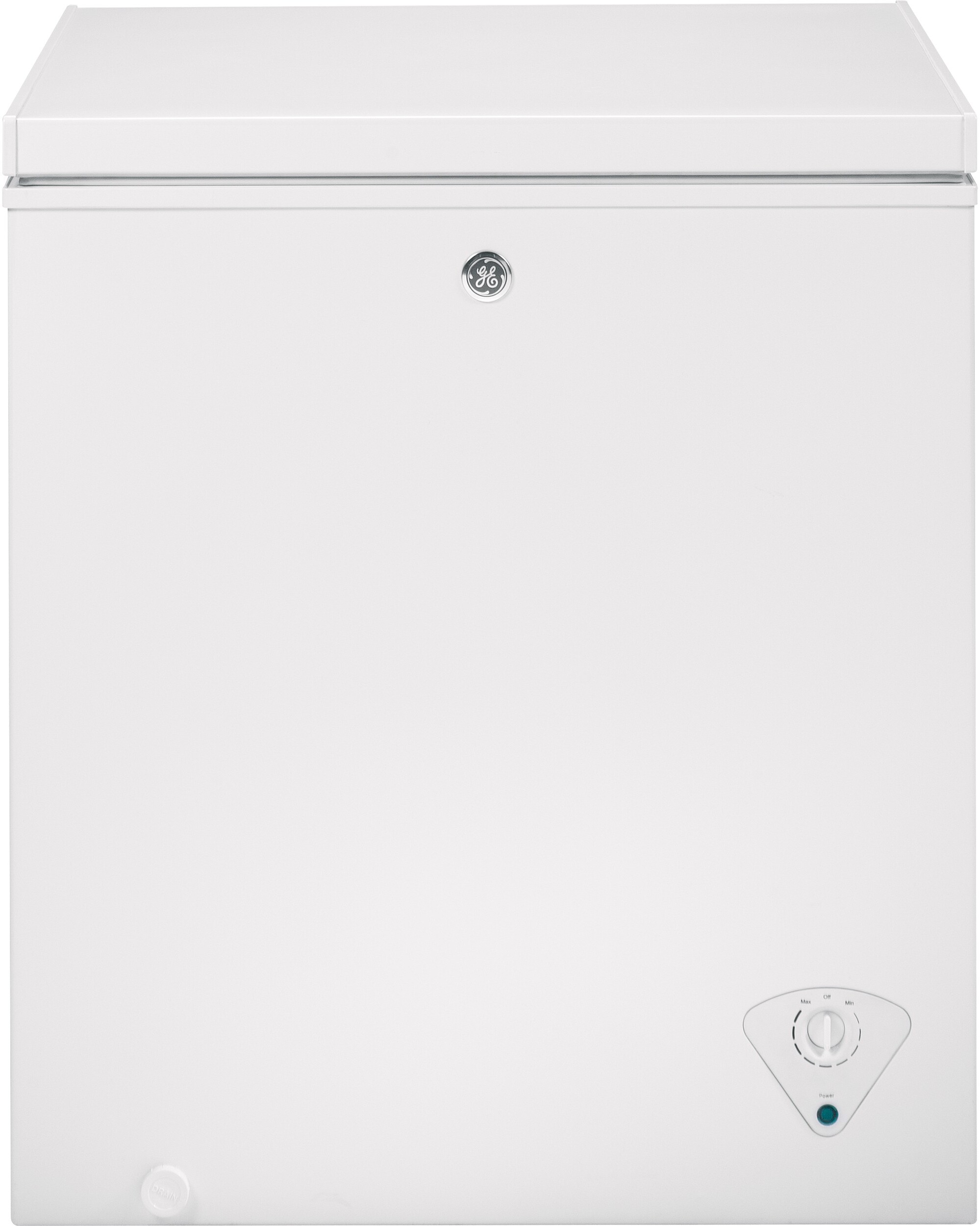
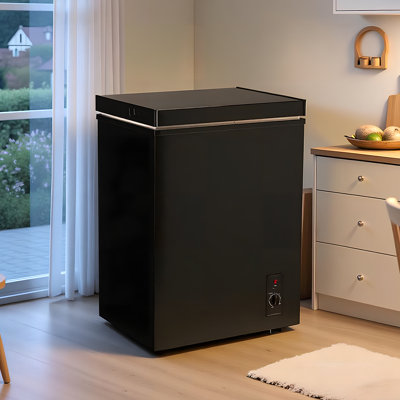
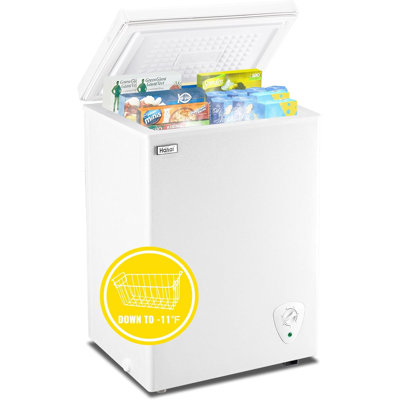
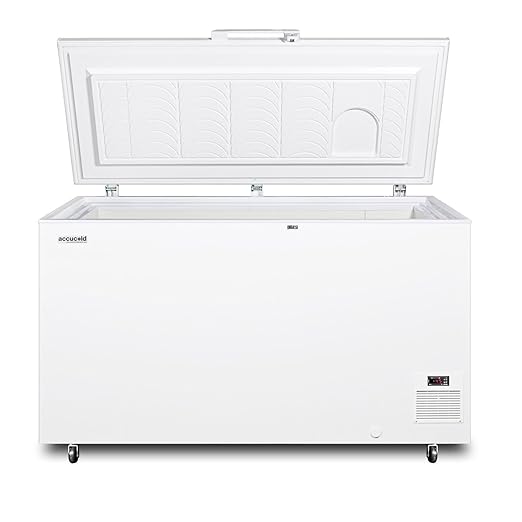
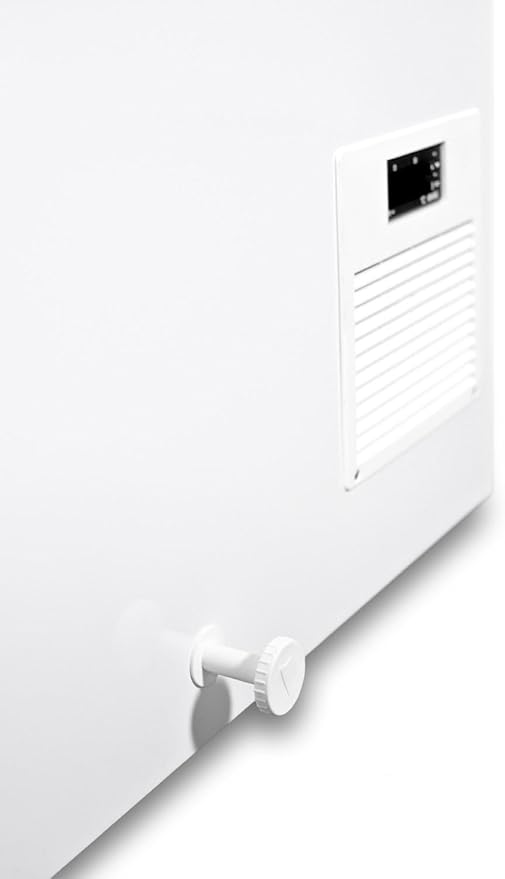
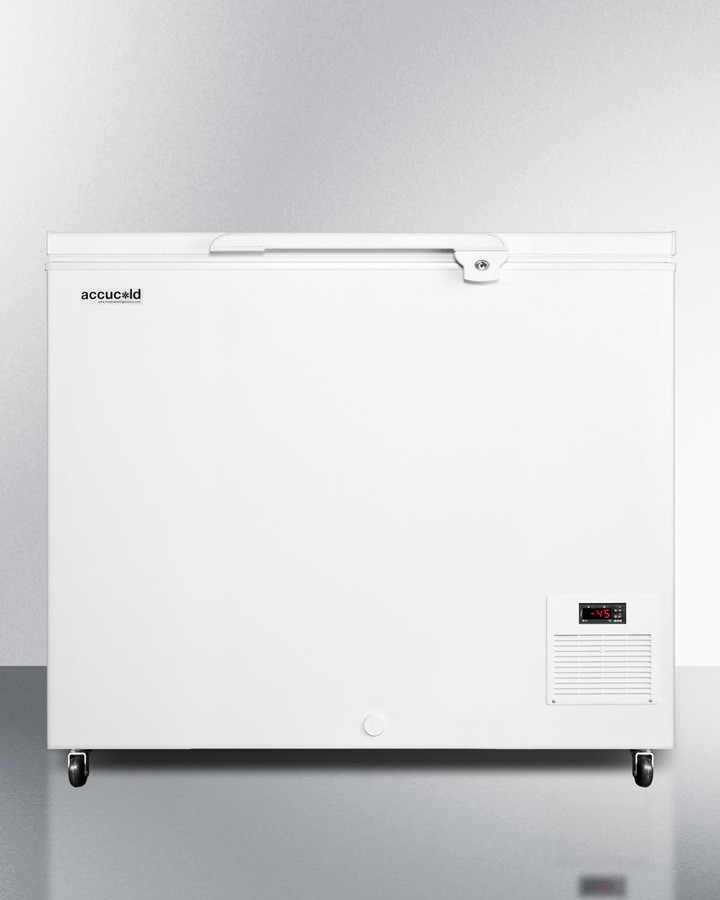
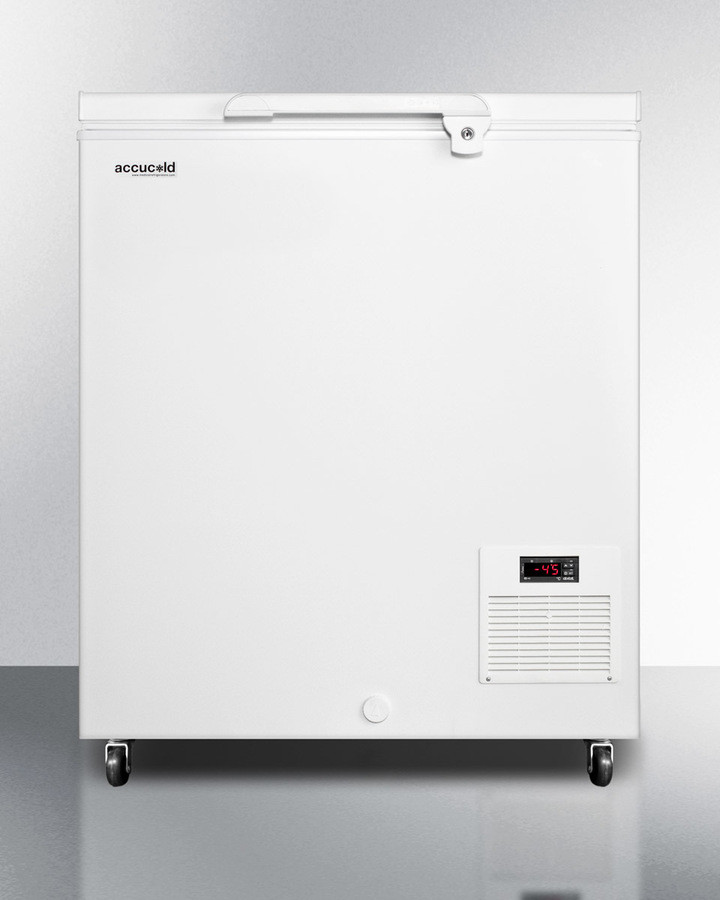
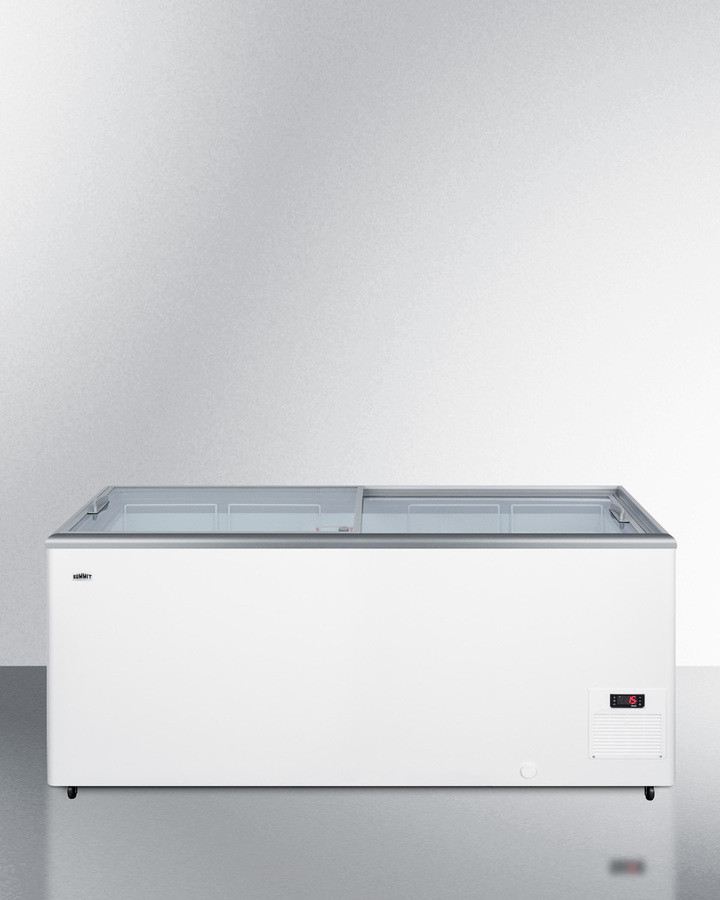
Proper Temperature Setting: Ensure your freezer is set to the appropriate temperature, typically 0°F (-18°C) or lower.
To make the most of the limited space in your dorm freezer, consider the following tips:.
By following these maintenance and cleaning tips, you can ensure your freestanding chest freezer remains efficient and functional, making it the best choice for your dorm.
A freestanding chest freezer offers several advantages, making it an ideal choice for dorm living:.
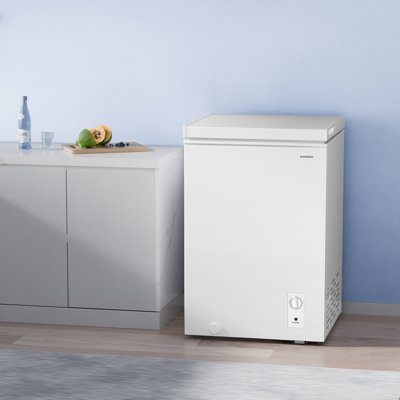
Selecting the best freestanding chest freezer for a dorm involves considering various factors to ensure it meets your needs. This section will guide you through assessing your dorm space and understanding the advantages of a freestanding chest freezer.
Assessing Your Dorm Space
Before purchasing a chest freezer, it's crucial to evaluate the available space in your dorm. Dorm rooms are often compact, so ensuring the freezer fits comfortably without obstructing movement or other furniture is essential.
Measure the Space: Use a tape measure to determine the dimensions of the area where you plan to place the freezer. Consider the height, width, and depth.
Clearance: Ensure there is sufficient clearance around the freezer for proper ventilation. Lack of adequate airflow can impact the appliance's efficiency.
Accessibility: Position the freezer in a location that is easily accessible. Avoid placing it in hard-to-reach corners or areas with limited access.
Consideration
Measurement (inches)
Available Space (HxWxD)
36 x 24 x 24
Required Clearance
2-3 inches on all sides
Door Opening Space
20-22 inches
By taking these measurements, you can avoid purchasing a freezer that is either too large or too small for your dorm room.
Understanding the Benefits of a Freestanding Chest Freezer
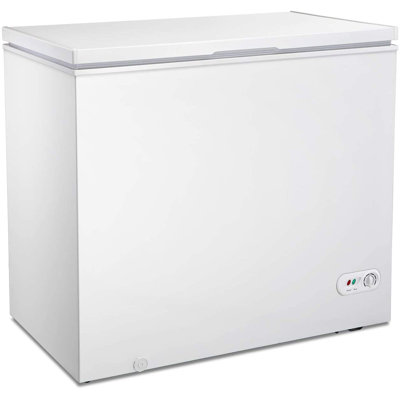
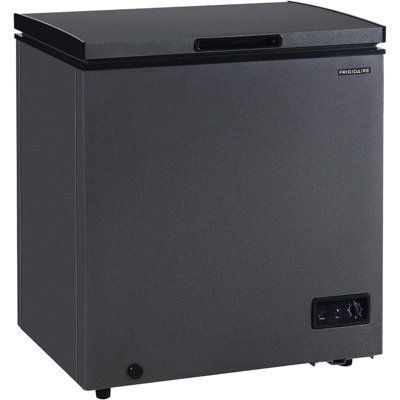
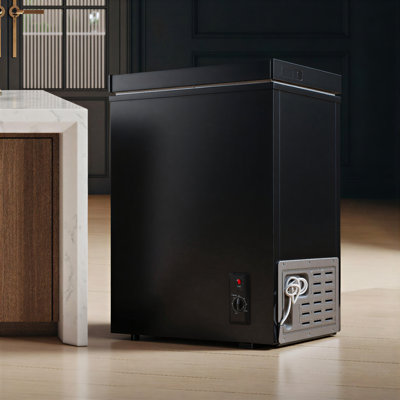
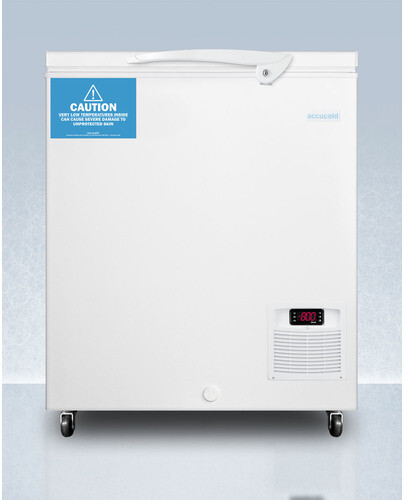
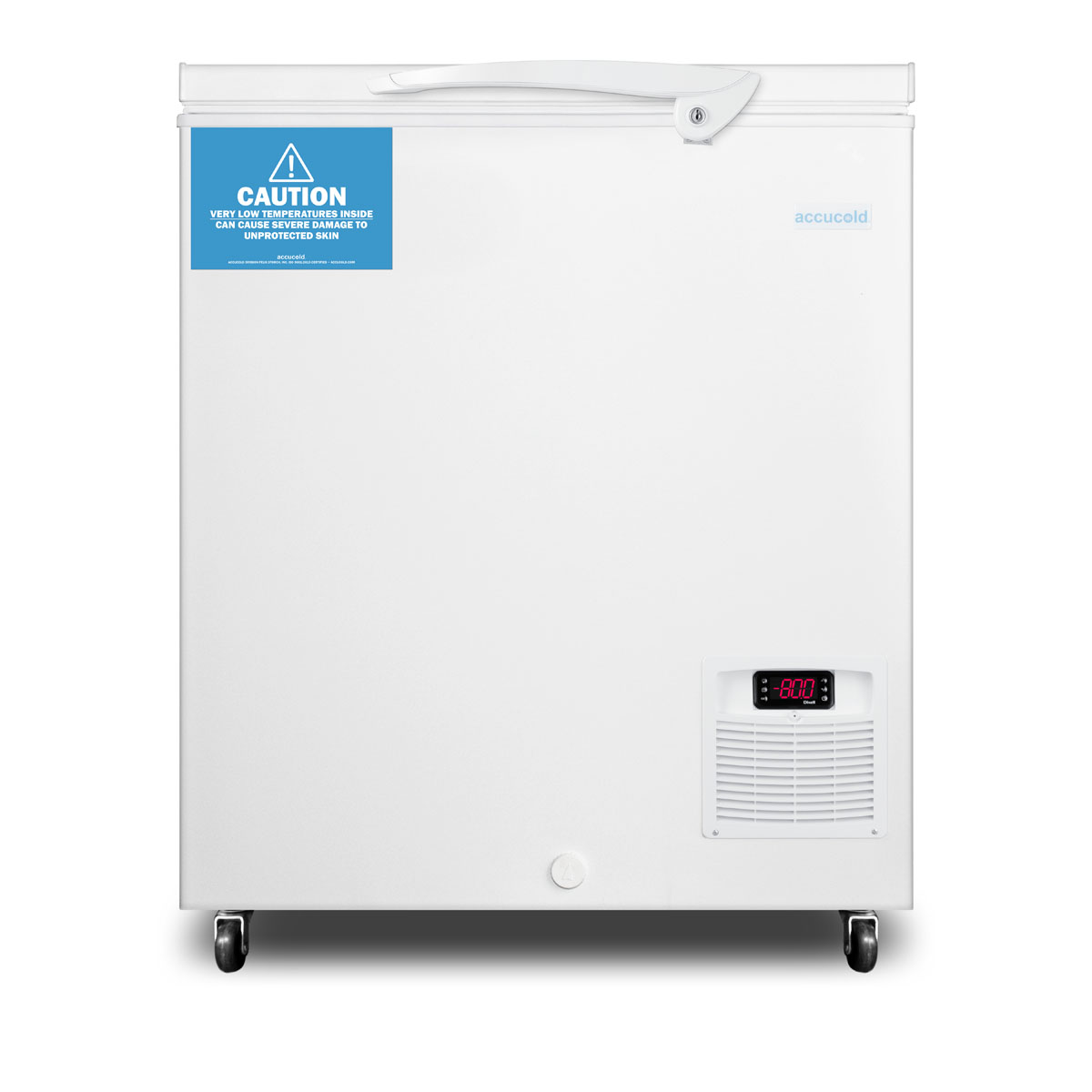
A freestanding chest freezer offers several advantages, making it an ideal choice for dorm living:
Increased Storage Capacity: Chest freezers provide ample storage space, allowing you to store bulk items, meal preps, and frozen snacks.
Energy Efficiency: Many chest freezers are designed to be energy-efficient, helping you save on electricity bills. Look for models with the Energy Star rating.
Temperature Stability: Chest freezers maintain a consistent temperature, which is crucial for preserving the quality of your food.
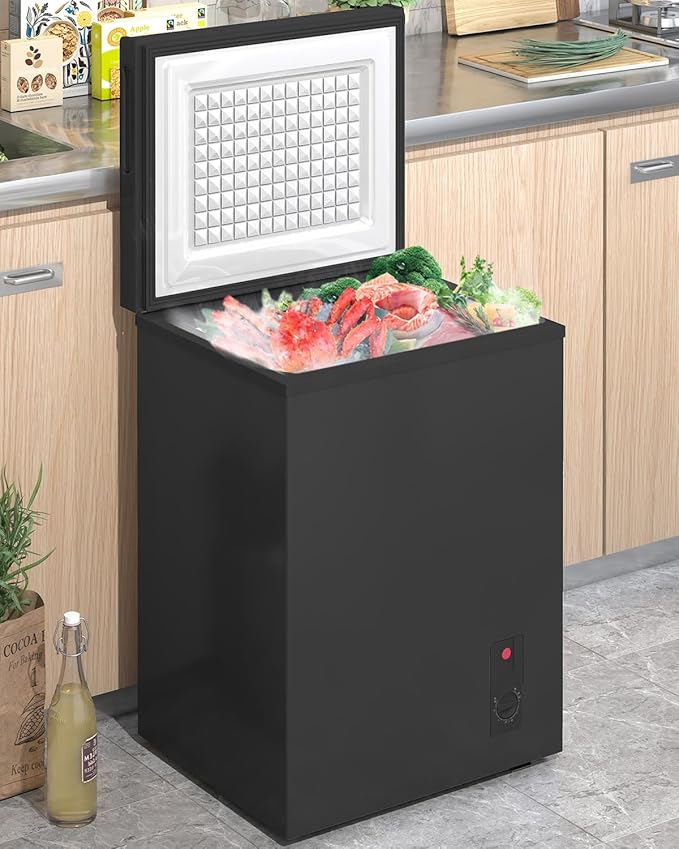
Versatility: These freezers can be placed in various locations within your dorm, such as under a desk or in a closet, making them highly versatile.
Understanding these benefits can help you make an informed decision when selecting the best freestanding chest freezer for your dorm, ensuring it meets your storage needs while fitting seamlessly into your living space.
Factors to Consider
When selecting the best freestanding chest freezer for your dorm, several factors need to be taken into account. These include size and capacity, energy efficiency, and temperature control features.
Size and Capacity
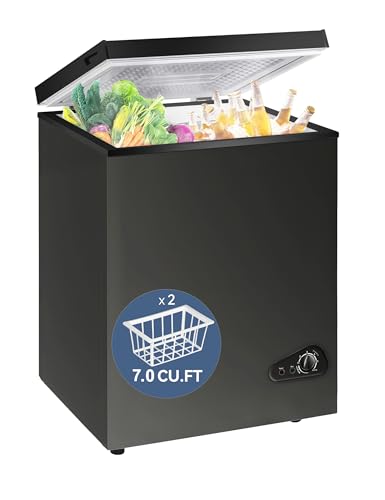
The size and capacity of the chest freezer are crucial considerations, especially in a dorm setting where space is often limited. You need to measure the available space in your dorm room before purchasing a freezer to ensure it fits perfectly. Chest freezers come in various sizes, typically measured in cubic feet.
Freezer Size
Capacity (Cubic Feet)
Ideal For
Small
3 - 5
Individual use
Medium
6 - 9
Shared use with roommate
Large
10+
Multiple users
Choosing the correct size ensures you have enough storage for your frozen goods without sacrificing too much of your living space. For more space-saving ideas, check out Fridge.com article on best undercounter freezer for a dorm.
Energy Efficiency
Energy efficiency is another essential factor to consider. A more energy-efficient chest freezer will consume less electricity, reducing your utility bills and environmental footprint. Look for freezers with an Energy Star rating, which ensures they meet specific energy efficiency guidelines.
Freezer Type
Energy Consumption (kWh/year)
Energy Star Rating
Standard
300 - 500
No
Opting for an energy-efficient model can save you money in the long run and is better for the environment. For more information on energy-efficient appliances, read Fridge.com article on best fridge for national thermal engineer day.
Temperature Control and Features
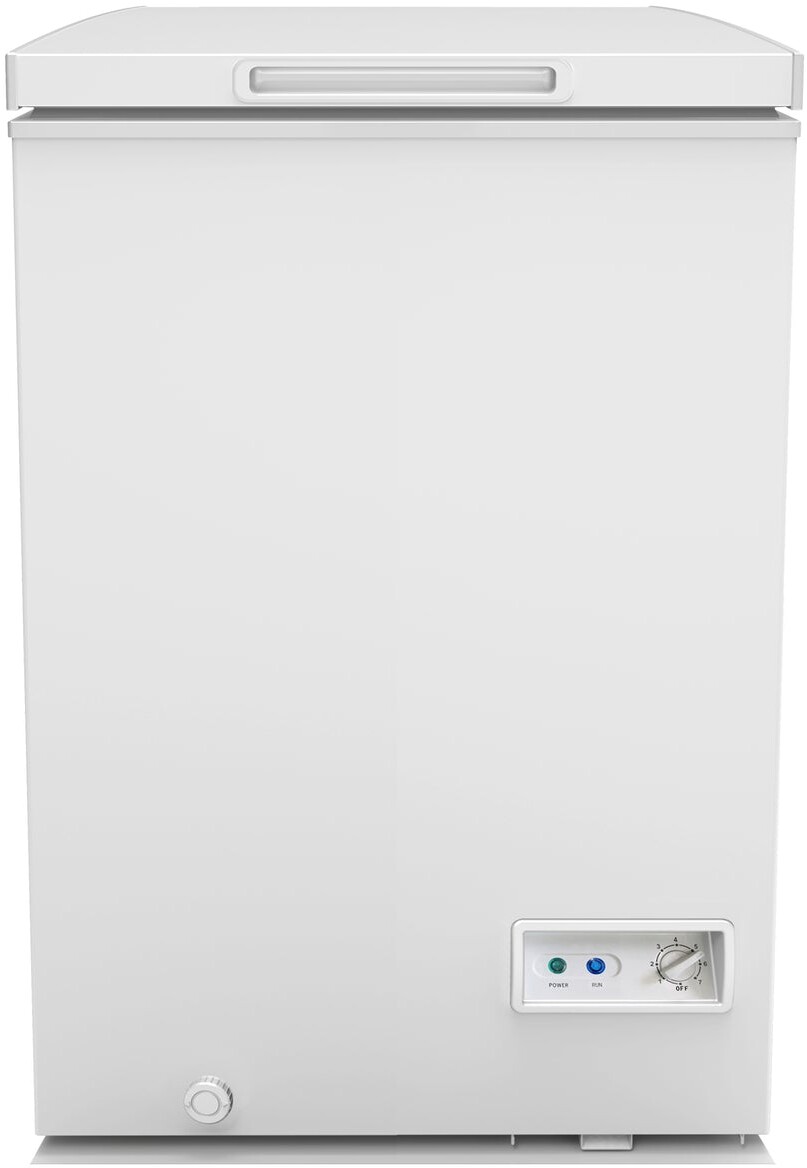
Temperature control is vital for keeping your food at the optimal freezing point. Look for freezers with adjustable thermostats and temperature settings. Some models come with additional features such as fast freeze functions, alarms for temperature fluctuations, and internal lighting.
Feature
Description
Adjustable Thermostat
Allows you to set the desired temperature
Fast Freeze Function
Quickly lowers the temperature to freeze items faster
Temperature Alarm
Alerts you if the internal temperature rises
Internal Lighting
Illuminates the inside of the freezer for better visibility
These features can enhance the functionality and convenience of your chest freezer. For more on the latest freezer features, see Fridge.com article on best fridge and freezer drawer for a dorm.
By considering size, energy efficiency, and temperature control, you can find the best freestanding chest freezer for your dorm that meets your needs and fits your space.
Setting up your freestanding chest freezer in a dorm requires careful consideration to ensure optimal performance and safety. Begin by selecting a suitable location that is close to an electrical outlet. Ensure the outlet can handle the power requirements of your freezer.
Unpack the Freezer: Remove all packaging materials and inspect the freezer for any visible damage.
Level the Freezer: Use a spirit level to check if the freezer is level. Adjust the legs if necessary to ensure stability.
Plug It In: Connect the freezer to the power outlet. Avoid using extension cords as they can pose a fire hazard.
Set Initial Temperature: Refer to the manufacturer’s instructions to set the initial temperature. Most freezers come with a default setting, but you may need to adjust it based on your storage needs.
Step
Action
1
Unpack the freezer
2
Level the freezer
3
Plug it in
4
Set initial temperature
Proper Ventilation and Clearance
Proper ventilation is crucial for the efficient operation of your chest freezer. Ensure there is enough clearance around the unit to allow for adequate airflow. This will prevent the compressor from overheating and ensure the freezer maintains a consistent temperature.
Rear Clearance: Leave at least 4 inches of space behind the freezer for proper ventilation.
Side Clearance: Ensure there is a minimum of 2 inches of space on both sides.
Top Clearance: If the freezer has a lid, ensure there is sufficient space above it to open fully without obstruction.
Section
Recommended Clearance
Rear
4 inches
Sides
2 inches
Top
Sufficient space to fully open the lid
By following these installation and placement tips, you can ensure your freestanding chest freezer operates efficiently and safely in your dorm. For more details on maintaining your freezer, check out Fridge.com article on best undercounter freezer for a dorm. Additionally, learn about other dorm appliances like the best freestanding double drawer fridge for a dorm to maximize your storage options.
Organizing Your Dorm Freezer
Efficient organization of your dorm freezer is crucial for maximizing storage space and ensuring easy access to your frozen items.
Maximizing Storage Space
To make the most of the limited space in your dorm freezer, consider the following tips:
Use Storage Bins and Baskets: Utilize bins and baskets to group similar items together. This keeps everything organized and easy to find.
Label Everything: Clearly label your items with the date they were stored. This helps you keep track of their freshness and ensures you use older items first.
Vacuum Seal Bags: Removing air from storage bags using a vacuum sealer can help save space and keep your food fresh longer.
Stack Items Vertically: Stack flat items like frozen meals and meat packages vertically to save space and improve visibility.
Storage Strategy
Benefits
Storage Bins/Baskets
Keeps items grouped and tidy
Labeling
Tracks freshness and usage order
Vacuum Sealing
Saves space and extends freshness
Vertical Stacking
Maximizes space and visibility
Maintaining Order and Accessibility
Maintaining order in your freezer ensures that you can quickly find what you need without digging through piles of frozen goods.
Create Sections: Divide your freezer into sections for different types of food, such as vegetables, meats, and ready-to-eat meals.
Rotate Stock: Always move older items to the front and place newer items at the back. This first-in, first-out method helps prevent waste.
Use Clear Containers: Transparent containers allow you to see the contents without opening them, making it easier to locate items.
Keep an Inventory List: Maintain a list of the items in your freezer and update it as you add or remove items. This can be a simple written list or a digital note on your phone.
By following these tips, you can ensure that your dorm freezer remains organized and accessible, making it easier to enjoy your frozen foods. If you need further advice on setting up your dorm freezer, check out Fridge.com guide on best fridge and freezer drawer for a dorm.
Maintenance and Cleaning
Proper maintenance and cleaning of your freestanding chest freezer are essential to ensure its longevity and efficiency. This section covers regular defrosting and cleaning, as well as troubleshooting common issues.
Regular Defrosting and Cleaning
Freestanding chest freezers require regular defrosting to prevent the buildup of ice, which can affect performance and reduce storage capacity. Here are the steps for defrosting and cleaning your freezer:
Unplug the Freezer: Always unplug the freezer before starting the defrosting process.
Remove Contents: Take out all the items from the freezer and store them in a cooler.
Defrost: Let the ice melt naturally. You can place towels around the base to soak up water.
Cleaning: Once defrosted, clean the interior with a mixture of mild soap and warm water.
Drying: Wipe the interior dry with a clean cloth.
Plug Back In: Plug the freezer back in and allow it to reach the desired temperature before restocking.
Task
Frequency
Defrosting
Every 6 months
Interior Cleaning
Every 3 months
Exterior Cleaning
Monthly
Troubleshooting Common Issues
Even the best freestanding chest freezer for a dorm can encounter issues. Here are some common problems and their solutions:
Freezer Not Cooling:
Check Power Supply: Ensure the freezer is plugged in and there is power in the outlet.
Thermostat Setting: Verify that the thermostat is set to the correct temperature.
Ventilation: Ensure there is proper ventilation around the freezer.
Excessive Frost Build-Up:
Door Seal: Check if the door seal is intact and not damaged.
Opening Frequency: Minimize the frequency of opening the freezer door.
Unusual Noises:
Leveling: Ensure the freezer is level on the floor.
Internal Items: Check if items inside the freezer are causing noise by vibrating against each other.
By following these maintenance and cleaning tips, you can ensure your freestanding chest freezer remains efficient and functional, making it the best choice for your dorm. For more tips on choosing the right freezer, visit Fridge.com guide on the best undercounter freezer for a dorm.
When using a chest freezer in your dorm room, safety should be a top priority. Following proper electrical and food safety guidelines ensures not only the longevity of your appliance but also your well-being.
Electrical Safety Measures
Ensuring your chest freezer operates safely involves several electrical precautions:
Proper Outlet Usage: Always plug your freestanding chest freezer into a dedicated electrical outlet. Avoid using extension cords or power strips, which can lead to overheating and potential fire hazards.
Voltage Compatibility: Verify that the voltage rating of the chest freezer matches the outlet. Mismatched voltage can cause electrical malfunctions.
Grounding: Make sure the outlet is properly grounded. A grounded outlet reduces the risk of electrical shock.
Regular Inspection: Periodically check the power cord and plug for any signs of wear or damage. Replace any faulty components immediately to prevent electrical issues.
Avoid Water Exposure: Keep the chest freezer away from areas where it might get wet, such as near sinks or windows. Water exposure can lead to electrical shorts and damage.
Maintaining food safety in your chest freezer is crucial to prevent spoilage and foodborne illnesses:
Proper Temperature Setting: Ensure your freezer is set to the appropriate temperature, typically 0°F (-18°C) or lower. Consistently maintaining this temperature keeps your food safely frozen.
Organized Storage: Use storage bins and labels to organize food items. This helps in quick identification and reduces the time the freezer door stays open, maintaining a stable temperature.
Avoid Overloading: Do not overload the freezer. Proper air circulation is necessary for maintaining even temperatures throughout the unit.
Safe Thawing Practices: When thawing food, do so in the refrigerator, microwave, or under cold water. Avoid leaving food out at room temperature to thaw, as this can promote bacterial growth. Learn more about safe thawing in Fridge.com article on how long defrosted salmon in the fridge.
Regular Cleaning: Clean your freezer regularly to prevent ice buildup and contamination. Use a mild detergent and water to wipe down surfaces. For tips on defrosting and cleaning, see Fridge.com section on regular defrosting and cleaning.
By adhering to these electrical and food safety measures, you ensure that your chest freezer operates efficiently and that your stored food remains safe to consume. For more detailed insights on managing your chest freezer, explore Fridge.com articles on best freestanding double drawer fridge for a dorm and best fridge for national oatmeal muffin day.
From Fridge.com research
Figures below come from data Fridge.com builds and maintains. Each links to the record behind it.
Fridge.com Energy Index, built on U.S. EPA and DOE ENERGY STAR records
Across 5,455 ENERGY STAR certified refrigerators and freezers from 263 brands, median use is 360 kWh per year.