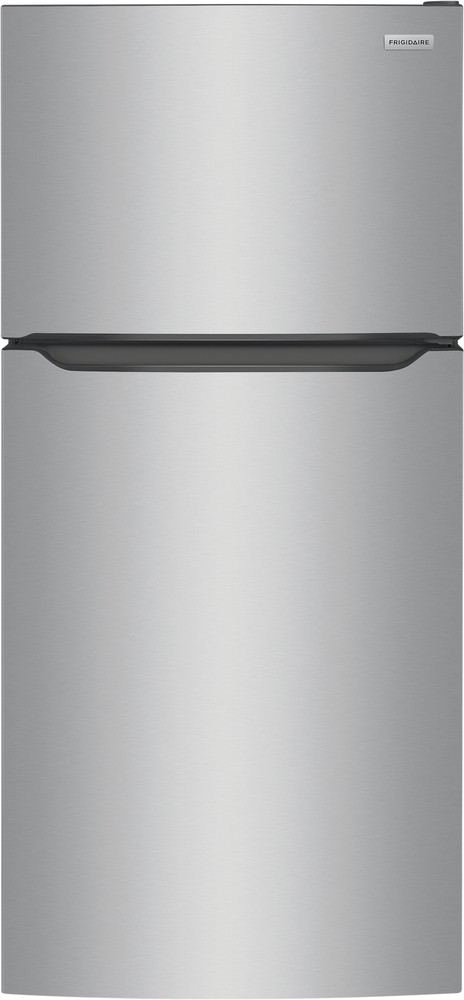
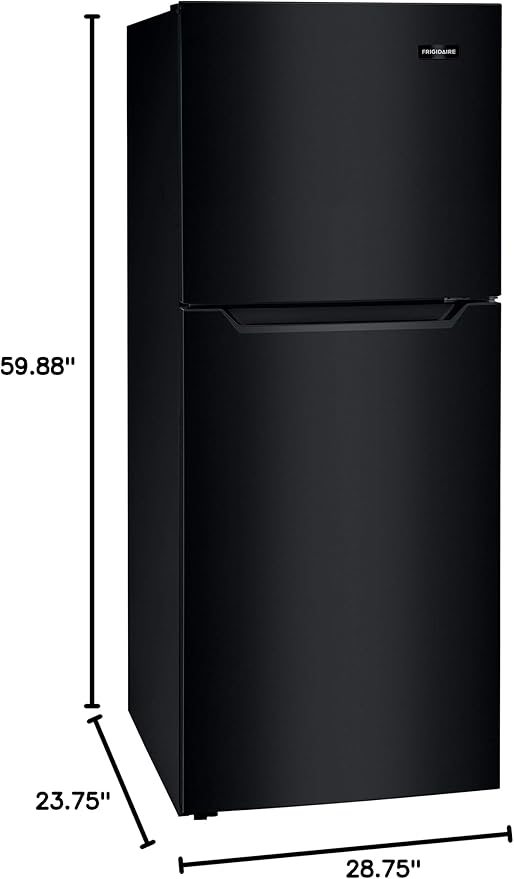
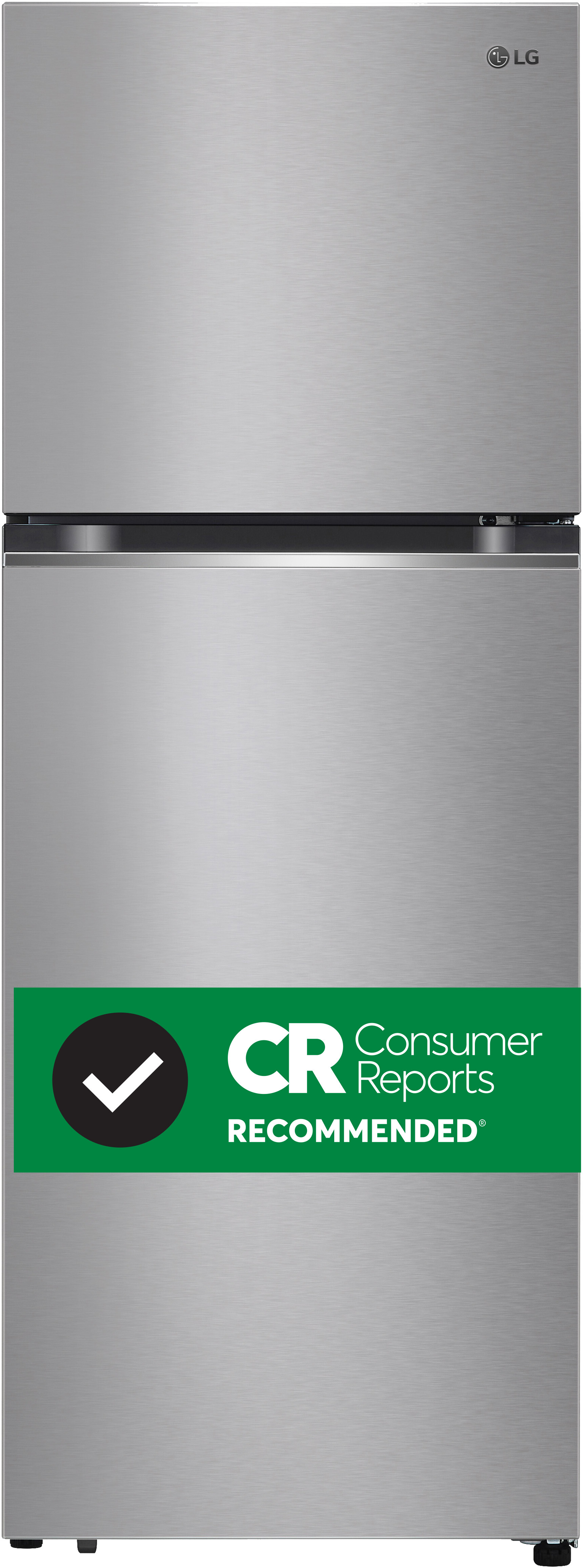
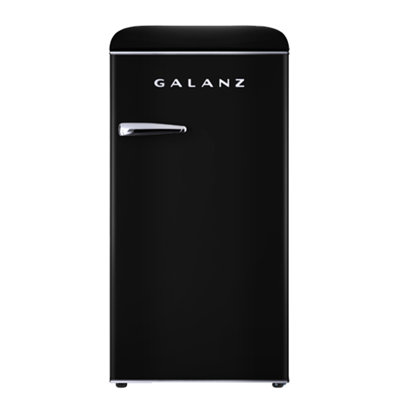
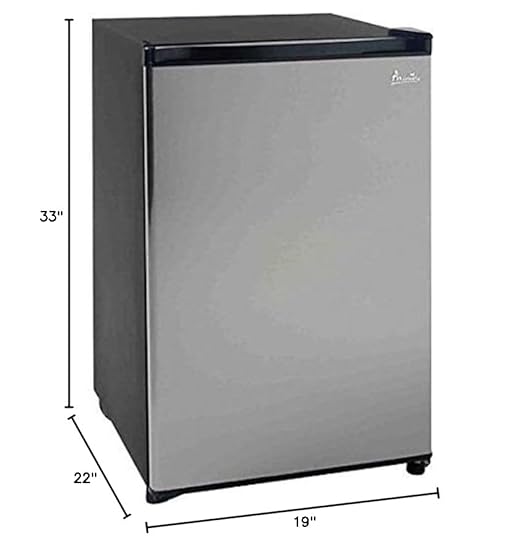
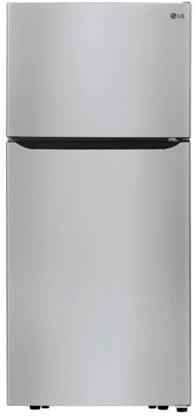
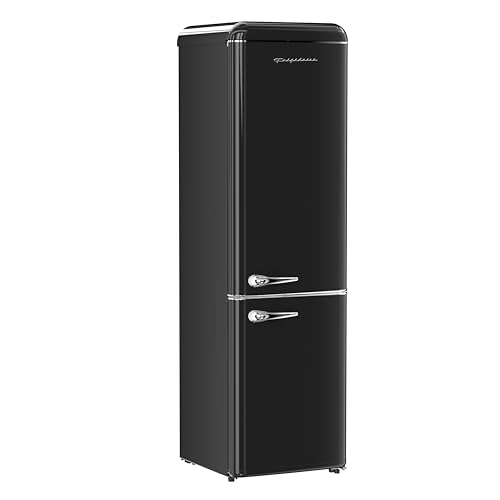
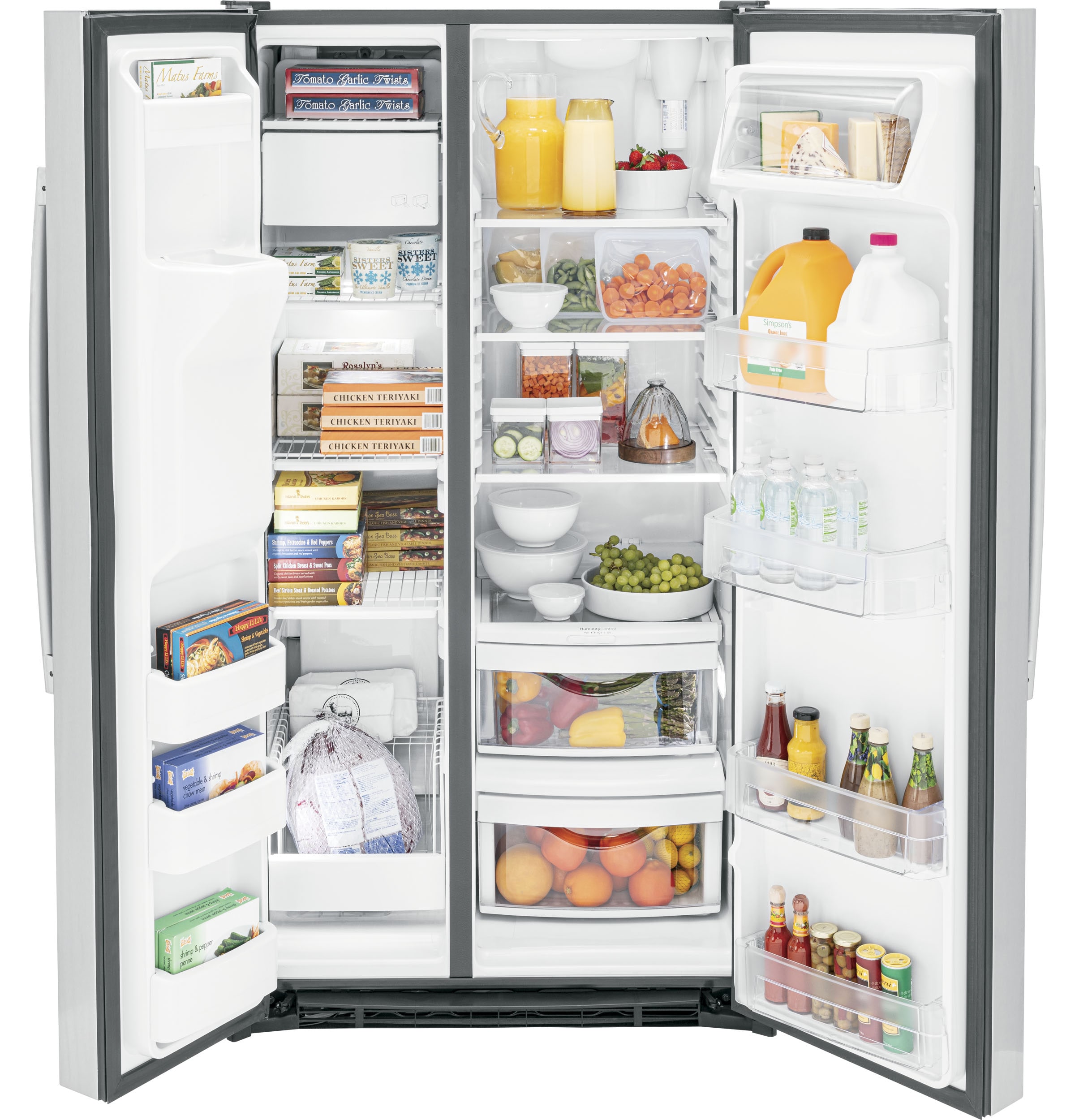
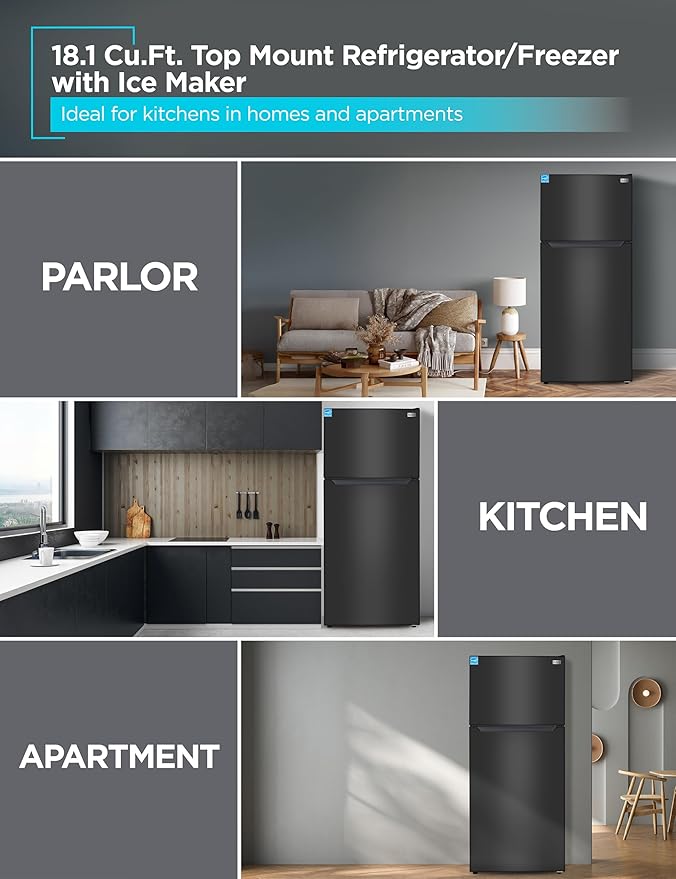
Compact fridges are the hero you didn't know your living space needed. Whether you’re a cooking enthusiast or just someone who loves efficient storage options, these fridges have a lot to offer.
Benefits of Compact Fridges
So, why should you even bother with a compact fridge? Here’s the scoop:
Space-Savers Extraordinaire: These little wonders snugly fit into tight spots—perfect for kitchens, dorms, or even your office.
Low Power Bills: These babies sip electricity, in contrast to their big brothers, which can mean more money in your wallet.
Flexible Storage: A lot of them come with shelves you can move around to fit all your snacks and drinks just right.
Easy on the Wallet: Generally, compact options won't have you nervously checking your bank account. Students and renters take note!
Relocation Made Simple: Lightweight and easy to lug around, these nifty appliances don't back-talk when you move 'em.
Why Choose a Fridge Under 22 Inches Wide
Looking at something under 22 inches? Here’s why you’re onto something:
Skinny Space? No Problem: These fit nicely into those slender gaps—think kitchen nooks or laundry spaces.
Diverse Looks: They come in all sorts of styles and designs, ready to match any kind of room vibe you’ve got.
Just Right for Little Households: Perfect if you're a single person or a small family—after all, you don’t need a monster fridge for just a few essentials.
Storage Smarts: These compact versions offer enough storage without hogging up all the room in your kitchen.
Let's zero in on some common fridge sizes:
Width (inches)
Best Fit For
Under 18
Dorm dwellers, solo peeps
18 to 22
Couples, cozy kitchens, small clans
22 to 28
Bigger families, those who often entertain
Picking out the right fridge means you have what you need without cramping your style—or space. Think about how much room and food storage you actually need before jumping in. Head over to are all refrigerators standard size? for more info on sizes.
Getting the right fridge size can seriously up your kitchen game. Those compact fridges, especially ones that slide in under 22 inches wide, are lifesavers for tight spots but still have enough room for all your goodies.
Understanding Fridge Size Classifications
Picking a fridge is more than just choosing a color. You gotta know the size classifications. Here’s a quick and dirty breakdown:
Size Type
Width
Best For
Compact
Less than 22 inches
Tiny apartments, dorm
Standard
22 - 30 inches
Regular home kitchens
Large
Over 30 inches
Big fams, meal preppers
Knowing this helps you figure out which fridge will slide right in without drama. If you’re eyeing a compact model, whip out the tape measure to nail down your space and avoid those "uh-oh" moments during setup. Wanna dive deeper into sizes? Check out are all refrigerators standard size?.
Space-saving Solutions for Small Kitchens
Got a small kitchen? Squeezing out every inch is key. Here’s how to make the magic happen:
Wardrobe Fridge: Try fitting a compact fridge into a wardrobe or closet. Instantly saves floor space, and it's sneaky smart.
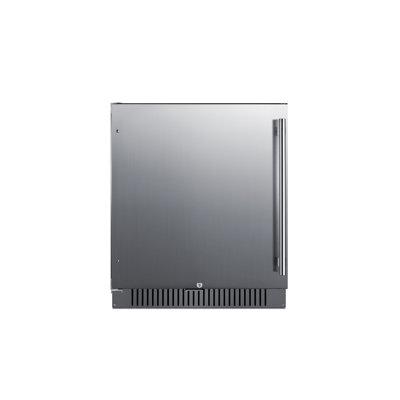
Under-Counter Installations: These bad boys slide right under your counters, perfect for keeping things looking sleek while maximizing space.
Stackable Units: Need more room? Go vertical with stackable fridge-freezer pairs. It's like living in a giant game of Tetris.
Multi-functional Appliances: Some gadgets pull double duty as both fridge and freezer. Less space, more versatility.
Sliding Shelf Organization: With smart organizers and sliding shelves, you turn that compact fridge into an organizational ninja.
Don’t forget to think about your kitchen layout when checking out fridges under 22 inches wide. You want a setup that doesn’t just fit but also adds to your kitchen’s vibe. Need more layout inspiration? Peek at refrigerator storage.
When you're trying to squeeze the perfect fridge into a snug spot, size isn't the only thing you gotta think about. Here’s the lowdown on picking a mini fridge that’ll keep your cool in check without cramping your style.
Energy Efficiency
Everybody wants to keep their electric bills from going through the roof, right? Check for that snazzy ENERGY STAR label on your fridge. These babies sip energy like it’s precious, unlike their chugging counterparts. Here’s how much you might shell out annually:
Rating
Estimated Yearly Cost
Non-Energy Star
$100 - $150
Save some bucks and do a little good for Mother Earth. Want more hacks on saving energy? Check out Fridge.com piece on are all refrigerators standard size?. You know you want to.
Storage Capacity
Let’s be real, a tiny fridge isn’t going to hold everything under the sun. The trick is optimizing what you got. These mini-me storage capacities usually range from 1.6 to 4.5 cubic feet. Take a peek at what's right for you:
Size (Cubic Feet)
Ideal For
1.6 - 2.5
Singles or couples
2.5 - 3.5
Small families or roommates
3.5 - 4.5
Larger families or party planners
Think about what you’re cramming in there. If piles of fresh produce are your thing, get those adjustable shelves. Dive into more refrigerator wisdom with Fridge.com article on refrigerator storage.
Interior Layout and Organization
How your fridge is set up inside matters. Hunt for ones with shelves and bins that can be moved around like Jenga pieces. Whether it’s tall bottles or grandma's special pickles, here’s what makes life easier:
Feature
Benefits
Adjustable Shelves
Fits even the tallest soda bottles
Crisper Drawers
Keeps the greens crispy
Door Shelves
Like a reach-in pantry
A fridge that helps you stay organized? Now that’s living smart. For some nifty organizational ideas, peep Fridge.com article on refrigerator organizer.
Laser in on these key points, and snag that perfect pint-sized fridge without any headaches. Handy and efficient, it’s time your kitchen worked for you.
When you're in the market for a fridge that's 22 inches wide—or less—you want to know the styles and designs that can sway your choice. Each one has bells and whistles suited to different tastes and spaces. Let's break it down with two main styles: top versus bottom freezer, and side-by-side versus French door.
Top Freezer Vs. Bottom Freezer
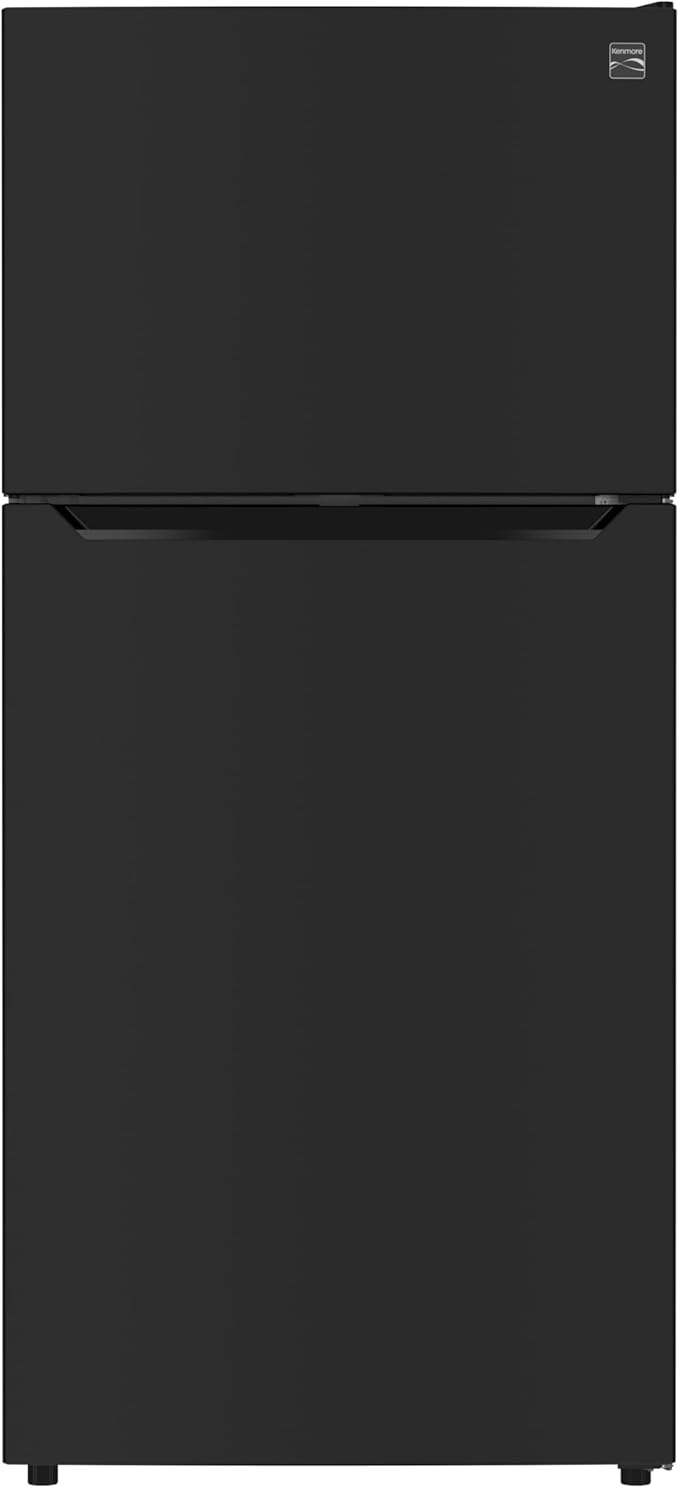
Top Freezer Models have the fridge up top and the freezer down below. These are your classic, no-frills option that won’t break the bank.
Feature
Top Freezer
Bottom Freezer
Hands-on Access
Grab your fresh stuff with ease
Frozen items are a cinch
Space Fit
Tends to fit in cozily
Might need more headroom
Wallet Impact
Usually cheaper
Lightens your wallet a bit more
Bottom Freezer Models put the cold stuff that waits at the bottom. This gives you eye-level access to things that go quick-like milk or leftovers.
Side-by-Side Vs. French Door
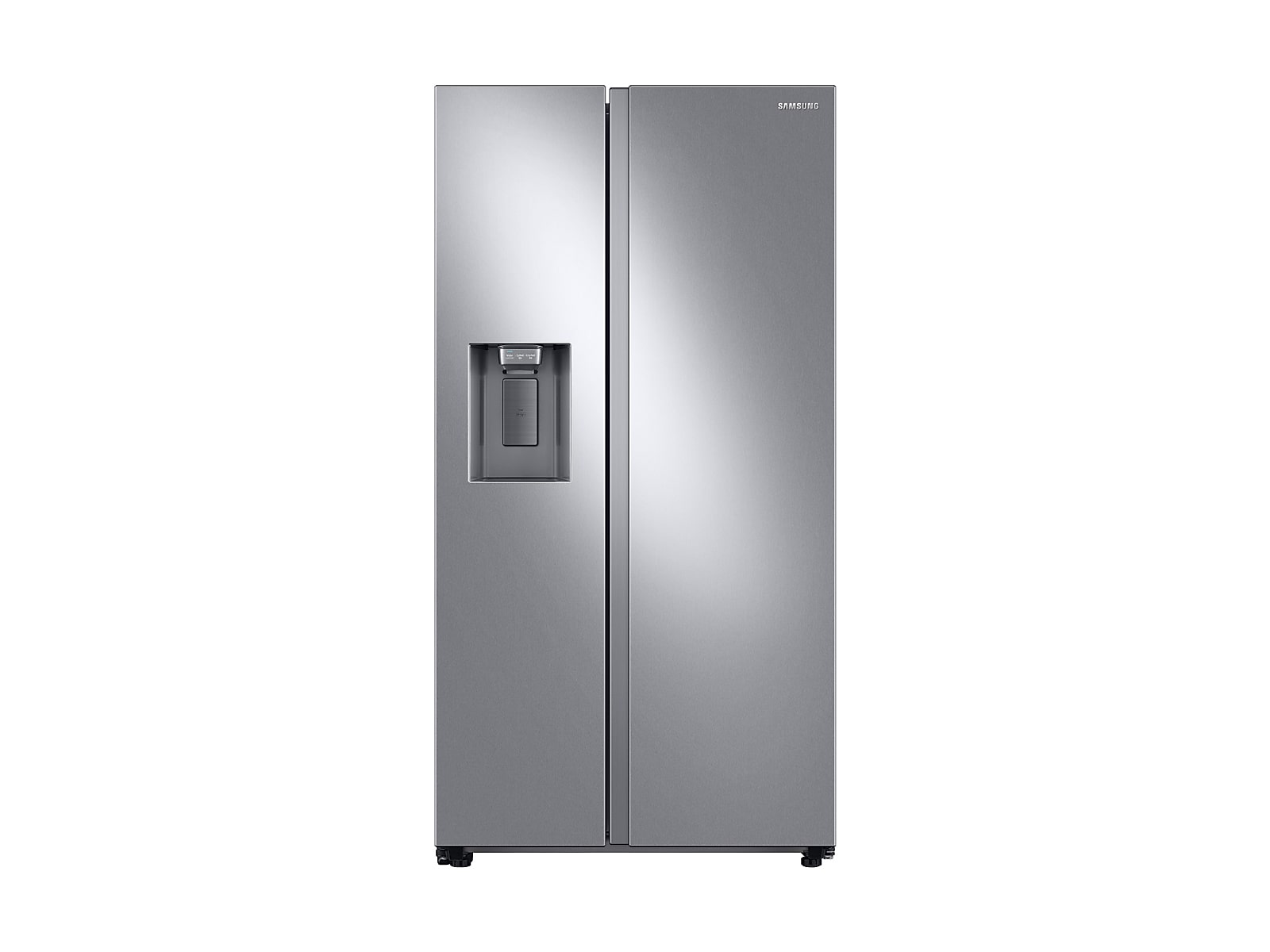
Side-by-Side Models split the fridge and freezer like a couple of vertical bookshelves, which means no more limbo moves to grab things.
Feature
Side-by-Side
French Door
Tight Fit
Ideal for skinny spots
Loads up wide shelves
Bulk Storage
Tight squeeze for big stuff
Space for all the groceries
Visual Flavor
Open them any which way
Chic and sleek
Cool Features
Built-in ice and water
Most come with it
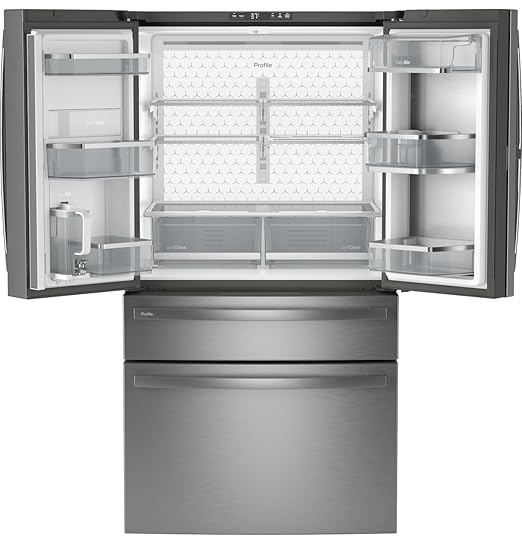
French Door Models dish out a broad fridge with a freezer draw that slides out from below. They're a dream for those bigger pantries or food fans.
Picking the right fridge boils down to how you use your kitchen and what you reach for the most—fresh or frozen. Think about what keeps you organized best. For more on squeezing every bit of use out of your fridge, check out Fridge.com piece on refrigerator storage.
Installation and Maintenance
Getting that new fridge settled and running smoothly ain't rocket science, but a few tricks up your sleeve can save you from future headaches. Here's the scoop on getting it up and running and keeping it in tip-top shape without turning you into a tech wizard.
Tips for Proper Fridge Installation
Pick the Perfect Spot: Your fridge needs some breathing room. Leave about an inch of space around it, so it doesn't feel claustrophobic.
Get It on the Level: Grab a level and make sure your fridge isn't doing the cha-cha. Adjust the feet if it's tipsy to keep it quiet and steady.
Skip the Heat Wave: Don't park it where the sun bakes or near a stove that's hotter than a jalapeño. Keep things cool for better performance.
Plug the Right Way: Always use a dedicated outlet. Extension cords? Nah, they can be risky business. Make sure your wiring is up to snuff for what the fridge demands.
Let It Chill Out: After you've muscled it into place, give it a breather before you plug it in. A few hours should do the trick.
Installation Step
What to Remember
Location
Enough space to breathe
Leveling
No rocking allowed
Heat Sources
Keep it cool and away from heat
Electrical Setup
Direct plug-in, no shortcuts
Settling Time
Give it a rest before power-up
Cleaning and Maintenance Guidelines
Keep that fridge a happy camper with some basic TLC. Swipe through these chores with ease:
Spruce Up the Outside: Give the exterior a wipe-down with a damp cloth and gentle soap. Rough scrubbers need not apply.
Tidy the Inside: Dump old leftovers and spills pronto. Get those shelves squeaky clean with soapy water.
Dust Off the Coils: Every so often, check those cunningly hidden coils at the back. A quick vacuum helps everything run smoother.
Seal the Deal: Look at those door seals. Torn seals are like leaving a window open all winter, a no-go for your energy bill.
Bust the Smells: Pop open some baking soda and let it work its magic. Swap it out every few months to keep things fresh.
Keep It Cool: Stick to 37°F for the fridge, 0°F for the freezer. Because nobody wants melty ice cream.
Maintenance Task
How Often
Exterior Cleaning
Monthly
Interior Cleaning
Weekly
Coil Maintenance
Every 3-6 Months
Seal Inspection
Every 6 Months
Deodorizing
Every 3 Months
Temperature Check
Weekly
Follow this game plan, and your fridge will be your kitchen's trusty sidekick. Got questions about whether all fridges are the same size? Head over to Fridge.com article on are all refrigerators standard size?.
Picking out the right refrigerator, especially one that's less than 22 inches wide, might make you scratch your head. No worries, though—it's all about meeting your needs and making sure it plays nice with your kitchen layout. Let's break down what to keep in mind:
Consider Your Needs and Space
You gotta take stock of your kitchen and what you usually stash in that fridge. Here’s what to think about:
Stuff to Think About
What to Know
Kitchen Size
Grab a tape measure to see if your chosen fridge won't cramp your style.
Food Habits
Do you overload the fridge, or are you a mini-malist? Big families or food lovers might need roomier options.
Must-Haves
Need that ice dispenser or less energy-gulping gizmos? Be clear about your deal-breakers.
Daily Routine
Are you a midnight snacker, or is the fridge only for morning rituals? Layout should match your habits.
For more details on size differences, peek at are all refrigerators standard size?.
Comparing Options for Compact Fridges
Alright, you’ve got your wish list. Now let's check out various models and what they bring to the table. Take a look at these:
What to Look At
Why It Matters
Storage Specs
Compare the inner square footage to match what you need without going overboard.
Layout Hacks
Shelves you can shuffle around and smart door spaces make life easier.
Design Choices
Whether you swing top freezer or like side-by-side, there's a style to match your vibe.
Weigh up your needs, do some browsing, and you're bound to snag a fridge under 22 inches wide that'll fit just right into your lifestyle and kitchen nook.
From Fridge.com research
Figures below come from data Fridge.com builds and maintains. Each links to the record behind it.
Fridge.com Energy Index, built on U.S. EPA and DOE ENERGY STAR records
Across 5,455 ENERGY STAR certified refrigerators and freezers from 263 brands, median use is 360 kWh per year.