Keep the refrigerator at 40°F (4°C) or below, checked with an appliance thermometer.
For more inspiration on fridge organization and optimization, you may want to explore articles on fridge organisation, home freezers, and best fridge 2023 for the latest trends and products.
Containers with airtight seals are ideal for storing leftovers, prepped ingredients, or meal portions.
For more organization tips, check out Fridge.com fridge organisation guide.
Choose clear, washable bins that fit your shelves without blocking vents or preventing the door from closing. Keep the refrigerator at 40°F (4°C) or below, checked with an appliance thermometer. Separate raw food from ready-to-eat items. Organization supports safe storage but does not replace temperature control or food-specific storage limits.
The Importance of Fridge Organization
Benefits of Having a Well-Organized Fridge
A well-organized fridge offers numerous benefits that can enhance your daily life and overall well-being. By arranging your refrigerator efficiently, you can:
Reduce Food Waste: Keeping track of what you have in your fridge means you're less likely to let food go bad, saving you money and reducing waste.
Save Time: Finding ingredients quickly eliminates the frustration of searching through clutter, making meal preparation faster and more enjoyable.
Improve Food Safety: Proper organization ensures that raw and cooked foods are stored separately, reducing the risk of cross-contamination.
Enhance Fridge Efficiency: A tidy fridge allows for better air circulation, which helps maintain consistent temperatures and could reduce electricity consumption.
Promote Healthier Eating Habits: When healthy foods are visible and accessible, you're more likely to reach for them over less nutritious options.
How Fridge Organizers Can Simplify Your Life
Fridge organizers are versatile tools that can transform the way you store and access food. These handy aids can:
Create Clear Zones: Designate specific areas for different food types, such as dairy, produce, condiments, and leftovers, making it easier to find what you need.
Optimize Space: Utilize otherwise wasted space with specialized organizers, such as door organizers or drawer dividers, to maximize storage capacity.
Maintain Cleanliness: Spill-proof containers and bins help contain leaks and spills, making cleanup a breeze and keeping your fridge spotless.
Streamline Meal Planning: With a clear view of available ingredients, you can plan meals more effectively and avoid unnecessary grocery trips.
Adapt to Changing Needs: Adjustable and removable organizers can be reconfigured to accommodate new groceries or larger items, providing you with flexible storage solutions.
By leveraging the utility of fridge organizers, you can ease the burden of kitchen management and enjoy a more orderly and efficient culinary environment. For more insights on enhancing your fridge's functionality, explore Fridge.com comprehensive guide on fridge organisation.
Optimizing your fridge space with the right type of organizer can transform your kitchen routine. These tools help you keep your food visible, accessible, and in good order. Let's look at some of the organizers that can assist you in maintaining an orderly fridge.
Drawer Organizers
Drawer organizers are designed to compartmentalize your fridge drawers, allowing you to sort and separate different types of produce or food items. These can be adjustable or come in various sizes to fit a range of drawer dimensions. By utilizing drawer organizers, you can prevent items from getting lost or forgotten at the back of the fridge.
Here are some common drawer organizer types for your fridge:
Adjustable dividers
Produce mats for moisture control
Stackable bins for multi-level organization
Learn more about drawer organization and fridge optimization on Fridge.com fridge organisation page.
Shelf Organizers
Shelf organizers come in various forms, such as stackable shelves that create additional levels within your fridge, making the most of the vertical space. You might also find under-shelf baskets that hang below existing shelves, providing extra storage space without the need for installation.
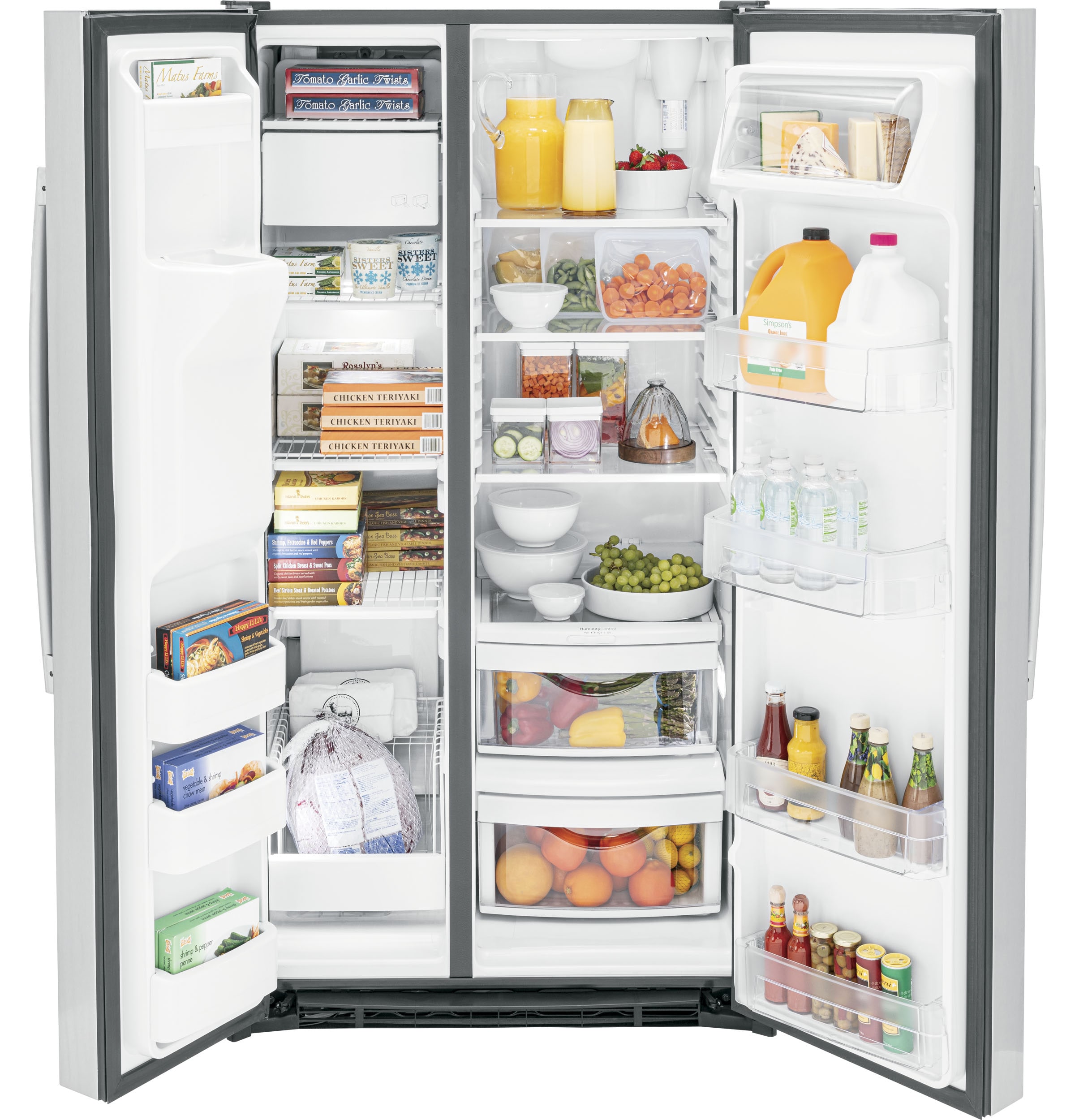
Door organizers are essential for keeping condiments, bottles, and jars in place. They can prevent items from falling out when the door is opened and closed. These organizers often come with adjustable slots to accommodate items of various sizes.
Types of door organizers include:
Clear bins
Adjustable racks
Deep pockets for larger bottles
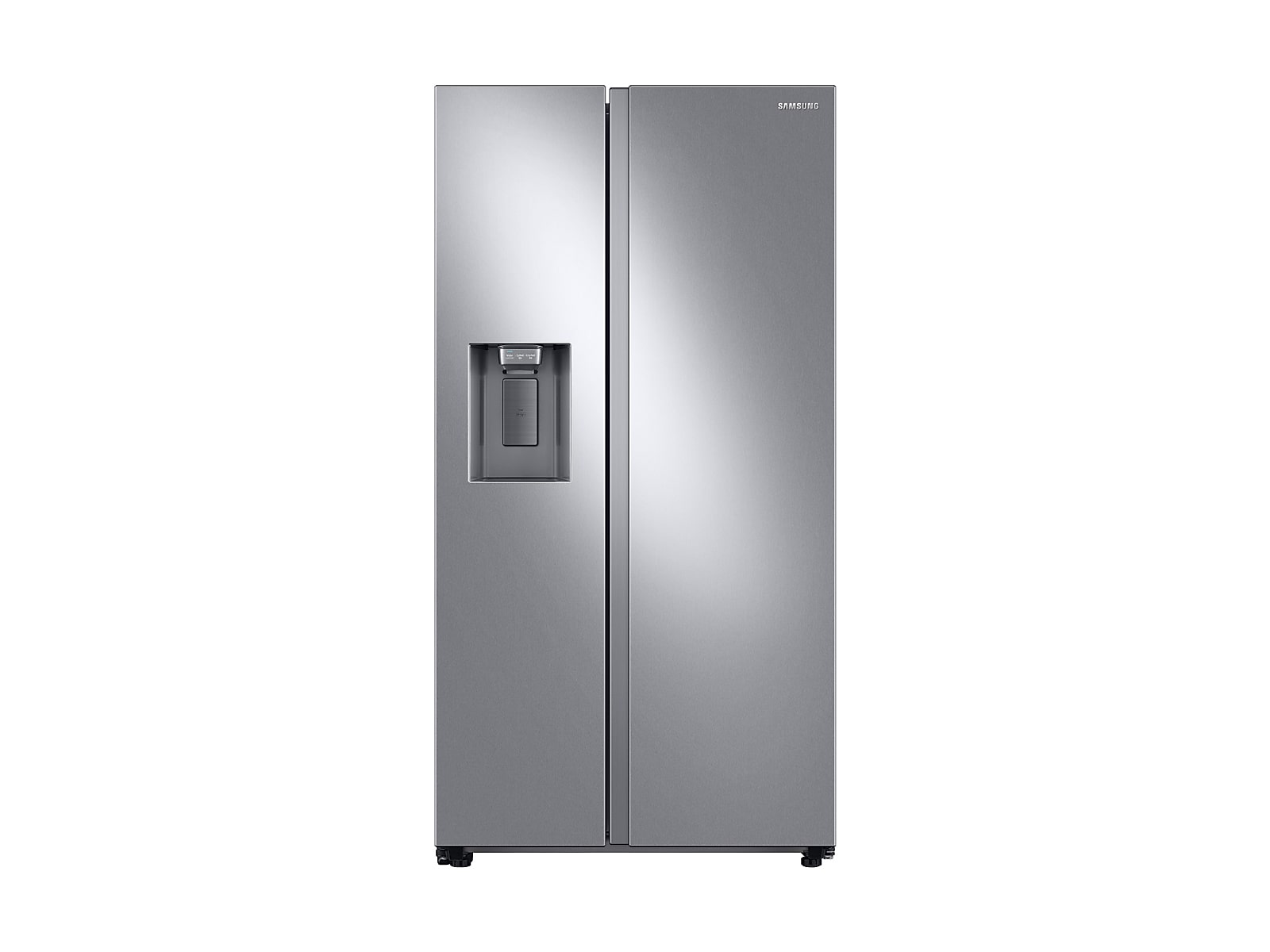
For more on maximizing door storage, visit Fridge.com guide on side by side refrigerators and how to efficiently use their door space.
Container Organizers
Containers with airtight seals are ideal for storing leftovers, prepped ingredients, or meal portions. They can come as single units or in sets with varying sizes. Clear containers allow you to see contents at a glance, and when labeled, they provide an extra level of organization.
Container types often used as fridge organizers:
Airtight food storage containers
Produce keepers with vent technology
Specialty containers for deli meats and cheeses
For additional information on how to effectively use containers to extend the freshness of your food, you might want to explore Fridge.com article on how long is shrimp good for in the fridge?
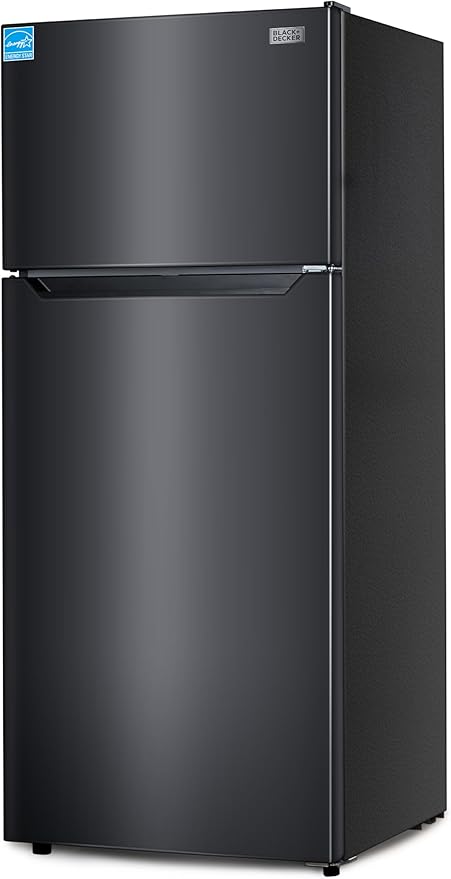
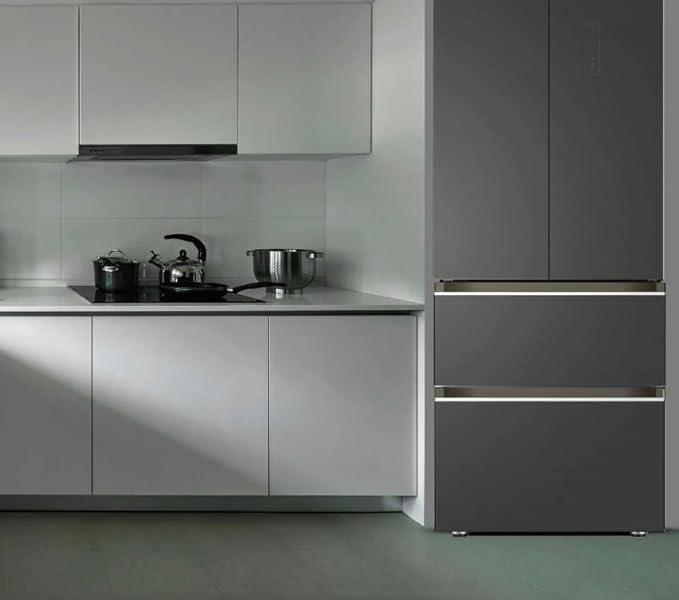
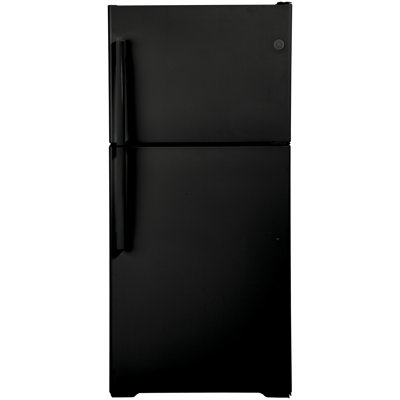
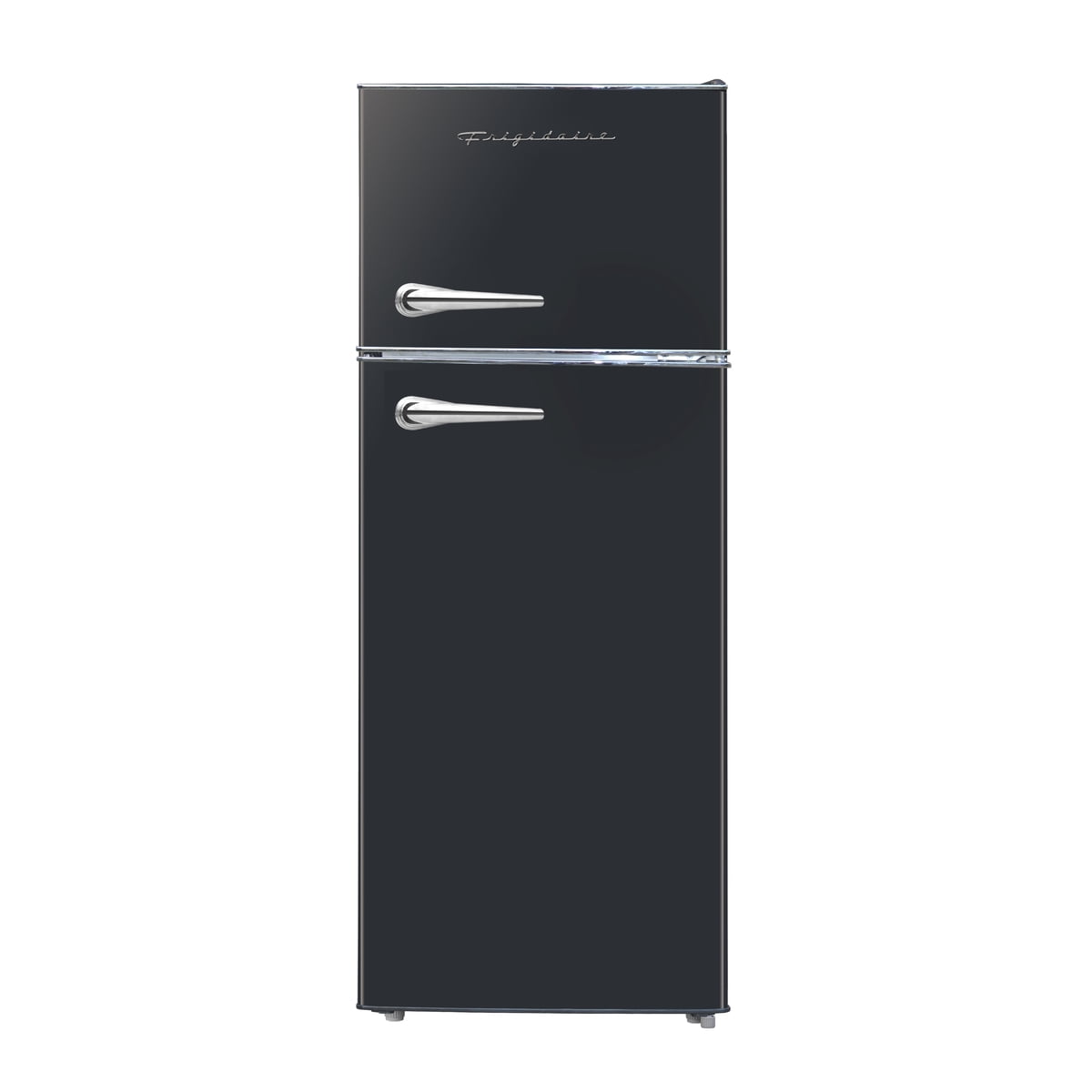
Choosing the right fridge organizer depends on your specific needs, the type of fridge you own, and the foods you typically store. Whether you have a black refrigerator that complements a modern kitchen aesthetic or a small stand up freezer for extra storage, the right organizers can make a significant difference in how you use and enjoy your space.
Effective organization of your refrigerator not only helps in keeping your food fresh but also maximizes space, making it easier to access ingredients when you need them. Here are some strategies to efficiently organize your fridge.
Utilizing Vertical Space
Vertical space in your fridge is often underutilized. To take full advantage of the height between shelves:
Use stackable storage containers to layer items.
Consider adjustable shelving to fit items of varying heights.
Invest in hanging bins or baskets that can attach to shelves for additional storage.
By stacking and layering items, you can store more in the same footprint. This is particularly useful for small stand up freezers or narrow fridges where space is at a premium.
Grouping Similar Items Together
Keeping similar items together not only saves space but also reduces the time you spend searching for things. Here's how you can group items:
Dedicate specific areas for dairy, meats, fruits, and vegetables.
Use fridge bins to keep condiments or small jars together.
Group leftovers in one area so you can easily keep track of what needs to be consumed first.
This method of organization is helpful in maintaining an overview of your inventory, which is crucial in home freezers or when managing a meat freezer
.
Utilizing Clear Bins and Labels
Clear bins and labels are an organizer's best friend. They allow you to see what's inside without having to move things around and labels help everyone in the household know where things go. Implement these tips:
Use clear bins for fruits, vegetables, and smaller items.
Label bins by category, such as 'snacks', 'baking ingredients', or 'lunch prep'.
Label shelves to designate specific zones in your fridge, such as 'dairy' or 'beverages'.
This strategy is especially beneficial in refrigerator double doors or french door fridge freezers with water and ice dispensers where visibility can help manage the larger space more effectively.
By adopting these methods, you can transform your refrigerator into a well-organized space that serves your needs. Remember that a well-organized fridge isn't just about aesthetics; it's about functionality and making the most of the space you have. For more organization tips, check out Fridge.com fridge organisation guide.
A well-organized refrigerator is not only pleasing to the eye but also enhances the functionality of your kitchen space. By following these tips, you can ensure that your fridge remains organized, making it easier to find what you need and reducing food waste.
Regularly Check Expiry Dates
One of the key aspects of maintaining an organized fridge is to keep track of the expiry dates of your food items. Use labels alongside food-specific storage limits and temperature history; most date labels concern quality rather than proving safety.
Implement a system where you place newer items at the back and move older items to the front. This "first in, first out" approach makes older items easier to use. Label opening and preparation dates, and use food-specific guidance. This table is a starting point:
Food Category
Use By
Dairy
Depends on the product, opening date and storage directions
Cooked Leftovers
3-4 days
Fresh Produce
Varies
Clean Out Your Fridge Regularly
Cleaning your refrigerator should be a part of your regular kitchen maintenance routine. By doing so, you can remove any crumbs or spills that may attract pests and cause odors. Set a recurring schedule to deep clean your fridge, such as every month or seasonally, to ensure nothing is overlooked.
During each cleanout, keep perishables cold in another refrigerator or an insulated cooler with ice packs. Limit time outside refrigeration and assess food using storage history and product-specific guidance. This is also an excellent opportunity to wipe down shelves and drawers to maintain a hygienic environment for your food storage. For more on fridge maintenance, see Fridge.com article on fridge organisation.
Utilize Temperature Zones in Your Fridge
Understanding and using the temperature zones in your refrigerator can greatly enhance the longevity of your stored food. Different areas of your fridge have different temperatures, which are suited for certain types of food:
The upper shelves tend to have a consistent temperature and are ideal for ready-to-eat foods.
Keep raw meat in a sealed, leakproof container below ready-to-eat foods. Check the manual and use an appliance thermometer rather than assuming which shelf is coldest.
The crisper drawers are designed to hold humidity, which is beneficial for fruits and vegetables.
Follow label refrigeration directions for condiments and drinks; keep eggs in their carton on an interior shelf.
By storing items in their appropriate zones, you can maintain their freshness longer and prevent cross-contamination. Learn more about the optimal use of fridge space in Fridge.com guide to best refrigerator temperature.
Regular maintenance, including checking expiry dates, cleaning, and utilizing temperature zones, can make a significant difference in the efficiency and effectiveness of your fridge organizer system. Keep these tips in mind to ensure that your refrigerator remains a safe and orderly space for food storage.
DIY Fridge Organization Ideas
Creating a well-organized refrigerator can be both cost-effective and satisfying. With a few simple do-it-yourself solutions, you can optimize your fridge storage, making it easier to find and use your food items. Here are some inventive ideas to help you get started on organizing your fridge using items you may already have at home.
Customized Shelf Dividers
Shelf dividers can make a world of difference in keeping your fridge items neatly separated and easy to access. Choose washable dividers suitable for refrigerator use, with smooth edges and materials approved for any intended food contact. Cut them to fit the width of your shelves and slot them in to keep produce, condiments, and other items compartmentalized.
Magnetic Spice Racks
Free up shelf space by relocating your spice jars to the fridge door. Attach small magnetic strips to the back of clear spice containers, and adhere them to a metal surface on your fridge door. This also makes spices easy to see and grab while cooking. Additionally, this method can be used for other small jars or containers that are often lost in the shuffle.
Egg Carton Storage Solutions
Keep eggs in their original carton on an interior shelf. Use a clean, washable food-storage container for other items instead of repurposing used egg cartons.
Repurposed Containers for Storage
Before recycling containers like jars, plastic tubs, or bins, check whether they are suitable for reuse as refrigerated food storage. Clear containers are especially useful as they allow you to see the contents at a glance. Use only intact containers intended for food storage, wash them thoroughly, and follow their reuse instructions. Label these containers for an extra level of organization, making meal prep and food storage a breeze.
Implementing these DIY fridge organization ideas can not only make your life easier but can also contribute to less food waste as items are less likely to be forgotten or lost in the back of the fridge. For more inspiration on fridge organization and optimization, you may want to explore articles on fridge organisation, home freezers, and best fridge 2023 for the latest trends and products.
Compare prices on Fridge.com
Compare current prices and specifications on Fridge.com, then buy from the retailer you choose; delivery, installation and warranty terms are the retailer’s.
It also has tons of awesome articles about kitchen stuff and home news. Enhance your home, garage, backyard, patio, and office with the coolest essentials. With every necessary type of residential refrigerator or freezer in the collection, you're covered.