When you search for fridge.com: plant based diet meaning and recipes, you’re looking for clear guidance on what a plant based diet really means and how to store and prepare all the fresh ingredients in your refrigerator. Whether you’re a home cook, a busy parent meal prepper, or someone who entertains friends and family, having the right information—and the right fridge—makes a big difference. In this guide you’ll learn what a plant based diet is, why it matters, and how to whip up simple, delicious recipes that keep your fridge organized and your taste buds happy.
Understand plant-based diet
Plant-based eating focuses on foods derived primarily from plants, including vegetables, fruits, whole grains, legumes, nuts, and seeds. You might hear it called a vegan diet, but plant-based leaves room for occasional animal products if you choose. What matters most is the emphasis on nutrient-rich, minimally processed foods that come straight from the earth.
Definition & types
- Whole-food plant-based: Centers on unrefined grains, vegetables, fruits, and legumes, with minimal oil and sugar.
- Plant-forward: Encourages meals where plants take the lead while allowing flexibility for dairy, eggs, or fish.
- Flexitarian: Mostly plant-focused but not strictly vegan, giving you room to rotate in animal proteins when desired.
- Mediterranean plant-based: Emphasizes olive oil, nuts, whole grains, legumes, fruits, and vegetables, with lean proteins like fish or yogurt occasionally.
- Raw vegan: Consists of uncooked, unprocessed plant foods—think salads, smoothies, and sprouted grains.
Common misconceptions
Some people worry they’ll miss out on key nutrients or end up eating only salads. The reality is you can get protein from beans, lentils, tofu, nuts, and seeds. Healthy fats come from avocados, nuts, and olive oil. Whole grains like brown rice, quinoa, and oats give you energy and fiber to keep you full and focused. A varied plant-based diet can be as balanced and satisfying as any other meal plan.
Benefits of plant-based eating
Switching to a plant-based diet offers benefits that go well beyond your plate. Here are a few reasons you might want to give it a try.
Health advantages
- Heart health: Diets rich in fruits, vegetables, and whole grains can help lower blood pressure and cholesterol.
- Digestive wellness: High fiber intake supports healthy digestion and can reduce bloating.
- Weight management: Plant foods tend to be lower in calories but higher in volume, helping you feel satisfied without overeating.
- Blood sugar control: Complex carbs and fiber help stabilize glucose levels.
- Better energy levels: Nutrient-dense foods fuel your day without the post-meal slump.
- Mental well-being: Antioxidants and micronutrients support brain health and can boost mood.
Environmental impact
Eating more plants shrinks your carbon footprint, since plant agriculture generally uses less water and land than livestock farming. By choosing beans instead of beef, you’re helping conserve valuable resources and reduce greenhouse gas emissions. A plant-based plate is kind to the planet as well as your body.
Cost savings
Stocking up on staples like beans, rice, and seasonal produce can be easier on your wallet than buying expensive cuts of meat. Planning meals around bulk grains and legumes also reduces food waste, letting you get the most out of every dollar. Your grocery bill may drop even as your nutrient intake rises.
Stock your fridge wisely
A plant-based diet works best when your fridge is set up for success. Here are some tips on what to keep handy and how to store it so your ingredients stay fresh longer.
Key plant-based staples
- Leafy greens: Spinach, kale, Swiss chard go in the high-humidity drawer.
- Colorful vegetables: Peppers, carrots, beets add flavor and nutrients.
- Fresh fruits: Berries, apples, and citrus last longer on middle shelves.
- Protein-rich options: Tofu, tempeh, hummus, plant-based yogurts.
- Grains & leftovers: Cooked rice, quinoa, and beans in airtight containers.
Storage tips for produce
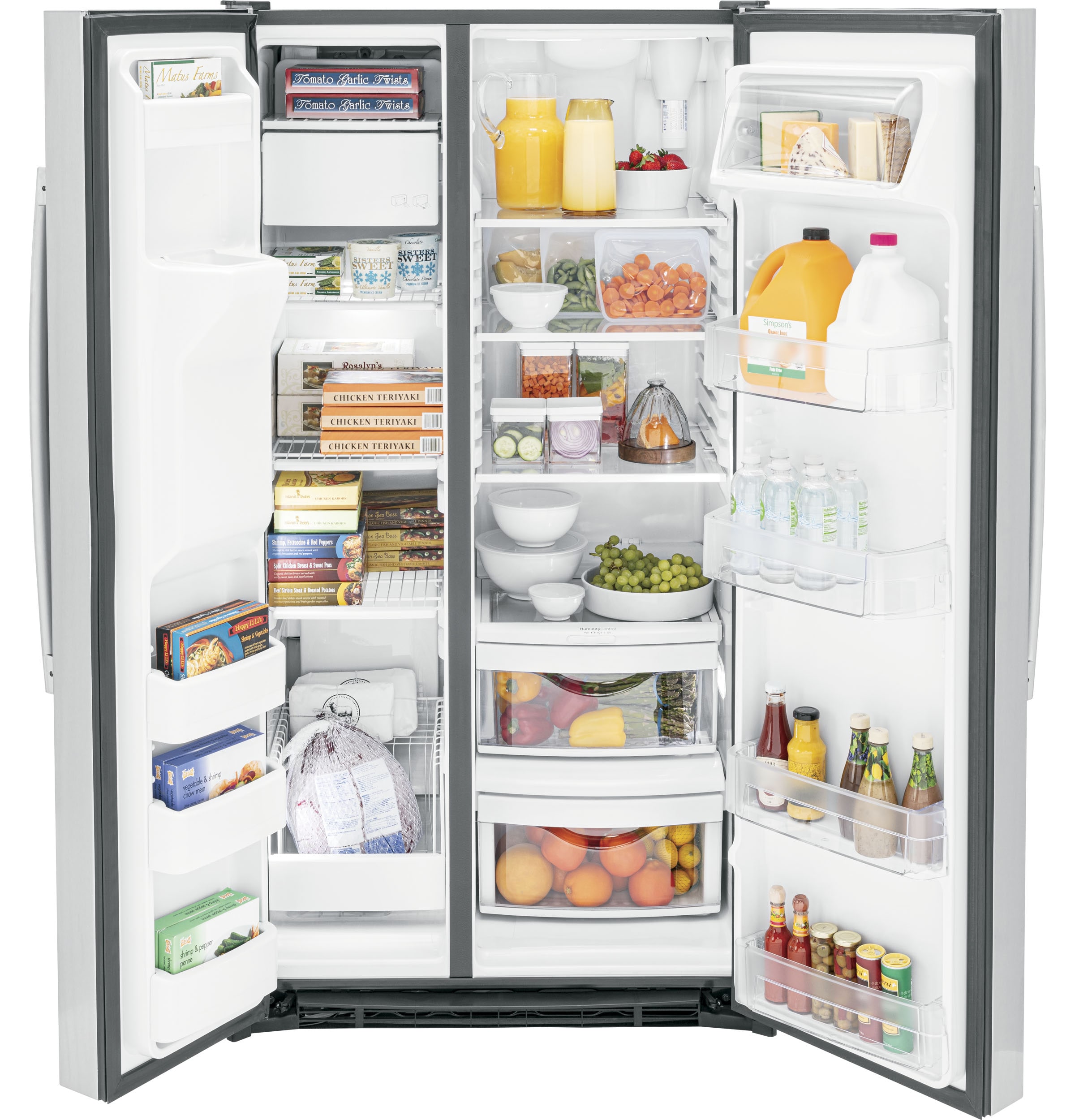
- Organize by humidity: Use the fridge’s high-humidity drawer for leafy greens and the low-humidity drawer for fruits.
- Keep ethylene producers separate: Apples and avocados can make other produce ripen faster, so store them apart.
- Use clear containers: Seeing what’s inside helps prevent forgotten items from going bad. Check out our guide on how to declutter a fridge for more organization hacks.
- Keep herbs fresh: Trim stems, place in a glass of water covered loosely with a plastic bag, then refrigerate.
Fridge zone guide
| Fridge zone | Ideal items |
|---|---|
| High humidity drawer | Leafy greens, fresh herbs |
| Low humidity drawer | Berries, apples, citrus |
| Door bins | Plant milks, condiments |
| Middle shelves | Prepared meals, grains, plant-based yogurts |
| Bottom shelf | Raw tofu, tempeh, marinating proteins |
Plant-based meal ideas
When it’s time to eat, you’ll appreciate having simple recipes at hand. Here are some favorites across meals and snacks, all designed to fit neatly in your fridge and freezer.
Breakfast recipes
Overnight oats with fruit
- Combine rolled oats, plant milk, chia seeds, and a drizzle of maple syrup in a jar.
- Top with fresh berries or sliced banana.
- Refrigerate overnight and grab in the morning for a ready-to-eat breakfast.
Tofu vegetable scramble
- Crumble firm tofu and sauté with turmeric, garlic, and chopped veggies of your choice.
- Cook 5–7 minutes, season with salt and pepper.
- Store in an airtight container for up to 3 days.
Green smoothie
- Blend spinach, frozen banana, plant milk, a spoonful of nut butter, and a handful of ice.
- Pour into a reusable bottle and enjoy on the go.
Lunch recipes
Rainbow buddha bowl
- Layer cooked quinoa with chickpeas, roasted sweet potatoes, shredded cabbage, and avocado slices.
- Drizzle with lemon-tahini dressing and seal in a meal prep container.
Veggie wraps
- Spread hummus on a whole-grain tortilla.
- Add spinach, roasted peppers, cucumber, and shredded carrots.
- Roll tightly and wrap in foil or beeswax wrap for an on-the-go lunch.
Chickpea salad
- Mash chickpeas with vegan mayo, mustard, diced celery, and red onion.

- Season with salt, pepper, and a squeeze of lemon.

- Store in a sealed container for up to 4 days.

Dinner recipes
Hearty lentil stew
- Simmer green lentils with diced tomatoes, chopped onions, carrots, celery, and vegetable broth.
- Season with cumin, paprika, and herbs.
- Store in the fridge for up to 5 days or freeze individual portions.
Vegetable stir-fry
- Stir-fry bell peppers, snap peas, mushrooms, and broccoli in a splash of soy sauce and garlic.
- Serve over rice or noodles. Leftovers reheat beautifully.
Quinoa stuffed peppers
- Cook quinoa and mix with black beans, corn, and diced tomatoes.
- Stuff into halved bell peppers and bake 25 minutes at 375°F.
- Top with avocado or vegan cheese.
Snacks & desserts
Energy bites
- Blend dates, oats, nut butter, and add-ins like cocoa powder or coconut flakes.
- Roll into balls and keep chilled for a quick energy boost.
Chia seed pudding
- Mix chia seeds with plant milk and a splash of vanilla.
- Let it thicken overnight and top with fruit or nuts just before serving.
Plan and prep ahead
Batch cooking and smart freezing make it easier to stay on track with your plant-based goals, especially when life gets busy.
Batch cooking advice
- Choose a prep day: Dedicate a couple of hours on the weekend to cook grains, roast veggies, and whip up sauces.
- Portion out meals: Use glass jars or BPA-free containers for grab-and-go convenience.
- Label everything: Mark dates and contents so nothing gets lost in the shuffle.
- Prep dressings and sauces: A simple tahini dressing or tomato sauce can elevate any meal.
Freezing strategies
| Food item | Freeze for | Container type |
|---|---|---|
| Cooked beans | Up to 6 months | Freezer-safe bags |
| Cooked rice | 1 to 2 months | Airtight containers |
| Soups & stews | 2 to 3 months | Glass freezer-safe jars |
| Baked goods | 1 month | Wrapped tightly in foil |
- Freeze cooked grains: Rice and quinoa freeze well in freezer-safe bags or containers.
- Portion sauces and soups: Ice cube trays work great for small portions of pesto, tomato sauce, or broth.
- Store frozen produce: Pre-chopped peppers, zucchini, and berries freeze nicely for smoothies and stir-fries.
- Learn freezer limits: For tips on how long cooked grains last, see how long is arborio rice good for in the fridge?.
Navigate common challenges
Every journey has bumps in the road. Here are simple ways to handle the most common plant-based hurdles.
Protein sources
- Legumes: Lentils, chickpeas, black beans.
- Soy products: Tofu, tempeh, edamame.
- Nuts & seeds: Almonds, chia, hemp.
- Grains: Quinoa, farro.
You can also boost intake with plant-based protein powders or fortified foods.
B12 and calcium tips
- B12: Look for fortified plant milks, cereals, or take a supplement.
- Calcium: Include leafy greens, fortified tofu, and almonds.
Dining out tips
- Check menus online: Look for dishes labeled vegan or plant-based.
- Ask for modifications: Swap dairy dressings for vinaigrettes or request extra veggies.
- Bring snacks: A small container of nuts or fruit can keep you satisfied until your meal arrives.
Explore more diet guides
If you want to compare plant-based with other popular eating styles, check out these guides:
Start your plant-based journey
Ready to embrace a plant-based lifestyle? Begin by restocking your fridge with fresh produce, whole grains, and protein-packed staples. Invest in fridge features like adjustable shelves, dedicated crispers, and clear bins so you can see every ingredient at a glance. Keep meals simple, lean on batch cooking, and celebrate each small win as you go. Your kitchen—and your body—will thank you.
Buy at Fridge.com
Looking for the perfect refrigerator to keep your plant-based ingredients crisp and organized? Buy at Fridge.com for great deals on models with humidity-controlled drawers, energy-efficient designs, and flexible shelving. With the right fridge by your side, your plant-based diet journey just got a whole lot easier.