At Fridge.com you might be curious about how a refrigerator can support your macrobiotic lifestyle. If you’re searching for fridge.com: macrobiotic diet meaning and recipes, you’ve come to the right place. This guide will walk you through the origins and fundamentals of the macrobiotic diet, explain why fans of whole foods swear by it, and share fridge-friendly recipes that help you build a balanced menu at home. We’ll also dive into how to store your grains, vegetables, fermented foods, and prepared dishes so you can maximize freshness and flavor. Whether you’re a seasoned macrobiotic cook or just exploring this natural approach to eating, you’ll find practical tips and tasty ideas.
By the end of this article, you’ll know exactly what foods to pick, how to prepare them, and how to organize your refrigerator and freezer for maximum freshness. Plus, you’ll discover recipes you can make ahead and simply reheat, so you spend less time in the kitchen and more time enjoying each bite. Let’s dive into the world of macrobiotic eating, and let your fridge become your biggest ally.
Macrobiotic diet overview
Origins and philosophy
The macrobiotic diet has roots in traditional Japanese medicine and the yin-yang philosophy of balance. In simple terms, it encourages you to eat whole, minimally processed plant foods, emphasizing seasonal and locally grown ingredients. The word “macrobiotic” comes from Greek, meaning “long life,” and followers believe that the right combination of foods can promote health, vitality, and longevity.
Core principles
At its heart, the macrobiotic lifestyle focuses on:
Whole grains as a staple: brown rice, barley, millet
Vegetables: especially leafy greens, root veggies, and seaweeds
Beans and legumes: adzuki beans, lentils, chickpeas
Fermented foods: miso, tamari, pickled vegetables
Limited animal products: occasional fish, minimal dairy and eggs
Avoidance: refined sugar, processed oils, nightshades, and most tropical fruits
This approach is about more than ingredients. You’re encouraged to chew slowly, eat mindfully, and stay attuned to hunger and fullness cues. Some practitioners also pair macrobiotics with meditation or gentle exercise.
If you’re exploring other whole-food approaches, check out our guide on fridge.com: plant based diet meaning and recipes or learn how the Nordic diet uses local grains and root vegetables in a similar balance-focused way.
Macrobiotic diet benefits
Improved digestion
Whole grains and vegetables deliver plenty of fiber, which helps regulate your digestive tract. Fermented items like miso and pickles add beneficial probiotics, supporting gut health. Many people notice less bloating and more regularity after a few weeks of macrobiotic eating.
Steady energy
Because you’re avoiding refined sugars and simple carbs, your blood sugar stays more stable. That means fewer energy crashes and more consistent focus throughout your day. Complex carbohydrates from brown rice and legumes release energy slowly, keeping you alert without the mid-afternoon slump.
Nutrient density and longevity
A macrobiotic menu is naturally rich in vitamins, minerals, and antioxidants. Leafy greens provide vitamin K and iron, seaweeds offer iodine and trace minerals, and beans deliver plant-based protein. Some studies link diets high in whole plant foods to lower rates of chronic diseases and improved longevity.
Environmental and ethical impact
When you emphasize local, seasonal produce and minimize animal products, you reduce your carbon footprint and support sustainable agriculture. Many macrobiotic cooks also prioritize organic or biodynamic items, further aligning their plate with environmental care.
Proper organization keeps ingredients at peak freshness. To free up space and cut clutter, follow how to declutter a fridge. Then use:
Crisper drawers: set to high humidity for greens, low humidity for root veggies
Clear containers: store pre-washed greens or sliced veggies for easy reach
Labeled glass jars: miso, fermented pickles, and chickpeas stay visible and neat
Freezer-friendly items
Batch cooking is a lifesaver. Make large pots of brown rice or adzuki beans, portion into airtight containers, and freeze. You can also freeze:
Cooked grains (up to 3 months)
Stews and soups: seaweed vegetable soup, bean chili
Homemade veggie patties or dumplings
For optimum freezer performance, consider the best freezer for paleo diet. Those models often offer adjustable temperature settings and humidity controls that work equally well for macrobiotic meals.
Small kitchen solutions
If you’re working with limited space—say, in a studio apartment—learn what fits in an apartment size refrigerator? to plan your layout. Stackable bins and slim freezer drawers can help you keep fresh produce and pre-cooked grains organized without overcrowding.
Simmer 1 cup cooked brown rice in 2 cups water until creamy.
Stir in 1 teaspoon light miso dissolved in a splash of warm water.
Top with chopped scallions, sesame seeds, and a drizzle of sesame oil.
Soba noodle salad
Cook soba noodles, rinse under cold water.
Toss with shredded cabbage, grated carrot, and wakame.
Dress with tamari, rice vinegar, and toasted sesame seeds.
Lunch and dinner bowls
Seaweed vegetable soup
Simmer kombu in water for 10 minutes, remove kombu.
Add sliced root vegetables and mushrooms, cook until tender.
Stir in wakame and miso off heat, garnish with scallions.
Adzuki bean and sweet potato stew
Sauté diced onion and ginger, add cubed sweet potato.
Stir in cooked adzuki beans and vegetable broth.
Simmer until potatoes are tender, season with tamari and sea salt.
Snacks and sides
Fermented pickle bites
Slice cucumbers or daikon, toss with sea salt.
Press for 30 minutes, rinse, then marinate in vinegar, ginger, and chili flakes.
Pack in small jars for grab-and-go crunch.
Roasted sesame kale chips
Tear kale into bite-sized pieces, toss with a teaspoon sesame oil and sprinkle of sea salt.
Roast at 300°F for 15 minutes until crisp.
Finish with toasted sesame seeds.
These recipes are just a starting point. Feel free to mix grains, veggies, and seasonings to suit your taste.
Meal planning tips
Weekly prep strategies
Block out 1–2 hours on the weekend to cook grains and beans in bulk. Pre-wash and chop vegetables for easy assembly of salads or stir-fries. Portion meals into single-serve containers so you can heat and eat without extra effort.
Portioning and balance
Aim for roughly 50–60% grains, 20–25% vegetables, and 15–20% beans or legumes in each meal. Adjust ratios based on hunger and activity level. If you’re very active, you might add a bit more grains or an occasional piece of fish.
Adjusting to your lifestyle
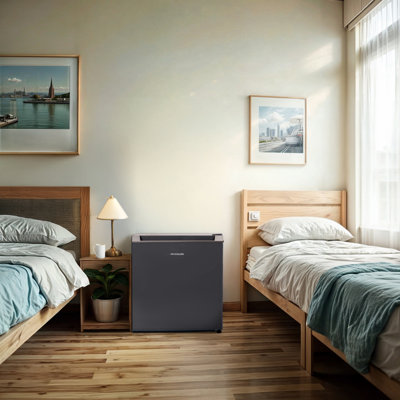
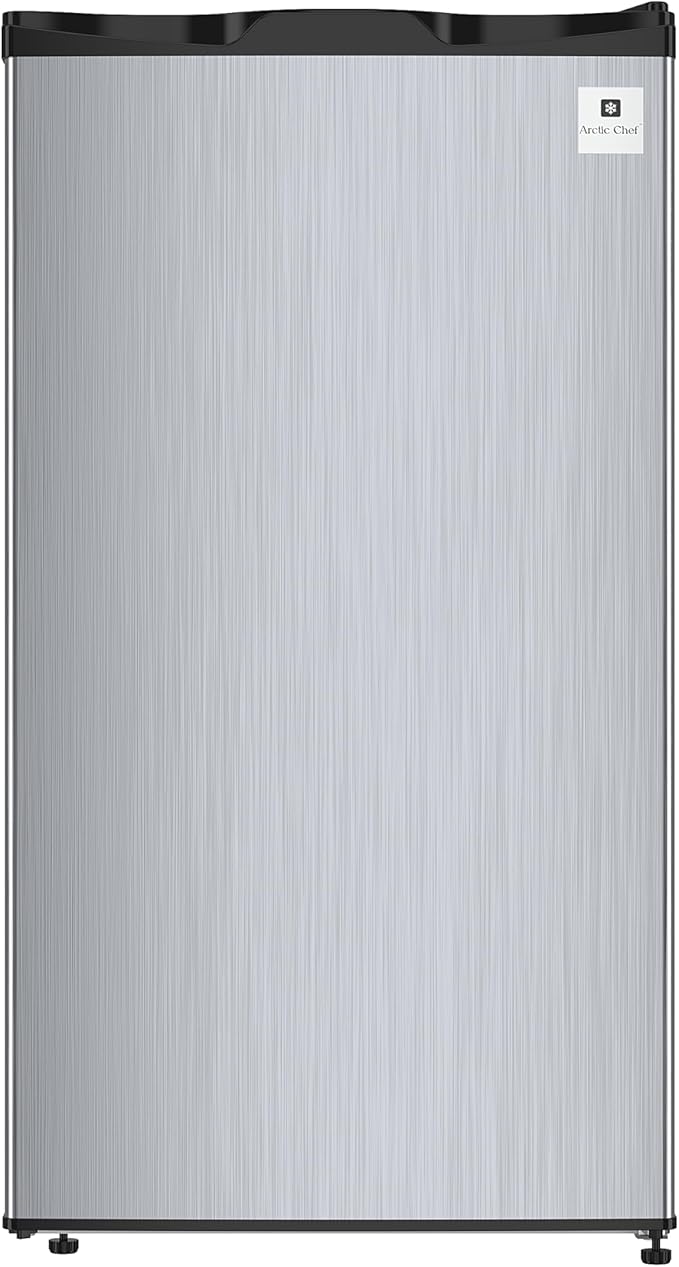
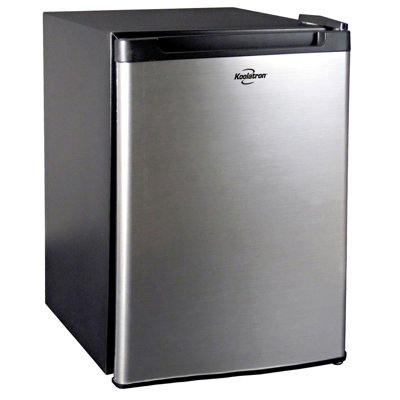
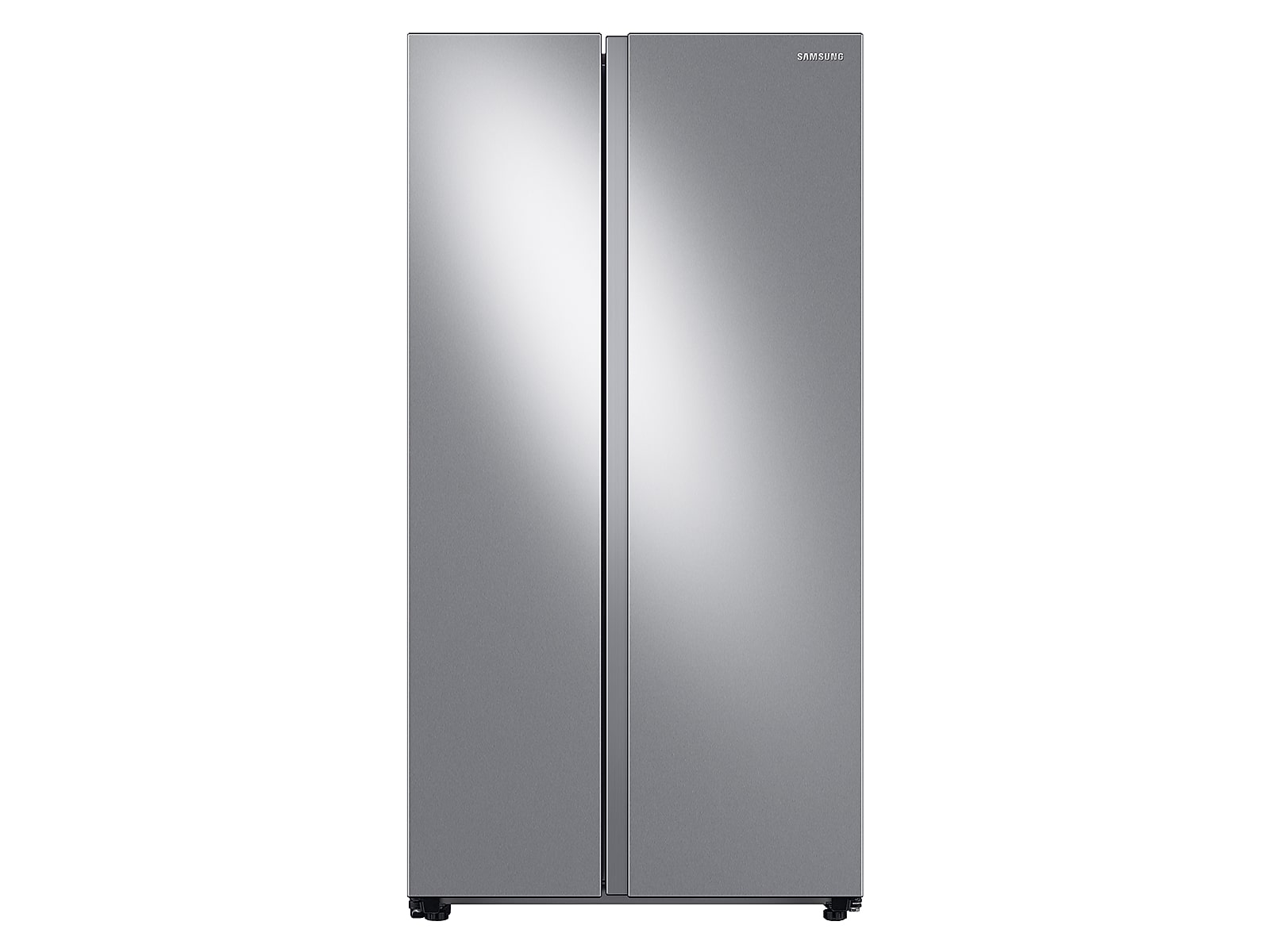
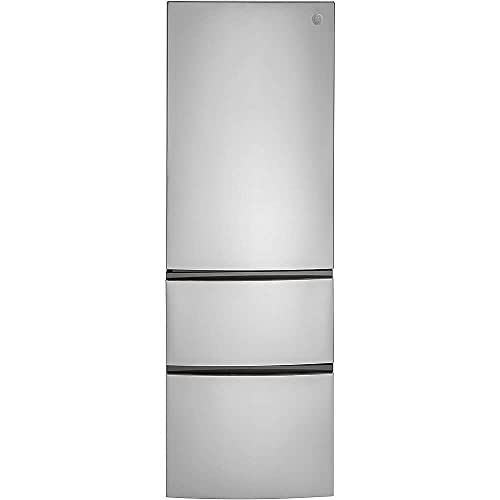
If you travel frequently or live in an RV, a 12 volt refrigerator can keep your macrobiotic staples at the right temperature on the road. For dorm rooms or small apartments, a compact fridge with clear shelving helps you see everything at a glance.
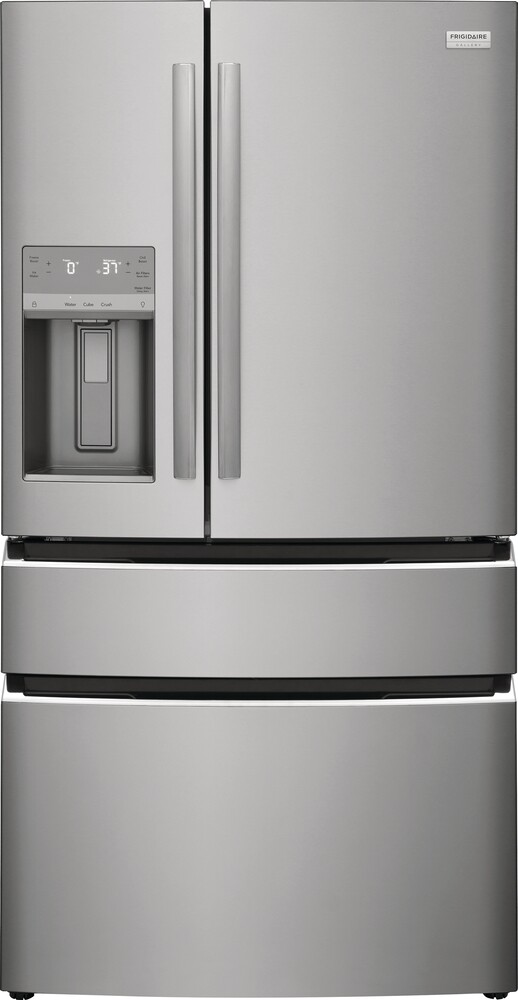
Think about how much fresh produce, grains, and prepared meals you’ll store each week. A midsize model gives you room for bulk batches, while a large fridge can accommodate leftovers and expanded ingredient lists.
Temperature control features
Look for multi-zone temperature settings that let you keep grains at one level and vegetables at another. Consistent temps prevent spoilage and preserve nutrients.
Organization-friendly designs
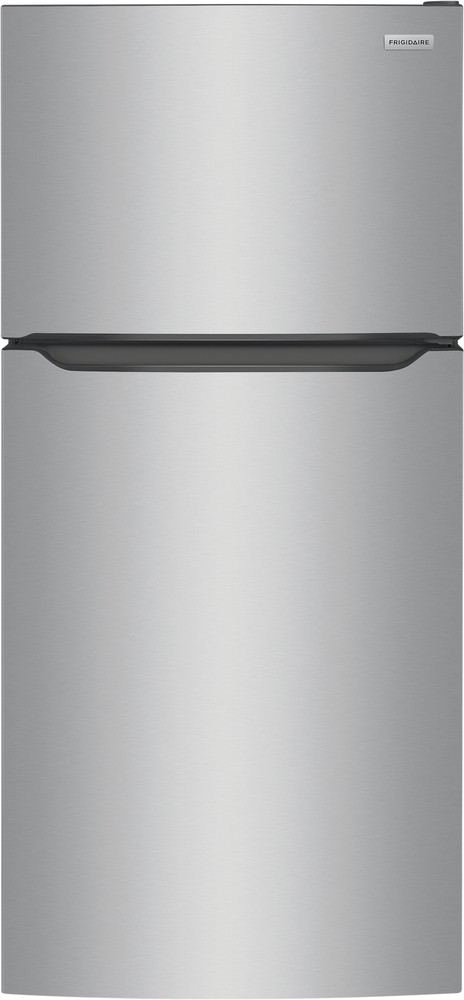
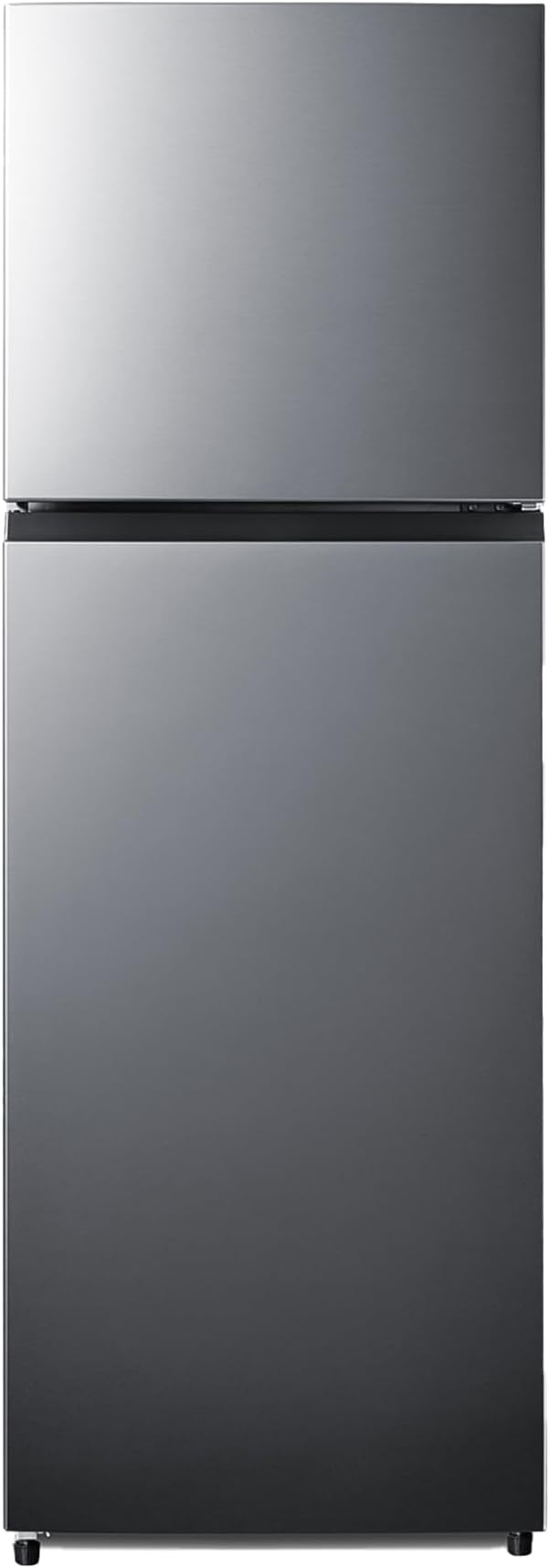
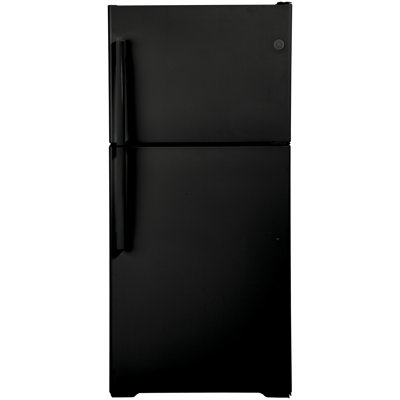
Adjustable shelves, clear drawers, and door bins help you segregate staples. If you’re considering a classic layout, explore what are the pros and cons of a top freezer refrigerator? to decide if the extra freezer space fits your meal-prep style.
Final thoughts and resources
Embracing a macrobiotic diet is a journey toward balance, mindful eating, and long-term wellness. By stocking your fridge with quality whole grains, vegetables, beans, and fermented foods—and by choosing the right refrigerator and freezer—you set yourself up for success.
Ready to upgrade your kitchen and make room for your new macrobiotic menu?Compare current prices and specifications on Fridge.com, then buy from the retailer you choose; delivery, installation and warranty terms are the retailer’s.
Feel free to revisit this guide anytime you need a refresher on macrobiotic diet meaning and recipes, then open your fridge and start creating meals that support a vibrant, balanced life.
Free tool
Recipe Measurement Converter
Free interactive tool from Fridge.com — get a quick answer while you read.