Ice cream freezers, on the other hand, are specialized appliances designed to keep frozen treats at their ideal serving temperature, which is typically much colder than standard freezers.
They use powerful cooling systems that can maintain consistently low temperatures, often going as low as -20°F (-29°C) or even colder.
It's also an ideal choice for those who entertain regularly and want to offer a variety of frozen desserts to their guests.
When it comes to keeping your food and beverages at the optimal temperature, the right refrigeration option can make all the difference. Whether you're a homeowner looking to upgrade your kitchen appliances, a chef seeking precision in ingredients storage, or simply someone who loves to entertain, understanding the differences between a French door refrigerator and an ice cream freezer is essential.
French Door Refrigerator Overview
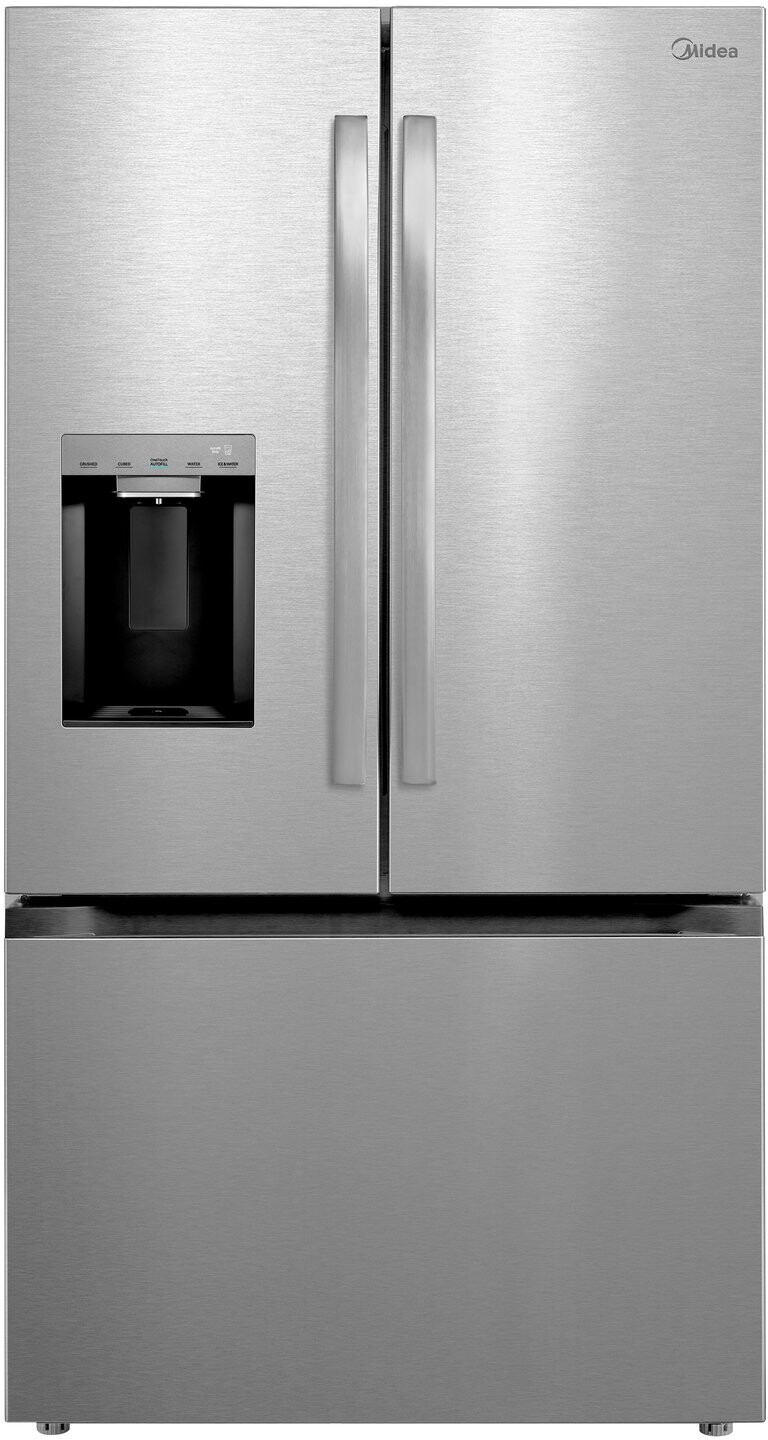
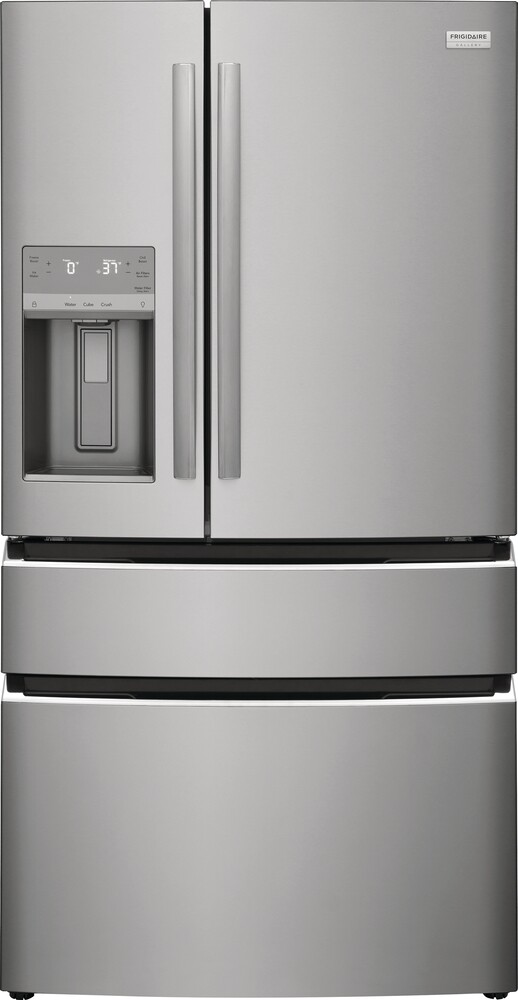
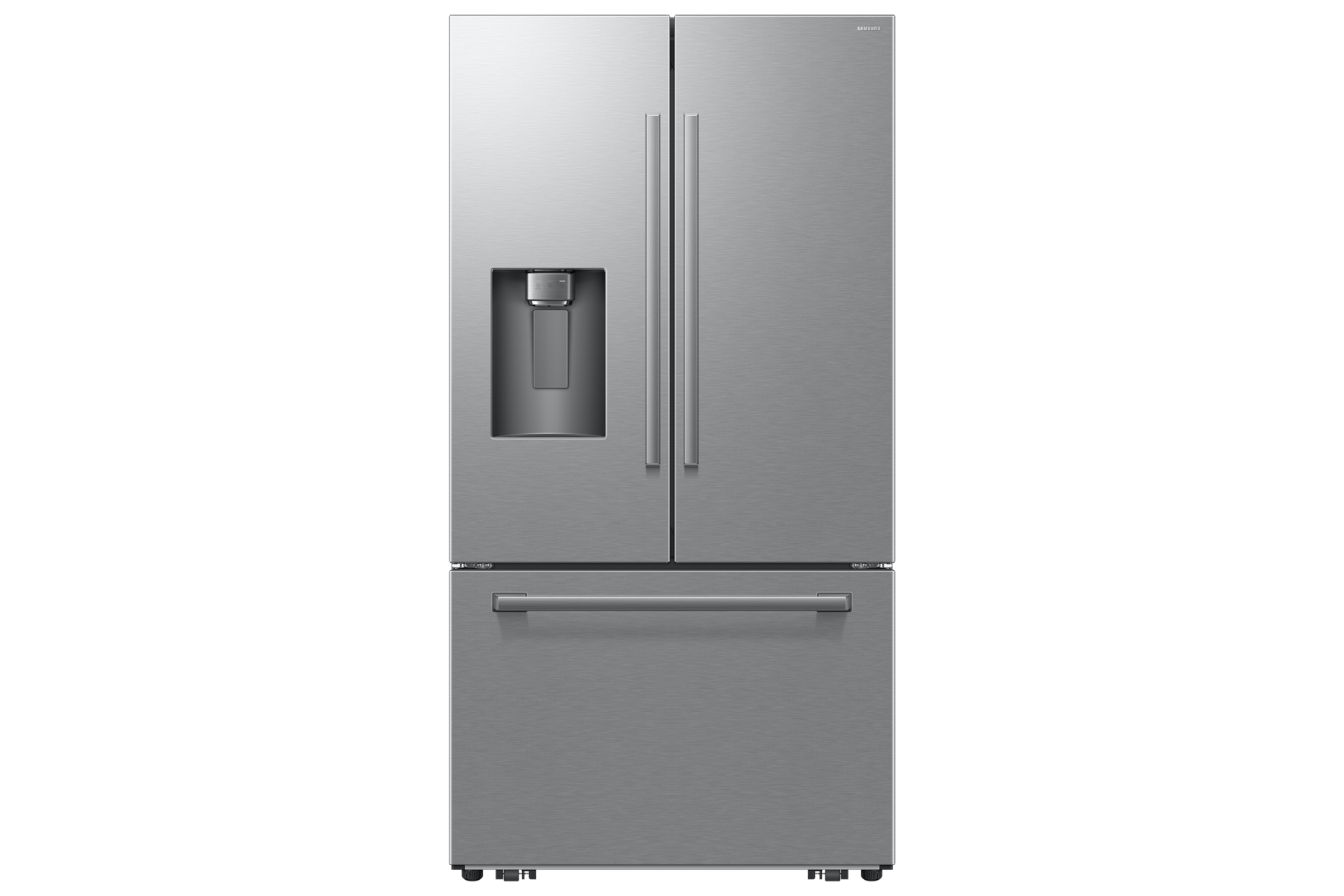
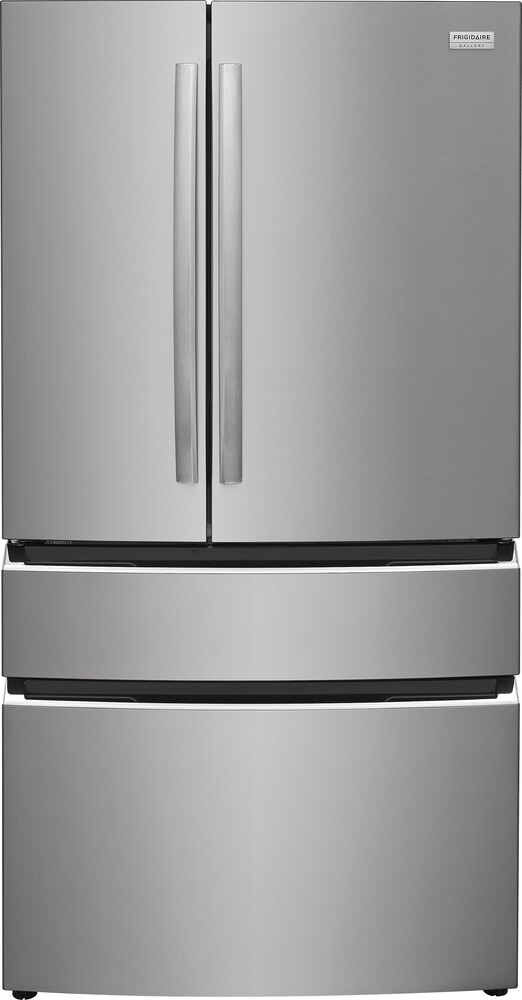
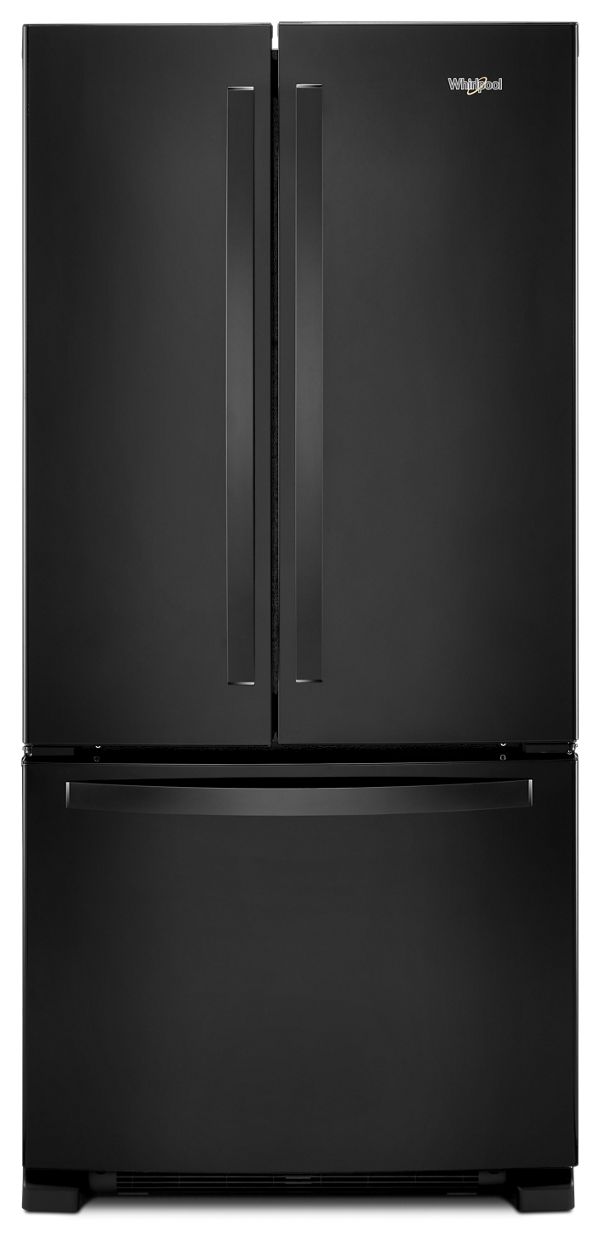
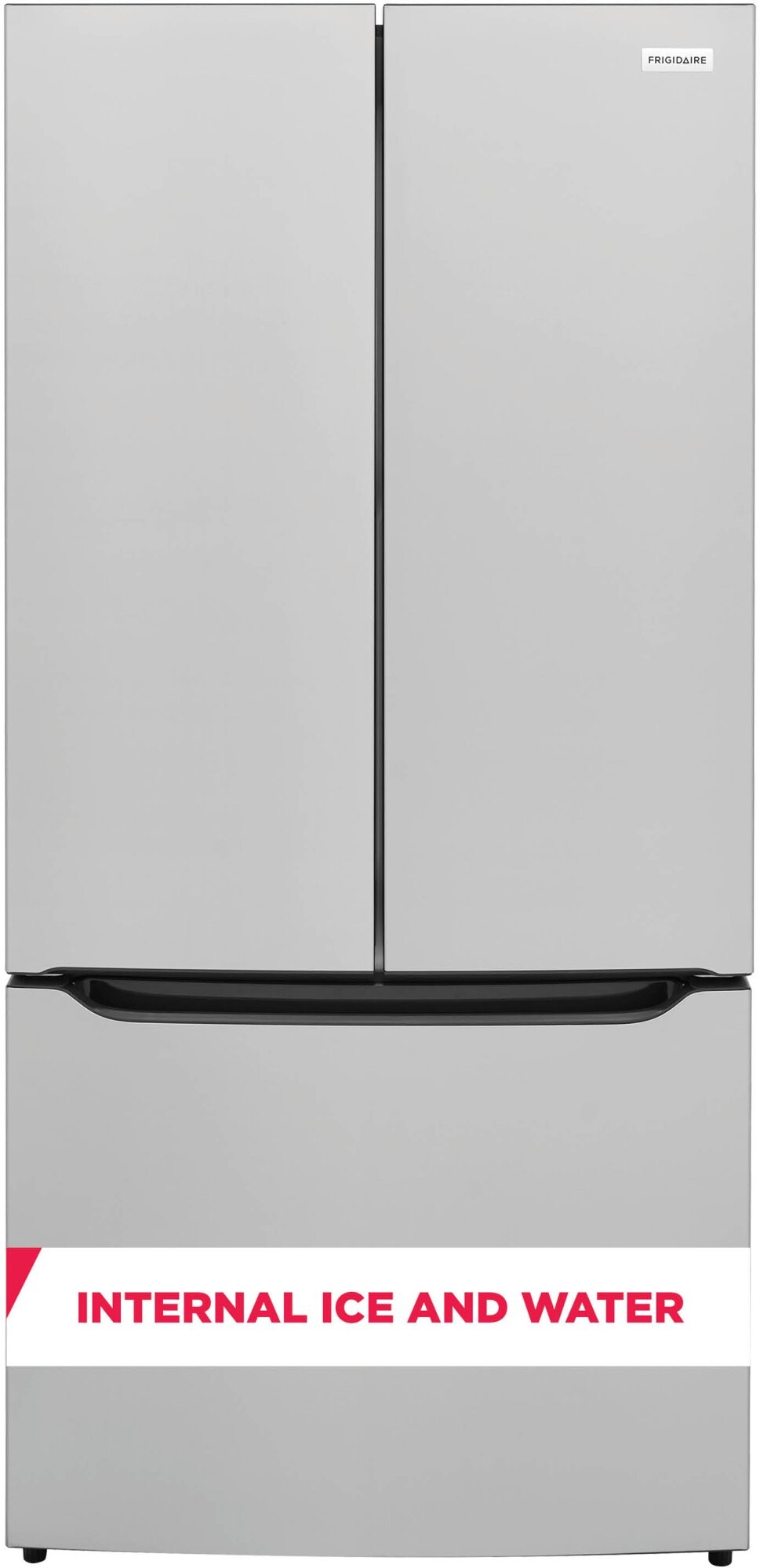
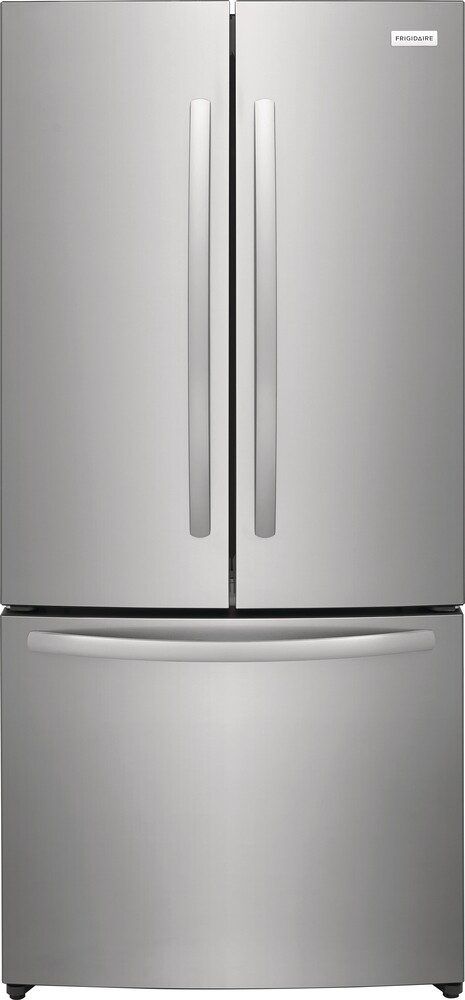
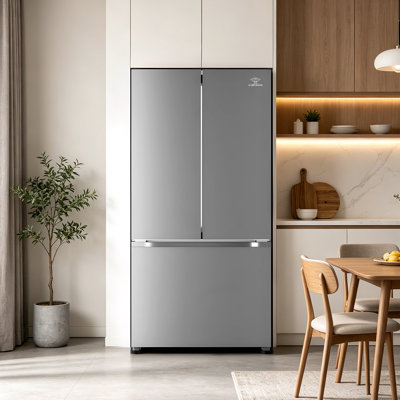
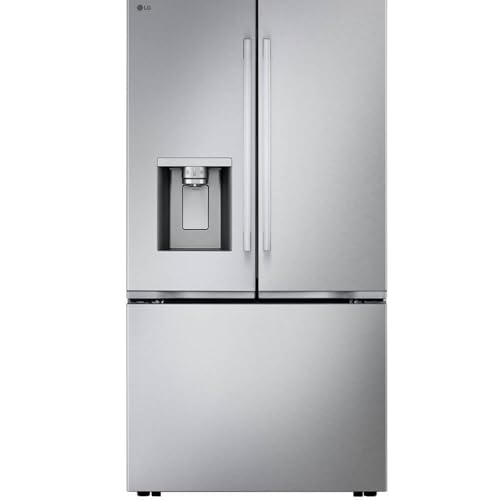
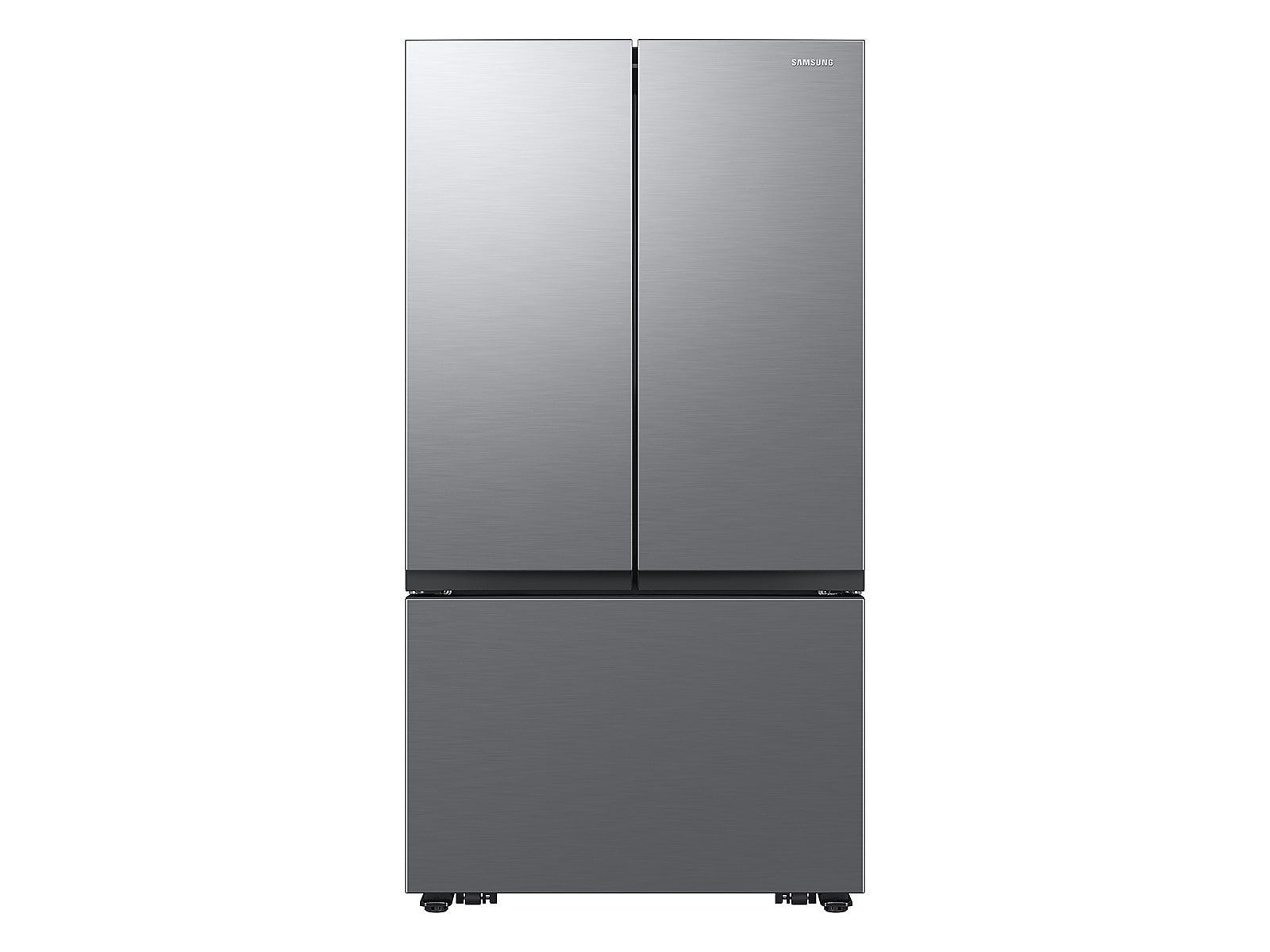
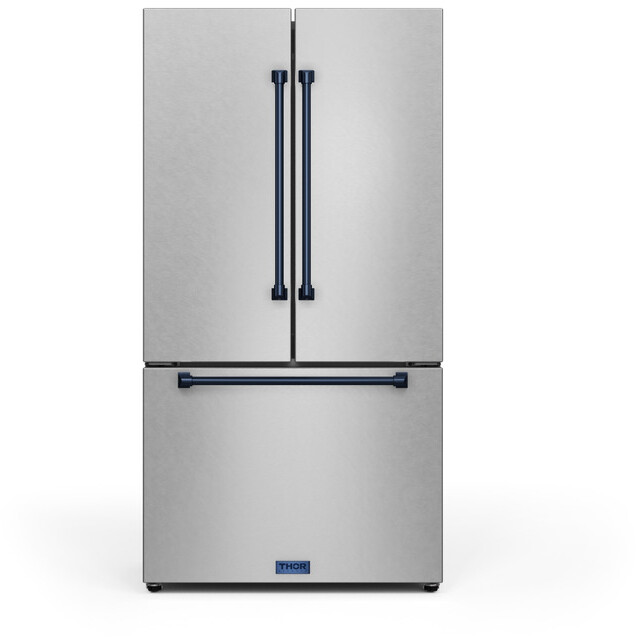
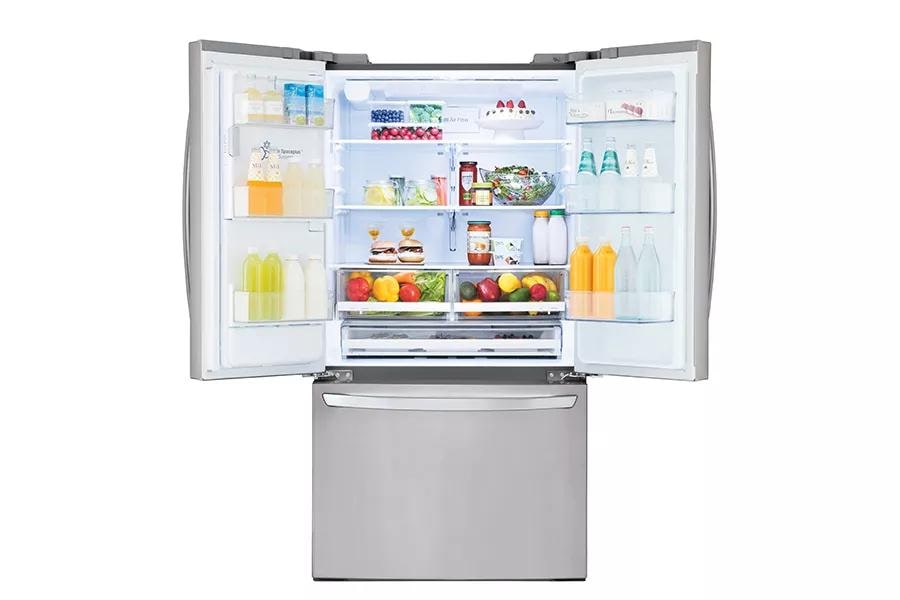
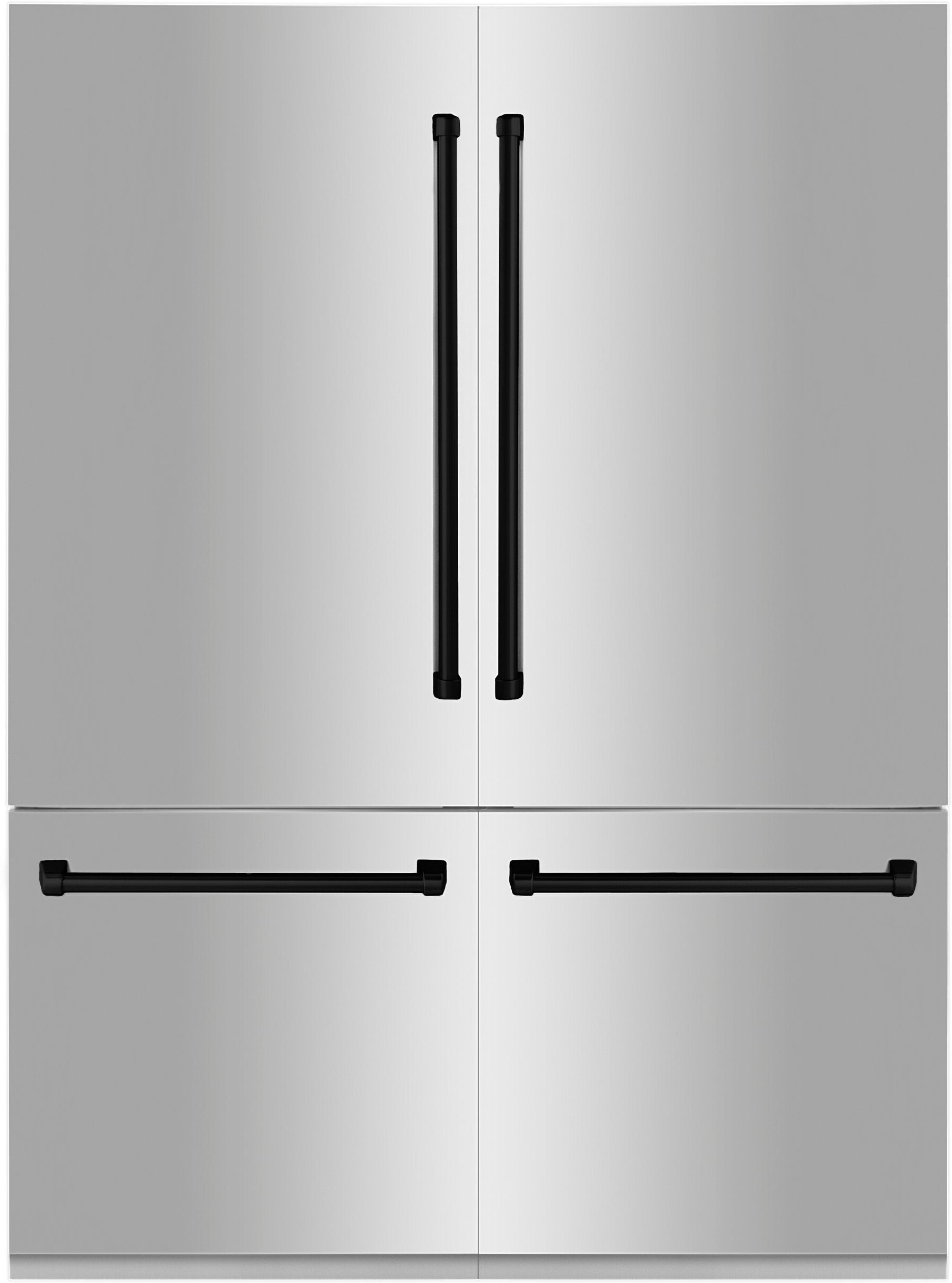
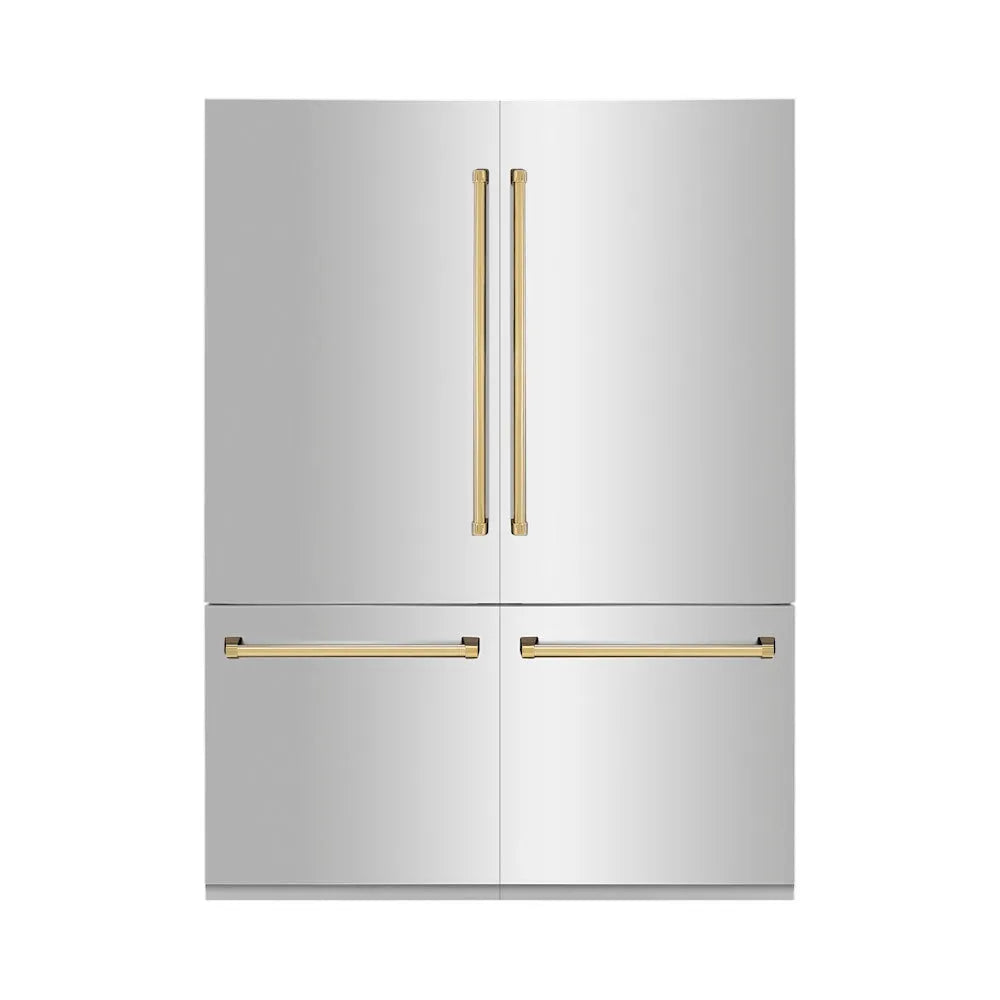
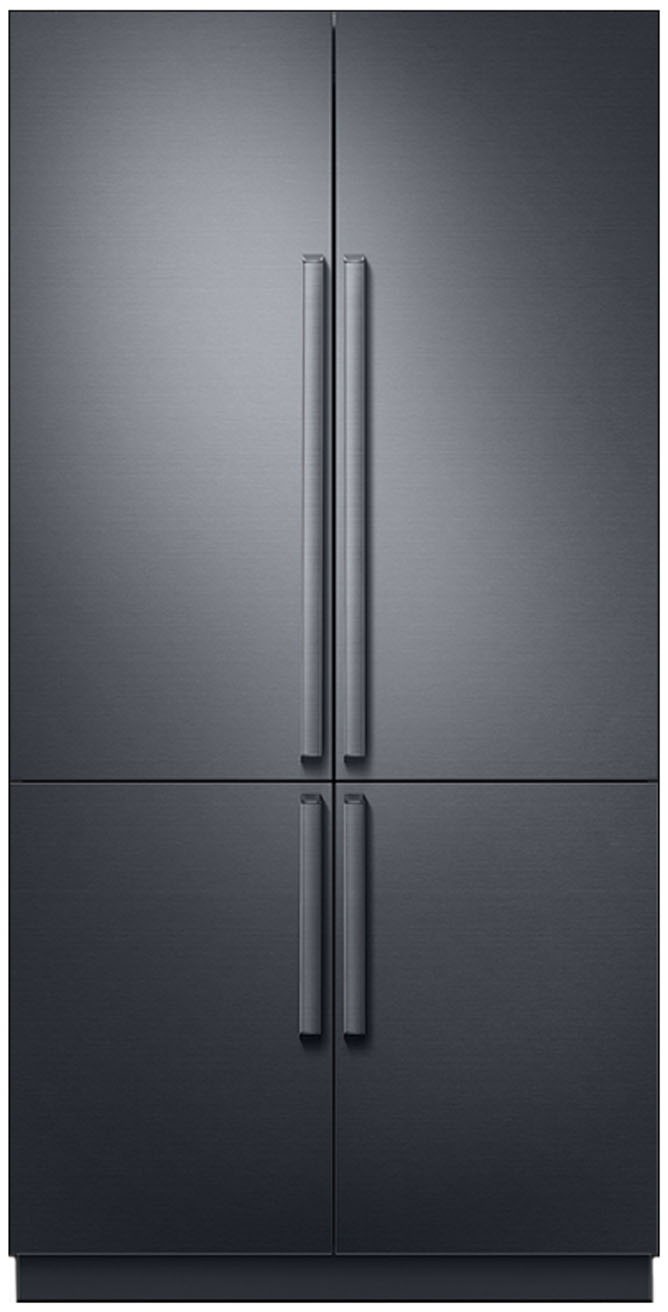
French door refrigerators are popular for their stylish design and efficient use of space. They feature two doors that open outwards to reveal the refrigeration compartment, usually with a pull-out drawer beneath for the freezer. This design allows for easy access to both refrigerated and frozen goods without having to open the entire unit, helping to maintain consistent internal temperatures and reduce energy consumption.
The versatility of the French door refrigerator suits a wide range of environments, from compact apartments to spacious family homes. With features such as adjustable shelves, water and ice dispensers, and smart technology integrations, these units cater to a modern lifestyle. For those who value both aesthetic appeal and functionality in their kitchen, French door refrigerators are a considerable option. Explore the comparison with other models like the bottom freezer refrigerator vs. wine chiller to find the best fit for your needs.
Ice Cream Freezer Overview
Ice cream freezers, on the other hand, are designed with a specific purpose in mind – to keep ice cream at the perfect scooping temperature. These freezers typically have a chest or upright design and are equipped with a powerful cooling system to maintain lower temperatures necessary for storing frozen desserts. Unlike multi-purpose refrigerators, ice cream freezers often lack the bells and whistles of their French door counterparts, focusing instead on consistent temperature control and ample storage space for bulk or commercial use.
For those in the food service industry or simply enthusiasts with a penchant for homemade ice cream, sorbets, and other frozen treats, an ice cream freezer is an indispensable appliance. It's also an ideal choice for those who entertain regularly and want to offer a variety of frozen desserts to their guests. Compare it with similar appliances like the deep freezer vs. upright freezer to understand which suits your requirements best.
Both French door refrigerators and ice cream freezers have their own set of benefits and are tailored to different needs. Whether you prioritize flexibility and design or specialized freezing capabilities will determine the best refrigeration option for your home or business.
When comparing refrigeration options, design and layout play a significant role in both functionality and aesthetics. Whether you're outfitting your home kitchen, garage, office, or any other space, understanding the features of a French door refrigerator and an ice cream freezer can help you make an informed decision tailored to your refrigeration needs.
French Door Refrigerator Features
French door refrigerators are admired for their stylish design and user-friendly features. They typically offer a spacious interior with a dual-door system on top for the refrigerated section and a pull-out drawer for the freezer at the bottom. This design maximizes visibility and accessibility, allowing you to reach for items without bending over frequently.
Feature
Description
Dual-door system
Offers full-width storage and easy access to refrigerated items at eye level.
Pull-out freezer drawer
Provides organized storage for frozen goods and reduces cold air loss when opened.
Adjustable shelving
Allows customization of the interior space to fit items of varying sizes.
Built-in water and ice dispenser
Provides convenience and reduces the need to open the doors for cold beverages.
French door refrigerators often incorporate advanced organizational systems, including adjustable shelves, gallon door bins, and humidity-controlled crispers. These features help keep your food organized and preserve its freshness. Some models also come with additional amenities such as a built-in water and ice dispenser, which can be accessed without opening the refrigerator doors. For further comparisons on refrigerator types, you might want to explore bottom freezer refrigerator vs. wine chiller.
Ice Cream Freezer Features
Ice cream freezers, also known as commercial display freezers, are specially designed for the storage and display of frozen desserts. These freezers are a staple in ice cream parlors, but they can also be a unique addition to your home if you're passionate about ice cream storage and display.
Feature
Description
Glass top or front
Offers visibility to easily identify and access different ice cream flavors.
Consistent freezing
Ensures ice cream is stored at optimal temperatures to maintain texture and flavor.
Sliding doors or lift-up lids
Provides quick access while minimizing temperature fluctuations.
Interior lighting
Enhances the display of the ice cream for an appealing presentation.
An ice cream freezer's design is optimized to maintain the perfect conditions for storing ice cream, with features like consistent freezing temperatures and insulated walls. Glass tops or fronts allow for an attractive display of your ice cream collection, while sliding doors or lift-up lids help reduce temperature fluctuations caused by frequent opening. Interior lighting is another common feature that puts your frozen treats in the spotlight, making them irresistible. For a broader understanding of freezer types, consider reading about deep freezer vs. upright freezer.
Both French door refrigerators and ice cream freezers offer unique features that cater to different needs. While a French door refrigerator is versatile for everyday use, an ice cream freezer is specialized for frozen dessert enthusiasts. Assessing your space and refrigeration requirements will guide you in choosing the right appliance that blends practicality with your lifestyle.
Storage Capacity
When comparing a French door refrigerator to an ice cream freezer, storage capacity is a significant factor to consider. Each offers distinct advantages in terms of space and how it can be utilized to store your food items.
French Door Refrigerator Capacity
French door refrigerators are designed with a combination of fridge and freezer space, often featuring two doors that open to reveal a spacious refrigeration compartment and a pull-out drawer for the freezer. The refrigeration section is typically at eye level, making it easy to view and access fresh food items.
Feature
Capacity Range (cu ft)
Refrigeration Compartment
15 - 25
Freezer Compartment
5 - 10
The capacity of the refrigeration compartment in a French door refrigerator can vary significantly based on the model and design. In general, these refrigerators offer ample space, with adjustable shelves and door bins that can be customized to fit your storage needs. The freezer compartment, while smaller than the refrigeration section, is designed to be easily accessible and often includes organizers or bins for better item segregation.
For more comparisons with other refrigerator and freezer types, you might be interested in reading about bottom freezer refrigerator vs. wine chiller or 4 door refrigerator vs. office freezer.
Ice Cream Freezer Capacity
Ice cream freezers, also known as chest freezers or commercial ice cream display freezers, are designed specifically to store frozen desserts at optimal temperatures. These units often have a large open space that can be partitioned with baskets or dividers to organize various ice cream flavors.
Feature
Capacity Range (cu ft)
Total Storage
5 - 25+
The capacity of an ice cream freezer can range from smaller units suitable for a home environment to larger commercial models used in ice cream parlors or restaurants. They are optimized to maintain temperatures that are ideal for keeping ice cream at the perfect consistency for serving.
If you are interested in exploring more about freezers, take a look at Fridge.com articles on deep freezer vs. upright freezer or chest freezer vs. freezerless refrigerator.
When selecting between a French door refrigerator and an ice cream freezer, your decision should be based on your specific storage needs, the types of food items you plan to store, and the amount of space you have available. By understanding the storage capacity of each option, you can make an informed choice that best suits your lifestyle, whether you're a homeowner, a chef, or someone who loves to entertain.
Maintaining the optimal temperature is vital for both a french door refrigerator and an ice cream freezer to ensure food safety and quality. Each appliance uses distinct cooling systems to meet their specific refrigeration needs.
French Door Refrigerator Cooling System
French door refrigerators are designed to offer precise and consistent temperature control. They typically feature a multi-flow air system that circulates cold air throughout the entire unit. This type of system is engineered to provide even cooling for fresh food preservation.
Many models come with separate cooling zones that allow you to customize temperature settings for different compartments. For instance, you might have a deli or crisper drawer with a slightly higher humidity level to keep fruits and vegetables fresh.
Furthermore, with the advanced cooling technology in these refrigerators, you can expect rapid cooling capabilities which are beneficial after grocery shopping or restocking. When considering a french door refrigerator, look for features like temperature management systems that help keep your food fresher longer. For comparisons with other refrigeration options, you might be interested in reading about chest refrigerator vs. small freezer.
Ice Cream Freezer Cooling System
Ice cream freezers, on the other hand, are specialized appliances designed to keep frozen treats at their ideal serving temperature, which is typically much colder than standard freezers. They use powerful cooling systems that can maintain consistently low temperatures, often going as low as -20°F (-29°C) or even colder.
These freezers usually feature manual or digital thermostat controls that allow you to adjust the temperature to the optimal range for ice cream storage. This ensures that ice cream stays perfectly frozen and maintains its texture and flavor.
Ice cream freezers often have static cooling systems that reduce temperature fluctuations and prevent ice crystal formation on the product. It's important to consider the type of cooling system when selecting an ice cream freezer, as it directly impacts the quality of the ice cream served. You can learn more about the different types of freezers and their temperature controls by checking out Fridge.com comparison of deep freezer vs. upright freezer.
When comparing the energy efficiency of a French door refrigerator and an ice cream freezer, it's important to consider how much power each appliance consumes and the implications for your energy bill and environmental footprint.
French Door Refrigerator Energy Consumption
French door refrigerators are known for their stylish design and efficient storage solutions, but how do they fare in terms of energy consumption? Generally, these refrigerators are designed to be energy-efficient, with many models featuring ENERGY STAR ratings. The energy consumption of a French door refrigerator can vary depending on its size, usage patterns, and efficiency features.
Capacity (cu. ft.)
Estimated Annual Energy Use (kWh/year)
20-22
450-500
22-25
500-550
25+
550-600+
Additionally, the inclusion of features like programmable temperature controls, high-efficiency compressors, and improved insulation contribute to lower energy usage. It's important for you to look for models with these features if energy conservation is a priority. For insights on energy-efficient refrigeration options, consider exploring Fridge.com article on energy efficient refrigerator vs. mini fridge.
Ice Cream Freezer Energy Consumption
Ice cream freezers, designed specifically for storing frozen treats, often require consistent low temperatures to keep contents at the optimal freezing point. The energy consumption of an ice cream freezer can be influenced by factors such as the insulation quality, the frequency of door openings, and whether it's a chest or upright model.
Type
Estimated Annual Energy Use (kWh/year)
Chest Ice Cream Freezer
200-300
Upright Ice Cream Freezer
300-400
While ice cream freezers may use less energy than a full-sized refrigerator due to their smaller size and the nature of frozen storage, it's still important to seek out models with energy-saving technologies. Features such as manual defrost options and adjustable thermostats can help manage energy use. For a deeper understanding of different freezer types, you might find Fridge.com comparison of chest freezer vs. freezerless refrigerator helpful.
In conclusion, when comparing a French door refrigerator to an ice cream freezer, consider not only the initial purchase price but also the long-term energy costs associated with each appliance. Opting for energy-efficient models can lead to significant savings over time, both for your wallet and the environment. Whether you prioritize the versatility of a French door refrigerator or the specialized function of an ice cream freezer, energy efficiency should be a key factor in your decision.
Compare prices on Fridge.com
Compare current prices and specifications on Fridge.com, then buy from the retailer you choose; delivery, installation and warranty terms are the retailer’s.
It also has tons of awesome articles about kitchen stuff and home news. Enhance your home, garage, backyard, patio, and office with the coolest essentials. With every necessary type of residentialrefrigeratoror freezer in the collection, you're covered.
From Fridge.com research
Figures below come from data Fridge.com builds and maintains. Each links to the record behind it.
Fridge.com Energy Index, built on U.S. EPA and DOE ENERGY STAR records
Across 1,658 ENERGY STAR certified bottom freezer models, median use is 556 kWh per year — 10% better than the federal standard.