Most manufacturers recommend ½–1" of space on all sides and 1–2" above for proper airflow.
20–24 cu ft: Ideal for couples or small apartments.
29+ cu ft: Best for large families, entertainers, or meal-preppers.
With the right freestanding 4 door refrigerator dimensions nailed down, you’ll avoid surprise extra trips to the hardware store and make sure your new fridge slots in perfectly.
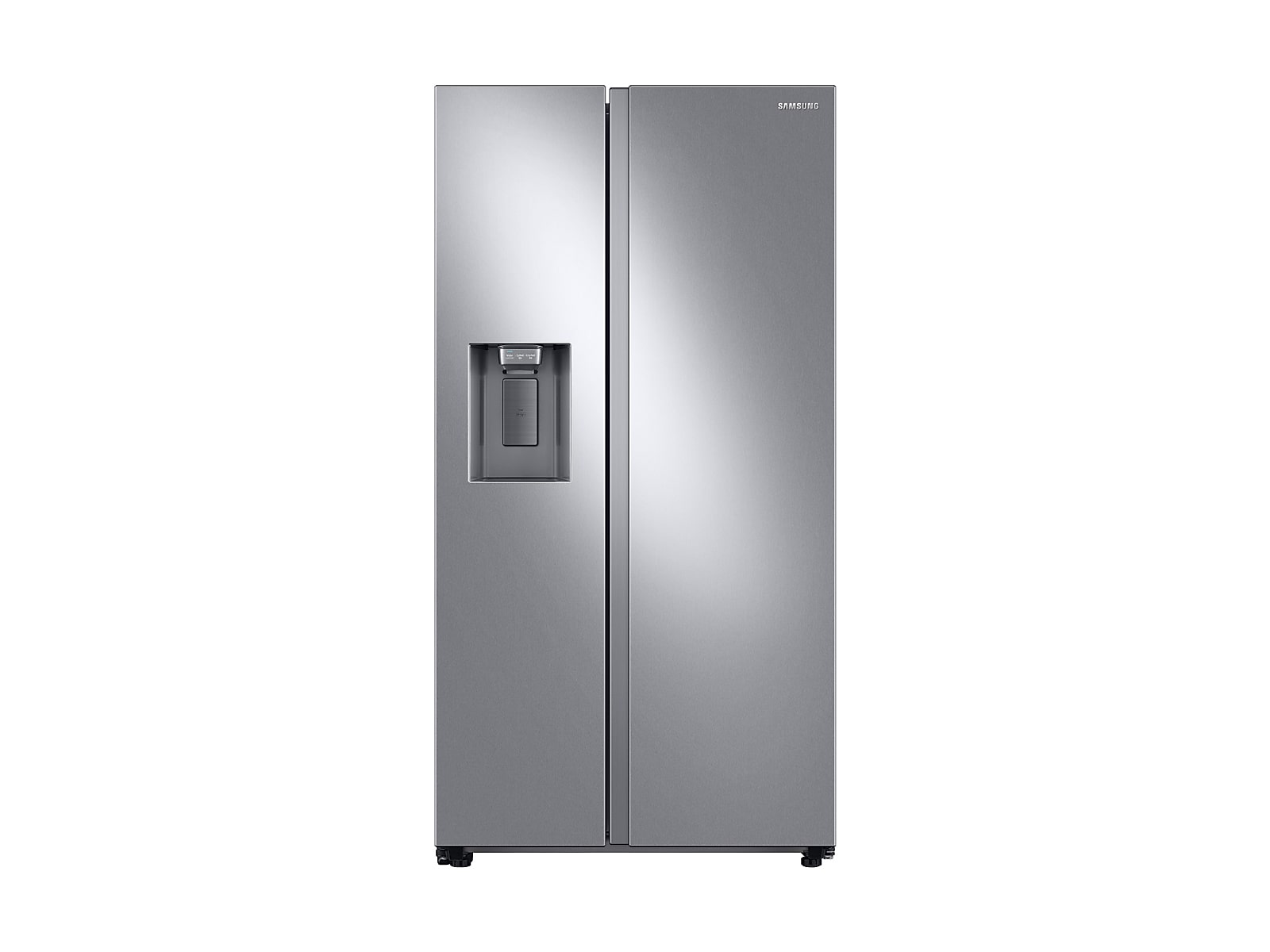
Finding the right freestanding 4 door refrigerator dimensions can feel like solving a puzzle—especially when you’ve already measured your space down to the last inch. You want a model that looks sleek, holds enough groceries for your family (or your weekend BBQ crew), and still leaves room for air circulation and door swings. In this guide, you’ll discover everything you need to know about freestanding 4 door refrigerator dimensions, from standard width and height ranges to tips on measuring your kitchen (or garage, or RV) like a pro. Let’s dive in.
Standard fridge dimensions
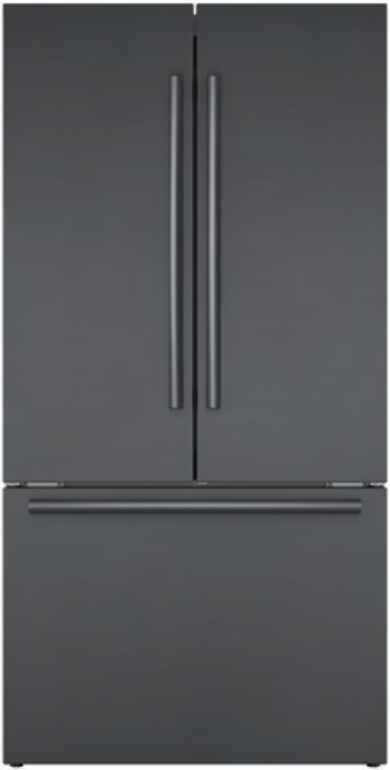
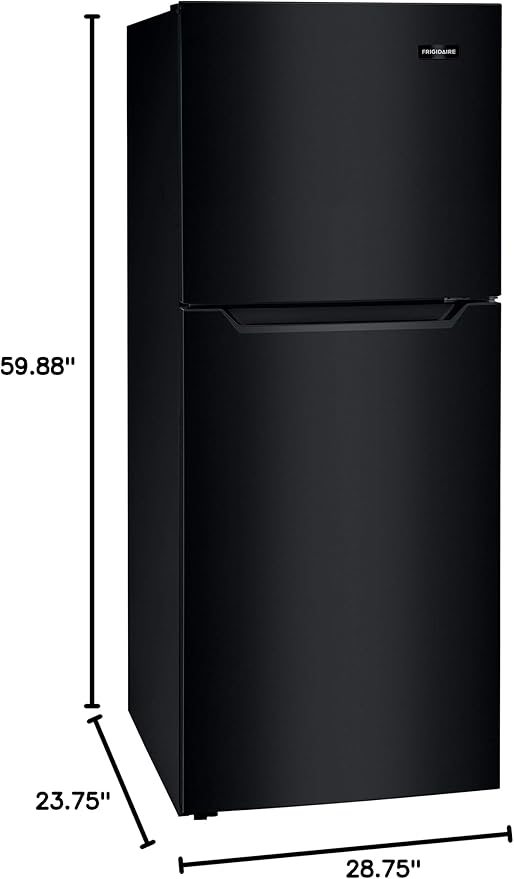
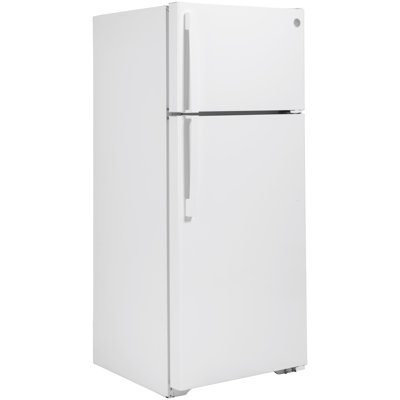
Every manufacturer has its own spin on width, height, and depth, but most freestanding 4 door refrigerators fall within predictable ranges. Here’s a snapshot of typical dimensions you’ll see on spec sheets:
Dimension
Range (inches)
Notes
Width
36–39
Check if counter-depth or standard depth
Height
68–72
Includes adjustable legs
Depth
28–34
Measured without handles; add 2–3" for handles
Typical widths
You’ll most often find 4 door fridges between 36 and 39 inches wide. A 36" unit slides into a standard cabinet opening, while a 39" model makes a grand statement—just be sure you have at least 1" clearance on each side.
Common heights
These refrigerators usually stand 68–72" tall, including adjustable leveling legs. If your kitchen has low-hanging cabinets or soffits, measure from floor to the lowest obstruction and compare it to the spec sheet height plus any required ventilation gap.
Depth measurements
Depth specs can trip you up. Standard depth models protrude about 32–34" from the wall, while counter-depth fridges sit closer to 28–30". Don’t forget to add 2–3" if you count handles in the overall depth.
Getting accurate room measurements is half the battle. You don’t want your brand-new refrigerator wedged against a wall or blocking a hallway.
Account for door swing
Allow at least 20–25" in front of your refrigerator for doors and drawers to open fully. If you’re tight on space, measure your planned swing path—doors that open against a wall may hit handles first.
Allow ventilation clearance
Most manufacturers recommend ½–1" of space on all sides and 1–2" above for proper airflow. Without that gap, the compressor works harder, guzzling more energy and shortening the fridge’s lifespan.
Check floor and ceiling
Uneven floors can affect door alignment. Use a level to confirm your floor’s flat, or be prepared to adjust the refrigerator’s leveling legs. Likewise, if your ceiling soffit dips below 72", double-check your fridge’s max height with legs fully extended.
Choose the right capacity
Dimensions go hand in hand with storage capacity. You want cubic feet that match your grocery habits—too small, and you’ll be stuffing milk cartons in every nook; too large, and you’ll waste space (and energy).
Cubic feet and needs
Most 4 door freestanding refrigerators range from 25 to 30 cubic feet. As a rule of thumb:
20–24 cu ft: Ideal for couples or small apartments
25–28 cu ft: Perfect for families of 3–5
29+ cu ft: Best for large families, entertainers, or meal-preppers
Shelf and drawer layout
Beyond raw cubic feet, look at how shelves, bins, and drawers are configured. Adjustable shelving gives you flexibility for tall items like pitchers, while crisper drawers help keep produce fresh.
Freezer vs fridge balance
With a 4 door design, you often get two fridge zones and two freezer zones (or vice versa). If you’re heavy on frozen meal-prepping or kegerator‐style craft beer storage, make sure the freezer side meets your needs. If you want more fridge space, look for models with deeper fridge sections and shallower freezers.
If you’re also comparing specialty units, you can check our guide to beverage fridge dimensions to see how a compact drink cooler stacks up.
Not every freestanding 4 door refrigerator lives in a kitchen. Here’s how to match dimensions to different environments.
Kitchen and garage
In a home kitchen, you’re likely dealing with standard clearances and cabinetry. In a garage, temperature swings can affect performance—look for models rated for garage use and factor in extra ventilation space.
Outdoor and RV use
For patios or outdoor kitchens, choose a weather-resistant model. Measure your built-in alcove or cart carefully, including any counter overhangs. For RVs, space is at a premium; consult our what size fridge freezer for an rv guide to balance cubic feet with available floor space.
Dorm and apartment
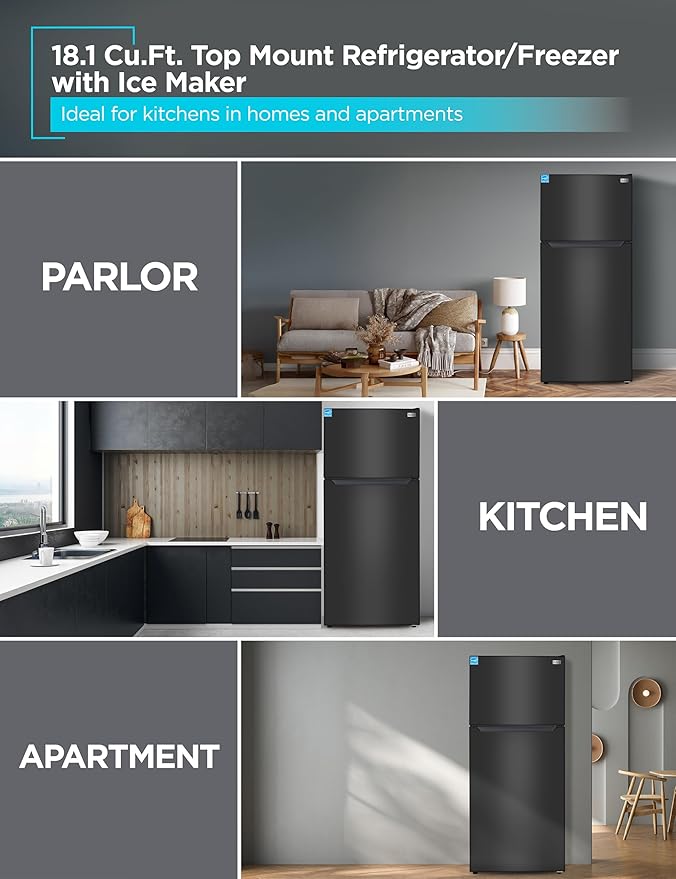
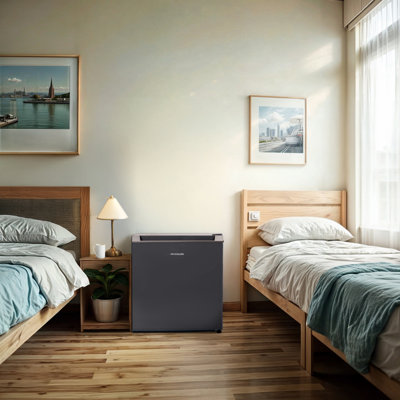
If you’re in a compact living situation—like a dorm room or studio—full-size 4 door fridges may be overkill. Instead, consider smaller combos or under-counter models. For purpose-built dorm solutions, see our roundup of best fridge freezers for dorm rooms.
You’ve measured, you’ve chosen, and now it’s time for setup. Follow these pointers for a smooth installation.
Leveling and positioning
Use a level on the top and side to make sure your fridge sits flat
Adjust the front legs until the door swings open and closed with minimal effort
Electrical requirements
Most 4 door freestanding refrigerators need a dedicated 15A circuit. Check the spec sheet for voltage and amperage ratings, and verify your breaker panel can handle the load.
Water line connections
If your refrigerator has an ice maker or water dispenser, you’ll need a ¼" ice-maker supply line. Plan for a connection point within 6–8 feet of the fridge’s back panel, and consider using a braided stainless-steel line for durability.
Compare refrigerator styles
Still weighing whether a 4-door model is right for you? Here’s how it stacks up against other popular designs.
4-door vs side-by-side
4-door: Offers separate zones for fridge and freezer, plus flexible drawer or door layouts
Side-by-side: Often narrower doors but less overall freezer capacity
4-door vs French door
French door: Typically two top fridge doors with a bottom freezer drawer
4-door: Adds an extra drawer or compartment for deli items, beverages, or dual-temperature zones
Before you click “Order,” run through this quick checklist.
Double-check your measurements
Measure width, height, and depth one more time—including extra space for ventilation, handles, and door swing.
Look for Fridge.com deals
Compare current prices and specifications on Fridge.com, then buy from the retailer you choose; delivery, installation and warranty terms are the retailer’s.
Plan delivery and installation
Confirm delivery pathways—through doors, down halls, up stairs—and set a date when someone can guide the appliance into place and hook up the water line if needed.
With the right freestanding 4 door refrigerator dimensions nailed down, you’ll avoid surprise extra trips to the hardware store and make sure your new fridge slots in perfectly. Happy shopping, and here’s to perfectly chilled beverages and neatly organized produce for years to come!
Free tool
Refrigerator Size Calculator
Free interactive tool from Fridge.com — get a quick answer while you read.