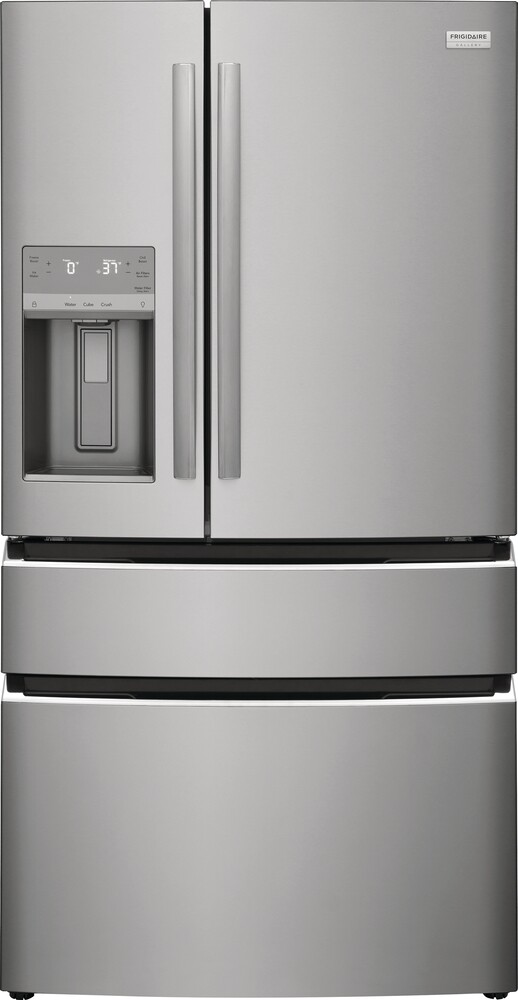
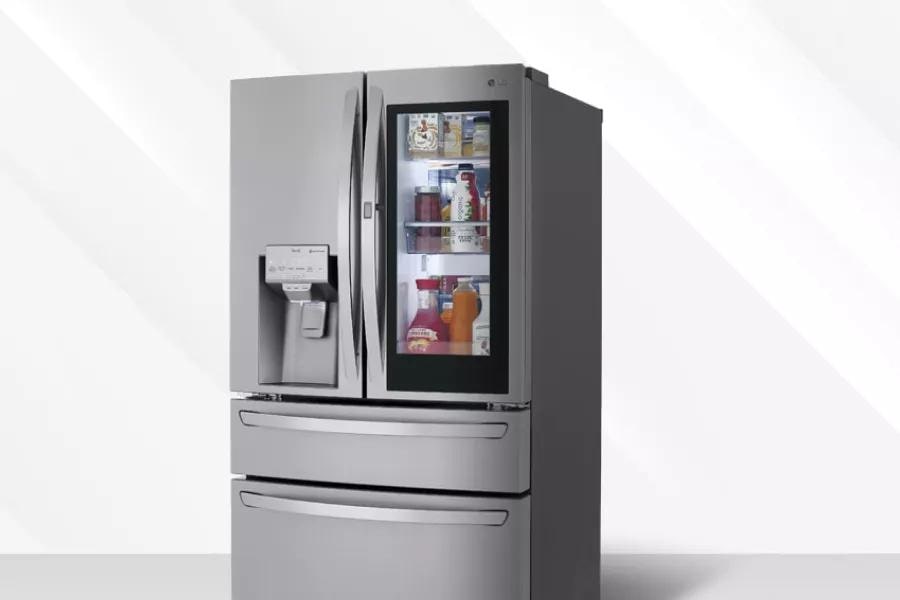
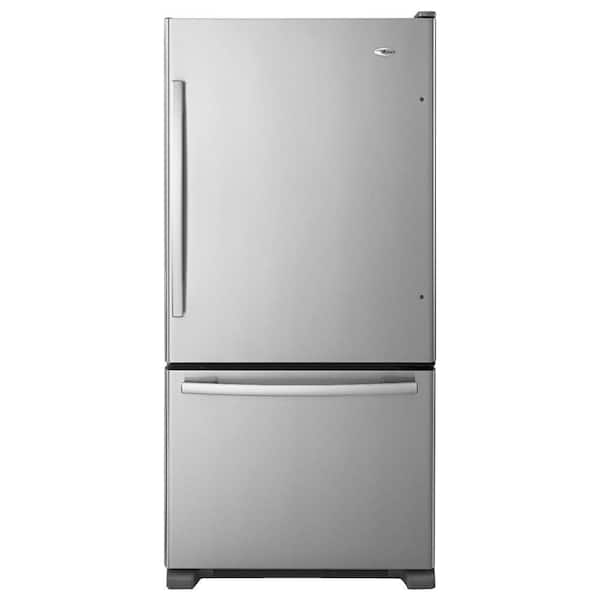
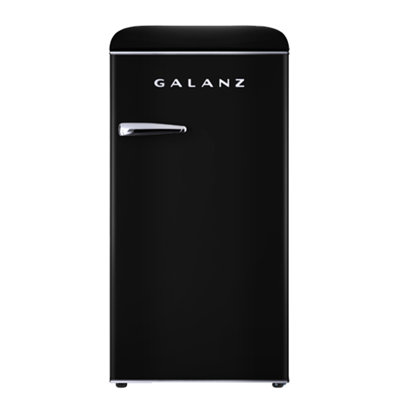
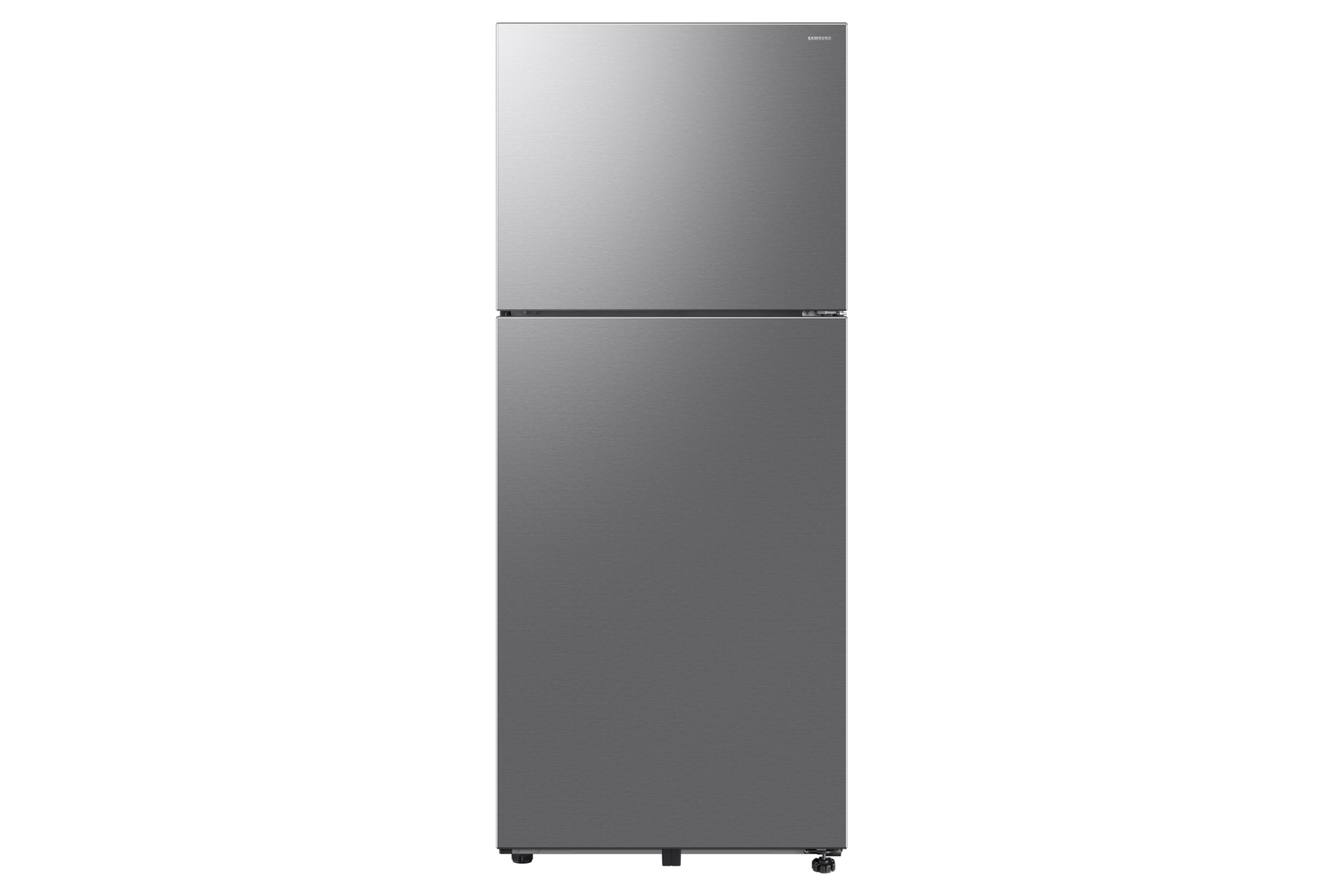
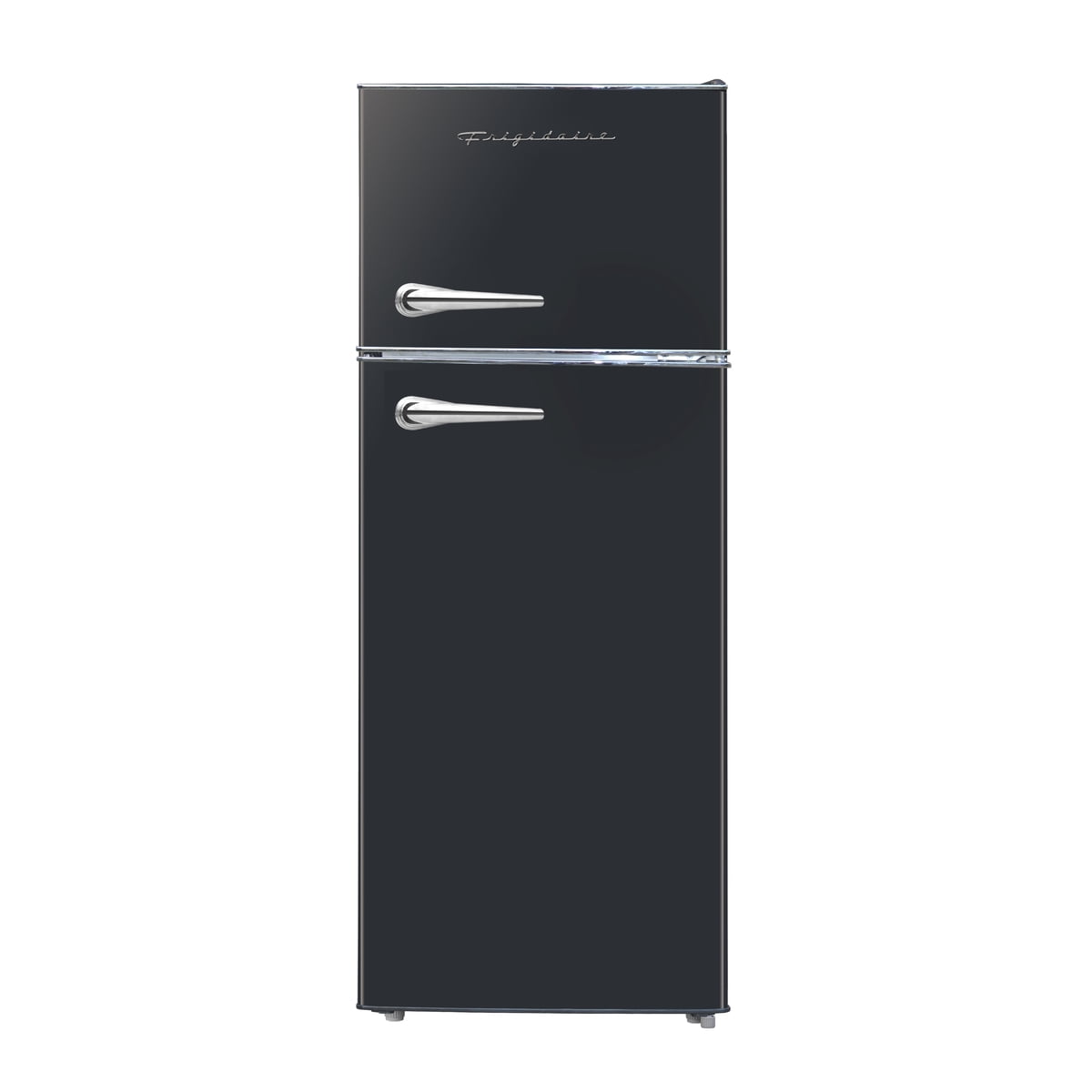
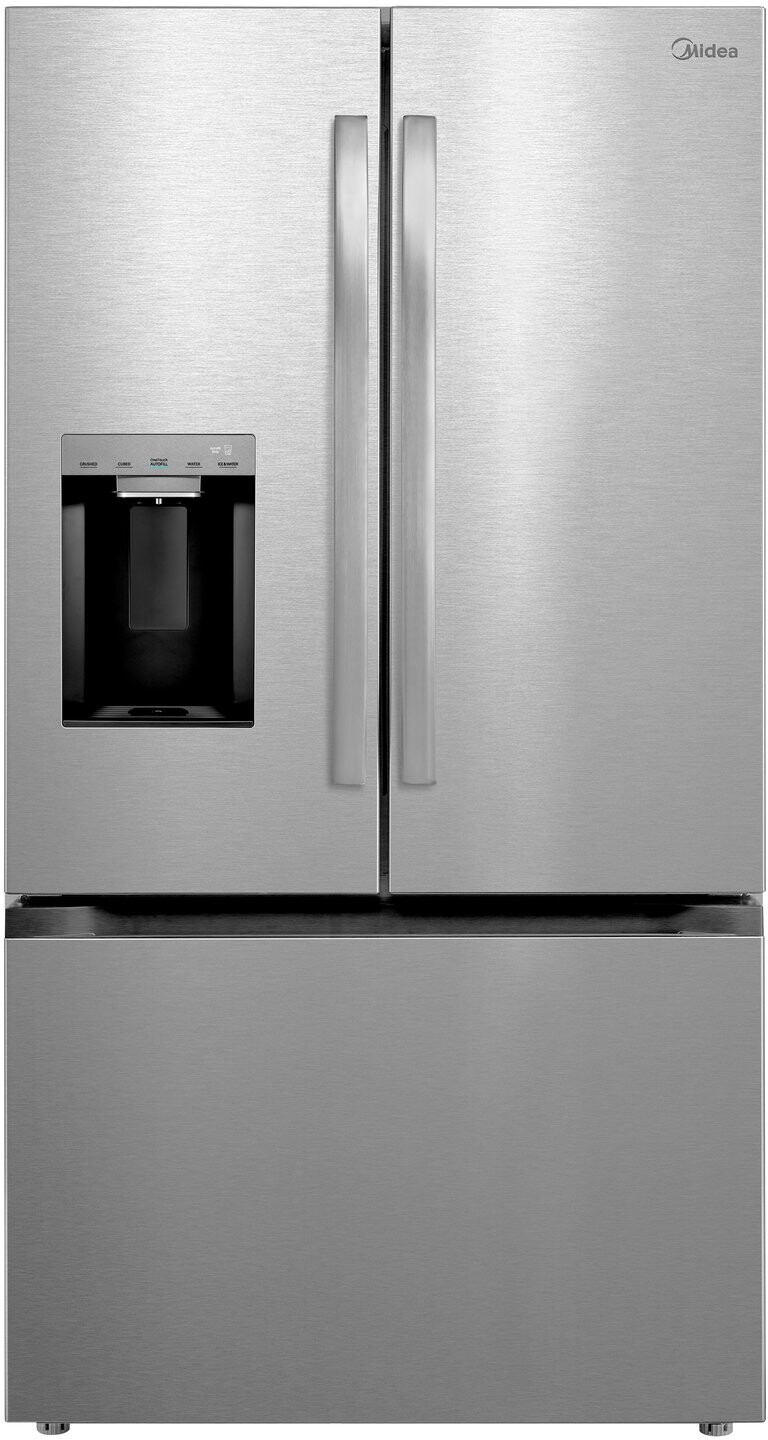
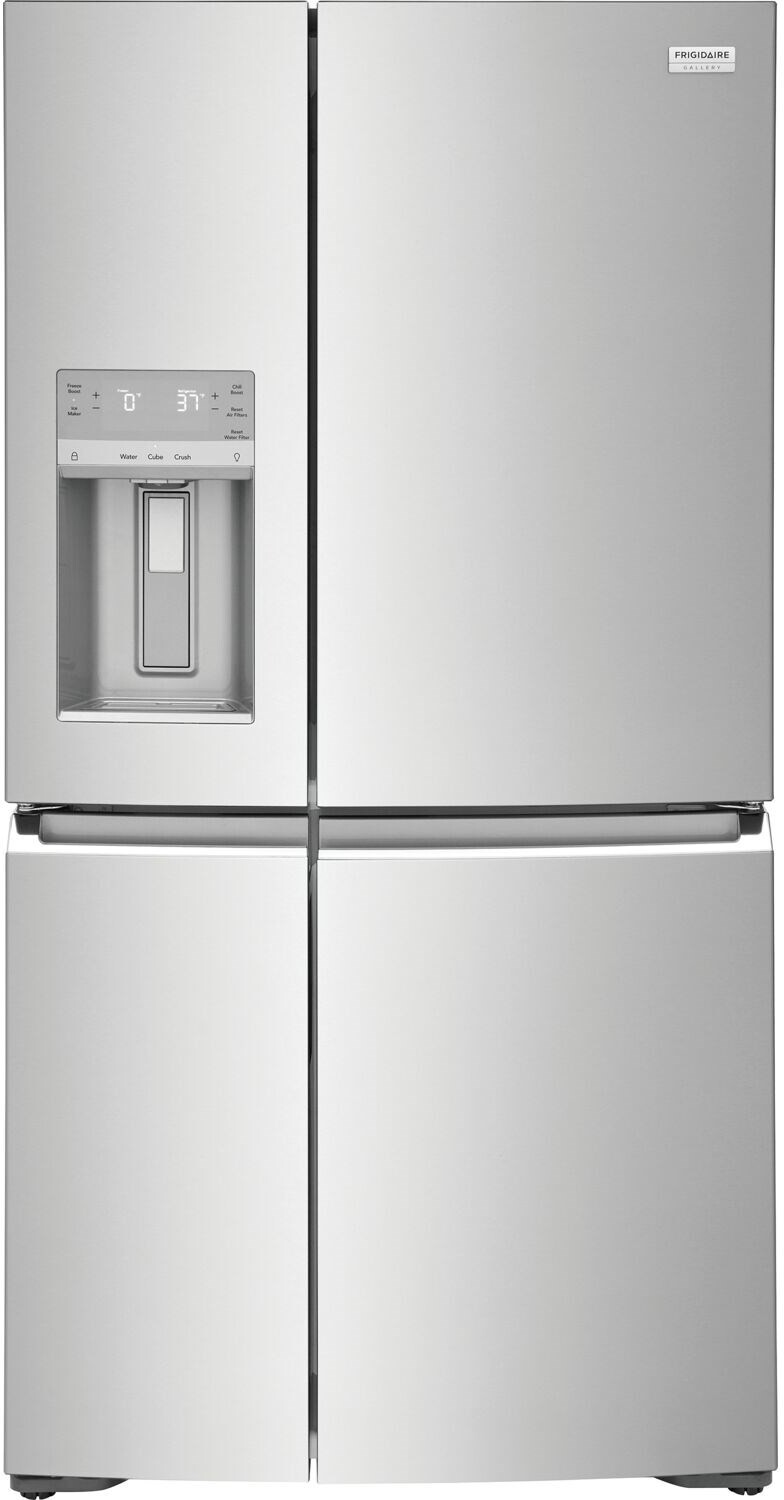
Grab yourself an energy-efficient fridge and watch as your electricity bills and guilt about the planet shrink faster than leftovers in the middle of the night. Not only do these sleek appliances save you cash, but they're also the eco-warriors of the kitchen world.
Lower Energy Bills
First up, let's talk moolah. Swapping your old energy sucker for a modern, energy-efficient refrigerator is like switching from an old gas guzzler to a smooth electric ride. With tech that slashes energy use, you'll see a nice little drop in your monthly bills.
Energy Use (kWh/year)
Old-School Fridge
Energy-Saver Fridge
Guesstimated Average
600
350 - 500
Monthly Bill
$50
$30 - $40
Making the switch means extra cash in your pocket and a clean conscience, as using less juice is a win for your wallet and Mother Earth.
Environmental Impact
Going green isn't just for folks hugging trees—it's also for smart cookie buyers like you. Energy-efficient fridges use around half the energy of their regular cousins, which means way fewer greenhouse gases pumping out of those power plants.
Choosing one of these smarter options means you're pitching in for a planet-friendly tomorrow. Less waste, more Earth-saving hero points for you.
Extended Appliance Lifespan
Here's another gem: these cool cats are built to last. Thanks to way-better materials and tech, an energy-efficient fridge sticks around like a loyal pup—often outlasting the other kinds by a few years.
How Long They Last
Regular Fridge
Long-Lasting Fridge
Lifespan (Years)
10 - 15
15 - 20
Keep it happy with a little TLC, and you'll enjoy the savings and strength of these champs for ages.
Making the smart choice now can pay off big time later. If you're pondering the next fridge to bring into your home, have a peek at our buying guide: refrigerators for more top tips.
Shopping for a fridge that's easy on your wallet and the planet? Keep an eye out for some key features. The ones to scout for are Energy Star ratings, top-notch temperature control, and solid insulation.
Energy Star Ratings
Energy Star ratings are like golden stamps of approval. When a fridge gets this label, it means it’s passed strict energy efficiency rules set by the U.S. Environmental Protection Agency. Go for a refrigerator with an Energy Star rating, and you’ll see your energy bills looking a bit happier.
Energy Star Rating
Estimated Annual Energy Use (kWh)
What You Could Save on Bills
High Efficiency
400 - 500
$50 - $100
Standard Efficiency
500 - 700
$25 - $75
Less Efficient
700 +
Minimal Savings
By picking an Energy Star-approved fridge, you'll cut down on power usage without skimping on quality. Plus, Mother Earth gives you a nod, too!
Temperature Control
Temperature control is basically a fridge's secret weapon against wastage. Hunt for models with adjustable settings and digital displays so you can keep everything chill just the way you like it. Smart temperature control means fresher groceries and less electricity burned.
Some fridges even have dual cooling systems to keep the fridge and freezer compartments perfectly balanced, keeping everything fresh as a daisy.
Feature
What's in it for you
Adjustable Settings
Your food, your temp, your rules.
Digital Displays
Keeps you in the know with accurate temp reads.
Dual Cooling
Each compartment stays at its best chill factor.
A fridge with solid temperature control doesn’t just save energy; it keeps your tomatoes from going squishy too soon.
Insulation Quality
Good insulation is like giving your fridge a cozy sweater—it keeps the cold in and saves electricity. Top-notch models come with premium insulation that holds temperatures steady and gives the compressor a break.
When fridge shopping, find one with thick insulation. It's a game changer in saving that electric meter from spinning too much and keeps your lettuce crisper for longer.
Insulation Type
Perks
Polyurethane Foam
Less heat sneaks in, saving energy.
Vacuum Insulation
Holds pack the heat, boosts efficiency.
Well-insulated fridges not only save energy but also help make sure your fridge sticks around for the long haul.
Peek into features like Energy Star badges, smart temperature control, and sturdy insulation when picking an energy-efficient refrigerator. This way, you’ll land a fridge that fits your kitchen like a glove, all the while slicing those pesky utility costs. Got more questions about snagging a new fridge? Swing by Fridge.com buying guide: refrigerators for the deets.
Getting the best outta that energy-saving fridge, takes a bit of know-how. Read on for some canny tips that’ll keep your food fresh while saving you a few bucks.
Proper Maintenance
Giving your fridge some TLC is the secret sauce for smooth operation. Remember these:
Maintenance Task
Frequency
Clean condenser coils
Twice a year
Check door seals for leaks
Monthly
Defrost if needed
When required
Keep the fridge tidy
Weekly
Wipe clean those condenser coils so that fridge runs like a dream. Keep door seals in check to stop the chill from sneakin' out. For expert cleaning advice, have a gander at what is the best thing to clean an old fridge?.
Organizing Your Fridge
A tidy fridge equals a happy fridge. Here’s how to boss your fridge space:
Organization Tip
Benefits
Pop dairy on the upper shelves
Keeps 'em nice and chill
Fruits and veggies go in bins
Stops 'em going bad too quick
Clear bins for easy access
Saves you time and effort
Let the air flow like it’s on vacation, and your fridge will hold its chill like a champ. Fridge.com buying guide: refrigerators can provide more tips for choosing storage solutions.
Temperature Settings
Get the temp just right, and you’re onto a winner. Check these:
Storage Area
Recommended Temperature
Refrigerator
37°F (3°C)
Freezer
0°F (-18°C)
Proper temps keep your grub fresh and cuts down on energy use. Got a head-scratcher on setting that temp? Check out Fridge.com tips on best freezer for Lafayette homes.
Followin' these tips will not only keep your fridge efficient, but it’ll also make it last longer.
Picking out the perfect energy-efficient fridge can feel like a big deal, but Fridge.com has you covered with the essentials to keep it low-stress. Let's touch on the must-haves: size and storage space, what you'll want to budget, and cool eco-friendly extras.
Size and Capacity
Size really matters when it comes to keeping your food organized and fresh. Here’s a simple guide on choosing the right fit:
Fridge Size (Cubic Feet)
Ideal Household Size
15 - 20
1 - 2 people
20 - 25
3 - 4 people
25 - 30
5 or more people
Think about your grocery habits. Do you pack your fridge like you’re feeding an army, or do you lean towards quick dinners for two? More cooks in the kitchen usually means a bigger fridge, so stock up on space if you're a culinary whiz. Enjoy your chef's collection of ingredients without feeling like you're playing Tetris every time you restock.
Budget Considerations
Sure, energy savers cut down those bills over time, but knowing what you want to spend right off the bat is key. Here's a price breakdown:
Price Range
Common Features
$500 - $800
Basics and some energy-saving settings
$800 - $1,500
Extras like temp control, adjustable shelving
$1,500 and up
Top models featuring smart and energy-saving tech
Your wallet's best friend might just be rebates or incentives for going green. Call up your local utility folks to sniff out any deals that could put cash back in your pocket.
Additional Eco-Friendly Features
Besides saving energy, you can go further with these green features:
Smart Technology: Many fridges now sync up with your Wi-Fi, letting you tweak settings and track energy use.
Adaptive Cooling: Smarter than your average fridge, it adjusts itself based on what’s inside, saving even more energy.
LED Lighting: LED bulbs keep your fridge bright without using much power and outshine the old kind.
Recyclable Materials: Some brands are big on using materials that don’t hurt the planet.
For the full lowdown, check out Fridge.com buying guide: refrigerators. Whether you go big or small on size, stick to a budget, or pack on the eco-friendly perks, your new fridge will fit right in while keeping things cool for the planet.
From Fridge.com research
Figures below come from data Fridge.com builds and maintains. Each links to the record behind it.
Fridge.com Energy Index, built on U.S. EPA and DOE ENERGY STAR records
Across 5,455 ENERGY STAR certified refrigerators and freezers from 263 brands, median use is 360 kWh per year.