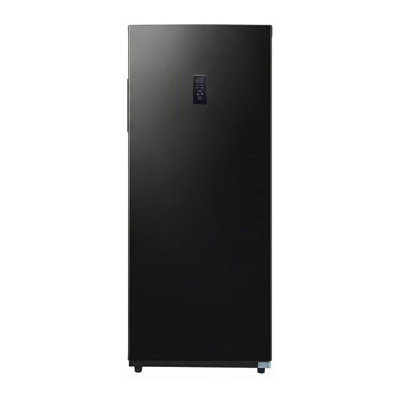
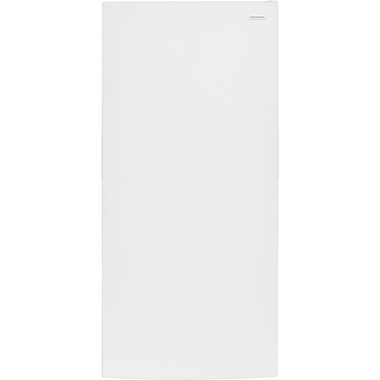
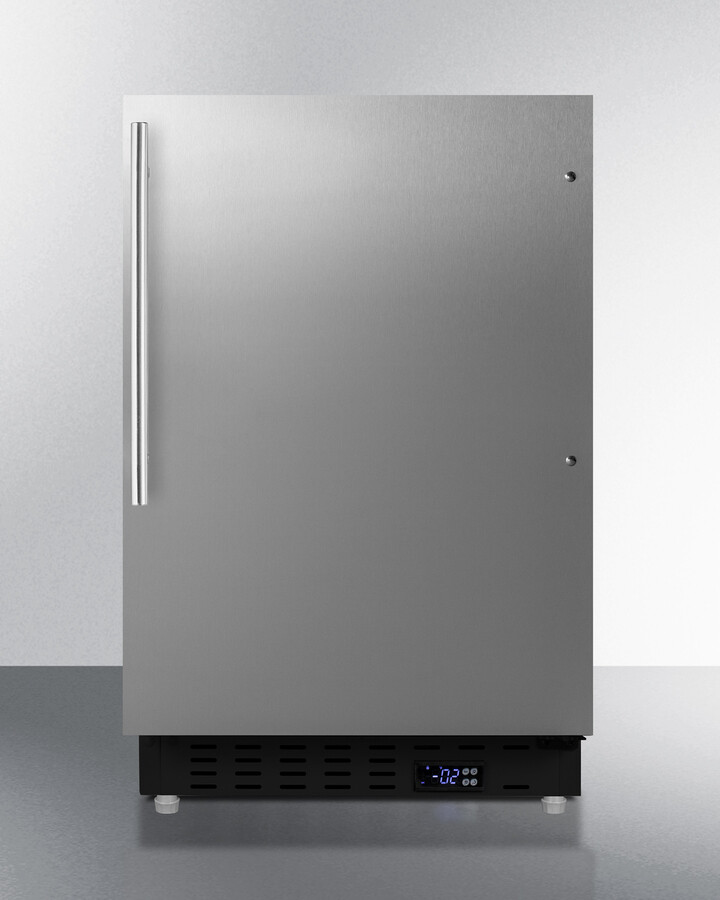
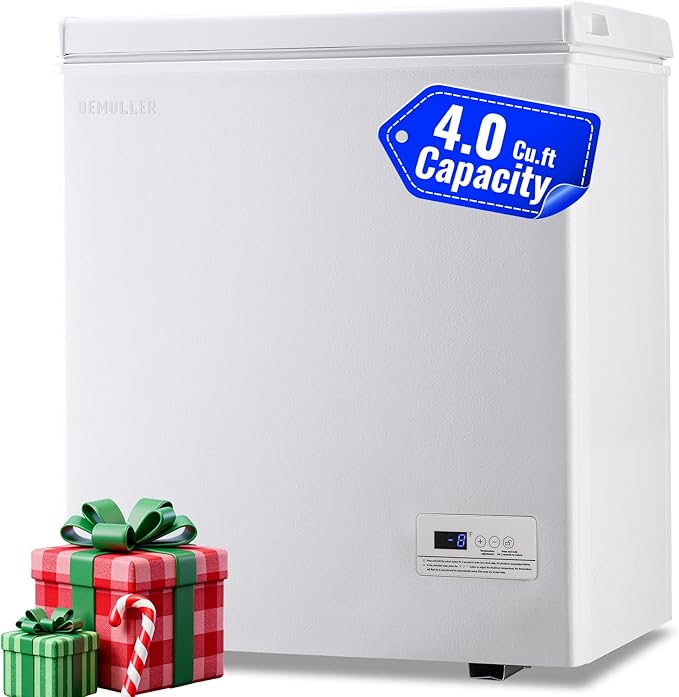
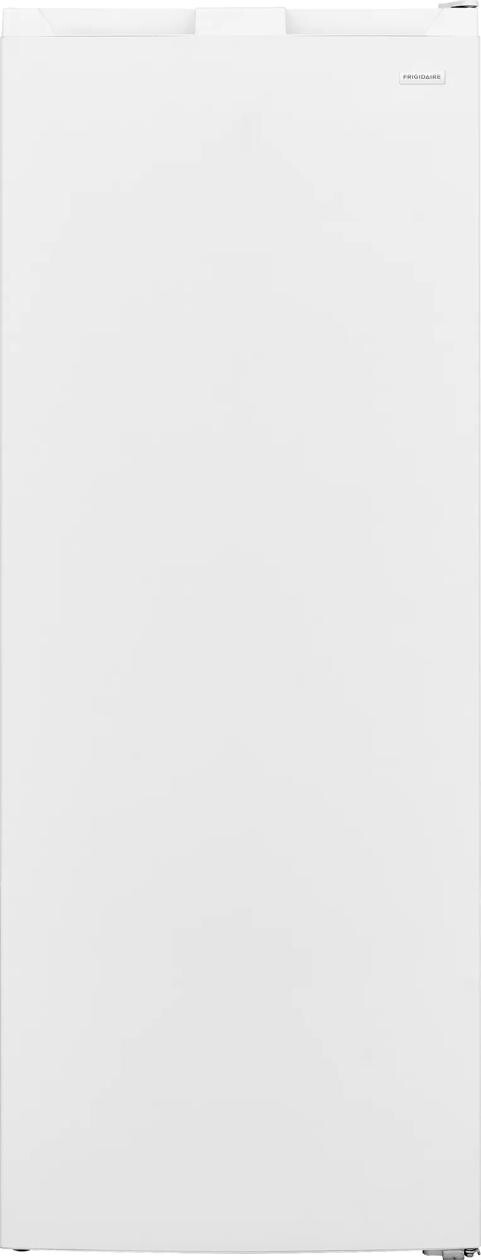
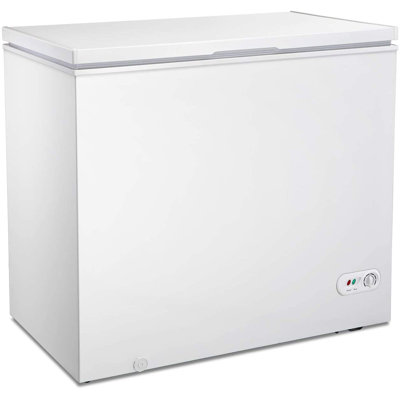
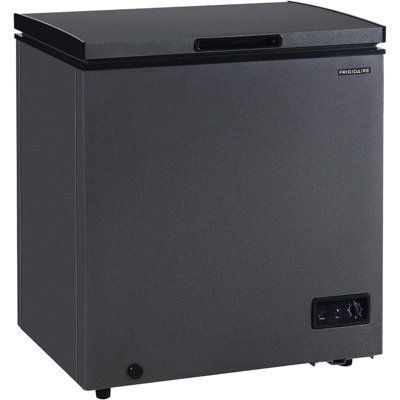
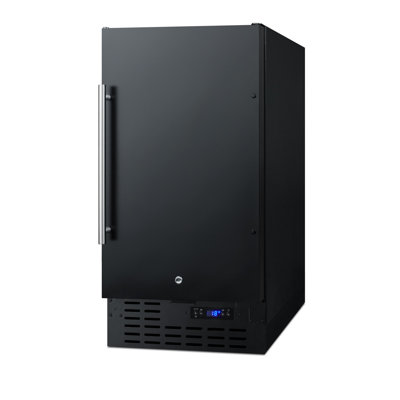
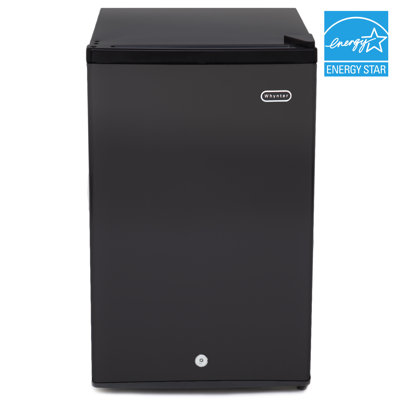
Choosing a refrigerator can feel like picking a needle out of a haystack. Two popular contenders in the fridge arena are the drawer fridge freezer and the kimchi refrigerator. Each has its own perks and quirks, so let's break it down to help you figure out which one fits your lifestyle like a glove.
Drawer Fridge Freezer Vs. Kimchi Refrigerator: What's the Deal?
The drawer fridge freezer is like the Swiss Army knife of fridges. It's designed for easy access and organized storage with its slide-out compartments. Perfect for those who love to keep things tidy and within arm's reach.
Feature
Drawer Fridge Freezer
Kimchi Refrigerator
Storage
Multiple drawers for all kinds of goodies
Special compartments just for kimchi
Temperature Control
Adjustable for different zones
Perfect for fermenting and storing kimchi
Ideal Use
General household storage
Kimchi and fermented foods
Now, the kimchi refrigerator is the rockstar for kimchi aficionados. It’s built to keep your kimchi fresh and flavorful with precise temperature and humidity control. If kimchi is your jam, this fridge is your best friend.
If you love hosting parties or have a variety of foods to store, the drawer fridge freezer is your go-to. Its multiple compartments make it a breeze to separate different types of food, keeping everything fresh and easy to find.
But if you're all about that kimchi life, the kimchi refrigerator is where it's at. It’s got specialized compartments for your kimchi jars and containers, making it a must-have for any kimchi lover.
Understanding the unique features of each fridge helps you make a choice that fits your needs. Whether you need versatile storage or a specialized fermentation station, there's a fridge out there with your name on it.
What’s a Drawer Fridge Freezer?
A drawer fridge freezer is a nifty appliance that combines both a fridge and a freezer in a compact, drawer-style design. It's a lifesaver for those who need extra storage but are short on space.
Features and Benefits
Drawer fridge freezers come packed with features that make them a handy addition to any home or office. Here’s why you’ll love them:
Space-Saving Design: These fit snugly under countertops or in tight spots, perfect for apartments, condos, and small kitchens.
Easy Access: Pull-out drawers mean no more bending down or digging through deep shelves. Everything’s right there at your fingertips.
Separate Compartments: Most models have separate sections for the fridge and freezer, so you can keep everything at just the right temperature.
Temperature Control: Adjustable settings let you keep your food and drinks just how you like them.
Energy Efficiency: Often more energy-efficient than traditional fridges, these can help cut down on your utility bills.
Ideal Uses and Storage Capacity
Drawer fridge freezers are super versatile and can be used in all sorts of places. Here’s where they shine and how much they can typically store:
Kitchen: Great for snacks, drinks, and leftovers.
Office: Perfect for keeping lunches, drinks, and snacks cool.
Garage or Basement: Ideal for extra storage of bulk items, frozen foods, and beverages.
Entertainment Areas: Handy for storing drinks and appetizers for parties.
Small Apartments and Condos: Maximize storage space without losing functionality.
When you’re looking at different refrigerators, the Kimchi fridge is a game-changer for anyone who loves their fermented foods. Let’s break down what makes it special, its perks, and how you can use it to its full potential.
Features and Benefits
A Kimchi refrigerator is like the VIP section for your fermented goodies. Here’s why:
Multiple Compartments: These fridges come with several compartments and drawers, each with its own temperature and humidity controls. This means you can keep different types of kimchi and other fermented foods separate and happy.
Odor Control: Kimchi can be pretty pungent. But don’t worry, these fridges have advanced odor-control systems to keep the smell in check and stop it from invading other compartments.
Precision Temperature Control: Fermenting kimchi just right needs specific temperatures. A Kimchi fridge lets you dial in the perfect settings for each stage of fermentation.
Moisture Control: You can tweak the humidity levels to keep your kimchi fresh and crunchy, avoiding the dreaded soggy or dried-out kimchi.
Energy Efficiency: Despite all these fancy features, Kimchi fridges are designed to be energy-efficient, making them a smart choice for kimchi lovers.
Ideal Uses and Storage Capacity
A Kimchi refrigerator isn’t just for kimchi. Its flexible design makes it great for a bunch of other uses:
Fermented Foods: Perfect for storing other fermented foods like sauerkraut, pickles, and yogurt, which also need controlled temperature and humidity.
Fresh Produce: The adjustable compartments can keep your fruits and veggies crisp and extend their shelf life.
Beverages and Snacks: Some compartments can be set to regular fridge temperatures, making them ideal for drinks, dairy products, and snacks.
Here’s a quick look at the typical storage capacity:
Compartment
Capacity (Liters)
Ideal Use
Main Compartment
100 - 150
Kimchi, Fermented Foods
Upper Drawer
50 - 70
Fresh Produce, Dairy
Lower Drawer
50 - 70
Beverages, Snacks
If you’re weighing your fridge options, a Kimchi refrigerator offers specialized features that make it perfect for keeping fermented foods in top shape. For more on other types of fridges, check out Fridge.com articles on drink fridge Vs. mini fridge or column refrigerator Vs. large refrigerator.
Choosing between a drawer fridge freezer and a kimchi refrigerator can be a game-changer for your kitchen. Each has its own perks, so let's break it down.
Drawer Fridge Freezer Design
A drawer fridge freezer is like the Swiss Army knife of kitchen appliances. It’s got that sleek, modern look that fits right in with any kitchen style. The best part? Those smooth-sliding drawers make it super easy to grab what you need without playing a game of fridge Tetris.
You’ll find multiple compartments inside, perfect for keeping your groceries organized. Whether you’re a meal-prep pro or just like things neat and tidy, this setup is a dream.
Feature
Description
Design
Modern and sleek
Accessibility
Easy pull-out drawers
Compartments
Multiple, for better organization
Kimchi Refrigerator Design
Now, if you’re all about that kimchi life, a kimchi refrigerator is your new best friend. These fridges are built specifically for storing kimchi and other fermented goodies. They keep everything at the perfect temperature and humidity, so your kimchi stays fresh and flavorful.
The design usually includes deep compartments that can handle those big kimchi containers. Plus, there are separate sections for different types of fermented foods, so you don’t have to worry about flavors mixing.
Feature
Description
Design
Specialized for fermentation
Accessibility
Deep compartments for large containers
Compartments
Separate sections for various fermented foods
When deciding between a drawer fridge freezer and a kimchi refrigerator, think about what you need most. Do you want easy access and organization, or are you all about perfecting your homemade kimchi? For more comparisons, check out Fridge.com articles on drink fridge Vs. refrigerator cooler and built-in freezer Vs. retro mini fridge.
Keeping It Cool: Your Guide to Fridges
Picking the right fridge can feel like a big deal, especially when you're stuck between a drawer fridge freezer and a kimchi refrigerator. Let's break down what each one brings to the table so you can make the best choice for your kitchen.
Drawer Fridge Freezer: The All-Rounder
A drawer fridge freezer is like the Swiss Army knife of fridges. It gives you flexible temperature control and keeps your food fresh. With separate compartments for the fridge and freezer, you can tweak the settings to fit what you need. This setup is perfect for keeping your groceries organized and at the right temperature.
Temperature Range: The fridge part usually stays between 32°F and 40°F, while the freezer can drop to -10°F.
Humidity Control: Some models let you adjust the humidity, which is great for keeping fruits and veggies crisp.
Preservation: The sealed drawers help keep the temperature steady, so your food stays fresh longer.
A kimchi refrigerator is a bit of a niche player, but it's a game-changer if you're into fermenting foods. Designed mainly for kimchi, it offers precise temperature and humidity control, which is crucial for fermentation. But don't worry, it's not just for kimchi – it can keep other foods fresh too.
Temperature Range: These fridges keep things steady between 30°F and 40°F, perfect for fermenting and storing kimchi.
Fermentation Modes: Many models have preset modes for different fermentation stages.
Humidity Control: High humidity settings help keep kimchi and other perishables moist and fresh.
So, should you go for a drawer fridge freezer or a kimchi refrigerator? It really depends on what you need. If you want versatile storage and easy organization, the drawer fridge freezer is your best bet. But if you're all about that precise fermentation, the kimchi refrigerator is the way to go.
Choosing between a drawer fridge freezer and a kimchi refrigerator? Let's break down the energy efficiency of each so you can make the best choice for your home and wallet.
Drawer Fridge Freezer Efficiency
Drawer fridge freezers are all about convenience and easy access. But how do they stack up in terms of energy use? These bad boys are generally more energy-efficient than your standard upright fridges. Why? Because opening a drawer lets out less cold air than swinging open a full door.
Feature
Drawer Fridge Freezer
Average Energy Consumption (kWh/year)
300 - 500
Temperature Range
0°F to 40°F
Most drawer fridge freezers come with an Energy Star rating, meaning they meet strict energy efficiency guidelines. They also offer various temperature settings, so you can tweak them to save even more energy. Curious about other comparisons? Check out Fridge.com article on column freezer Vs. freezer cooler.
Kimchi Refrigerator Efficiency
Kimchi refrigerators are the go-to for storing kimchi and other fermented goodies. These specialized fridges might use more energy because they need precise temperature and humidity controls to keep your kimchi in tip-top shape.
Feature
Kimchi Refrigerator
Average Energy Consumption (kWh/year)
400 - 700
Temperature Range
32°F to 39°F
Kimchi fridges often consume more energy than drawer fridge freezers. They have specialized compartments and settings crucial for fermenting and storing kimchi. Some models might not have an Energy Star rating, so double-check the specs before buying. Want more on appliance efficiency? Head over to Fridge.com article on beverage refrigerator Vs. freezer cooler.
Knowing the energy efficiency of drawer fridge freezers and kimchi refrigerators helps you pick the right one for your needs while keeping your energy bills in check. Whether you need versatile storage or a specialized kimchi fridge, these details will guide your decision.
Choosing between a drawer fridge freezer and a kimchi refrigerator? Let’s break down the space each one needs and where they fit best in your home.
Drawer Fridge Freezer Placement
Drawer fridge freezers are like the Swiss Army knives of kitchen appliances. You can tuck them just about anywhere, making them a lifesaver for tight spaces. Their compact design means they slide right into your kitchen cabinetry, islands, or even under countertops. Perfect for apartments, condos, and smaller kitchens.
Location
Pros
Cons
Under Counter
Saves space
Limited storage
Kitchen Island
Easy access
Custom installation needed
Pantry
Out of sight
Might need ventilation
Curious about other appliances? Check out Fridge.com comparisons on refrigerator drawer Vs. tall refrigerator and built-in freezer Vs. retro mini fridge.
Kimchi Refrigerator Placement
Kimchi refrigerators are the big guns for fermented foods but can handle regular refrigeration too. They’re usually larger, so you’ll need more room. Best for homes with spacious kitchens or basements.
Keeping your appliances clean and in good shape means they work better and last longer. Here are some tips to keep your drawer fridge freezer and kimchi refrigerator in tip-top condition.
Drawer Fridge Freezer Care Tips
Taking care of your drawer fridge freezer is key to keeping it running smoothly. Here’s how you can do it:
Regular Cleaning: Empty it out and wipe down the inside with a mild detergent and warm water. Focus on any spills and stains.
Defrosting: If your model isn’t frost-free, defrost it regularly to avoid ice build-up that can mess with its performance.
Check Seals: Look at the door seals for any damage. Clean them with a damp cloth to keep them tight and effective.
Organize Drawers: Arrange items so air can circulate properly. Don’t overload the drawers.
Clean Condenser Coils: Clean the condenser coils at the back or bottom of the unit every now and then. Dust and grime can make it less efficient.
Keeping up with these tasks will help your drawer fridge freezer and kimchi refrigerator stay in top shape, giving you the best performance and a longer lifespan.
Compare prices on Fridge.com
Compare current prices and specifications on Fridge.com, then buy from the retailer you choose; delivery, installation and warranty terms are the retailer’s.
It also has tons of awesome articles about kitchen stuff and home news. Enhance your home, garage, backyard, patio, and office with the coolest essentials. With every necessary type of residential refrigerator or freezer in the collection, you're covered.
Frequently Asked Questions
A drawer fridge freezer is a nifty appliance that combines both a fridge and a freezer in a compact, drawer-style design. It's a lifesaver for those who need extra storage but are short on space.