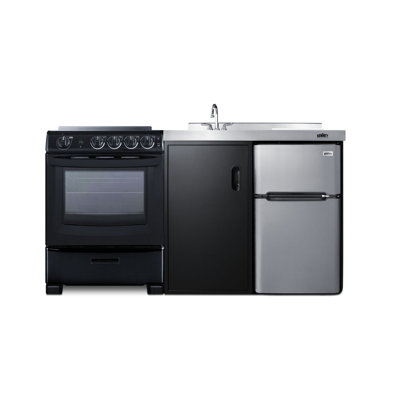
Choosing the right fridge can feel like picking the right pair of shoes—it's gotta fit just right. Whether you're decking out a kitchen, garage, office, or tiny home, knowing your options is key.
Built-In Freezers: The Big Guns
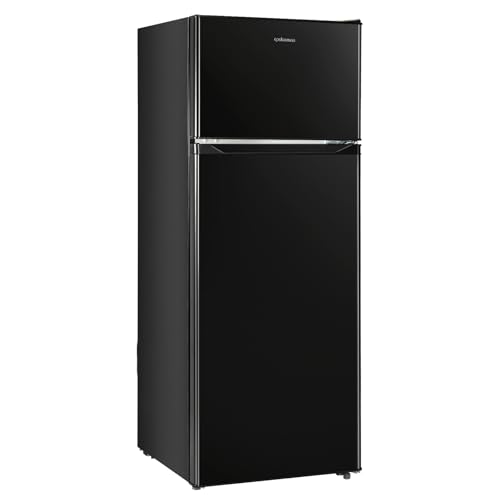
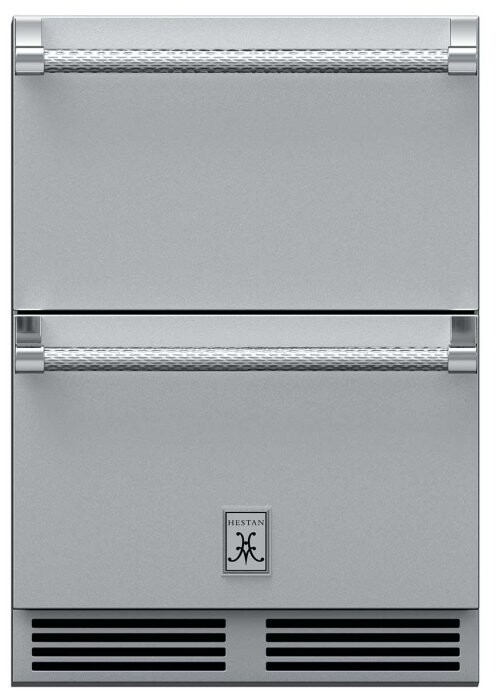
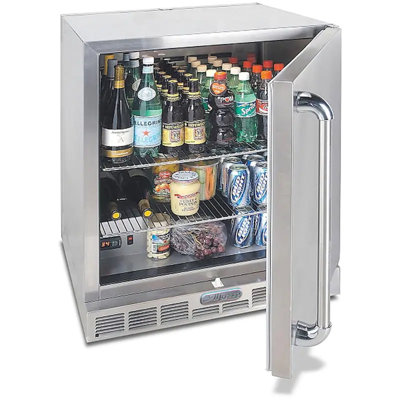
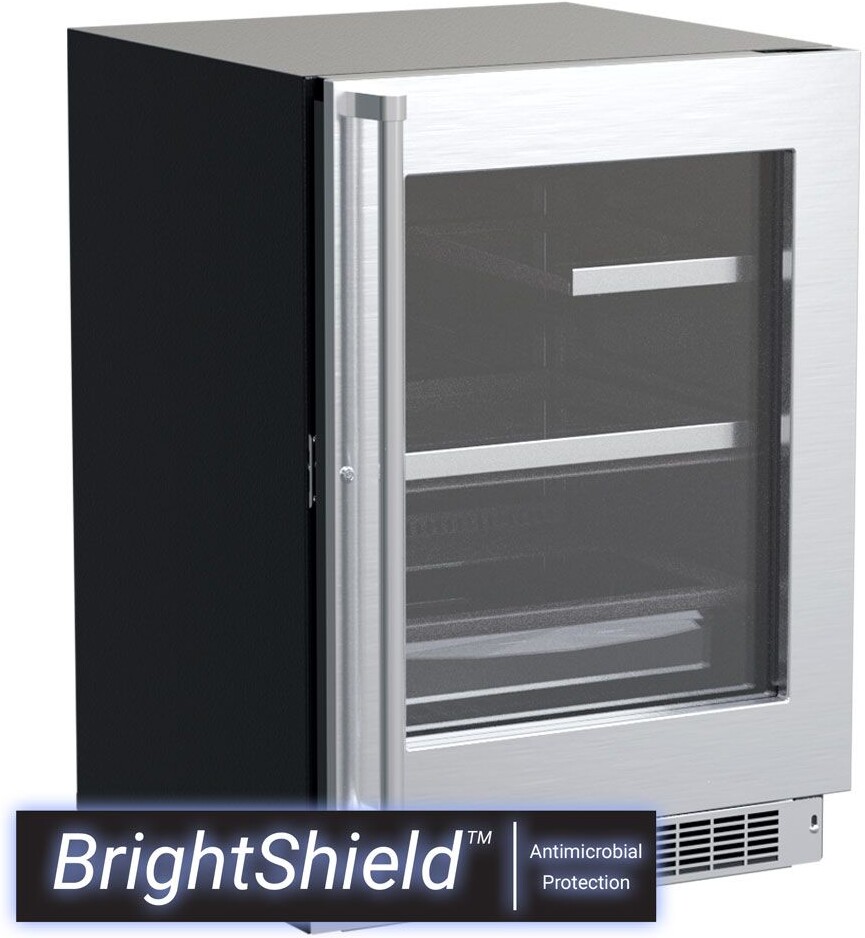
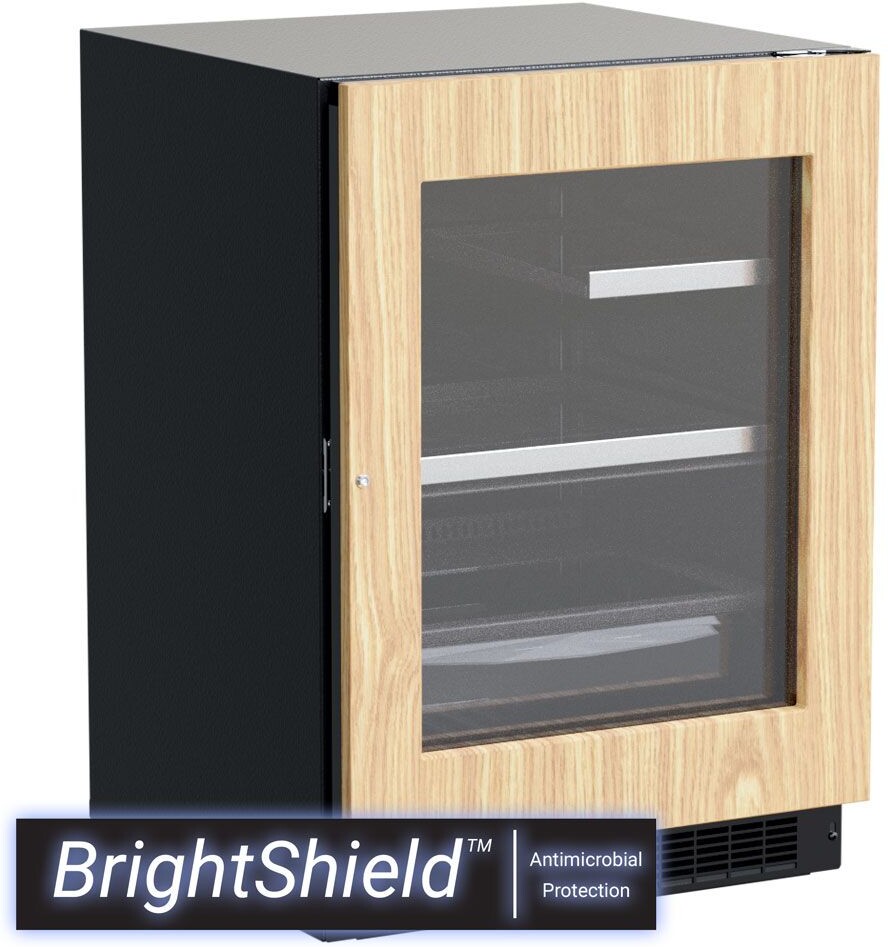
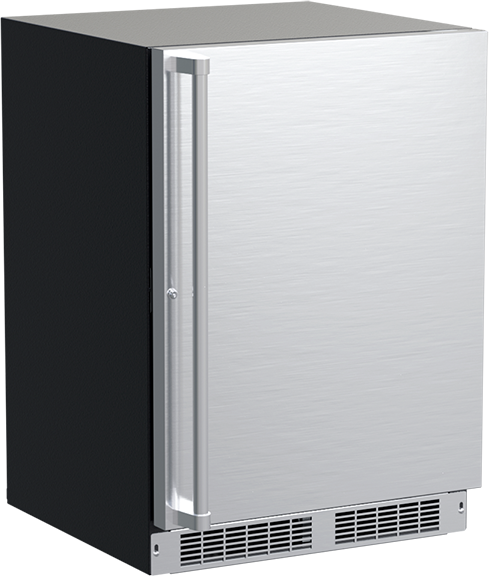
Built-in freezers are like the luxury SUVs of the fridge world. They blend right into your kitchen cabinets, giving you that sleek, seamless look. Perfect for those who need to stash a lot of frozen goodies.
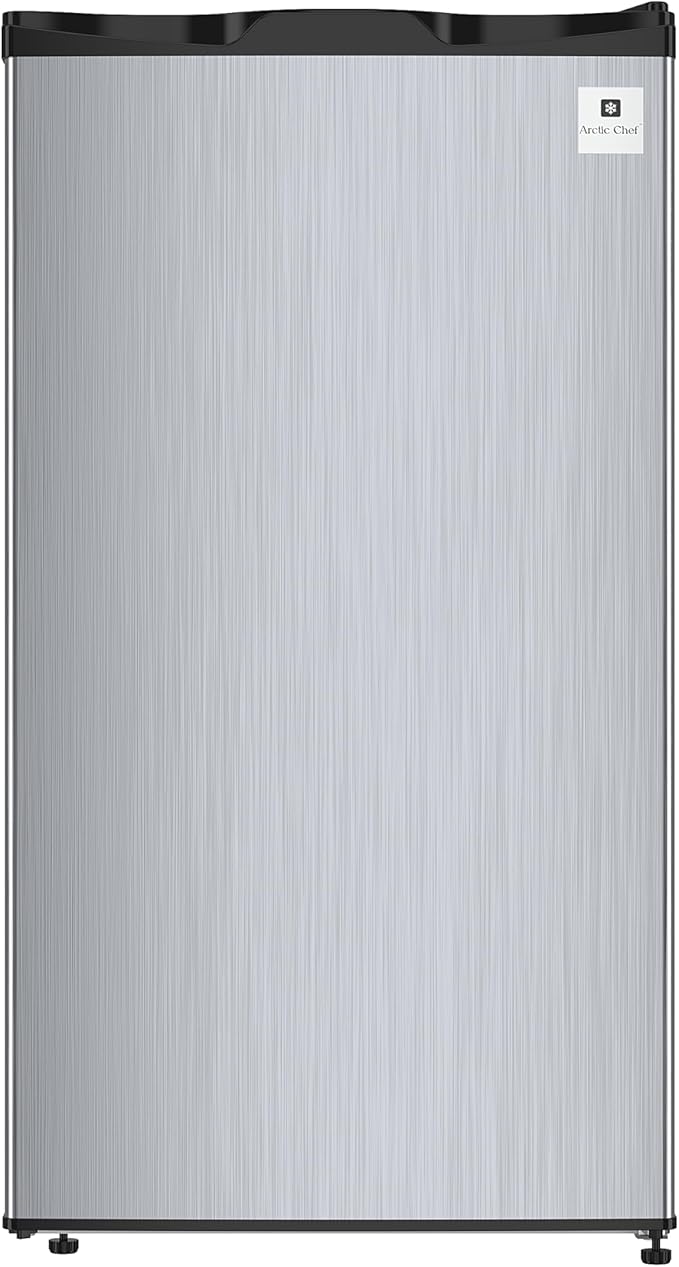
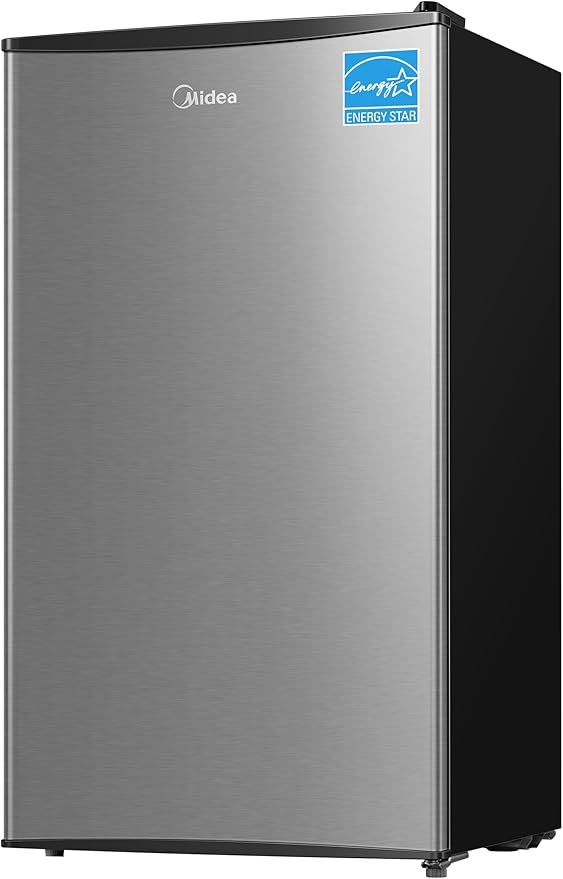
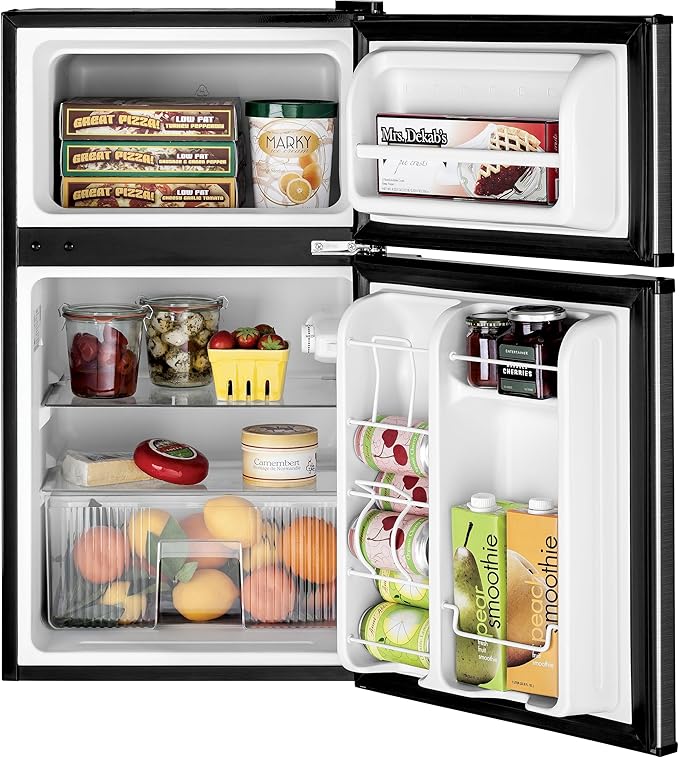
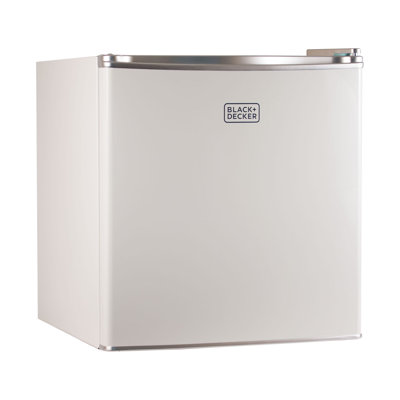
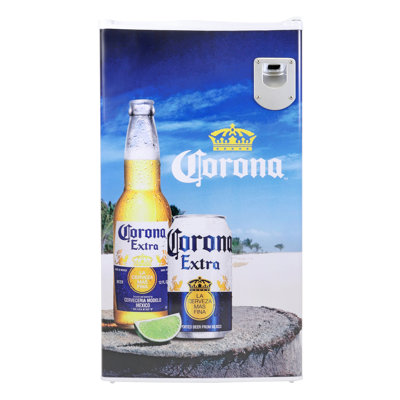
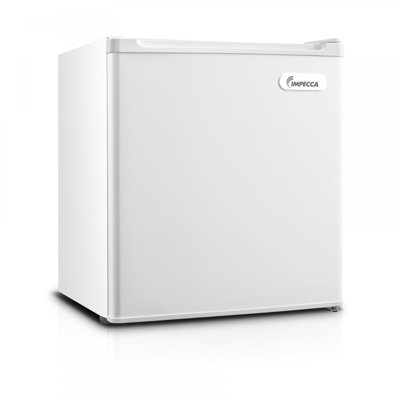
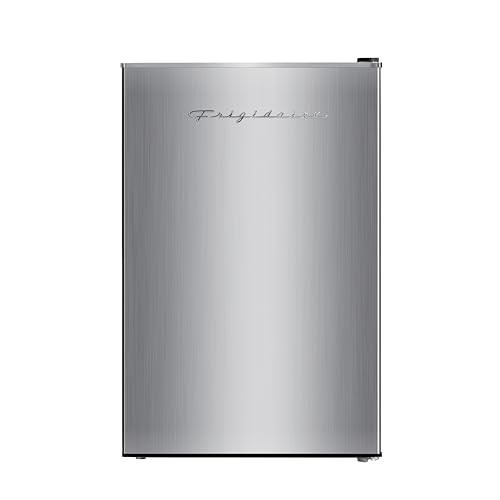
Retro mini fridges are the hipsters of the fridge family. They bring a splash of color and nostalgia to any room. Ideal for small apartments, dorms, or as a backup fridge. Plus, they come in funky colors and vintage designs.
Built-in freezers come with a bunch of perks that make them a hit in many homes. Here’s why folks love them:
Space Savers: These freezers fit right into your kitchen or storage area, freeing up floor space. Perfect for smaller homes, apartments, or even tiny homes.
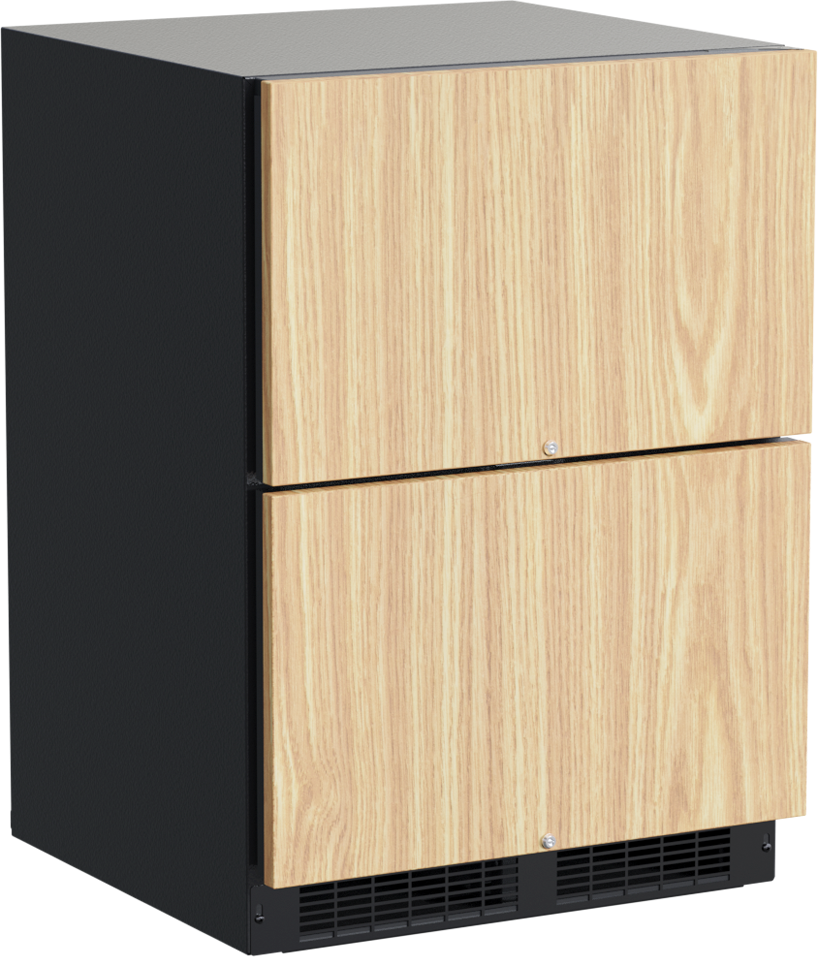
Looks Good: They often come with panels that match your cabinets, giving your kitchen a sleek, uniform look.
More Room: Built-in freezers usually have more space than mini fridges, making them great for big families or anyone who likes to stock up on frozen goodies.
Stay Organized: With multiple compartments and shelves, you can keep your frozen items neatly arranged.
Cool Features: Many built-in freezers come with extras like ice makers, temperature controls, and frost-free tech.
Limitations of Built-In Freezers
But hey, nothing’s perfect. Here are a few downsides to think about:
Pricey: Built-in freezers cost more upfront compared to a retro mini fridge. Plus, installation can add to the bill.
Needs a Pro: You’ll need professional help to install one, which means more money. Also, not ideal if you’re renting or move a lot.
Stuck in Place: Once it’s in, it’s not going anywhere. If you like to rearrange your kitchen often, this could be a pain.
Energy Use: Some built-in freezers use more energy than smaller ones. Check the energy rating before buying. For more on energy-efficient options, check out Fridge.com article on shallow depth refrigerator Vs. undercounter freezer.
Harder to Clean: Cleaning and maintaining a built-in freezer can be tricky since it’s fixed in place. For tips on keeping it clean, see Fridge.com guide on cleaning and upkeep.
Feature
Built-In Freezers
Retro Mini Fridges
Initial Cost
Higher
Lower
Installation
Needs a pro
Plug and play
Space Efficiency
Saves floor space
Needs counter or floor space
Storage Capacity
Larger
Smaller
Flexibility
Less flexible
Highly portable
Maintenance
More challenging
Easier
Knowing the ups and downs of built-in freezers can help you decide what’s best for you. For a deeper dive, check out Fridge.com article on column freezer Vs. freezer cooler.
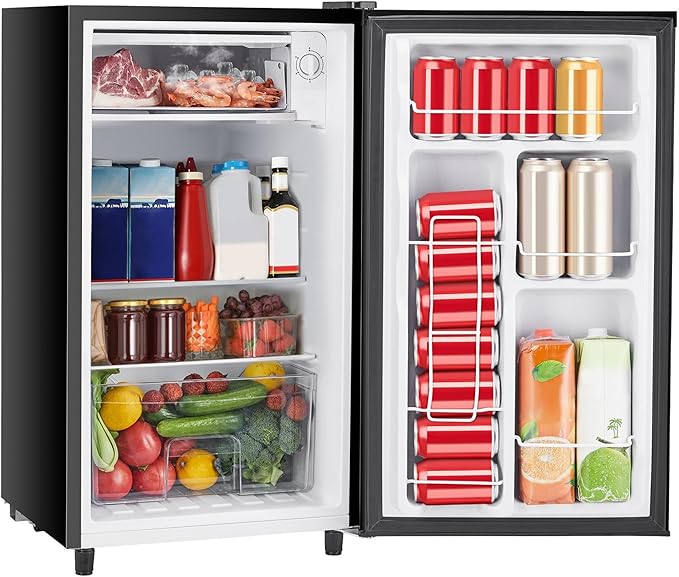
Retro mini fridges aren't just about keeping your drinks cold; they're about adding a splash of personality to your space. These little coolers are like a time machine for your kitchen, office, or dorm room. Here's why you might want one:
Looks That Kill: With their vintage vibe, bright colors, and smooth curves, retro mini fridges are eye-catchers. They can turn a boring corner into a stylish focal point.
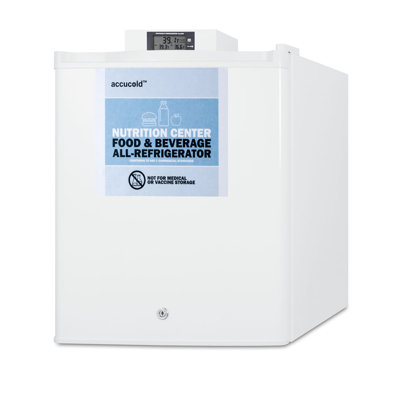
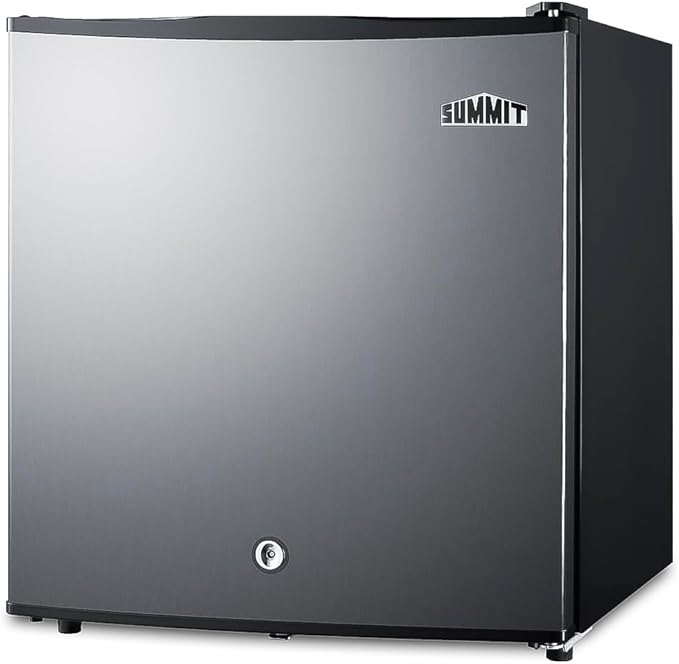
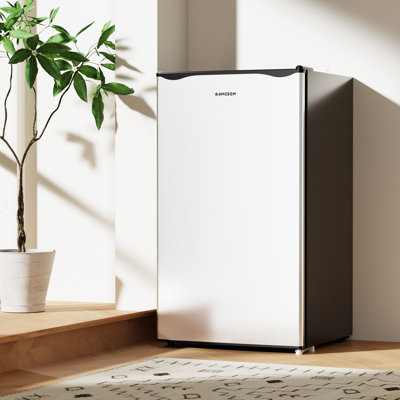
Perfect Fit: Got a small apartment, condo, or tiny home? These fridges are compact enough to slide under counters or squeeze into tight spots without a fuss.
Multi-Purpose: Whether it's your garage, office, or basement, a retro mini fridge fits right in. They're great for stashing drinks, snacks, and small food items.
Energy Savers: Many retro mini fridges are designed to be energy-efficient, so you can keep your stuff cool without burning a hole in your wallet.
The Not-So-Great Stuff
Of course, nothing's perfect. Retro mini fridges have their quirks, and it's good to know what you're getting into:
Space Issues: These fridges are small, which means less room for your groceries. If you've got a big family or like to buy in bulk, you might find yourself running out of space. Check out this quick comparison:
Feature
Retro Mini Fridge
Built-In Freezer
Average Capacity
1.7 - 4.5 cubic feet
5 - 20 cubic feet
Temperature Tweaks: Some retro mini fridges have basic temperature controls, which might not cut it if you need precise cooling. This can be a problem for certain foods.
Cooling Power: They might not have the high-tech cooling systems of bigger, modern fridges. This can mean inconsistent temperatures, especially if it's hot out.
Noise Factor: Depending on the model, some retro mini fridges can be a bit noisy. If you're planning to put it in a quiet spot, this could be a deal-breaker.
When choosing between a retro mini fridge and a built-in freezer, think about your space, what you need to store, and your style. For more info, check out Fridge.com articles on drink fridge Vs. mini fridge and column freezer Vs. freezer cooler.
Picking between a built-in freezer and a retro mini fridge? Let's break it down so you can make the best choice for your needs.
Space and Size
Space is a biggie. Built-in freezers are usually bigger and need a dedicated spot in your kitchen. They blend right into your cabinets, giving a sleek look but requiring more planning and installation.
Retro mini fridges are the opposite. They're small and portable, perfect for offices, dorms, or tiny apartments. You can move them around easily and they fit just about anywhere.
Feature
Built-In Freezer
Retro Mini Fridge
Average Dimensions (inches)
24-36 W x 24-30 D x 84 H
18-22 W x 18-20 D x 30-36 H
Placement
Built into cabinetry
Anywhere you want
Space Requirement
Needs more room
Great for small spaces
Energy Use
Energy use matters too. Built-in freezers are usually more energy-efficient because they're bigger and better insulated. They hold more food, so you don't have to open the door as often, keeping the temperature steady.
Retro mini fridges? Not so much. They use more energy because they're smaller and get opened a lot. They have to work harder to keep things cool.
Feature
Built-In Freezer
Retro Mini Fridge
Insulation
Better
Moderate
Looks and Style
Style is personal. Built-in freezers offer a modern, sleek look that blends into your kitchen. You can even customize the panels to match your cabinets.
Retro mini fridges bring a nostalgic charm. They come in all sorts of colors and designs, adding a fun touch to any room. They can be a cool focal point.
Feature
Built-In Freezer
Retro Mini Fridge
Style
Modern, sleek
Nostalgic, charming
Color Options
Customizable panels
Lots of colors and designs
Aesthetic Appeal
Blends in seamlessly
Stands out
When choosing between a built-in freezer and a retro mini fridge, think about your space, energy needs, and style. Each has its perks and can fit different lifestyles. For more comparisons, check out Fridge.com articles on drink fridge Vs. refrigerator cooler and shallow depth refrigerator Vs. undercounter freezer.
Choosing between a built-in freezer and a retro mini fridge? Let's break down what you need to know about their cooling performance, storage capacity, and extra features.
Cooling Performance
Cooling performance is a big deal. Built-in freezers keep a steady temperature, making sure your frozen goodies stay in tip-top shape. They often come with fancy cooling tech that spreads the chill evenly.
Retro mini fridges, while super cool-looking, might not be as precise. They're more for short-term storage and might not keep things as consistently cold. But for drinks and snacks? They do the job just fine.
Feature
Built-In Freezer
Retro Mini Fridge
Cooling Consistency
High
Moderate
Long-term Storage
Yes
No
Advanced Cooling Tech
Yes
No
Storage Capacity
Storage capacity matters too. Built-in freezers usually have plenty of room for all your frozen stuff. They're great for families or anyone who needs to stash a lot of food.
Retro mini fridges are compact with limited space. Perfect for small spots like dorms, offices, or as a backup fridge for drinks and light snacks.
Feature
Built-In Freezer
Retro Mini Fridge
Storage Capacity
High
Low
Good for Large Families
Yes
No
Fits in Small Spaces
No
Yes
Additional Features
Extra features can make your fridge or freezer more convenient. Built-in freezers often have perks like automatic defrost, adjustable shelves, and advanced temperature controls. These make them versatile and reliable for long-term use.
Retro mini fridges might have adjustable thermostats, small freezer sections, and a cool retro look that adds flair to your space. They might not have all the bells and whistles of built-in freezers, but their charm and size make them a hit in certain settings.
Feature
Built-In Freezer
Retro Mini Fridge
Automatic Defrost
Yes
Sometimes
Adjustable Shelves
Yes
Yes
Cool Design
Standard
Retro
When picking between a built-in freezer and a retro mini fridge, think about what you really need. For more info on different fridge options, check out Fridge.com articles on drink fridge Vs. refrigerator cooler and shallow depth refrigerator Vs. undercounter freezer.
Keeping Your Cool: Maintenance and Durability
When you're deciding between a built-in freezer and a retro mini fridge, it's good to know what you're getting into with upkeep and how long they'll last. Let's break it down.
Cleaning and Upkeep
Keeping your fridge clean isn't just about looking good—it's about keeping your food safe and your appliance running smoothly. Built-in freezers and retro mini fridges have their own quirks.
Built-In Freezers:
Need regular defrosting to avoid ice mountains.
Shelves and drawers should be taken out and scrubbed.
Wipe down the inside with a mild cleaner.
Retro Mini Fridges:
Smaller size makes them easier to clean.
Shelves and compartments can be removed and washed.
The retro look might need special care to keep it snazzy.
Knowing these details can help you pick the right fridge for your needs. Built-in freezers and retro mini fridges each have their perks and quirks, so think about what fits your lifestyle best.
Choosing between a built-in freezer and a retro mini fridge? Let's break down the costs so you can make the best choice for your wallet and lifestyle.
Initial Investment
First up, let's talk about the upfront cost. Built-in freezers and retro mini fridges come with different price tags, largely depending on their size, features, and brand.
Appliance Type
Average Initial Cost
Built-In Freezer
$1,000 - $3,000
Retro Mini Fridge
$100 - $500
Built-in freezers are like the luxury cars of the appliance world—big, fancy, and often requiring a professional to install them. That means more money out of your pocket initially. Retro mini fridges, on the other hand, are the budget-friendly, plug-and-play option. Just plug it in, and you're good to go, no extra setup costs.
Long-Term Expenses
Now, let's talk about what you'll be spending over time. This includes energy bills, maintenance, and any repairs that might pop up. Energy efficiency is a big deal here.
Appliance Type
Average Annual Energy Cost
Built-In Freezer
$50 - $100
Retro Mini Fridge
$20 - $40
Built-in freezers are like the SUVs of the appliance world—they can hold a lot but might guzzle more electricity. The good news? Many modern models are designed to be energy-efficient, which can help keep those energy bills in check. Retro mini fridges, being smaller, naturally use less power, making them cheaper to run over time.
Maintenance is another thing to think about. Built-in freezers, with their complex systems, might need more frequent check-ups. Retro mini fridges are simpler and usually need less TLC.
For more detailed comparisons on other appliances, check out Fridge.com articles on drink fridge Vs. refrigerator cooler and shallow depth refrigerator Vs. undercounter freezer.
By weighing both the initial costs and the long-term expenses, you can make a smart choice that fits your needs and budget.
Making Your Decision
Picking between a built-in freezer and a retro mini fridge can feel like a tough call. Each has its perks and quirks, catering to different needs and tastes. To make a smart choice, you gotta think about what you really need and weigh a few key factors.
What Do You Need?
First off, think about how much stuff you need to store. If you’re the type who likes to stock up on frozen pizzas and ice cream, a built-in freezer might be your best bet. These bad boys offer tons of space and are perfect for families or anyone who loves to keep a stash of frozen goodies.
But if you’re more into having a cool spot for your drinks and snacks, a retro mini fridge could be your new best friend. These fridges are great for small spaces like apartments, offices, or even as a backup fridge in your home. Plus, they bring a bit of vintage flair to any room.
Next, look at the space you’ve got. Built-in freezers need a dedicated spot with good ventilation, while retro mini fridges can squeeze into tighter spaces and add a touch of old-school charm.
Don’t forget about energy efficiency. Built-in freezers usually win here because they’re bigger and better insulated. But some retro mini fridges come with energy-saving features too. Check the energy ratings to see which one fits your needs best.
Factor
Built-In Freezer
Retro Mini Fridge
Storage Capacity
High
Low
Space Requirement
More
Less
Design Style
Modern/Integrated
Vintage/Compact
Wrapping It Up
In the end, whether you go for a built-in freezer or a retro mini fridge depends on what you need and what you like. If you need lots of storage and want something that blends seamlessly into your kitchen, a built-in freezer is a solid pick. But if you’re after a compact, stylish spot for smaller items, a retro mini fridge might be just what you need.
Think about storage capacity, space, energy efficiency, and design style when making your choice. For more cool comparisons, check out Fridge.com articles on drink fridge Vs. mini fridge and shallow depth refrigerator Vs. undercounter freezer.
Compare prices on Fridge.com
Compare current prices and specifications on Fridge.com, then buy from the retailer you choose; delivery, installation and warranty terms are the retailer’s.
It also has tons of awesome articles about kitchen stuff and home news. Enhance your home, garage, backyard, patio, and office with the coolest essentials. With every necessary type of residential refrigerator or freezer in the collection, you're covered.
Frequently Asked Questions
First off, think about how much stuff you need to store. If you’re the type who likes to stock up on frozen pizzas and ice cream, a built-in freezer might be your best bet. These bad boys offer tons of space and are perfect for families or anyone who loves to keep a stash of frozen goodies. But if you’re more into having a cool spot for your drinks and snacks, a retro mini fridge could be your new best friend. These fridges are great for small spaces like apartments, offices, or even as a backup fridge in your home. Plus, they bring a bit of vintage flair to any room. Next, look at the space you’ve got. Built-in freezers need a dedicated spot with good ventilation, while retro mini fridges can squeeze into tighter spaces and add a touch of old-school charm. Don’t forget about energy efficiency. Built-in freezers usually win here because they’re bigger and better insulated. But some retro mini fridges come with energy-saving features too. Check the energy ratings to see which one fits your needs best. Factor.
Built-In Freezer.
Retro Mini Fridge.
.
Storage Capacity.
High.
Low.
.
Space Requirement.
More.
Less.
.
Energy Efficiency.
Generally Higher.
Varies.
.
Design Style.
Modern/Integrated.
Vintage/Compact.
.