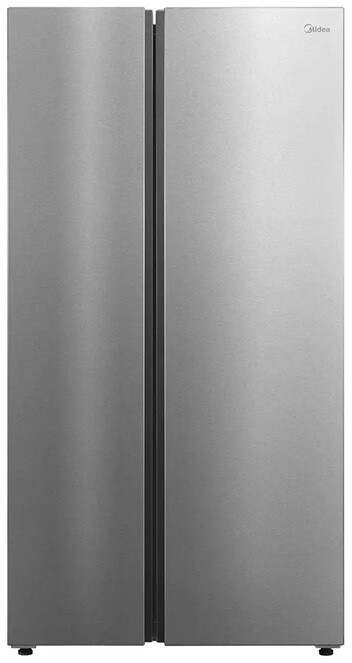
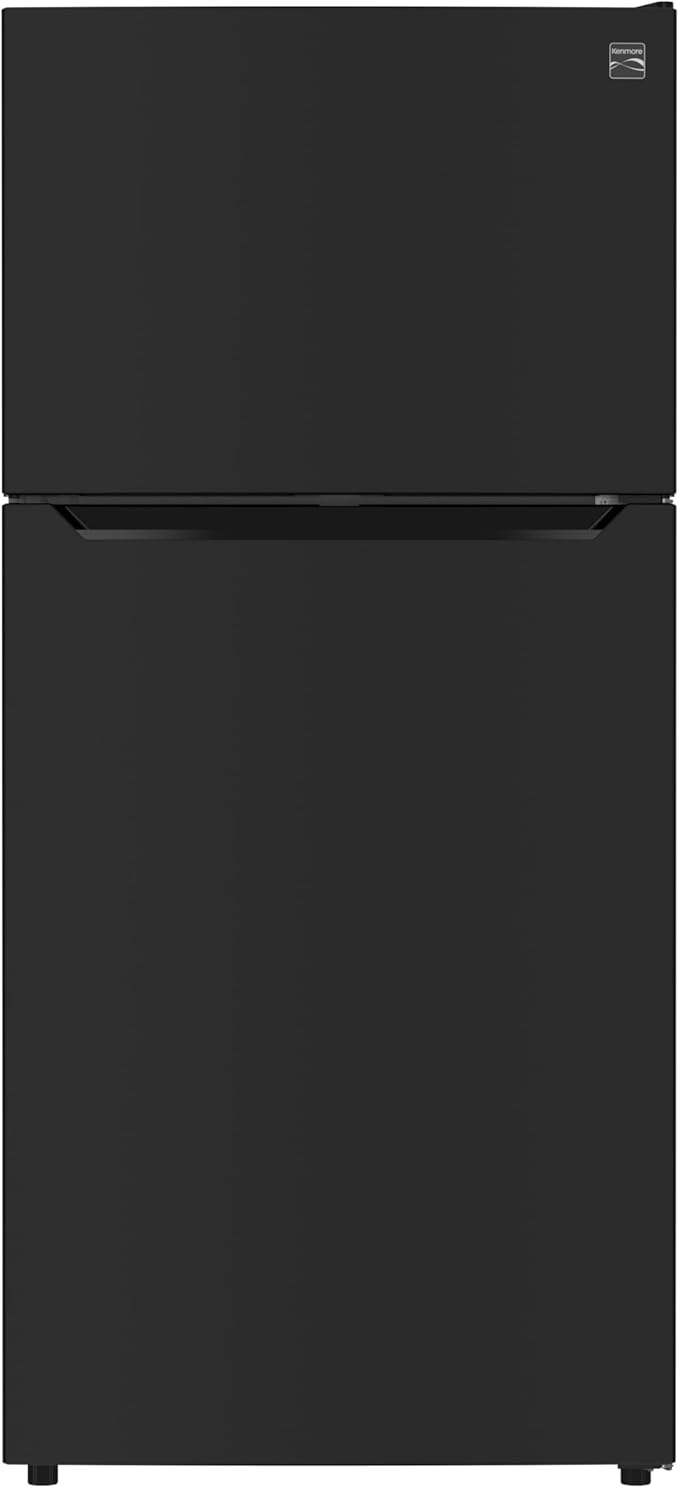
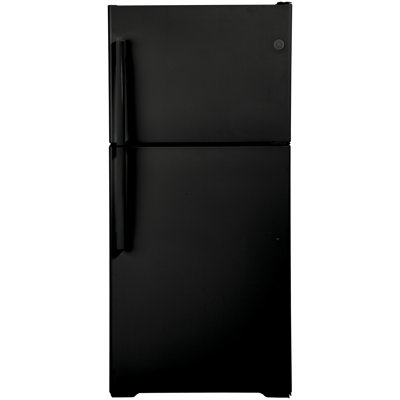
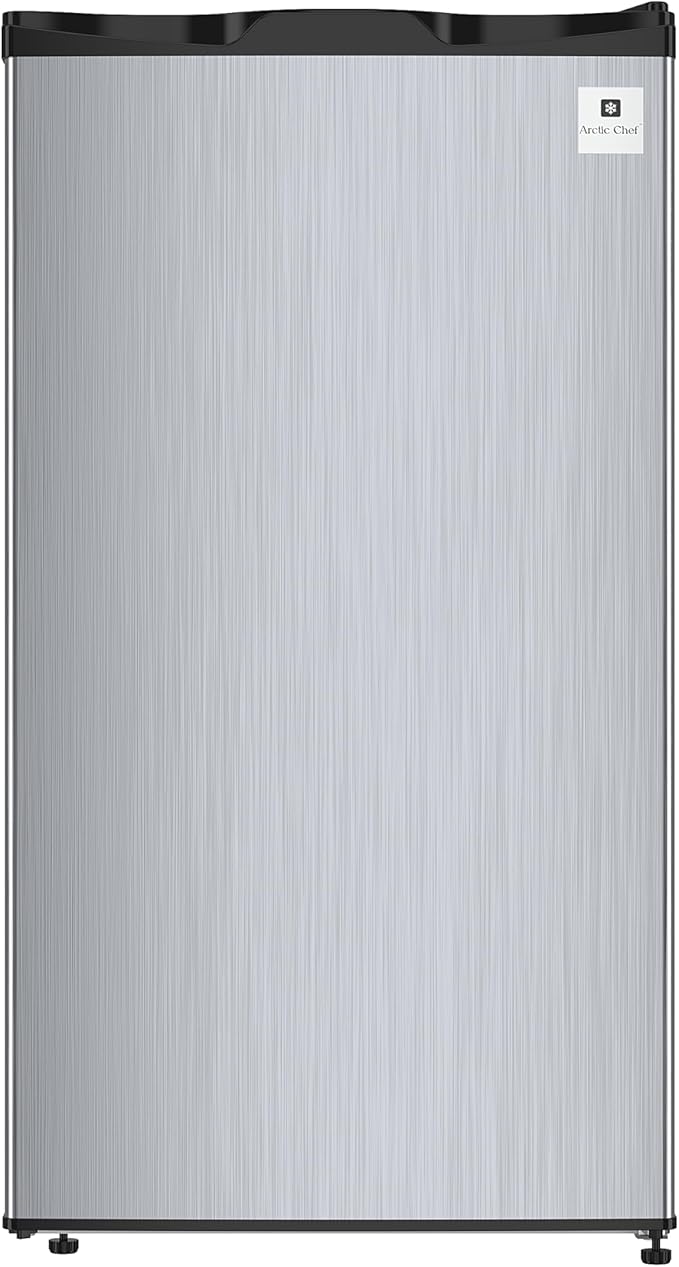
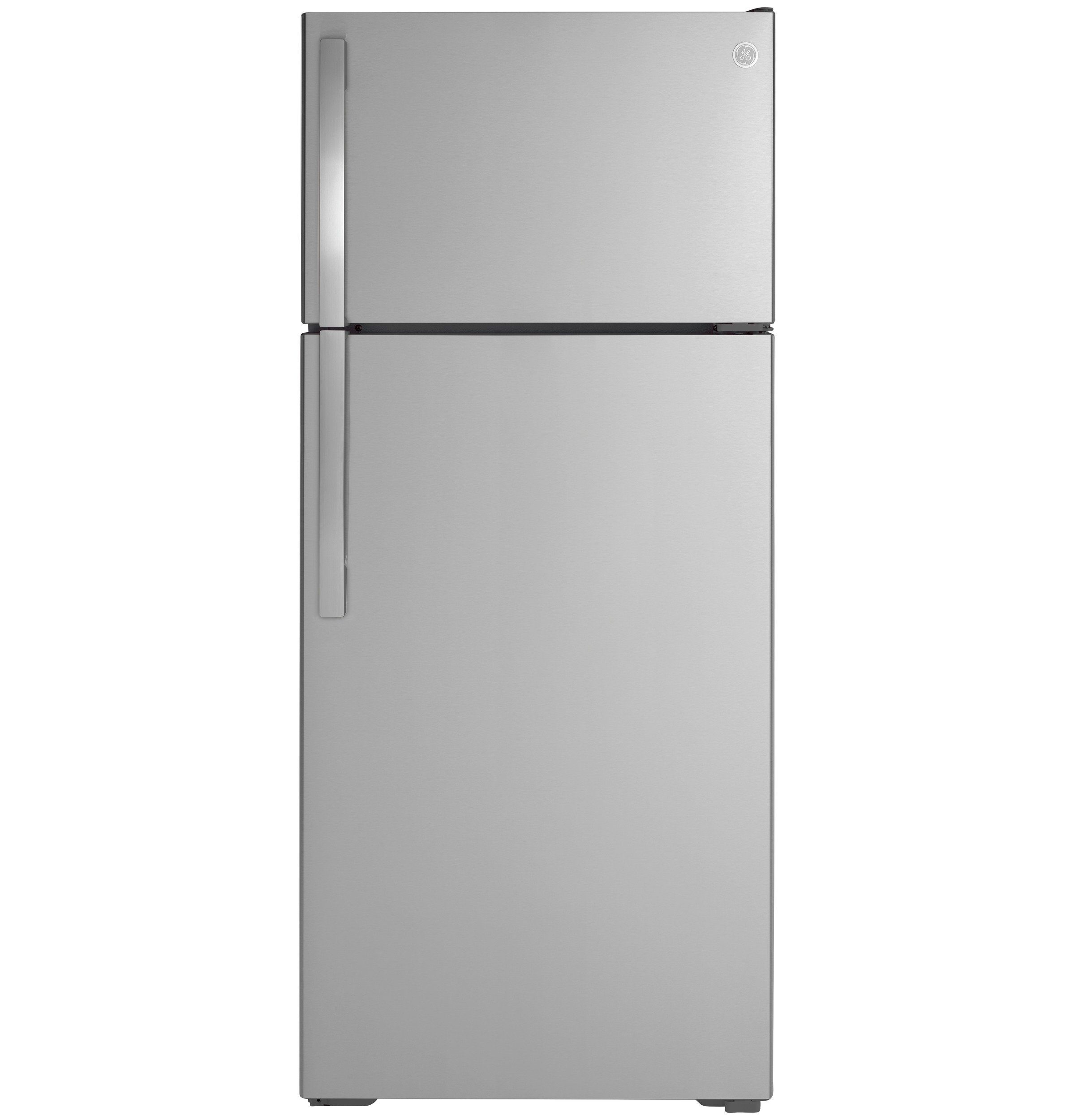
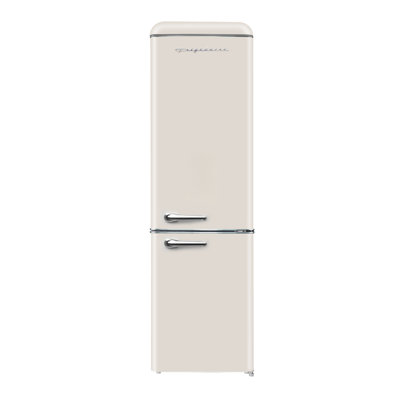
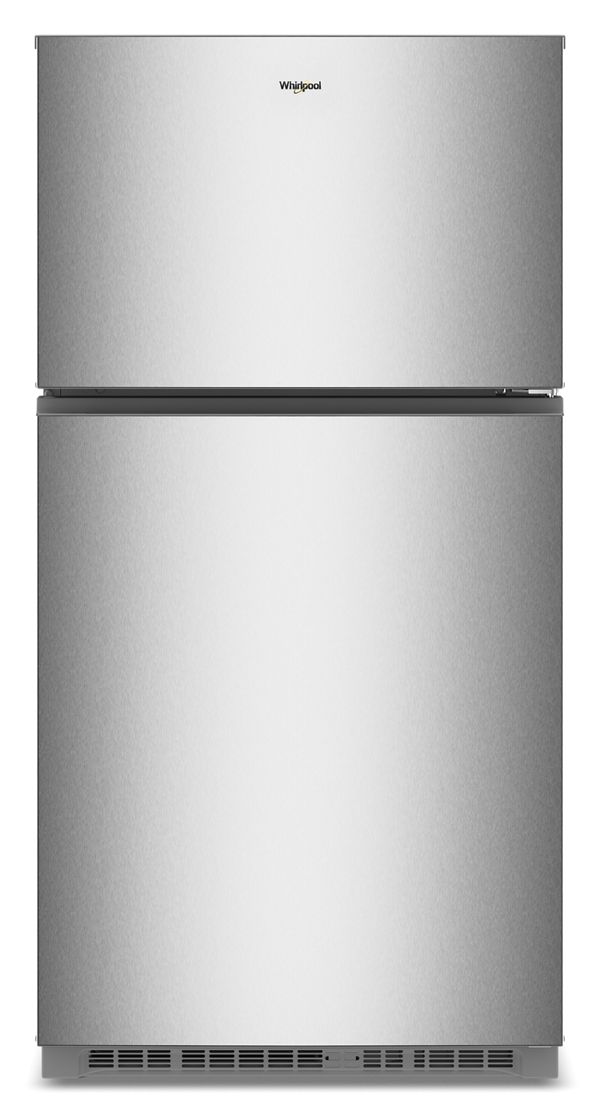
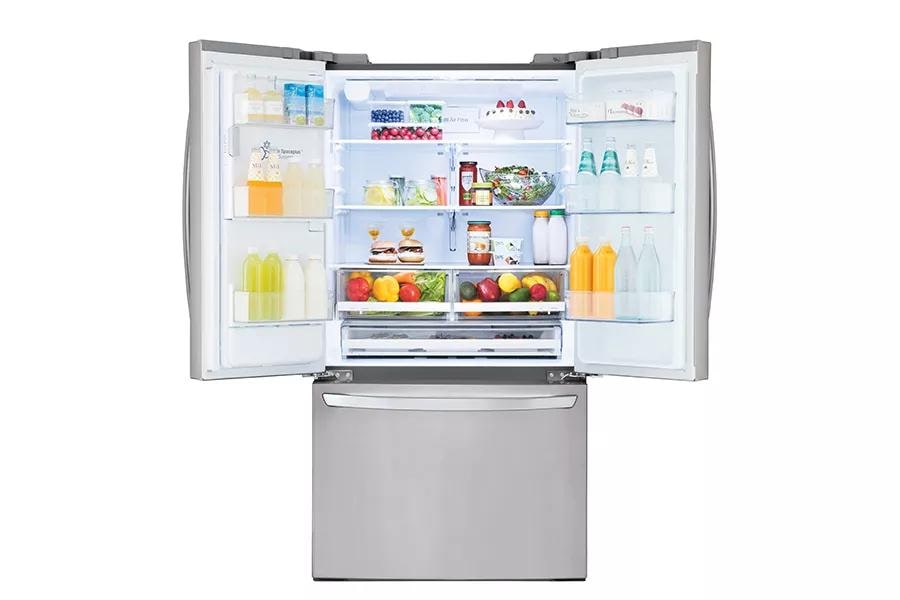
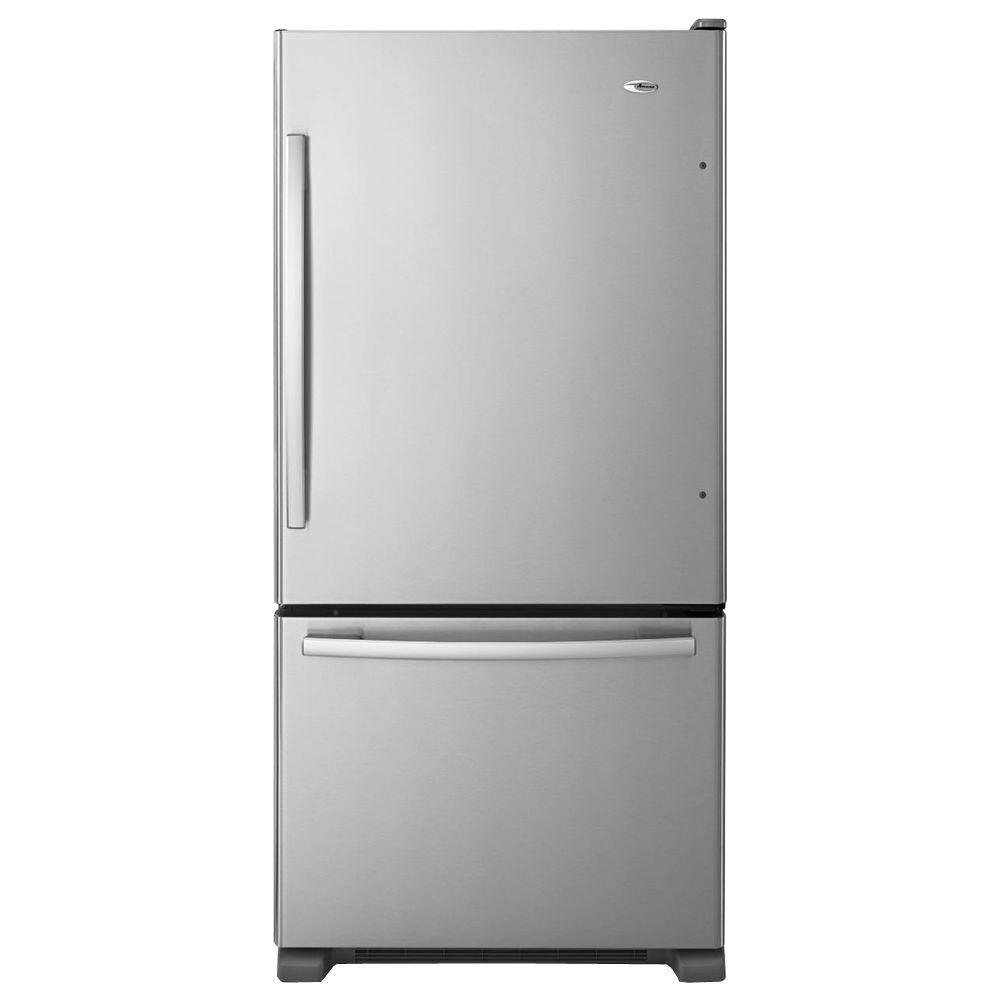
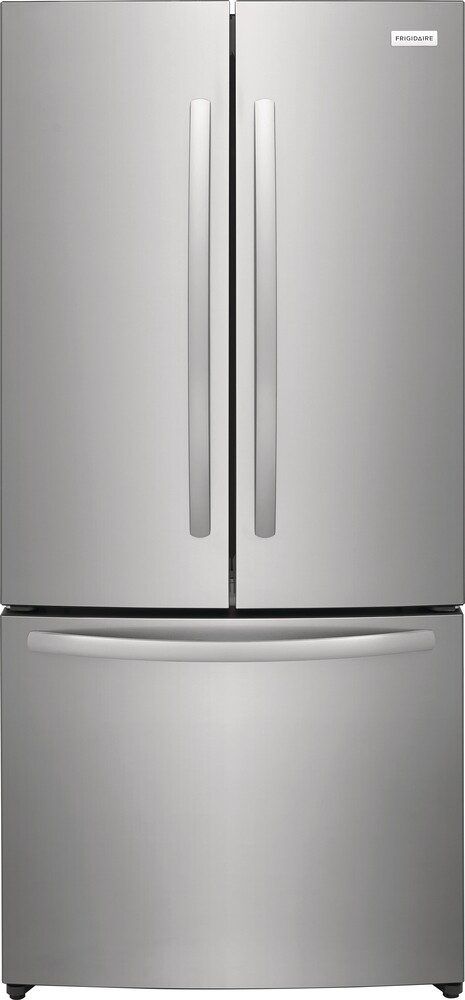
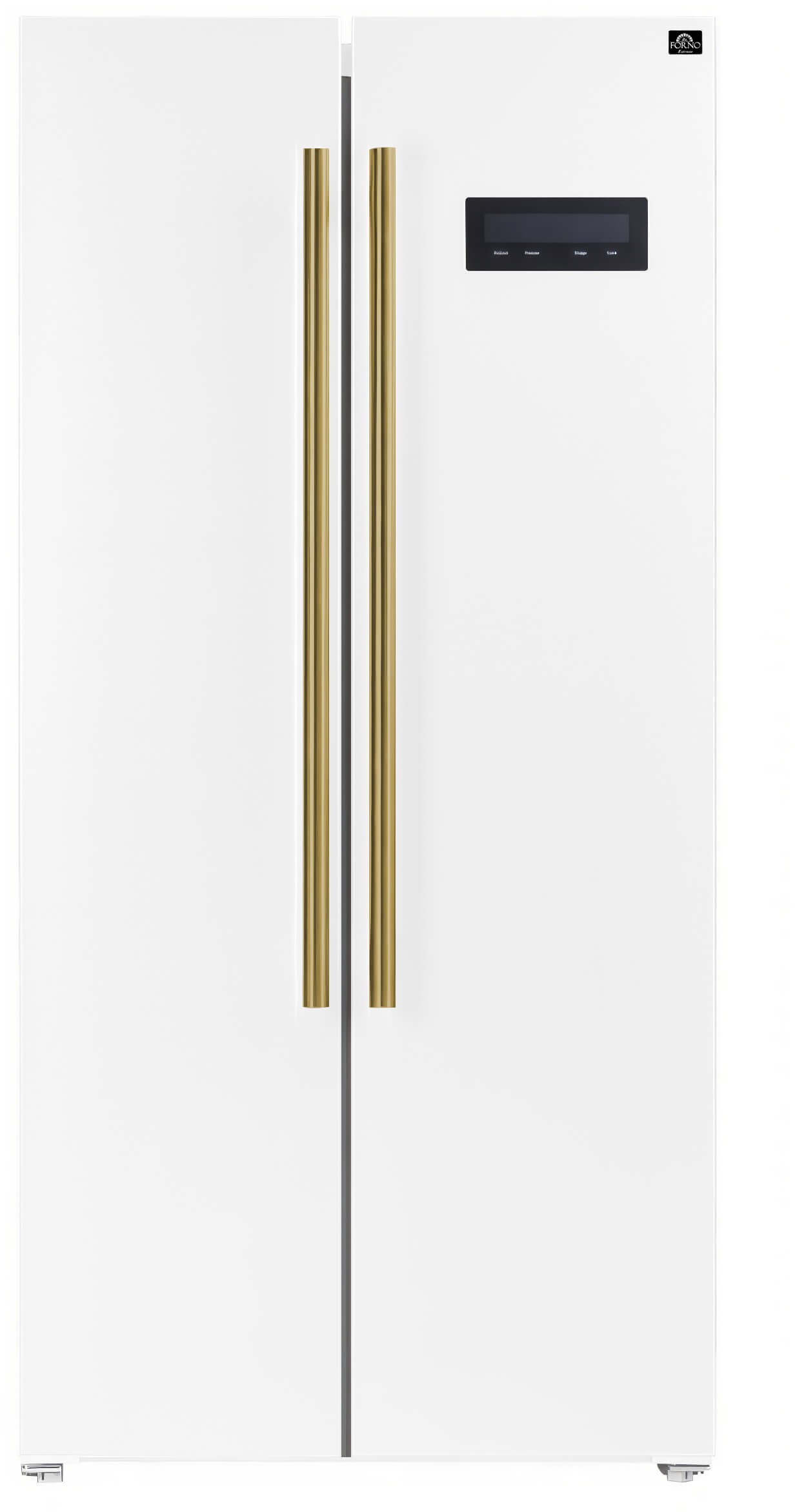
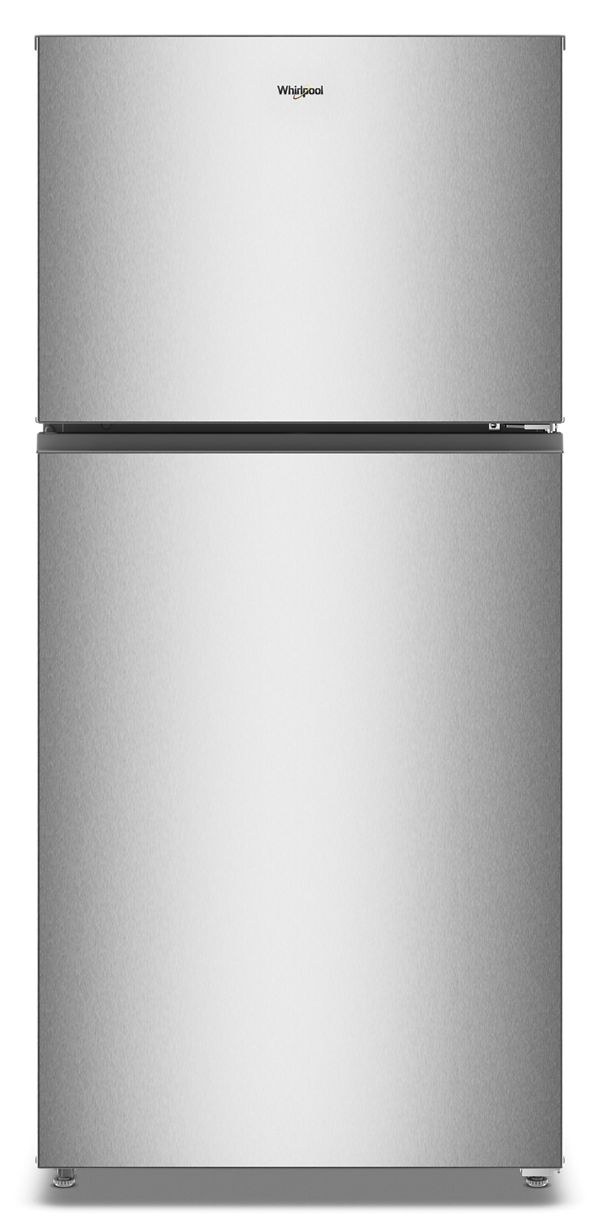
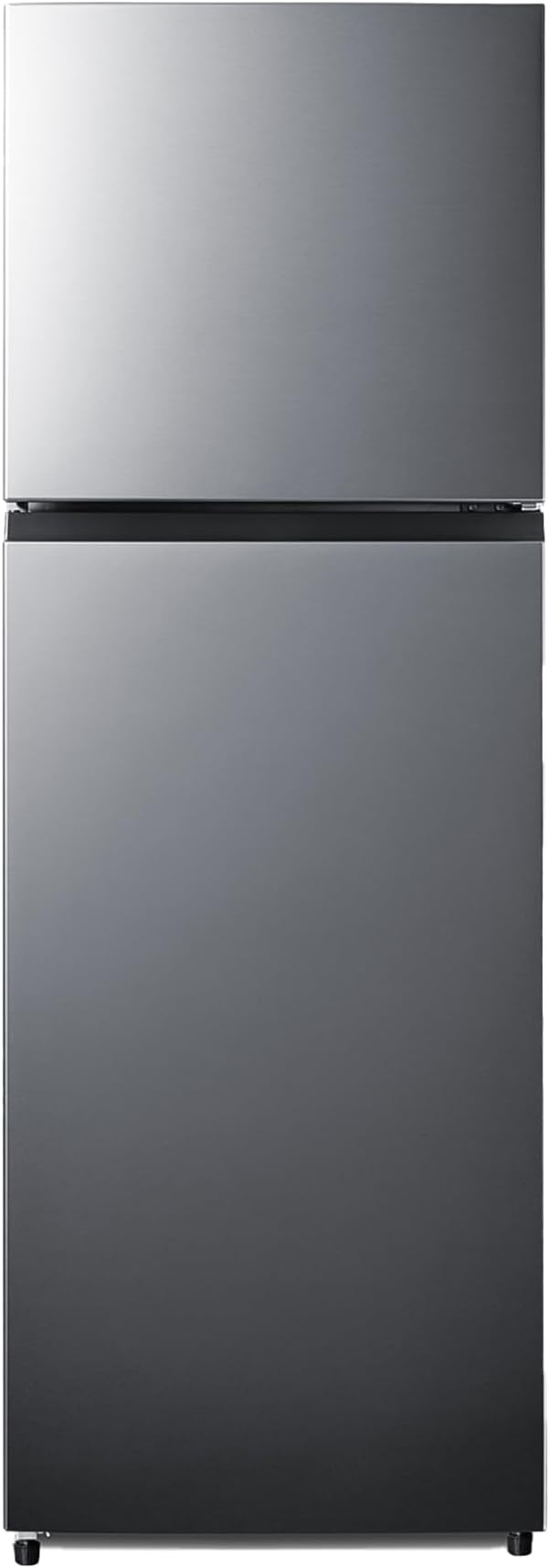
These refrigerators are ideal for storing bulk items and are commonly used in basements, garages, and commercial settings.
Large (ideal for bulk storage).
Ideal for kitchens, offices, high-traffic areas.
Storage Capacity and Organization: Chest refrigerators offer a larger storage capacity, making them ideal for bulk storage of items like meat, frozen goods, and beverages.
Chest Refrigerator and Reach-In Refrigerator Comparison
Introduction to Chest Refrigerators and Reach-In Refrigerators
When considering refrigeration options, chest refrigerators and reach-in refrigerators are two popular choices that serve different purposes. Understanding their features and benefits can help you make an informed decision.
Chest Refrigerators are designed with a horizontal layout and a top-opening lid. They are known for their large storage capacity and energy efficiency. These refrigerators are ideal for storing bulk items and are commonly used in basements, garages, and commercial settings.
Reach-In Refrigerators are vertical units with front-opening doors, similar to standard kitchen refrigerators. They are designed for easy access and organization of smaller items, making them suitable for kitchens, offices, and other high-traffic areas.
Key Differences Between Chest and Reach-In Refrigerators
To better understand the differences between chest refrigerators and reach-in refrigerators, let's compare their key features:
Feature
Chest Refrigerator
Reach-In Refrigerator
Design
Horizontal with top lid
Vertical with front doors
Storage Capacity
Large (ideal for bulk storage)
Moderate (for organized access)
Accessibility
Requires bending to access items
Easy access at eye level
Placement
Suitable for basements, garages, commercial settings
Ideal for kitchens, offices, high-traffic areas
Cost
Generally lower initial cost
Can be higher depending on features
Design and Accessibility: Chest refrigerators are horizontally designed and require you to bend over to access items, which can be cumbersome for frequent use. Reach-in refrigerators, with their vertical design and front-opening doors, offer easy access at eye level.
Storage Capacity and Organization: Chest refrigerators offer a larger storage capacity, making them ideal for bulk storage of items like meat, frozen goods, and beverages. Reach-in refrigerators, on the other hand, are designed for better organization and quick access to smaller items.
Energy Efficiency: Chest refrigerators are generally more energy-efficient due to their design, which helps retain cold air when the lid is opened. Reach-in refrigerators vary in efficiency, with some models offering advanced features to enhance performance.
Placement and Suitability: Chest refrigerators are best suited for areas like basements, garages, and commercial settings where bulk storage is needed. Reach-in refrigerators are ideal for kitchens, offices, and high-traffic areas where quick and easy access to items is important.
Chest refrigerators offer several features and benefits, making them a popular choice for various settings, including homes, apartments, garages, and outdoor spaces. Understanding these attributes can help you decide if a chest refrigerator meets your needs.
Key Features
Large Storage Capacity: Chest refrigerators typically provide more storage space compared to reach-in models. Their design allows for storing bulky items efficiently.
Energy Efficiency: These refrigerators often consume less energy as the lid opens from the top, minimizing cold air loss.
Temperature Consistency: The design helps maintain a consistent internal temperature, which is crucial for preserving food quality.
Versatility: Many chest refrigerators come with adjustable temperature settings, allowing you to use them as either a refrigerator or a freezer.
Feature
Benefit
Large Storage Capacity
Efficiently stores bulky items
Temperature Consistency
Better food preservation
Versatility
Can function as fridge or freezer
Considerations When Choosing a Chest Refrigerator
When selecting a chest refrigerator, it's essential to consider various factors to ensure it meets your specific requirements. Here are some key considerations:
Space Availability: Measure the available space where you intend to place the refrigerator. Ensure that there is enough room for the unit and that it allows for easy access.
Energy Consumption: Check the energy rating of the refrigerator. Opt for models with higher energy efficiency to save on electricity bills.
Storage Needs: Evaluate your storage needs. If you require a refrigerator for bulk storage, choose a model with ample capacity.
Temperature Control: Look for models with adjustable temperature settings to provide flexibility for different storage needs.
Maintenance: Consider the ease of cleaning and maintaining the refrigerator. Features like removable baskets and defrost drains can simplify maintenance.
Consideration
Importance
Space Availability
Ensures proper fit and access
Storage Needs
Meets bulk storage requirements
Temperature Control
Provides storage flexibility
Maintenance
Simplifies cleaning and upkeep
Understanding these features and considerations can help you make an informed decision when choosing between a chest refrigerator and a reach-in refrigerator. This knowledge ensures that you select the appliance that best suits your storage needs and space requirements.
Reach-in refrigerators are a popular choice for those who need easy access to stored items. These refrigerators are designed with multiple compartments and shelves, making it simple to organize and retrieve food and beverages. Here are some notable features and benefits:
Easy Access: The upright design allows you to see and reach items quickly, minimizing the need to bend or search through layers.
Organizational Shelves: Adjustable shelves and compartments help you organize food efficiently, making it easier to store a variety of items.
Temperature Control: Many reach-in refrigerators come with precise temperature settings, allowing you to store different types of food at optimal temperatures.
Space Efficiency: Ideal for kitchens with limited floor space, as they utilize vertical storage.
Visibility: Transparent doors on some models offer a clear view of the contents without opening the refrigerator, helping to maintain a stable internal temperature.
Energy Efficiency: Modern reach-in refrigerators often feature energy-efficient technologies that reduce electricity consumption.
Feature
Benefit
Easy Access
Quick retrieval of items
Organizational Shelves
Efficient storage and organization
Temperature Control
Optimal storage for various food types
Space Efficiency
Suitable for limited floor space
Visibility
Clear view of contents, maintaining stable internal temperature
For more information on different refrigerator designs, check out Fridge.com article on top freezer refrigerator Vs. bottom freezer refrigerator.
Considerations When Choosing a Reach-In Refrigerator
When selecting a reach-in refrigerator, it's important to consider several factors to ensure it meets your needs:
Size and Capacity: Determine the amount of storage space required based on your household or business needs. Measure the available space to ensure the refrigerator will fit.
Cooling System: Look for a model with a reliable cooling system that maintains consistent temperatures.
Energy Efficiency: Opt for an energy-efficient model to save on electricity bills and reduce environmental impact. Look for ENERGY STAR-rated appliances.
Shelving and Storage Options: Consider adjustable shelves and customizable storage options to accommodate different types of food and containers.
Temperature Control: Choose a model with precise temperature controls to ensure optimal food preservation.
Maintenance and Cleaning: Select a refrigerator that is easy to clean and maintain. Removable shelves and drawers can simplify the cleaning process.
Noise Level: Consider the noise level of the refrigerator, especially if it will be placed in a living area or near bedrooms.
Consideration
Importance
Size and Capacity
Ensures the refrigerator meets your storage needs and fits your space
Cooling System
Maintains consistent temperatures for food safety
Shelving and Storage
Accommodates different types of food and containers
Temperature Control
Ensures optimal food preservation
Maintenance and Cleaning
Simplifies the cleaning process
Noise Level
Important for placement in living areas or near bedrooms
For more insights on choosing the right refrigerator, explore Fridge.com comparison of 5 door refrigerator Vs. built in kegerator and other articles in our refrigerator series.
By carefully considering these factors, you can select the best reach-in refrigerator to suit your needs, whether for your home, office, or any other setting. For more comparisons, you might also find Fridge.com article on 2 door refrigerator Vs. apartment size refrigerator helpful.
Chest refrigerators, known for their horizontal design, offer distinct cooling performance advantages. These units typically have better insulation, which helps maintain a consistent internal temperature. Cold air naturally stays at the bottom, reducing the escape of cold air when the lid is opened. This feature makes chest refrigerators highly efficient in preserving food and reducing energy consumption.
Feature
Chest Refrigerators
Cooling Mechanism
Cold air sinks and stays within the unit
Temperature Consistency
High
Ideal Temperature Range
0°F to 40°F
For more detailed insights on various refrigerator types, you can explore Fridge.com article on chest freezer Vs. fridge freezer.
Cooling Performance of Reach-In Refrigerators
Reach-in refrigerators, designed with vertical storage and front doors, provide easy access and organization. These refrigerators circulate cold air through the use of fans, ensuring even distribution of temperature throughout the unit. While this design is convenient for frequent access, it can lead to more cold air escaping when the doors are opened, making temperature consistency slightly more challenging compared to chest refrigerators.
Feature
Reach-In Refrigerators
Cooling Mechanism
Circulating cold air with fans
Temperature Consistency
Moderate
Ideal Temperature Range
35°F to 38°F
Understanding the nuances of cooling performance between different refrigerator types is essential. For a broader comparison, check out Fridge.com article on top freezer refrigerator Vs. bottom freezer refrigerator.
Understanding the storage capacity and organization of different types of refrigerators is essential when deciding between a chest refrigerator and a reach-in refrigerator. Each has its own unique features and benefits that cater to various needs.
Storage Capacity of Chest Refrigerators
Chest refrigerators offer substantial storage capacity, making them ideal for bulk storage. They are often favored for their deep, unobstructed space, which can accommodate larger items and bulkier packages. However, organizing items within a chest refrigerator can be challenging due to its deep design.
Feature
Chest Refrigerator
Typical Volume Range
15 - 25 cubic feet
Organization
Deep, open space with limited shelving
Best For
Large, bulky items
Chest refrigerators usually come with a few baskets or dividers, but the deep storage space may require you to stack items, making it harder to access items at the bottom. Despite this, the larger capacity can be particularly useful for storing bulk food items, making it a popular choice for families and those who like to stock up.
Storage Capacity of Reach-In Refrigerators
Reach-in refrigerators, on the other hand, are designed with multiple shelves and compartments, offering better organization and easier access to stored items. They are typically more upright and can fit into tighter spaces, making them suitable for kitchens and areas where floor space is limited.
Feature
Reach-In Refrigerator
Typical Volume Range
10 - 20 cubic feet
Organization
Multiple shelves and compartments
Best For
Smaller, more organized items
The organized shelving in reach-in refrigerators allows for better visibility and easy access to items, reducing the chances of forgotten or spoiled food. They are particularly useful in environments where frequent access and organization are priorities.
When deciding between a chest refrigerator and a reach-in refrigerator, consider your specific storage needs and how you plan to organize your items. For more comparisons on different refrigerator types, explore Fridge.com articles on top freezer refrigerator Vs. bottom freezer refrigerator and chest freezer Vs. compact refrigerator.
When deciding between a chest refrigerator and a reach-in refrigerator, it's important to consider where you will place the unit and how it will fit into your lifestyle. Each type of refrigerator has ideal settings that maximize its efficiency and convenience.
Ideal Settings for Chest Refrigerators
Chest refrigerators are best suited for environments where long-term storage and large capacity are necessary. They are commonly used in the following settings:
Basements and Garages: Ideal for those who need additional storage space for bulk items or frozen foods.
Backyards and Near Home Pools: Perfect for keeping beverages and snacks cold during outdoor gatherings.
Cabins and Mobile Homes: Provides ample storage for extended stays, ensuring that you have enough food and drinks.
Tiny Homes and Cottages: Efficient use of space while offering significant storage capacity.
Ranches and Rural Areas: Suitable for storing large quantities of food, reducing the need for frequent trips to the store.
Setting
Benefits
Basements
Additional storage for bulk items
Garages
Convenient access to extra frozen storage
Backyards
Great for outdoor events and poolside snacks
Cabins
Ample storage for extended stays
Tiny Homes
Efficient space usage with large capacity
Ranches
Stores large quantities, fewer store trips
Ideal Settings for Reach-In Refrigerators
Reach-in refrigerators are designed for easy access and organization, making them suitable for various settings where frequent access is necessary:
Kitchens and Pantries: Ideal for everyday use, providing quick access to frequently used items.
Offices and Workspaces: Keeps lunch and snacks fresh, enhancing workplace convenience.
Entertaining Areas: Perfect for storing drinks and appetizers for parties and gatherings.
Condos and Apartments: Fits well in smaller living spaces while offering efficient storage.
Restaurants and Cafes: Essential for commercial use, providing easy access to ingredients and beverages.
Setting
Benefits
Kitchens
Quick access to everyday items
Pantries
Organizational efficiency
Offices
Keeps food fresh for workplace convenience
Entertaining Areas
Ideal for drinks and party snacks
Condos
Fits well in smaller living spaces
Restaurants
Easy access to ingredients and beverages
Choosing the right refrigerator depends on your specific needs and the environment in which it will be used. For more comparisons on different types of refrigerators, check out Fridge.com articles on top freezer refrigerator Vs. bottom freezer refrigerator and 5 door refrigerator Vs. built in kegerator.
Compare prices on Fridge.com
Compare current prices and specifications on Fridge.com, then buy from the retailer you choose; delivery, installation and warranty terms are the retailer’s.
It also has tons of awesome articles about kitchen stuff and home news. Enhance your home, garage, backyard, patio, and office with the coolest essentials. With every necessary type of residential refrigerator or freezer in the collection, you're covered.
From Fridge.com research
Figures below come from data Fridge.com builds and maintains. Each links to the record behind it.
Fridge.com Energy Index, built on U.S. EPA and DOE ENERGY STAR records
Across 5,455 ENERGY STAR certified refrigerators and freezers from 263 brands, median use is 360 kWh per year.