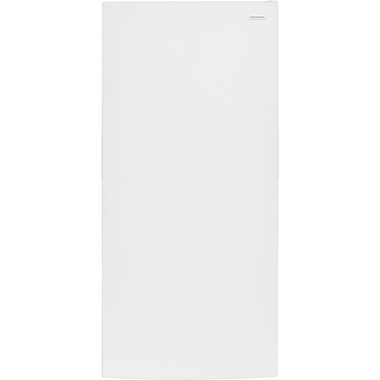
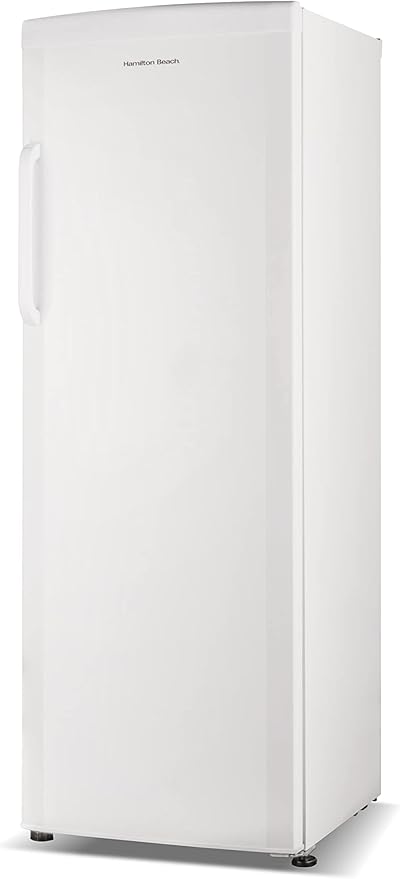
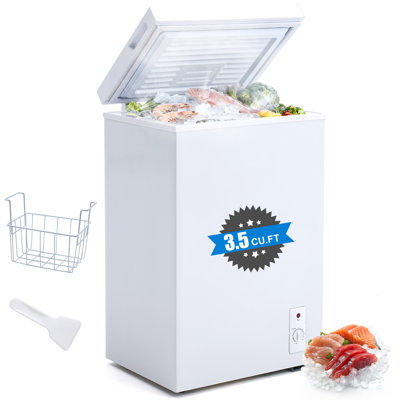
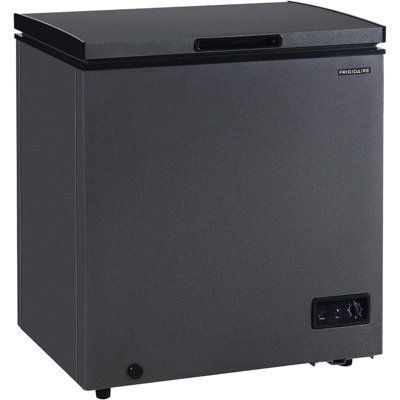
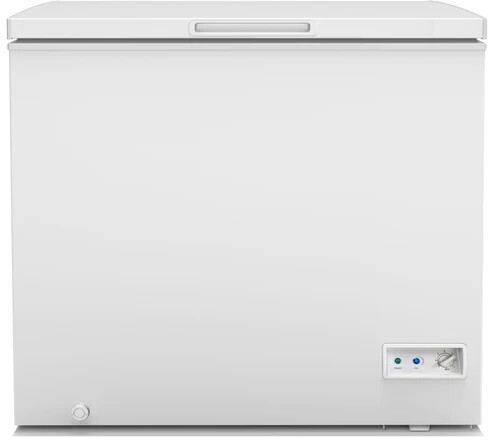
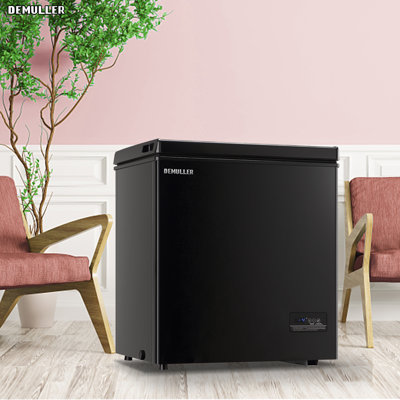
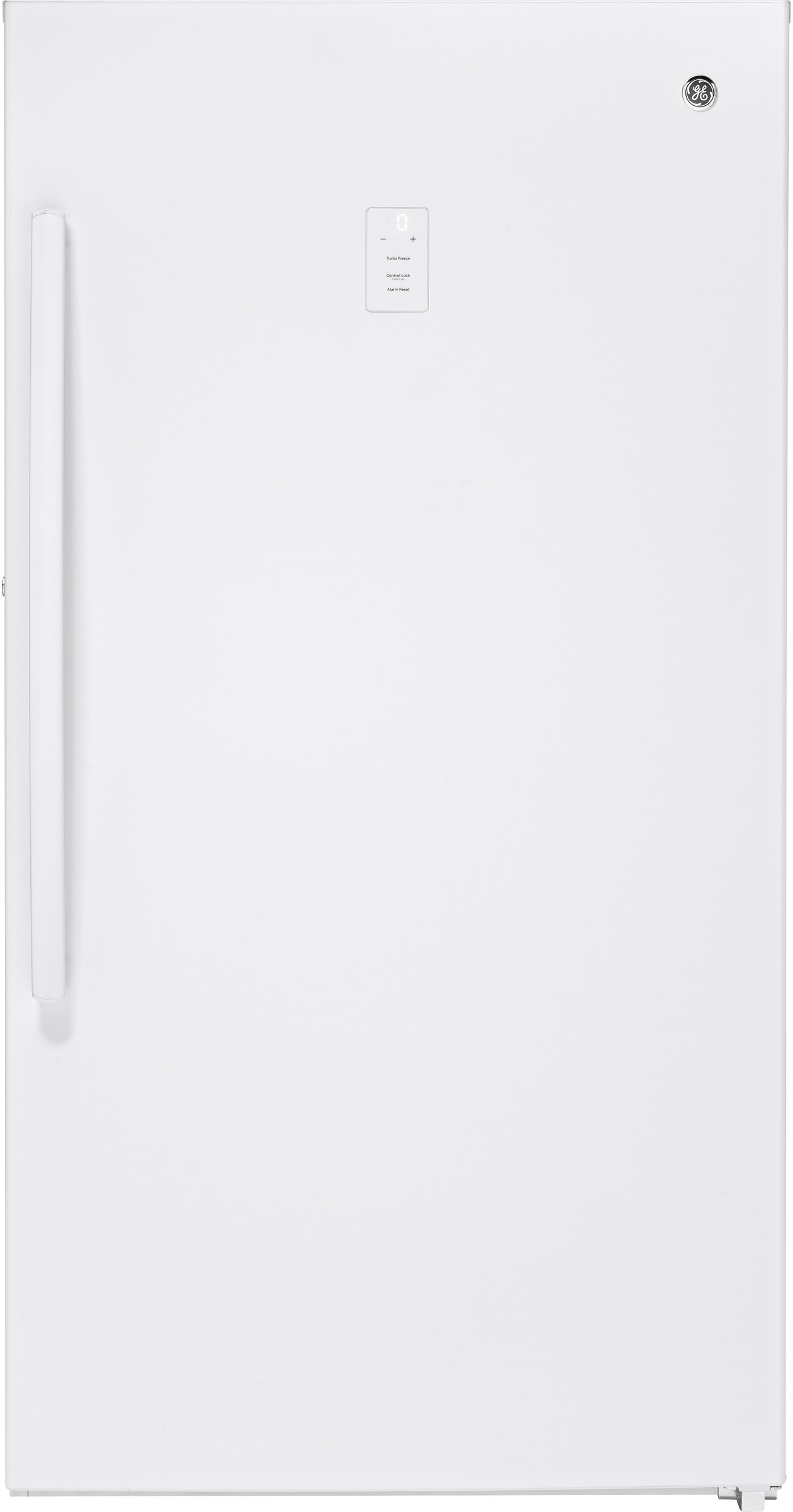
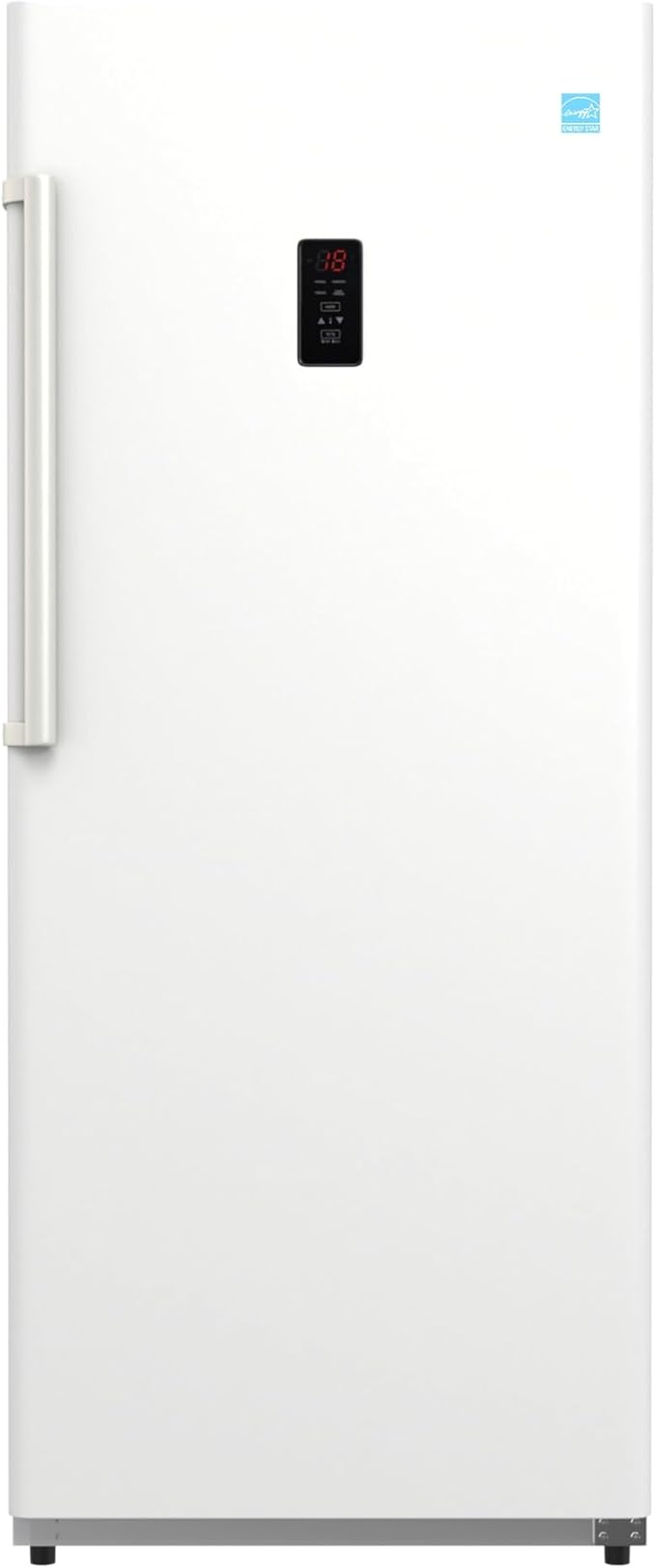
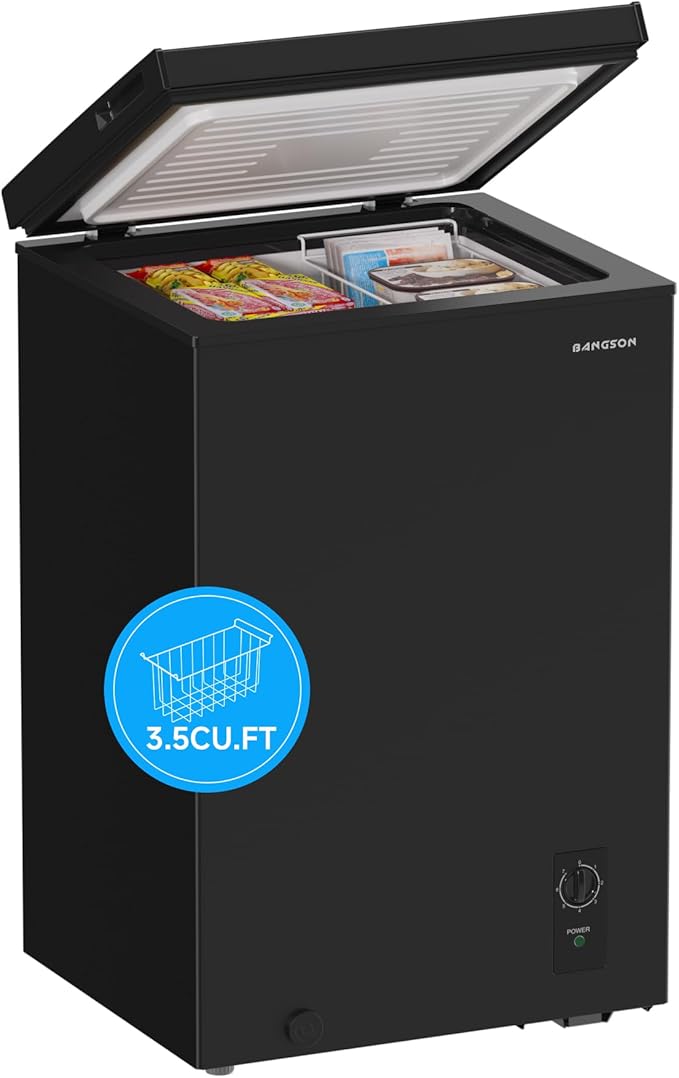
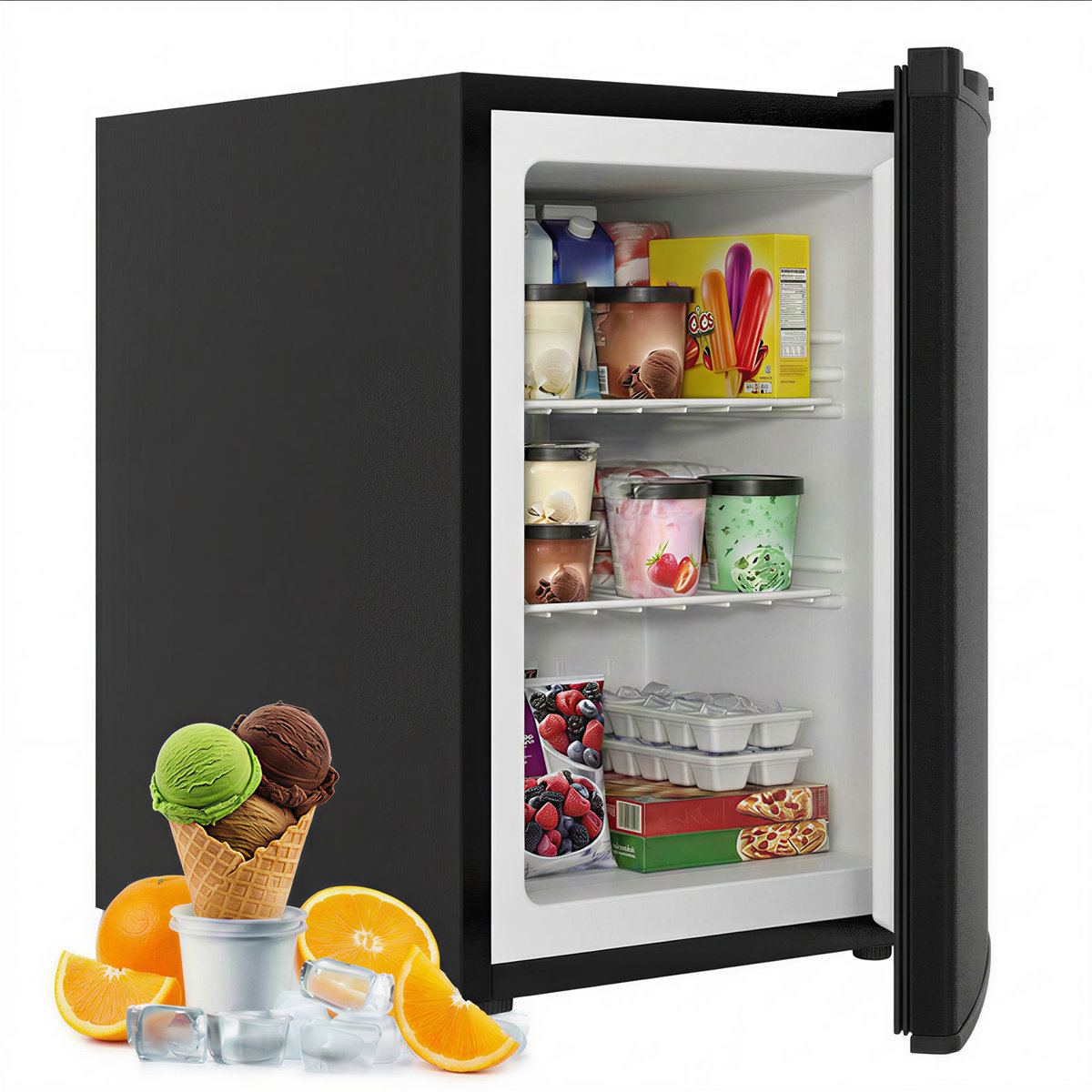
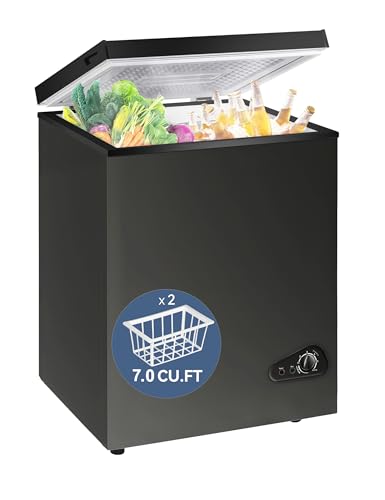
Choosing between a chest refrigerator and a reach-in freezer can feel like picking between pizza and burgers—both are great, but they serve different needs. A chest refrigerator, often called a chest freezer, is a big box that opens from the top. It's perfect for stashing bulk items or large quantities of food. On the flip side, a reach-in freezer stands upright with doors that open from the front, much like your regular fridge. This design makes it easier to grab what you need and keep things organized with shelves.
What Sets Them Apart
Here’s a quick rundown of the main differences:
Design and Access: Chest refrigerators open from the top, which can make it a bit of a treasure hunt to find items at the bottom. Reach-in freezers open from the front, making it easier to see and grab what you need.
Space Utilization: Chest refrigerators usually offer more storage because of their deep, open design. Reach-in freezers might have less space overall but make up for it with better organization thanks to shelves.
Energy Efficiency: Chest refrigerators are generally more energy-efficient since they keep cold air in better when opened. Reach-in freezers can lose more cold air, especially if you’re always opening the doors.
Temperature Stability: Chest refrigerators tend to keep temperatures more stable because they don’t let as much cold air escape. Reach-in freezers can have temperature swings, especially if the doors are opened a lot.
Feature
Chest Refrigerator
Reach-In Freezer
Design
Top-opening
Front-opening
Access
Harder to reach bottom items
Easier access with shelves
Space Utilization
More storage space
Better organization
Temperature Stability
More stable
Can fluctuate
What to Think About
When deciding between a chest refrigerator and a reach-in freezer, consider these factors:
Storage Needs: Think about how much space you need and what you’ll be storing. If you’re stocking up on bulk items, a chest refrigerator might be your best bet.
Space Availability: Look at where you’ll put the appliance. Chest refrigerators need more floor space, while reach-in freezers take up less room.
Frequency of Use: If you’re always grabbing frozen goodies, a reach-in freezer might be more convenient with its shelves and front-opening doors.
Energy Consumption: Check out the energy efficiency of each option. A chest refrigerator could save you more on your energy bills over time.
Budget: Think about both the upfront cost and long-term expenses like energy use and maintenance.
Choosing between a chest refrigerator and a reach-in freezer? It's all about how you want to stash your grub. Each has its perks and quirks that can make a big difference in your kitchen game.
Chest Refrigerator Features
Think of a chest refrigerator like a treasure chest for your food. It's got a big, open space that's perfect for those hefty items. But, just like a treasure chest, finding stuff at the bottom can be a bit of a dig.
Why You'll Love a Chest Refrigerator:
Roomy: These bad boys usually give you more space to play with compared to reach-in freezers.
Deep Storage: Perfect for big meat cuts, bulk buys, and those giant ice cream tubs.
Energy Saver: They keep the cold in better, so they use less juice.
Manual Defrost: Yeah, you'll have to defrost it yourself. It's a bit of a chore, but hey, it's part of the deal.
Feature
Chest Refrigerator
Storage Capacity
10 - 25+ cubic feet
Organization
Meh
Defrost Type
Manual
Reach-In Freezer Features
Reach-in freezers are like the neat freaks of the freezer world. With shelves and compartments, everything has its place, making it easy to grab what you need without a scavenger hunt.
Why You'll Love a Reach-In Freezer:
Vertical Storage: Shelves and compartments make it easy to keep things tidy.
Quick Access: No more digging around. Everything's right where you can see it.
Automatic Defrost: No manual defrosting here. It takes care of itself.
Energy Guzzler: They use more power, especially if you're always opening the door.
Feature
Reach-In Freezer
Storage Capacity
10 - 25+ cubic feet
Organization
Top-notch
Defrost Type
Automatic
Picking the right one depends on what you need. If you're all about bulk storage and saving energy, go chest. If you want easy access and organization, reach-in is your buddy. For more juicy details, check out chest freezer Vs. deep freezer or freestanding wine cooler Vs. upright freezer.
Space and Layout
Picking between a chest refrigerator and a reach-in freezer? Let's break down the design features so you can make the best choice for your space and storage needs.
Chest Refrigerator Design
Chest refrigerators are the go-to for bulk storage. They open from the top and have a horizontal layout. Here’s what you need to know:
Footprint: These bad boys take up more floor space, so they’re perfect for basements, garages, or any roomy area.
Storage Depth: They’re deep, which means you can stack a lot of stuff, but you might have to dig around to find what you need.
Organizational Flexibility: Many come with removable baskets or dividers, making it easier to keep things organized.
Lid Access: Since they open from the top, make sure you have enough headroom to fully open the lid.
Feature
Chest Refrigerator
Footprint
Larger, horizontal
Storage Depth
Deep, stackable
Organizational Aids
Removable baskets, dividers
Lid Access
Needs vertical clearance
Want more on chest refrigerators? Check out Fridge.com comparison on chest freezer Vs. deep freezer.
Reach-In Freezer Design
Reach-in freezers are often found in commercial settings but are also great for homes. They have a vertical design with front-opening doors. Here’s the scoop:
Footprint: They take up less floor space, making them ideal for kitchens, pantries, or any tight spot.
Shelving: These freezers usually have multiple shelves, so you don’t have to stack items. Adjustable shelves let you organize different-sized items easily.
Door Access: The front-opening door makes it easy to grab what you need without needing extra vertical space. Just make sure there's enough room in front to open the door fully.
Visibility: Items are easier to see and reach because of the vertical layout, so no more digging around.
Feature
Reach-In Freezer
Footprint
Smaller, vertical
Storage Depth
Shallow, multi-shelf
Organizational Aids
Adjustable shelves
Door Access
Needs front clearance
For more insights on different types of freezers, visit Fridge.com article on freestanding wine cooler Vs. upright freezer.
Choosing between a chest refrigerator and a reach-in freezer boils down to your space, storage needs, and how you like to organize your stuff. For more comparisons, check out convertible freezer Vs. counter depth refrigerator.
Keeping It Cool: Chest Fridge Vs. Reach-In Freezer
When it comes to keeping your food fresh or frozen, choosing between a chest fridge and a reach-in freezer can be a bit of a head-scratcher. Each has its own perks and quirks, so let's break it down.
Chest Refrigerator: The Cool Cat
A chest refrigerator is like that reliable friend who always keeps their cool. It's perfect for storing all sorts of food and drinks. The design helps keep the cold air in, even when you're rummaging around for that last soda.
Feature
Chest Refrigerator
Temperature Range
32°F - 50°F
Temperature Stability
Solid
Cooling System
Static or fan-assisted
Best For
Everyday food, drinks
Reach-In Freezer: The Ice King
Now, if you're looking to stash away a bunch of frozen goodies, the reach-in freezer is your go-to. It's built to keep things super cold for the long haul. The vertical layout makes it easy to grab what you need without letting too much cold air escape.
Feature
Reach-In Freezer
Temperature Range
-10°F - 0°F
Temperature Stability
Rock-solid
Cooling System
Forced air or gravity coil
Best For
Long-term frozen storage
So, whether you're stocking up on ice cream or just need a place for your weekly groceries, knowing the ins and outs of these appliances can help you pick the right one. Want to dive deeper? Check out Fridge.com article on chest freezer Vs. deep freezer or explore other cool options like the black slate refrigerator Vs. convertible refrigerator.
Energy Efficiency
Choosing between a chest fridge and a reach-in freezer? Let's break down the energy efficiency of each so you can make the best choice for your needs.
Chest Refrigerator Efficiency
Chest fridges are the champs of energy efficiency. Their design keeps cold air locked in when you open the lid, so they don't have to work as hard to stay cool. Plus, their horizontal layout means better insulation, which cuts down on energy use.
Here's why chest fridges are so efficient:
Insulation: Thick walls keep the temperature steady.
Compressor: Uses less power to get the job done.
Lid Design: Top-opening lid keeps the cold air where it belongs.
Feature
Efficiency Benefit
Insulation
Keeps temperature steady
Compressor
Uses less power
Lid Design
Keeps cold air in
Want more info on different freezers? Check out Fridge.com article on chest freezer Vs. deep freezer.
Reach-In Freezer Efficiency
Reach-in freezers are super handy, but they tend to use more energy. Their vertical design and frequent door openings let cold air escape, so they need more juice to stay cool. But don't worry—modern reach-in freezers have some tricks up their sleeves to boost efficiency.
Here's what makes reach-in freezers more efficient:
Auto-Closing Doors: Keeps cold air from escaping.
Energy Star Rating: Meets energy efficiency standards.
Improved Insulation: Keeps the temperature steady.
Feature
Efficiency Benefit
Auto-Closing Doors
Keeps cold air in
Improved Insulation
Keeps temperature steady
Curious about other refrigeration options? Check out Fridge.com article on freestanding wine cooler Vs. upright freezer.
Knowing the energy efficiency of chest fridges and reach-in freezers helps you pick the right one for you. Whether you want to save on energy bills or need easy access, both have their perks.
Maintenance and Cleaning
Keeping your chest refrigerators and reach-in freezers in tip-top shape is key to making them last and work like a charm. Here’s how to keep them running smoothly.
Chest Refrigerator Care Tips
Chest refrigerators need a bit of love to stay efficient and clean. Here’s what you should do:
Defrosting: When ice builds up more than a quarter inch, it’s time to defrost. This keeps your fridge running efficiently.
Cleaning the Interior: Empty it out and clean with a mix of mild detergent and warm water. Skip the harsh cleaners.
Gasket Maintenance: Check the door gasket for cracks or tears and clean it regularly to keep the seal tight.
Drainage Check: Make sure the drainage system isn’t clogged to avoid water buildup.
Temperature Monitoring: Keep an eye on the temperature settings to ensure your food stays cool. For more on temperature control, check out our chest refrigerator functionality section.
Maintenance Task
How Often
Defrosting
Every 6 months
Interior Cleaning
Monthly
Gasket Maintenance
Every 3 months
Drainage Check
Every 3 months
Temperature Monitoring
Monthly
Reach-In Freezer Care Tips
Reach-in freezers also need regular maintenance to stay in good shape. Here’s how to keep them running smoothly:
Defrosting: Many have automatic defrost, but some models might need a manual touch.
Cleaning the Interior: Use mild detergent and warm water. Always unplug before cleaning.
Gasket Maintenance: Regularly check and clean the door gaskets to keep the seal intact.
Condenser Coil Cleaning: Clean the condenser coils every three months to keep the cooling efficient.
Temperature Monitoring: Regularly check and adjust the temperature settings as needed. Learn more in our reach-in freezer functionality section.
Maintenance Task
How Often
Defrosting
As needed
Interior Cleaning
Monthly
Gasket Maintenance
Every 3 months
Condenser Coil Cleaning
Every 3 months
Temperature Monitoring
Monthly
For more comparisons between different refrigeration units, check out Fridge.com articles on built-in kegerator Vs. portable freezer and chest freezer Vs. deep freezer.
Cost Breakdown: Chest Refrigerator Vs. Reach-In Freezer
Choosing between a chest refrigerator and a reach-in freezer? Let's break down the costs so you can make a smart decision without breaking the bank.
Upfront Costs
First things first, let's talk about the initial price tag. The cost of these appliances can vary based on size, features, and brand. Generally, chest refrigerators are easier on the wallet compared to reach-in freezers.
Appliance Type
Estimated Cost Range
Chest Refrigerator
\$200 - \$800
Reach-In Freezer
\$500 - \$2,000
So, if you're pinching pennies, a chest refrigerator might be your go-to. But if you're looking for more space and fancy features, a reach-in freezer could be worth the splurge.
Ongoing Costs
Now, let's get into the nitty-gritty of long-term expenses like energy use, maintenance, and repairs. These costs can sneak up on you, so it's good to know what you're in for.
Appliance Type
Average Annual Energy Consumption (kWh)
Estimated Annual Operating Cost
Chest Refrigerator
200 - 400
\$24 - \$48
Reach-In Freezer
350 - 700
\$42 - \$84
Chest refrigerators usually sip less energy, which means lower utility bills. But don't forget about maintenance and repairs:
Chest Refrigerator: Less maintenance, simpler parts, easier (and cheaper) to fix.
Reach-In Freezer: More maintenance due to fancy features and bigger size, which can mean higher repair costs.
So, while a chest refrigerator might save you money upfront and on your energy bill, a reach-in freezer offers more space and features, but could cost more in the long run.
Making the Choice
When deciding between these two, think about both the initial cost and the long-term expenses. If you're on a tight budget, a chest refrigerator is a solid choice. But if you need more space and don't mind spending a bit more, a reach-in freezer might be the way to go.
Want to dive deeper into appliance comparisons? Check out Fridge.com articles on built-in kegerator Vs. portable freezer and portable refrigerator Vs. wine chiller.
Compare prices on Fridge.com
Compare current prices and specifications on Fridge.com, then buy from the retailer you choose; delivery, installation and warranty terms are the retailer’s.
It also has tons of awesome articles about kitchen stuff and home news. Enhance your home, garage, backyard, patio, and office with the coolest essentials. With every necessary type of residential refrigerator or freezer in the collection, you're covered.
From Fridge.com research
Figures below come from data Fridge.com builds and maintains. Each links to the record behind it.
Fridge.com Energy Index, built on U.S. EPA and DOE ENERGY STAR records
Across 5,455 ENERGY STAR certified refrigerators and freezers from 263 brands, median use is 360 kWh per year.