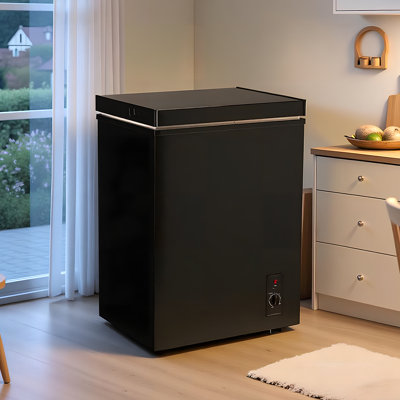
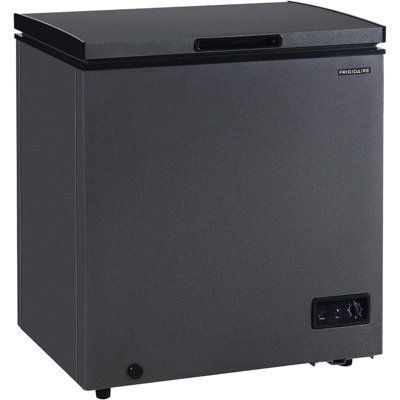
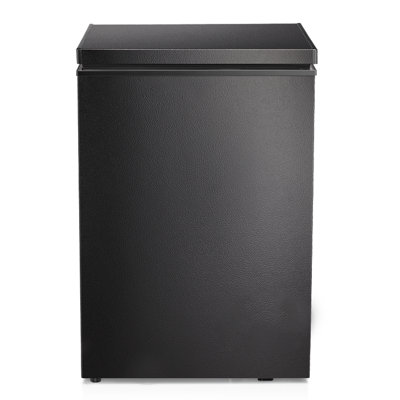
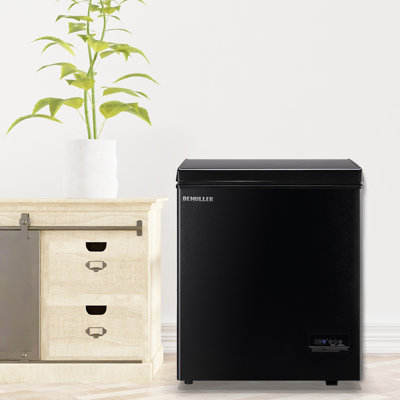
When considering a chest freezer Vs. a medium size refrigerator, it's essential to understand their differences and unique advantages. Both appliances serve specific purposes and can be beneficial depending on your needs and lifestyle.
Chest Freezer:
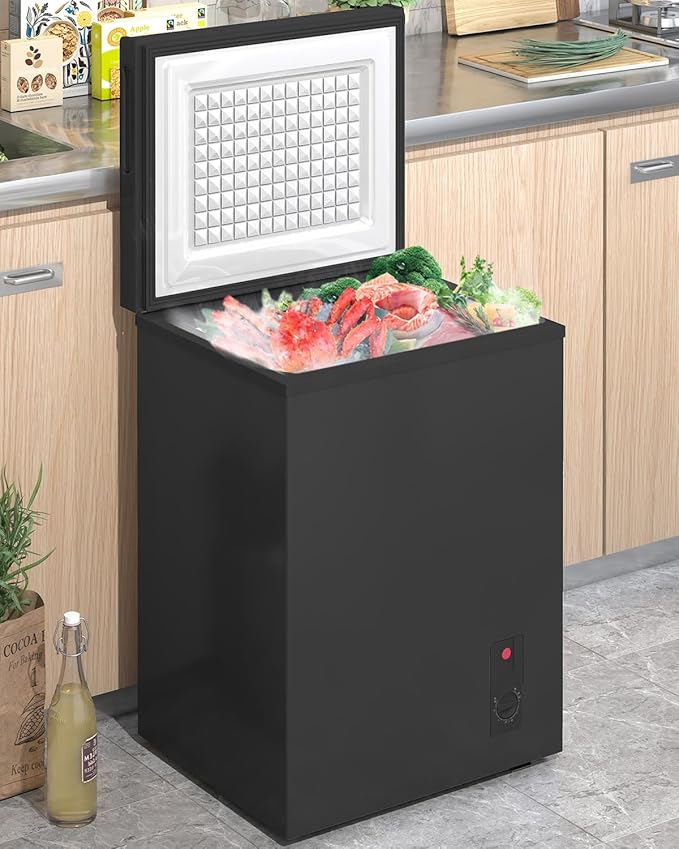
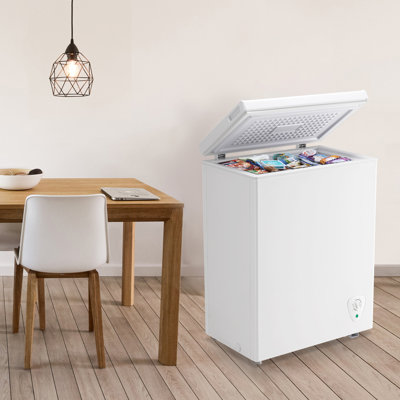
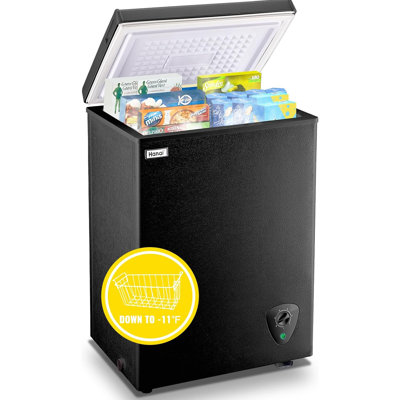
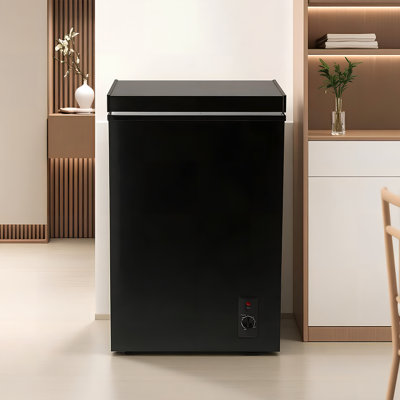
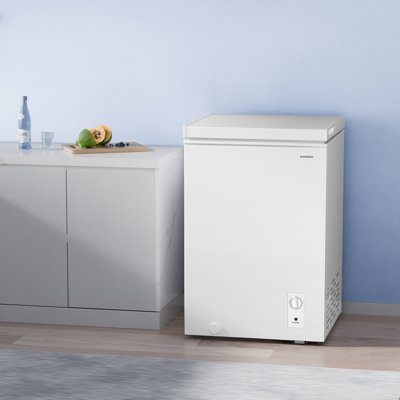
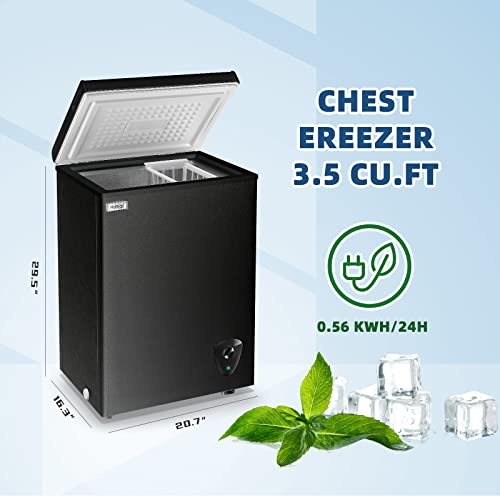
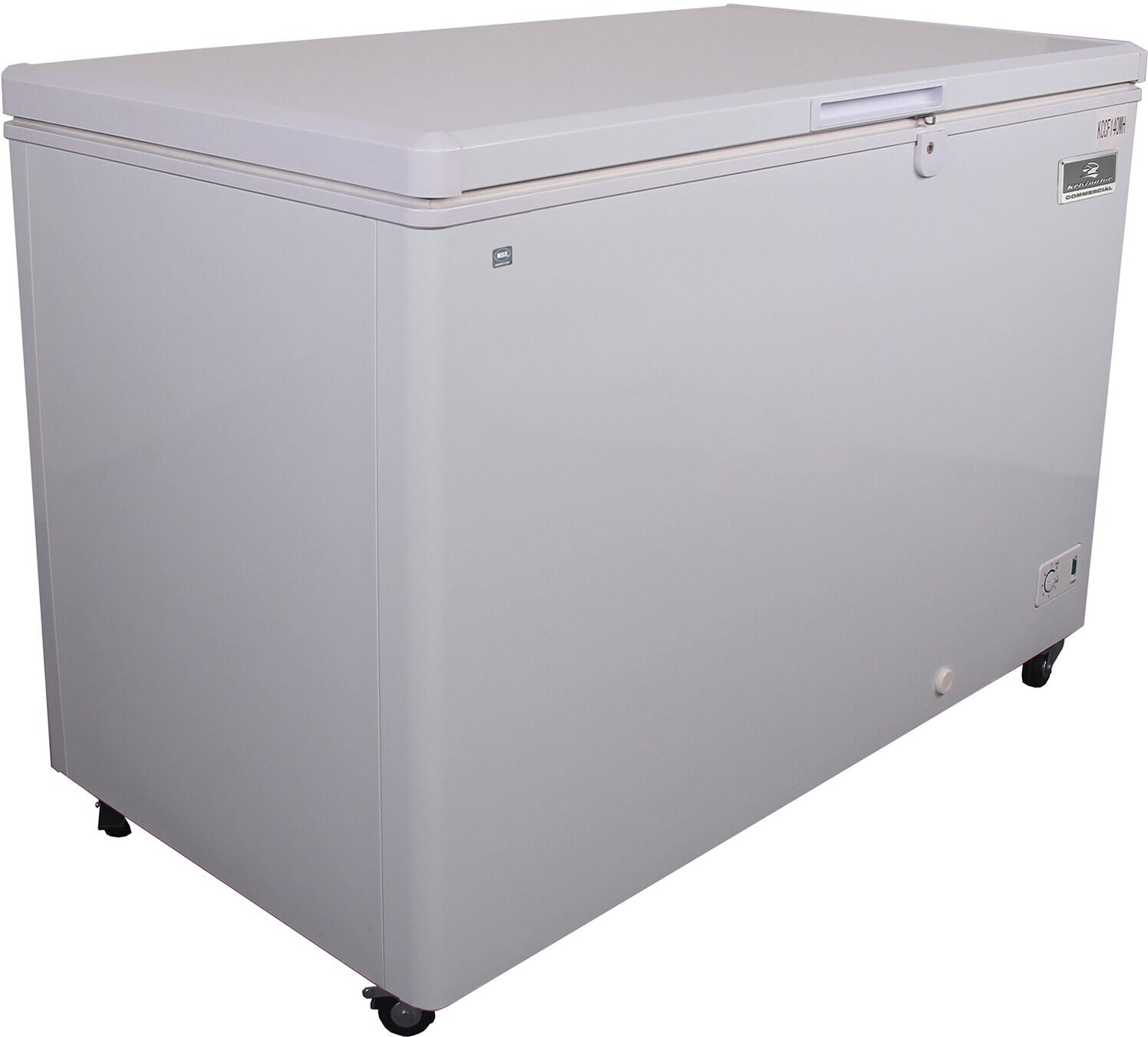
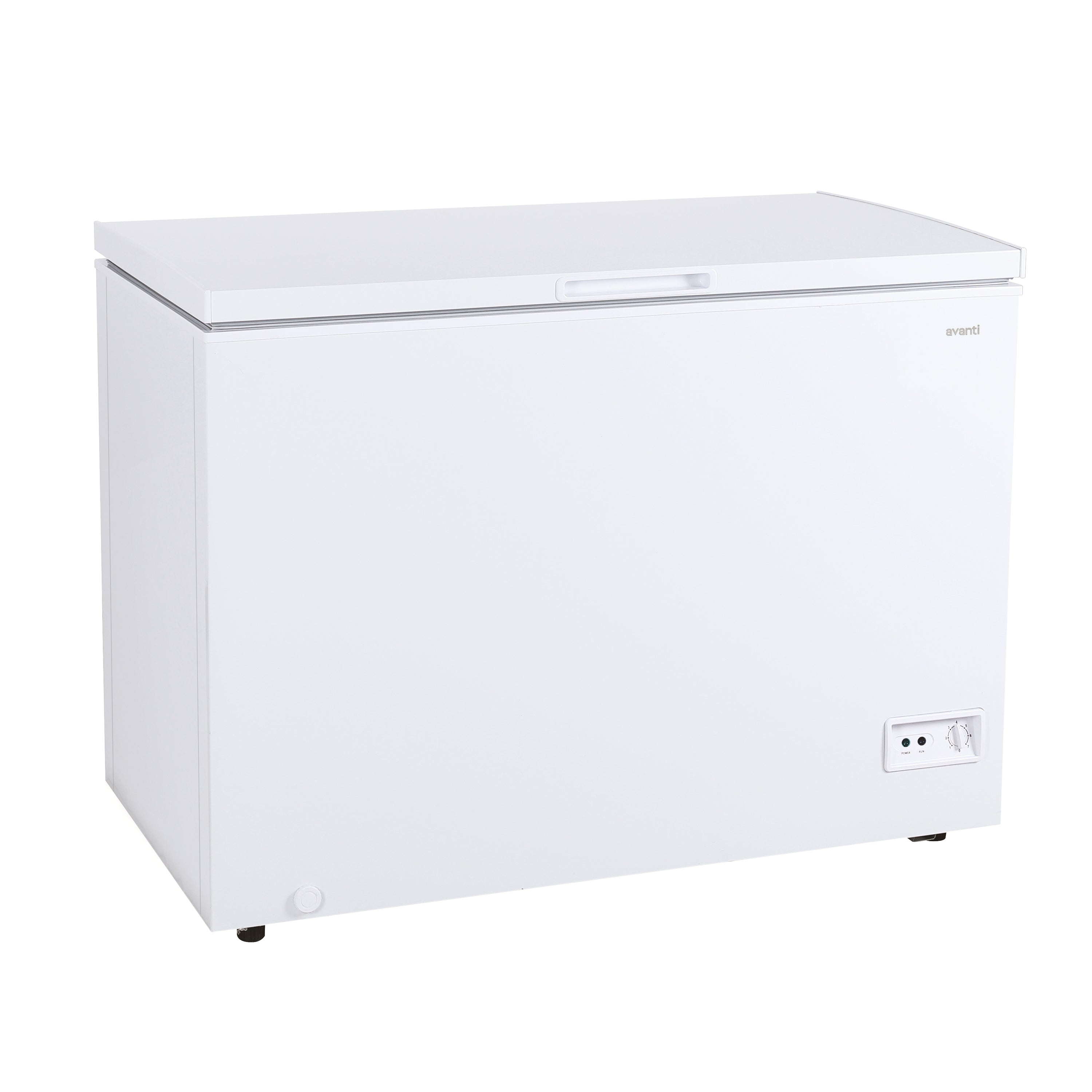
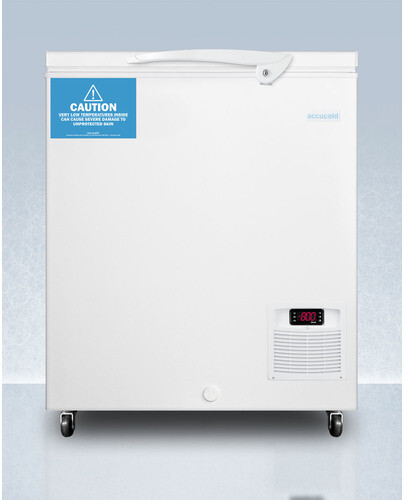
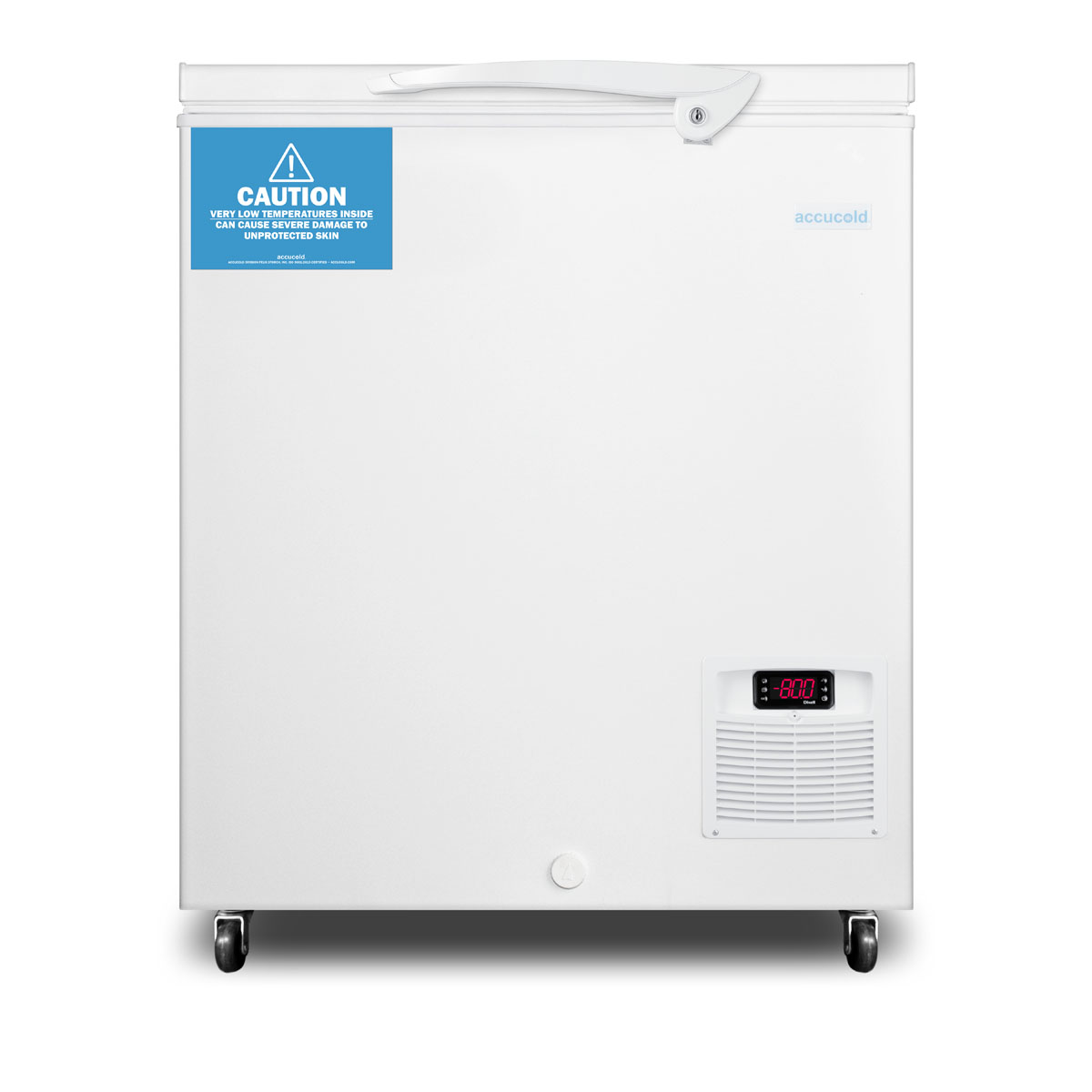
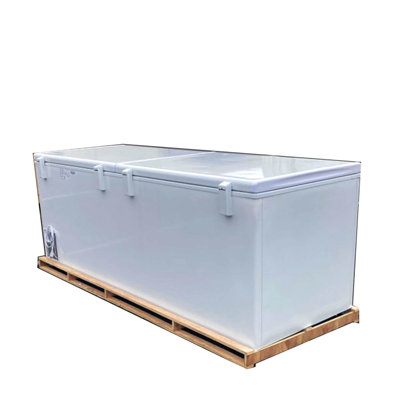
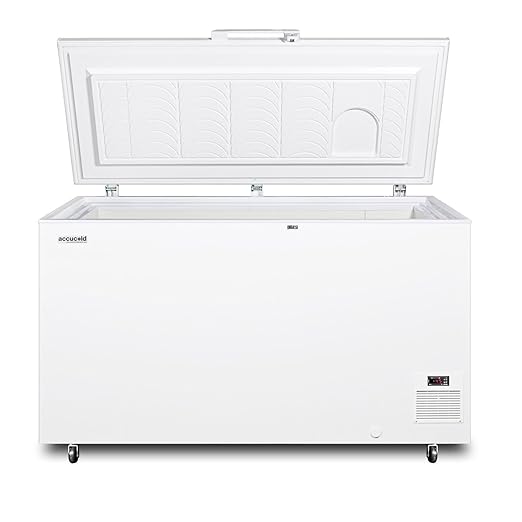
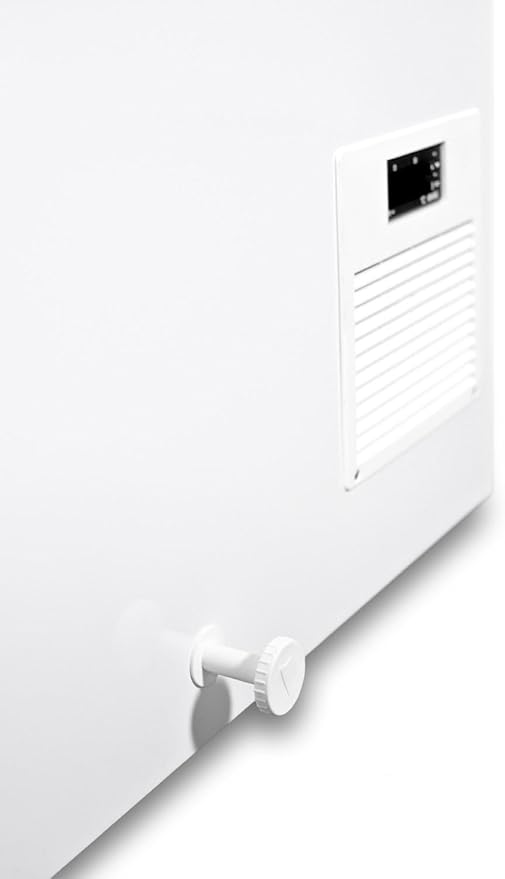
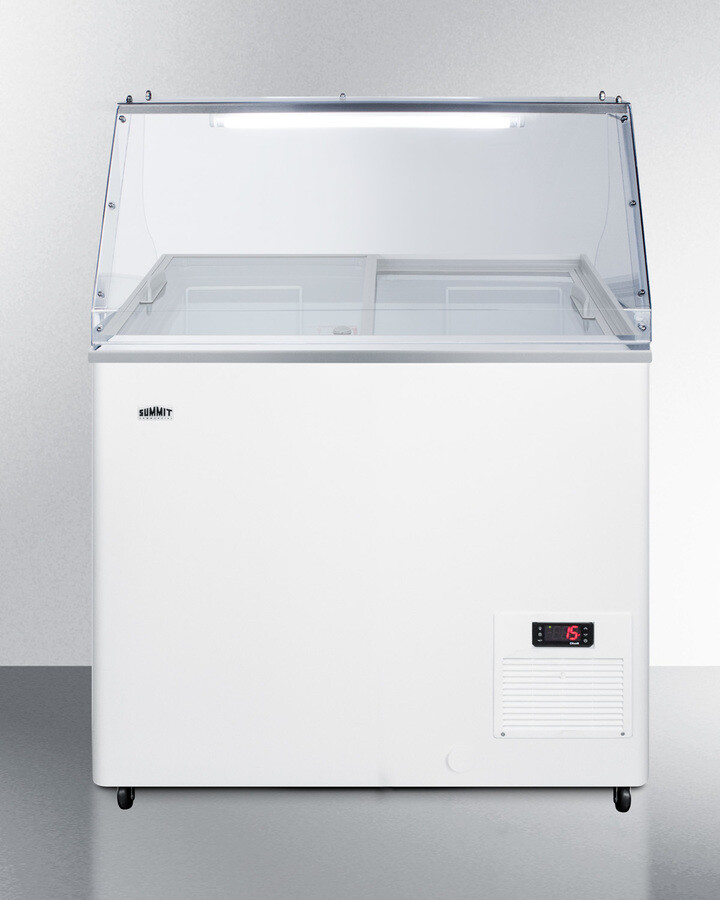
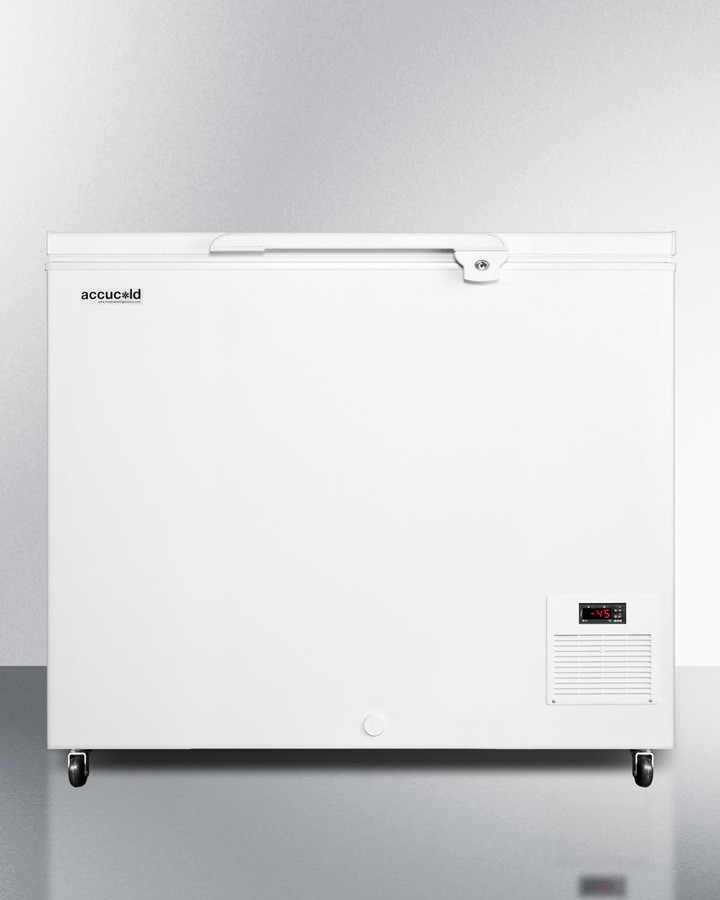
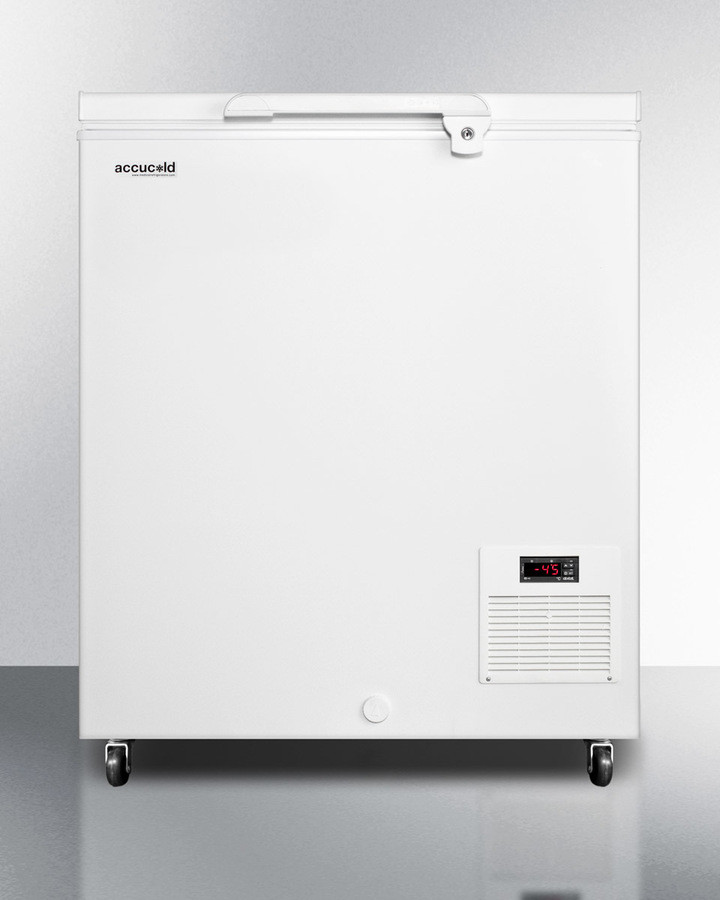
A chest freezer is designed for long-term storage of frozen foods. It has a large, box-like shape and opens from the top, providing ample space to store bulk items.
Medium Size Refrigerator:
A medium size refrigerator combines both refrigeration and freezing capabilities. It typically includes separate compartments for fresh food and frozen items, making it a versatile choice for everyday use.
Understanding these differences can help you decide which appliance better suits your needs, whether you require extensive freezing capabilities or a balanced solution for both fresh and frozen foods.
Capacity and Storage Space
Comparing the Storage Capacities
When deciding between a chest freezer and a medium size refrigerator, one of the primary considerations is storage capacity. Both appliances serve different purposes and offer varying amounts of storage space.
A chest freezer typically provides a larger storage capacity compared to a medium size refrigerator. This makes it ideal for those who need to store large quantities of frozen goods. On the other hand, a medium size refrigerator offers a balanced combination of both refrigeration and freezing capabilities, which might be more suitable for everyday use.
Appliance Type
Average Storage Capacity
Chest Freezer
10 - 25 cubic feet
Medium Size Refrigerator
18 - 22 cubic feet
Assessing Your Needs: Which Is Right for You?
Choosing between a chest freezer and a medium size refrigerator depends on your specific needs and lifestyle. Here are some factors to consider:
Storage Needs: If you buy groceries in bulk or freeze meals for future use, a chest freezer offers ample space for long-term storage. For daily food storage, a medium size refrigerator might be more practical.
Space Availability: Consider where you will place the appliance. Chest freezers are often placed in basements, garages, or utility rooms due to their larger footprint. Medium size refrigerators fit well in kitchens, making them more accessible.
Energy Efficiency: Evaluate the energy consumption of each appliance. Chest freezers are typically more energy-efficient for large-scale freezing, while medium size refrigerators offer moderate energy use for both cooling and freezing. For detailed insights on energy consumption, read Fridge.com article on bottom freezer refrigerator Vs. convertible freezer refrigerator.
Organization: Chest freezers often require more effort to organize due to their deep storage space, which can make accessing items challenging. Medium size refrigerators come with shelves and compartments that make organization easier. For tips on organizing your refrigerator, visit Fridge.com article on beverage fridge Vs. office freezer.
By considering these factors, you can make an informed decision on whether a chest freezer or a medium size refrigerator best suits your storage needs. For additional guidance on specific models and features, explore Fridge.com various articles on best fridge for a dorm and best medium sized upright freezer.
When comparing a chest freezer to a medium size refrigerator, it's essential to consider energy efficiency and operating costs. These factors can significantly impact your utility bills and overall environmental footprint.
Energy Consumption of Chest Freezers
Chest freezers are known for their energy efficiency, particularly because of their design. The top-opening lid helps to keep cold air trapped inside, reducing the amount of energy required to maintain a consistent temperature. Generally, chest freezers consume less energy compared to upright freezers and medium size refrigerators.
Appliance Type
Average Annual Energy Consumption (kWh)
Estimated Annual Cost ($)
Chest Freezer (10-15 cu. ft.)
200-400
$24-$48
Upright Freezer (10-15 cu. ft.)
300-500
$36-$60
For more detailed information on setting the right temperature for your freezer, check out Fridge.com article on what should a deep freezer be set at.
Energy Efficiency of Medium Size Refrigerators
Medium size refrigerators, while slightly less energy-efficient than chest freezers, have made significant advancements in energy efficiency over the years. Modern refrigerators are designed with energy-saving features such as improved insulation, energy-efficient compressors, and LED lighting.
Appliance Type
Average Annual Energy Consumption (kWh)
Estimated Annual Cost ($)
Medium Size Refrigerator (16-20 cu. ft.)
350-550
$42-$66
The energy consumption of a refrigerator can vary based on factors such as usage patterns, ambient temperature, and the frequency of door openings. For tips on maximizing the efficiency of your refrigerator, see Fridge.com article on freestanding drawer refrigerator Vs. narrow refrigerator.
Understanding the energy efficiency and operating costs of chest freezers and medium size refrigerators can help you make an informed decision that aligns with your budget and sustainability goals. Explore more about different refrigerator options in Fridge.com article on bottom freezer refrigerator Vs. convertible freezer refrigerator.
Organization and Accessibility
When considering a chest freezer versus a medium size refrigerator, organization and accessibility are key factors. Each appliance offers unique features that cater to different storage needs and preferences.
Interior Layout of Chest Freezers
Chest freezers typically have a spacious, open interior that allows for the storage of large quantities of food. The layout is designed for deep storage, making it ideal for bulk items and large cuts of meat. However, this can sometimes make it challenging to organize and access items easily.
Chest freezers often come with wire baskets or dividers that help in organizing the contents. These baskets can be used to separate different types of food, making it easier to find what you need without having to dig through the entire freezer.
Feature
Description
Storage Baskets
Removable wire baskets for organizing smaller items
Dividers
Optional dividers to segment the storage space
Deep Storage
Ideal for bulk items and large cuts of meat
For more tips on organizing your chest freezer, check out Fridge.com article on what should a deep freezer be set at?.
Shelving and Compartments in Medium Size Refrigerators
Medium size refrigerators offer a variety of shelving and compartments designed for easy organization and accessibility. The interior layout typically includes adjustable shelves, door bins, and crisper drawers, allowing you to customize the space according to your needs.
Adjustable shelves can be repositioned to accommodate taller items or create more space for larger containers. Door bins are perfect for storing frequently used items such as condiments, drinks, and snacks. Crisper drawers are designed to keep fruits and vegetables fresh by maintaining optimal humidity levels.
Feature
Description
Adjustable Shelves
Shelves that can be repositioned to fit different items
Door Bins
Convenient storage for frequently used items
Crisper Drawers
Drawers designed to keep produce fresh
Compartments
Various compartments for organized storage
For more information on the benefits of different refrigerator types, visit Fridge.com article on bottom freezer refrigerator Vs. convertible freezer refrigerator.
In summary, when comparing the organization and accessibility of a chest freezer versus a medium size refrigerator, consider your specific storage needs. Chest freezers offer deep storage with optional baskets, while medium size refrigerators provide adjustable shelves and compartments for easy organization. For additional tips on managing your fridge and freezer, explore Fridge.com articles on best fridge for national cherry turnover day and how long can pupusas last in the fridge?.
Temperature Control and Maintenance
When comparing a chest freezer and a medium size refrigerator, understanding their temperature control and maintenance is essential. This helps in determining which appliance suits your needs better.
Temperature Stability in Chest Freezers
Chest freezers are known for their excellent temperature stability. They maintain a consistent low temperature, which is vital for long-term storage of perishable items. The design of a chest freezer, with its deep and horizontal layout, helps in retaining cold air even when the lid is opened. This ensures minimal temperature fluctuation.
Aspect
Chest Freezer
Temperature Range
-10°F to 10°F
Stability
High
Air Circulation
Minimal
Maintenance
Low
Due to their stability, chest freezers are ideal for storing items like meat, frozen vegetables, and bulk food items. For more on the optimal settings, see what should a deep freezer be set at?.
Temperature Regulation in Medium Size Refrigerators
Medium size refrigerators offer more versatility in temperature regulation. They typically come with separate compartments for the fridge and freezer, each with independent temperature controls. This allows you to maintain different temperatures for various types of food.
Aspect
Medium Size Refrigerator
Temperature Range
Fridge: 33°F to 40°F, Freezer: -10°F to 10°F
Stability
Moderate
Air Circulation
High
Maintenance
Moderate
The temperature in a medium size refrigerator can vary more due to frequent door openings and air circulation. Regular maintenance, such as cleaning the coils and checking the seals, is needed to ensure optimal performance. For tips on organizing and maintaining your refrigerator, you may find Fridge.com article on drawer refrigerator Vs. small freezer chest helpful.
Both appliances have their own merits when it comes to temperature control and maintenance. Your choice depends on your specific needs, whether you prioritize long-term storage and stability or versatility and accessibility.
Chest freezers offer a range of uses, making them highly versatile for various settings and needs. Here are some ideal applications:
Bulk Storage: Perfect for storing large quantities of food, such as meat, vegetables, and prepared meals.
Seasonal Storage: Ideal for preserving seasonal produce, allowing you to enjoy fruits and vegetables year-round.
Outdoor Use: Suitable for outdoor settings like garages, basements, and sheds, providing extra storage space away from the main kitchen.
Long-Term Storage: Excellent for long-term storage of items that need to be kept frozen for extended periods, such as bulk-purchased meats and homemade meals.
Use Case
Suitable For
Bulk Storage
Meat, vegetables, prepared meals
Seasonal Storage
Seasonal fruits and vegetables
Outdoor Use
Garages, basements, sheds
Long-Term Storage
Bulk-purchased meats, homemade meals
For more detailed information on maintaining optimal temperatures for long-term storage, visit Fridge.com article on what should a deep freezer be set at?.
Practical Applications of Medium Size Refrigerators
Medium size refrigerators are versatile appliances that fit well in a variety of spaces and serve multiple purposes. Here's how they can be practically used:
Daily Use: Ideal for everyday kitchen needs, offering ample space for fresh produce, dairy, and leftovers.
Secondary Fridge: Perfect as a secondary fridge in basements, garages, or home offices, providing additional storage without taking up too much space.
Small Apartments: Well-suited for small apartments or condos where space is limited but a full-sized fridge is necessary.
Specialty Storage: Can be used for specialty storage, such as beverages, snacks, or even skincare products.
Use Case
Suitable For
Daily Use
Fresh produce, dairy, leftovers
Secondary Fridge
Basements, garages, home offices
Small Apartments
Compact living spaces like condos
Specialty Storage
Beverages, snacks, skincare products
If you're interested in learning about how long certain foods can be stored in a medium size refrigerator, check out Fridge.com articles on how long can you leave spaghetti in the fridge? and how long can pupusas last in the fridge?.
By understanding the versatility and practical uses of both chest freezers and medium size refrigerators, you can make an informed decision about which appliance best suits your needs. For more comparisons, visit Fridge.com article on bottom freezer refrigerator Vs. convertible freezer refrigerator.
Free tool
Freezer BTU Calculator
Free interactive tool from Fridge.com — get a quick answer while you read.