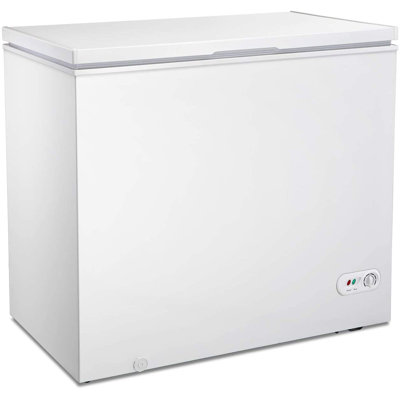
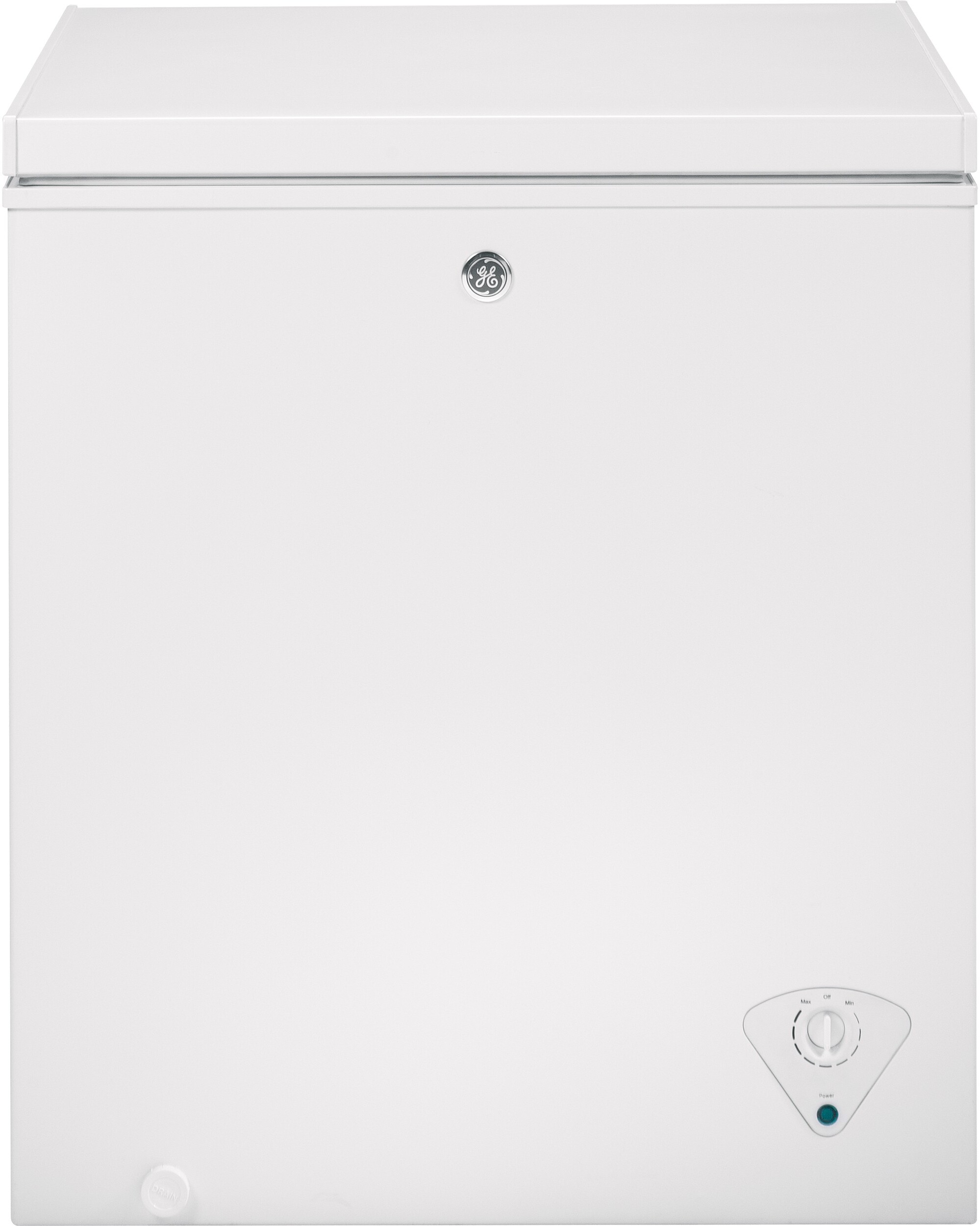
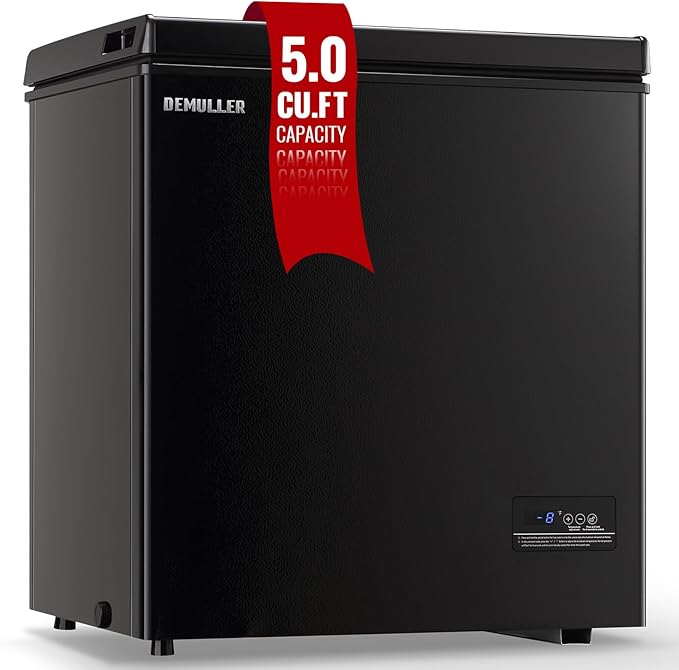
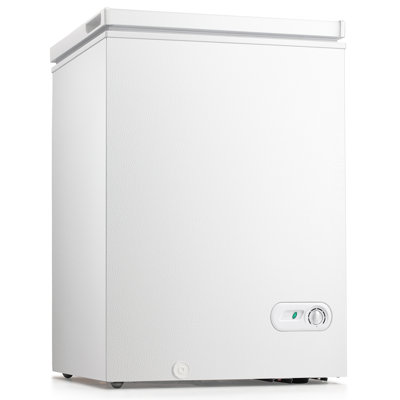
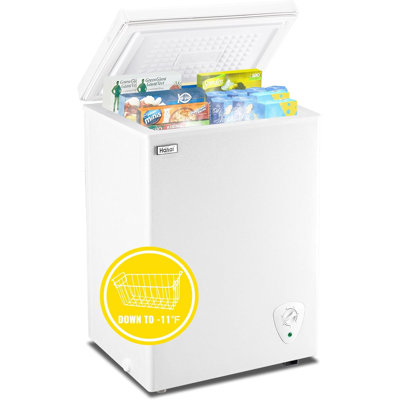
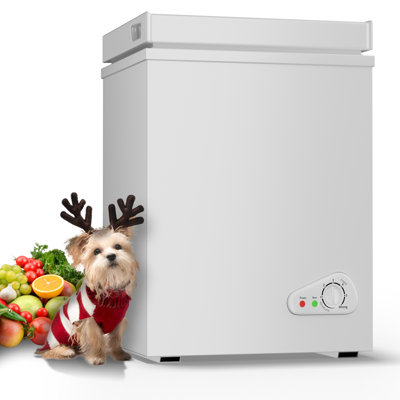
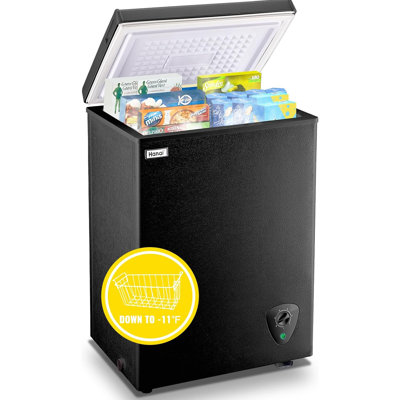
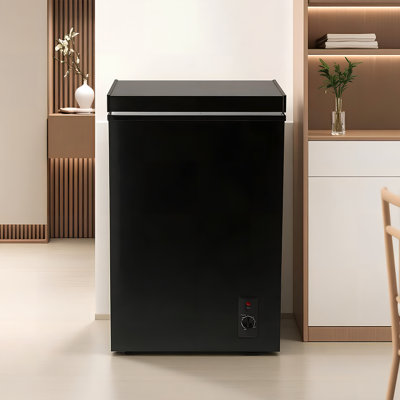
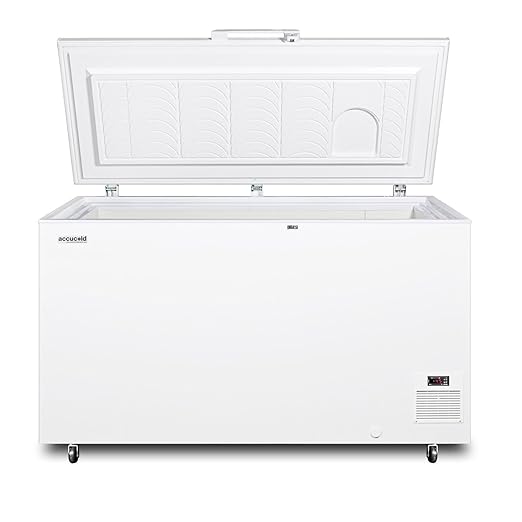
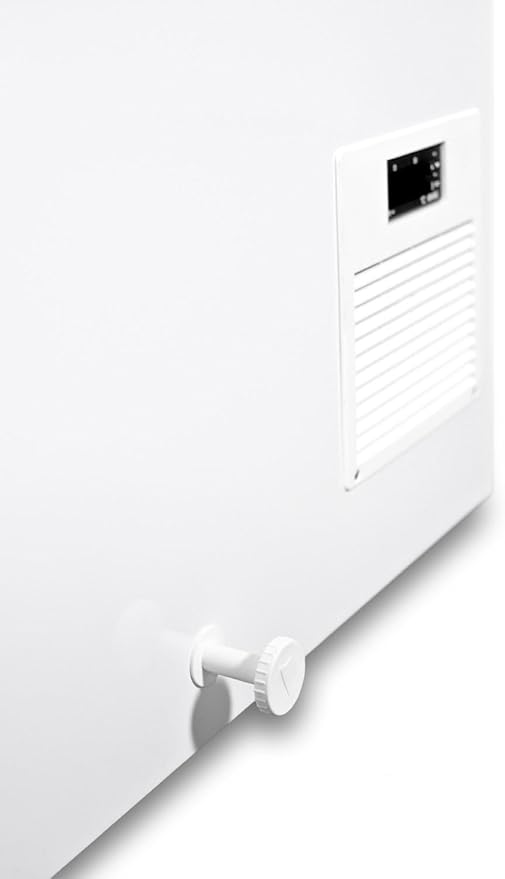
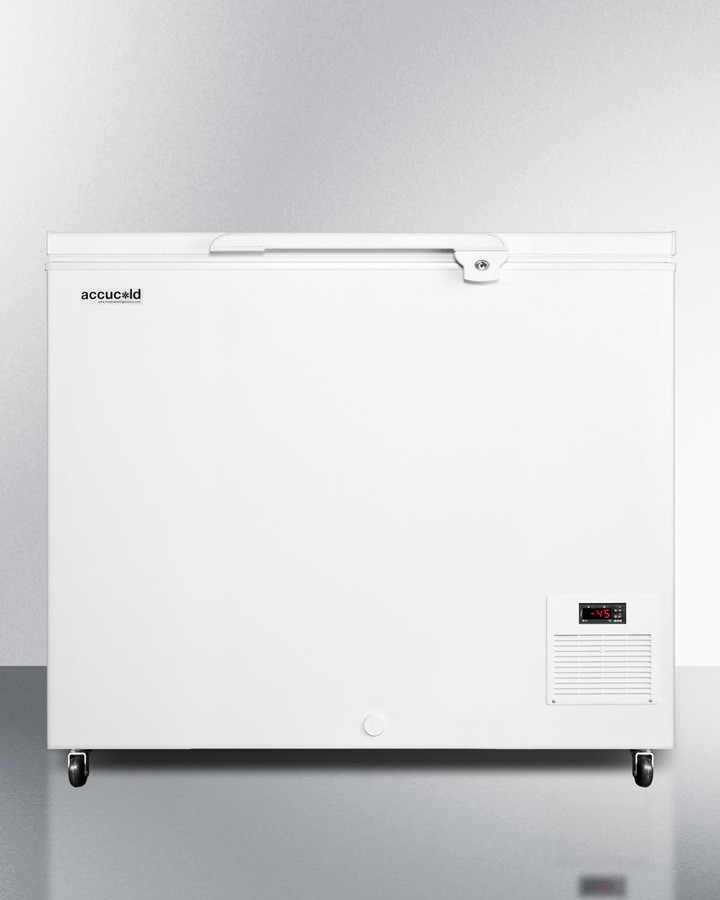
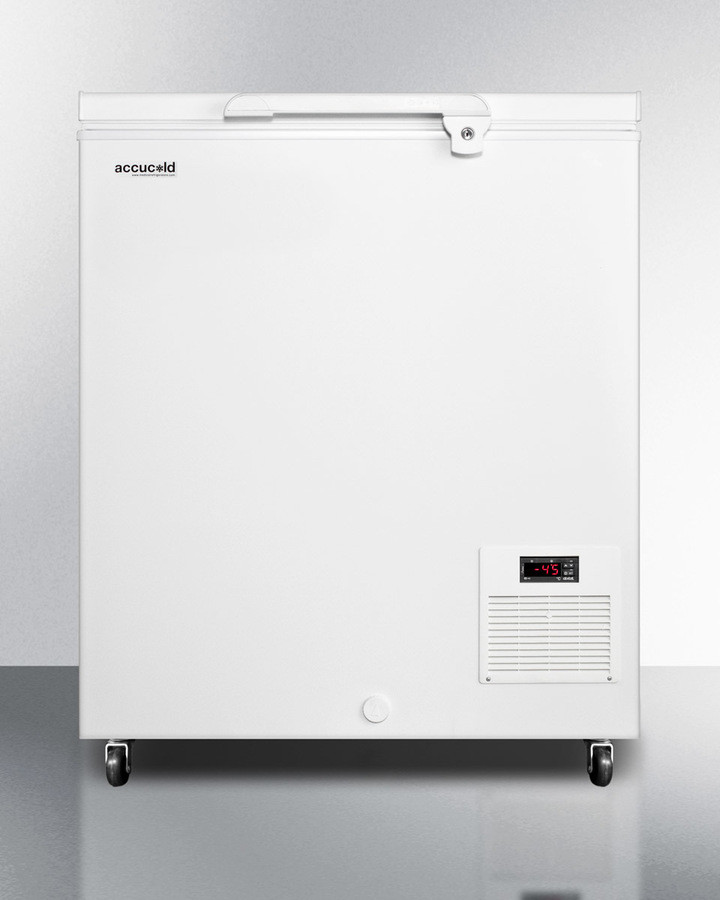
A chest freezer and an office freezer serve different environments with different frozen storage needs. The chest freezer is a large-capacity, top-opening unit built for bulk frozen food storage in homes, garages, and basements. An office freezer is a compact unit — typically part of an under-counter mini fridge or a small standalone freezer — designed to fit in a break room, cubicle area, or small office kitchen. This comparison covers capacity, size, features, and practical considerations for choosing between them.
What Each Appliance Is
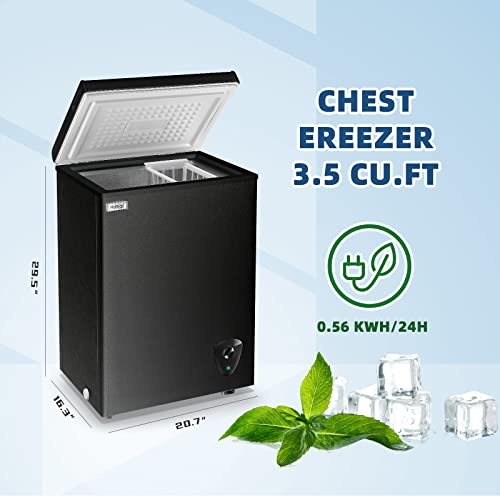
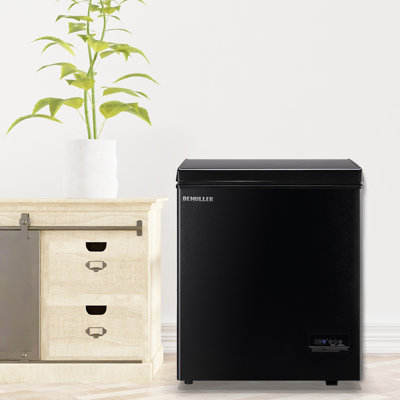
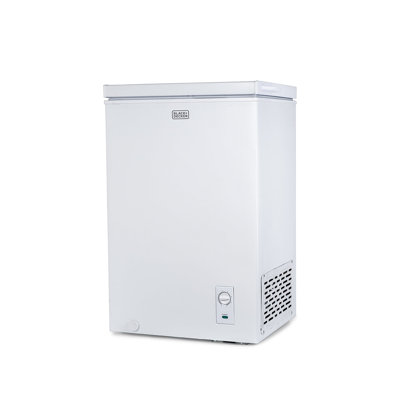
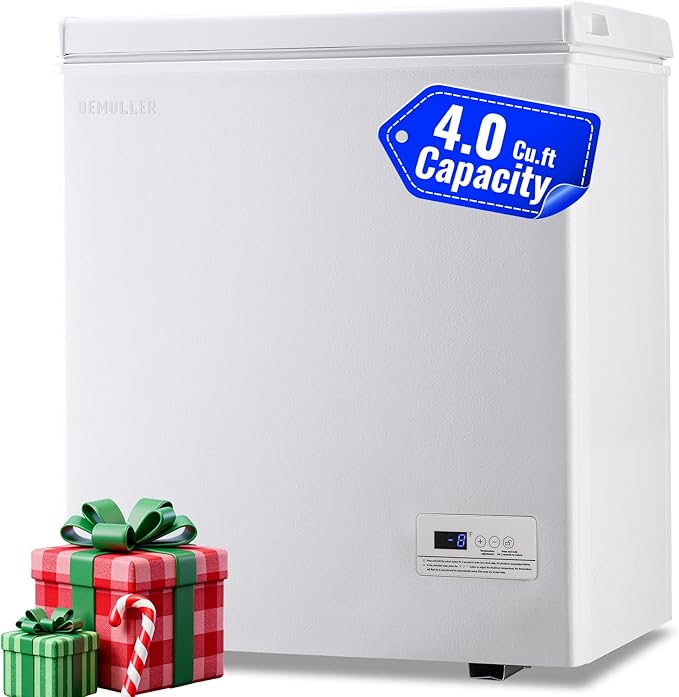
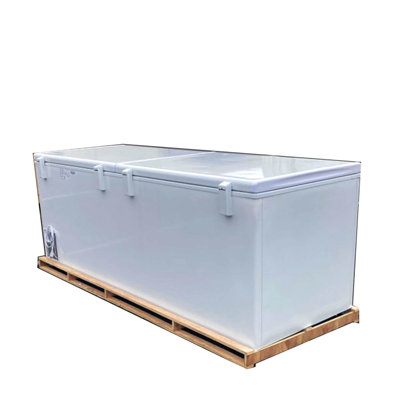
A chest freezer is a horizontal box with a top-opening lid. Sizes range from 3.5 to 25 cubic feet. The interior is one large open cavity with hanging wire baskets near the top for organization. It operates at 0 degrees Fahrenheit or colder and is built for storing large quantities of frozen food — bulk meat purchases, frozen meal prep, garden harvest, ice cream, and overflow from the kitchen freezer. Most chest freezers live in garages, basements, and utility rooms.
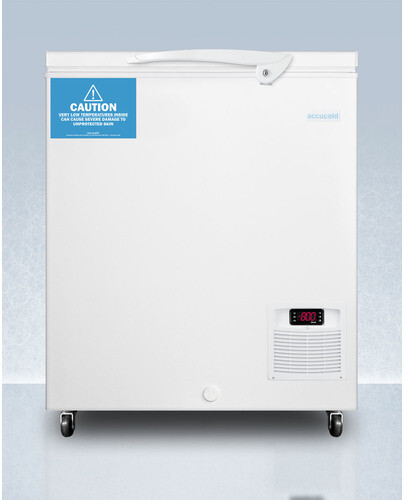
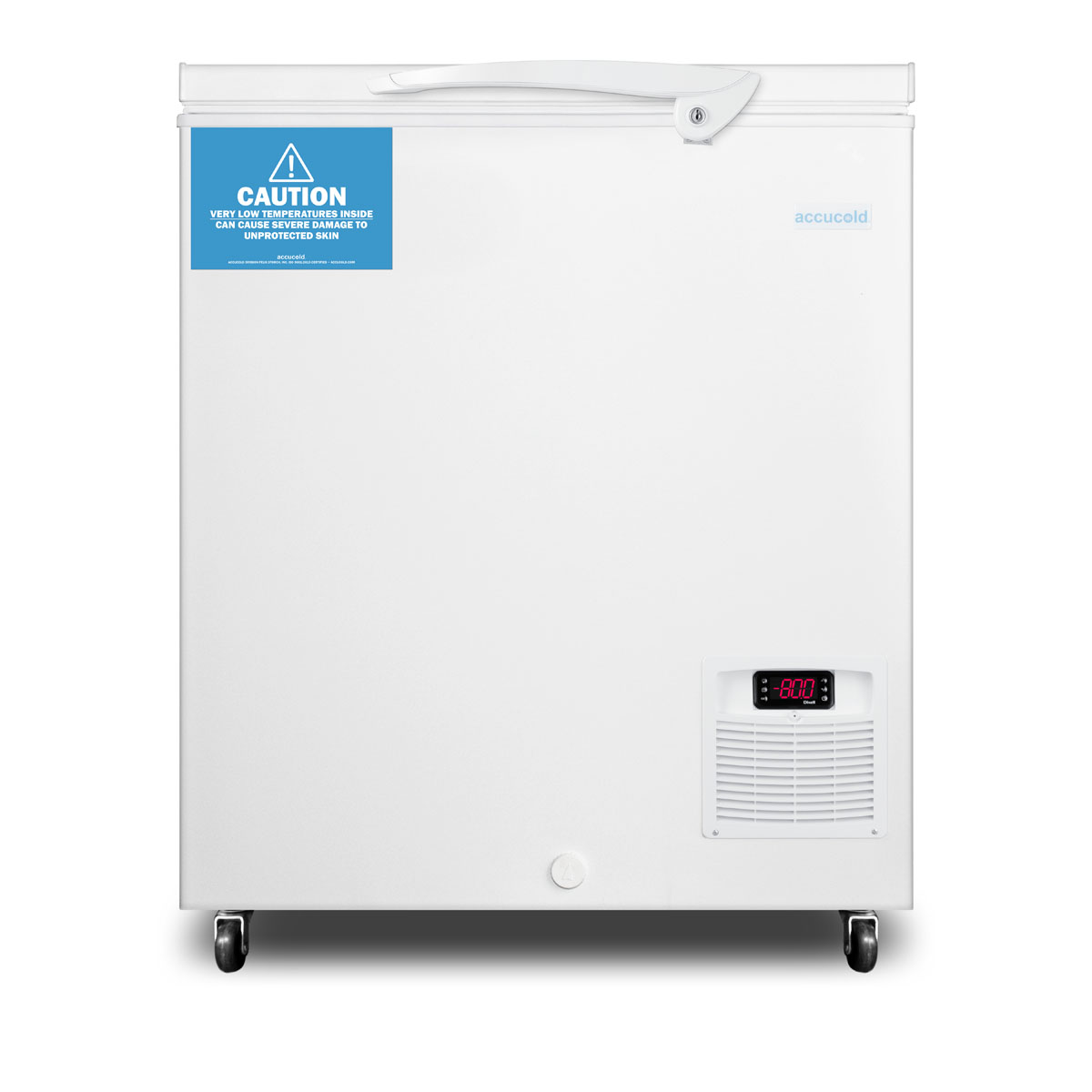
An office freezer is a compact upright unit — either a standalone small freezer (1.5 to 5 cubic feet) or the freezer compartment of a compact office refrigerator. It stores ice, frozen meals, ice cream bars, popsicles, and other single-serving frozen items for workplace consumption. The unit fits under a desk, in a break room corner, or on a countertop. It is designed for convenience and space efficiency, not bulk storage.
Capacity
Type
Capacity Range
Holds
Chest Freezer (small)
3.5 - 7 cu ft
120 - 250 lbs of food
Chest Freezer (medium)
7 - 14 cu ft
250 - 500 lbs of food
Chest Freezer (large)
14 - 25 cu ft
500 - 875 lbs of food
Office Freezer (standalone)
1.5 - 5 cu ft
50 - 175 lbs of food
Office Fridge Freezer Compartment
0.3 - 1.0 cu ft
10 - 35 lbs of food
The capacity difference is dramatic. A medium chest freezer holds 3 to 10 times more frozen food than any office freezer. The chest freezer is built for bulk — a quarter cow, a season's worth of garden vegetables, or months of frozen meal prep. The office freezer handles a week's worth of frozen lunches and a tray of ice cubes.
Chest freezers measure 22 to 73 inches wide, 32 to 36 inches tall, and 20 to 30 inches deep. They need floor space, overhead clearance for the lid, and a flat stable surface. Not appropriate for offices due to size, weight (80 to 200+ pounds), and the horizontal footprint that consumes valuable floor space.
Office freezers measure 17 to 24 inches wide, 19 to 34 inches tall, and 17 to 24 inches deep. They fit under desks, on countertops, in cabinet niches, and in small break rooms. Weight ranges from 25 to 60 pounds — light enough for one person to move. The compact footprint is the entire point — frozen storage that does not dominate the workspace.
Temperature Performance
Chest freezers maintain 0 degrees Fahrenheit or colder with excellent consistency. The top-opening design retains cold air when the lid opens because cold air sinks and stays in the chest. Thick insulation on all six sides (including the lid) holds temperature for 24 to 48 hours during a power outage. The thermal efficiency of chest freezers is unmatched by any other freezer format.
Standalone office freezers maintain 0 to 10 degrees depending on the model and quality. Budget office freezers may only reach 10 to 15 degrees — cold enough for ice cream and frozen meals but not true deep-freeze temperatures. The front-opening door releases cold air every time it opens. Thin insulation limits temperature holding during outages to 4 to 8 hours.
Freezer compartments in office mini fridges perform worse — typically 15 to 25 degrees. This range keeps ice trays frozen and frozen burritos cold but does not provide real freezer-grade storage for meat, fish, or long-term preservation.
Energy Efficiency
Type
Annual kWh
Annual Cost
Chest Freezer (7 cu ft)
150 - 250 kWh
$18 - $32
Chest Freezer (15 cu ft)
250 - 400 kWh
$32 - $50
Office Freezer (3 cu ft standalone)
200 - 350 kWh
$25 - $45
Office Mini Fridge w/ Freezer
200 - 350 kWh
$25 - $45
Chest freezers are more efficient per cubic foot of storage than any other freezer type. A 7 cu ft chest freezer uses similar or less energy than a 3 cu ft office freezer while providing more than double the storage. The top-opening design, thick insulation, and minimal cold air loss create inherent energy advantages.
Budget office freezers are the cheapest entry into dedicated frozen storage. Small chest freezers cost slightly more at entry level but deliver dramatically better efficiency and capacity per dollar.
Organization
Chest freezers use one or two hanging wire baskets and an open cavity below. Organization depends on the user — stacking, labeling, and rotation keep contents accessible. Finding a specific item in a deep chest requires lifting other items. It works well for uniform items (bags of vegetables, wrapped meat, meal prep containers) and less well for mixed small items.
Office freezers use small shelves or a single compartment. The upright front-opening design makes contents visible and accessible — grab a frozen meal, close the door. Organization is inherently better in an upright format because items line up at eye level rather than stacking in a deep well. But the limited volume means organizational sophistication is unnecessary — there is simply not enough space for things to get lost.
Noise
Chest freezers run at 38 to 44 decibels but cycle infrequently — thick insulation holds temperature for long periods between compressor runs. In a garage or basement, the intermittent hum is unnoticeable.
Office freezers run at 35 to 45 decibels. In a quiet office environment, compressor cycling can be noticeable. Budget models toward 45 decibels may distract during focused work or phone calls. If the freezer sits near workstations, check the decibel rating before purchasing.
Most chest freezers are manual defrost. Ice builds on interior walls and needs removal once or twice per year. The manual process takes 4 to 8 hours but contributes to the chest freezer's superior energy efficiency — no defrost heater wasting energy between cycles.
Many office freezers are frost-free or auto-defrost. The convenience of never manually defrosting suits a workplace environment where nobody wants to manage appliance maintenance. The trade-off is slightly higher energy consumption and potentially louder operation during defrost cycles.
Durability
Chest freezers are among the most durable home appliances — 10 to 20 year lifespans are common. The simple mechanical design has very few failure points.
Office freezers last 5 to 10 years. The lighter construction targets a replacement cycle rather than long-term durability. At office-freezer price points, replacement every 5 to 7 years is economically sensible.
Who Should Buy Which
Buy a chest freezer for bulk frozen food storage at home — buy a quarter cow, freeze garden vegetables, store months of meal prep, or stock up during warehouse club sales. Place it in the garage, basement, or utility room where the footprint and top-opening lid have adequate space.
Buy an office freezer for workplace frozen food access — frozen lunches, ice for drinks, ice cream for the team, and frozen snacks. Place it in the break room, under a desk, or in a small kitchen where compact size and quiet operation matter more than volume.
Compare prices on Fridge.com
Compare chest freezers and office freezers. Filter by capacity, dimensions, defrost type, and price to find the frozen storage solution that matches your space.
Frequently Asked Questions
It is not practical. Chest freezers are too large, too heavy, and require floor space and overhead clearance that offices typically cannot spare. Office freezers are designed specifically for workplace spaces. Browse compact options at Fridge.com.
Free tool
Freezer BTU Calculator
Free interactive tool from Fridge.com — get a quick answer while you read.