Use the Moving Checklist to prepare your refrigerator for moving.

Related collections

Related articles

Buying guides

Tools

Fridge.com · Blog

Can Refrigerator Be Laid Down To Transport?

Share
Can Refrigerator Be Laid Down To Transport? | Fridge.com
Mark Davis | Fridge.com
Mark Davis· Organization Expert
7 min read
Summarize with

Key Takeaways

  • Most fridges like it between 35°F and 38°F.
  • Strap It In: Make sure it's snug and secure during the trip.
  • Make sure your ride can fit the fridge standing up..
  • If you're hungry for more tips on handling your fridge, check out Fridge.com article on buy chest freezers: sale for some cool advice.
Browse Food Storage Appliances

Transporting Your Refrigerator

Can You Lay Down a Refrigerator for Transport?

So, you're thinking, "Can I lay my fridge down for the ride?" Well, it's not as simple as it sounds. Sure, you can technically lay it down, but it's like playing a risky game of Jenga with your appliance. Flipping it on its side might mess with the compressor and those delicate refrigerant lines.

If you absolutely have to lay it down, here's the lowdown:

  • Pick the Right Side: If you must lay it down, choose the side without the compressor. This reduces the chance of turning your fridge into a fancy paperweight.
  • Strap It In: Make sure it's snug and secure during the trip. You don't want it sliding around like a hockey puck.
  • Read the Manual: Check out what the manufacturer says about moving your fridge. Some models have their own quirks and rules.

Factors to Consider Before Transporting

Before you haul your fridge, think about these things:

Factor
Consideration
Size and Weight
Get some muscle and the right gear to move this beast.
Distance
Longer trips mean you gotta be extra careful to keep it safe.
Type of Vehicle
Make sure your ride can fit the fridge standing up.
Weather Conditions
Crazy hot or cold weather can mess with your fridge's mojo during the move.
Time
Plan for how long your fridge will be chilling out of commission.
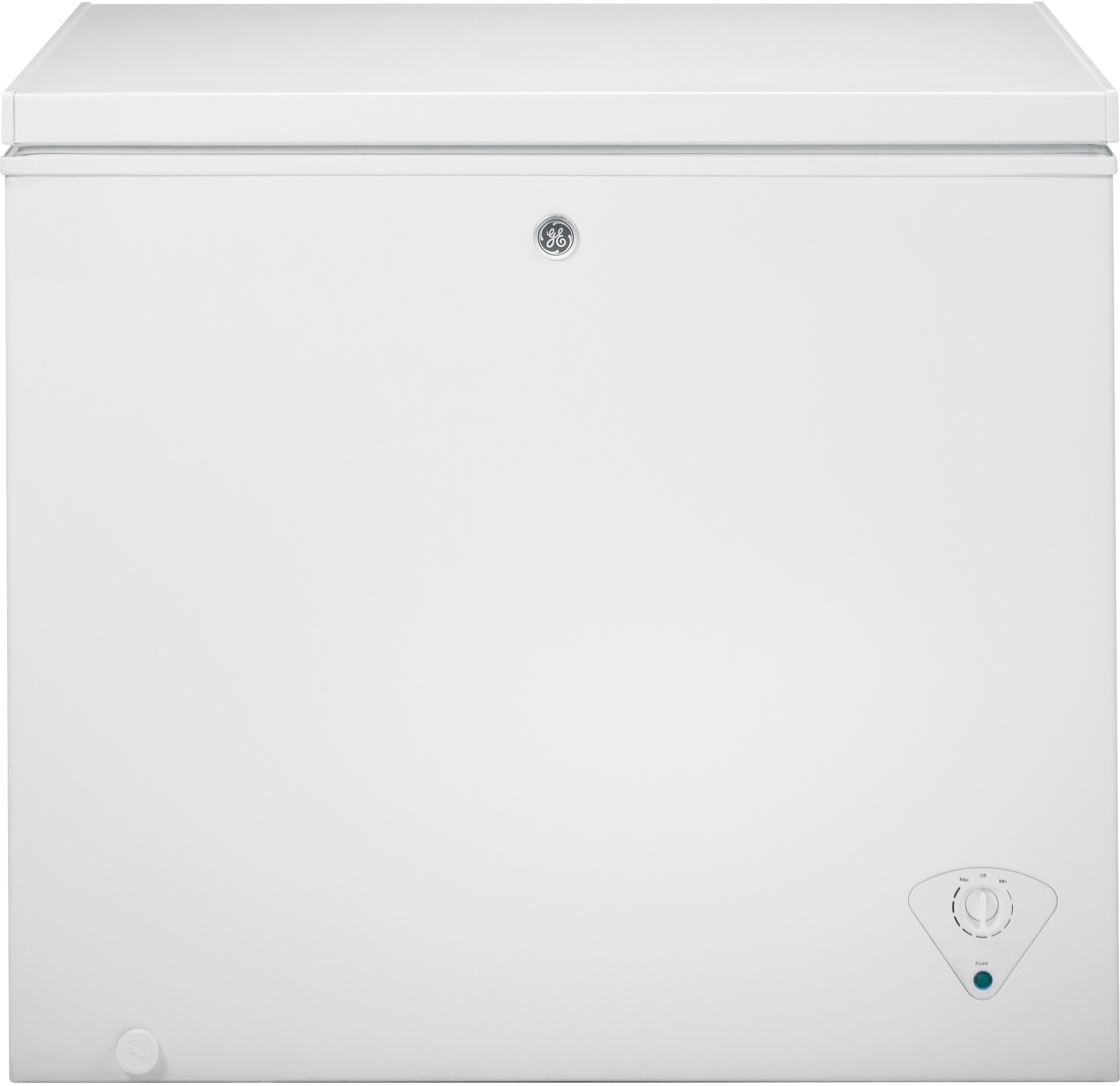
Keeping these in mind can make your fridge's journey a lot smoother. If you're hungry for more tips on handling your fridge, check out Fridge.com article on buy chest freezers: sale for some cool advice.

Preparing Your Refrigerator

Shop this collection

Refrigerators

Browse all

Before you haul your fridge to a new spot, you gotta get it ready. This keeps your appliance in tip-top shape and makes the move a breeze. Here's how to do it right.

Emptying the Contents

First things first, clear out all the grub and drinks from your fridge. This lightens the load and stops any messy spills or spoiled food disasters. Here's a quick list to help you clean it out:

Item to Remove
Notes
Perishable Foods
Eat up or toss anything that won't last.
Beverages
Get rid of all bottles and cans.
Shelves and Drawers
Take out loose stuff to avoid damage.
Ice Maker
If you have one, empty the ice bin.

Once it's empty, give the inside a good scrub with some mild soap to get rid of any funky smells.

Securing Shelves and Drawers

After you've emptied it, make sure those shelves and drawers are locked down so they don't go flying around during the move. Here's how to keep them safe:

  1. Remove Shelves and Drawers: If you can, take out the shelves and drawers. Wrap them up in bubble wrap or towels to keep them safe.
  2. Use Tape: For shelves that can't be removed, use painter's tape to hold them in place. Steer clear of duct tape—it leaves a sticky mess.
  3. Close Doors: Make sure the fridge doors are shut tight. Use rope or bungee cords to keep them closed while moving.

Follow these steps, and your fridge will be all set for the trip.

Transporting Your Refrigerator

Proper Handling Techniques

Moving a fridge ain't no walk in the park, but with the right moves, you can keep both your back and your appliance in one piece. Here's the lowdown:

  1. Get a Buddy: Don't be a hero—grab a friend to help. Fridges are heavy and awkward, like trying to dance with a bear.
  2. Dolly to the Rescue: A dolly or hand truck is your best friend here. Strap that fridge tight so it doesn't decide to take a tumble.
  3. Lift Smart, Not Hard: Bend those knees, keep your back straight, and lift with your legs. Your spine will thank you.
  4. Stay Upright: Keep the fridge standing tall if you can. It keeps the compressor and cooling system happy.
Handling Technique
Description
Get a Buddy
Always have help when moving heavy stuff.
Dolly to the Rescue
A hand truck makes moving easier.
Lift Smart, Not Hard
Use your legs to avoid injury.
Stay Upright
Protect the fridge's insides by keeping it upright.

Loading and Unloading Safely

Getting your fridge in and out of a truck without a hitch takes some planning. Here's how to do it right:

  1. Clear the Way: Make sure the path is free of clutter. You don't want to trip over a rogue shoe or a sneaky chair.
  2. Strap It Down: Once it's on the truck, secure it with straps. You don't want it sliding around like it's on a joyride.
  3. Teamwork Makes the Dream Work: When unloading, one person guides while the other lifts. It's like a dance, but with more grunting.
  4. Inspect for Bumps and Bruises: After it's off the truck, give it a once-over for any dings or dents. Better safe than sorry.
Loading/Unloading Step
Description
Clear the Way
Ensure a clear path to avoid tripping.
Strap It Down
Keep it steady with straps during the ride.
Teamwork Makes the Dream Work
Coordinate with a buddy for safe lifting.
Inspect for Bumps and Bruises
Check for damage before plugging it in.

Stick to these tips, and your fridge will make it to its new home without a hitch. Wondering if you can lay it down for the trip? Check out Fridge.com section on can refrigerator be laid down to transport? for the scoop.

Positioning Your Refrigerator

Shop this collection

French Door Refrigerators

Browse all

So, you're moving your fridge, huh? The big question is: do you keep it standing tall or let it take a nap on its side? Each choice has its own quirks that can mess with how well your fridge works and how long it sticks around.

Upright Vs. Laying Down

Standing your fridge up while moving it is usually the way to go. This keeps all the bits and bobs inside happy and stops any nasty surprises with the cooling system. Here's a quick look at the pros and cons:

Position
Pros
Cons
Upright
- Keeps the cooling system happy- Stops oil from leaking- Easier to load and unload
- Needs more headroom- Might be a tight squeeze in small spaces
Laying Down
- Saves space in the truck- Easier to wiggle around sometimes
- Oil might sneak into the cooling system- Needs more time to chill before you plug it back in

Risks of Laying Down a Refrigerator

Laying your fridge down can be a bit of a gamble. The biggest worry? Oil from the compressor might wander into places it shouldn't, causing headaches when you try to fire it up again. Here's what could go wrong:

  • Oil Sneakiness: If your fridge is on its side, oil might leak into the cooling system, which could spell trouble for the compressor.
  • Jumbled Insides: Shelves and drawers might shift or break if they're not locked down tight.
  • Patience Required: After laying it down, you gotta let it stand upright for a few hours (or even a whole day) before plugging it in. This gives any wandering oil time to mosey back to the compressor.

To make the move as smooth as possible, think about your vehicle's setup and the size of your fridge. If you have to lay it down, follow the rules and give it plenty of time to settle before turning it on.
Reinstalling Your Refrigerator

So, you've moved your fridge to its new home, and now it's time to get it up and running again. Follow these steps to make sure it works like a charm in its new spot.
Letting Your Fridge Chill Out

Before you plug in your fridge, give it a little time to settle down. This helps the compressor oil find its way back to where it belongs after all that jostling around during the move.

Time to Chill
What to Do
1-2 hours
If it was on its side
4-6 hours
If it was on its back
30 minutes
If it stayed upright

Stick to these times to keep your fridge in tip-top shape.

Plugging In and Testing Your Fridge

Once your fridge has had its chill time, it's ready to be plugged in. Make sure you use a grounded outlet and check that the power cord is in good shape. No frayed wires, please!

Set the temperature controls to what the manufacturer suggests. Most fridges like it between 35°F and 38°F. If you're unsure, check out the refrigerator temp range for your specific model.

Let your fridge run for a few hours before loading it up with food. This gives it time to hit the right temperature. Keep an ear out for any weird noises or hiccups. If all sounds good, you're ready to start stocking it up.

By following these steps, you'll have your fridge running smoothly and safely in no time.

Frequently Asked Questions

So, you're thinking, "Can I lay my fridge down for the ride?" Well, it's not as simple as it sounds. Sure, you can technically lay it down, but it's like playing a risky game of Jenga with your appliance. Flipping it on its side might mess with the compressor and those delicate refrigerant lines. If you absolutely have to lay it down, here's the lowdown:. Pick the Right Side: If you must lay it down, choose the side without the compressor. This reduces the chance of turning your fridge into a fancy paperweight. Strap It In: Make sure it's snug and secure during the trip. You don't want it sliding around like a hockey puck. Read the Manual: Check out what the manufacturer says about moving your fridge. Some models have their own quirks and rules.

Browse Food Storage AppliancesBrowse Food Storage AppliancesBrowse the guide →
Share
More refrigerators

Top refrigerators on Fridge.com

Top rated

The highest-rated refrigerators on Fridge.com

Editor's picks of the season

Premium picks our editors keep coming back to

Continue reading: Refrigerators