Ever wondered, can hot dogs stay fresh in the fridge? If you’re like many home cooks or busy parents stocking up for weeknight dinners, that question probably crosses your mind every time you tuck those bright-red links onto the cold shelf. You want to know exactly how long you have before flavor fades or spoilage creeps in. Good news: with the right storage habits, you can keep both unopened and opened hot dogs tasting great—and safe to eat—for days or even weeks.
In this guide, you’ll learn what factors affect hot dog shelf life, where in your fridge to stash them, how to spot early signs of spoilage, and when it’s time to move extras into the freezer. You’ll also get quick answers to common questions and pro tips on maximizing freshness for backyard barbecues, lunchboxes, or late-night snacks. Let’s dive in and make sure you never face the dreaded “mystery meat” scenario again.
Understanding hot dog storage
Before you decide where to park those hot dogs in your fridge, it helps to know why storage matters. Temperature swings, packaging type, and exposure to air can all speed up chemical and microbial changes that turn tasty links into a safety risk. Here’s what you need to keep in mind.
Shelf life basics
- Unopened hot dogs: If you keep an unopened package in the back of a well-cooled fridge (around 38–40°F), most store-bought brands will stay at peak quality until the use-by or sell-by date—and often up to a week beyond that.
- Opened hot dogs: Once you break the factory seal, exposure to air and moisture accelerates spoilage. Plan to use opened links within 3–5 days.
- Vacuum-packed varieties: These can last a bit longer than traditionally wrapped hot dogs, since less oxygen means slower bacterial growth.
Always trust the manufacturer’s date stamp, but remember that it assumes optimal conditions. A warm fridge or frequent door openings can shorten these windows.
Fridge vs freezer comparison
If you’ve got more hot dogs than you can eat in a week, freezing is your friend. Check out this quick comparison:
| Storage method | Typical shelf life |
|---|---|
| Refrigerator (unopened, sealed) | Until date + 1 week |
| Refrigerator (opened, resealed) | 3–5 days |
| Freezer (unopened, factory vacuum-sealed) | 1–2 months |
| Freezer (opened, resealable bag) | 1–2 months |
Freezing won’t ruin hot dogs, but extreme cold can alter texture over time. For best results, eat frozen links within two months.
Ideal fridge conditions
- Keep your fridge temperature at or below 40°F. A fridge thermometer helps you spot any zones that run warmer.
- Store hot dogs on the back of the bottom shelf, where it’s coldest and air circulation is minimal. Avoid the door—it can fluctuate between cycles.
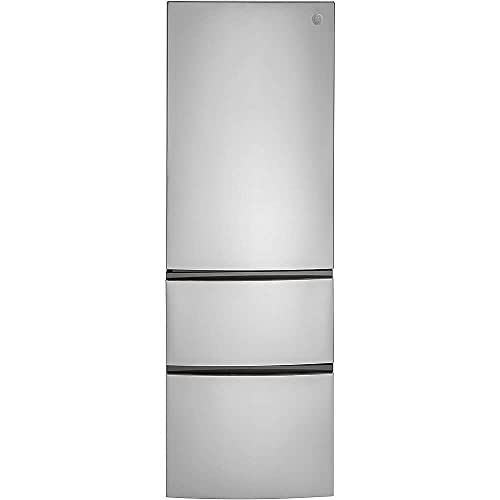
- If you have a drawer refrigerators model, route your uncooked or opened hot dogs there. These drawers often maintain steadier humidity, which helps prevent drying out.
Storing unopened hot dogs
That sealed package from the grocery store has already been through a strict quality-control process. Your job is simply to preserve that factory freshness until you’re ready to slice, grill, or steam.
Keep in original packaging
The vacuum seal or airtight plastic wrap from the manufacturer is your first line of defense against bacteria and freezer burn. Leave the hot dogs in that packaging until you’re ready to eat.
Choose proper location
- Back of the bottom shelf: Coldest point, away from door openings.
- Meat drawer: If your fridge has one, it’s designed to isolate odors and contain juices.
Resist the temptation to stash unopened hot dogs on a busy door shelf, even for convenience. Temperature swings there can reduce their usable life by a few days.
Date and label
If you buy in bulk or stock up during sales, jot the purchase date on the package with a non-toxic marker. That way, you’ll know at a glance when it’s time to use or freeze them.
Storing opened hot dogs
Once you peel back that branded paper or cut into the factory wrap, the clock starts ticking a bit faster. But with smart repackaging, you can still enjoy your franks for up to five days.
Use airtight containers
Glass or BPA-free plastic containers with tight-sealing lids work wonders. They block oxygen, lock in moisture, and prevent your hot dogs from picking up other fridge odors.
Resealable bag techniques
- Push out as much air as possible before sealing.
- If you have a handheld vacuum sealer, it can extract even more air, extending freshness by a day or two.
- Group hot dogs in meal-sized portions so you only defrost what you need.
Prevent cross-contamination
Always place opened hot dogs on a clean plate or tray. If any juices leak, wipe up promptly and sanitize the area—leftover drips can harbor bacteria and lead to off-flavors. For more on tackling spills, check out best ways to clean up messy fridge spills.
Spotting spoilage signs
Even if you’ve followed every storage tip, it’s crucial to examine your hot dogs before cooking or eating. Here’s how to catch problems early.
Check for discoloration
Fresh hot dogs have a uniform pink or reddish hue. If you notice grey, green, or brown patches, it’s a red flag. Don’t try to cut away the bad spots—the discoloration often indicates deeper microbial growth.
Smell and texture test
- Smell: A sour, tangy, or rotten odor means it’s past its prime. Fresh hot dogs have a neutral or faintly salty smell.
- Texture: Sliminess or tackiness on the surface is a sign of bacterial activity. If links feel sticky or slimy, it’s time to toss them.
Look for mold
While mold on hot dogs is rare—thanks to curing agents—it can happen. White, blue, green, or black fuzzy spots require you to discard the entire package immediately.
Maximizing hot dog lifespan
Want to stretch your hot dog supply even further? These extra steps will help you make the most of every pack.
Freeze for long-term
- Keep hot dogs in their sealed package or transfer them to a heavy-duty freezer bag.
- Label with the date you froze them.
- Lay packs flat so they freeze evenly and stack neatly.
Frozen hot dogs can last up to two months at peak quality before developing off-flavors or freezer burn.
Thaw properly
- Move frozen packs into the fridge 24 hours before you plan to use them.
- For faster thawing, submerge sealed bags in cold water, changing the water every 30 minutes until soft.
- Avoid thawing on the counter—temperatures above 40°F allow bacteria to multiply quickly.
Organize fridge space
- Keep raw meats in a designated meat drawer or the bottom shelf to prevent drips.
- Store cooked or ready-to-eat hot dogs on a higher shelf to avoid cross-contamination.

- Treat these links like deli meats, similar to how you’d store ingredients for a homemade Caesar salad—see caesar salad storage tips for the fridge for inspiration.

Answering common questions
Can you freeze hot dogs?
Yes, freezing is a reliable way to extend freshness. Store in an airtight package and enjoy within two months for the best taste and texture.

How long can cooked hot dogs last?
Once cooked, hot dogs should be refrigerated within two hours and consumed within 3–4 days. Always store cooked links in a sealed container.
Are uncooked hot dogs safe to refrigerate?
Most hot dogs you buy are already fully cooked. If you buy uncured or raw gourmet varieties, treat them like raw meat: refrigerate at 40°F or below and use within 2–3 days or freeze for longer storage.
Enjoy fresh hot dogs
Keeping hot dogs fresh in the fridge is all about controlling temperature, limiting air exposure, and staying vigilant for spoilage signs. With these tips in your back pocket, you’ll confidently serve plump, flavorful franks at backyard barbecues, lunch prep sessions, or midnight cravings without worry. Remember, when in doubt, throw it out. Your taste buds—and your health—will thank you.