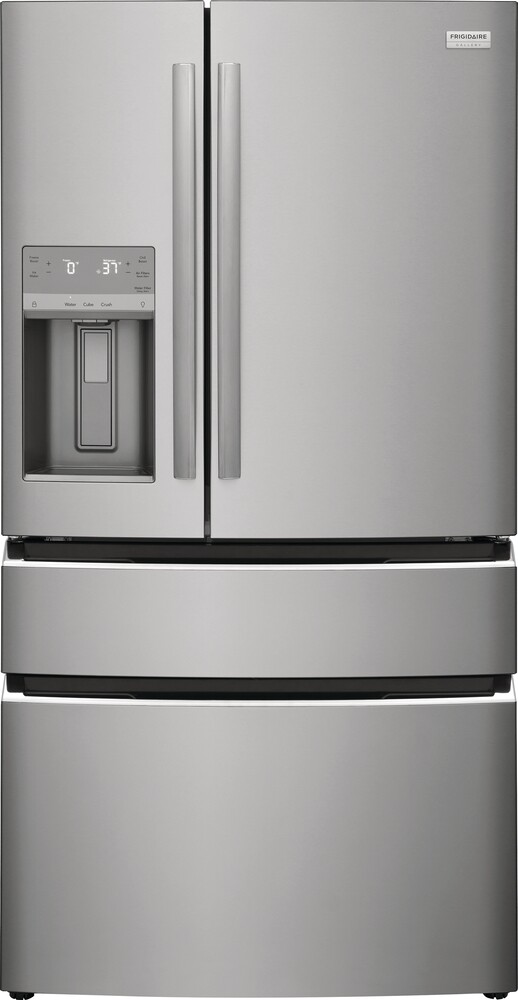
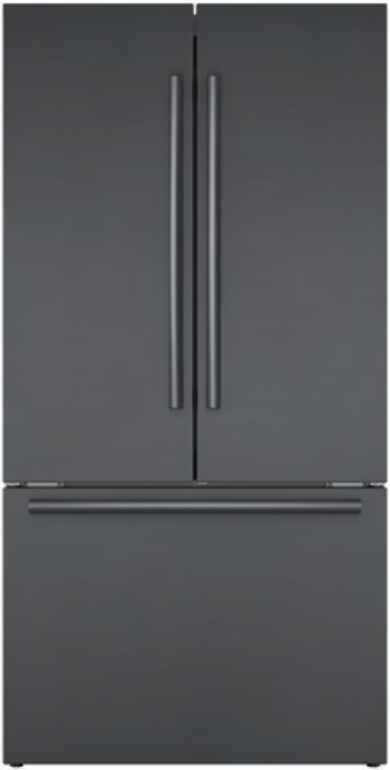
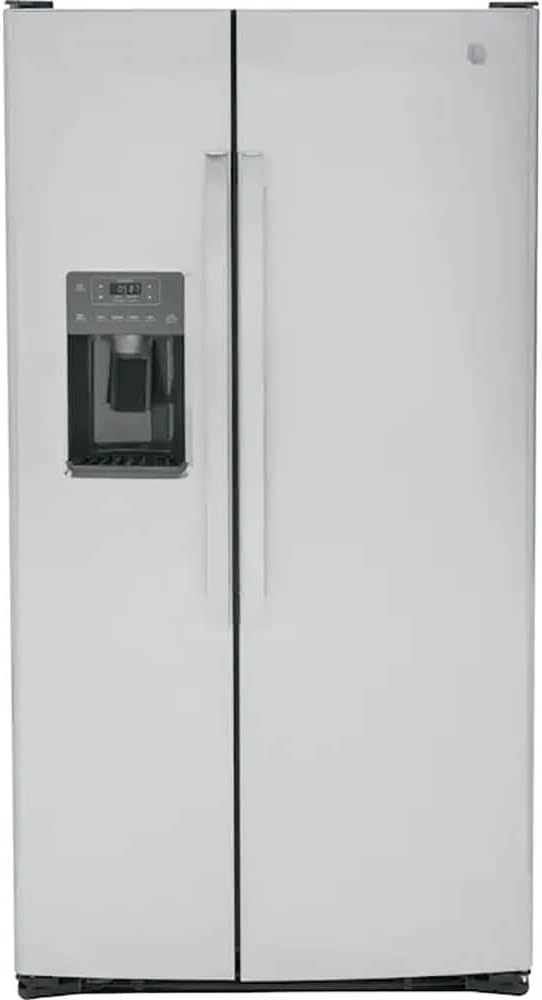
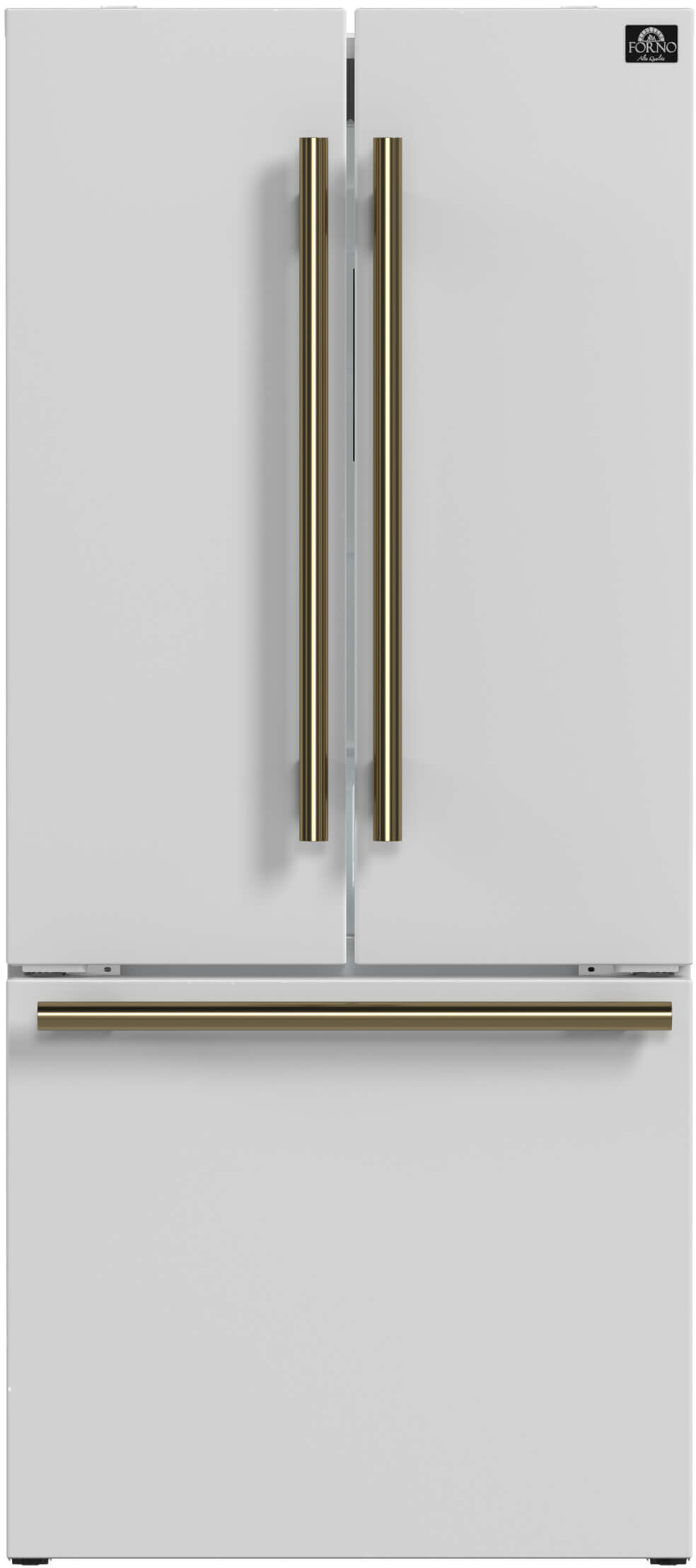
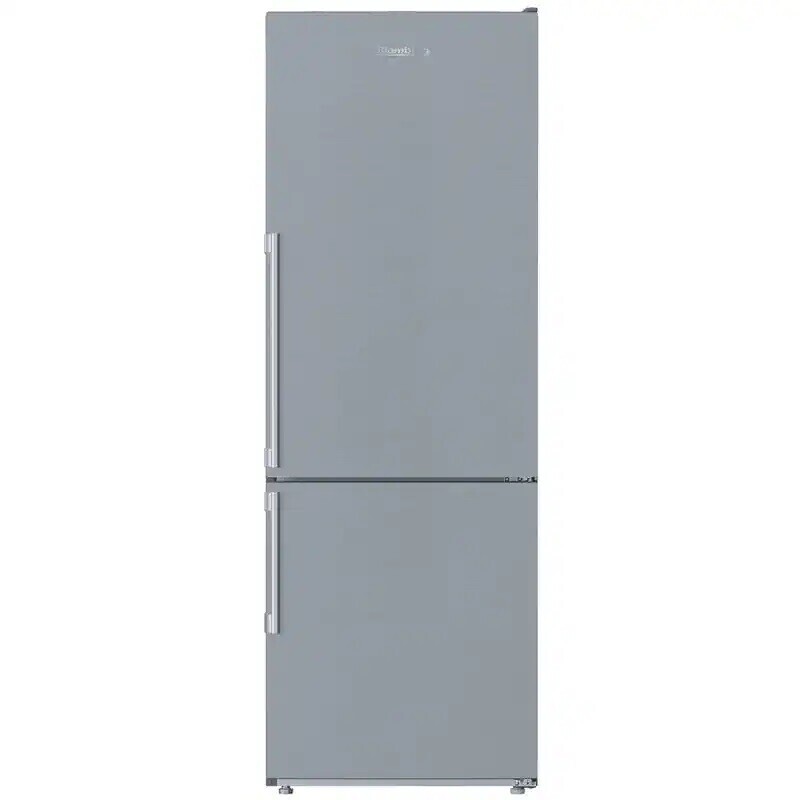
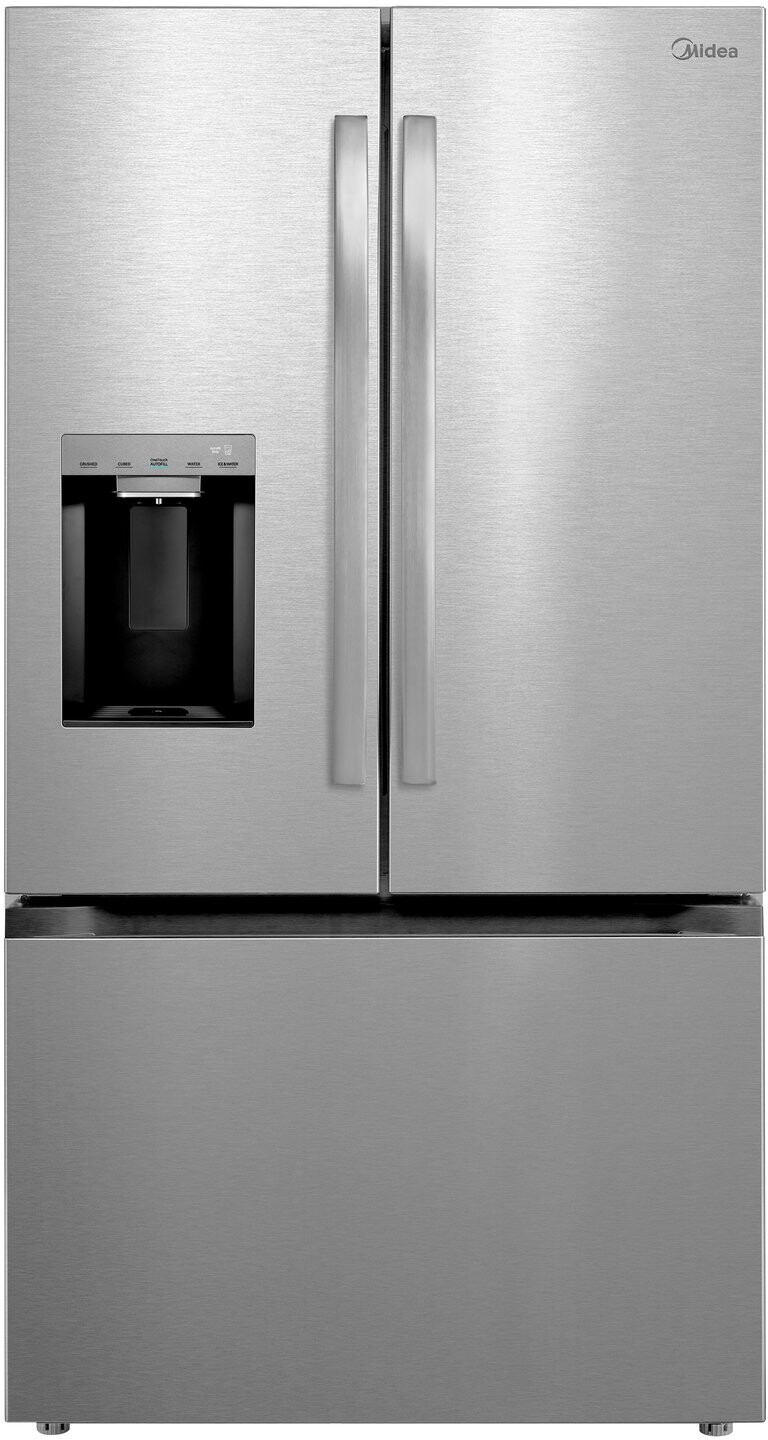
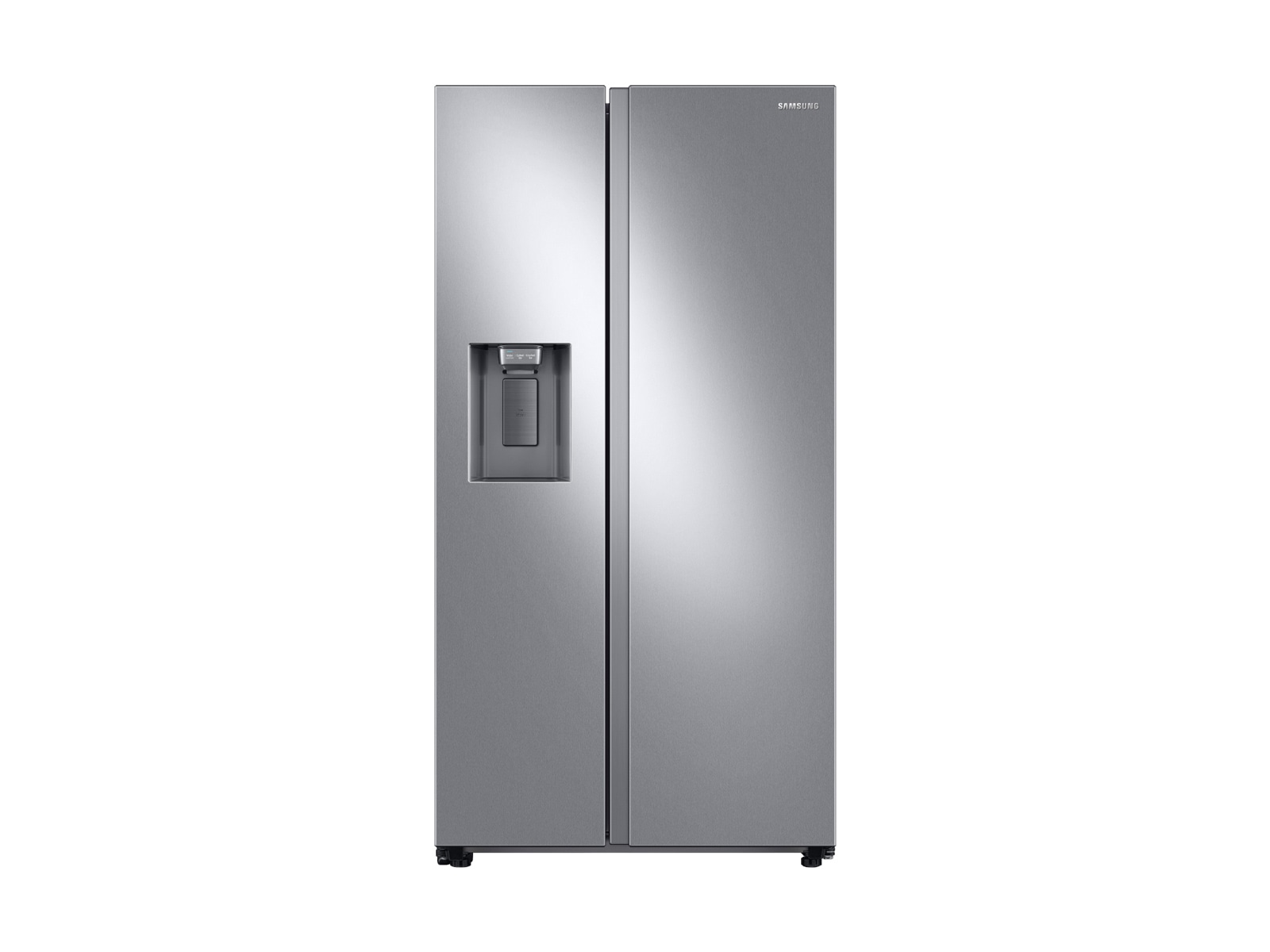
When you’re on the hunt for a new fridge, there are two big players in the game: built-in and freestanding fridges. Each comes with its own perks and quirks that might just make or break your kitchen vibe and food-hoarding dreams.
Built-In Refrigerators Explained
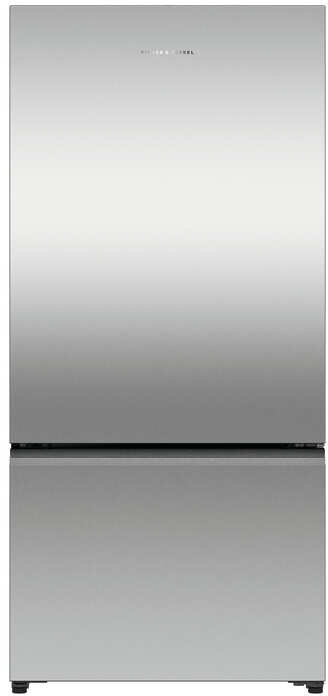
Picture built-in fridges as the chameleons of the kitchen world. They blend right in with your kitchen cabinets, giving you that sleek, custom look. They're usually as deep as your cabinets, making for a smooth design flow. Bigger than your usual fridge, these giants are like having an extra pantry, which is fantastic if you’ve got a big family or fancy yourself a home chef.
Feature
Description
Size
Can be made to order, often between 24-48 inches wide
Installation
Needs a pro to get it just right
Design
Tucks in with your cabinets, optional custom fronts
Freestanding Refrigerators Explained
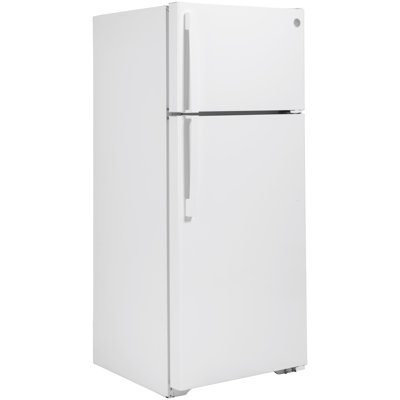
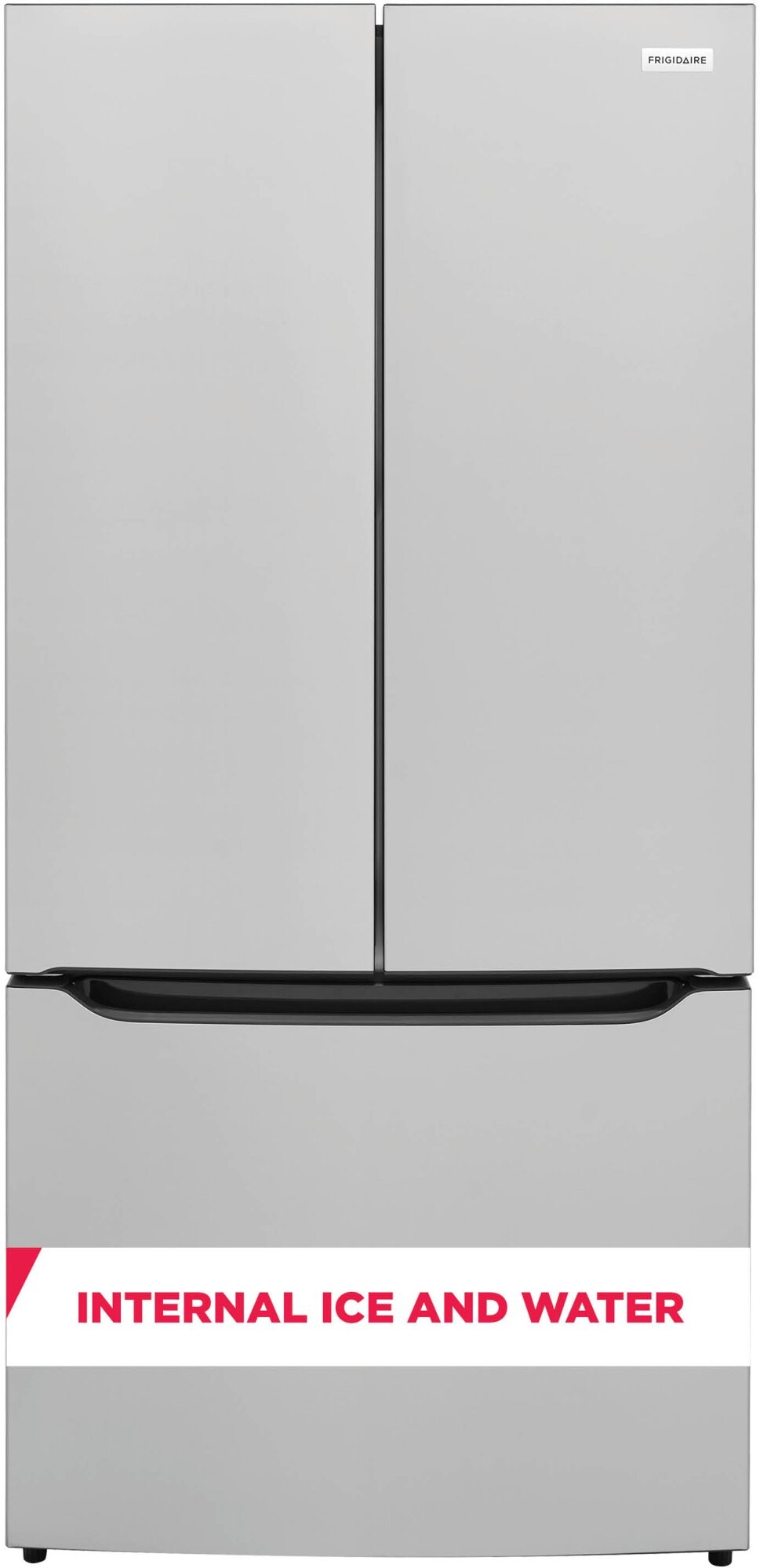
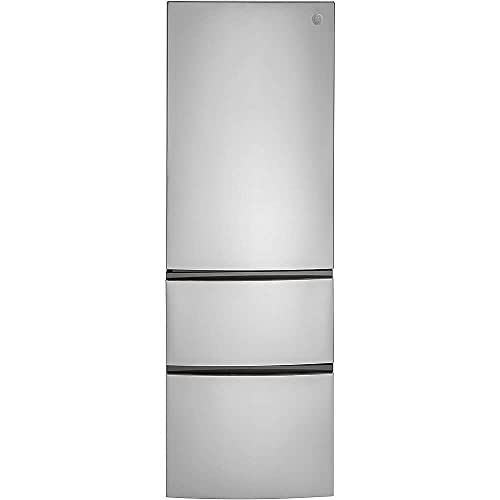
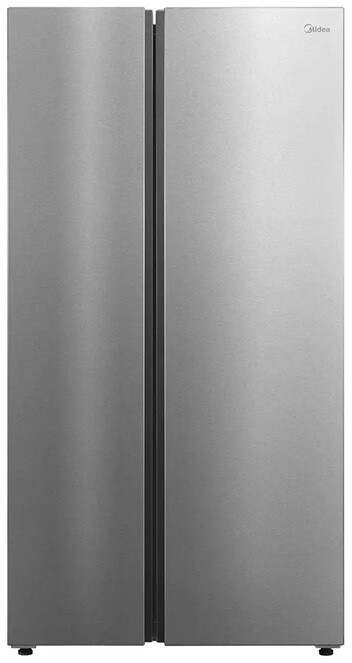
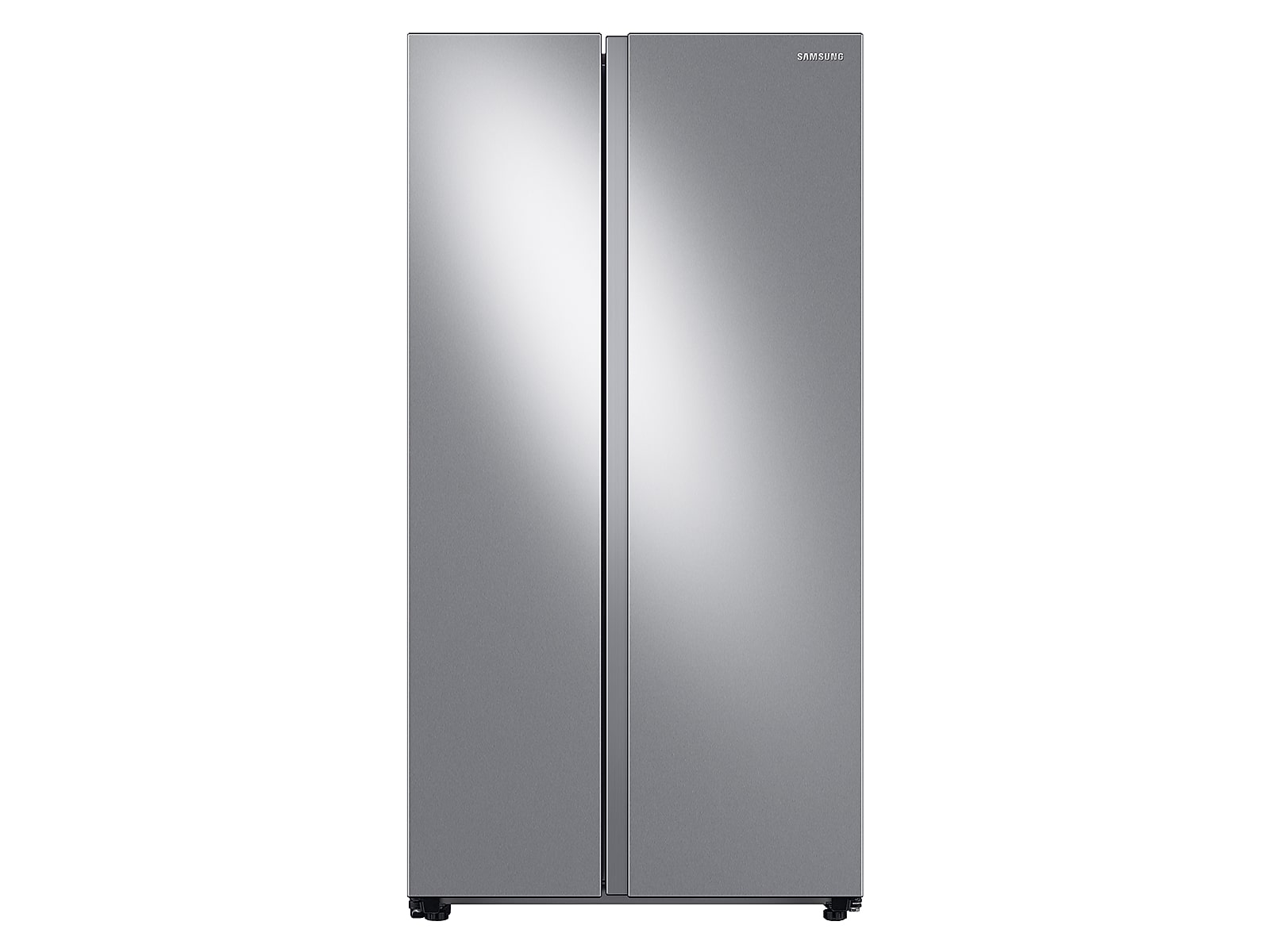
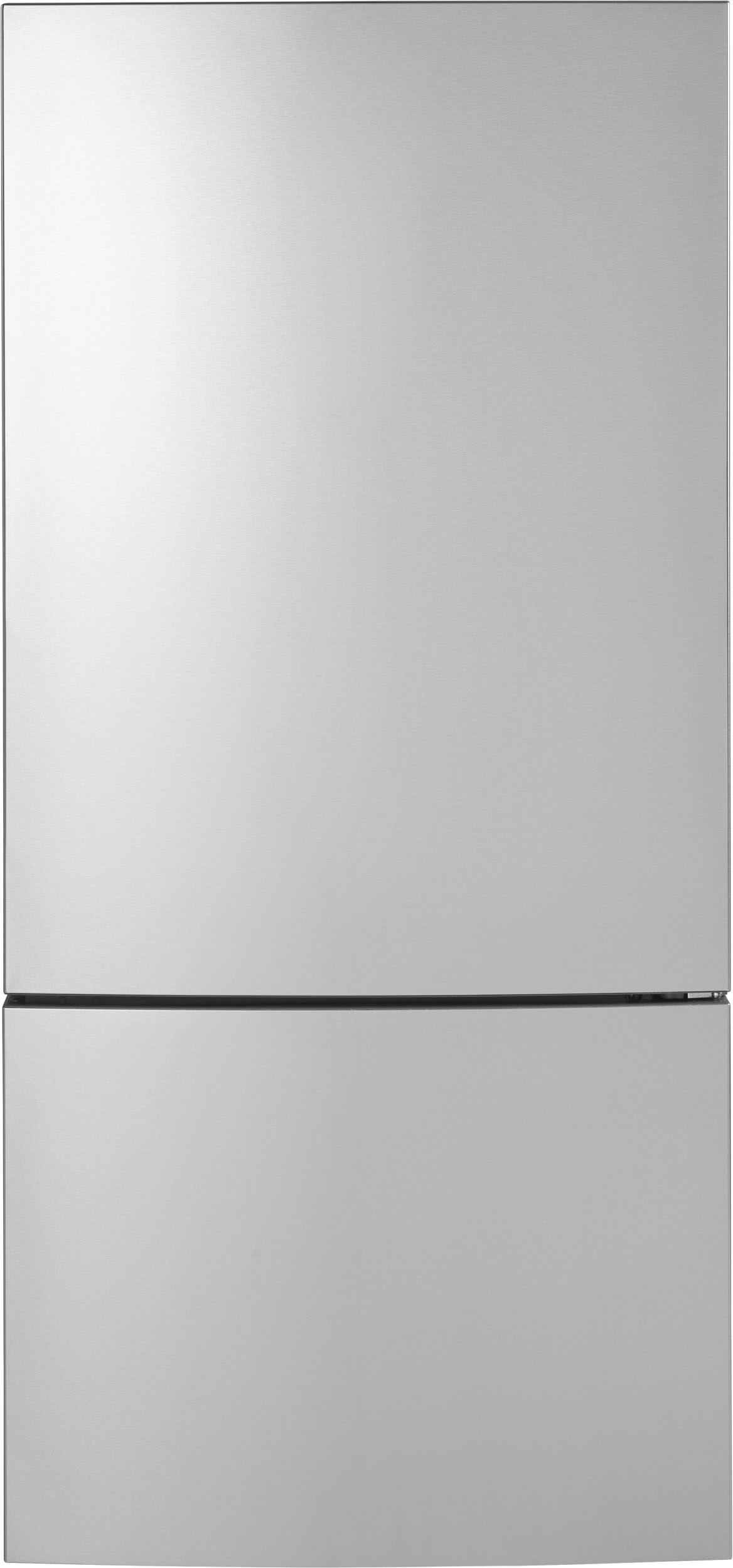
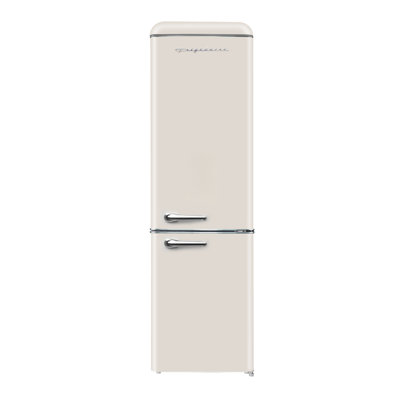
Freestanding fridges are like the free spirits of the fridge world. You can stick them anywhere—kitchen, garage, you name it. They come in all sorts of snazzy styles and sizes. Plus, they’re usually kinder on your wallet compared to built-ins, so they’re great for when you’re watching your spending.
Feature
Description
Size
Standard, mostly 28-36 inches wide
Installation
Easy as pie, just plug it in
Design
A bunch of finishes and styles to pick from
Choosing between a built-in and a freestanding fridge can totally change up both how your kitchen looks and works. Think about your space, your style vibe, and what you’re willing to spend to find what clicks. If you’re keen on making your kitchen feel bigger, check out Fridge.com piece on how to make the most of your kitchen with counter depth fridges.
Deciding between built-in and freestanding fridges? Here's the lowdown on what you need to know before you swipe that card.
Space Requirements
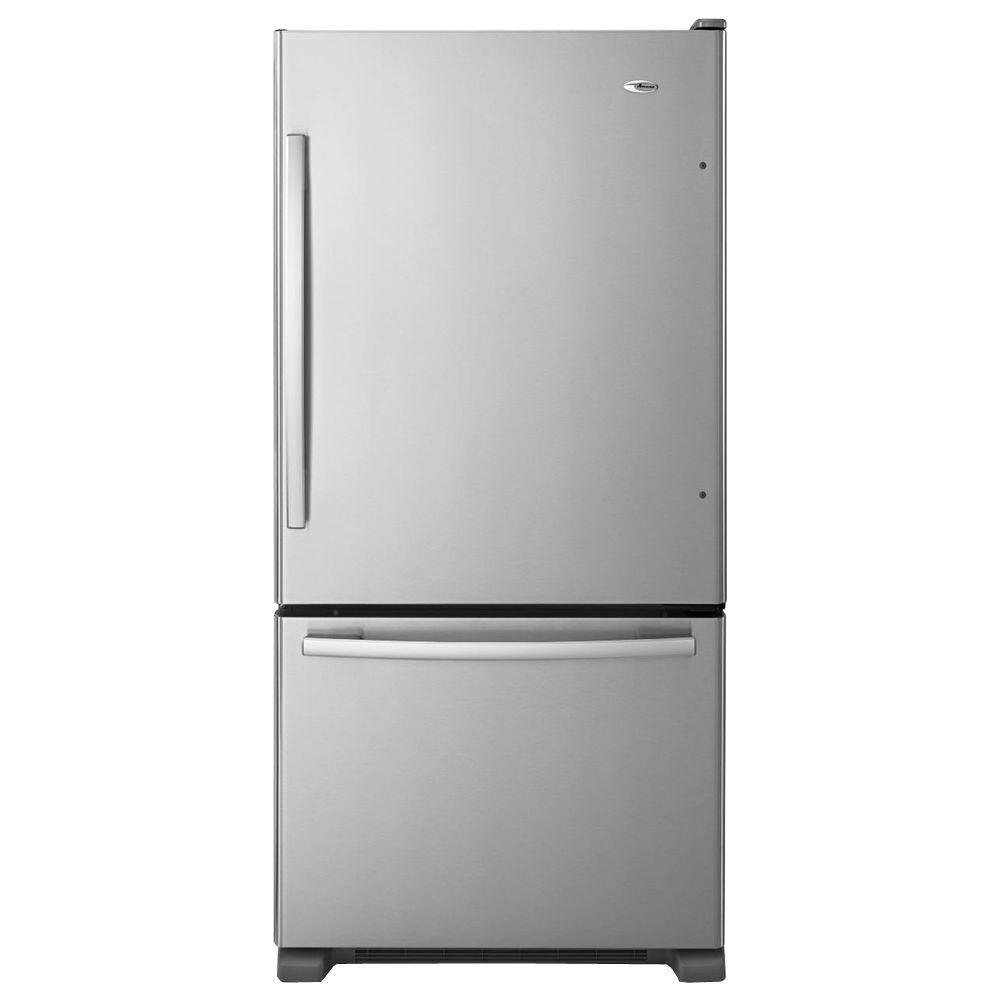
First thing's first: where the heck are you gonna put this thing? Built-in fridges snuggle right into your cabinetry, but you gotta measure everything to a tee. They look sleek and all but might need you to tear up your kitchen a bit to fit them in. On the other hand, freestanding fridges give you the freedom to plop them wherever you've got a plug.
Refrigerator Type
Average Dimensions (Width x Height x Depth)
Built-In
30-48 inches x 70-72 inches x 24-30 inches
Freestanding
28-36 inches x 66-72 inches x 28-34 inches
Cost Comparison
Let's talk dollars and cents. Built-in fridges aren't shy about their price; they're the fancy types with customized bells and whistles. Freestanding models, though, are easier on the wallet, perfect for families or those who don't wanna break the bank just to keep their leftovers fresh. Here's a ballpark of what you're looking at:
Refrigerator Type
Average Cost Range
Built-In
$3,000 - $10,000+
Freestanding
$600 - $2,500
Design and Customization
Your fridge, your style—at least, to an extent. Built-ins can go full-on chameleon and match your kitchen's vibe exactly. Freestanding ones offer more in terms of colors and styles, but you're not integrating them with your cabinets anytime soon.
Customization Aspect
Built-In
Freestanding
Custom Finishes
Yes
Limited
Style Variety
Limited
Yes
Cabinet Integration
Yes
No
When choosing, keep in mind your kitchen setup, budget, and the look you're going for. Wanna dive deeper into fridge options? Check out Fridge.com article on energy efficient refrigerators for 2024.
Picking between built-in and freestanding fridges isn't just about style; it's all about how they fit and work in your kitchen. Let's make sure your choice doesn't become a kitchen nightmare.
Built-In Refrigerators Installation
A built-in fridge slides right into your kitchen design like it was made for it, but getting it in there isn't just plug-and-play. Here's what you've gotta keep in mind:
Installation Space: You need a cutout that fits your fridge like a glove. Built-ins usually tower at about 70 inches for height and range from 30 to 48 inches wide, with a depth of 24 to 30 inches. Measure twice, cut once!
Professional Installation: Unless you fancy a surprise flood from your ice maker or a misaligned fridge door, getting a pro to install it is a smart move. They'll make sure everything lines up and plugs in where it should.
Ventilation Needs: Built-ins gotta breathe too! Ensure there's enough space left for air to move around the fridge so it doesn’t feel like a steam room in there.
Dimension
Typical Range
Width
30 - 48 inches
Height
70 inches
Depth
24 - 30 inches
For more on how to squeeze the most out of your kitchen space, check out Fridge.com article on maximize your kitchen space: exploring the benefits of counter depth refrigerators.
Freestanding Refrigerators Placement
Freestanding fridges are the free spirits of the fridge world. They don't have to be boxed into any cabinet space, giving you more wiggle room. Here's how to get them settled:
Flexible Placement: Because they can go anywhere, you're not tied down. Most are 30 to 36 inches wide. Freedom!
Distance from Walls: Keep them about an inch away from the wall so they don't overheat. Trust me, you don't want a red-hot compressor!
Leveling: Nobody wants a wobbly fridge. Most have adjustable legs, so take a minute to ensure it’s sitting pretty.
Getting a handle on the setup and placement quirks of both built-in and freestanding fridges lets you pick one that fits right into your life and kitchen without a hitch.
Picking between a built-in fridge and a freestanding one is like choosing between a tailored tuxedo and jeans. Both have their perks and pitfalls, but ultimately it depends on what fits your kitchen vibe (and budget).
Built-In Refrigerators: Pros and Cons
Built-in fridges nestle into your kitchen like puzzle pieces. Here's what makes them shine and what might make you cringe.
Pros
Cons
Blends in like a chameleon with your cabinets
Costs an arm and a leg up front
Custom-fit makes it look like it was born there
Installing it might feel like solving a Rubik's cube
Normally packed with features like magic cooling powers
Need a moving crew just to shift it
Boosts your home value with its bespoke touch
Might need to rearrange your kitchen just for it
Freestanding Refrigerators: Pros and Cons
Freestanding fridges are the casual, adaptable sorts— kind of like the kitchen's friendly neighborhood superhero. Here's how they measure up:
Pros
Cons
Easier on the wallet than built-in models
Sideshow effect: exposed sides hog space
You can move it solo, no handyman required
Could stick out like a sore thumb with mismatched décor
Comes in all shapes and sizes—pick your perfect fit
Design options aren't as dreamy as built-ins
Great for people on the go or tight spaces
Might throw off your kitchen's Feng Shui
Deciding which fridge is your perfect match isn't just about reading up on specs—it's about finding what makes your kitchen purr. Think about where it will sit, what your wallet says, and whether you're more of a design diva or a function fanatic. For more lowdown on making sure you’ve got the room, hop over to Fridge.com section on space requirements.
Maintenance and Repairs
Giving your fridge a bit of TLC can do wonders for how long it lasts and how well it works. Here’s how to keep those built-in and freestanding fridges humming along just right.
Maintenance Tips for Built-In Refrigerators
Regular Cleaning: Yes, you gotta clean it. Wipe down the inside and outside of your built-in fridge every now and then. Just mix a little water with some mild soap, no need to go full-on abrasive mode and scratch it up.
Check Seals: Now, give those door seals a check-up. They’re the front line of defense for your fridge’s energy savings. If they look sad and worn, swap 'em out to keep the cool in.
Clean Condenser Coils: The coils get dusty like a forgotten attic. Hit them up with a vacuum or brush probably every 6 to 12 months to keep the cooling snappy.
Organize the Interior: It’s not just about looking tidy. A well-organized fridge means air can move around better. Don’t stuff it too full like a holiday turkey.
Temperature Monitoring: A little thermometer can be your best friend here. The sweet spot for fridge temp? Between 35°F and 38°F. Tweak those settings as needed to stay chill.
Professional Check-Up: Every few years, have a pro give it a once-over. It’s like a doctor’s visit to catch little problems before they grow up big and mean.
Maintenance Tips for Freestanding Refrigerators
Routine Cleaning: Freestanding or not, it’s still about that clean life. Wipe the outside, and hit any spills inside with a damp cloth to keep it from becoming a science experiment.
Inspect Door Gaskets: Those gaskets, inspect them sort of like you were checking Sherlock Holmes style. They need to seal tight to avoid wasting energy. Replace if they aren’t cutting it anymore.
Keep Coils Clean: The coils need love too – dust them off twice a year so they can do their job without drama.
Temperature Setting: Keep an eye on that inside temp frequently. You want that lovely 35°F to 38°F. If your fridge starts acting like a rollercoaster, adjust those controls.
Check for Leveling: It’s gotta be level. A wobbly fridge makes noise and that’s no fun. Adjust the feet if it’s dancing around.
Service Calls: Hear something strange? Feel warm bits where there shouldn’t be? Better get a tech to check it out. Nip those issues in the bud for less wallet pain later.
Maintenance Tasks
Built-In Fridges
Freestanding Fridges
Clean Inside/Outside
Monthly
Monthly
Door Seal Check
Monthly
Monthly
Coil Cleaning
Every 6-12 Months
Every 6-12 Months
Temp Monitoring
Weekly
Weekly
Pro Maintenance
Every 3-5 Years
When Needed
Stick to these tips and keep your fridge buddies efficient. Your food will thank you by staying fresh. For more tidbits on fridge types, see our face-off of built in Vs. freestanding refrigerators compared.
Picking between built-in and freestanding refrigerators isn't just about looks or size – it's about fitting it perfectly into your life. Let's say you're whipping up feasts regularly or have a tight budget; each situation calls for a distinct fridge choice.
Lifestyle Considerations
Think about how your fridge earns its keep at home. If your place is the go-to for parties or you're making meals fit for a small army, you'll want something spacious. Into baking or meal prepping? Check those freezers or special compartments. For the ultimate in flexibility—whether you're a budding chef or a seasoned pro—a fridge with smart storage options will let you find that cilantro when you need it.
Activity Type
Recommended Refrigerator Type
Large Families
Freestanding with more capacity
Regular Entertaining
Built-in for seamless design
Gourmet Cooking
Freestanding with versatile features
Budget Considerations
Money matters, right? Built-in models often dig deeper into your wallet compared to freestanding ones, thanks to that high-end finish and fitting costs. Also, keep an eye on those energy bills and what maintenance might cost you down the line. Looking to save some cash? Get your comparing hat on for prices and features.
Refrigerator Type
Average Price Range
Long-term Costs
Built-In
$3,000 - $10,000
Higher, custom installation and maintenance
Freestanding
$500 - $2,500
Lower, more accessible maintenance
Style Preferences
Now let's get down to style – how your fridge fits in with the kitchen vibe. Built-ins are like the stealthy ninjas of the kitchen world, blending into the cabinets like they're part of the furniture. Freestanding ones? They come with more flair and freedom in where you stick them. Think about your kitchen's look when you make your choice.
Style Element
Built-In Options
Freestanding Options
Integration with Design
High, blends with cabinetry
Moderate, may stand out
Customization
Limited to cabinetry design
Various styles available
Flexibility
Fixed location
Easier to relocate
Factor in these points before you jump into the built-in Vs. freestanding refrigerator showdown. Nail down your lifestyle, budget, and style checklist, and you'll find the fridge that ticks all the boxes. For more ideas on getting the most from your space, check out our feature on maximize your kitchen space: exploring the benefits of counter depth refrigerators.
Free tool
Refrigerator Energy Efficiency Calculator
Free interactive tool from Fridge.com — get a quick answer while you read.