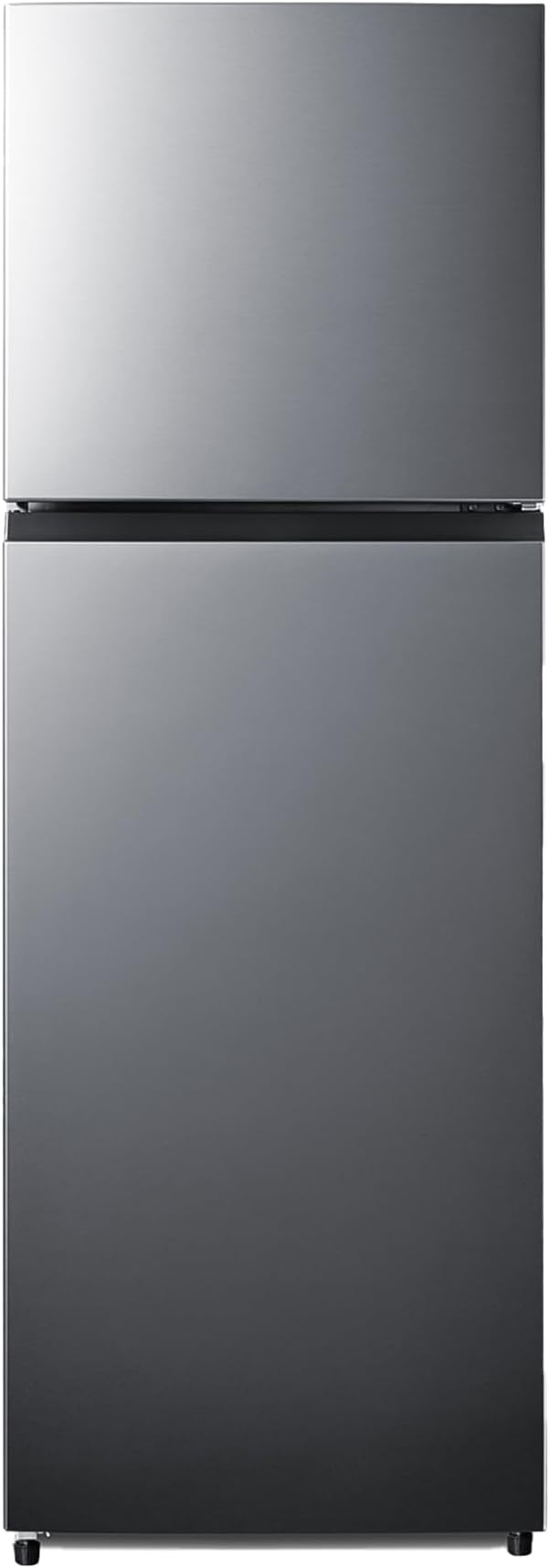
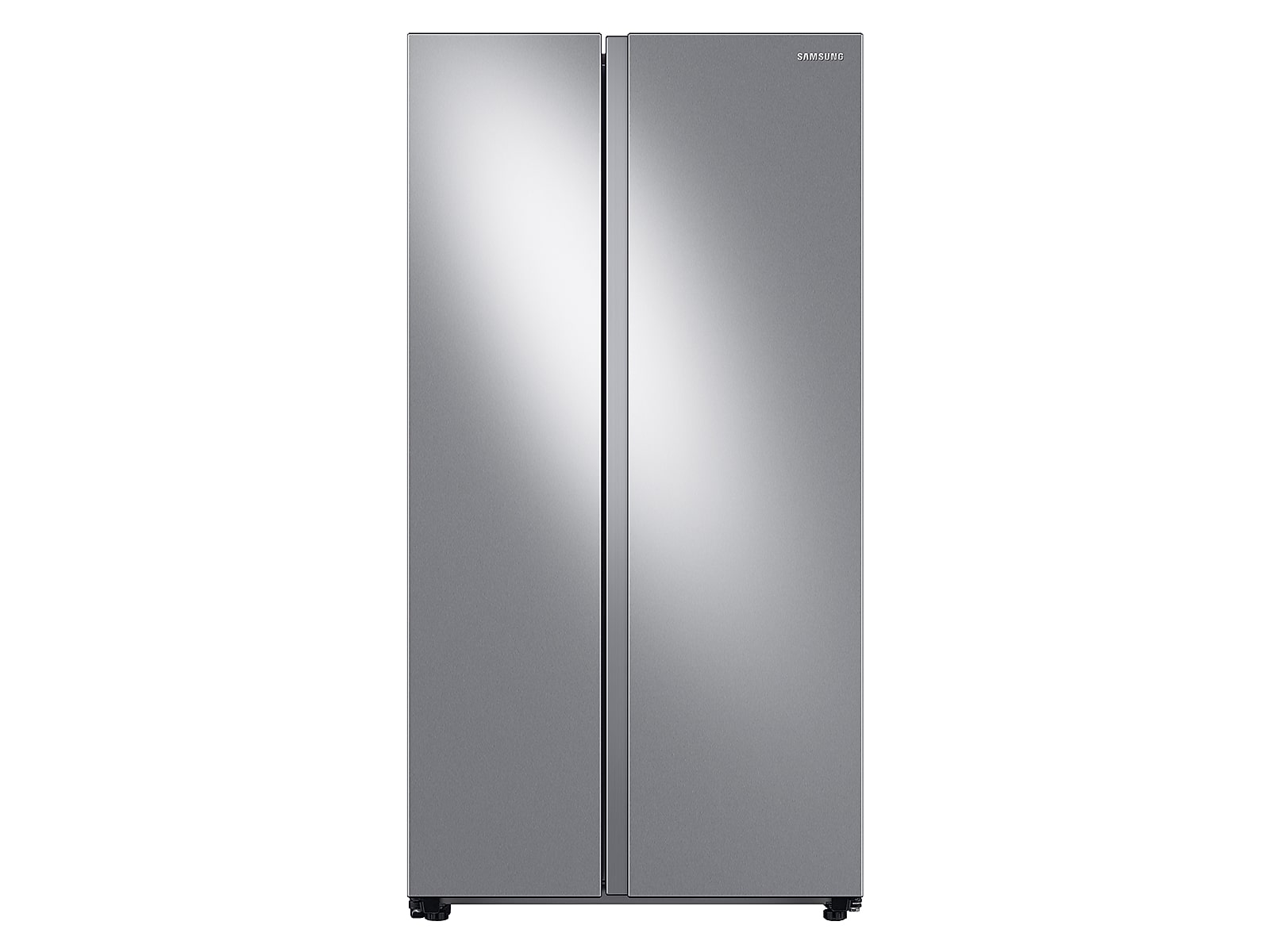
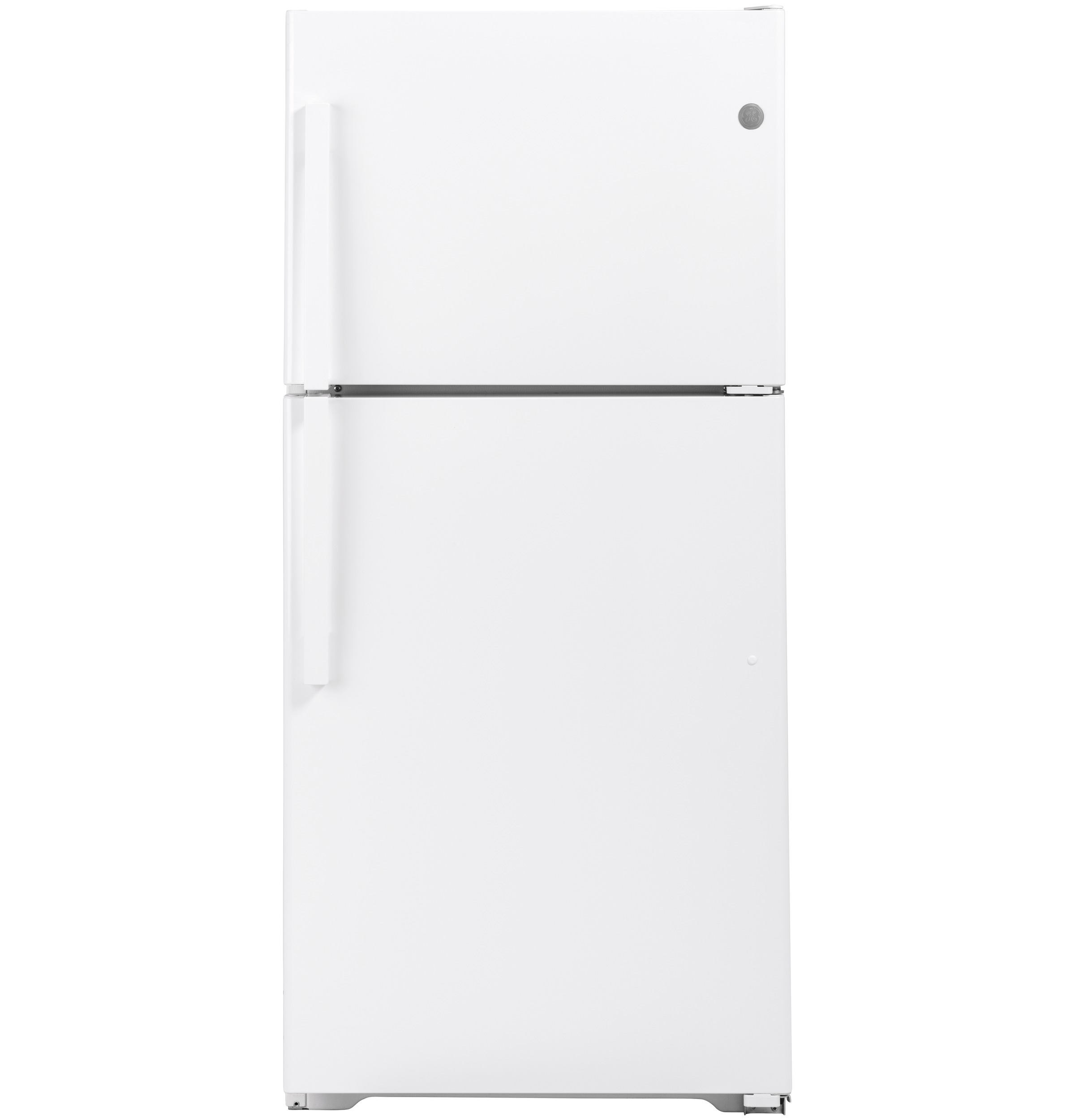
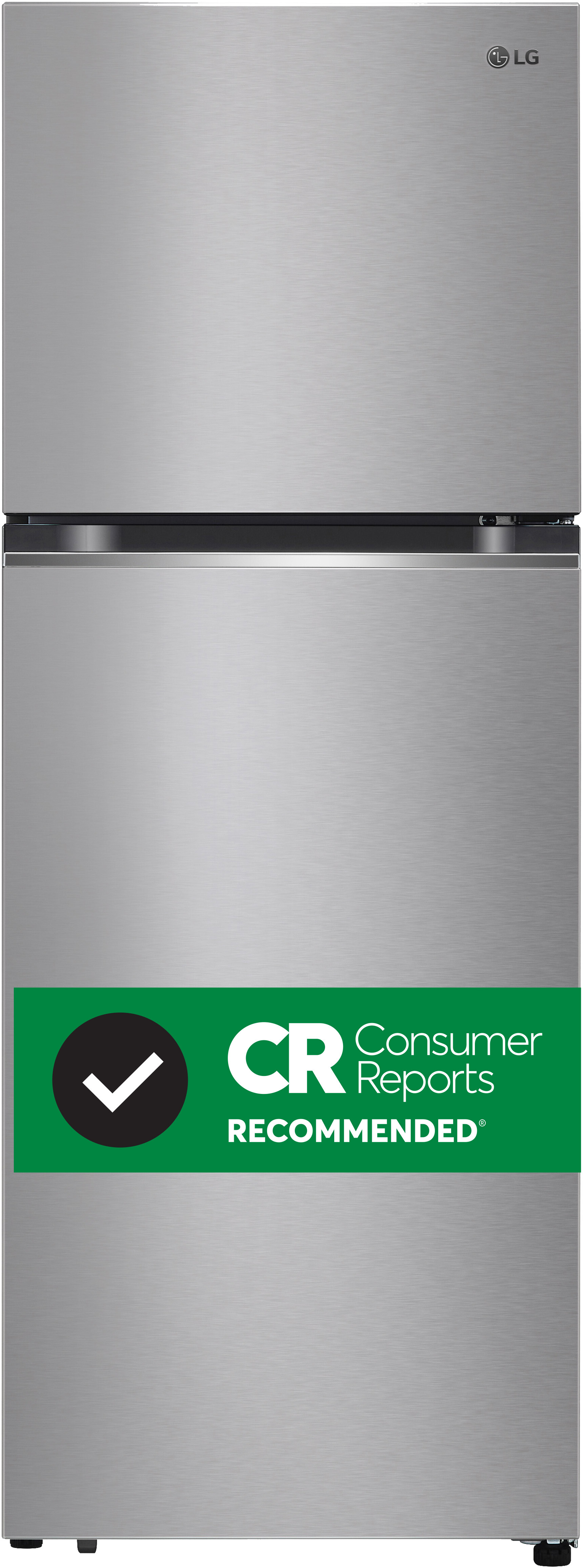
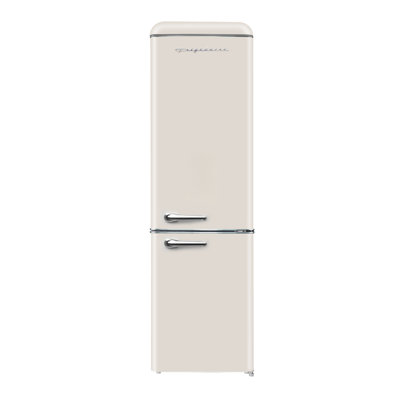
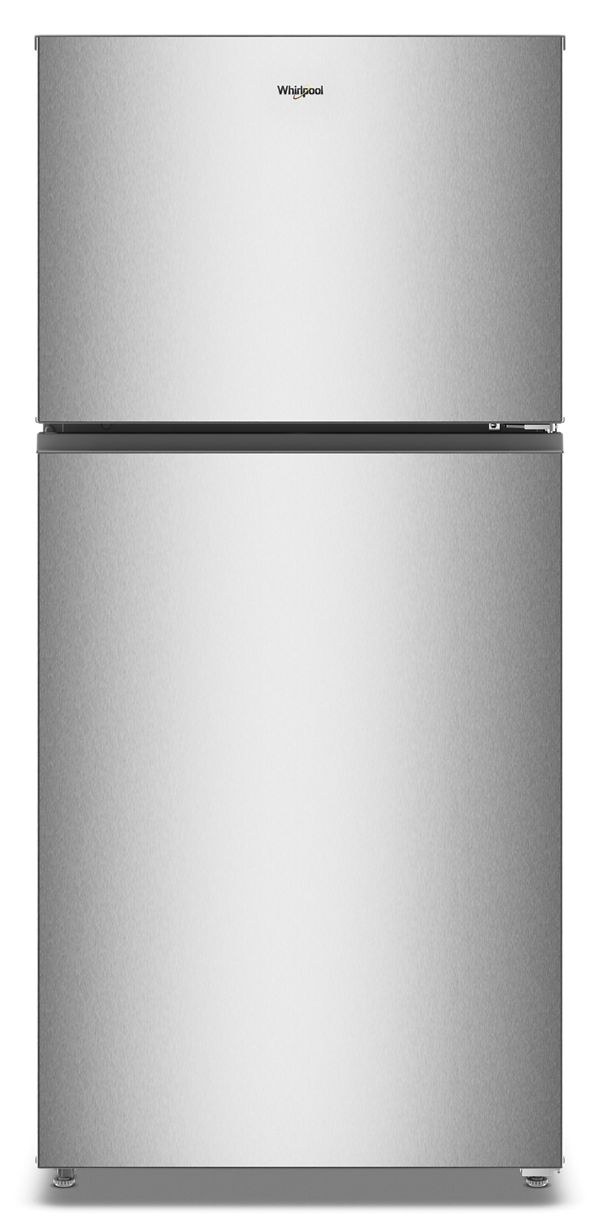
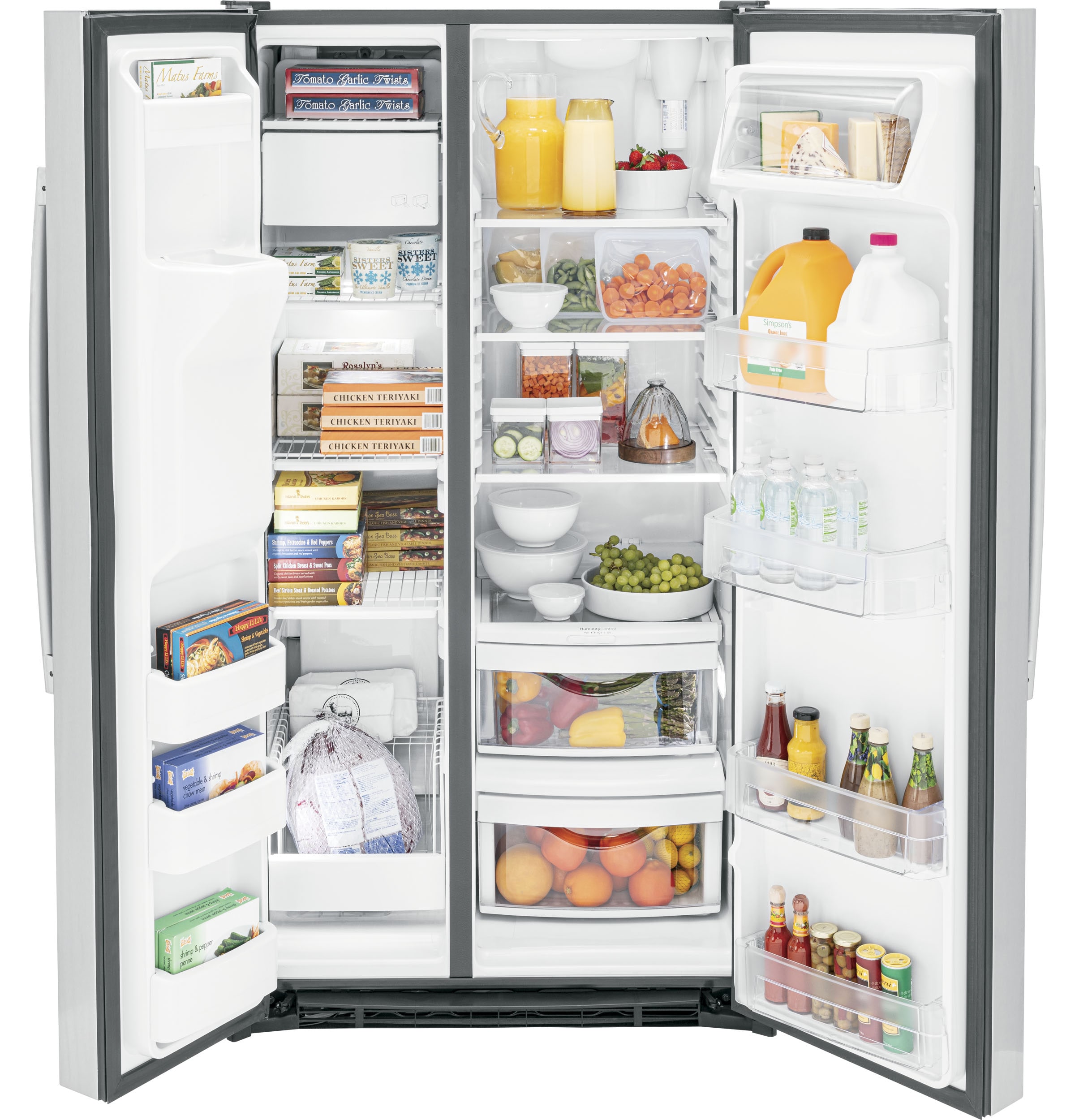
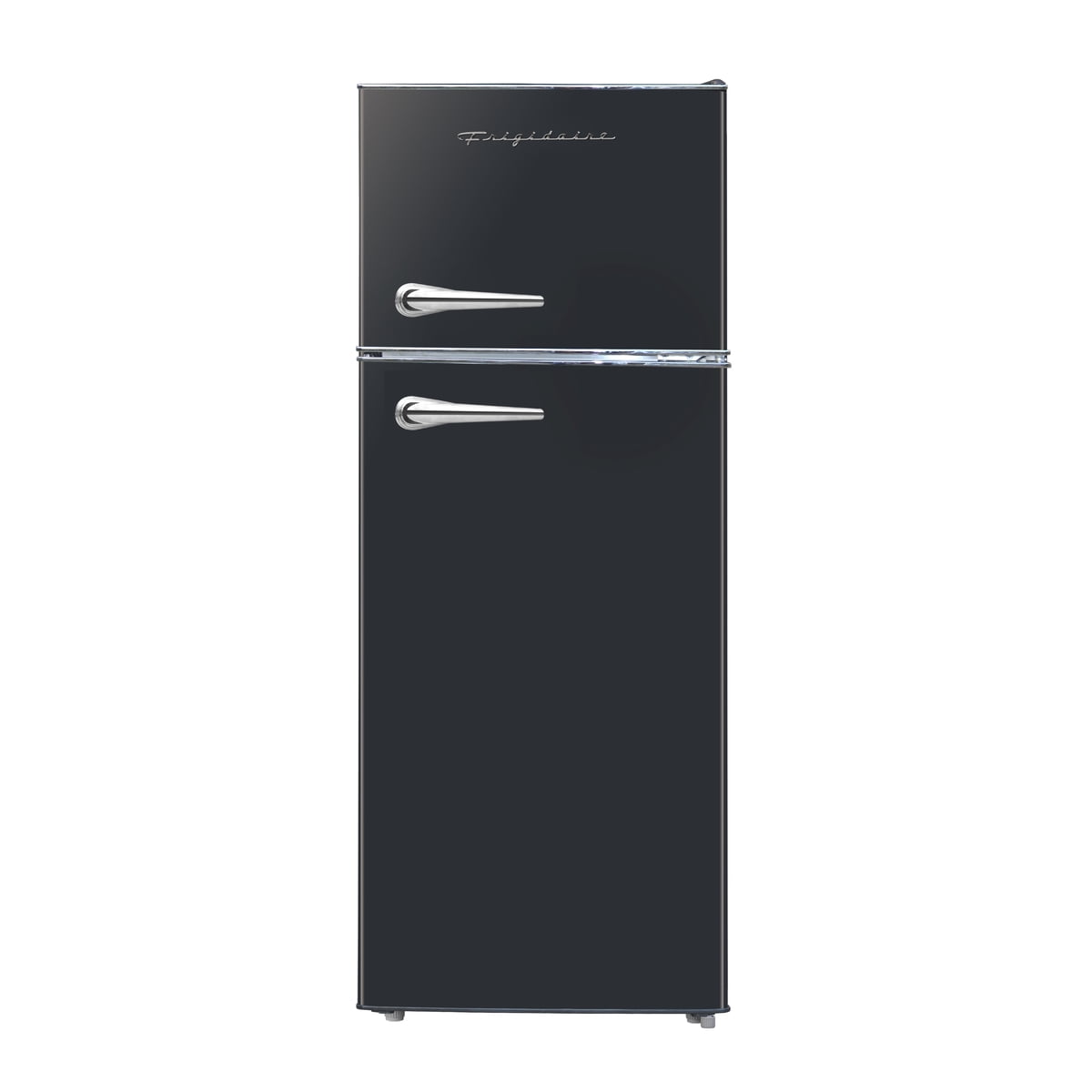
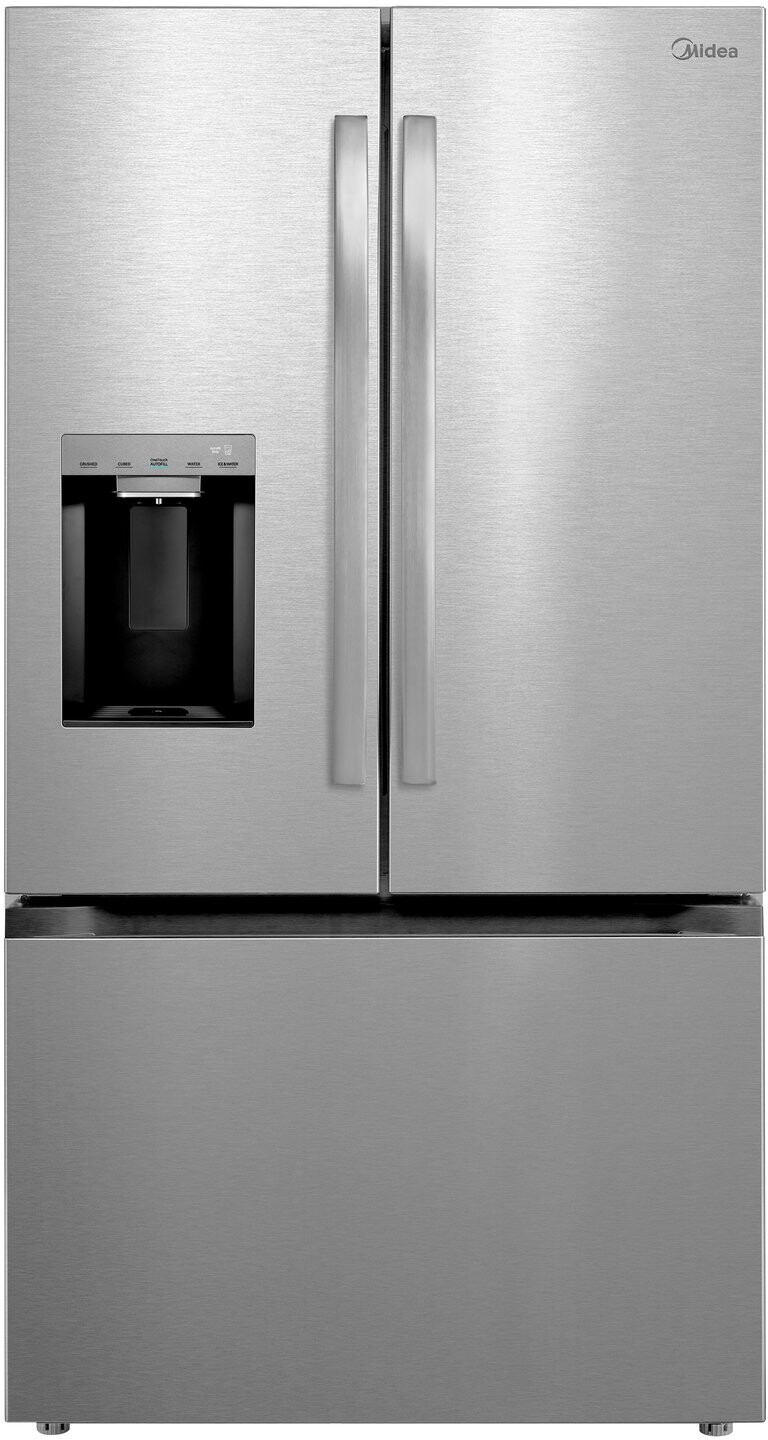
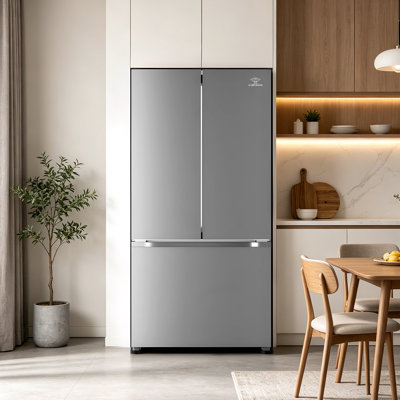
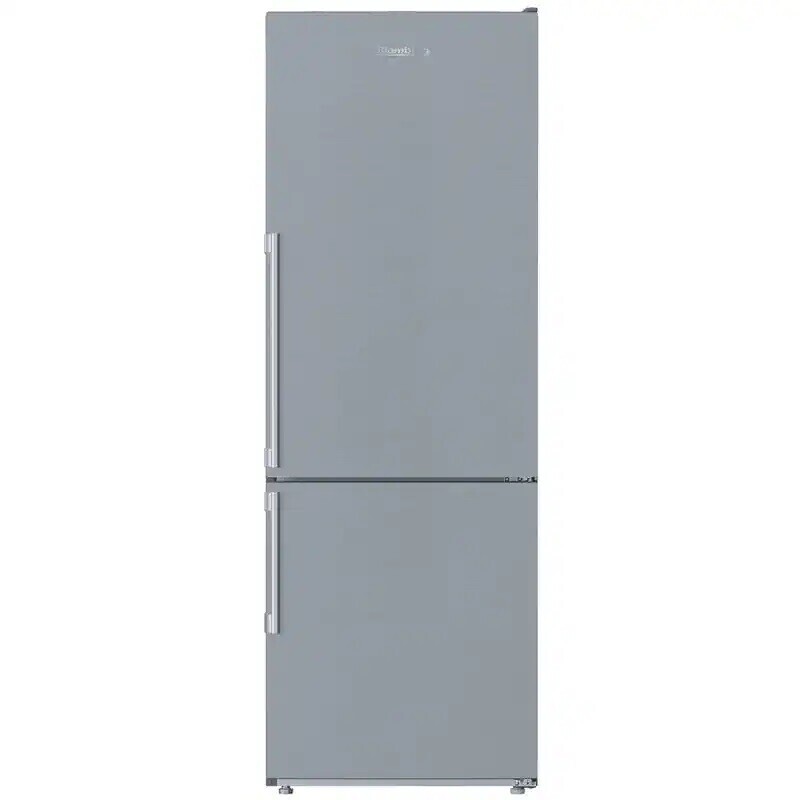
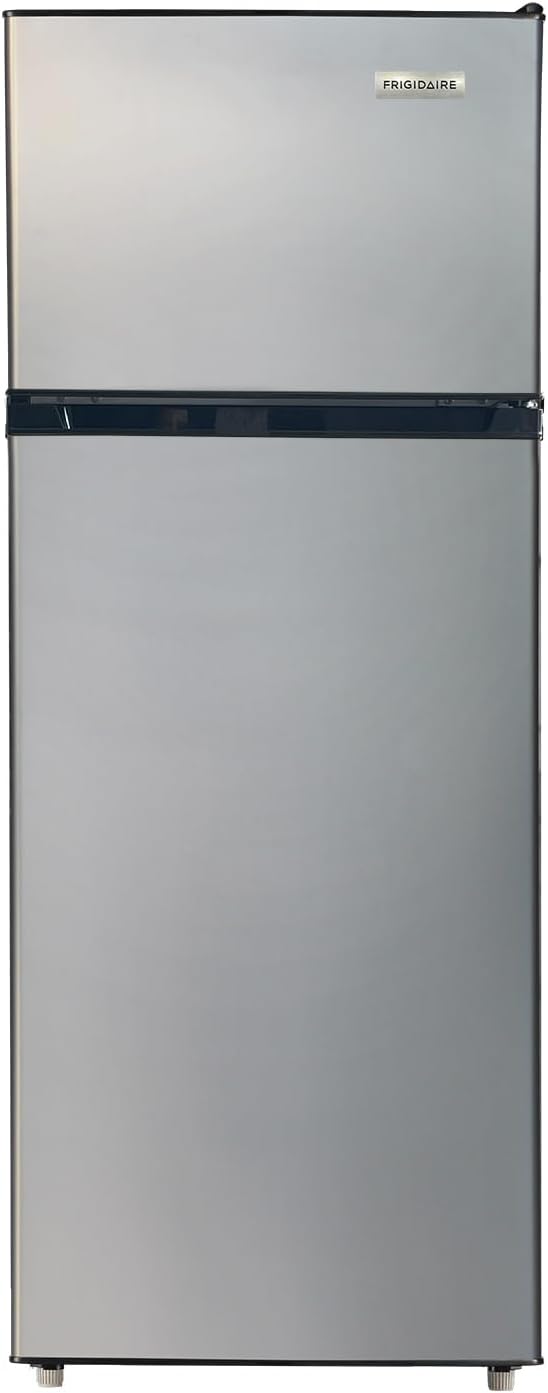
A built-in refrigerator is designed to fit seamlessly into your kitchen cabinetry, creating a streamlined and cohesive look. Unlike freestanding models, built-in refrigerators are installed flush with the surrounding cabinets and counters, offering a custom appearance. They often feature front panels that match your kitchen decor, enhancing the overall aesthetic.
Built-in refrigerators are typically taller and shallower than standard models, allowing for more storage space without protruding into your kitchen area. They are available in various sizes, including the popular 48-inch width, which provides ample storage for larger households. To learn more about different built-in fridge options, visit Fridge.com article on built in refrigerators.
Benefits of Built-In Refrigerators
Choosing a built-in refrigerator comes with several advantages that can enhance your kitchen experience and add value to your home.
Enhanced Aesthetics
Built-in refrigerators offer a sleek and integrated look that complements modern kitchen designs. With custom panels and finishes, you can match your refrigerator to your cabinetry, creating a harmonious and polished appearance. This level of customization is not typically available with freestanding models.
Space Efficiency
Built-in refrigerators are designed to maximize storage space while minimizing their footprint. Their shallow depth allows for more efficient use of kitchen space, making them ideal for smaller kitchens or open-concept designs. The 48-inch width provides significant storage capacity without compromising on style. For more details on 48-inch models, check out Fridge.com article on 48 built in refrigerator.
Feature
Description
Width
48 inches
Depth
24-26 inches
Height
84 inches
Improved Functionality
Built-in refrigerators often come with advanced features and technology that enhance food preservation and convenience. These may include adjustable shelves, humidity-controlled drawers, and precise temperature control. Such features help maintain the freshness and quality of your food, reducing waste and saving you money in the long run. Learn more about the latest features in Fridge.com article on refrigerators built in.
Increased Home Value
Investing in a built-in refrigerator can boost the value of your home. Potential buyers often view built-in appliances as a premium feature, adding to the overall appeal of your kitchen. This can be particularly beneficial if you plan to sell your home in the future.
By understanding what makes a refrigerator built-in and recognizing the benefits, you can make an informed decision that suits your lifestyle and enhances your kitchen's functionality and aesthetics. For more insights, explore Fridge.com articles on built in fridge and built in fridge freezer.
A 48-inch built-in refrigerator offers ample storage space and a sleek, integrated look that blends seamlessly into your kitchen design. These refrigerators are ideal for large families or those who love to entertain, as they provide significant space to store fresh and frozen foods.
Feature
Benefit
Storage Capacity
28-30 cubic feet
Width
48 inches
Height
84 inches (standard)
Depth
24-25 inches (counter depth)
Choosing a 48-inch model ensures you have enough room for bulk shopping, meal prepping, and storing large items like party trays and oversized containers. The larger size also allows for more advanced features, such as multiple temperature zones and specialized storage compartments.
Considerations for Space and Layout
When opting for a 48-inch built-in refrigerator, it's important to carefully consider your kitchen space and layout. These refrigerators require a significant amount of space and proper planning to ensure they fit seamlessly into your kitchen design.
Space Requirements:
Measurement
Required Space
Width
48 inches
Height
84 inches
Depth
24-25 inches
Ensure you have adequate clearance around the refrigerator for ventilation and door swing. Proper ventilation is crucial for the efficient operation of your built-in refrigerator. Refer to Fridge.com article on ventilation requirements for more details.
Layout Considerations:
Cabinetry Integration: Custom panels can be added to match your kitchen cabinetry, creating a cohesive look. Learn more about built in refrigerator cabinet options.
Accessibility: Ensure the refrigerator is easily accessible and that there is sufficient space for opening the doors fully.
Proximity to Work Areas: Place the refrigerator near your cooking and prep areas for convenience.
By thoroughly planning your space and layout, you can enjoy the benefits of a 48-inch built-in refrigerator without compromising on functionality or aesthetics. Consider professional installation to ensure proper fit and finish, as discussed in Fridge.com article on professional installation Vs. DIY.
Design Features
Custom Panels and Finishes
When selecting a built-in refrigerator, one of the standout features is the ability to customize its exterior to seamlessly blend with your kitchen decor. Custom panels and finishes allow you to integrate your refrigerator with your cabinetry, giving it a uniform and polished look. This feature is particularly appealing for those who prefer a cohesive kitchen design without the interruption of standard appliance finishes.
Custom panels can be made from various materials, including wood and stainless steel, ensuring that your built-in refrigerator matches the aesthetic of your kitchen. You can choose from a range of finishes to suit your style, from traditional to contemporary.
For more information on the different types of built-in refrigerators, visit Fridge.com article on built in refrigerators.
Integrated Vs. Overlay Installation
Another important consideration when choosing a built-in refrigerator is the type of installation. There are two primary installation methods: integrated and overlay.
Integrated Installation
An integrated installation offers a completely flush look, where the refrigerator is installed within the cabinetry, and the custom panels cover the entire front of the appliance. This option provides a seamless, built-in appearance that makes your refrigerator virtually indistinguishable from the surrounding cabinets. It is ideal for those who prefer a minimalist and streamlined kitchen design.
Overlay Installation
Overlay installation, on the other hand, allows the refrigerator to sit slightly proud of the cabinetry, with the doors extending beyond the cabinet frame. Custom panels are still used to match the cabinetry, but the appliance's edges and handles may remain visible. This installation method offers a balance between a fully integrated look and the traditional appearance of standalone appliances.
Installation Type
Description
Pros
Cons
Integrated
Flush with cabinetry, fully covered by custom panels
Seamless look, minimalist design
More complex installation, higher cost
Overlay
Doors extend beyond cabinetry, custom panels match cabinets
Easier installation, balance of integrated and traditional look
Edges and handles may be visible
Choosing between integrated and overlay installation depends on your design preferences and budget. Both options offer a sophisticated look, but integrated installation provides a more seamless appearance.
For further guidance on selecting the right built-in refrigerator for your space, explore Fridge.com article on refrigerators built in.
By considering custom panels, finishes, and installation methods, you can ensure that your built-in refrigerator enhances the aesthetic and functionality of your kitchen. Whether you prefer a fully integrated look or an overlay installation, there are plenty of options to suit your style and needs.
When considering a 48-inch built-in refrigerator, the interior configuration is an important aspect to evaluate. The layout and features inside the fridge can significantly impact its functionality and convenience.
Shelves and Drawers
A well-organized interior with adjustable shelves and drawers can make a big difference in how you use your built-in refrigerator. These components help you customize the space to fit various types and sizes of food items.
Feature
Description
Adjustable Shelves
Moveable shelves allow you to rearrange the interior to fit taller items like bottles or large containers.
Crisper Drawers
Designed to keep fruits and vegetables fresh by maintaining optimal humidity levels.
Deli Drawers
Perfect for storing meats, cheeses, and other deli items, often with specific temperature controls.
Having a variety of shelving options ensures you can keep everything organized and easily accessible. For more information about built-in refrigerators, visit Fridge.com article on built in refrigerator.
Freezer and Ice Maker Options
The freezer and ice maker options in a 48-inch built-in refrigerator can greatly affect its overall utility, especially if you frequently use ice or store frozen goods.
Feature
Description
Freezer Drawers
These provide easy access to frozen items and can often be organized with dividers.
Ice Maker
Built-in ice makers can produce a steady supply of ice, which is convenient for entertaining.
Dual Freezer Compartments
Some models offer separate compartments for different types of frozen items.
Understanding these features can help you choose the best configuration for your needs. Explore more about built-in refrigerators in Fridge.com article on 48 inch built in refrigerator.
By paying attention to the interior configuration of your built in refrigerator 48, you can ensure that it meets your storage needs and enhances your kitchen's functionality. For more tips and insights on built-in fridges, visit Fridge.com comprehensive guide on built in fridges.
When selecting a built-in refrigerator 48 inches wide, temperature control is a key feature to consider. Advanced temperature control systems ensure that your food stays fresh for longer periods. These systems often include digital thermostats, which allow you to set and adjust the temperature precisely.
Some built-in refrigerators offer dual or even triple cooling zones. This means you can set different temperatures for different sections of the fridge, such as the main compartment, the crisper drawers, or the freezer. This flexibility is especially beneficial if you store a variety of perishable items that require specific temperatures. For more insights into built-in refrigerators, check out Fridge.com article on built in refrigerators.
Feature
Description
Digital Thermostat
Allows precise temperature adjustments
Dual Cooling Zones
Separate temperature settings for different compartments
Triple Cooling Zones
Additional flexibility for different storage needs
Energy Efficiency
Energy efficiency is another important consideration when choosing a built-in refrigerator. Energy-efficient models help reduce your electricity bills and are better for the environment. Look for refrigerators that carry the Energy Star label, indicating they meet or exceed energy efficiency guidelines set by the U.S. Environmental Protection Agency.
Energy-efficient built-in fridges often feature advanced insulation and high-efficiency compressors. These components work together to maintain optimal temperatures with less energy consumption. Additionally, some models come with smart technology that adjusts cooling based on usage patterns, further enhancing energy efficiency.
For storage space without compromising energy efficiency, explore different models, including the 48 built in refrigerator and 36 built in refrigerator.
Feature
Description
High-Efficiency Compressor
Consumes less energy while maintaining optimal temperatures
Smart Technology
Adjusts cooling based on usage patterns
Understanding these features will help you make an informed decision when selecting a built-in refrigerator that fits your needs. For more details on installation, design, and other considerations, refer to Fridge.com articles on built in fridge cabinet and 48 inch built in refrigerator.
Maintenance and Care
Proper maintenance and care are essential for keeping your 48-inch built-in refrigerator functioning efficiently and prolonging its lifespan. This section provides valuable tips on cleaning and maintenance, as well as troubleshooting common issues you may encounter.
Cleaning and Maintenance Tips
Regular cleaning and maintenance are crucial for the optimal performance of your built-in refrigerator. Here are some tips to help you keep your appliance in top shape:
Interior Cleaning:
Empty the refrigerator and freezer compartments.
Use a mild detergent and warm water to clean the shelves, drawers, and interior walls.
Rinse with clean water and dry thoroughly before replacing the items.
Exterior Cleaning:
Wipe down the exterior surfaces with a damp cloth and a gentle cleaner.
For stainless steel finishes, use a specialized cleaner to prevent streaks and maintain shine.
Coil Cleaning:
Vacuum the condenser coils located at the back or bottom of the refrigerator every six months to remove dust and debris. This helps improve energy efficiency.
Door Seals:
Inspect the door seals regularly for any signs of wear or damage.
Clean the seals with a mixture of warm water and mild detergent to ensure a tight seal and prevent energy loss.
Water Filter Replacement:
Replace the water filter every six months or as recommended by the manufacturer to ensure clean and fresh water and ice.
Defrosting:
If your refrigerator is not frost-free, defrost the freezer compartment regularly to prevent ice buildup.
Troubleshooting Common Issues
Even with regular maintenance, you may encounter some common issues with your 48-inch built-in refrigerator. Here are some troubleshooting tips to help you resolve them:
Refrigerator Not Cooling:
Check if the temperature settings are correct.
Ensure the condenser coils are clean.
Verify that the door seals are intact and sealing properly.
If the problem persists, consider contacting a professional technician.
Water Leakage:
Check if the drain pan is full and empty it if necessary.
Inspect the water supply line for leaks or blockages.
Ensure the defrost drain is not clogged.
Ice Maker Not Working:
Confirm that the ice maker is turned on.
Check the water supply line for any kinks or blockages.
Ensure the freezer temperature is set correctly.
Noisy Operation:
Check if the refrigerator is level and adjust the leveling legs if needed.
Ensure that the appliance is not in contact with any walls or cabinets, which could cause vibrations.
Frost Buildup in Freezer:
Verify that the freezer door is closing properly.
Check the door seals for any damage or wear.
Ensure the defrost system is functioning correctly.
For more detailed information on maintaining and troubleshooting your built-in refrigerator, you can refer to Fridge.com articles on built in refrigerators and refrigerators built in.
By following these tips for cleaning, maintenance, and troubleshooting, you can ensure that your 48-inch built-in refrigerator remains in excellent condition and continues to serve you well for years to come. For additional tips and advice, visit Fridge.com comprehensive guide on built in refrigerator cabinet and 48 built in refrigerator.
When deciding between professional installation and a DIY approach for your 48-inch built-in refrigerator, there are several factors to consider. Professional installation offers the advantage of expertise, ensuring that your refrigerator is installed correctly and safely. This can be particularly beneficial if you have little experience with home improvement projects or if your kitchen layout is complex.
Professional installers will also handle tasks such as securing the refrigerator in place, ensuring proper alignment, and setting up water lines for ice makers and water dispensers. Additionally, they can address any unexpected issues that may arise during installation.
On the other hand, a DIY installation can be a cost-effective option if you are confident in your skills and have the necessary tools. However, it is crucial to follow the manufacturer's instructions carefully and ensure that all steps are completed correctly to avoid potential problems later.
Installation Method
Pros
Cons
Professional Installation
Expertise, Safety, Warranty Protection
Higher Cost
DIY Installation
Cost-Effective, Flexible Timing
Requires Skill, Risk of Errors
For more detailed guidance on whether professional installation or DIY is right for you, check out Fridge.com article on built in refrigerator installation.
Ventilation Requirements
Proper ventilation is essential for the efficient operation of your 48-inch built-in refrigerator. Adequate airflow around the unit helps maintain optimal cooling performance and prevents overheating, which can lead to mechanical issues.
Built-in refrigerators typically require specific clearances around the sides, back, and top to ensure sufficient airflow. These clearances can vary depending on the model and manufacturer, so it is important to consult your refrigerator's installation manual for exact specifications.
Refrigerator Component
Minimum Clearance (inches)
Sides
0.5 - 1
Back
1 - 2
Top
1 - 2
In addition to maintaining clearances, consider the placement of your refrigerator in the kitchen. Avoid locating it near heat sources such as ovens or direct sunlight, as this can impact its efficiency. Ensure that the refrigerator is positioned on a level surface to prevent door alignment issues and potential leaks.
For more tips on maintaining your built-in refrigerator, read Fridge.com article on cleaning and maintenance tips.
By understanding the installation considerations for your 48-inch built-in refrigerator, you can make informed decisions that enhance the longevity and performance of your appliance. Whether you choose professional installation or a DIY approach, and ensure proper ventilation, you will enjoy the benefits of a well-functioning built-in refrigerator.
Compare refrigerator prices on Fridge.com
Compare current prices and specifications on Fridge.com, then buy from the retailer you choose; delivery, installation and warranty terms are the retailer’s.
It also has tons of awesome articles about kitchen stuff and home news. Enhance your home, garage, backyard, patio, and office with the coolest essentials. With every necessary type of residential refrigerator or freezer in the collection, you're covered.
Frequently Asked Questions
A built-in refrigerator is designed to fit seamlessly into your kitchen cabinetry, creating a streamlined and cohesive look. Unlike freestanding models, built-in refrigerators are installed flush with the surrounding cabinets and counters, offering a custom appearance. They often feature front panels that match your kitchen decor, enhancing the overall aesthetic. Built-in refrigerators are typically taller and shallower than standard models, allowing for more storage space without protruding into your kitchen area. They are available in various sizes, including the popular 48-inch width, which provides ample storage for larger households. To learn more about different built-in fridge options, visit Fridge.com article on built in refrigerators.