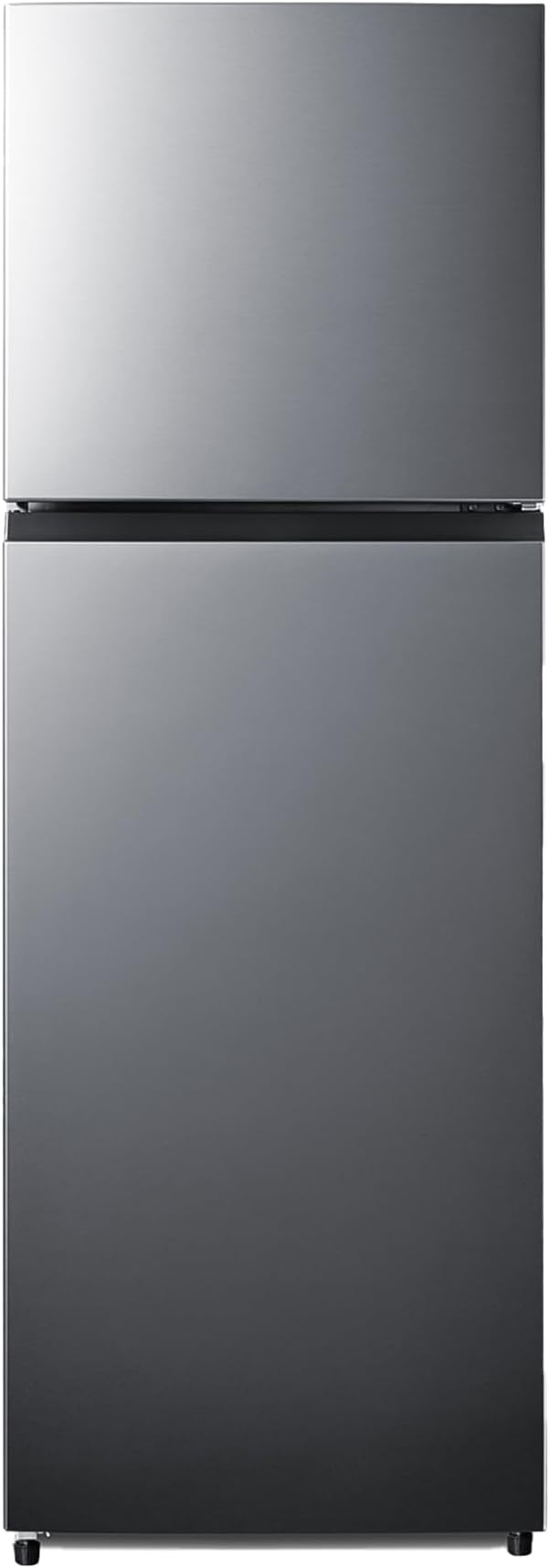
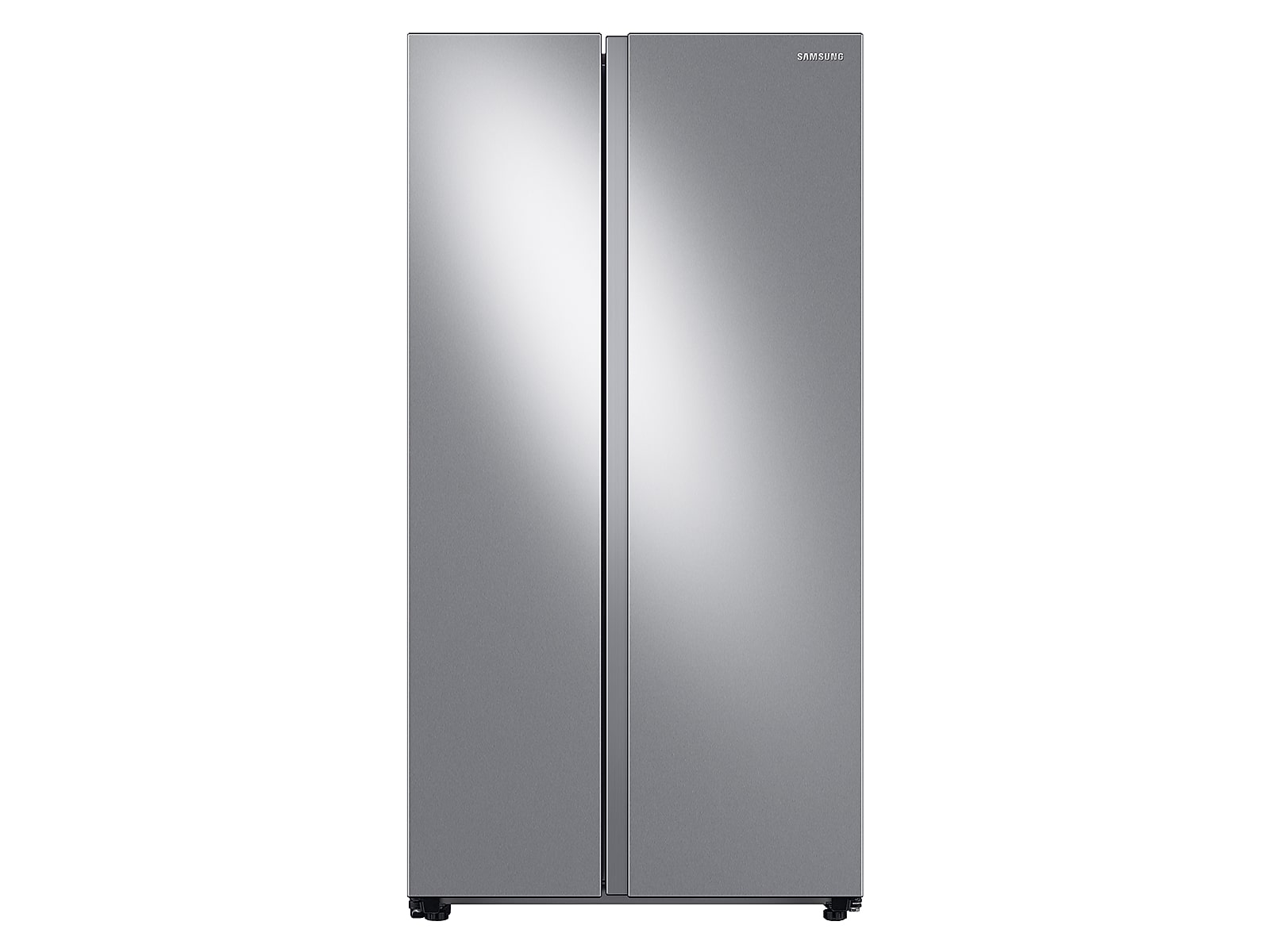
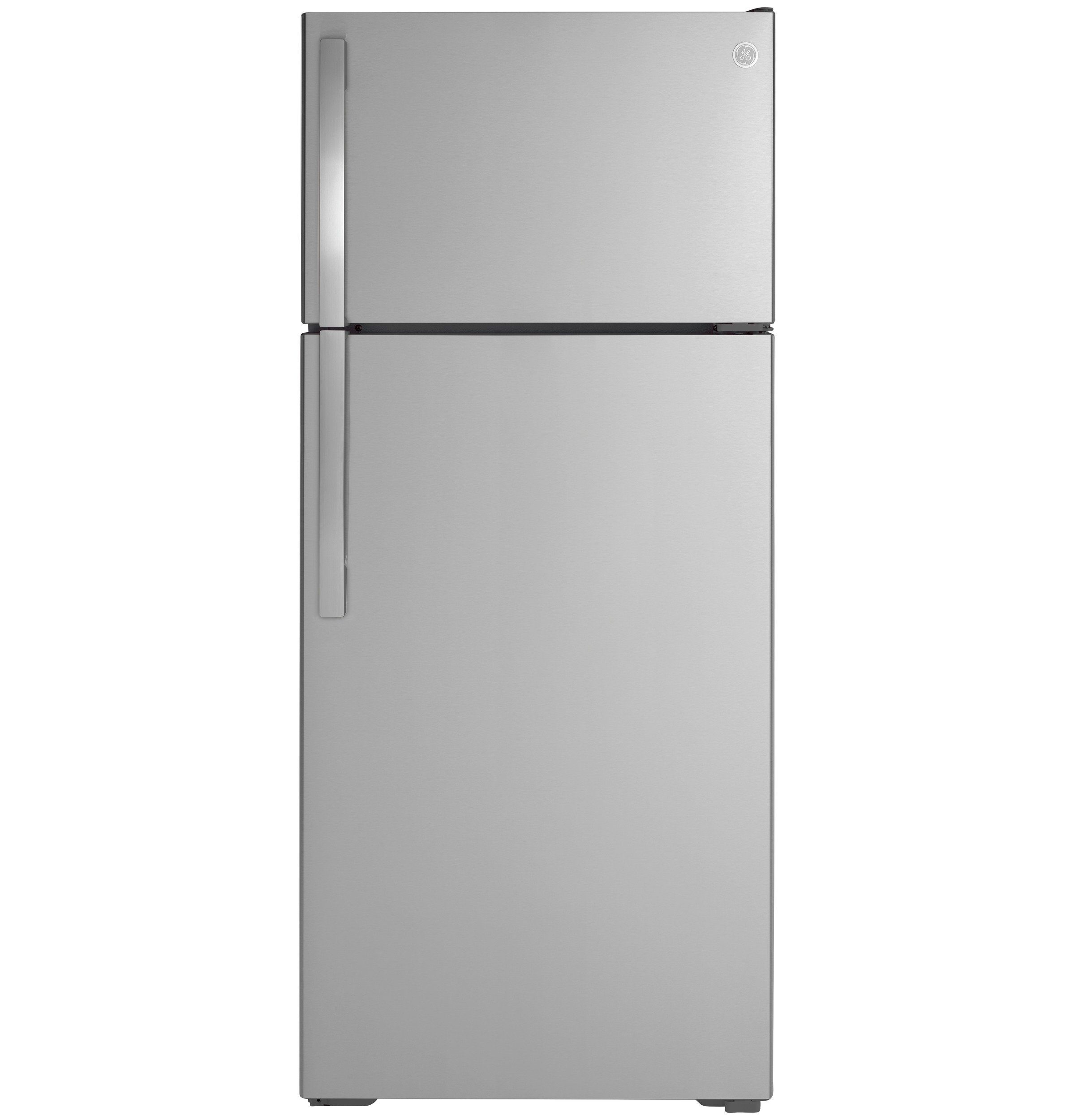
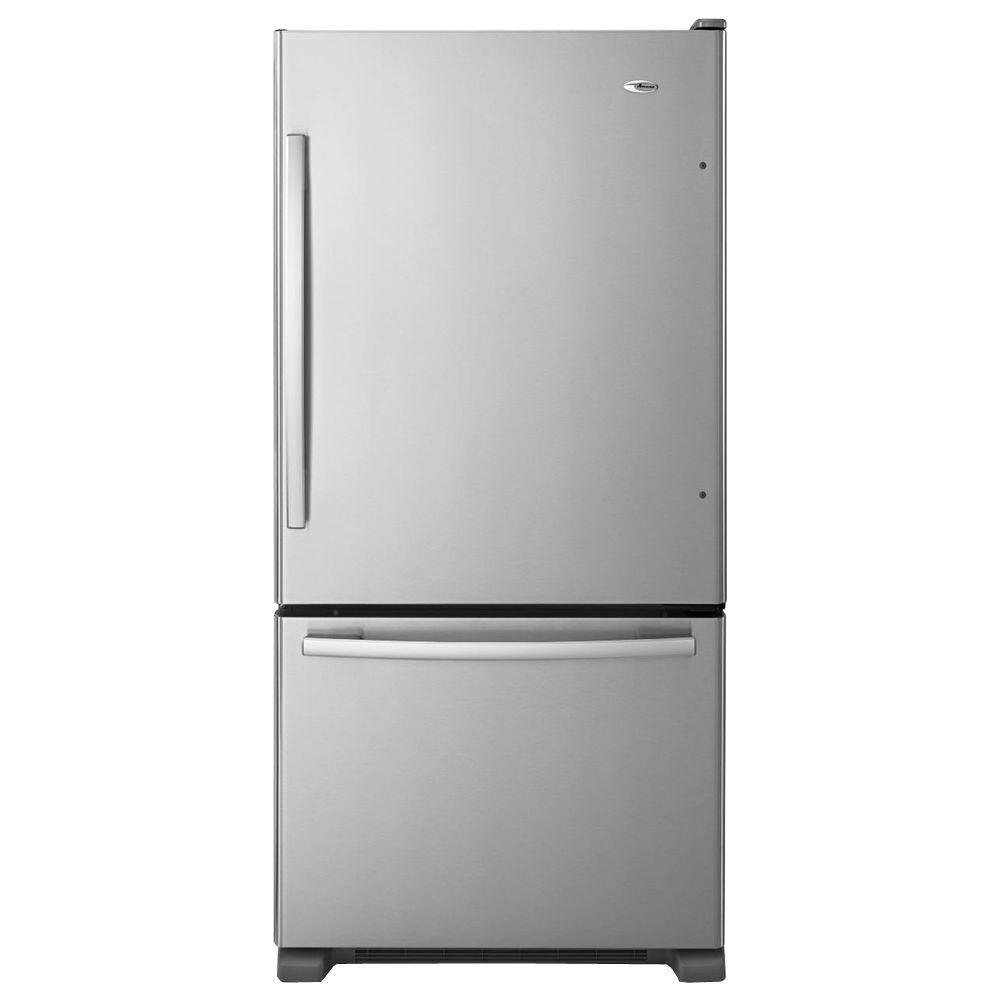
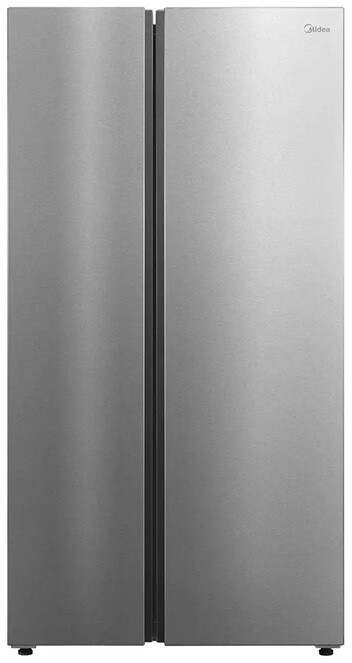
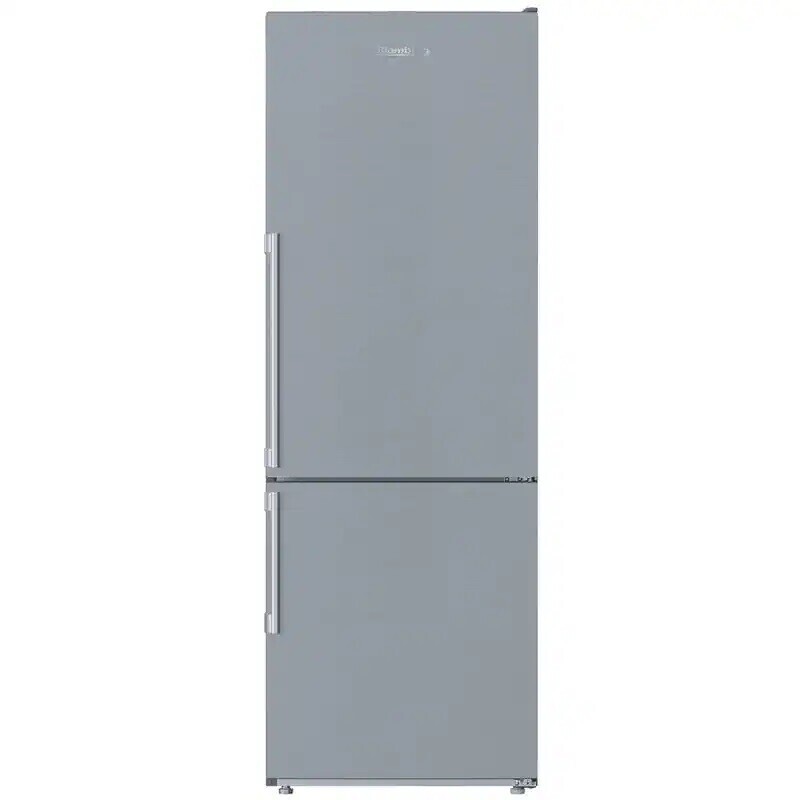
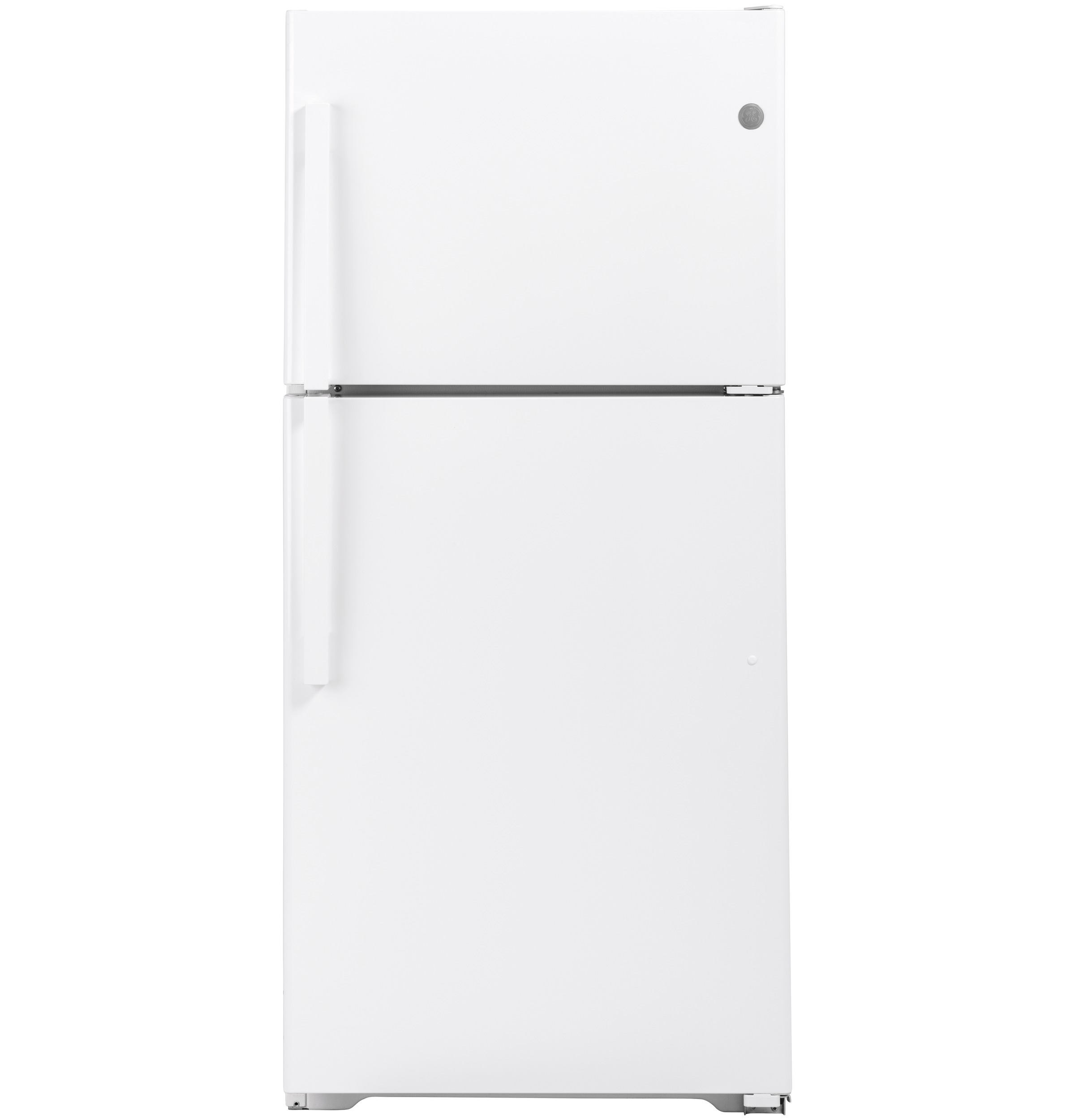
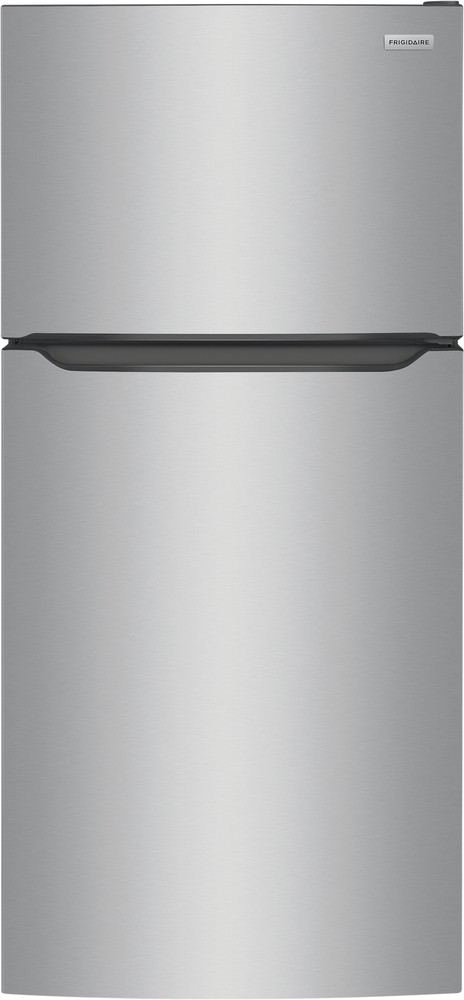
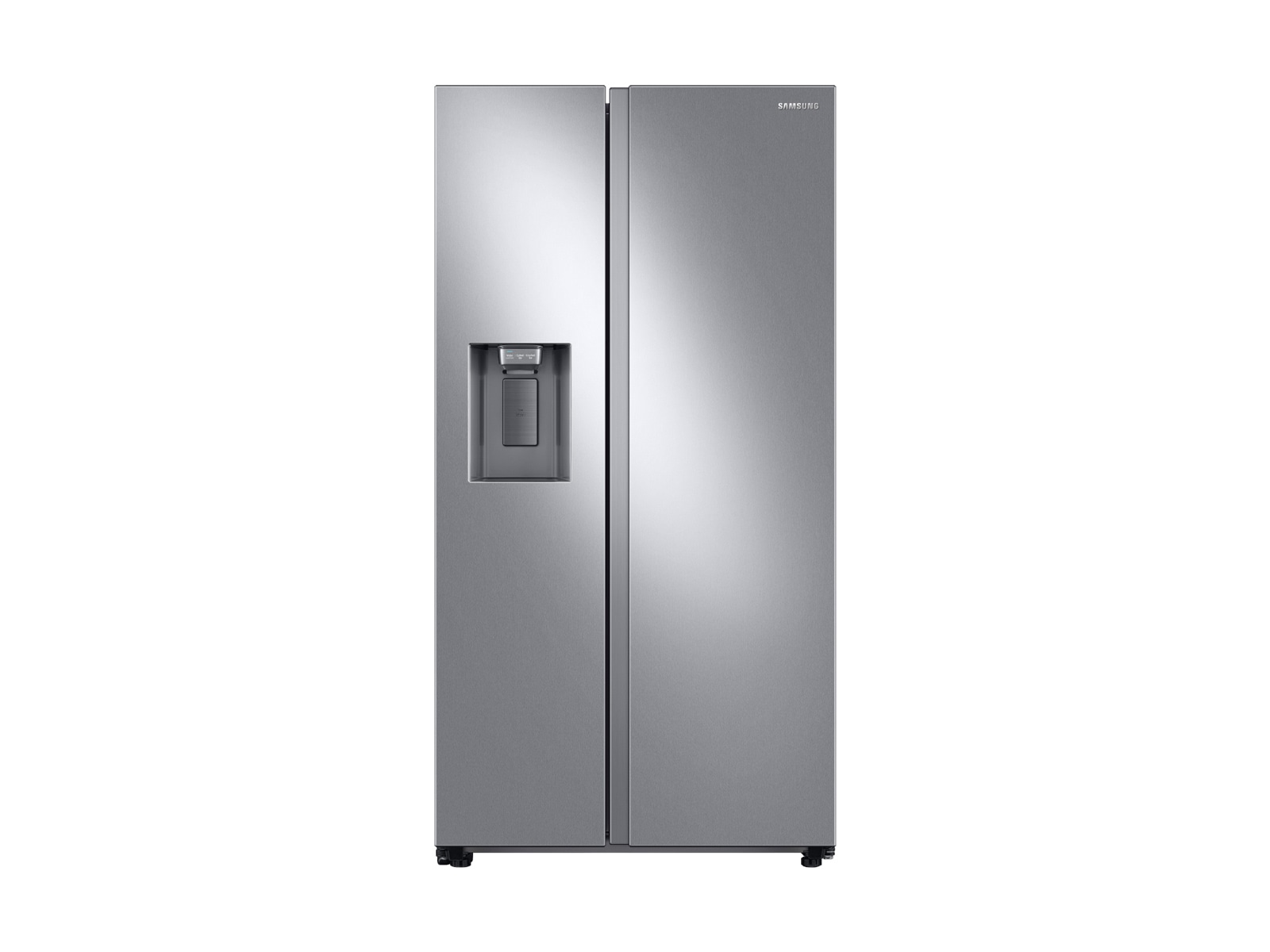
Built-in refrigerators are a popular choice for those looking to achieve a seamless and integrated look in their kitchen. Designed to fit flush with your cabinetry, these refrigerators offer both aesthetic appeal and functional benefits. In this section, Fridge.com will explore what sets built-in refrigerators apart and the advantages of choosing one for your home.
What Sets Built-In Refrigerators Apart?
Built-in refrigerators are distinct from their freestanding counterparts in several key ways. The most notable difference is their installation method. Built-in refrigerators are designed to be built into your cabinetry, creating a streamlined and cohesive look in your kitchen. This design choice allows for a more custom and high-end appearance, often preferred by homeowners and designers alike.
Another distinguishing feature is their size and depth. Built-in refrigerators typically have a depth that aligns with standard cabinetry, providing a counter-depth appearance. This design not only enhances the overall aesthetic of your kitchen but also maximizes space efficiency.
Built-in refrigerators often come with customizable panel options, allowing you to match the exterior with your kitchen cabinets. This level of customization is not typically available with freestanding models, making built-in refrigerators a preferred choice for those seeking a tailored look. For more detailed information on built-in refrigerators, you can visit Fridge.com page on built in refrigerators.
Benefits of Choosing a Built-In Refrigerator
Opting for a built-in refrigerator offers numerous benefits, making it an attractive choice for many homeowners. Below are some of the key advantages:
Enhanced Aesthetics
One of the primary reasons people choose built-in refrigerators is the enhanced aesthetics they offer. By blending seamlessly with your cabinetry, built-in refrigerators create a clean and sophisticated look in your kitchen. This integration can elevate the overall design and value of your home.
Space Efficiency
Built-in refrigerators are designed to maximize space efficiency. Their counter-depth design ensures that they do not protrude beyond your cabinetry, allowing for better flow and functionality in your kitchen. This is particularly beneficial in smaller kitchens where space is at a premium.
Customization Options
Built-in refrigerators come with a variety of customization options, including panel-ready designs that allow you to match the refrigerator's exterior to your cabinetry. This level of customization is ideal for those looking to create a cohesive and personalized kitchen design. For more on customization, check out Fridge.com article on built in refrigerator panel ready.
Advanced Features
Built-in refrigerators often come equipped with advanced features and technologies that enhance their performance and convenience. These features may include precise temperature control, superior interior organization, and energy-efficient operation. For a detailed look at these features, visit Fridge.com section on features to look for.
Feature
Benefit
Custom Panel Ready
Matches kitchen cabinetry for a seamless look
Counter-Depth Design
Maximizes space efficiency
Advanced Temperature Control
Ensures optimal food preservation
Choosing a built-in refrigerator can significantly enhance the functionality and aesthetics of your kitchen. Whether you are renovating your existing kitchen or designing a new one, a built-in refrigerator is a worthwhile investment that offers both practical and visual benefits. For more insights, explore Fridge.com related articles on 42 inch built in refrigerator and built in fridge cabinet.
When selecting a built-in refrigerator, several key factors come into play to ensure it meets your needs and integrates seamlessly into your space.
Size and Dimensions
Choosing the right size and dimensions is crucial for a built-in refrigerator. The "42 inch" specification typically refers to the width of the unit. You must also consider the height and depth to ensure proper fit and functionality.
Measurement
Standard Dimensions (inches)
Width
42
Height
84
Depth
24 - 26
A precise measurement of the available space in your kitchen is essential. Make sure to account for door clearance and ventilation needs. For more information on different sizes, visit Fridge.com article on 42 inch built in refrigerator.
Installation Requirements
Built-in refrigerators require specific installation conditions compared to freestanding models. These units are designed to fit flush with cabinetry, creating a seamless look. Ensure you have the necessary electrical and water connections in place if your refrigerator includes an ice maker or water dispenser.
Consider the following installation requirements:
Cabinet Cutout Dimensions: Ensure the cutout dimensions match the refrigerator size.
Ventilation: Built-in units need proper ventilation to function efficiently. Check the manufacturer's guidelines.
Flooring: The flooring should support the refrigerator's weight and allow for easy movement during installation.
Budget plays a significant role in your decision-making process. Built-in refrigerators are generally more expensive than freestanding models due to their custom fit and advanced features. It's essential to balance cost with the features you need.
Expense
Approximate Cost ($)
Refrigerator Unit
$5,000 - $10,000
Installation
$500 - $1,000
Cabinet Modification
$300 - $1,000
Maintenance
$100 - $300 annually
Keep in mind that additional costs may arise for custom paneling, extended warranties, and regular maintenance. For more insights on budget-friendly options, check Fridge.com article on built in refrigerator and freezer.
By considering these factors, you can make an informed decision when choosing a built-in refrigerator, ensuring it fits your space, meets your requirements, and aligns with your budget. For more tips and advice, explore Fridge.com related articles on built in fridges and built in french door refrigerator.
Design and Style Options
When selecting a built-in refrigerator, design and style play a significant role in how well the appliance integrates with your kitchen. Here, Fridge.com explores three popular options: custom panel ready, stainless steel finish, and French door Vs. side-by-side.
Custom Panel Ready
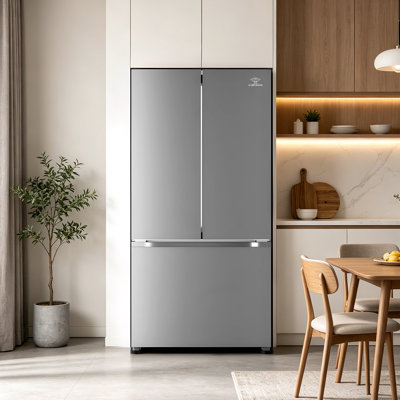
A custom panel ready built-in refrigerator allows you to match the appliance with your kitchen cabinetry. This option provides a cohesive and seamless look, making the refrigerator blend in perfectly with your kitchen design. This design flexibility is ideal for those who prioritize aesthetics and want their kitchen to have a uniform appearance.
Advantages:
Seamless integration with cabinetry
Customizable to match any kitchen style
Can be designed to hide the refrigerator completely
Considerations:
May require professional installation
Can be more expensive due to custom panels
For more information on custom panel ready options, visit our built in refrigerator panel ready guide.
Stainless Steel Finish
Stainless steel finish built-in refrigerators are a classic and popular choice. They offer a sleek, modern look that complements various kitchen styles, from contemporary to traditional. Stainless steel is also known for its durability and ease of cleaning, making it a practical option for busy households.
Advantages:
Modern, sleek appearance
Durable and easy to clean
Resists fingerprints and smudges
Considerations:
May not blend seamlessly with cabinetry
Can show scratches over time
For more insights on stainless steel finishes, check out our built in fridge article.
French Door Vs. Side-by-Side
When it comes to door configurations, French door and side-by-side are two popular styles for built-in refrigerators. Each has its own set of benefits and considerations.
French Door
French door refrigerators feature two doors that open outward, with the freezer compartment located at the bottom. This design offers wide shelves and easy access to fresh food items.
Advantages:
Wide, spacious shelves
Convenient access to fresh food at eye level
Modern and stylish design
Considerations:
Freezer space may be less accessible
May require more clearance for door swing
Side-by-Side
Side-by-side refrigerators have two vertical doors, with the fridge and freezer compartments placed next to each other. This design allows for easy access to both fresh and frozen items.
Choosing the right design and style for your built-in refrigerator can enhance both the functionality and aesthetics of your kitchen. Whether you prefer a custom panel ready, stainless steel finish, or specific door configuration, there are plenty of options to suit your needs. For more details on different built-in refrigerator styles, explore Fridge.com comprehensive guides on built in refrigerators.
When choosing a built-in refrigerator, several features can make a significant difference in performance and convenience. Here are the key features you should consider.
Temperature Control Options
Temperature control is crucial for maintaining the freshness and longevity of your food. Look for a built-in refrigerator with adjustable temperature settings. Many modern models come with advanced temperature control options, allowing you to set precise temperatures for different compartments.
Feature
Description
Adjustable Thermostats
Allows setting different temperatures for various sections
Dual Cooling Systems
Separate cooling for the fridge and freezer compartments
Digital Temperature Display
Provides precise control and monitoring
Interior Organization and Storage
Effective interior organization can make a world of difference in how you store and access your food. Built-in refrigerators often come with a variety of storage solutions designed to maximize space and keep your items well-organized.
Feature
Description
Adjustable Shelves
Customize the interior space to accommodate larger items
Door Bins
Provide additional storage for bottles and condiments
Crisper Drawers
Keep fruits and vegetables fresh for longer
Pull-Out Trays
Easy access to items stored at the back
Energy Efficiency
Energy efficiency is not only good for the environment but also helps reduce your utility bills. When selecting a built-in refrigerator, check its energy efficiency rating. Energy-efficient models consume less electricity while maintaining optimal performance.
Feature
Description
LED Lighting
Consumes less energy and provides better illumination
Inverter Compressor
Adjusts cooling power based on usage, saving energy
For more information on selecting the best built-in refrigerator, explore Fridge.com articles on built in refrigerators and built in fridge freezer. Understanding these features will help you make an informed decision, ensuring your refrigerator meets your needs and enhances your kitchen experience.
Proper maintenance and care of your built-in refrigerator 42 can extend its lifespan and ensure optimal performance. Here are some essential tips to keep your appliance in top shape.
Cleaning and Defrosting
Regular cleaning and defrosting are crucial for maintaining the efficiency of your built-in refrigerator. Follow these steps to keep your appliance clean:
Unplug the Refrigerator: Ensure safety by disconnecting the power.
Remove Contents: Take out all food items and removable shelves or drawers.
Clean Interior Surfaces: Use a mixture of mild detergent and warm water to clean the interior surfaces. A soft cloth or sponge works best.
Defrost Regularly: If your refrigerator doesn't have an auto-defrost feature, manually defrost it when ice builds up to about 1/4 inch thick. Place towels around the base to catch melting ice.
By following these tips, you can ensure your built-in refrigerator 42 remains efficient and reliable for years to come. Proper care and maintenance not only improve performance but also enhance the longevity of your appliance.
Installation Process
Installing a built-in refrigerator can be a meticulous process, but with proper preparation and understanding, it can be seamlessly integrated into your kitchen. Here are detailed steps to guide you through the process.
Preparing the Space
Before installing your built-in refrigerator, it's crucial to prepare the designated space. Measure the area to ensure it can accommodate the dimensions of a 42-inch built-in refrigerator.
Measure the Dimensions: Ensure the width, height, and depth of the space match the specifications of the refrigerator.
Check Electrical and Plumbing: Confirm that there are appropriate electrical outlets and water lines (if the refrigerator has a water dispenser or ice maker) within reach.
Ventilation: Provide adequate ventilation space around the refrigerator to prevent overheating.
Step
Action
1
Measure the dimensions of the space
2
Check for electrical and water line connections
3
Ensure proper ventilation
Hiring a Professional Vs. DIY Installation
Deciding between hiring a professional or opting for a DIY installation depends on your comfort level and experience with home improvement projects.
Professional Installation: Professionals have the expertise to handle the installation process efficiently. They ensure that the refrigerator is installed correctly and safely, minimizing the risk of damage.
DIY Installation: If you have experience with appliance installation, you can follow the manufacturer's instructions. Ensure you have the necessary tools and a helper to assist with moving and positioning the refrigerator.
Option
Pros
Cons
Professional
Expert installation, Warranty protection
Higher cost
DIY
Cost savings, Personal satisfaction
Risk of improper installation
Safety Precautions and Guidelines
Safety should be a top priority during the installation process. Follow these guidelines to ensure a safe and successful installation:
Turn Off Power: Before beginning, turn off the power supply to the area where the refrigerator will be installed.
Use Proper Tools: Utilize the correct tools for the job to avoid accidents or damage.
Follow Manufacturer Instructions: Adhere to the installation instructions provided by the manufacturer to ensure proper setup.
Lift Safely: Use proper lifting techniques and equipment, such as a dolly, to move the refrigerator into place.
Secure the Refrigerator: Once in position, ensure the refrigerator is level and secure to prevent tipping or movement.
For additional tips on integrating your refrigerator into your kitchen, check out Fridge.com articles on blending in with cabinetry and creating a seamless look.
By carefully preparing the space, deciding on professional or DIY installation, and following safety guidelines, you can successfully install your built-in refrigerator and enjoy its benefits for years to come.
Integrating a built-in refrigerator into your kitchen design can elevate the overall aesthetics and functionality of your space. Here, Fridge.com will explore how to blend your appliance with cabinetry, create a seamless look, and enhance your kitchen's visual appeal.
Blending In with Cabinetry
One of the key advantages of a built-in refrigerator is its ability to blend seamlessly with your kitchen cabinetry. By choosing a custom panel ready model, you can match the refrigerator doors to your existing cabinets, creating a cohesive look. This design approach makes the appliance appear as an integral part of the kitchen rather than a standalone unit.
Type
Description
Custom Panel Ready
Allows for custom panels to match cabinetry
Stainless Steel
Provides a sleek, modern look
French Door
Offers easy access with a stylish appearance
Side-by-Side
Maximizes storage and accessibility
To achieve this, you can work with a cabinetmaker to design and install custom panels for your refrigerator. This process involves precise measurements and careful planning to ensure the panels fit perfectly and align with your cabinet doors.
Creating a Seamless Look
A seamless look in your kitchen can be achieved by ensuring that your built-in refrigerator aligns perfectly with your cabinetry and countertops. This often involves considering the depth of the refrigerator to ensure it sits flush with the surrounding surfaces.
Another aspect of creating a seamless look is selecting the right hardware. Matching the refrigerator handles with your cabinet handles can further enhance the integrated appearance. Additionally, opting for a built-in model with hidden hinges and minimal gaps can contribute to a more polished and unified look.
Enhancing Your Kitchen Aesthetics
Incorporating a built-in refrigerator can significantly enhance your kitchen's aesthetics. By choosing a finish that complements your kitchen's style, you can create a visually appealing and cohesive design. Stainless steel finishes, for example, offer a sleek, modern look that can complement contemporary kitchens, while custom panel ready options provide a more traditional or transitional appearance.
Finish
Aesthetic
Stainless Steel
Modern, sleek
Custom Panel Ready
Traditional, integrated
French Door
Elegant, accessible
Side-by-Side
Functional, spacious
In addition to choosing the right finish, consider the layout and organization of your kitchen. Placing the built-in refrigerator in a location that is easily accessible and functional can enhance the overall flow of your kitchen. This can be particularly important for home chefs and those who frequently entertain, as it ensures that the refrigerator is conveniently located for food preparation and storage.
By focusing on these aspects, you can successfully integrate a built-in refrigerator into your kitchen, creating a space that is both functional and visually appealing. For more details on the benefits and features of built-in refrigerators, visit Fridge.com articles on built in refrigerators and refrigerator built in.
Compare refrigerator prices on Fridge.com
Compare current prices and specifications on Fridge.com, then buy from the retailer you choose; delivery, installation and warranty terms are the retailer’s.
It also has tons of awesome articles about kitchen stuff and home news. Enhance your home, garage, backyard, patio, and office with the coolest essentials. With every necessary type of residential refrigerator or freezer in the collection, you're covered.
Frequently Asked Questions
Built-in refrigerators are distinct from their freestanding counterparts in several key ways. The most notable difference is their installation method. Built-in refrigerators are designed to be built into your cabinetry, creating a streamlined and cohesive look in your kitchen. This design choice allows for a more custom and high-end appearance, often preferred by homeowners and designers alike. Another distinguishing feature is their size and depth. Built-in refrigerators typically have a depth that aligns with standard cabinetry, providing a counter-depth appearance. This design not only enhances the overall aesthetic of your kitchen but also maximizes space efficiency. Built-in refrigerators often come with customizable panel options, allowing you to match the exterior with your kitchen cabinets. This level of customization is not typically available with freestanding models, making built-in refrigerators a preferred choice for those seeking a tailored look. For more detailed information on built-in refrigerators, you can visit Fridge.com page on built in refrigerators.