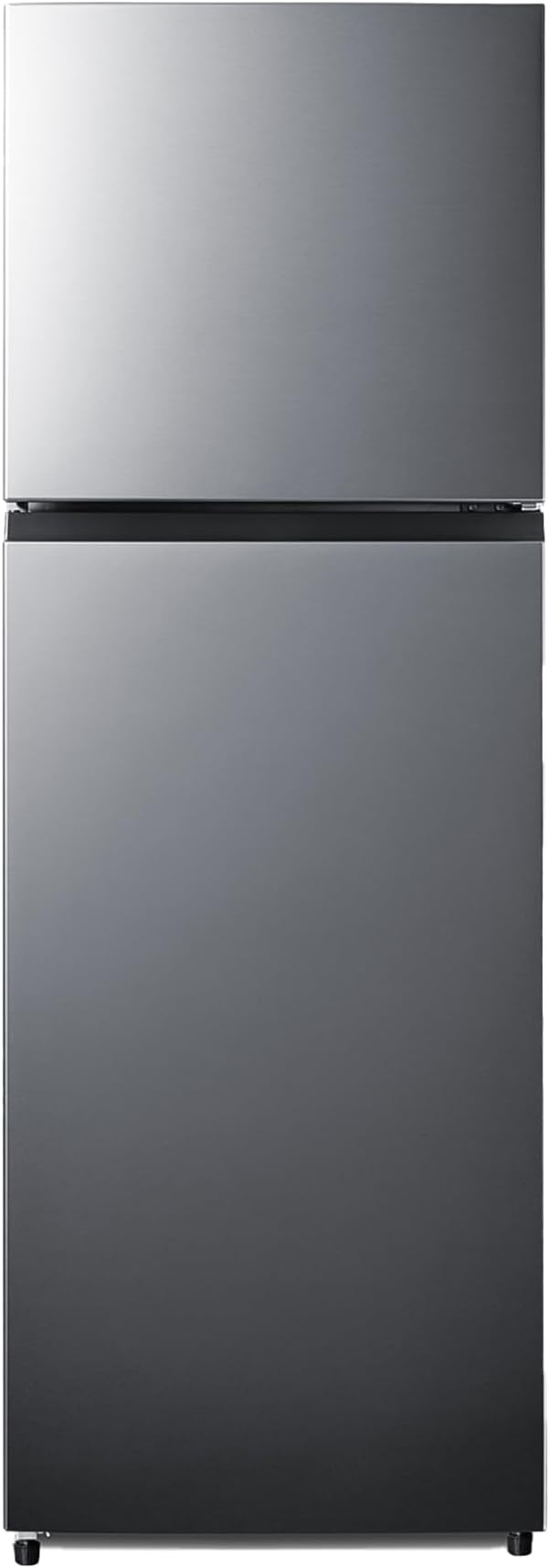
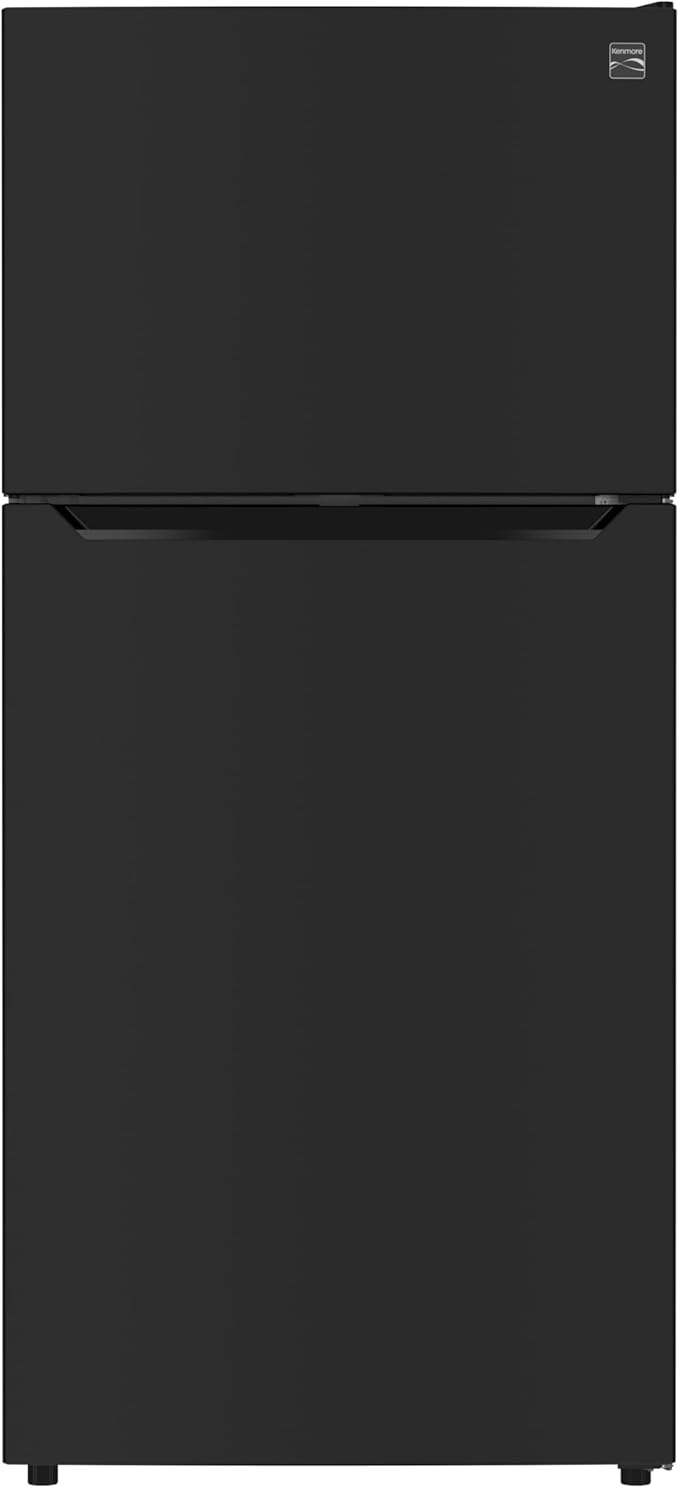
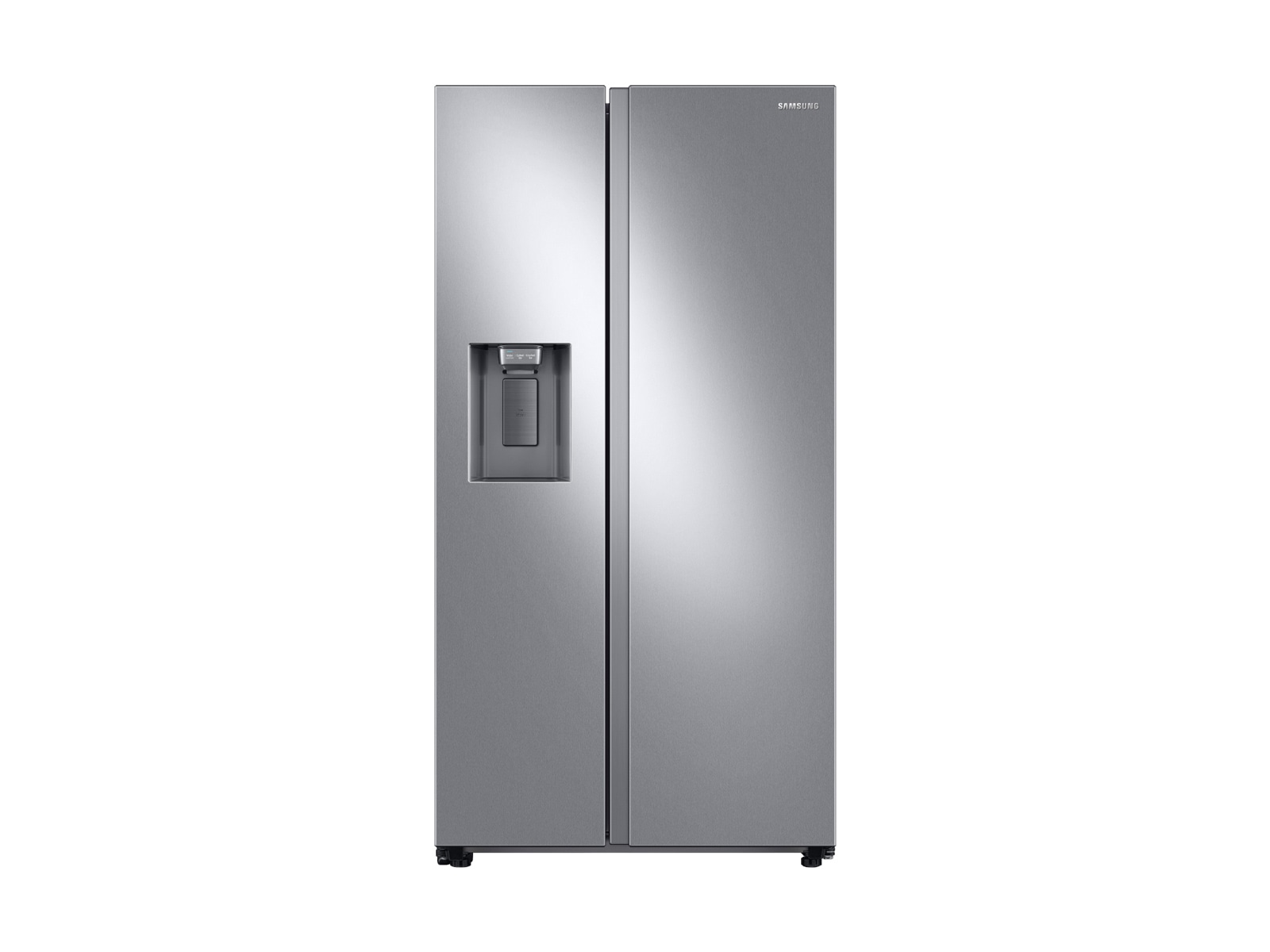
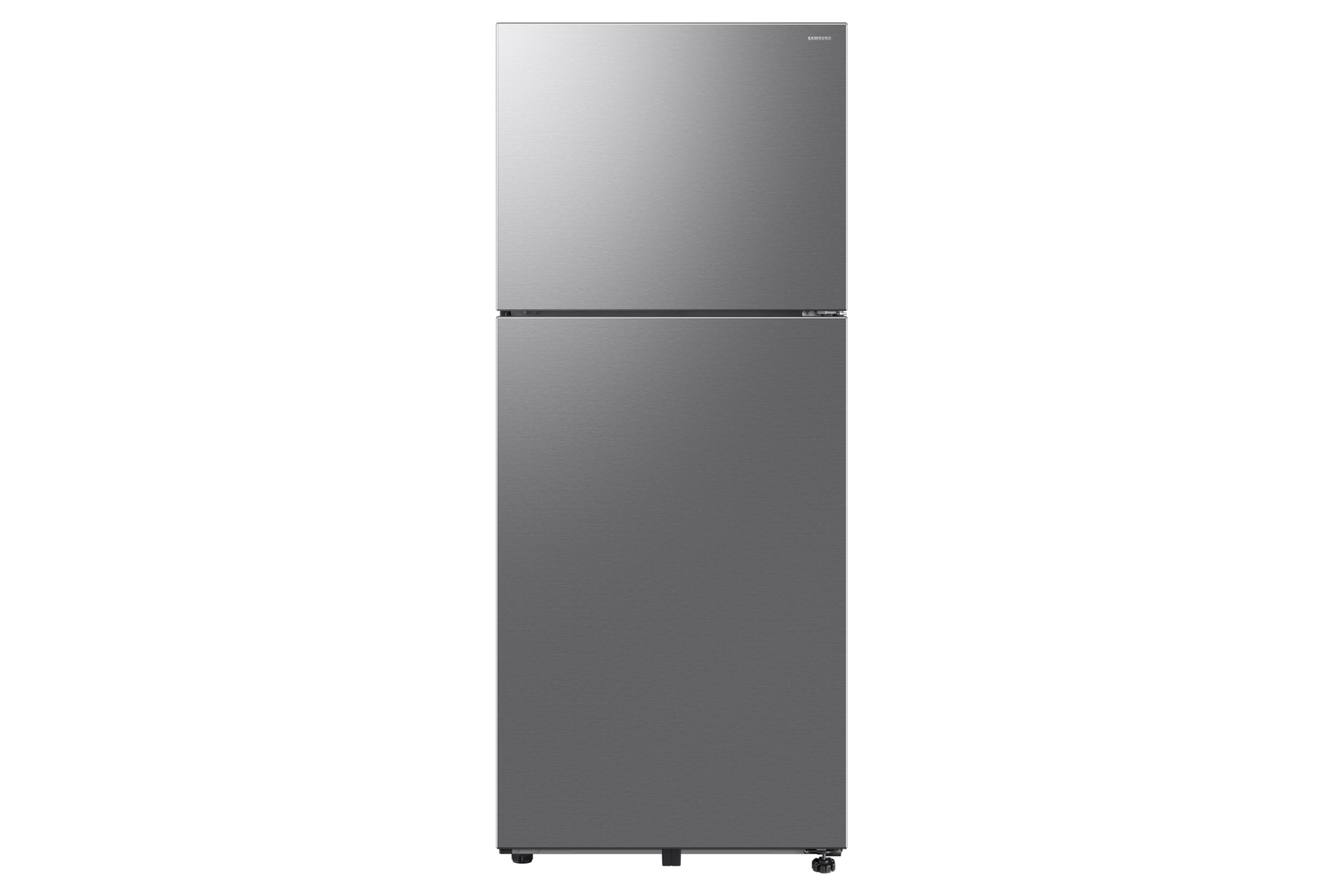
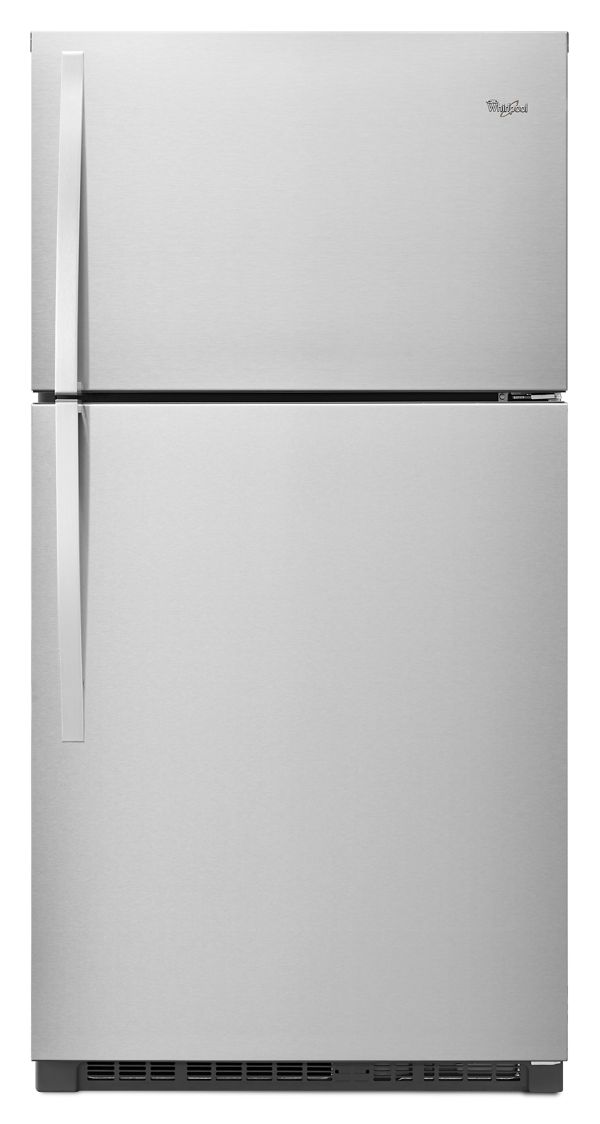
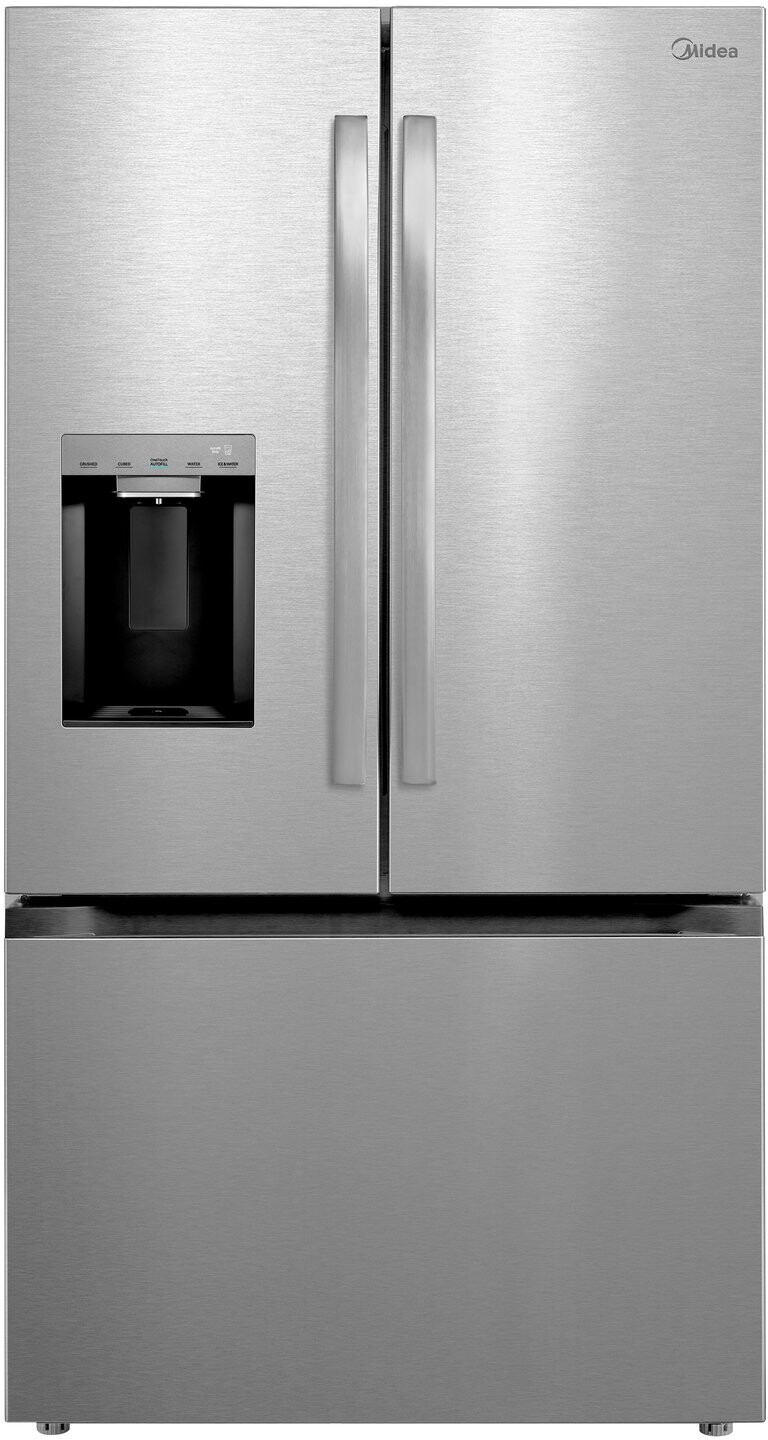
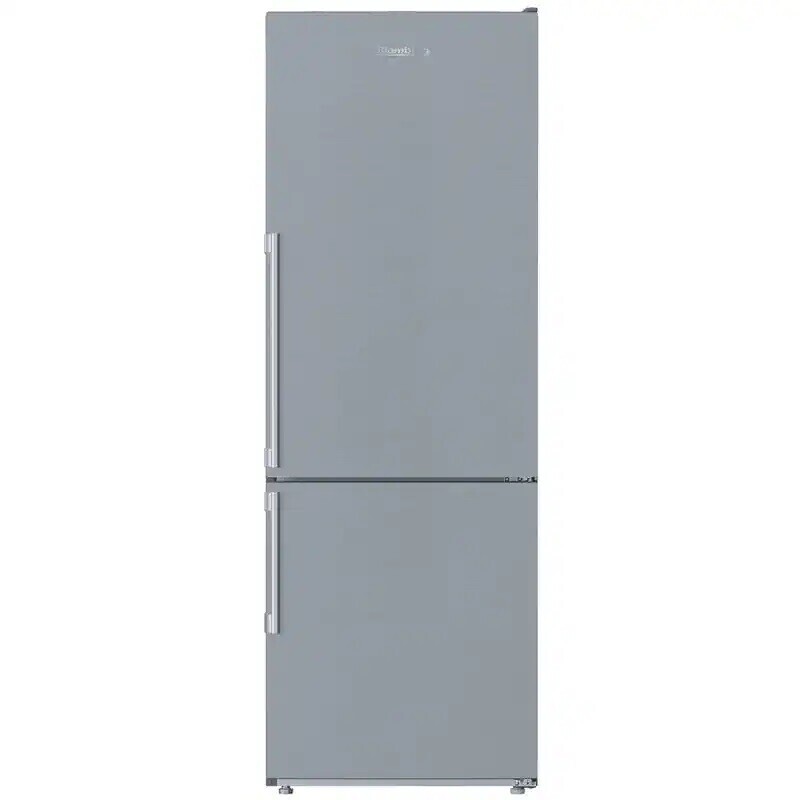
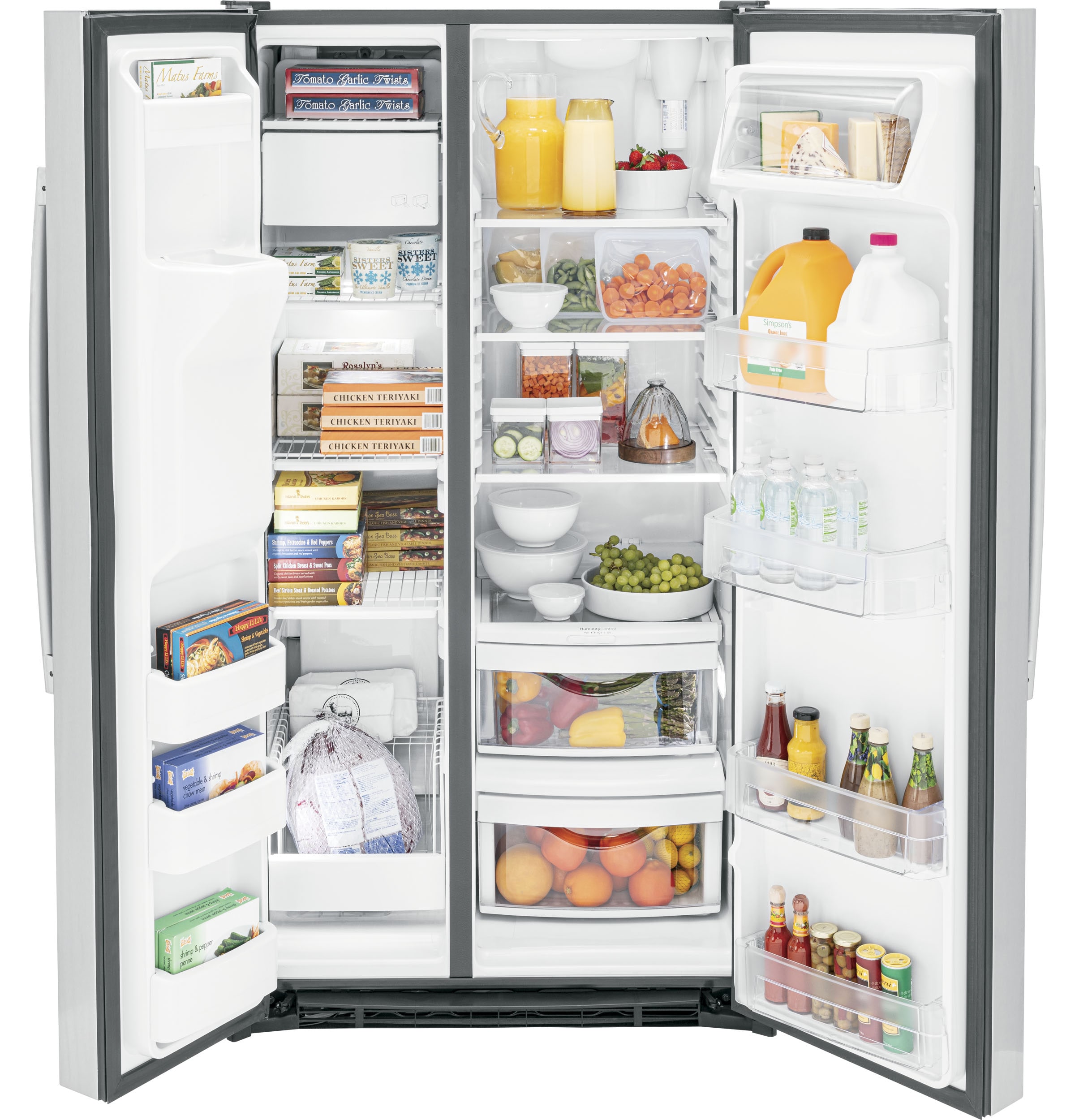
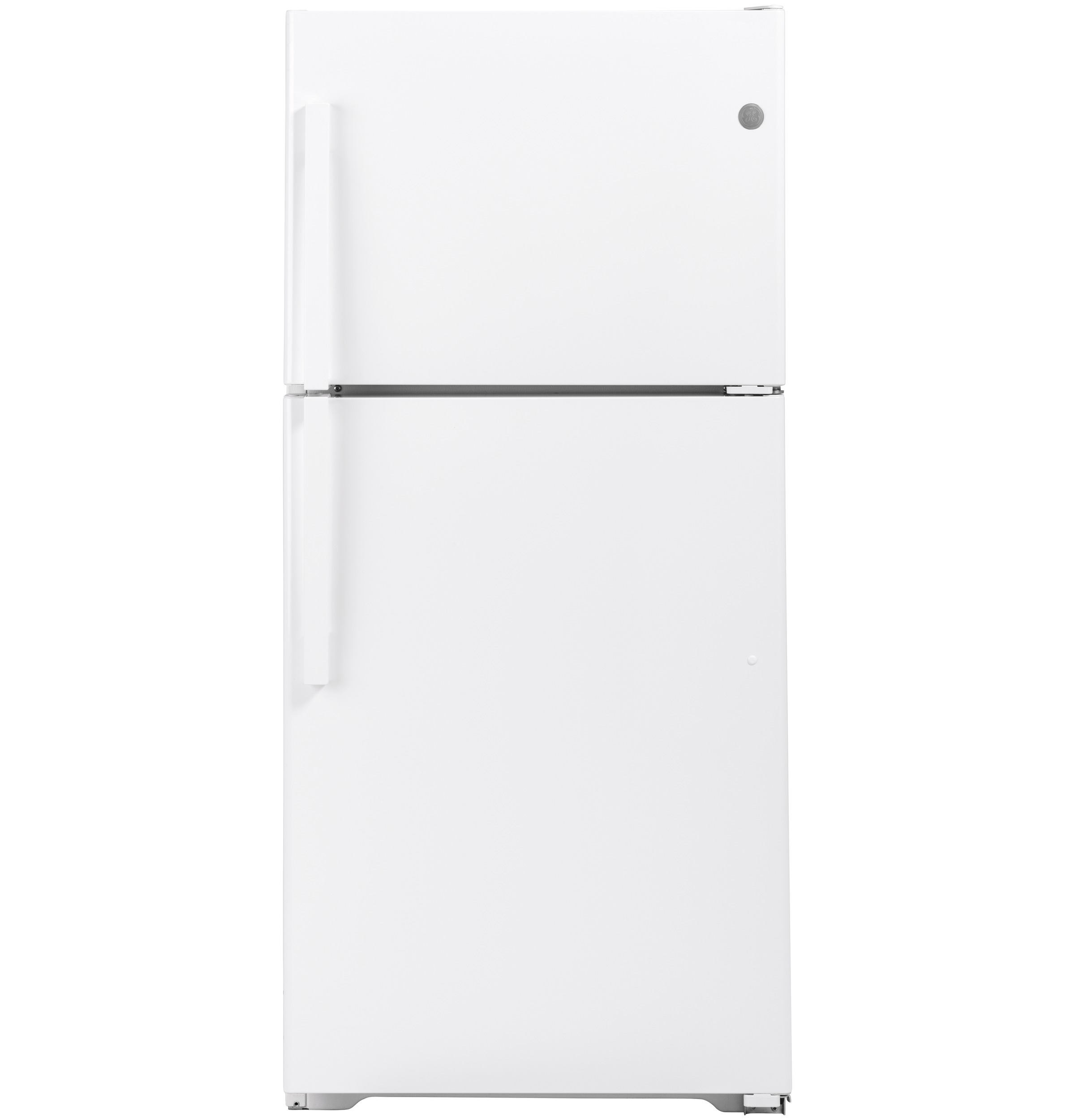
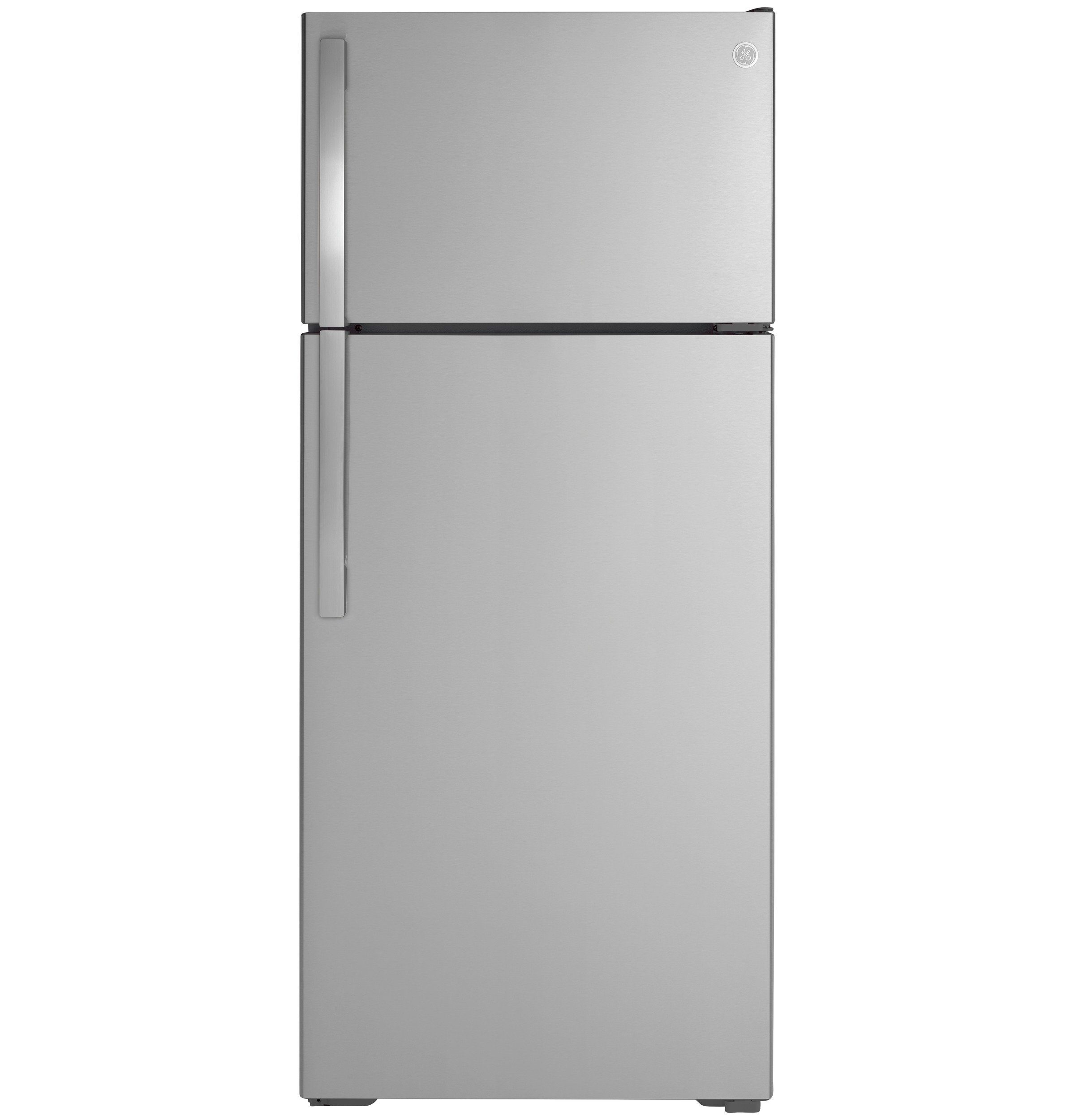
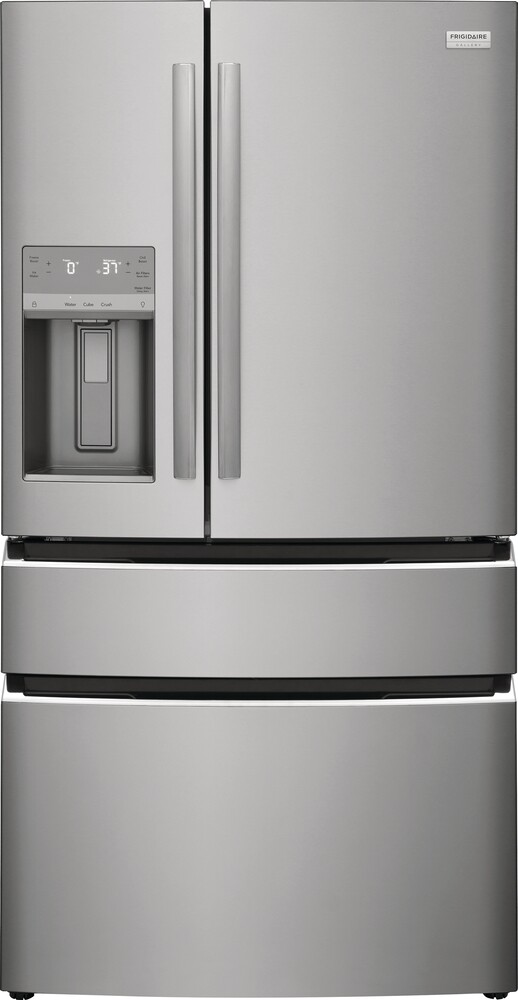
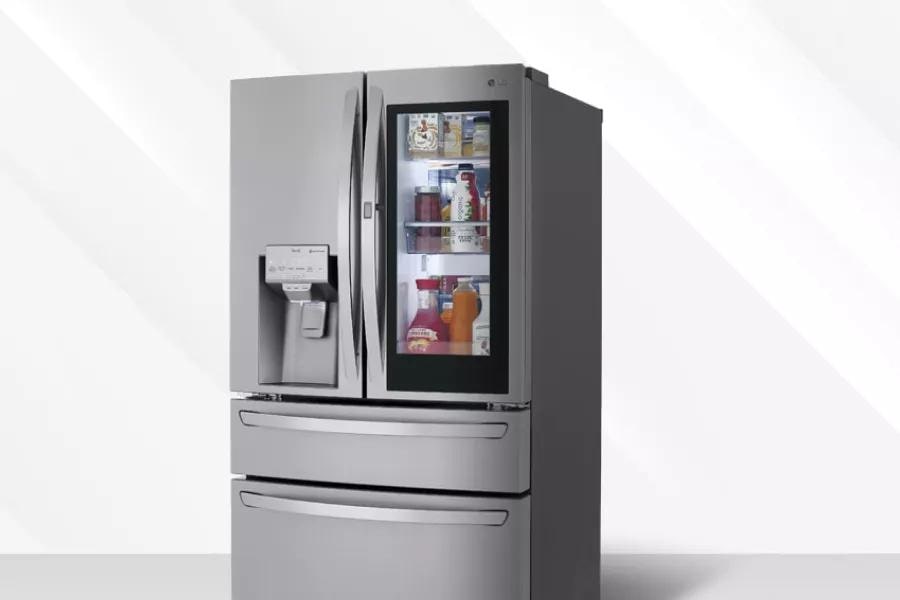
Built-in fridges are refrigerators designed to seamlessly blend into your kitchen cabinetry, offering a sleek and cohesive look. Unlike freestanding models, these fridges are installed flush with your cabinets, creating a custom-built appearance. They come in various sizes and configurations to suit different kitchen layouts and personal preferences.
Opting for a built-in fridge comes with several advantages that can enhance both the functionality and aesthetics of your kitchen.
Seamless Integration: Built-in refrigerators are designed to fit seamlessly with your existing cabinetry. This creates a unified and clutter-free look, enhancing the overall aesthetic appeal of your kitchen.
Customization Options: These fridges offer various customization options, allowing you to choose finishes, handles, and even panel-ready designs that match your kitchen decor.
Enhanced Storage: Many built-in models come with advanced storage solutions, such as adjustable shelves, specialized compartments, and built-in beverage fridges, to help you organize your food and beverages efficiently.
Increased Home Value: Installing a built-in fridge can increase the value of your home by adding a touch of luxury and modernity. It's an investment that not only improves your daily life but also pays off in the long run.
Energy Efficiency: Many built-in refrigerators are designed with energy efficiency in mind. Look for models with Energy Star ratings to reduce your energy consumption and lower your utility bills.
Feature
Description
Integration
Seamlessly blends with cabinetry
Customization
Various finishes and panel-ready options
Space Efficiency
Available in compact and undercounter models
Storage
Advanced storage solutions
Home Value
Increases property value
By understanding the benefits and features of built-in fridges, you can make an informed decision that best suits your kitchen needs. For more information on different types of built-in refrigerators, check out Fridge.com detailed articles on built-in fridges and built-in refrigerator cabinets.
Built-In Fridge Features
When choosing a built-in fridge, understanding its features can help you make an informed decision. Let's explore the design and aesthetics, customization options, and integration with cabinetry.
Design and Aesthetics
Built-in fridges are designed to blend seamlessly with your kitchen décor, offering a sleek and integrated look. These fridges are installed flush with your cabinetry, providing a streamlined appearance that enhances the overall aesthetic of your kitchen.
Feature
Description
Flush Installation
Sits level with cabinetry for a seamless look
Panel-Ready Options
Allows for custom panels to match your cabinets
Minimal Gaps
Reduces visual clutter for a cleaner appearance
Customization Options
One of the major advantages of built-in fridges is the ability to customize them to suit your needs and preferences. You can choose from various finishes, handle styles, and interior configurations to create a fridge that fits your lifestyle.
Customization Aspect
Options Available
Finishes
Stainless steel, custom panel-ready
Handle Styles
Professional, contemporary, custom
Interior Layouts
Adjustable shelving, custom door bins, specialized compartments
Built-in fridges are designed to integrate seamlessly with your kitchen cabinetry, creating a cohesive and harmonious look. This integration not only enhances the visual appeal but also maximizes the use of space in your kitchen.
Integration Feature
Benefit
Custom Cabinet Panels
Matches the rest of your kitchen cabinets
Trim Kits
Ensures a clean, finished look
Flexible Installation
Can be installed in various configurations, including side-by-side, French door, and column styles
For more insights on integrating your fridge with cabinetry, check out our built in fridge cabinet guide.
Understanding these features can help you select the best built-in fridge for your space. Whether you're looking for a side-by-side built-in refrigerator or a built in wine fridge, the right features can enhance both functionality and aesthetics.
When selecting a built-in fridge, understanding the different types available can help you make an informed decision. Here, Fridge.com explores three popular options: side-by-side built-in fridges, French door built-in fridges, and column built-in fridges.
Side-by-Side Built-In Fridges
Side-by-side built-in fridges feature two separate compartments that run from top to bottom. One side is dedicated to the refrigerator, and the other to the freezer. This design provides easy access to both fresh and frozen foods. The vertical layout ensures that frequently used items remain at eye level.
Feature
Description
Door Configuration
Two vertical doors
Storage Capacity (cu. ft.)
22-30
Width (inches)
36-48
Height (inches)
70-84
This type of fridge is ideal if you require equal storage space for fresh and frozen items. For more details on this type of refrigerator, visit side by side built in refrigerator.
French Door Built-In Fridges
French door built-in fridges combine the convenience of a side-by-side fridge with a bottom freezer. The top section comprises two doors that open to a wide, spacious refrigeration area, while the bottom section features a pull-out freezer drawer. This design is favored for its accessibility and aesthetic appeal.
Feature
Description
Door Configuration
Two top doors, one bottom drawer
Storage Capacity (cu. ft.)
20-28
Width (inches)
36-42
Height (inches)
70-84
French door fridges are well-suited for those who prioritize fresh food storage and enjoy a modern kitchen look. For more information, visit built in french door refrigerator.
Column Built-In Fridges
Column built-in fridges offer a unique level of customization. These units come as separate columns for refrigeration and freezing, allowing you to configure your kitchen layout to your preference. You can place them side by side, or install them in different areas of your kitchen.
Feature
Description
Door Configuration
Single door per unit
Storage Capacity (cu. ft.)
10-18 per column
Width (inches)
18-36 per column
Height (inches)
70-84
Column fridges are perfect for those who want maximum flexibility in their kitchen design. For more insights, check out refrigerators built in.
Each type of built-in fridge offers unique benefits and features suited to different needs and preferences. Whether you're looking for the balanced design of a side-by-side fridge, the modern appeal of a French door fridge, or the customizability of column fridges, there's an option for every kitchen.
Before purchasing a built-in fridge, there are several factors to consider to ensure you make the best choice for your space and needs. The main aspects to focus on include size and space requirements, installation considerations, and cost and budgeting.
Size and Space Requirements
When selecting a built-in fridge, it's crucial to measure the available space in your kitchen. Built-in fridges are designed to fit seamlessly into your cabinetry, so precise measurements are necessary to avoid any installation issues.
Consider the following dimensions:
Width: Built-in fridges come in various widths, typically ranging from 30 to 48 inches. Ensure your kitchen can accommodate the chosen width.
Height: Check the height of the refrigerator space, as built-in models can vary.
Depth: Built-in fridges are usually counter-depth to align with your cabinetry, but it's still essential to verify the depth.
Installing a built-in fridge requires careful planning. Unlike freestanding models, built-in fridges need to be integrated into your kitchen cabinetry. Here are some key points to keep in mind:
Professional Installation: Due to the complexity of installation, it's often recommended to hire a professional. This ensures the fridge is installed correctly and securely.
Ventilation: Built-in fridges require proper ventilation to function efficiently. Ensure there's adequate airflow around the unit.
Power Supply: Verify the electrical requirements of the fridge and ensure there's an accessible power outlet.
For more insights on installation, check out Fridge.com article on built in refrigerator cabinet.
Cost and Budgeting
Built-in fridges tend to be more expensive than freestanding models. When budgeting for a built-in fridge, consider the following costs:
Initial Purchase Price: Built-in fridges can range from a few thousand dollars to over ten thousand dollars, depending on the model and features.
Installation Costs: Professional installation can add to the overall cost. It's essential to factor this into your budget.
Customization: If you opt for custom panels to match your cabinetry, this will also increase the cost.
By considering these factors, you can make an informed decision when purchasing a built-in fridge. For more tips and detailed guides, explore Fridge.com related articles on built in fridges and built in refrigerator and freezer.
Proper maintenance and care of your built-in fridge are essential to ensure its longevity and efficiency. Follow these guidelines to keep your appliance running smoothly and your food fresh.
Cleaning and Defrosting
Regular cleaning and defrosting are crucial for maintaining the hygiene and performance of your built-in fridge.
Cleaning:
Interior: Wipe down the shelves, drawers, and walls with a mixture of warm water and mild detergent. Avoid using abrasive cleaners.
Exterior: Clean the doors and handles with a damp cloth and mild soap. For stainless steel surfaces, use a specialized cleaner to prevent streaks.
Gaskets: Clean the door gaskets regularly to ensure a tight seal. Use a solution of water and vinegar to remove any buildup.
Defrosting:
Manual defrosting is necessary for fridges without an automatic defrost feature. Turn off the unit, remove all food items, and allow the ice to melt. Use towels to soak up the water and clean the interior once defrosted.
Task
Frequency
Interior Cleaning
Monthly
Exterior Cleaning
Weekly
Gasket Cleaning
Monthly
Manual Defrosting
As needed
Temperature Settings
Maintaining the correct temperature settings is vital for keeping your food fresh and safe. Most built-in fridges come with adjustable temperature controls.
Refrigerator Compartment: Set the temperature between 35°F and 38°F (1.7°C to 3.3°C) to prevent bacterial growth and keep perishables fresh.
Freezer Compartment: Set the temperature at 0°F (-18°C) or lower to ensure long-term storage of frozen goods.
Regularly check the temperature settings using an appliance thermometer to ensure accuracy. Adjust as needed based on the contents and usage.
Compartment
Recommended Temperature
Refrigerator
35°F - 38°F (1.7°C - 3.3°C)
Freezer
0°F (-18°C)
Troubleshooting Common Issues
Even with proper maintenance, you might encounter some common issues with your built-in fridge. Here are some troubleshooting tips to address them:
Fridge Not Cooling:
Check the thermostat settings.
Ensure the door is closing properly and the gaskets are clean.
Verify that the condenser coils are clean and not blocked.
Excessive Frost Buildup:
Check the door seals for any gaps or damage.
Ensure the defrost timer and heater are functioning correctly.
Unusual Noises:
Verify that the fridge is level and stable.
Check for any loose or vibrating parts.
Water Leaks:
Inspect the drainage system for clogs.
Ensure the ice maker (if applicable) is connected properly.
For more detailed troubleshooting steps, you can refer to Fridge.com article on refrigerator built in.
By following these maintenance and care tips, you can ensure that your built-in fridge operates efficiently and effectively. For additional information on enhancing your kitchen with a built-in fridge, visit Fridge.com guide on built in fridge.
Built-In Fridges Vs. Freestanding Fridges
Key Differences
When deciding between a built-in and a freestanding fridge, it's crucial to understand their key differences. Both options have unique features that can impact your kitchen's functionality and aesthetics.
Feature
Built-In Fridge
Freestanding Fridge
Design
Seamlessly integrates with cabinetry
Stands alone, often with a finished exterior
Customization
High customization options, including panel-ready designs
Limited customization
Size
Typically taller and wider, but shallower
Deeper, offering more interior storage space
Installation
Requires professional installation
Easy to install; often DIY-friendly
Cost
Generally more expensive
More affordable
Aesthetics
Sleek, modern look that blends with kitchen design
More noticeable, can be a statement piece
Built-in fridges are designed to blend seamlessly with your kitchen cabinetry, creating a cohesive and streamlined look. They often come with panel-ready options that allow you to match the fridge doors with your cabinet doors. This level of integration is ideal for a high-end kitchen design.
Freestanding fridges, on the other hand, are standalone units with finished sides and tops. They are available in a variety of styles and sizes, making them a versatile choice for different kitchen layouts. These fridges are generally easier to install and can be moved more easily than built-in models.
Choosing the Right Option for Your Space
Selecting the right type of fridge depends on various factors, including your kitchen layout, budget, and personal preferences. Here are some considerations to help you decide:
Kitchen Layout and Space:
If you have a spacious kitchen with custom cabinetry, a built-in fridge can enhance the overall design. Built-in fridges are ideal for open-plan kitchens where aesthetics are a priority.
In smaller kitchens or rental properties, a freestanding fridge offers flexibility and ease of installation. It can be placed anywhere with access to a power outlet.
Budget:
Built-in fridges tend to be more expensive, both in terms of the initial purchase price and installation costs. They are a long-term investment and can increase the value of your home.
Freestanding fridges are more budget-friendly and offer a wide range of options to fit different price points.
Usage and Capacity:
Built-in fridges are often taller and wider but shallower, making them suitable for individuals who prefer a sleek design and can manage with slightly less depth.
Freestanding fridges provide more depth and overall storage capacity, making them ideal for larger families or those who need extra space for groceries.
For more detailed information on built-in refrigerators, you can explore Fridge.com articles on built in refrigerators and built in fridge.
By considering these factors, you can choose the right fridge that meets your needs and complements your kitchen's design. Whether you opt for a built-in or a freestanding model, both options offer unique benefits that can enhance your culinary experience.
When selecting a built-in fridge, energy efficiency is a key consideration. Energy Star ratings help you identify appliances that consume less energy, saving you money on utility bills while reducing your carbon footprint.
Energy Star-rated refrigerators meet strict guidelines set by the Environmental Protection Agency (EPA). These appliances typically use 15% less energy than non-certified models, offering significant savings over their lifespan.
Feature
Energy Star Certified
Non-Certified
Annual Energy Use
500 kWh
588 kWh
Estimated Savings
$35 per year
$0 savings
For more information on selecting the right fridge for your needs, visit Fridge.com guide on built in refrigerators.
Eco-Friendly Features
Built-in fridges come with various eco-friendly features designed to enhance sustainability. These features not only benefit the environment but also enhance the functionality and longevity of your appliance.
Advanced Insulation: Improved insulation materials reduce the amount of energy needed to maintain the desired temperature, keeping your food fresh while consuming less power.
Inverter Compressors: These compressors adjust their speed based on cooling demand, reducing energy consumption and extending the appliance's lifespan.
LED Lighting: LED lights are more energy-efficient than traditional bulbs and offer better illumination, making it easier to find items in your fridge.
Smart Technology: Some built-in fridges include smart features that allow you to monitor and control your appliance remotely, optimizing energy use based on your habits.
Feature
Description
Benefit
Advanced Insulation
High-efficiency materials
Reduced energy use
Inverter Compressors
Variable speed compressors
Energy savings, longer lifespan
LED Lighting
Energy-efficient lighting
Lower energy consumption
Smart Technology
Remote monitoring
Optimized energy use
Exploring these eco-friendly features can help you make an informed decision when purchasing a built-in fridge. For more insights, check out Fridge.com articles on built in fridge and built in fridge freezer.
Upgrading Your Kitchen with a Built-In Fridge
Enhancing Your Kitchen's Aesthetics
A built-in fridge can significantly enhance your kitchen's aesthetic appeal. Unlike freestanding models, built-in refrigerators are designed to seamlessly integrate with your cabinetry, creating a cohesive and streamlined look. This integration allows for a customized appearance that complements the overall design of your kitchen.
Built-in fridges offer a variety of design and finish options, including panel-ready models that can be fitted with custom panels to match your existing cabinets. This level of customization ensures that your refrigerator blends effortlessly into your kitchen, contributing to a polished and sophisticated look.
Feature
Built-In Fridge
Freestanding Fridge
Integration
Seamless with cabinetry
Stands out
Customization
High (panel-ready options)
Limited
Aesthetic Appeal
High
Moderate
For more details on how built-in refrigerators can enhance your kitchen's design, visit Fridge.com article on built in refrigerator cabinet.
Increasing Home Value
Investing in a built-in fridge can also increase the value of your home. Potential buyers often perceive built-in appliances as a premium feature, which can make your property more attractive in the real estate market. A kitchen equipped with high-end built-in appliances can be a significant selling point, adding both functional and aesthetic value to your home.
Built-in refrigerators are typically associated with luxury and modern design, making them a desirable feature for homebuyers. By upgrading to a built-in model, you can position your home as a contemporary and stylish option, potentially leading to a higher resale value.
Consideration
Built-In Fridge
Freestanding Fridge
Home Value Increase
High
Moderate
Buyer Appeal
High
Moderate
Perceived Luxury
High
Low
For more insights on the benefits of built-in fridges and how they can impact your home's value, check out Fridge.com article on built in refrigerators.
Upgrading your kitchen with a built-in fridge not only enhances its aesthetics but also increases your home's value. Whether you're looking for a seamless design or aiming to make a wise investment, built-in fridges offer numerous advantages that cater to your needs. Explore more options and features in Fridge.com comprehensive guide to built in fridge to make an informed decision.
Compare prices on Fridge.com
Compare current prices and specifications on Fridge.com, then buy from the retailer you choose; delivery, installation and warranty terms are the retailer’s.
It also has tons of awesome articles about kitchen stuff and home news. Enhance your home, garage, backyard, patio, and office with the coolest essentials. With every necessary type of residential refrigerator or freezer in the collection, you're covered.
Frequently Asked Questions
Built-in fridges are refrigerators designed to seamlessly blend into your kitchen cabinetry, offering a sleek and cohesive look. Unlike freestanding models, these fridges are installed flush with your cabinets, creating a custom-built appearance. They come in various sizes and configurations to suit different kitchen layouts and personal preferences. Built-in refrigerators are available in different styles, including side-by-side built-in refrigerators, French door built-in refrigerators, and column built-in fridges. Each style offers unique features and benefits, making it easier for you to choose the perfect fit for your kitchen.