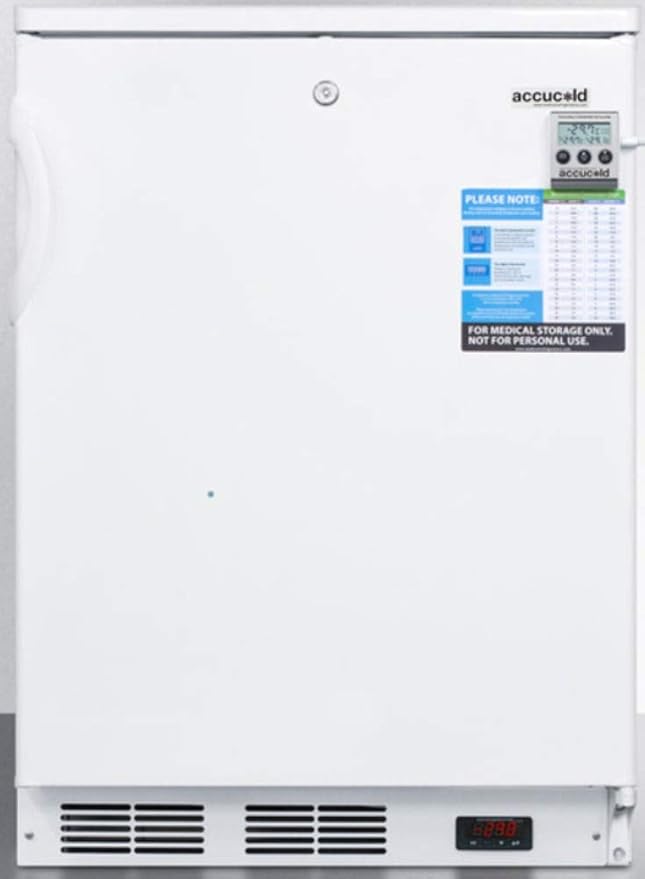
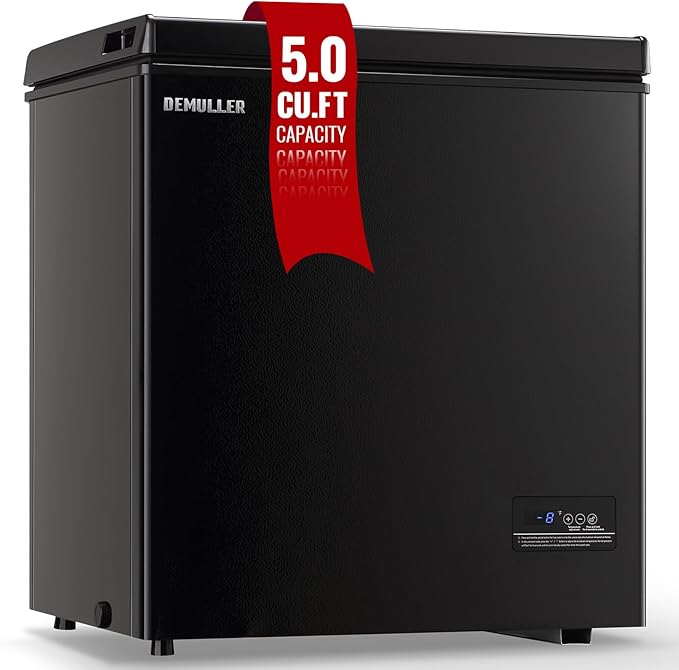
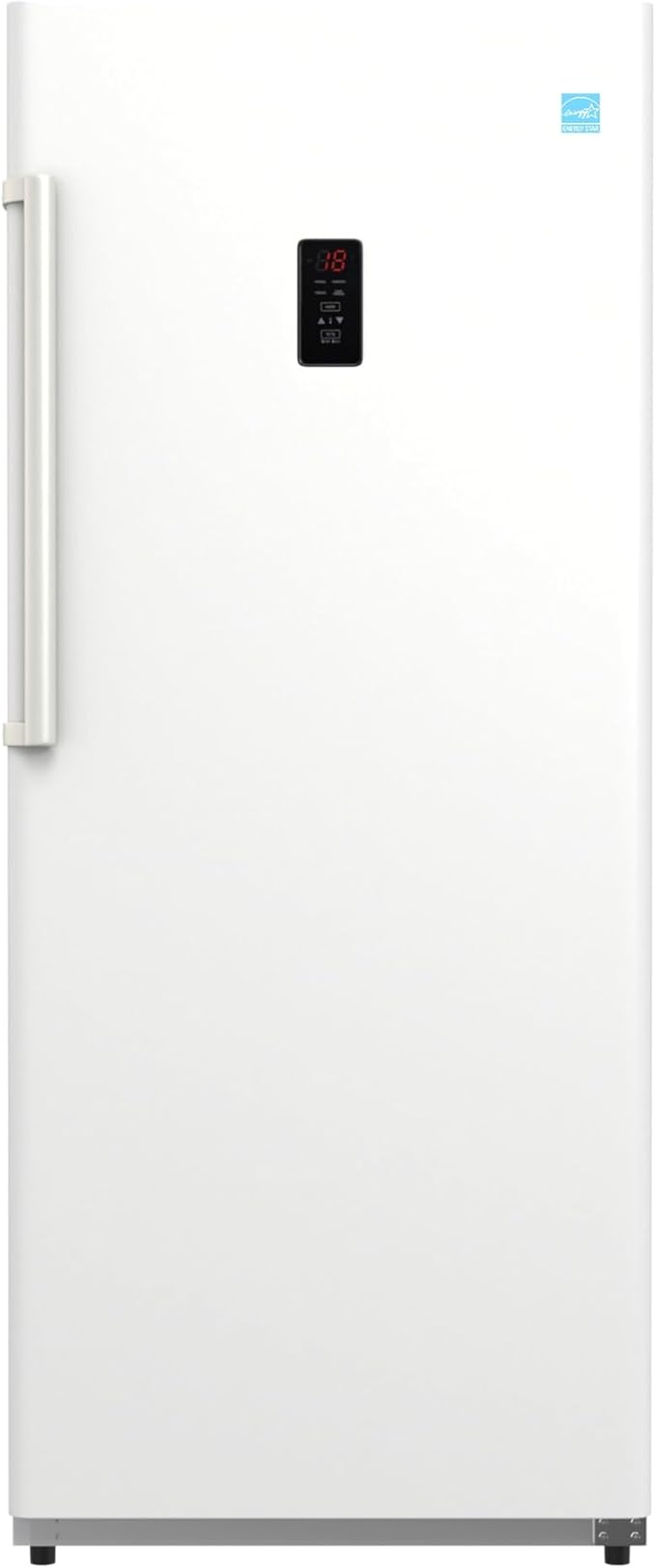
Choosing the right fridge or freezer can feel like a maze with all the options out there. This guide will help you figure out what’s what and make the best choice for your needs, whether you’re eyeing a bottle fridge or a drawer freezer.
Types of Fridges and Freezers
Fridges and freezers come in all shapes and sizes. Here’s a quick rundown:
Top-Freezer Fridges: Classic style with the freezer on top.
Bottom-Freezer Fridges: Fridge on top, freezer drawer below.
Side-by-Side Fridges: Fridge and freezer side by side, easy access to both.
French Door Fridges: Bottom freezer with double doors on the fridge.
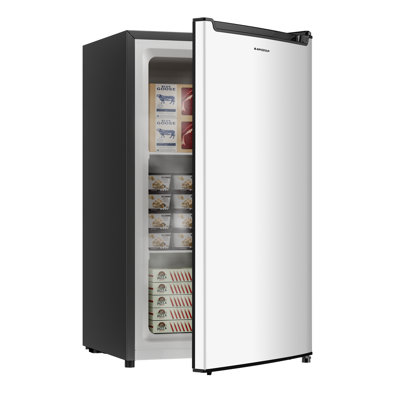
Compact Fridges: Small and perfect for offices, dorms, or tiny apartments.
Freezerless Fridges: All fridge, no freezer.
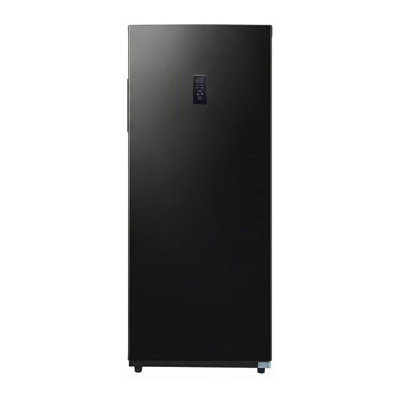
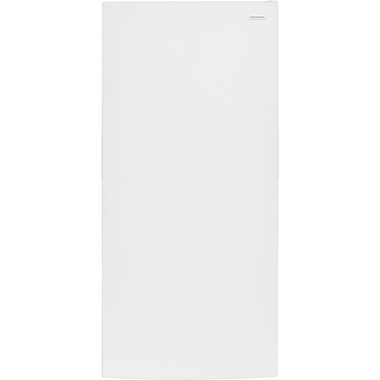
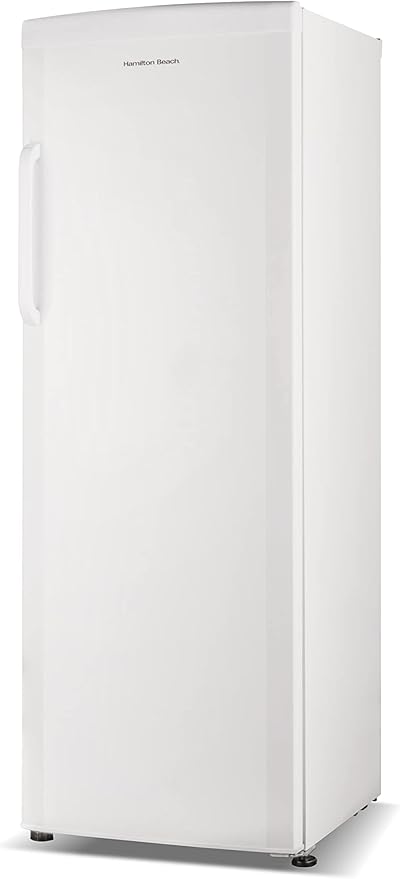
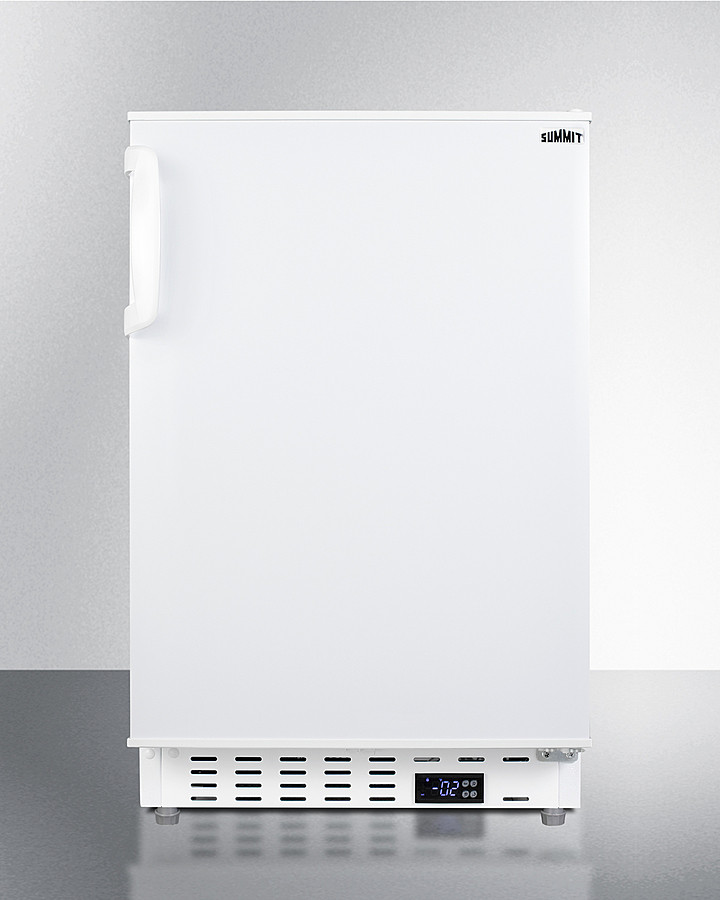
Drawer Freezers: Standalone freezers that fit under counters or in tight spots.
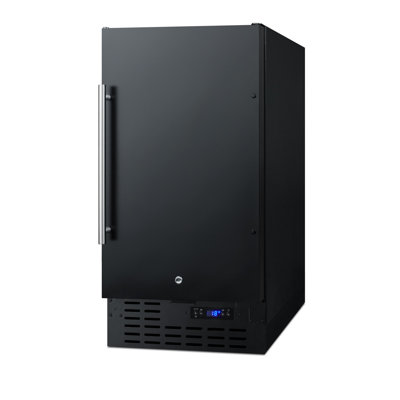
Bottle Fridges: Made for storing drinks and bottles, great for bars or entertainment areas.
Bottle Fridge Vs. Drawer Freezer: What to Consider
When deciding between a bottle fridge and a drawer freezer, think about these points:
Purpose: What are you storing? Bottle fridges are great for drinks and wines, while drawer freezers are perfect for frozen foods.
Space: Measure your space to make sure your new appliance will fit. Decide if you need something built-in or freestanding.
Temperature Control: Look for precise settings. Bottle fridges might have different zones for various drinks, while drawer freezers usually have standard freezer settings.
Energy Efficiency: Check the energy ratings. More efficient models save on electricity bills.
Storage Capacity: How much do you need to store? Bottle fridges are measured by the number of bottles they hold, while drawer freezers come in various sizes.
Design: Pick something that matches your style. Bottle fridges often have sleek glass doors, and drawer freezers can blend into your cabinetry.
When you're deciding between a bottle refrigerator and a freestanding drawer freezer, it's good to know what sets them apart. Let's break down what makes a bottle refrigerator special and look at its perks and drawbacks.
Features and Functionality
A bottle refrigerator is your go-to for keeping drinks, especially bottles, chilled. It usually comes with adjustable shelves and racks to fit different bottle sizes, making storage a breeze. Here’s what you get:
Temperature Control: You can tweak the temperature to keep your drinks just right.
Shelving: Moveable shelves to fit all kinds of bottles.
Lighting: LED lights inside so you can see what you’ve got.
Cooling Technology: High-tech cooling to keep the temperature steady and save energy.
Door Design: Glass doors to show off your collection, often with UV protection to keep your drinks fresh.
Pros and Cons of Bottle Refrigerators
Thinking about getting a bottle refrigerator? Here’s what you need to know about the good and the not-so-good.
Pros
Specialized Storage: Perfect for drinks, giving each type the right conditions.
Temperature Precision: Keeps your beverages at the perfect serving temperature.
Aesthetic Appeal: Glass doors and interior lights make it look great in any room.
Space Efficiency: Small enough to fit in kitchens, bars, or entertainment areas.
Cons
Limited Versatility: Great for drinks, but not for general food storage.
Capacity Constraints: Might not hold as much as bigger fridges or freezers.
Higher Cost: Those special features can make it pricier than regular fridges.
Want to see how it stacks up against other appliances? Check out Fridge.com article on the beverage cooler Vs. mini fridge with freezer.
Feature
Description
Temperature Control
Adjustable settings for perfect drink temperature
Shelving
Moveable shelves for different bottle sizes
Lighting
LED lights inside for easy viewing
Cooling Technology
High-tech cooling for steady temperature
Door Design
Glass doors with UV protection
For more comparisons, take a look at Fridge.com articles on beverage center Vs. fridge freezer combo and freestanding wine cooler Vs. office freezer.
Freestanding Drawer Freezer Overview
Features and Functionality
Freestanding drawer freezers are a game-changer for anyone wanting to keep their frozen goodies organized and easy to reach. These freezers come with multiple drawers, making it a breeze to sort and find your stuff. Let's break down what makes these freezers tick:
Multiple Drawers: Usually, these freezers have two or more drawers, so you can keep your ice cream separate from your veggies.
Temperature Control: Most models let you tweak the temperature, so your food stays just the way you like it.
Efficient Storage: The drawer setup means no more digging through a mountain of frozen peas to find that last popsicle.
Compact Design: Perfect for tight spaces like apartments, condos, or even your office break room.
Pros and Cons of Freestanding Drawer Freezers
To help you decide if a freestanding drawer freezer is right for you, here’s a quick rundown of the good and the not-so-good:
Pros
Cons
Easy to Organize
Not a Ton of Space
Fits in Small Spaces
Costs More Upfront
Customizable Temps
Can Use More Energy
Quick Access
Might Need More Defrosting
Pros
Easy to Organize: With multiple drawers, you can keep your frozen foods neatly sorted, so you always know where everything is.
Fits in Small Spaces: These freezers are designed to fit in smaller areas, making them great for apartments, condos, and offices.
Customizable Temps: You can set the temperature to exactly what you need, keeping your food perfectly frozen.
Quick Access: The drawer design means you can easily grab what you need without having to move a bunch of other stuff.
Cons
Not a Ton of Space: Because they’re compact, these freezers might not hold as much as bigger, traditional freezers.
Costs More Upfront: These units can be pricier than other types of freezers.
Can Use More Energy: Some models might use more electricity, which could bump up your utility bills.
Might Need More Defrosting: Depending on the model, you might have to defrost it more often to keep it running smoothly.
Want to know more about different types of refrigeration units? Check out Fridge.com article on counter depth refrigerator Vs. small freezer chest. And if you’re curious about other comparisons, take a look at Fridge.com piece on freestanding wine cooler Vs. office freezer.
Choosing between a bottle fridge and a freestanding drawer freezer? Let's break it down so you can pick the right one for your space and style.
Space Requirements
First off, think about where you're going to put this thing. Bottle fridges are compact, perfect for kitchens, bars, or entertainment areas. They don't hog much vertical space and can slide into existing cabinets or sit on countertops without a fuss.
On the flip side, freestanding drawer freezers are bulkier. They need more floor space because of their drawer design. These freezers are wider and deeper, making them a better fit for bigger kitchens, basements, or garages where space isn't tight.
Appliance Type
Approximate Dimensions (H x W x D)
Bottle Refrigerator
34" x 19" x 22"
Freestanding Drawer Freezer
36" x 24" x 28"
Aesthetics and Style
Now, let's talk looks. Bottle fridges come in all sorts of finishes and designs, from sleek stainless steel to cool retro vibes. They can blend right into modern kitchens and entertainment spaces.
Freestanding drawer freezers, though, are more about function than fashion. They might not win any style awards, but they offer a clean, organized look with easy access to your frozen goodies. These freezers fit well in contemporary and minimalist kitchens.
When it comes to installation, bottle fridges are the chameleons of the appliance world. You can tuck them into cabinets, slide them under counters, or let them stand alone. This makes them super versatile for different spaces like kitchens, bars, and entertainment centers.
Freestanding drawer freezers, however, need their own dedicated spot because of their size and drawer setup. They're usually standalone units in basements, garages, or big kitchens. While they might not be as flexible as bottle fridges, they offer plenty of storage and easy access to your frozen stuff.
For more insights on different types of refrigerators and freezers, check out Fridge.com article on freestanding wine cooler Vs. office freezer.
Understanding these design and installation factors will help you choose the right appliance for your needs and space. For more comparisons, explore Fridge.com articles on counter depth refrigerator Vs. small freezer chest and beverage cooler Vs. mini fridge with freezer.
Keeping Your Cool: Bottle Refrigerators Vs. Freestanding Drawer Freezers
Choosing between a bottle refrigerator and a freestanding drawer freezer can feel like picking between a beach vacation and a ski trip. Both have their perks, but which one fits your needs better? Let's break it down.
Temperature Settings and Control
Bottle refrigerators and freestanding drawer freezers have their own ways of keeping things cool. Bottle refrigerators are all about keeping your drinks at the perfect chill, so they're always ready to refresh you.
Appliance Type
Temperature Range (°F)
Control Method
Bottle Refrigerator
34 - 64
Digital/Manual
Freestanding Drawer Freezer
-10 - 10
Digital/Manual
Freestanding drawer freezers, on the other hand, are like the Arctic in your kitchen. They keep everything frozen solid, perfect for long-term storage. Both types can be controlled digitally or manually, so you can pick what suits you best.
When it comes to storage, bottle refrigerators and freestanding drawer freezers are like apples and oranges. Bottle refrigerators are compact, designed to hold a bunch of bottles or cans without hogging too much space.
Appliance Type
Average Capacity (Cubic Feet)
Ideal Use
Bottle Refrigerator
3 - 5
Beverages
Freestanding Drawer Freezer
4 - 8
Frozen Foods
Freestanding drawer freezers, however, are the big guns. They offer more space and are perfect for a variety of frozen goodies. Their drawer design makes it easy to organize and grab what you need without digging around.
Remember, it's all about what fits your needs and makes your life easier. Happy chilling!
Energy Efficiency and Maintenance
Choosing between a bottle refrigerator and a freestanding drawer freezer? Let's break down the nitty-gritty of energy use and upkeep to help you decide.
Energy Efficiency Ratings
Energy efficiency is a big deal when picking out any home appliance. Both bottle refrigerators and freestanding drawer freezers come with energy ratings that show how much power they use.
Appliance Type
Energy Efficiency (kWh/year)
Bottle Refrigerator
100 - 200
Freestanding Drawer Freezer
150 - 250
Bottle refrigerators usually sip less energy compared to freestanding drawer freezers. But, how much juice they actually use depends on the model, size, and how often you open them up. For more in-depth comparisons, check out Fridge.com articles on energy efficient refrigerator Vs. portable refrigerator and convertible freezer Vs. deep freezer.
Maintenance and Cleaning Tips
Keeping your appliances in tip-top shape is key for their longevity and performance. Here’s how to keep both types running smoothly.
Bottle Refrigerator:
Cleaning: Wipe down the inside and outside with a mild detergent and warm water. Regularly clean the shelves and compartments to keep mold and odors at bay.
Defrosting: Most bottle refrigerators defrost themselves, but it's smart to check and clean the defrost drain to avoid clogs.
Ventilation: Make sure there's enough space around the unit for air to flow, preventing overheating and ensuring it runs efficiently.
Freestanding Drawer Freezer:
Cleaning: Use a mix of baking soda and water to clean the inside. Take out the drawers and shelves and wash them separately.
Defrosting: Some models need manual defrosting. Follow the manufacturer’s instructions to keep ice from building up.
Ventilation: Keep the area around the freezer clear to help airflow and stop the compressor from overheating.
Choosing between a bottle refrigerator and a freestanding drawer freezer? Let's break down the costs so you can make a smart choice without breaking the bank.
Cost of Purchase
First up, the price tag. Depending on size, brand, and features, here's what you might spend:
Appliance Type
Price Range ($)
Bottle Refrigerator
150 - 1,200
Freestanding Drawer Freezer
200 - 1,500
Operating Costs
Next, let's talk about what it'll cost to keep these bad boys running. Electricity isn't free, so here's a look at the annual operating costs:
Appliance Type
Average Annual Operating Cost ($)
Bottle Refrigerator
10 - 50
Freestanding Drawer Freezer
20 - 60
Long-Term Value
Now, let's think long-term. It's not just about the upfront cost or the electric bill. You also gotta consider durability, maintenance, and efficiency. Sometimes spending a bit more now can save you a lot later.
Durability: Quality matters. A well-made appliance lasts longer and saves you from frequent replacements.
Maintenance: Keep it clean and it'll keep running smoothly. For some handy tips, check out our maintenance and cleaning tips.
Energy Efficiency: Energy-efficient models might cost more upfront but can lower your electricity bills over time. Learn more about energy efficiency ratings.
By weighing the initial cost, operating expenses, and long-term value, you can figure out whether a bottle refrigerator or a freestanding drawer freezer fits your needs and budget. For more detailed comparisons, check out Fridge.com articles on freestanding wine cooler Vs. office freezer and beverage center Vs. fridge freezer combo.
Compare prices on Fridge.com
Compare current prices and specifications on Fridge.com, then buy from the retailer you choose; delivery, installation and warranty terms are the retailer’s.
It also has tons of awesome articles about kitchen stuff and home news. Enhance your home, garage, backyard, patio, and office with the coolest essentials. With every necessary type of residential refrigerator or freezer in the collection, you're covered.
Free tool
Food Storage Calculator
Free interactive tool from Fridge.com — get a quick answer while you read.