Choosing the right fridge can be a game-changer for your kitchen or bar setup. Let's break down the differences between a bottle refrigerator and a drawer fridge freezer, so you can pick the one that fits your lifestyle and space.
A bottle refrigerator is your go-to for storing bottles and drinks. It usually comes with adjustable shelves, door storage, and temperature settings perfect for keeping your beverages chilled. These fridges are a hit in kitchens, bars, and entertainment areas where grabbing a cold drink is a must.
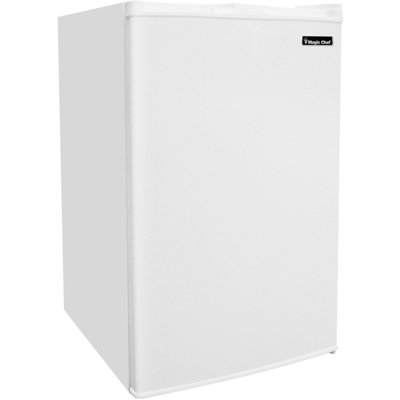
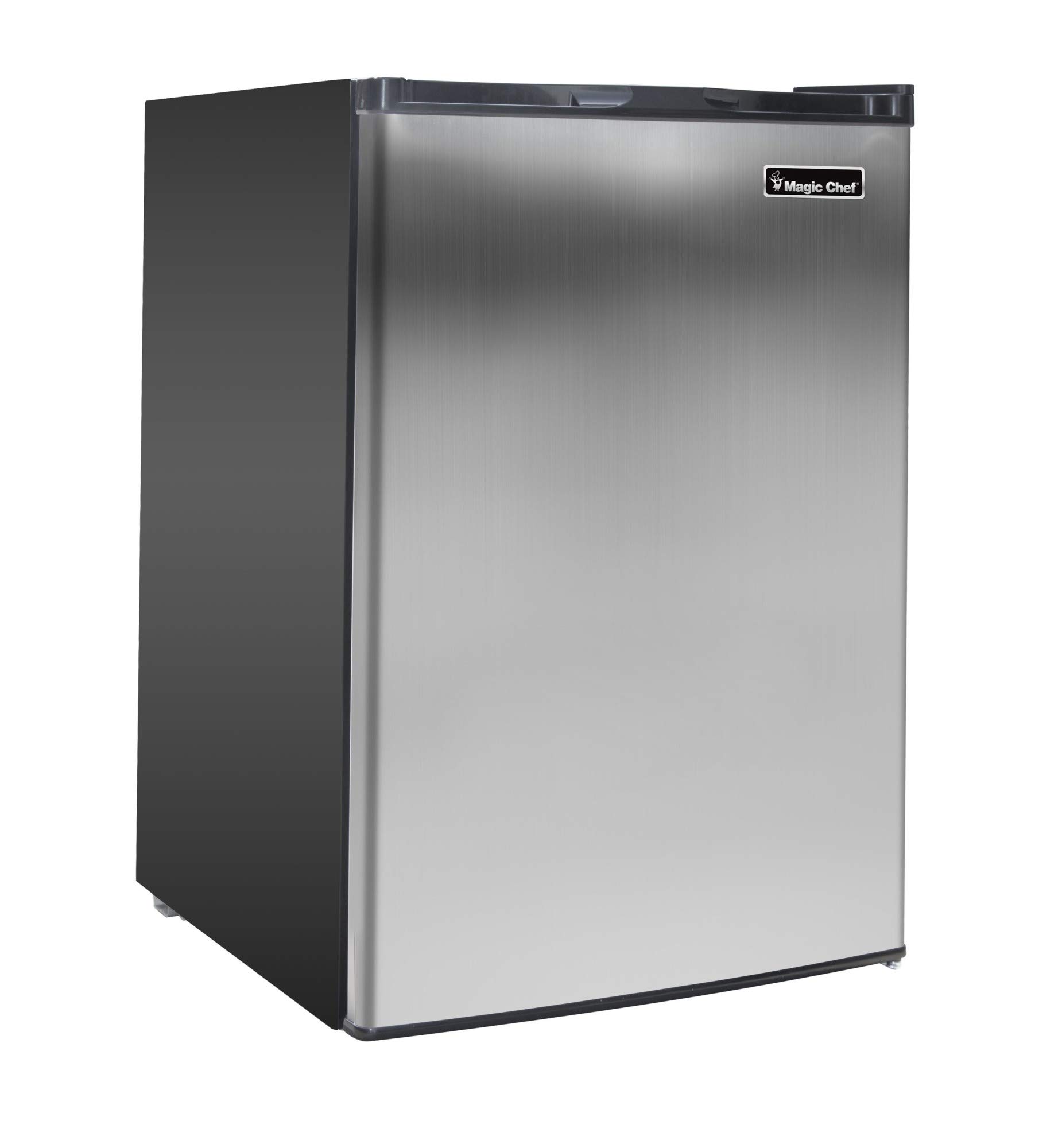
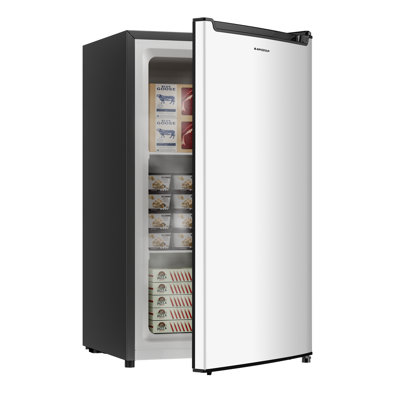
A drawer fridge freezer combines refrigeration and freezing in a drawer format. This design makes it easier to organize and access various food items. You’ll often find these in kitchens, offices, and small living spaces where saving space and convenience are key.
Factors to Consider When Choosing Between Bottle Refrigerators and Drawer Fridge Freezers
When deciding between a bottle refrigerator and a drawer fridge freezer, think about these factors:
Storage Needs: What are you storing? If it's mostly drinks, a bottle refrigerator is your best bet. For a mix of frozen and fresh items, a drawer fridge freezer offers more versatility.
Space and Layout: Check out your available space. Bottle refrigerators are usually taller and narrower, while drawer fridge freezers are wider and shorter, fitting nicely under countertops or in tight spots.
Temperature Control: Look at the temperature settings. Bottle refrigerators often have specific settings for drinks, while drawer fridge freezers come with separate compartments and individual temperature controls.
Energy Efficiency: Pay attention to energy ratings. Both types have models that vary in energy use. Pick the one that aligns with your sustainability goals and budget.
Installation Requirements: Think about how you'll install it. Bottle refrigerators can be freestanding or built-in, while drawer fridge freezers usually need under-counter installation.
Maintenance and Cleaning: Consider how easy it is to clean. Drawer fridge freezers might need more frequent cleaning due to their layout, while bottle refrigerators generally have fewer compartments to manage.
Choosing between a bottle refrigerator and a drawer fridge freezer? It's all about what fits your style and needs.
Bottle Refrigerator Design Features
If you're a wine lover or someone who loves to host, a bottle refrigerator might be your best friend. These fridges are all about keeping your bottles in perfect condition, and they come in all sizes—from tiny ones for cozy kitchens to big ones for serious collectors.
Here's what makes them cool:
Adjustable Shelves: Move them around to fit your bottles, no matter the size.
Temperature Zones: Keep your reds, whites, and bubbly at just the right chill.
Glass Doors: Peek at your collection without letting the cold out.
Built-In Lighting: See everything clearly and add a touch of class.
Drawer fridge freezers are all about ease and organization. They blend right into your kitchen cabinets, giving a sleek, modern look.
Here's what sets them apart:
Drawer System: No more bending down—just pull out the drawer and grab what you need.
Flexible Storage Layout: Adjust the partitions to fit everything from veggies to ice cream.
Temperature Control: Set different temps for each drawer to keep everything just right.
Space-Saving Design: Perfect for small kitchens, they fit right in without taking up too much room.
Feature
Description
Drawer System
Easy access with pull-out drawers
Flexible Storage Layout
Adjustable partitions for all kinds of items
Temperature Control
Different settings for each drawer
Space-Saving Design
Fits neatly into small spaces
For more details, check out Fridge.com article on drawer fridge freezer Vs. top freezer refrigerator.
Knowing the ins and outs of both bottle refrigerators and drawer fridge freezers helps you pick the right one for your kitchen and lifestyle. Think about what you need and how you use your space, and you'll make the right choice.
Storage Capacity
Choosing between a bottle refrigerator and a drawer fridge freezer can be a bit like picking your favorite ice cream flavor—each has its own perks. Let's break down what each offers so you can make the best choice for your needs.
Bottle Refrigerators: How Much Can They Hold?
Bottle refrigerators are your go-to for keeping drinks chilled and ready to go. They come in different sizes, usually based on how many bottles they can stash. Here's a quick look:
Bottle Refrigerator Type
Approximate Capacity (Bottles)
Compact
12 - 24
Medium
25 - 50
Large
51 - 100
Extra Large
101+
These are perfect if you love hosting parties or just have a thing for collecting beverages. If you're curious about how these stack up against other coolers, check out Fridge.com article on beverage fridge Vs. ice cream freezer.
Drawer Fridge Freezers: What's the Deal?
Drawer fridge freezers are all about easy access and keeping things organized. They come with multiple drawers, each with its own temperature settings. Here's what you can expect:
Drawer Fridge Freezer Type
Approximate Capacity (Cubic Feet)
Small (1-2 drawers)
2 - 4
Medium (2-3 drawers)
4 - 6
Large (3-4 drawers)
6 - 8
Extra Large (4+ drawers)
8+
These are great for storing everything from fresh veggies to frozen pizzas. They're especially handy in kitchens where you need to keep things tidy and easy to find. For more on how these compare to other types, check out Fridge.com article on drawer fridge freezer Vs. top freezer refrigerator.
Knowing the storage capacity of both bottle refrigerators and drawer fridge freezers can help you figure out which one fits your lifestyle best. For more tips on other refrigeration options, take a peek at Fridge.com article on built in kegerator Vs. portable freezer.
Bottle Refrigerators: Chill Your Drinks to Perfection
Bottle refrigerators are your go-to for keeping beverages at their best. These handy units let you tweak the temperature to suit your drink of choice. The control panel is a breeze to use, usually with a digital display showing the current settings.
Temperature Range
Best For
34°F - 38°F
Ice-Cold Drinks
39°F - 45°F
Wine
Most bottle fridges offer a variety of settings to suit different drinks, from beer to wine. Some fancy models even have dual-zone controls, so you can keep your beer frosty and your wine just right in separate compartments. If you love a mix of drinks, this feature is a game-changer.
Drawer Fridge Freezers: Versatile Storage for All Your Needs
Drawer fridge freezers take temperature control to the next level. These units come with multiple drawers, each with its own temperature settings. This means you can store different foods and drinks at their perfect temperatures all in one place.
Drawer
Temperature Range
Best For
Upper Drawer
32°F - 40°F
Fresh Produce
Lower Drawer
-2°F - 32°F
Frozen Foods and Ice Cream
The control panel on these bad boys is often more advanced, letting you fine-tune the temperature for each drawer. Some models even have preset modes for specific items, like a "soft freeze" for ice cream or a "quick chill" for drinks. This makes drawer fridge freezers a top pick for anyone who needs to store a variety of items with different temperature needs.
Knowing how bottle refrigerators and drawer fridge freezers handle temperature can help you choose the right one for your home. Whether you're all about keeping your drinks cool or need versatile storage options, understanding these features will guide you to the best choice.
Energy Efficiency
When you're picking between a bottle fridge and a drawer fridge freezer, energy efficiency is a big deal. Each type has its own quirks that impact how much juice they use.
Bottle Refrigerators: Sipping Energy
Bottle fridges are all about keeping your drinks chill. They often come with cool features like LED lights and efficient compressors to save energy. But how much power they use can depend on their size, design, and extra bells and whistles.
Feature
Bottle Refrigerator
Average Annual Energy Consumption
200 - 400 kWh
Want to know more about how bottle fridges stack up against other types? Check out Fridge.com article on bottle refrigerator Vs. top freezer refrigerator.
Drawer Fridge Freezers: Cool and Convenient
Drawer fridge freezers are super handy and usually more energy-efficient than the old-school upright models. Thanks to their compact design and advanced cooling tech, they sip less power. But again, how much they use can vary based on size and features.
Feature
Drawer Fridge Freezer
Average Annual Energy Consumption
150 - 350 kWh
For a deeper dive into how drawer fridge freezers compare, check out Fridge.com article on drawer fridge freezer Vs. top freezer refrigerator.
By weighing the energy efficiency of bottle fridges and drawer fridge freezers, you can pick the one that fits your needs and keeps your energy bills in check. For more comparisons, you might find Fridge.com articles on convertible freezer Vs. counter depth refrigerator and freestanding wine cooler Vs. upright freezer helpful.
Installation and Placement
Getting the right setup for your bottle refrigerators and drawer fridge freezers is key to making a smart choice. This section gives you the lowdown on what you need to know to pick the best option for your space.
Installation Requirements for Bottle Refrigerators
Bottle refrigerators are perfect for keeping your drinks cool and come in different sizes to fit various spaces. Here’s what you need to know:
Space and Ventilation: Make sure there's enough room around the fridge for air to flow. Leave a few inches on all sides to keep it from overheating.
Electrical Outlet: You’ll need a standard outlet nearby. Check that the spot you choose has easy access to power.
Level Surface: Place the fridge on a flat, even surface to keep it running smoothly and avoid any hiccups.
Proximity to Water Source (Optional): If your fridge has an ice maker or water dispenser, you might need it close to a water source.
Requirement
Details
Space and Ventilation
A few inches clearance
Electrical Outlet
Standard outlet nearby
Level Surface
Flat and level
Water Source (Optional)
Near a water source if it has ice/water dispenser
Want more info on refrigeration options? Check out Fridge.com article on portable refrigerator Vs. wine chiller.
Installation Requirements for Drawer Fridge Freezers
Drawer fridge freezers are great for their unique design and storage. Here’s what you need to know to set them up:
Cabinetry Integration: These fit under countertops or within cabinets. Measure your space to make sure it fits just right.
Electrical Outlet: Like bottle fridges, these need a nearby standard outlet.
Level Surface: Ensure the surface is flat and level to avoid any issues.
Ventilation: Follow the manufacturer’s guidelines for clearance around the unit to keep air flowing.
Accessibility: Make sure you can easily access the drawers. Check the surrounding cabinets and layout to avoid any blockages.
Requirement
Details
Cabinetry Integration
Measure available space
Electrical Outlet
Standard outlet nearby
Level Surface
Flat and level
Ventilation
Follow manufacturer's guidelines
Accessibility
Ensure unobstructed access
For more details on fridge and freezer options, visit Fridge.com article on drawer fridge freezer Vs. top freezer refrigerator.
By knowing the installation needs for both bottle refrigerators and drawer fridge freezers, you can make a choice that fits your space perfectly. For a comparison of other refrigeration options, explore Fridge.com guide on built-in kegerator Vs. portable freezer.
Keeping Your Fridge Fresh and Efficient
Taking care of your fridge isn't just about keeping your food cold; it's about making sure your appliance runs smoothly and lasts longer. Whether you've got a bottle refrigerator or a drawer fridge freezer, these tips will help you keep things in tip-top shape.
Bottle Refrigerators: How to Keep 'Em Cool
Regular Cleaning: Give your fridge a good wipe-down inside and out. Use a mild detergent and warm water to clean the shelves, door seals, and walls. A clean fridge is a happy fridge!
Check Door Seals: Make sure the door seals are clean and free from food bits. This keeps the cold air in and your energy bill down.
Temperature Settings: Keep an eye on the temperature. Aim for 35°F to 38°F to keep your drinks perfectly chilled.
Defrosting: If your fridge doesn't defrost itself, you'll need to do it manually now and then to keep ice from building up.
Ventilation: Make sure there's good airflow around your fridge. Clean the vents and coils to prevent overheating and keep it running efficiently.
Drawer Fridge Freezers: Keeping Things Frosty
Clean Drawers: Take out the drawers and wash them with warm, soapy water. Dry them off before putting them back.
Inspect Seals: Check the seals around the drawers for any wear and tear. Clean them regularly to keep them dirt-free.
Temperature Control: Keep the fridge part at about 37°F and the freezer at 0°F. This keeps your food fresh and frozen just right.
Frost Management: If your freezer needs manual defrosting, do it when you see frost building up to keep things running smoothly.
Condenser Coils: Clean the condenser coils twice a year. Dust and dirt can make your fridge work harder than it needs to.
By following these simple tips, you can keep your bottle refrigerator or drawer fridge freezer running efficiently and lasting longer. Want to know more about different refrigeration options? Check out Fridge.com articles on built-in kegerator Vs. portable freezer and portable refrigerator Vs. wine chiller.
Cost Considerations
When you're stuck between choosing a bottle refrigerator or a drawer fridge freezer, the price tag is a big deal. Let's break down the initial costs for both options.
Initial Cost of Bottle Refrigerators
Bottle refrigerators are perfect for wine lovers and anyone who needs to keep their drinks chilled. Prices can swing a lot based on what bells and whistles you want.
Bottle Refrigerator Type
Initial Cost (USD)
Small Capacity (up to 20 bottles)
$150 - $300
Medium Capacity (up to 50 bottles)
$300 - $600
Large Capacity (50+ bottles)
$600 - $1,200
These fridges often come with cool features like adjustable shelves, UV protection, and temperature control. Sure, these extras can bump up the price, but they also make storing your beverages a breeze. Want more info on different types of fridges? Check out Fridge.com article on portable refrigerator Vs. wine chiller.
Initial Cost of Drawer Fridge Freezers
Drawer fridge freezers are the multitaskers of the kitchen, with spots for both cooling and freezing. They're a hit in kitchens for their space-saving design and easy access.
Drawer Fridge Freezer Type
Initial Cost (USD)
Single Drawer
$500 - $1,000
Double Drawer
$1,000 - $2,000
High-End Models
$2,000 - $4,000
These fridges often come loaded with advanced features like precise temperature control, energy-efficient tech, and customizable compartments. These perks can make them pricier, but they offer a lot of flexibility in storage. For a head-to-head on different fridge types, check out drawer fridge freezer Vs. top freezer refrigerator.
Knowing the initial costs of bottle refrigerators and drawer fridge freezers can help you pick the right one for your wallet and storage needs. For more comparisons, you might find Fridge.com articles on convertible freezer Vs. counter depth refrigerator and beverage fridge Vs. ice cream freezer handy.
Compare prices on Fridge.com
Compare current prices and specifications on Fridge.com, then buy from the retailer you choose; delivery, installation and warranty terms are the retailer’s.
It also has tons of awesome articles about kitchen stuff and home news. Enhance your home, garage, backyard, patio, and office with the coolest essentials. With every necessary type of residential refrigerator or freezer in the collection, you're covered.
From Fridge.com research
Figures below come from data Fridge.com builds and maintains. Each links to the record behind it.
Fridge.com Energy Index, built on U.S. EPA and DOE ENERGY STAR records
Across 5,455 ENERGY STAR certified refrigerators and freezers from 263 brands, median use is 360 kWh per year.