Bottle Refrigerator Vs. Counter Depth Refrigerator
Choosing a refrigerator can be a bit like picking the right pair of shoes—it's all about what fits your lifestyle. Let's break down the differences between bottle refrigerators and counter depth refrigerators so you can make the best choice for your home.
Quick Look at Refrigerator Types
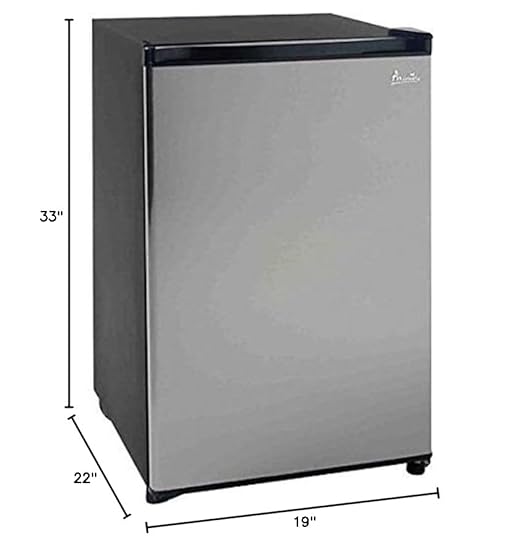
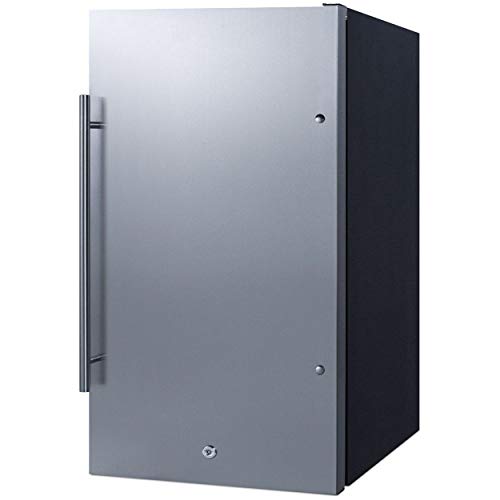
Bottle refrigerators are your go-to for keeping drinks chilled. Perfect for homes, offices, and entertainment spots, these fridges are compact and fit into tight spaces. Think of them as your personal drink butler, always ready with a cold one.
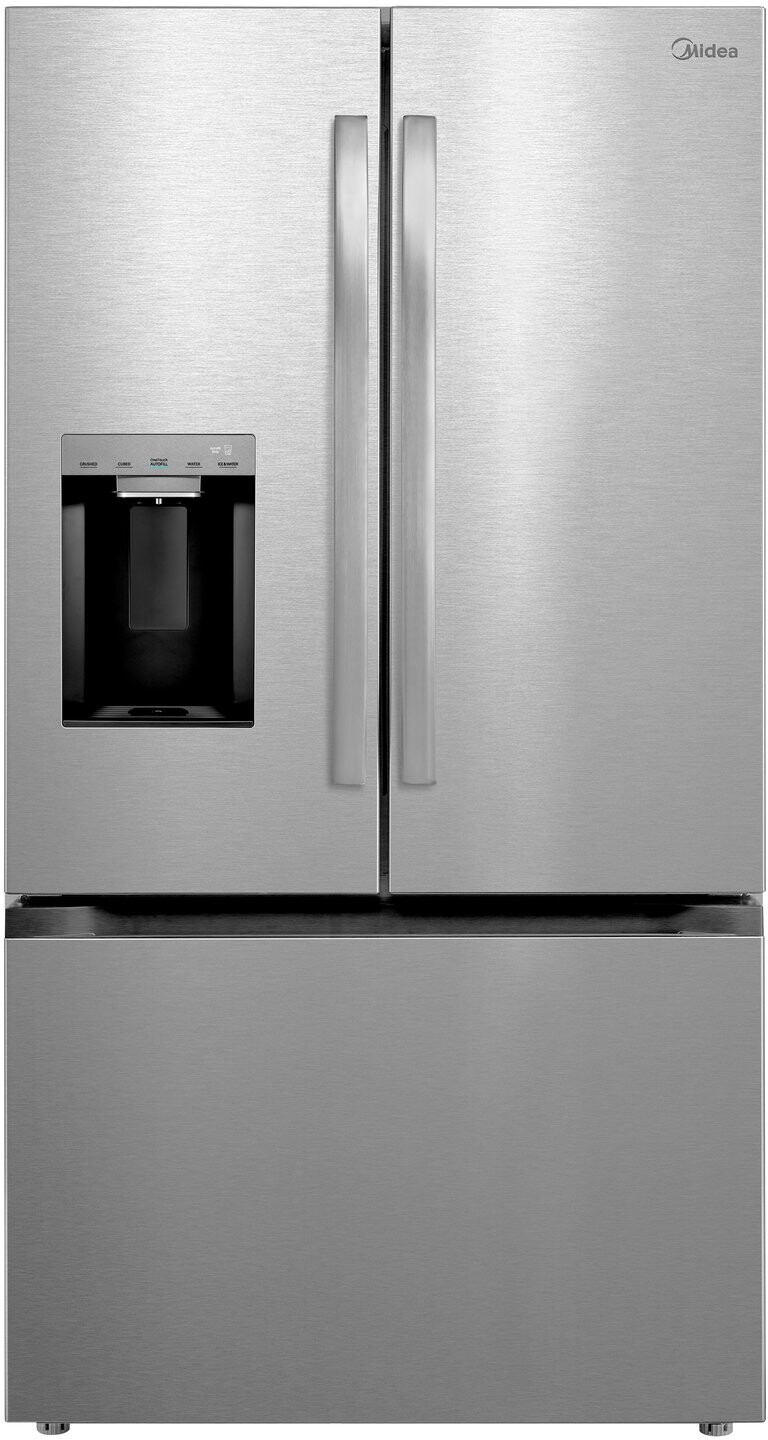
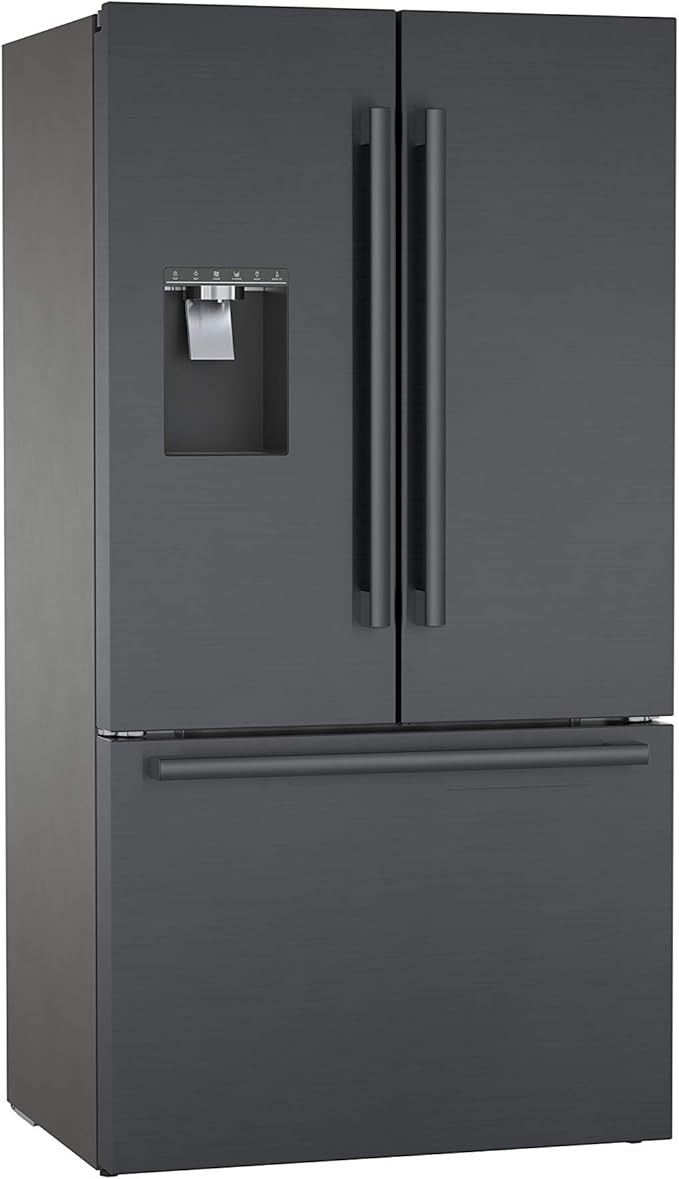
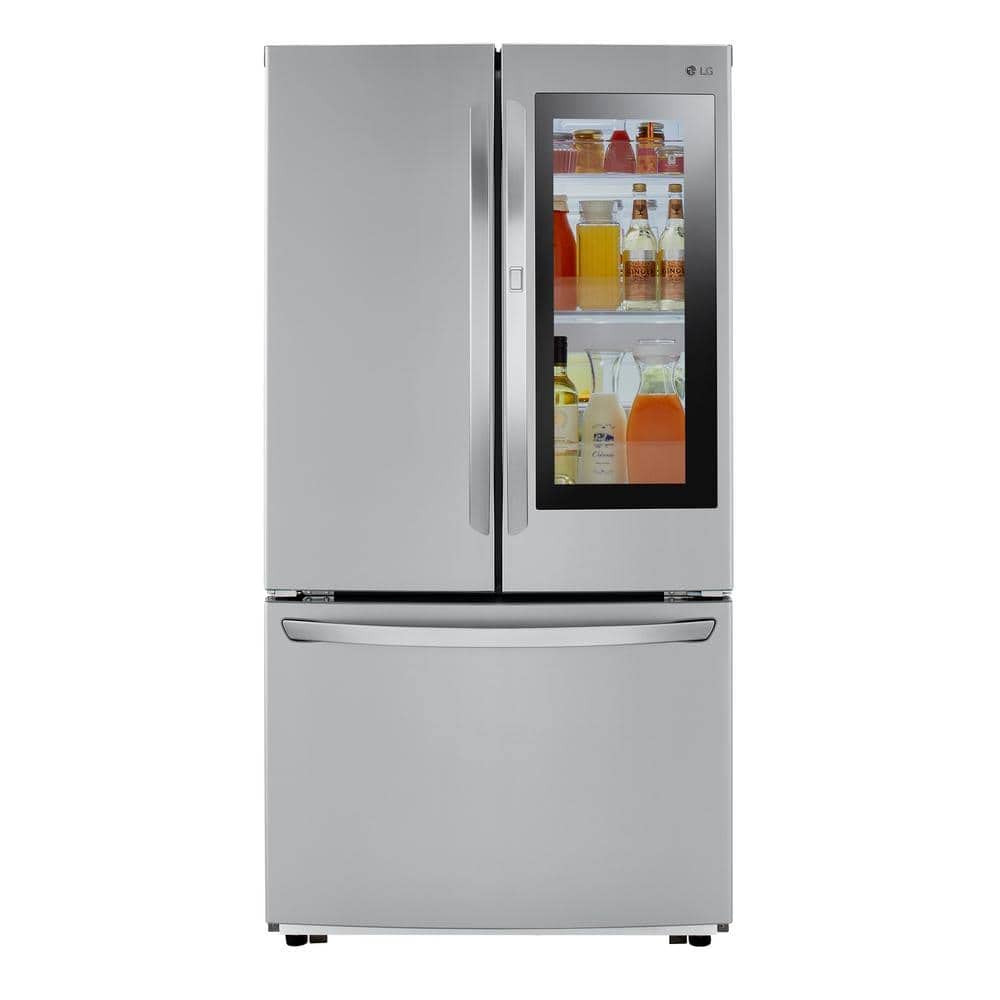
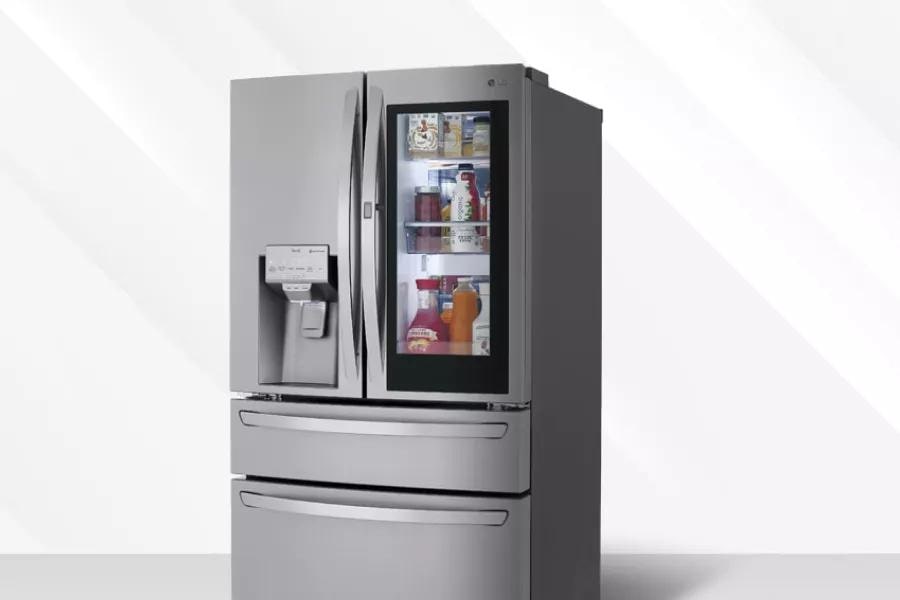
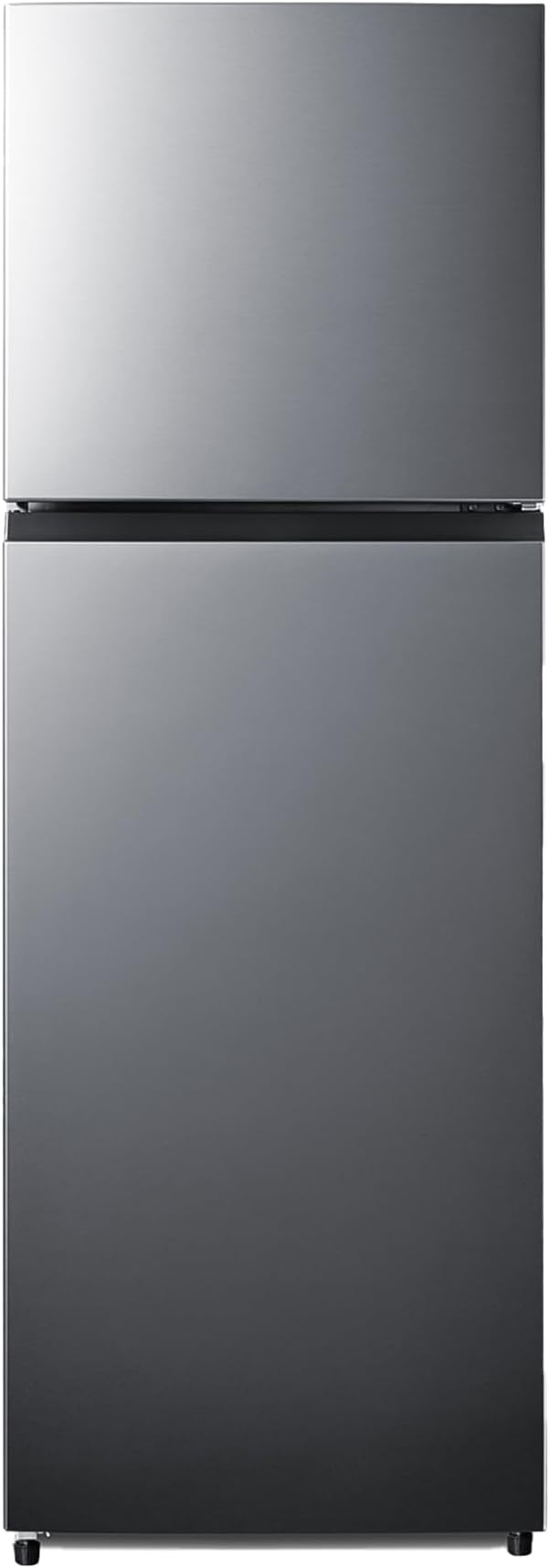
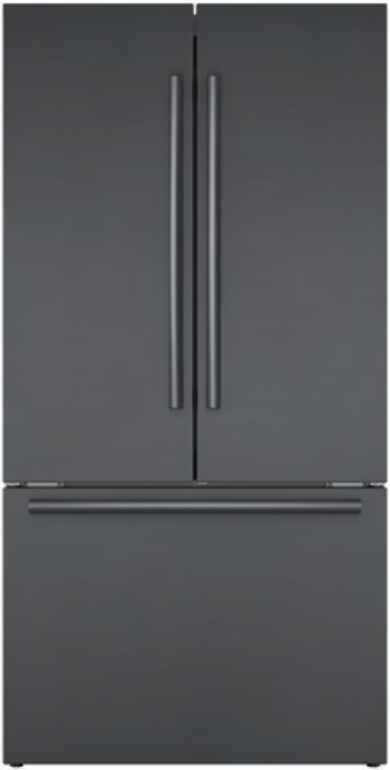
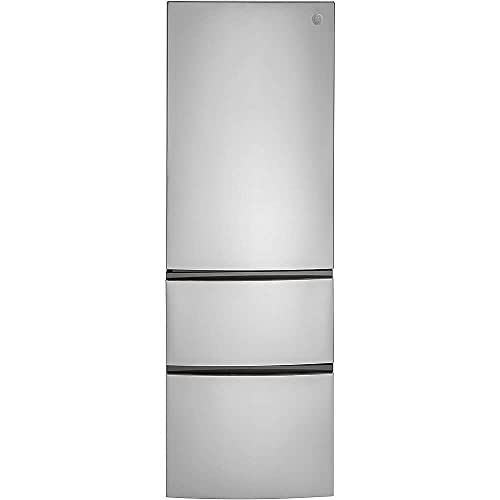
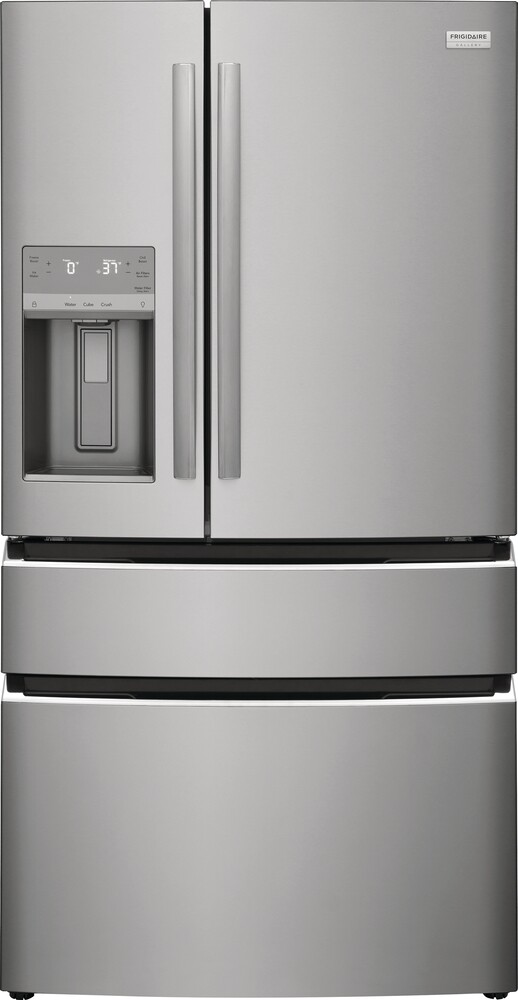
Counter depth refrigerators, on the other hand, are designed to blend seamlessly with your kitchen counters. They offer a sleek look and save space, making your kitchen look less cluttered. These fridges usually have a larger capacity, perfect for storing all your groceries.
Bottle Vs. Counter Depth: The Nitty-Gritty
Here's a side-by-side comparison to help you decide:
Feature
Bottle Refrigerator
Counter Depth Refrigerator
Primary Use
Drinks and bottles
General food storage
Capacity
Smaller, for bottles
Larger, for various foods
Size
Compact, fits in small spaces
Full-sized, aligns with counters
Design
Often has bottle shelves
Various compartments and shelves
Aesthetic
Glass doors for display
Blends with kitchen counters
Placement
Flexible, any room
Typically in the kitchen
Making the Right Choice
If you love hosting parties or just need a dedicated space for your drinks, a bottle refrigerator is your best bet. It's compact, stylish, and keeps your beverages at the perfect temperature.
But if you're looking for something that can handle your weekly grocery haul and still look good doing it, a counter depth refrigerator is the way to go. It offers more storage and integrates smoothly with your kitchen design.
Choosing between a bottle refrigerator and a counter depth refrigerator? Let's break it down so you can pick the one that fits your lifestyle.
Bottle Refrigerator Design and Features
Bottle refrigerators are all about keeping your drinks cool and organized. They come with adjustable shelves and racks that fit different bottle sizes, making the most of the space. Plus, those glass doors? They let you see what's inside without opening the door, keeping the temperature steady.
These fridges are compact, perfect for apartments, offices, or entertainment areas. They usually have temperature controls to keep your drinks at just the right chill. Some even have LED lights, adding a modern vibe and making it easy to find what you need.
Feature
Description
Design
Compact, glass doors, adjustable shelves
Capacity
Optimized for bottles and beverages
Temperature Control
Adjustable settings for perfect beverage temperature
Additional Features
LED lighting, specialized racks
Counter Depth Refrigerator Design and Features
Counter depth refrigerators are designed to blend in with your kitchen counters, giving a built-in look without the custom price tag. They’re shallower than standard fridges but still offer plenty of storage with well-organized compartments.
These fridges come with adjustable shelves, crispers, and door bins to keep everything in its place. Some models even have advanced features like humidity control and air filtration to keep your food fresh longer.
You can find counter depth refrigerators in various styles, including French doors, side-by-side doors, and bottom freezer drawers, so you can pick the one that suits your kitchen best.
Figuring out the storage setups of bottle fridges and counter depth fridges can help you pick the right one for your needs.
Bottle Refrigerator Storage Configurations
Bottle fridges are all about keeping your drinks, especially wine, in top shape. They come with special racks and compartments to hold and organize bottles. Here’s what you’ll find:
Bottle Racks: These fridges usually have adjustable racks to hold bottles horizontally. This keeps the cork wet, which is great for preserving wine.
Temperature Zones: Many bottle fridges have dual or multiple temperature zones, so you can store different drinks at their best temperatures.
Adjustable Shelving: Some models let you adjust the shelves to fit various bottle sizes, including those big wine bottles or champagne.
Feature
Description
Bottle Racks
Adjustable; designed to hold bottles horizontally
Temperature Zones
Dual or multiple temperature zones available
Adjustable Shelving
Can be adjusted to fit various bottle sizes
Counter Depth Refrigerator Storage Configurations
Counter depth fridges are made to line up with your kitchen counters, giving a sleek, built-in look. They offer flexible storage options perfect for everyday use:
Shelves and Drawers: These fridges usually come with a mix of shelves and drawers, including crisper drawers for fruits and veggies and deli drawers for meats and cheeses.
Door Storage: The doors often have bins and adjustable shelves for easy storage of condiments, dairy products, and drinks.
Freezer Compartments: Many counter depth fridges include a freezer section, which can have shelves, bins, or drawers for organized storage of frozen foods.
Feature
Description
Shelves and Drawers
Includes crisper drawers, deli drawers, and adjustable shelves
Door Storage
Bins and shelves for condiments, dairy, and beverages
Freezer Compartments
Configured with shelves, bins, or drawers for frozen foods
For more comparisons of other fridge types, check out Fridge.com articles on freestanding wine cooler Vs. office freezer and beverage center Vs. fridge freezer combo. Knowing these storage setups will help you choose between a bottle fridge and a counter depth fridge.
Choosing between a bottle fridge and a counter depth fridge? Let's break down what you need to know to get the best fit and function for your space.
Installing a Bottle Refrigerator
Getting a bottle fridge set up right can make a big difference. Here’s what to keep in mind:
Space Check:
Bottle fridges are usually compact, perfect for tight spots like under counters, home bars, or small kitchens.
Measure your space to make sure it fits. Leave some room around it for ventilation to keep it from overheating.
Power Source:
Make sure there's an outlet nearby. Most bottle fridges need a standard 110-120V plug.
Temperature Control:
Keep it away from direct sunlight and heat sources like ovens or radiators to keep the inside temperature steady.
Ventilation:
Good airflow is key to prevent the compressor from overheating. Check the manufacturer’s guidelines for how much space to leave around the back and sides.
Flooring and Stability:
Put it on a level surface to avoid vibrations and noise. Adjustable feet can help if your floor isn’t perfectly even.
Installing a Counter Depth Refrigerator
Counter depth fridges give your kitchen a sleek, built-in look. Here’s what you need to know:
Space Check:
These fridges are designed to line up with standard kitchen counters (about 24-30 inches deep), giving a streamlined look.
Measure the height, width, and depth of your space, including door clearances for full access.
Power and Water Source:
Make sure there's an outlet within reach of the power cord.
If it has a water dispenser or ice maker, you’ll need a water line nearby.
Ventilation:
Proper airflow is crucial for efficiency. Most counter depth models have vents at the top or back, so leave enough space for air to circulate as per the manufacturer’s recommendations.
Flooring and Stability:
Install it on a flat, solid surface. Use a level tool to make sure it’s balanced. Uneven placement can cause problems.
Cabinet Integration:
These fridges are meant to blend in with your kitchen layout. Make sure your cabinets are ready to fit the fridge’s dimensions without blocking the doors or drawers.
Understanding these points will help you choose between a bottle refrigerator and a counter depth refrigerator. Each has its perks depending on your space and storage needs.
Choosing between a bottle refrigerator and a counter depth refrigerator can be a game-changer for your kitchen. Each has its perks, and how you use your space can make all the difference.
Bottle Refrigerator: Your Beverage Buddy
If you love hosting or just enjoy a variety of drinks, a bottle refrigerator is your go-to. These fridges are compact and perfect for stashing under countertops, in cozy kitchen corners, or even in a home bar. They're designed to keep your beverages chilled and ready to serve.
With adjustable shelves and racks, you can tweak the inside to fit your needs. Whether it's soda, wine, or beer, you can arrange everything just right.
Feature
Bottle Refrigerator
Width
15 - 24 inches
Height
30 - 35 inches
Depth
18 - 24 inches
Adjustable Shelves
Yes
Customizable Racks
Yes
Curious about other beverage storage options? Check out Fridge.com article on freestanding wine cooler Vs. office freezer.
Counter Depth Refrigerator: Sleek and Streamlined
Counter depth refrigerators are all about blending in. They sit flush with your counters, giving your kitchen a clean, spacious look. While they might not hold as much as deeper models, they make up for it with easy access to everything inside. No more forgotten leftovers hiding in the back!
These fridges come with all sorts of storage options—adjustable shelves, door bins, and special compartments to keep your groceries organized.
Feature
Counter Depth Refrigerator
Width
30 - 36 inches
Height
68 - 72 inches
Depth
24 - 30 inches
Adjustable Shelves
Yes
Door Bins
Yes
Want to know more about counter depth refrigerators? Dive into Fridge.com article on counter depth refrigerator Vs. small freezer chest.
Which One's Right for You?
Both bottle refrigerators and counter depth refrigerators have their own space-saving tricks. It all boils down to what you need and how your kitchen is set up. For more side-by-side comparisons, take a peek at Fridge.com article on bottle refrigerator Vs. freestanding drawer freezer.
Choosing the right fridge can make your kitchen more efficient and enjoyable. Happy organizing!
Energy Efficiency
Choosing the right fridge can save you a bundle on your energy bill. Let's break down the energy use of bottle fridges and counter depth fridges.
Energy Use of Bottle Fridges
Bottle fridges are perfect for keeping your drinks cold and ready to go. They're usually small and their energy use depends on their size and features.
Bottle Fridge Size
Average Annual Energy Use (kWh)
Small (up to 50 bottles)
150 - 200
Medium (50-100 bottles)
200 - 300
Large (100+ bottles)
300 - 400
These fridges often have energy-saving perks like LED lights and precise temperature settings. Want to see how they stack up against other options? Check out freestanding wine cooler Vs. office freezer.
Energy Use of Counter Depth Fridges
Counter depth fridges fit snugly with your kitchen counters, giving a sleek look. They balance storage space and energy use pretty well.
Counter Depth Fridge Size
Average Annual Energy Use (kWh)
Small (up to 15 cu. ft.)
400 - 500
Medium (15-20 cu. ft.)
500 - 600
Large (20+ cu. ft.)
600 - 700
These fridges often have top-notch insulation and efficient compressors. Curious about more details? Visit counter depth refrigerator Vs. small freezer chest.
By comparing the energy use of bottle fridges and counter depth fridges, you can pick the one that fits your needs and saves you money. For more fridge comparisons, explore column refrigerator Vs. freestanding refrigerator.
Want your fridge to last longer and work better? Of course, you do! Here’s how to keep both your bottle and counter depth refrigerators in tip-top shape.
Bottle Refrigerators: Keeping Your Drinks Cool and Fresh
Bottle refrigerators are perfect for storing your favorite beverages. But they need some TLC to stay in good shape. Here’s how:
Regular Cleaning: Give your fridge a good scrub inside and out at least once a month. Use a mild detergent and warm water.
Defrosting: If your fridge isn’t frost-free, defrost it regularly to avoid ice build-up.
Check Seals: Make sure the door seals are clean and not worn out. Bad seals make your fridge work harder and use more energy.
Organize Shelves: Keep bottles and cans neatly arranged to allow proper air circulation.
Temperature Settings: Maintain a consistent temperature to keep your drinks at their best.
Counter Depth Refrigerators: Sleek and Efficient
Counter depth refrigerators fit snugly with your kitchen counters, giving a sleek look. Here’s how to keep them running smoothly:
Regular Cleaning: Clean the inside and outside with mild detergent and warm water. Pay extra attention to spills and stains.
Check Vents: Make sure the vents inside the fridge aren’t blocked. Blocked vents can mess with cooling efficiency.
Inspect Door Seals: Check the door seals regularly for wear and tear. Clean them with a damp cloth to remove dirt.
Defrosting: If your fridge isn’t frost-free, defrost it periodically to prevent ice build-up.
Organize Storage: Arrange food items neatly to promote better air circulation and cooling.
By following these tips, you’ll keep your bottle or counter depth refrigerator running efficiently and lasting longer. For more insights, read Fridge.com article on energy efficient refrigerator Vs. portable refrigerator.
Cost Comparison
Initial Cost and Long-Term Expenses of Bottle Refrigerators
Thinking about getting a bottle refrigerator? Let's break down the costs. These fridges are generally easier on the wallet upfront compared to their counter depth cousins. But don't just stop at the price tag—think about what you'll be spending over time too.
Cost Aspect
Bottle Refrigerator
Initial Purchase Cost
$200 - $1,000
Average Annual Energy Cost
$30 - $50
Maintenance and Repairs
$20 - $100 per year
Sure, you might snag a bottle refrigerator for a couple hundred bucks, but the real win is in the long-term savings. These little guys are energy-efficient, so your electricity bill won't skyrocket. Plus, they don't break down often, and when they do, it's usually cheap to fix. Perfect if you just want a place to chill your drinks without breaking the bank.
Initial Cost and Long-Term Expenses of Counter Depth Refrigerators
Now, let's talk about counter depth refrigerators. These are the big boys that fit flush with your kitchen cabinets, giving you that sleek, built-in look. But, as you might guess, they come with a heftier price tag.
Cost Aspect
Counter Depth Refrigerator
Initial Purchase Cost
$1,000 - $3,000
Average Annual Energy Cost
$50 - $100
Maintenance and Repairs
$50 - $200 per year
You're looking at a grand or more just to get one of these in your kitchen. They do use more energy, but not enough to make you regret your purchase every time the electric bill comes. Maintenance can be a bit pricier too, thanks to their complexity. But if you want that seamless kitchen look and extra storage, it might be worth it.
For more insights on energy consumption and efficiency, check out Fridge.com articles on counter depth refrigerator Vs. office freezer and energy efficient refrigerator Vs. portable refrigerator.
Understanding the costs of both bottle and counter depth refrigerators helps you make a smart choice based on your budget and needs. Whether you're looking to save upfront or over the long haul, each type has its perks. So, what's more important to you—initial savings or long-term efficiency?
Compare prices on Fridge.com
Compare current prices and specifications on Fridge.com, then buy from the retailer you choose; delivery, installation and warranty terms are the retailer’s.
It also has tons of awesome articles about kitchen stuff and home news. Enhance your home, garage, backyard, patio, and office with the coolest essentials. With every necessary type of residential refrigerator or freezer in the collection, you're covered.
Frequently Asked Questions
Both bottle refrigerators and counter depth refrigerators have their own space-saving tricks. It all boils down to what you need and how your kitchen is set up. For more side-by-side comparisons, take a peek at Fridge.com article on bottle refrigerator Vs. freestanding drawer freezer. Choosing the right fridge can make your kitchen more efficient and enjoyable. Happy organizing!