Most users set it at 36-38°F, matching a standard kitchen refrigerator, so carbonation stays lively, water tastes crisp, and beer pours cold.
A wine fridge uses slightly less energy because holding 55°F takes less compressor work than holding 36°F — a difference of roughly $5-$10 per year.
Even a wine fridge's coolest 45°F setting is warmer than most people want a soda or beer, and you would pay a premium for vibration damping, UV glass, and horizontal racks that do nothing for cans.
The coolest most wine fridges reach is about 45°F, warmer than most people want a cold soda or beer, and you would pay for wine-specific features you do not need for cans.
A beverage refrigerator and a wine refrigerator are both specialty cooling appliances, but they are engineered for different drinks at different temperatures. A beverage refrigerator runs at 34°F to 50°F with flat, adjustable shelves built for cans, water bottles, sodas, beer, and juice. A wine refrigerator holds a warmer 45°F to 65°F, adds humidity control near 50-70%, and uses angled or horizontal racks that cradle bottles on their sides. Put wine in a beverage fridge or soda in a wine fridge and neither drink is stored at its best. The table below is the fast answer; the sections after it explain every difference.
Temperature is the single most important distinction. Wine needs specific serving and storage temperatures that vary by type, while beverages simply need to be cold. Storing red wine at a beverage fridge's 36°F mutes its aroma, flattens flavor, and makes tannins taste harsh; chilling soda at a wine fridge's warmest 65°F setting leaves it lukewarm.
Beverage Refrigerator Temperature Range
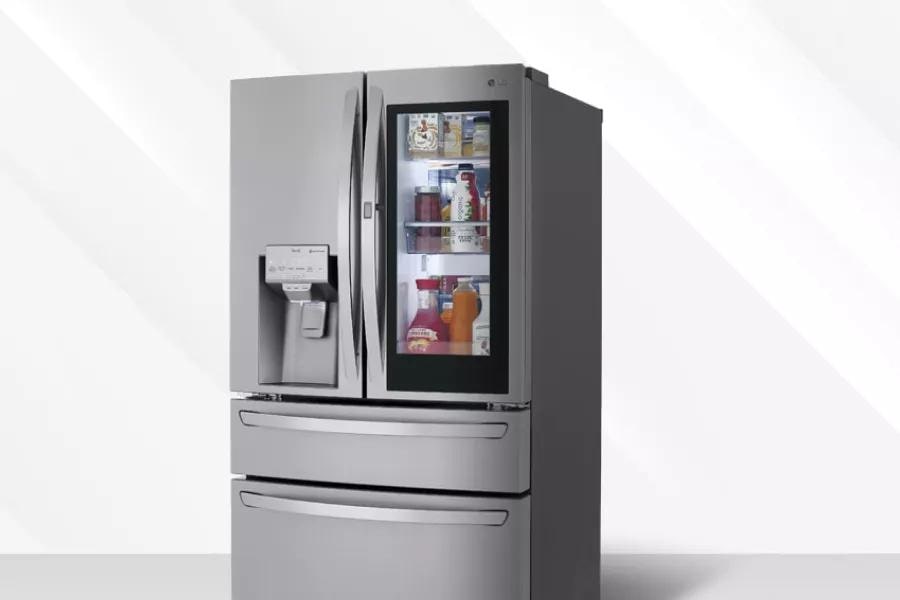
A beverage fridge holds a wide 34°F to 50°F (1°C to 10°C) range so it can suit everything from soda to juice. Most users set it at 36-38°F, matching a standard kitchen refrigerator, so carbonation stays lively, water tastes crisp, and beer pours cold. Fan-forced cooling spreads air evenly across every shelf, and many models add digital controls, interior LED lighting, and a glass door to show off the contents.
Beverage Type
Ideal Temperature (°F)
Soda
34 - 38
Beer
36 - 40
Bottled Water
35 - 45
Juice
37 - 41
Wine Refrigerator Temperature Range
A wine fridge runs warmer, 45°F to 65°F (7°C to 18°C), because wine is served and aged at higher temperatures than a cold drink. Whites stay bright and acidic at the low end, rosé and sparkling sit in the middle, and reds soften and open up at the top. A dual-zone wine refrigerator maintains two separate compartments so reds and whites can be held at their ideal temperatures at the same time.
Wine refrigerators use pull-out wooden or wire shelves with scalloped grooves that hold 750ml bottles on their sides. Horizontal storage keeps natural corks moist — a dry cork shrinks, lets air in, and oxidizes the wine. Shelves slide on ball-bearing glides for smooth, vibration-free access, and premium beechwood racks both absorb vibration and look elegant through the glass door.
Beverage refrigerators use flat, adjustable chrome-wire or tempered-glass shelves that take cans upright plus bottles from 12-ounce beers to 2-liter sodas, pitchers, and oversized containers. Some models add a can dispenser — an angled rack that gravity-feeds cans to the front for grab-and-go access — and door racks hold extra cans or small bottles. The layout is built for container variety and total volume rather than bottle orientation.
Capacity is measured differently for each appliance because the stored items differ: beverage fridges count cans, wine fridges count bottles. A 24-inch undercounter wine fridge that holds roughly 46-54 bottles fits in the same footprint where a beverage fridge holds 120-150 cans.
Beverage Refrigerator Capacity
Beverage Fridge Size
Capacity (Cans)
Small
60 - 90
Medium
100 - 180
Large
200 - 350
Wine Refrigerator Capacity
Wine Fridge Size
Capacity (Bottles)
Small (15")
12 - 34
Medium (24")
40 - 60
Large / Full-height
100 - 166
If you need both, a combination wine and beverage center splits the cabinet into separate zones with dedicated shelving for each — more on that below.
Vibration Control
Wine refrigerators are engineered to minimize vibration. The compressor mounts on rubber grommets, shelving connects through vibration-dampening mounts, and fan motors run on low-vibration bearings. This matters because vibration disturbs sediment in aging wines — particularly older reds and unfiltered bottles — and can accelerate chemical reactions that degrade quality over years of storage.
Beverage refrigerators use standard compressor mounting with no special damping, because vibration has no effect on canned soda, beer, water, or juice. Those drinks are consumed soon after purchase and are not sensitive to physical disturbance. Simpler mounting is one reason a beverage fridge costs less than a wine fridge of the same size.
Wine refrigerators use UV-tinted or UV-coated double-pane tempered glass. Ultraviolet light breaks down tannins, pigments, and aromatic compounds — a process called light strike that causes premature aging and off-flavors. Even indirect sunlight or overhead fluorescents can damage wine over weeks, so the coating blocks 95% or more of harmful UV while keeping the display look of a glass door.
Beverage refrigerators may or may not include UV-tinted glass; clear single-pane doors are common on budget models. Canned and bottled drinks in opaque aluminum or colored glass are not light-sensitive, so UV protection adds cost without functional benefit. Mid-range and premium beverage fridges sometimes include tinted glass purely for looks.
Humidity
Wine storage needs roughly 50-70% relative humidity to keep natural corks from drying, shrinking, and breaking the seal that protects wine from oxidation. Wine fridges hold moderate humidity naturally because their warmer operating temperature (45-65°F) pulls less moisture from the air during cooling, and a sealed cabinet with infrequent door openings keeps levels stable.
Beverage refrigerators running at 34-38°F extract more moisture, leaving interior humidity around 30-40%. That is fine for sealed cans and screw-cap bottles, but cork-finished wine left in a beverage fridge for weeks will dry out, letting air in and spoiling the bottle. For a related cooling comparison, see beverage cooler Vs. countertop freezer.
Beyond temperature and shelving, the two categories differ in look and finish, which affects where each fits in a home.
Beverage Refrigerators: Style and Function
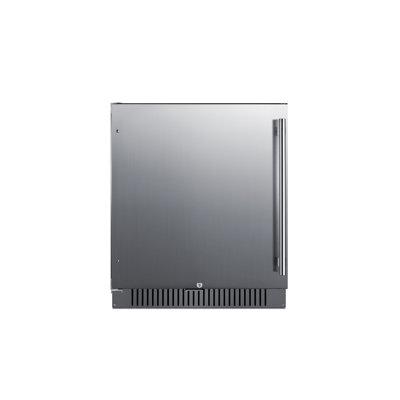
Beverage fridges favor a sleek, modern look with stainless steel or tempered-glass exteriors, adjustable interior shelves, and often LED lighting to make the contents easy to see.
Feature
Beverage Refrigerator
Exterior Material
Stainless Steel, Tempered Glass
Interior Design
Adjustable Shelves, LED Lighting
Suitable Locations
Kitchen, Home Bar, Entertainment Area
Wine Refrigerators: Elegance and Precision
Wine fridges lean refined, with wooden or metal shelves that lock each bottle in place, finishes from classic wood to stainless steel, UV-resistant glass doors, and humidity control tuned for aging.
Feature
Wine Refrigerator
Exterior Material
Wood, Stainless Steel
Interior Design
Wooden/Metal Shelves, UV-Resistant Glass, Humidity Control
Both types produce similar noise — about 35-45 dB for compressor models. Wine fridges can be marginally quieter thanks to vibration-dampened compressor mounting, but the gap is only 1-3 dB, which is imperceptible. Thermoelectric wine refrigerators are the quietest option at 25-35 dB; thermoelectric beverage fridges are rare because that technology cannot reach the colder temperatures beverage coolers require.
A wine fridge uses slightly less energy because holding 55°F takes less compressor work than holding 36°F — a difference of roughly $5-$10 per year. Both categories offer ENERGY STAR certified models. Consumption rises with frequent door openings, a warm room, or direct sunlight.
Wine fridges cost 20-40% more than comparable beverage fridges because of specialized shelving, vibration control, UV glass, and precise temperature engineering. A combination center costs more than either single-purpose unit but less than buying two appliances.
Placement and Usage
The right spot improves both performance and convenience. Beverage fridges are flexible; wine fridges reward a cooler, more stable location.
Best Spots for Beverage Refrigerators
Kitchen: keeps drinks handy while cooking or hosting.
Home Bar: stocks a variety of drinks for guests.
Living Room: a cold drink without leaving the couch.
Office: cool drinks through the workday without leaving your desk.
Garage or Patio: extra storage for gatherings; outdoor-rated models suit pool houses and outdoor kitchens.
Best Spots for Wine Refrigerators
Dining Room: serve wine at the ideal temperature during meals.
Home Bar: easy access to the collection for you and guests.
Kitchen: convenient when there is room near where you cook and serve.
Basement: naturally cooler and more stable — ideal for storage.
Living Room: a solid choice if you like sipping wine while relaxing.
Both wine and beverage refrigerators come in freestanding and built-in configurations. Built-in models use front-venting exhaust so they can sit flush inside cabinetry without overheating; freestanding models vent from the rear or sides and need 3 to 5 inches of clearance for airflow. When choosing a built-in unit, measure the cabinet opening precisely — 24-inch openings fit most standard models, while 15-inch and 18-inch slimline units fit narrower spaces.
Outdoor use adds requirements: sealed electrical components, stainless steel rated for moisture, and a compressor rated for wider ambient temperatures. Outdoor-rated beverage fridges are common for patios and pools; outdoor-rated wine fridges are rarer because wine needs tighter temperature control than most outdoor environments provide. Always choose a UL-rated outdoor unit for exterior installations.
Maintenance and Longevity
Regular upkeep keeps both appliances efficient and extends their life. A well-maintained compressor wine refrigerator lasts 10 to 15 years — premium European models such as EuroCave or Liebherr often exceed 15 — while a quality beverage refrigerator lasts 8 to 12 years, running colder and seeing more door traffic. In addition to the steps below, vacuum or brush the condenser coils once or twice a year and replace carbon filters annually on models that use them.
Beverage Fridge Care
Unplug It: always disconnect from power before cleaning.
Empty It Out: remove all drinks and removable shelves.
Clean Inside: use mild detergent and warm water — skip harsh chemicals.
Wipe Outside: a damp cloth and mild soap.
Check the Seals: inspect door gaskets for wear and clean them to keep the seal tight.
Defrost: for manual-defrost models, clear ice buildup as it appears.
Task
How Often
Clean Inside
Every 3 months
Clean Outside
Monthly
Check Seals
Monthly
Defrost (if needed)
As needed
Wine Fridge Care
Unplug It: always disconnect before cleaning.
Remove Bottles: carefully take out all wine bottles and racks.
Clean Inside: use mild detergent and warm water; avoid harsh chemicals.
Wipe Outside: a soft cloth and gentle cleaner.
Check the Seals: inspect and clean door seals to keep them airtight.
Monitor Humidity: keep levels in range so corks stay moist; check wooden shelves for mold in humid rooms.
The most common mistake is storing wine long-term in a beverage refrigerator. Its 34-38°F operating temperature is 15 to 25 degrees colder than red wine wants, and the low humidity dries natural corks. Chilling wine for a weekend before a party is harmless; storing it for months is damaging — for anything longer than about two weeks, use a wine refrigerator.
The reverse mistake — using a wine fridge for everyday drinks — is less harmful but wasteful. Even a wine fridge's coolest 45°F setting is warmer than most people want a soda or beer, and you would pay a premium for vibration damping, UV glass, and horizontal racks that do nothing for cans. A basic beverage fridge costs 30-40% less and delivers colder drinks.
Who Should Buy Which
Buy a wine refrigerator if wine is your primary interest. Even a modest 20-bottle collection benefits from proper temperature, cork-preserving humidity, UV protection, and vibration control that protect the investment and serve every bottle at its best.
Buy a beverage refrigerator if you want ice-cold sodas, beer, water, and mixed drinks on demand. The colder range, flexible shelving, and higher can capacity make it the ideal cold-drink station for entertaining and everyday use.
Buy a combination wine and beverage center if you want both in one footprint. The dual-zone design holds wine temperatures in one section and beverage temperatures in the other, so you avoid buying two appliances.
FAQ
What is the main difference between a beverage fridge and a wine fridge?
Temperature and interior design. A beverage fridge runs colder (34-50°F) with flat shelves for cans and bottles; a wine fridge runs warmer (45-65°F) with humidity control, UV-tinted glass, vibration damping, and angled racks that hold bottles on their sides.
Can I store wine in a beverage refrigerator?
Short-term, yes — a day or two of chilling before serving is fine. Long-term, no. A beverage fridge is 15 to 25 degrees too cold for red wine and its 30-40% humidity dries out natural corks, letting air in and spoiling the wine over weeks or months.
Can I keep sodas and beer in a wine fridge?
You can, but it is not ideal. The coolest most wine fridges reach is about 45°F, warmer than most people want a cold soda or beer, and you would pay for wine-specific features you do not need for cans.
What is the difference between a beverage cooler and a mini fridge?
A beverage cooler is single-purpose: it holds one wide, cold temperature (34-50°F) with shelving optimized for cans and bottles, usually behind a glass door. A mini fridge is a general-purpose compact refrigerator with a solid door, sometimes a tiny freezer, meant for food and drinks together. See Fridge.com full breakdown in drink fridge Vs. mini fridge.
Mini fridge or wine cooler — which is better for wine?
A wine cooler. A mini fridge runs too cold and too dry for corked bottles and stores them upright, while a wine cooler holds the right 45-65°F range and humidity and lays bottles horizontally to keep corks moist.
Can a beverage fridge chill beer mugs and glassware?
Yes. Set to its coldest point near 34°F, a beverage fridge frosts beer mugs and pint glasses well. Empty the mugs, leave space for airflow, and give them time to reach temperature before serving.
What is a dual-zone or combination fridge?
A dual-zone wine fridge keeps two independent temperatures — for example reds at 60°F and whites at 48°F. A combination wine and beverage center goes further, with one zone tuned for wine and another for cold cans, giving you both appliances in a single cabinet.
How long do these appliances last?
A well-maintained wine refrigerator lasts 10 to 15 years, and premium models often longer; a beverage refrigerator typically lasts 8 to 12 years because it runs colder and is opened more often. Annual coil cleaning and a good door gasket extend the life of both.
Compare prices on Fridge.com
Compare current prices and specifications on Fridge.com, then buy from the retailer you choose; delivery, installation and warranty terms are the retailer’s.
From Fridge.com research
Figures below come from data Fridge.com builds and maintains. Each links to the record behind it.
Fridge.com Energy Index, built on U.S. EPA and DOE ENERGY STAR records
Across 5,455 ENERGY STAR certified refrigerators and freezers from 263 brands, median use is 360 kWh per year.