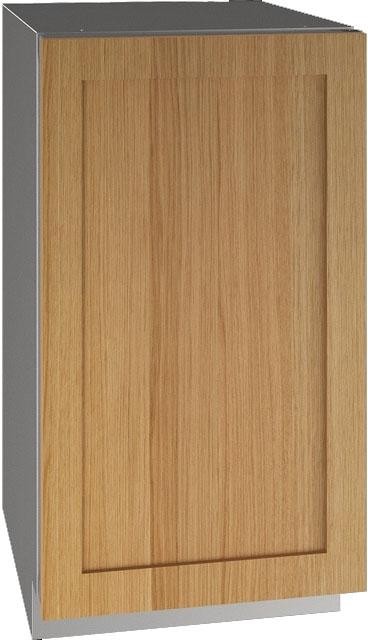
When deciding between a beverage center and a countertop refrigerator, it's important to consider various factors to ensure you make the best choice for your needs.
They are ideal for homes, offices, or entertainment areas where you need quick access to a variety of drinks.
Precise, often with multiple zones.
Countertop refrigerators are compact, making them ideal for dorm rooms, offices, or small kitchens.
Understanding Beverage Centers and Countertop Refrigerators
To make an informed decision between a beverage center and a countertop refrigerator, it's crucial to understand what each appliance offers. Both have unique features and benefits tailored for different needs and spaces.
What is a Beverage Center?
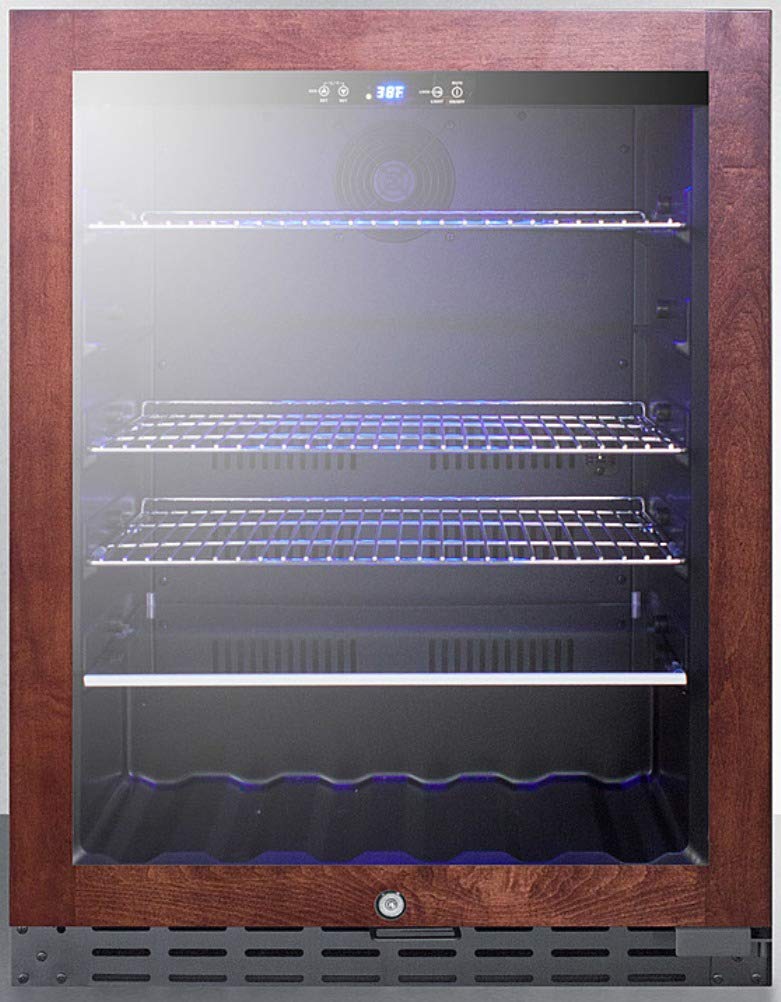
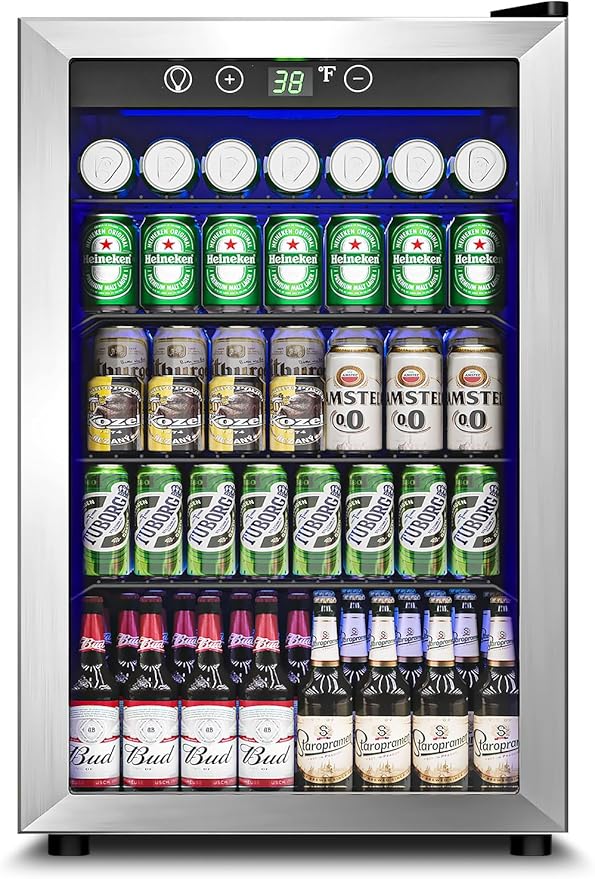
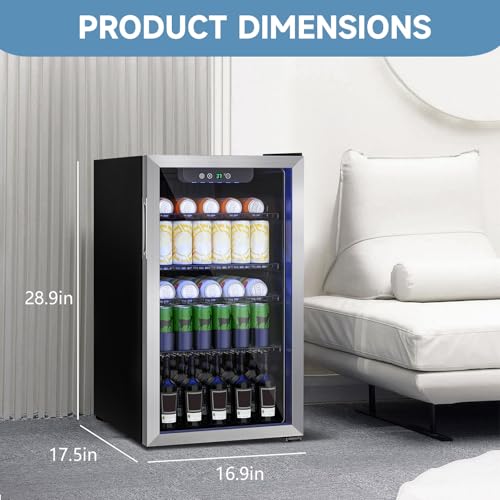
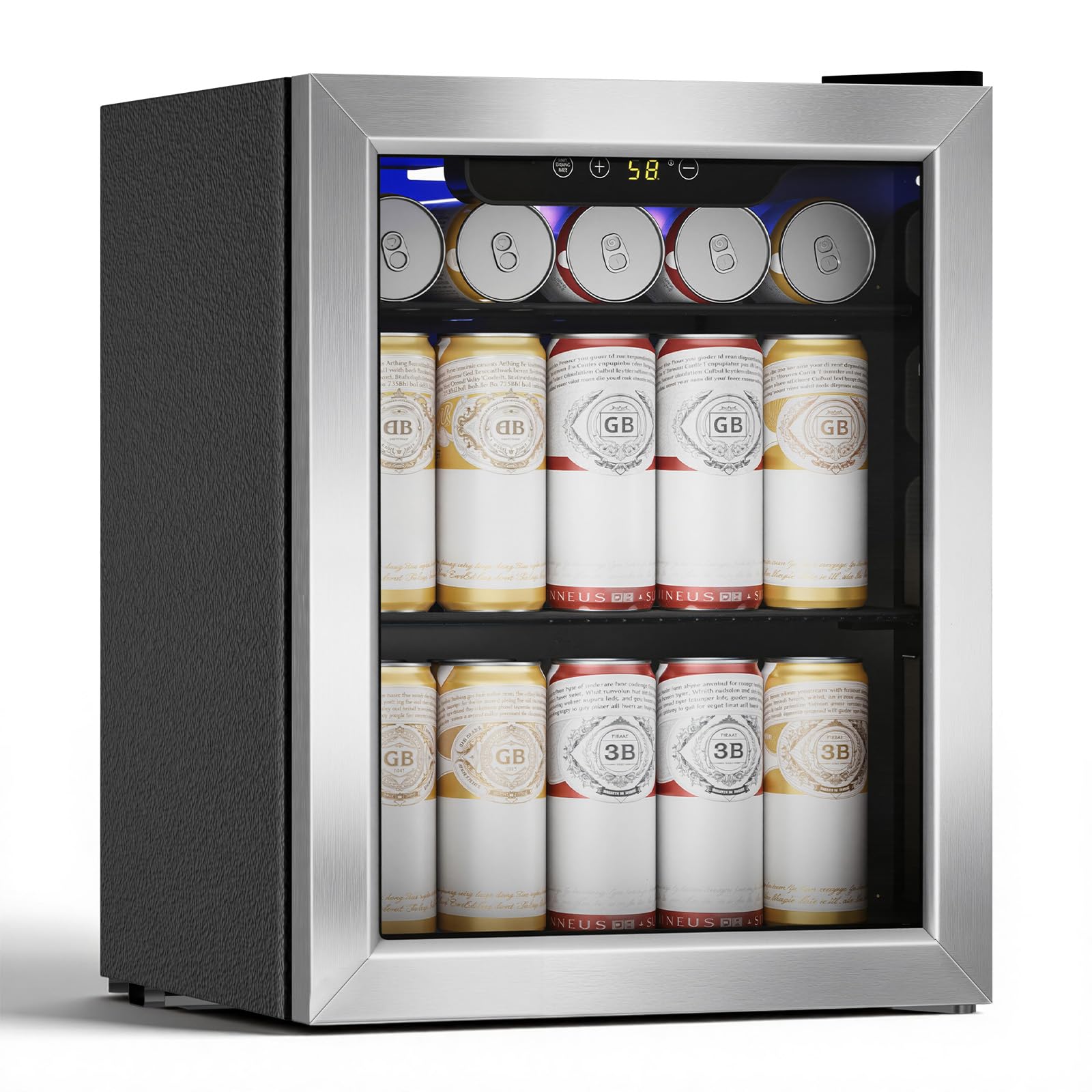
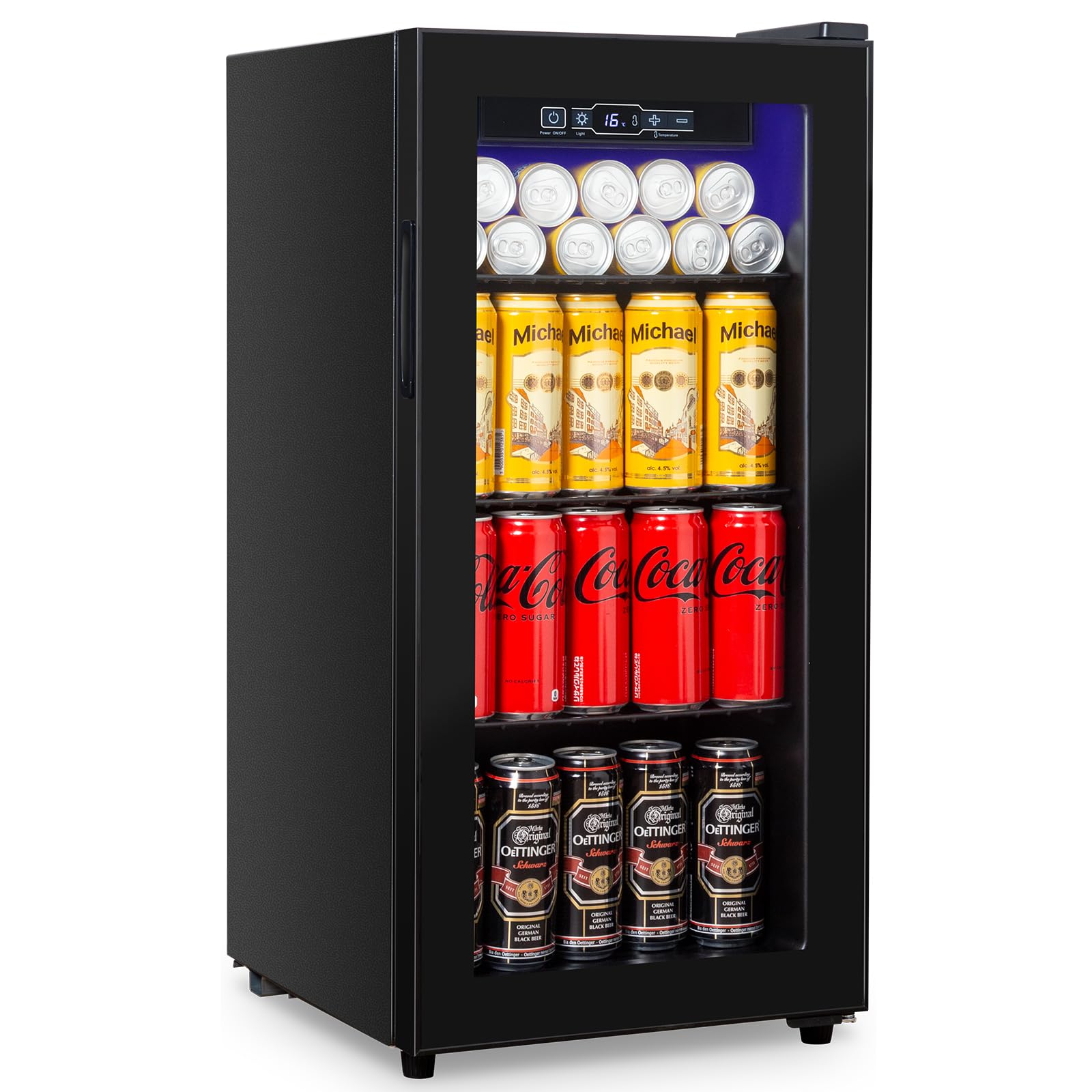
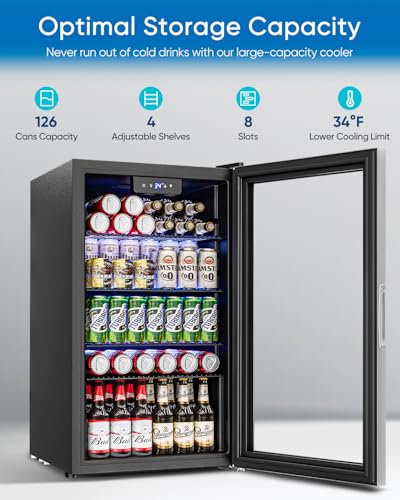
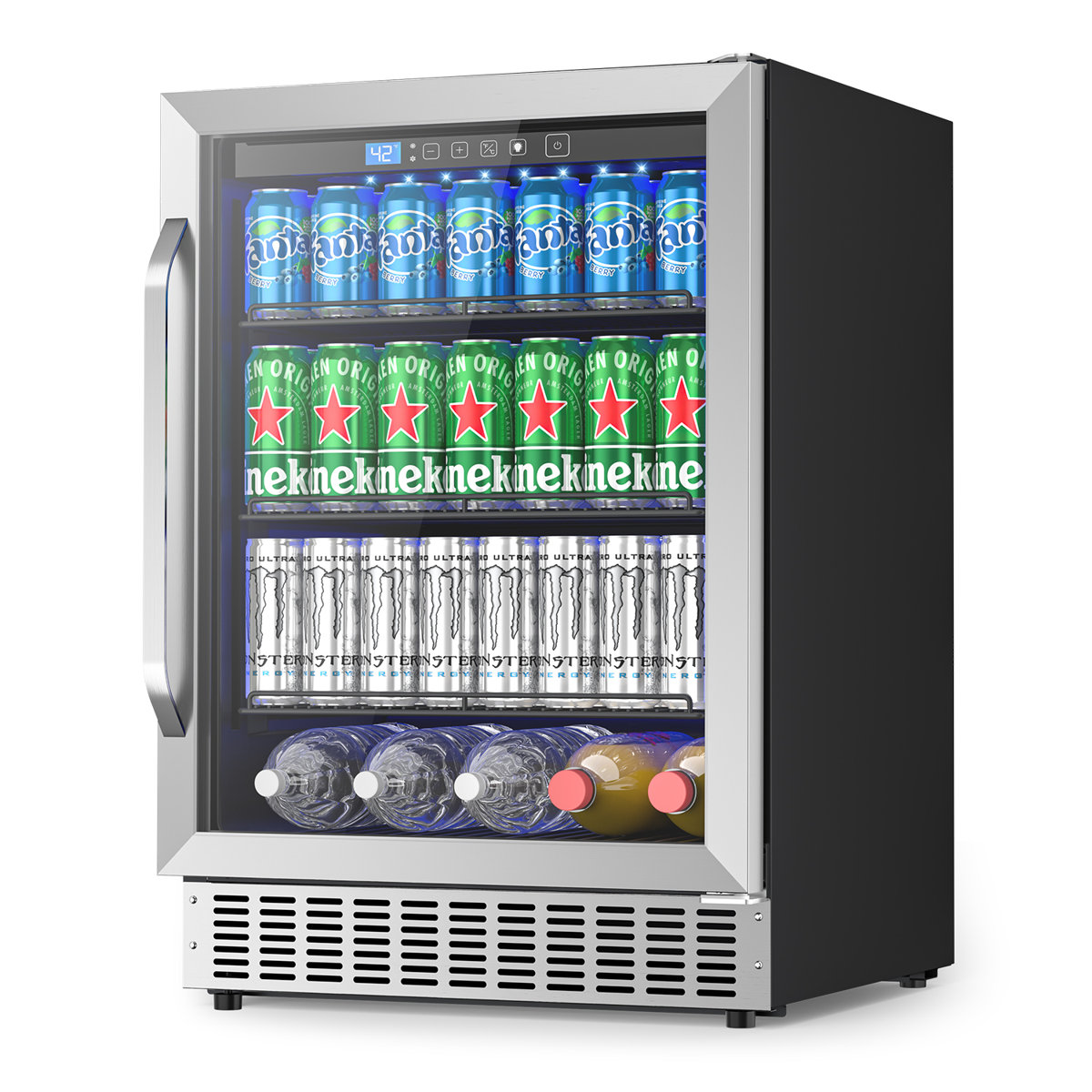
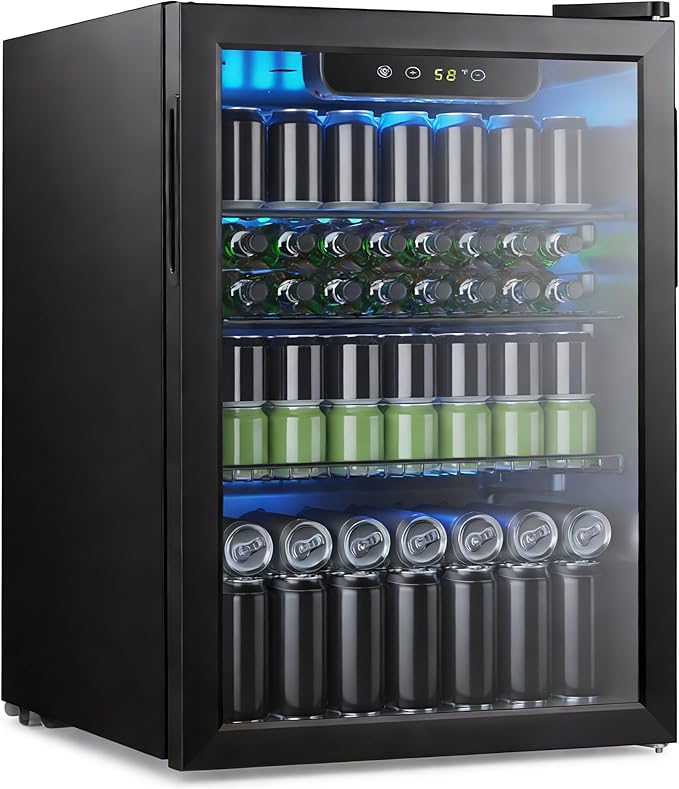
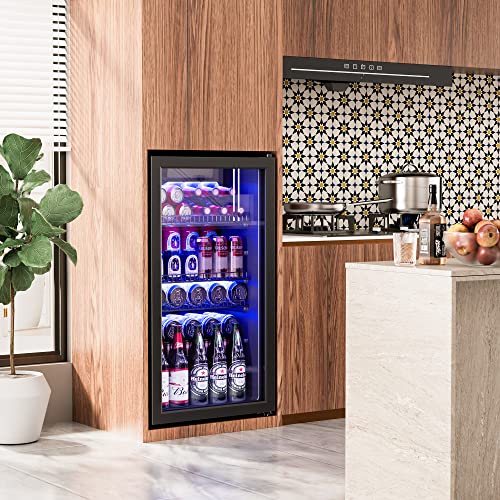
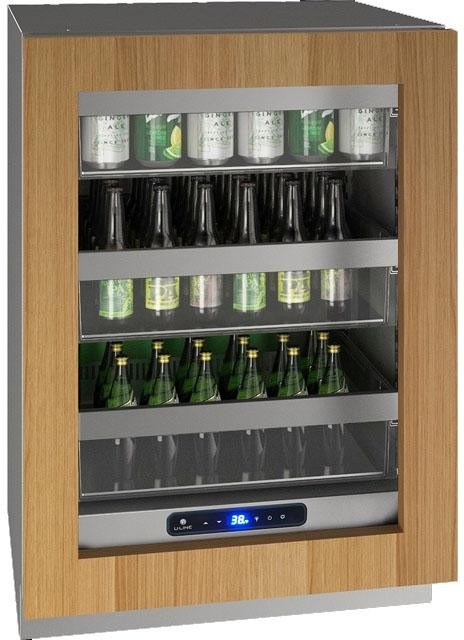
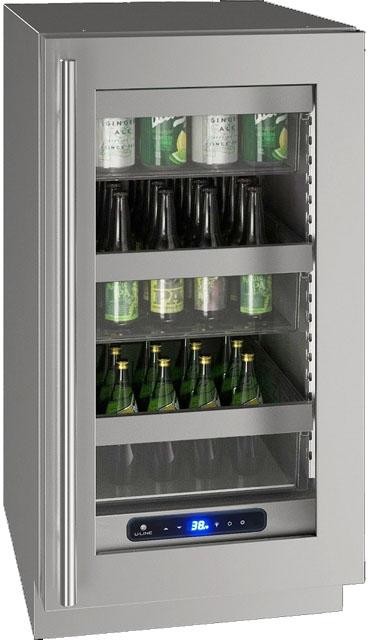
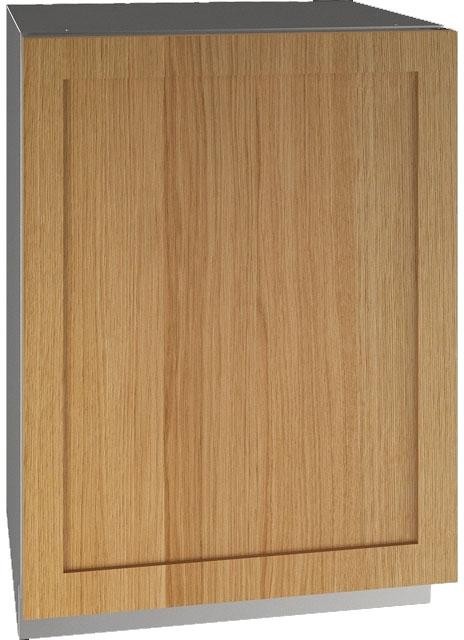
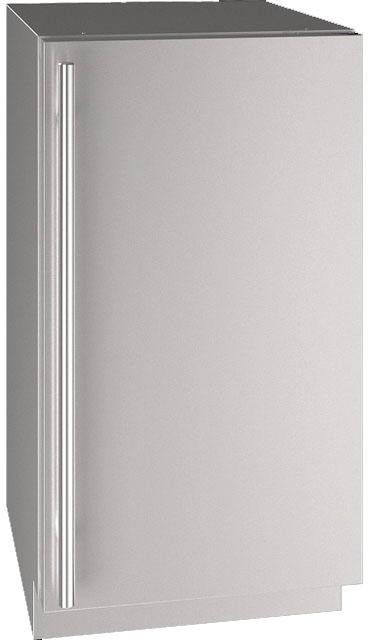
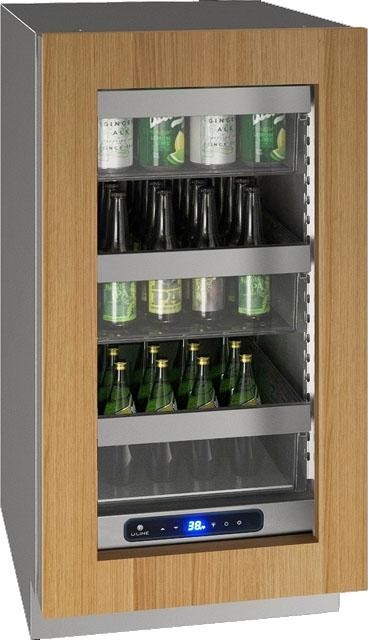
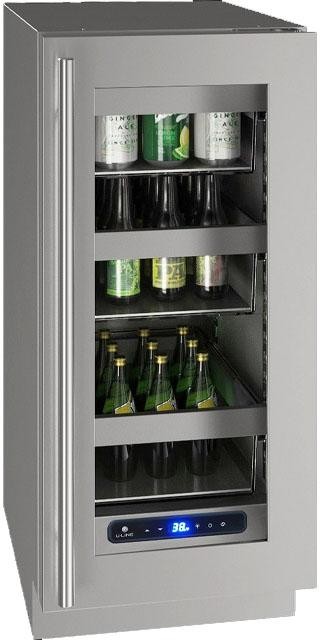
A beverage center is a specialized appliance designed to store and cool beverages. It often includes adjustable shelves, temperature controls, and transparent doors for easy access and visibility. Beverage centers are typically larger than mini-fridges but more compact than standard refrigerators. They are ideal for homes, offices, or entertainment areas where you need quick access to a variety of drinks.
Feature
Details
Primary Use
Beverage storage
Size
Medium to large
Shelves
Adjustable, often designed for bottles and cans
Temperature Control
Precise, often with multiple zones
Door Type
Transparent or solid
What is a Countertop Refrigerator?
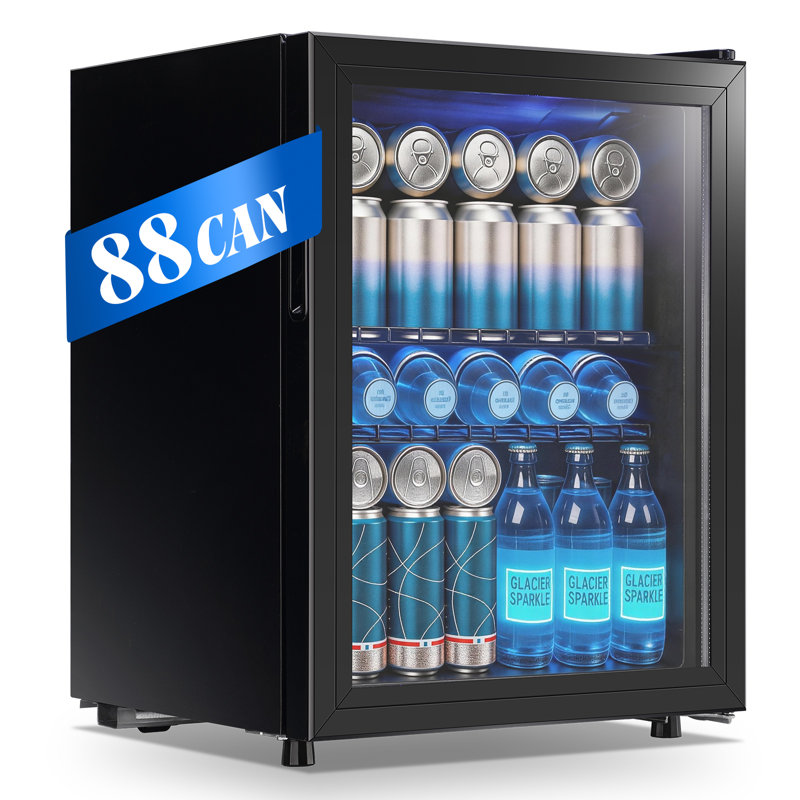
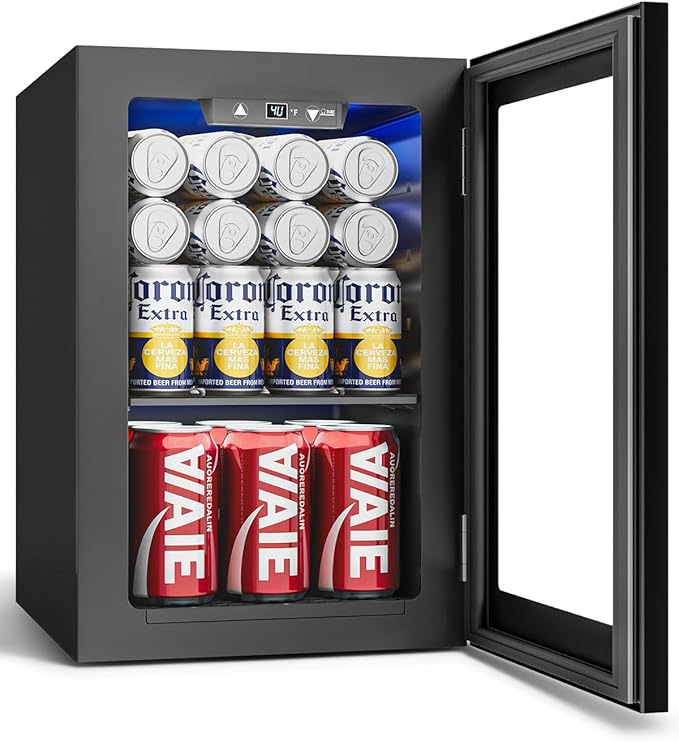
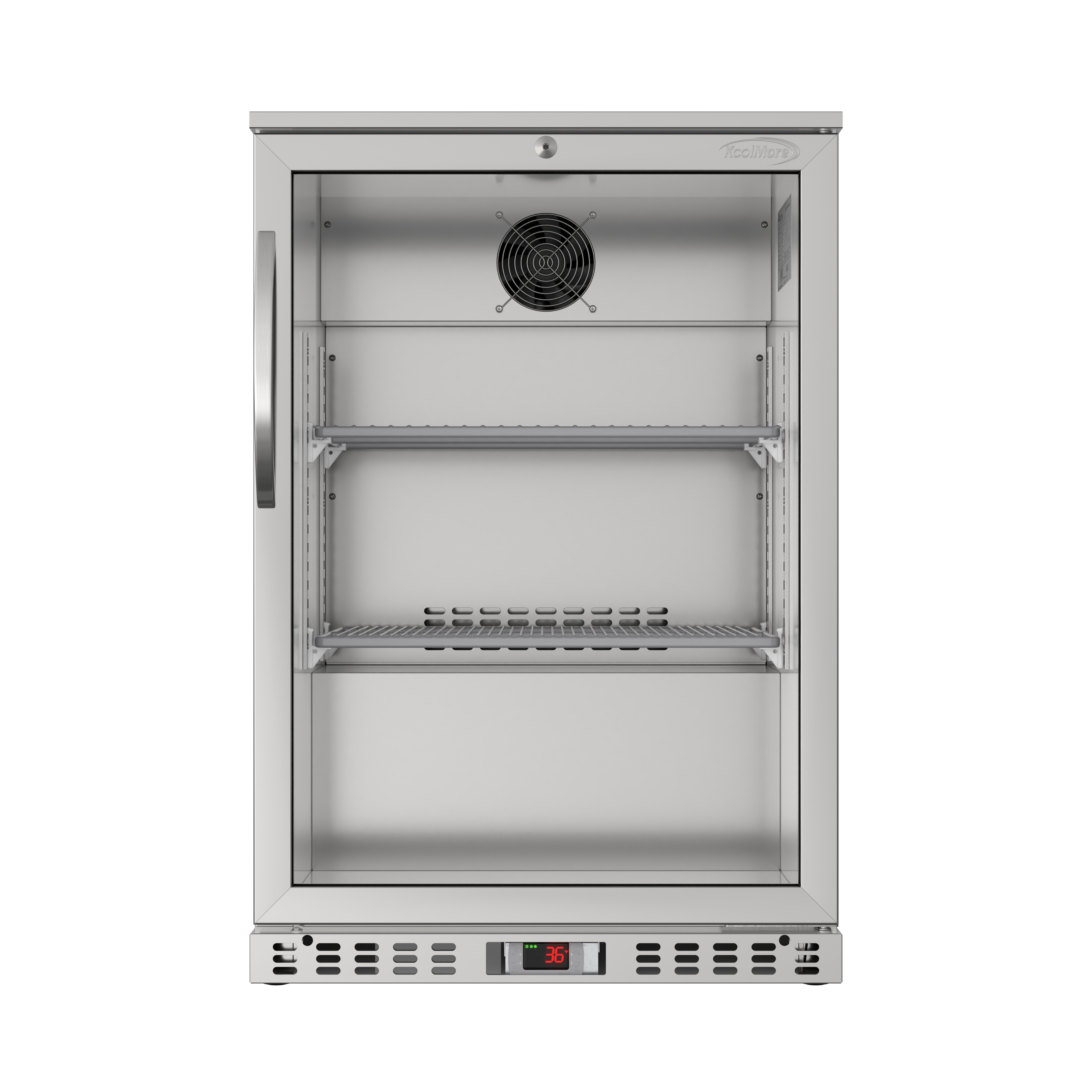
A countertop refrigerator is a small, versatile fridge designed to fit on countertops or small spaces. It is suitable for storing a variety of items, including snacks, beverages, and small meals. Countertop refrigerators are compact, making them ideal for dorm rooms, offices, or small kitchens. They usually come with basic features like small shelves, a compact freezer section, and adjustable temperature settings.
Beverage centers are designed specifically to store drinks, making them ideal for entertainment areas, kitchens, and home bars. These units often come with a variety of features to enhance usability and efficiency.
Features:
Adjustable Shelves: Beverage centers typically have adjustable shelves, allowing you to store bottles and cans of various sizes.
Temperature Control: Many models come with precise temperature controls, enabling you to set the optimal temperature for different types of beverages.
Glass Doors: Transparent glass doors are common, so you can easily see and showcase your drink collection.
LED Lighting: Interior LED lighting illuminates the contents without generating excess heat.
Capacities:
The capacity of a beverage center can vary widely, generally measured in terms of the number of standard-sized cans or bottles it can hold.
Beverage Center Type
Capacity (Number of Cans)
Compact Beverage Center
60 - 80
Mid-Size Beverage Center
100 - 150
Large Beverage Center
150 - 200+
For more insights on beverage storage options, check Fridge.com guide on beverage fridge Vs. freezer drawer.
Countertop Refrigerator Features and Capacities
Countertop refrigerators offer a compact and versatile refrigeration solution, suitable for small spaces like offices, dorm rooms, and bedrooms. These units are designed for convenience and easy access.
Features:
Compact Design: The small footprint of countertop refrigerators makes them easy to place on countertops or other small surfaces.
Adjustable Thermostat: Many models come with an adjustable thermostat, allowing you to control the internal temperature.
Removable Shelves: Removable shelves offer flexibility in storing items of different shapes and sizes.
Energy Efficiency: Designed to be energy-efficient, these refrigerators consume less power while still providing effective cooling.
Capacities:
The capacity of countertop refrigerators is usually measured in cubic feet, reflecting their limited but practical storage space.
In summary, whether you choose a beverage center or a countertop refrigerator depends on your specific needs for features and storage capacity. For more information on choosing the right refrigeration unit, check other Fridge.com comparisons like outdoor refrigerator Vs. reach in refrigerator and large refrigerator Vs. mini fridge.
Choosing between a beverage center and a countertop refrigerator involves considering how and where each appliance will be installed and placed. Let's examine the installation and placement requirements for each.
Beverage Center Installation and Placement
A beverage center is designed specifically for storing drinks, making it a popular choice for entertainment areas, kitchens, and home bars. Installing a beverage center requires a bit more planning compared to a countertop refrigerator.
Installation Requirements:
Built-in or Freestanding: Beverage centers can be either built-in or freestanding. Built-in models are designed to fit seamlessly under countertops, which requires precise measurements and potentially some cabinetry work. Freestanding models offer more flexibility in placement.
Ventilation: Proper ventilation is crucial for built-in beverage centers. Ensure there is adequate space around the unit for air circulation to prevent overheating.
Electrical Outlet: Beverage centers typically require a standard electrical outlet. Ensure that the outlet is easily accessible and meets the power requirements of the unit.
Placement Considerations:
Proximity to Entertaining Areas: Place your beverage center near areas where you entertain guests, such as a living room, patio, or dining area.
Accessibility: Ensure the unit is easily accessible for frequent restocking and retrieving drinks.
Aesthetic Integration: Consider how the beverage center fits with the overall design of the space. Built-in models can offer a more integrated look.
Countertop Refrigerator Installation and Placement
Countertop refrigerators are compact and versatile, making them suitable for a variety of spaces including kitchens, offices, dorm rooms, and even outdoor areas. Their installation and placement are generally simpler compared to beverage centers.
Installation Requirements:
Plug-and-Play: Countertop refrigerators are typically plug-and-play appliances. You only need a standard electrical outlet to get started.
Stable Surface: Ensure the refrigerator is placed on a stable and flat surface to avoid any operational issues.
Placement Considerations:
Space Availability: Due to their compact size, countertop refrigerators can fit in tight spaces. Measure the available space to ensure a good fit.
Accessibility: Place the refrigerator in a location that is easy to access for daily use.
Ventilation: While countertop refrigerators require less ventilation compared to built-in beverage centers, ensure there is some space around the unit for air circulation.
Feature
Beverage Center
Countertop Refrigerator
Installation Type
Built-in or Freestanding
Freestanding
Electrical Requirement
Standard Outlet
Standard Outlet
Ventilation
Necessary for built-in models
Minimal
Placement Flexibility
Moderate
High
Typical Locations
Kitchens, Home Bars, Entertainment Areas
Kitchens, Offices, Dorm Rooms, Outdoor Areas
Understanding these installation and placement needs will help you decide whether a beverage center or a countertop refrigerator is the better choice for your space. For more comparisons, you can visit Fridge.com articles on beverage fridge Vs. freezer drawer and outdoor refrigerator Vs. reach in refrigerator.
When comparing beverage centers and countertop refrigerators, it's essential to understand their functionality and versatility to determine which best suits your needs.
Beverage Center Functionality and Versatility
Beverage centers are designed specifically for storing beverages. They typically offer adjustable shelving and temperature controls to accommodate different types of drinks, from sodas to wines. This makes them an excellent choice for those who entertain frequently or have a dedicated space for drink storage.
Key Functionalities:
Temperature Range: Beverage centers often have a broader temperature range, which can be beneficial for storing a variety of beverages.
Specialized Storage: They usually feature specialized shelves and racks designed to hold bottles and cans securely.
Glass Doors: Many beverage centers have glass doors, allowing you to display your drink collection.
Versatility:
Dedicated Use: Beverage centers are ideal for home bars, entertainment areas, or kitchens where drink storage is a priority.
Indoor and Outdoor Use: Some models are suitable for outdoor use, making them perfect for patios or pool areas.
Feature
Beverage Center
Temperature Range
34°F - 64°F
Specialized Storage
Bottle and can racks
Door Type
Glass, solid
Placement
Indoor, outdoor
Countertop Refrigerator Functionality and Versatility
Countertop refrigerators are compact and versatile, designed to fit on kitchen counters or small spaces. They offer general refrigeration capabilities, making them suitable for a variety of uses beyond just beverage storage.
Key Functionalities:
Compact Size: Their small footprint makes them ideal for tight spaces, such as dorm rooms, offices, or small apartments.
General Storage: Countertop refrigerators can store a mix of items, including beverages, snacks, and small food items.
Portability: Their lighter weight and compact size make them easy to move and relocate as needed.
Versatility:
Multi-purpose Use: These refrigerators can be used in various settings, such as homes, offices, or dormitories.
Flexible Placement: They can be placed on countertops, under desks, or in any small space requiring refrigeration.
Feature
Countertop Refrigerator
Temperature Range
32°F - 50°F
Specialized Storage
General shelves
Door Type
Solid
Placement
Indoor
Understanding the functionality and versatility of both beverage centers and countertop refrigerators can help you make an informed decision based on your specific needs. Whether you require specialized beverage storage or a compact, multi-purpose refrigerator, each option offers unique benefits. For more on how these options compare to other types of refrigerators, check out Fridge.com articles on outdoor refrigerator Vs. reach in refrigerator and ice maker Vs. top freezer refrigerator.
Energy Efficiency and Maintenance
When comparing beverage centers and countertop refrigerators, energy efficiency and maintenance are critical factors to consider. Understanding these aspects can help you make an informed decision that suits your needs.
Beverage Center Energy Efficiency and Maintenance
Beverage centers are designed to store drinks at optimal temperatures, which can be more energy-efficient than traditional refrigerators. They often feature advanced cooling technologies that ensure consistent temperatures with minimal energy consumption.
Energy Efficiency:
Feature
Beverage Center
Average Annual Energy Consumption (kWh)
150 - 250
Temperature Range (°F)
34 - 64
Maintenance for beverage centers is generally straightforward. Regular cleaning of the interior, checking door seals, and defrosting (if necessary) are key tasks. Some models come with automatic defrost features, reducing the need for manual intervention.
Maintenance Tips:
Clean shelves and interior surfaces monthly.
Check and replace door seals as needed.
Ensure proper ventilation around the unit.
Defrost periodically if manual defrost is required.
To explore more about beverage centers and their functionalities, check out Fridge.com article on beverage fridge Vs. freezer drawer.
Countertop Refrigerator Energy Efficiency and Maintenance
Countertop refrigerators are compact and versatile, making them suitable for various settings. These refrigerators are typically designed with energy efficiency in mind, but their performance can vary based on the model and usage.
Energy Efficiency:
Feature
Countertop Refrigerator
Average Annual Energy Consumption (kWh)
100 - 200
Temperature Range (°F)
32 - 50
Maintenance for countertop refrigerators is similar to beverage centers but can vary slightly based on the model. Regular cleaning, defrosting, and ensuring proper ventilation are crucial to maintaining efficiency and longevity.
Maintenance Tips:
Clean the interior and exterior regularly.
Defrost the freezer compartment if applicable.
Check door seals and replace if they show signs of wear.
Keep the condenser coils clean for optimal performance.
By understanding the energy efficiency and maintenance requirements of beverage centers and countertop refrigerators, you can make a well-informed decision. For more comparisons, consider reading Fridge.com article on outdoor refrigerator Vs. reach in refrigerator.
When deciding between a beverage center and a countertop refrigerator, it's important to consider various factors to ensure you make the best choice for your needs.
Factors to Consider
Space and Placement: Determine where you plan to place the appliance. A beverage center usually fits well in a dedicated bar area or kitchen, while a countertop refrigerator is more versatile and can be placed on a kitchen counter, in an office, or in a small apartment.
Capacity Requirements: Assess your storage needs. Beverage centers are designed to store a large number of drinks and often come with specialized racks for bottles and cans. Countertop refrigerators, on the other hand, offer more general storage space for various types of food and beverages.
Temperature Control: Consider the temperature range and control options. Beverage centers often have precise temperature settings ideal for wine and other beverages, whereas countertop refrigerators typically offer a broader temperature range suitable for different food items.
Energy Efficiency: Look for energy-efficient models to save on utility bills. Check the energy ratings of both options to determine which will be more cost-effective in the long run.
Additional Features: Think about any additional features you might need, such as adjustable shelves, LED lighting, or digital temperature displays. Both beverage centers and countertop refrigerators may offer these features, but the availability can vary.
Factor
Beverage Center
Countertop Refrigerator
Space
Dedicated bar area, kitchen
Countertop, office, small apartment
Capacity
Large number of drinks
General storage for food and beverages
Temperature Control
Precise settings for beverages
Broad range for food items
Additional Features
Racks for bottles/cans, LED lighting
Adjustable shelves, digital displays
Which Option Suits Your Lifestyle?
Entertainer: If you frequently host gatherings and need to keep a variety of drinks chilled and accessible, a beverage center might be the better choice. Its specialized compartments and temperature settings make it ideal for entertaining.
Small Space Dweller: For those living in apartments, condos, or tiny homes, a countertop refrigerator offers versatility and compactness. It can store both food and drinks, making it a practical option for limited space.
Office Use: In an office setting, a countertop refrigerator is likely more suitable due to its ability to store a range of items, from lunch to beverages, fitting seamlessly in a break room or under a desk.
Outdoor Enthusiast: If you're looking for an appliance for your outdoor space, consider the durability and placement options. A beverage center can be a stylish addition to an outdoor bar, while a countertop refrigerator is more portable and can be moved as needed.
For more detailed comparisons, you can explore articles like outdoor refrigerator Vs. reach in refrigerator and drink fridge Vs. reach in freezer. These resources can provide additional insights to help you make an informed decision.
Compare prices on Fridge.com
Compare current prices and specifications on Fridge.com, then buy from the retailer you choose; delivery, installation and warranty terms are the retailer’s.
It also has tons of awesome articles about kitchen stuff and home news. Enhance your home, garage, backyard, patio, and office with the coolest essentials. With every necessary type of residential refrigerator or freezer in the collection, you're covered.
Frequently Asked Questions
A beverage center is a specialized appliance designed to store and cool beverages. It often includes adjustable shelves, temperature controls, and transparent doors for easy access and visibility. Beverage centers are typically larger than mini-fridges but more compact than standard refrigerators. They are ideal for homes, offices, or entertainment areas where you need quick access to a variety of drinks. Feature.
Details.
.
Primary Use.
Beverage storage.
.
Size.
Medium to large.
.
Shelves.
Adjustable, often designed for bottles and cans.
.
Temperature Control.
Precise, often with multiple zones.
.
Door Type.
Transparent or solid.
.