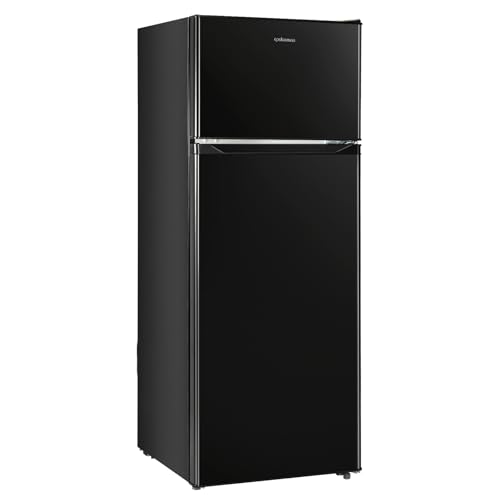
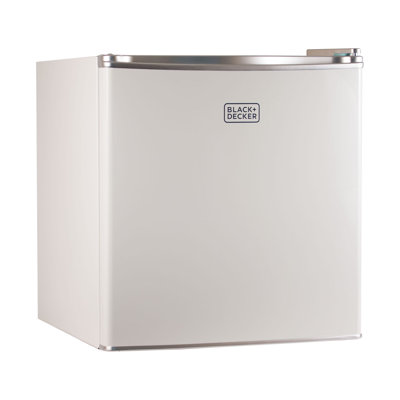
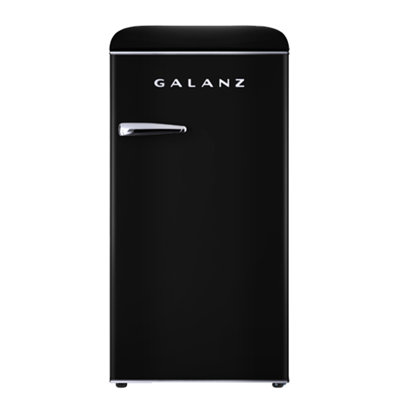
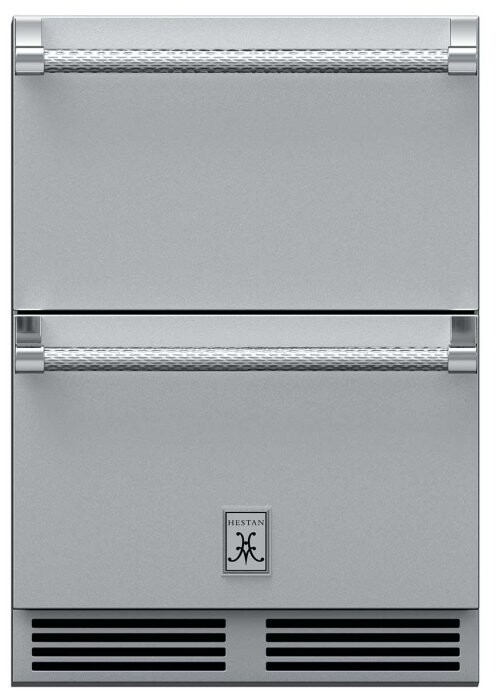
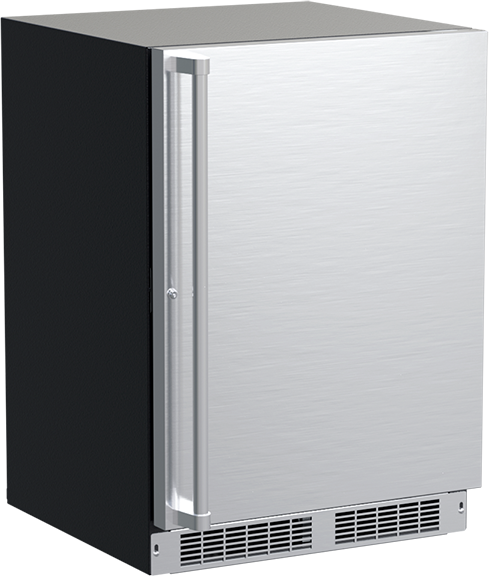
Choosing between a bar fridge and a drawer fridge freezer can feel like picking between pizza and burgers—both are great, but they serve different cravings. Let's break down what each one brings to the table.
Feature/Aspect
Bar Fridge
Drawer Fridge Freezer
Design
Compact, upright
Built-in, pull-out drawers
Best For
Drinks, small snacks
Frozen goods, organized storage
Accessibility
Front door access
Top-down access
Installation
Freestanding
Built-in or under-counter
Space Efficiency
Great for tight spots
Makes the most of under-counter space
Temperature Control
One compartment, basic control
Separate compartments, precise control
Bar Fridges: The Party Starter
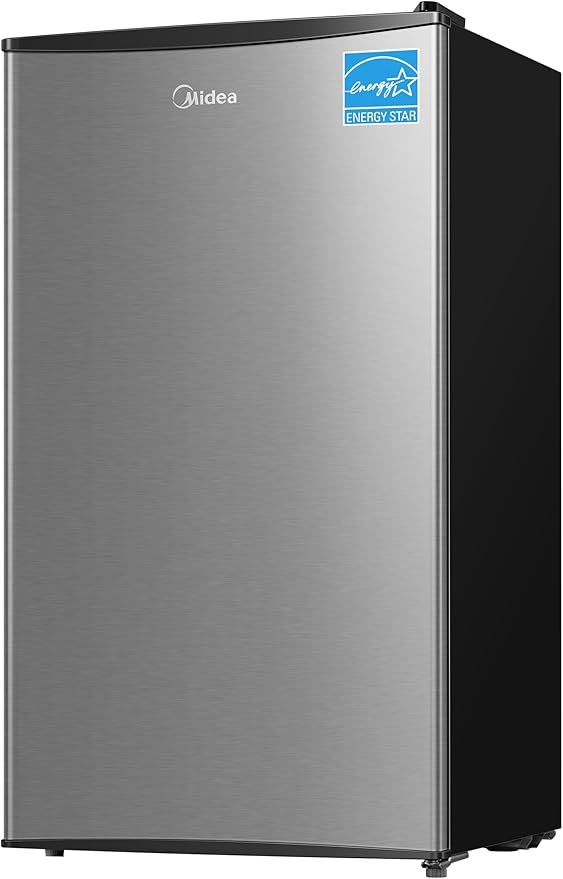
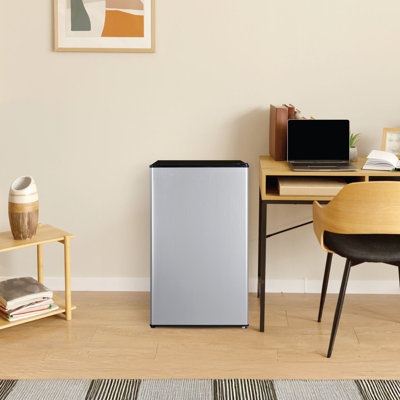
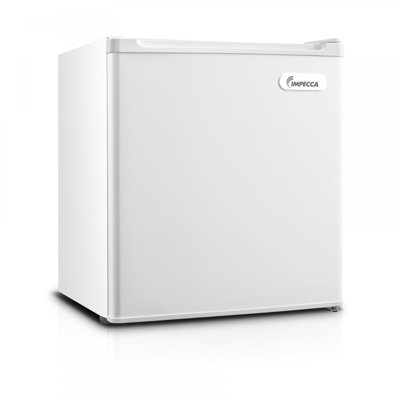
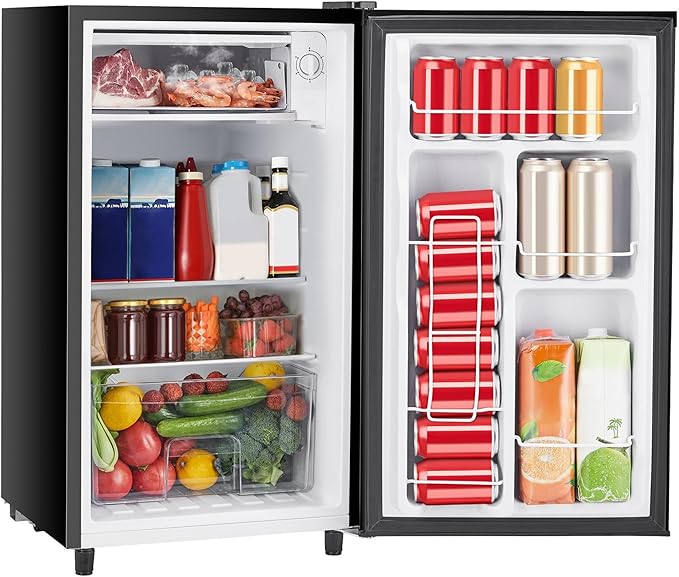
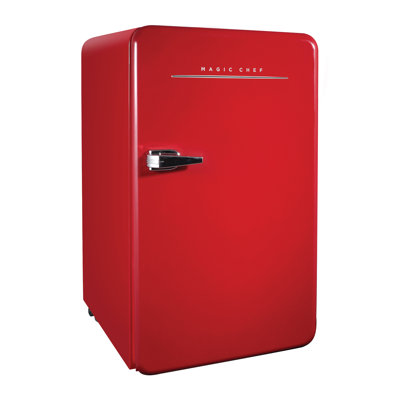
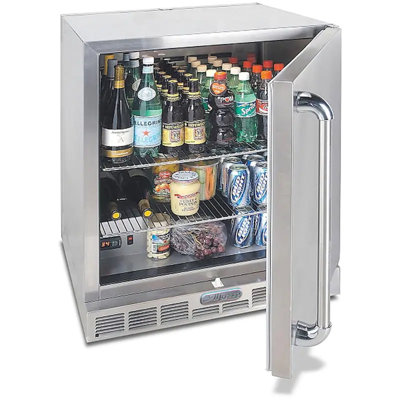
Bar fridges are like the life of the party—small, compact, and always ready to serve up cold drinks and snacks. They fit into tight spaces, making them perfect for apartments, offices, or entertainment areas. With their upright design, you can easily see and grab what you need without digging around. If you're curious about other fridge types, check out Fridge.com article on bar fridge Vs. panel ready refrigerator.
Drawer Fridge Freezers: The Organizer's Dream
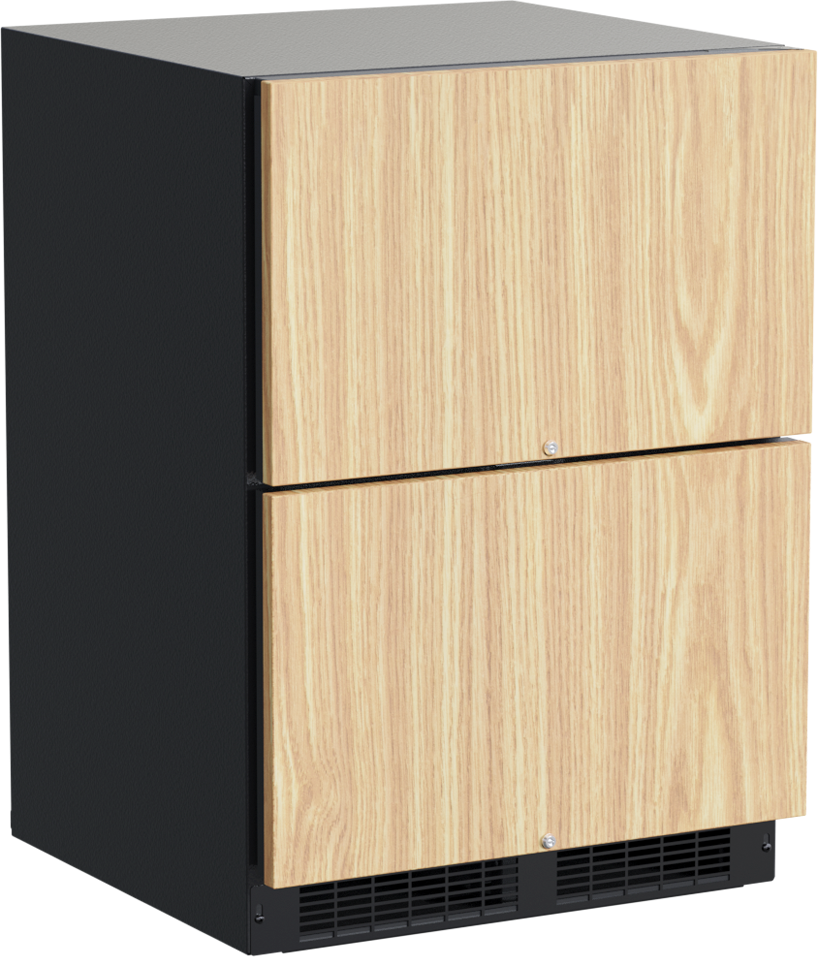
Drawer fridge freezers are the neat freak's best friend. Built into your cabinets, these pull-out drawers keep everything organized and easy to reach. They're perfect for storing both refrigerated and frozen goods, making them a hit in modern kitchens. Plus, they look sleek and save space. For more cool comparisons, see Fridge.com article on freezer drawer Vs. wine fridge.
Making the Choice
So, which one should you go for? It all boils down to what you need. If you want a compact spot for drinks and snacks, the bar fridge is your go-to. But if you're after organized storage for your frozen goodies, the drawer fridge freezer is the way to go. Both have their perks, so think about your space and what you store most often.
In the end, whether you're stocking up on sodas or organizing your frozen meals, there's a fridge out there that's just right for you.
Bar Fridge Overview
What Makes a Bar Fridge Cool?
A bar fridge, or mini fridge if you want to sound fancy, is a small refrigerator perfect for tight spots. Think home bars, offices, dorm rooms, or even as a backup in your kitchen or garage. Here’s what you need to know:
Size and Capacity: These fridges are tiny, usually between 1.7 to 4.5 cubic feet. Perfect for squeezing into small spaces.
Cooling System: They come with either a compressor-based or thermoelectric cooling system. Compressor-based ones are like the Hulk of cooling, keeping things super cold.
Shelving and Storage: Most have adjustable shelves and door compartments, making it easy to stash your drinks, snacks, and smaller food items.
Energy Consumption: Smaller size means they usually sip on electricity, but it can vary depending on the model and cooling system.
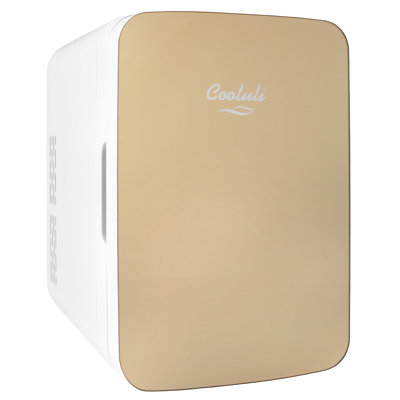
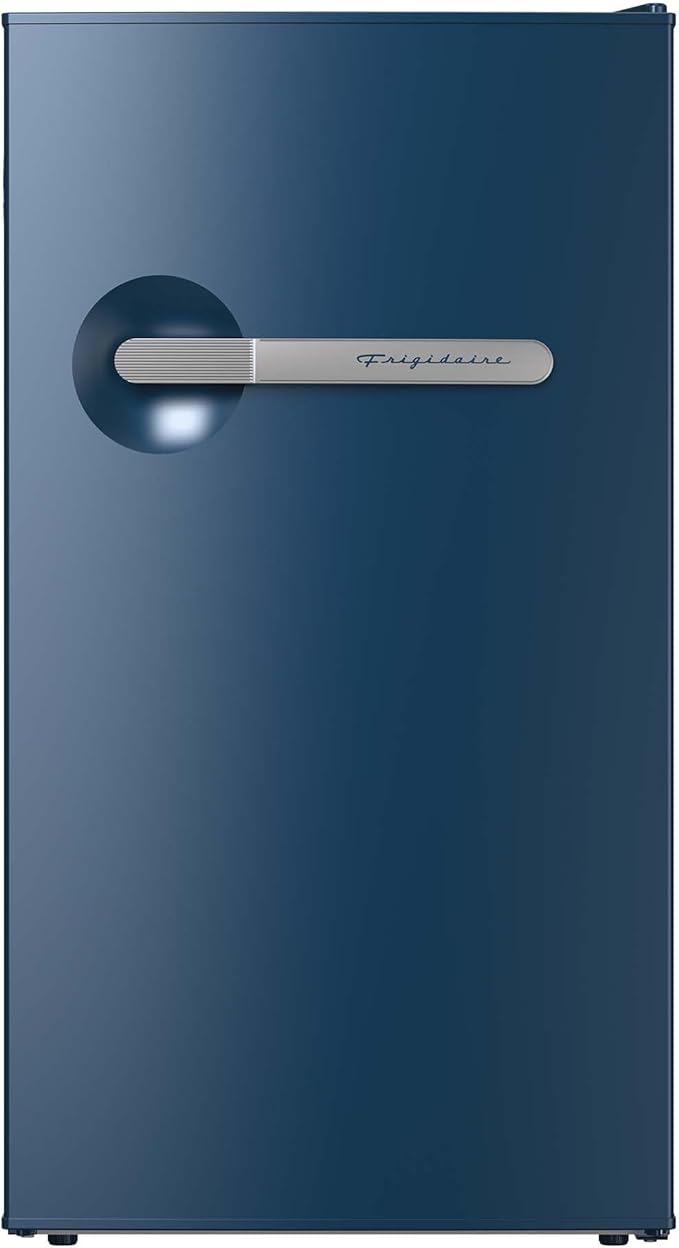
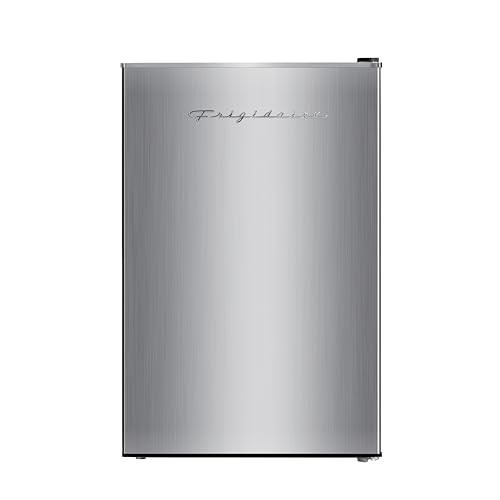
Aesthetic Design: They come in all sorts of colors and finishes to match your style.
The Good, the Bad, and the Chilly: Pros and Cons of a Bar Fridge
Before you decide if a bar fridge is your new best friend, let’s break down the pros and cons.
Pros:
Compact Size: Fits perfectly in small spaces like offices, dorm rooms, and home bars.
Portability: Light and easy to move around whenever you need.
Affordability: Cheaper than full-sized fridges and drawer fridge freezers.
Energy Efficiency: Uses less electricity, which means lower power bills.
Cons:
Limited Capacity: Not much room inside, so not great for big families or lots of food.
Temperature Variability: Some models, especially thermoelectric ones, can be a bit inconsistent with cooling.
Lack of Freezer Compartment: Many bar fridges don’t have a freezer, which can be a bummer if you need one.
Drawer fridge freezers are making waves in modern kitchens, thanks to their cool design and practical features. These nifty appliances come with one or more pull-out drawers that double as fridge and freezer compartments. Here’s what makes them stand out:
Easy Access: No more bending or stretching! The pull-out drawers let you grab what you need in a snap.
Smart Storage: With separate compartments, you can keep your food organized and easy to find.
Customizable Cooling: Many models let you tweak the temperature settings to suit your needs.
Sleek Look: They blend right into your kitchen cabinets, giving your space a clean, modern vibe.
The Good and the Not-So-Good
Thinking about getting a drawer fridge freezer? Here’s a quick rundown of the perks and the pitfalls:
Pros:
Super Convenient: Easy to access and organize your food.
Space-Saver: Perfect for small kitchens or as extra storage.
Stylish: Matches your kitchen cabinets for a seamless look.
Versatile: Great for kitchens, garages, or basements.
Energy-Smart: Often more efficient because of the compartmentalized cooling.
Cons:
Pricey: Usually costs more than regular fridges.
Less Room: Doesn’t hold as much as a full-sized fridge.
Cleaning Hassles: The drawer mechanism can be tricky to clean.
Limited Choices: Not as many models to pick from compared to standard fridges.
Bar Fridges Vs. Drawer Fridge Freezers: Which One Fits Your Life?
Choosing between a bar fridge and a drawer fridge freezer can feel like picking between a cozy nook and a spacious pantry. Both have their perks and quirks, so let's break it down.
Feature
Bar Fridge
Drawer Fridge Freezer
Average Height
20-35 inches
24-34 inches
Average Width
18-24 inches
24-36 inches
Average Depth
18-22 inches
24-30 inches
Storage Capacity
1.5-5.5 cubic feet
2.5-6 cubic feet
Compartments
1-2 shelves
2-4 drawers
Bar Fridge:
Size: Think of bar fridges as the compact cars of the fridge world. They’re perfect for squeezing into small spaces like apartments, offices, or your man cave. They’re usually between 20-35 inches tall and 18-24 inches wide.
Storage Capacity: With 1.5 to 5.5 cubic feet of space, these little guys are great for keeping your drinks cold and your snacks handy. They typically come with one or two shelves.
Versatility: Because they’re small, bar fridges can slide under countertops or into tight corners. They’re a lifesaver when you need extra fridge space but don’t want to sacrifice your floor plan.
Drawer Fridge Freezer:
Size: Drawer fridge freezers are like the SUVs of the fridge world. They’re bigger and designed to blend into your kitchen cabinets. They range from 24-34 inches in height and 24-36 inches in width.
Storage Capacity: Offering 2.5 to 6 cubic feet of storage, these fridges come with two to four drawers. This setup makes it easy to organize and access your food.
Functionality: The drawer design means you can grab what you need without bending over. Perfect for busy kitchens or anyone who wants to keep things organized and accessible.
When deciding between a bar fridge and a drawer fridge freezer, think about your space and what you need to store. If you’re curious about other fridge types, check out Fridge.com articles on standard refrigerator size Vs. undercounter refrigerator and basement refrigerator Vs. beverage cellar.
Choosing Between Bar Fridges and Drawer Fridge Freezers
Picking the right fridge for your space can be a game-changer. Whether you're eyeing a bar fridge or a drawer fridge freezer, each has its perks and quirks. Let's break it down so you can make the best choice.
Design Options
Bar Fridge Bar fridges are the small but mighty heroes of tight spaces. They usually come with a single door, adjustable shelves, and a tiny freezer compartment. Perfect for keeping your drinks and snacks within arm's reach.
Drawer Fridge Freezer Drawer fridge freezers are the cool kids on the block. They come with pull-out drawers that make grabbing your stuff a breeze. Often built into your kitchen cabinets, they offer a sleek, modern look and keep you from having to bend down all the time.
Placement Considerations
Bar Fridge When finding a spot for your bar fridge, think about:
Space: These fridges fit snugly under counters, in home bars, or even in your bedroom.
Accessibility: Make sure you can easily get to it without blocking your path. Common spots include basements, garages, and home bars.
Ventilation: Leave some room around the fridge for air to circulate and keep it from overheating.
Drawer Fridge Freezer For drawer fridge freezers, keep in mind:
Built-in Installation: These are usually built into kitchen cabinets or islands. Make sure your space can handle the fridge's size.
Ease of Access: The drawer design makes it easy to grab what you need, perfect for busy kitchens.
Aesthetic Integration: These fridges blend right in with your cabinets, giving your kitchen a sleek, high-end look.
Comparison Table
Feature
Bar Fridge
Drawer Fridge Freezer
Design
Single door, simple layout
Pull-out drawers, integrated look
Placement
Under counters, home bars, garages
Built into cabinetry, kitchen islands
Accessibility
Easy to access, but may require bending
Easy access, minimal bending required
Ventilation
Requires space for airflow
Built-in design, ensure proper spacing
By weighing the design and placement needs of bar fridges and drawer fridge freezers, you can pick the one that fits your space and lifestyle. For more comparisons, check out Fridge.com articles on bar fridge Vs. panel ready refrigerator and beverage center Vs. convertible refrigerator.
Energy Efficiency
Evaluating the Energy Efficiency of Bar Fridges Vs. Drawer Fridge Freezers
Choosing between a bar fridge and a drawer fridge freezer? Let's talk energy efficiency. Knowing how much juice these appliances guzzle can help you pick the right one.
Appliance Type
Average Annual Energy Consumption (kWh)
Bar Fridge
150 - 250
Drawer Fridge Freezer
200 - 350
Bar fridges are small and usually sip less energy compared to their bigger cousins. Their compact size and straightforward design mean they don't need as much power. But, some models skimp on insulation and cooling tech, which can bump up energy use over time. Curious about other fridge types? Check out freestanding refrigerator Vs. ice cream freezer.
Drawer fridge freezers, though, often pack in the latest tech to save energy. They use fancy compressors and top-notch insulation to cut down on power use. Still, because they're bigger and do double duty (fridge and freezer), they might end up using more energy overall. Want to see how other options stack up? Take a look at fridge freezer combo Vs. small deep freezer.
Keep an eye on those energy rating labels when you're comparing. Energy Star ratings can give you a good idea of how efficient a model is, helping you pick one that fits your energy-saving goals. For more tips on energy-efficient appliances, visit convertible freezer refrigerator Vs. energy efficient refrigerator.
So, what's the bottom line? Bar fridges usually use less energy because they're smaller, but drawer fridge freezers often have better energy-saving tech. Your choice depends on what you need and the energy features of the models you're eyeing.
Keeping Your Bar Fridge or Drawer Freezer in Tip-Top Shape
Taking care of your bar fridge or drawer freezer isn't rocket science, but it does need a bit of regular TLC. Here’s how to keep your appliance running smoothly and staying clean.
Handy Tips for Maintenance and Cleaning
General Maintenance
Regular Check-ups: Peek at the seals and gaskets now and then. If they’re looking worn out, it's time to replace them. Good seals mean better cooling.
Temperature Settings: Keep an eye on the temperature. Make sure it’s set just right. Your user manual will have the sweet spot.
Defrosting: If your fridge isn’t frost-free, give it a defrost every so often. Ice build-up is a performance killer.
Cleaning Tips
Unplug Before Cleaning: Safety first! Always unplug your fridge before you start cleaning.
Remove All Contents: Empty out the fridge. Take out the food, shelves, and drawers. This makes it easier to get into all the nooks and crannies.
Use Mild Cleaners: A mix of mild soap and warm water works wonders. Steer clear of harsh chemicals—they can mess up the surfaces.
Clean Shelves and Drawers Separately: Soak the removable parts in warm soapy water, rinse well, and let them dry completely before putting them back.
Dry Thoroughly: Wipe everything down with a clean, dry cloth. Moisture can lead to mold and mildew.
Clean Condenser Coils: For bar fridges, don’t forget the condenser coils at the back. Use a vacuum or soft brush to clear out dust and debris.
Cleaning Schedule
Appliance Type
Frequency
Task
Bar Fridge
Weekly
Wipe spills and clean shelves
Bar Fridge
Monthly
Deep clean inside and out
Bar Fridge
Quarterly
Clean condenser coils
Drawer Fridge Freezer
Weekly
Wipe spills and clean drawers
Drawer Fridge Freezer
Monthly
Deep clean inside and out
Drawer Fridge Freezer
Quarterly
Check seals and gaskets
Specialized Tips
For Bar Fridges: The door seals are crucial. Clean them with a mix of baking soda and water to keep them grime-free and sealing well.
For Drawer Freezers: Keep the drawer tracks clean and free from debris. If they’re sticking, a little lubrication can help.
Keeping your bar fridge or drawer freezer in good shape not only makes it work better but also helps it last longer. Want to know more about different types of refrigerators and how to maintain them? Check out Fridge.com articles on basement refrigerator Vs. beverage cellar and standard refrigerator size Vs. undercounter refrigerator.
Cost Comparison
Bar Fridges Vs. Drawer Fridge Freezers: What's the Damage?
Choosing between a bar fridge and a drawer fridge freezer? Let's talk dollars and cents. Here's the lowdown on costs to help you make the best choice.
Upfront Costs
Bar fridges are usually cheaper to buy. They're smaller and simpler, so they don't hit your wallet as hard. Drawer fridge freezers, though, come with more bells and whistles and a bigger price tag.
Type
Average Cost (USD)
Bar Fridge
$150 - $400
Drawer Fridge Freezer
$800 - $2,500
Installation Costs
Setting up a bar fridge is a breeze—plug it in, and you're good to go. Drawer fridge freezers, especially built-in ones, can be a bit more of a hassle and might need professional installation, which costs more.
Installation
Average Cost (USD)
Bar Fridge
$0 - $100
Drawer Fridge Freezer
$200 - $500
Running Costs
Electricity and upkeep are part of the deal. Bar fridges, being smaller, use less power. Drawer fridge freezers might use more juice, but some models are energy-efficient, so it balances out.
Type
Average Annual Operating Cost (USD)
Bar Fridge
$20 - $50
Drawer Fridge Freezer
$50 - $100
Want to save on energy? Check out Fridge.com energy efficiency guide.
Maintenance Costs
Keeping these appliances in tip-top shape costs money, too. Bar fridges are simpler and cheaper to maintain. Drawer fridge freezers, with their extra features, might need more frequent check-ups.
Compare current prices and specifications on Fridge.com, then buy from the retailer you choose; delivery, installation and warranty terms are the retailer’s.
It also has tons of awesome articles about kitchen stuff and home news. Enhance your home, garage, backyard, patio, and office with the coolest essentials. With every necessary type of residential refrigerator or freezer in the collection, you're covered.
Frequently Asked Questions
Choosing between a bar fridge and a drawer fridge freezer can feel like picking between pizza and burgers—both are great, but they serve different cravings. Let's break down what each one brings to the table. Feature/Aspect.
Bar Fridge.
Drawer Fridge Freezer.
.
Design.
Compact, upright.
Built-in, pull-out drawers.
.
Best For.
Drinks, small snacks.
Frozen goods, organized storage.
.
Accessibility.
Front door access.
Top-down access.
.
Installation.
Freestanding.
Built-in or under-counter.
.
Space Efficiency.
Great for tight spots.
Makes the most of under-counter space.
.
Temperature Control.
One compartment, basic control.
Separate compartments, precise control.
.