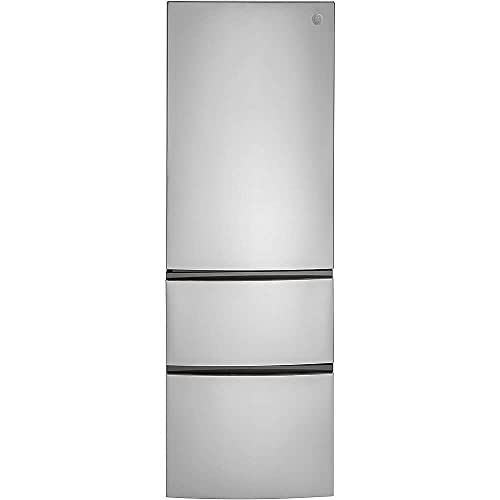
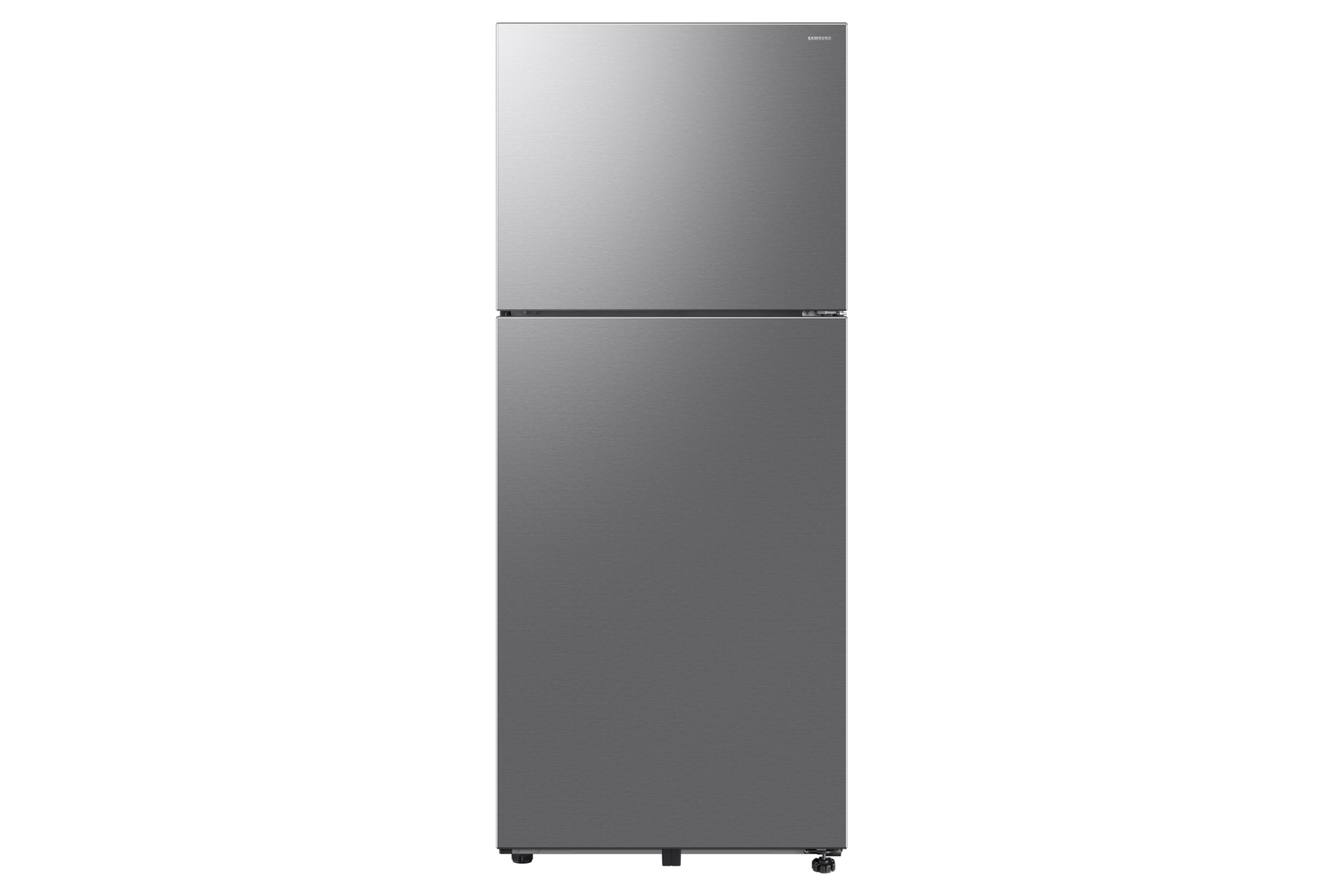
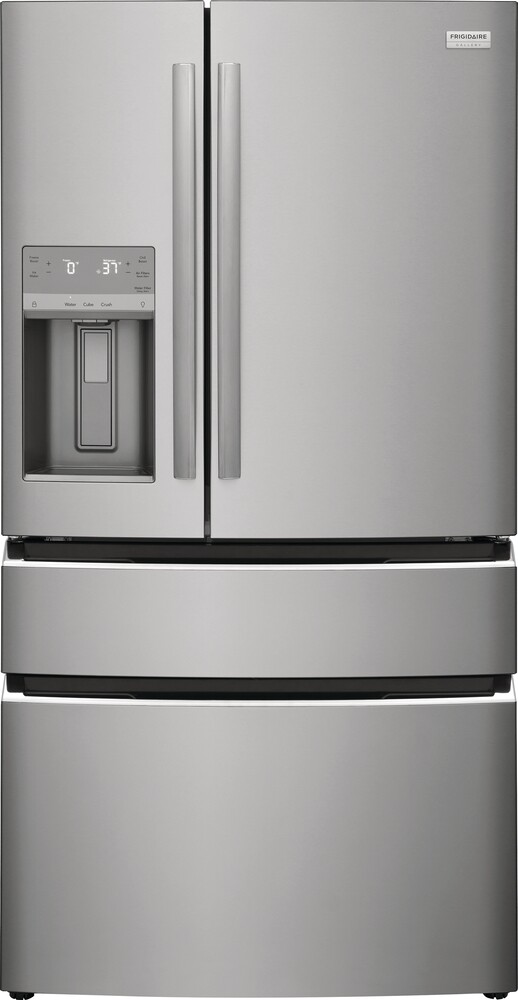
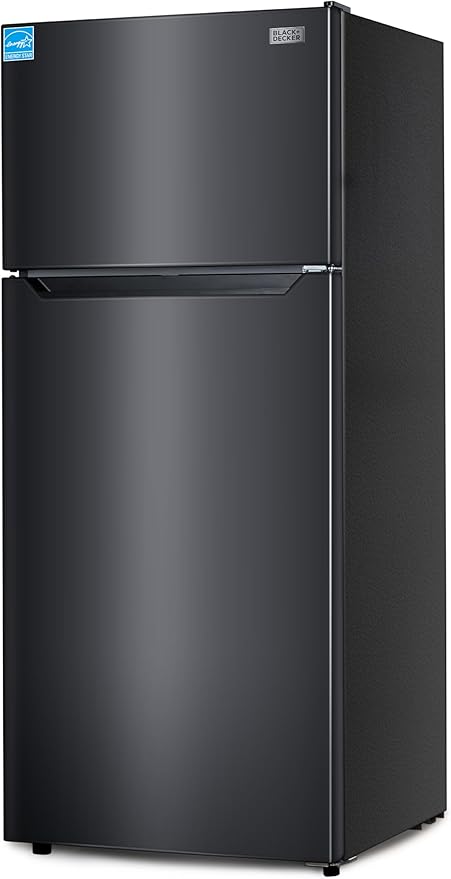
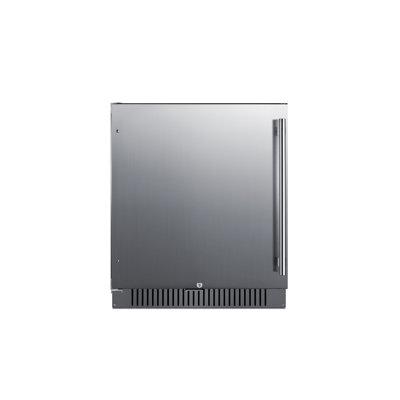
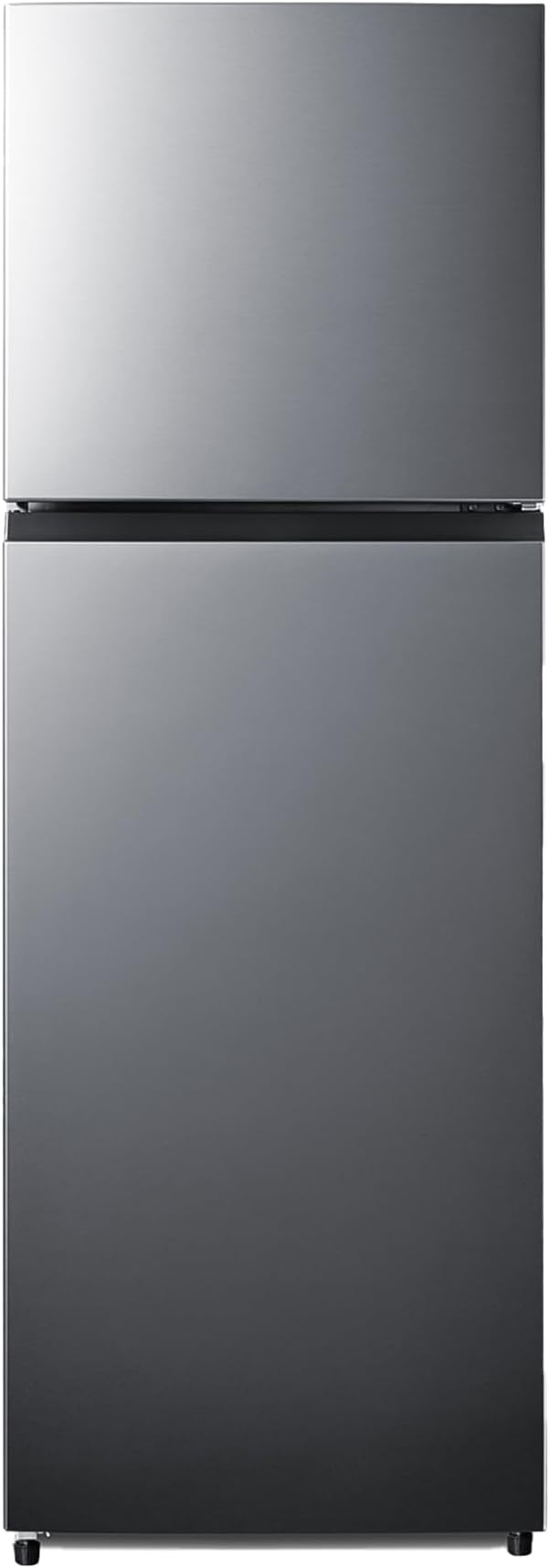
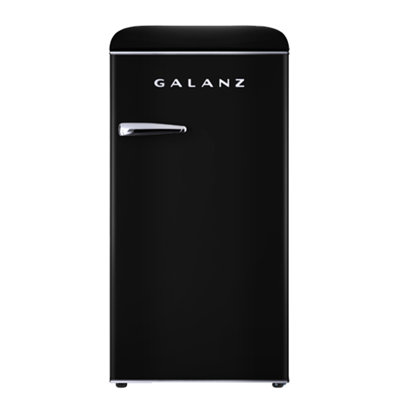
If you’re hunting for the best refrigerator for Manchester homes, you’re in the right place. Choosing the right fridge can make your day-to-day routine easier no matter if you’re prepping meals for a large family, hosting weekend get-togethers in your flat, or simply keeping fresh provisions for your craft beer collection. In this guide you’ll find tips on sizing, features to prioritize, a comparison of top picks, and step-by-step advice on setup and maintenance. By the end you’ll know exactly which refrigerator matches your kitchen layout, lifestyle, and budget.
Choosing the right fridge
Finding a refrigerator that fits your kitchen and your needs starts with a few key measurements and lifestyle questions. Take out your tape measure and let’s get to work.
Assess your kitchen space
First, measure the height, width, and depth of the spot where your fridge will live. Manchester homes range from Victorian terraces with compact galley kitchens to modern open-plan apartments, so your available footprint may vary. Don’t forget to account for:
Door clearance, including swing radius
Pathways through hallways and doorways during delivery
Ventilation space at the back and sides, usually 1–2 inches
Recording these numbers up front will narrow down your options and prevent unwelcome surprises on delivery day.
Calculate capacity needs
Next, think about how much storage you really need. A rule of thumb is 4–6 cubic feet of fridge capacity per adult. If you’re a home cook who meal-preps for the week, or if you entertain often, you may want more room. Compare these general guidelines:
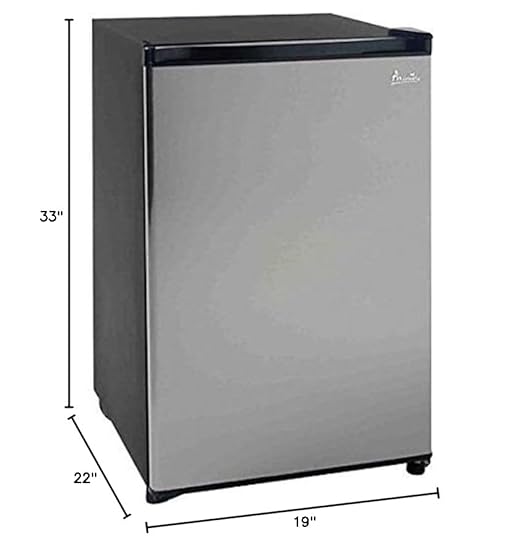
Studio or dorm: 10–12 cu ft
Small family or couple: 14–18 cu ft
Large family or entertainers: 20+ cu ft
Factor in any specialized uses you have, such as storing fresh produce for batch cooking, kegerator attachments for craft beer, or extra freezer space for meal kits.
Understand energy ratings
In the UK, look for an A++ or higher energy rating to keep your electricity bills in check. In the US, the ENERGY STAR label is your friend. An efficient model can save you up to £50–£80 or more a year compared to less efficient units. Many newer refrigerators use inverter compressors and improved insulation, so spending a bit more up front often pays off over the long term.
Pick installation style
Refrigerators come in several layouts, each suited to different spaces and needs:
Top freezer: Classic design, budget friendly, reliable
Bottom freezer: Easier fridge access, freezer at knee height
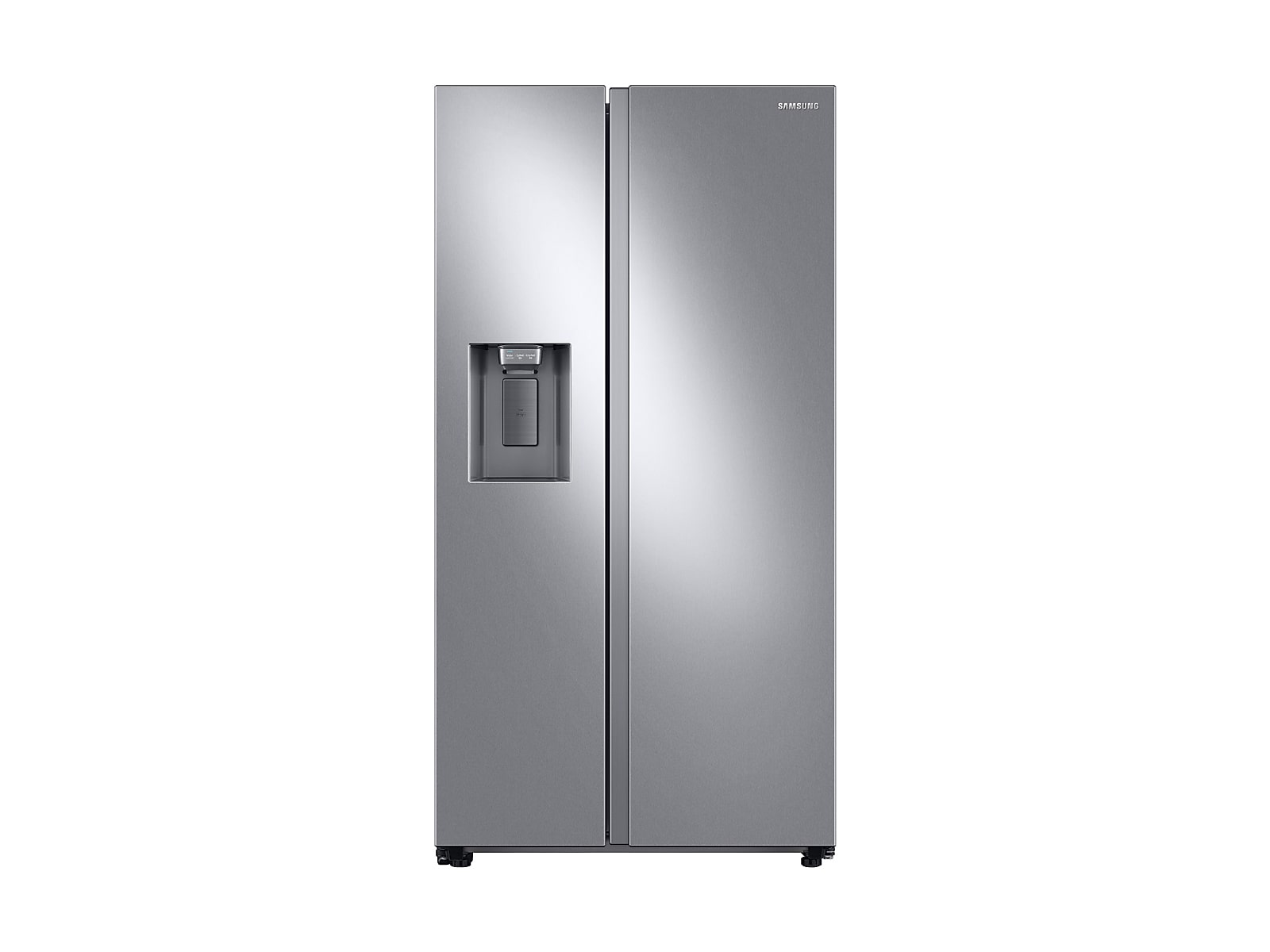
Side-by-side: Narrow doors, lots of freezer and fridge storage side by side
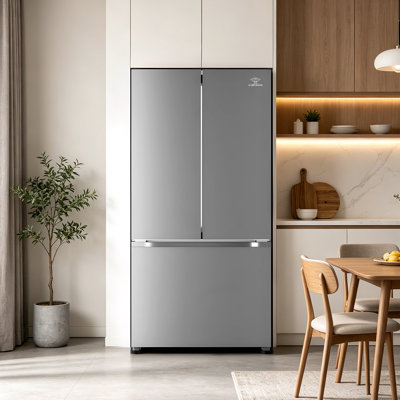
French door: Widespread refrigeration on top, pull-out freezer drawers below
Counter-depth: Flush fit with cabinetry, premium look in smaller kitchens
Built-in or integrated: Seamless design with custom panels, often pricier
We’ll dive deeper into these layouts in our picks section so you can see which models stand out in each category.
Flexible shelving and compartments make it easy to adapt your fridge to changing needs:
Slide-out shelves or spill-proof glass
Adjustable door bins sized for tall bottles or milk bottles
Dedicated meat or deli drawers with temperature control
Split-leveled crisper drawers for produce and herbs
Some models even let you convert a section from fridge to freezer mode, giving you on-the-fly capacity tweaks.
Noise and lighting
If your kitchen opens into living or dining areas, noise levels matter. Look for models rated under 40 dBA if you want a whisper-quiet appliance. LED lighting inside the fridge and freezer not only lasts longer but also brightens every corner so you can easily spot that forgotten Tupperware.
Smart connectivity
Wi-Fi–enabled refrigerators let you monitor temperatures remotely, receive filter-change alerts, and even stream recipes or play music on a built-in display. While these features add convenience, weigh them against your budget and the risk of a higher repair cost down the road.
Maintaining your refrigerator
Once your new fridge is in place, a simple maintenance routine will keep it running efficiently and extend its lifespan. Here’s how to do it right.
Cleaning and sanitizing
Dust and spilled juices can harbor bacteria and force your fridge to work harder. Adopt a two-tiered cleaning schedule:
Daily wipe-down routine
Remove any obvious spills in the fridge and freezer
Wipe shelves and door seals with a damp cloth
Check door gaskets for crumbs or residue
Monthly deep clean
Empty the fridge, tossing expired items
Remove and wash shelves and bins in warm soapy water
Vacuum coils at the back or bottom to improve airflow
Sanitize interior walls with a mild bleach solution
A small fridge thermometer is the simplest tool to verify your settings. Aim for 37–40°F in the main compartment and 0°F in the freezer. Adjust the dials or digital controls as needed. If you notice large swings or warm spots, refer to our fridge temperature regulation and adjustment guide for troubleshooting tips.
Filter and seal care
Change water filters every 6 months or per manufacturer guidelines
Inspect door seals quarterly for cracks or gaps
Apply a thin layer of petroleum jelly to rubber gaskets to keep them pliable
Neglecting filters can lead to strange tastes or water leaks, while worn-out seals make your compressor run longer.
Proper setup ensures your fridge runs efficiently and safely. Follow these steps when your new unit arrives.
Ensuring proper clearance
Leave at least 1–2 inches of space on all sides and at the top for ventilation. That gap helps hot air escape instead of trapping heat behind the unit. In tight kitchen layouts you may need to remove a rear cover panel to fit.
Leveling and stability
An unlevel fridge door won’t seal properly, and internal drawers may slide open. Use a spirit level on the top edge, then adjust the front feet or wedges until the door closes on its own when you let go.
Ventilation requirements
Don’t block the vents at the base or back. If your model has a kick plate or toe-kick vent, leave it unobstructed. Proper airflow around the compressor reduces energy consumption and prevents premature wear.
Once your fridge is humming along, the next step is to use every inch of it effectively. A well-organized fridge not only saves time but also reduces food waste.
Organizing perishables
Top shelves: Leftovers, ready-to-eat items
Middle shelves: Dairy products and eggs
Door bins: Condiments and drinks (they can handle slight temperature shifts)
Crisper drawers: Fruits in one drawer, vegetables in the other
Rotate older items to the front so you use them before they expire.
Using humidity drawers
Most fridges have two crisper drawers with adjustable humidity settings. Set the drawer with higher humidity for leafy greens and herbs to keep them crisp. Lower humidity is ideal for fruits like apples and berries that can rot quickly in moist air. If you’d like more control, consider a partition system like what divider splits crisper drawer into twin zones?.
Storing beverages
Beverages take up a lot of space in door bins. For serious drinkers, a separate beverage fridge can free up main-fridge real estate. If you prefer a built-in look for wines and beers, our wine fridges under 1000 feature covers budget to premium options.
Reviewing budget and warranties
Your ideal refrigerator balances features with long-term value. Here’s how to weigh the numbers.
Comparing price ranges
Entry-level models: £300–£500
Mid-range French doors or bottom freezer units: £600–£1,200
Premium counter-depth or smart fridges: £1,300+
Remember to factor in delivery and installation fees.
Evaluating warranty plans
Standard warranties cover one year of parts and labor. Extended plans up to 5 years can cost £50–£150. If you live in a rental or a high-use household, a longer plan may be worth the extra cost.
Considering total cost
Include energy costs, filter replacements, potential repair visits, and disposal fees for your old fridge. A slightly pricier, energy-efficient model with a sound warranty often proves the most economical over 10 years.
Measure your space carefully and match capacity to your lifestyle
Prioritize energy efficiency for long-term savings
Compare layouts – French door, bottom freezer, and counter-depth each have pros and cons
Explore flexible storage options like adjustable shelves and humidity drawers
Link to dedicated beverage and wine fridges if you entertain often
Keep a regular cleaning and maintenance routine to preserve performance
Factor in warranty coverage and total cost of ownership when you shop
Choosing the best refrigerator for Manchester homes doesn’t need to be overwhelming. With the right measurements, feature checklist, and a clear budget, you can find a fridge that keeps your groceries fresher, your utility bills lower, and your daily routine running smoothly. Now you’re ready to make your move, pick a model, and enjoy a cooler kitchen experience.
From Fridge.com research
Figures below come from data Fridge.com builds and maintains. Each links to the record behind it.
Fridge.com Energy Index, built on U.S. EPA and DOE ENERGY STAR records
Across 5,455 ENERGY STAR certified refrigerators and freezers from 263 brands, median use is 360 kWh per year.