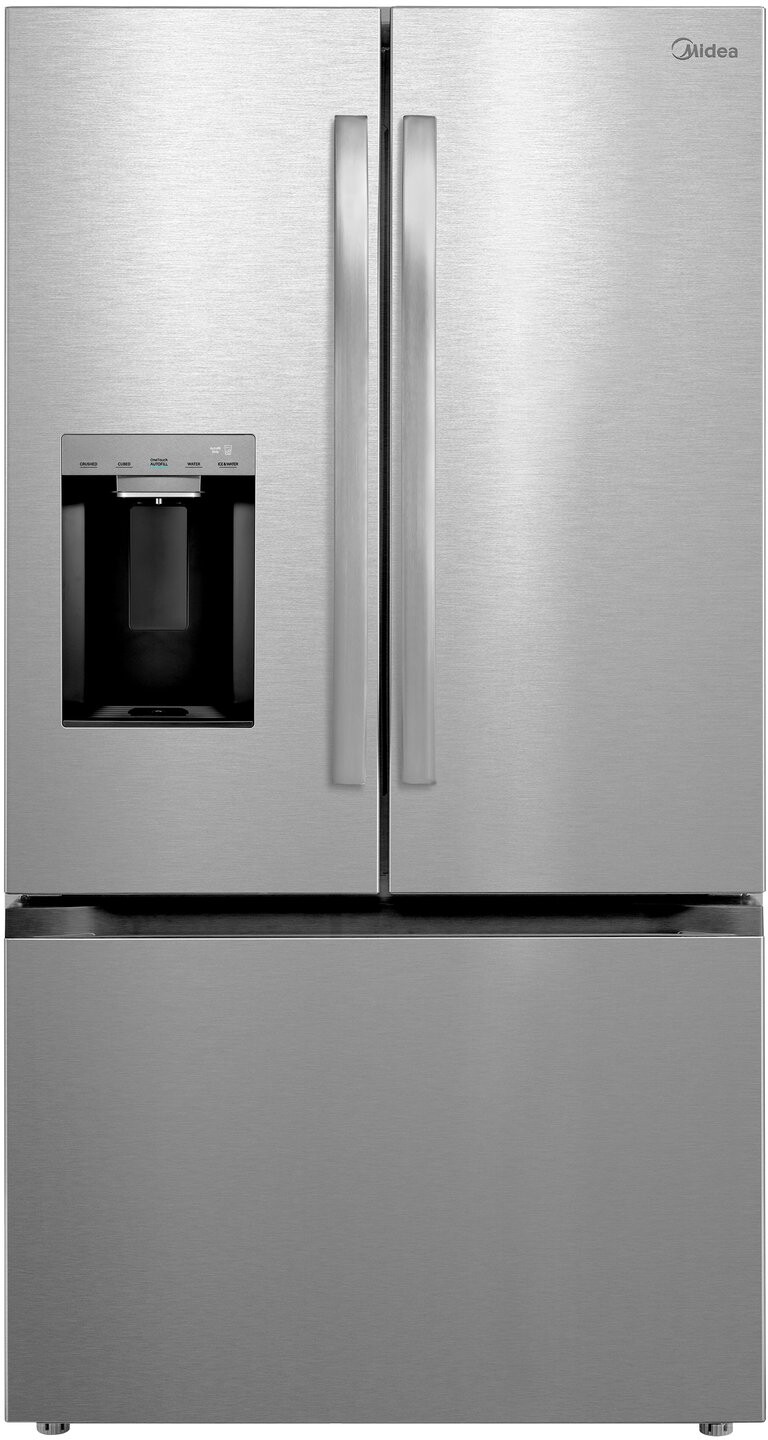
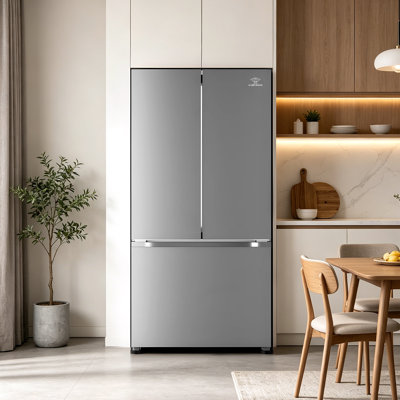
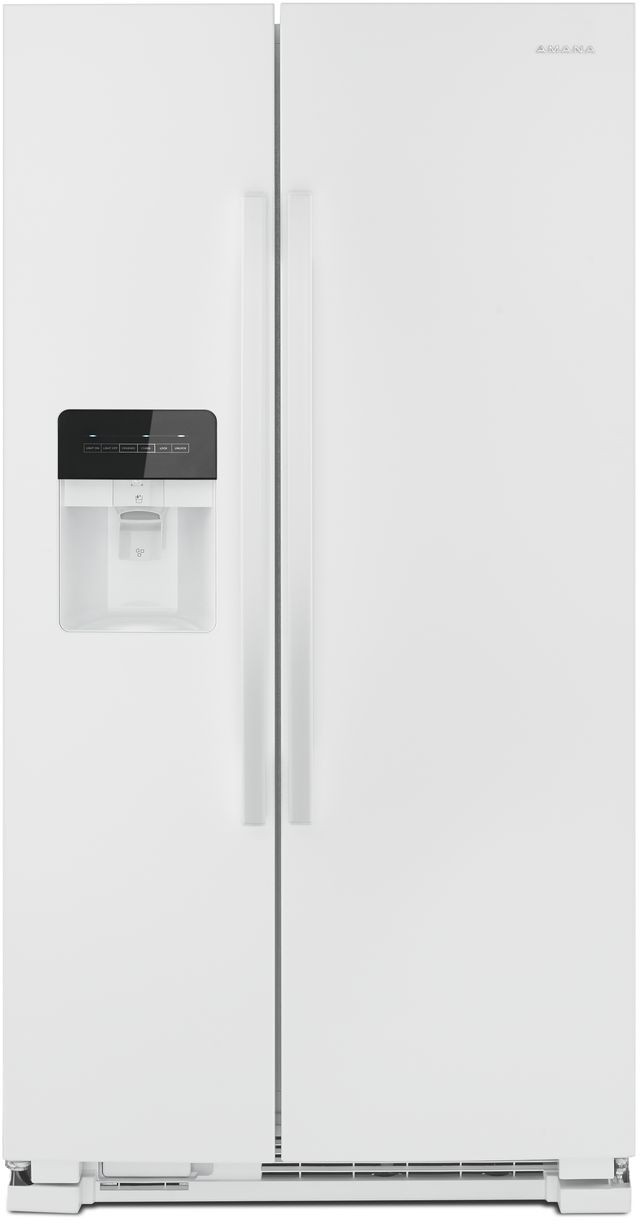
Industrial Garage Refrigerators: A Life Saver for Large Loads
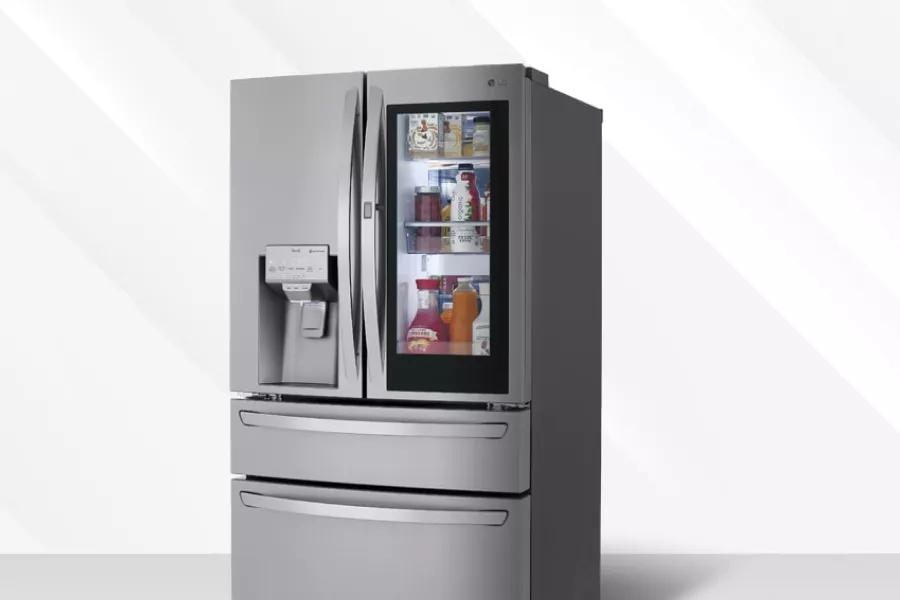
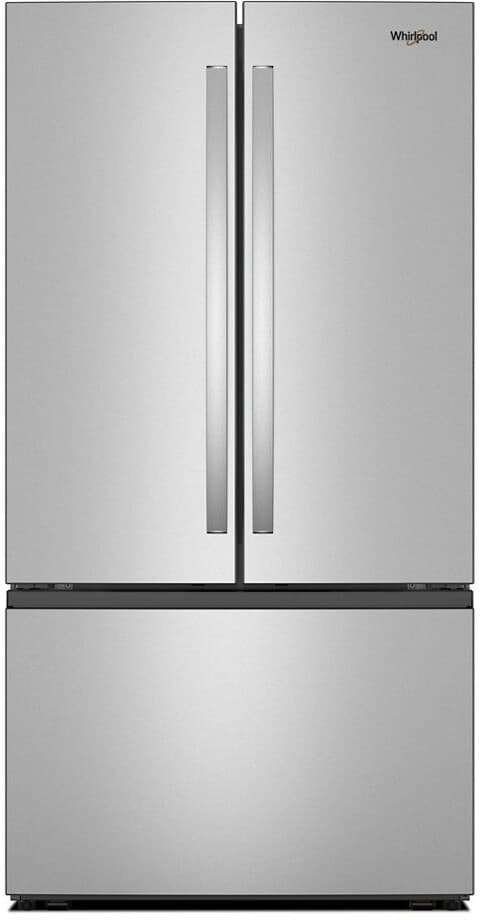
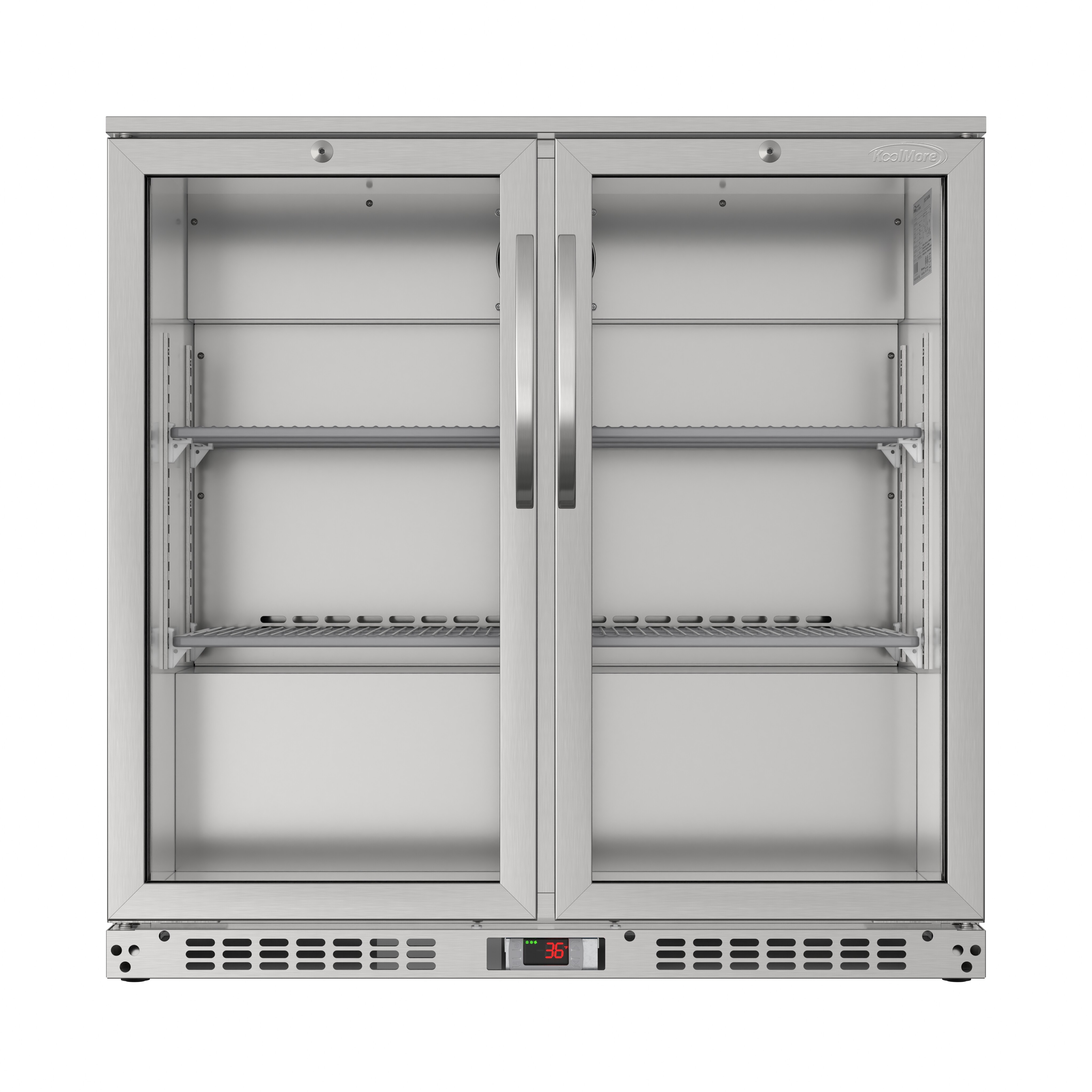
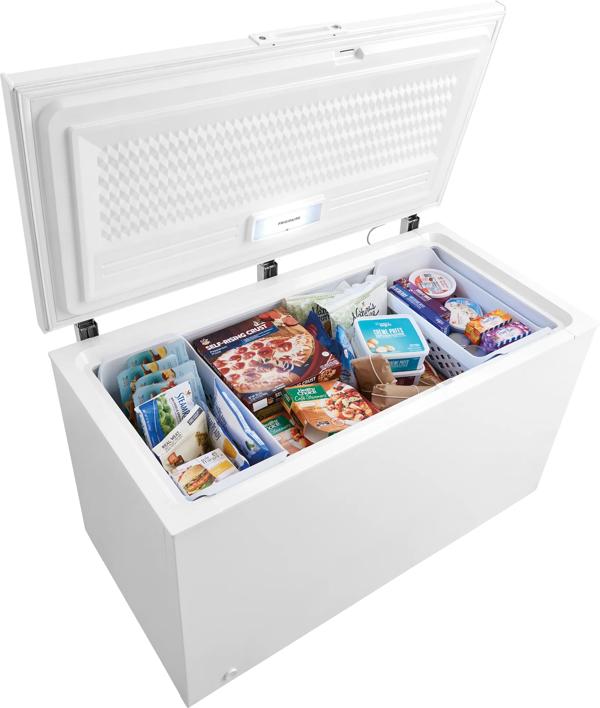
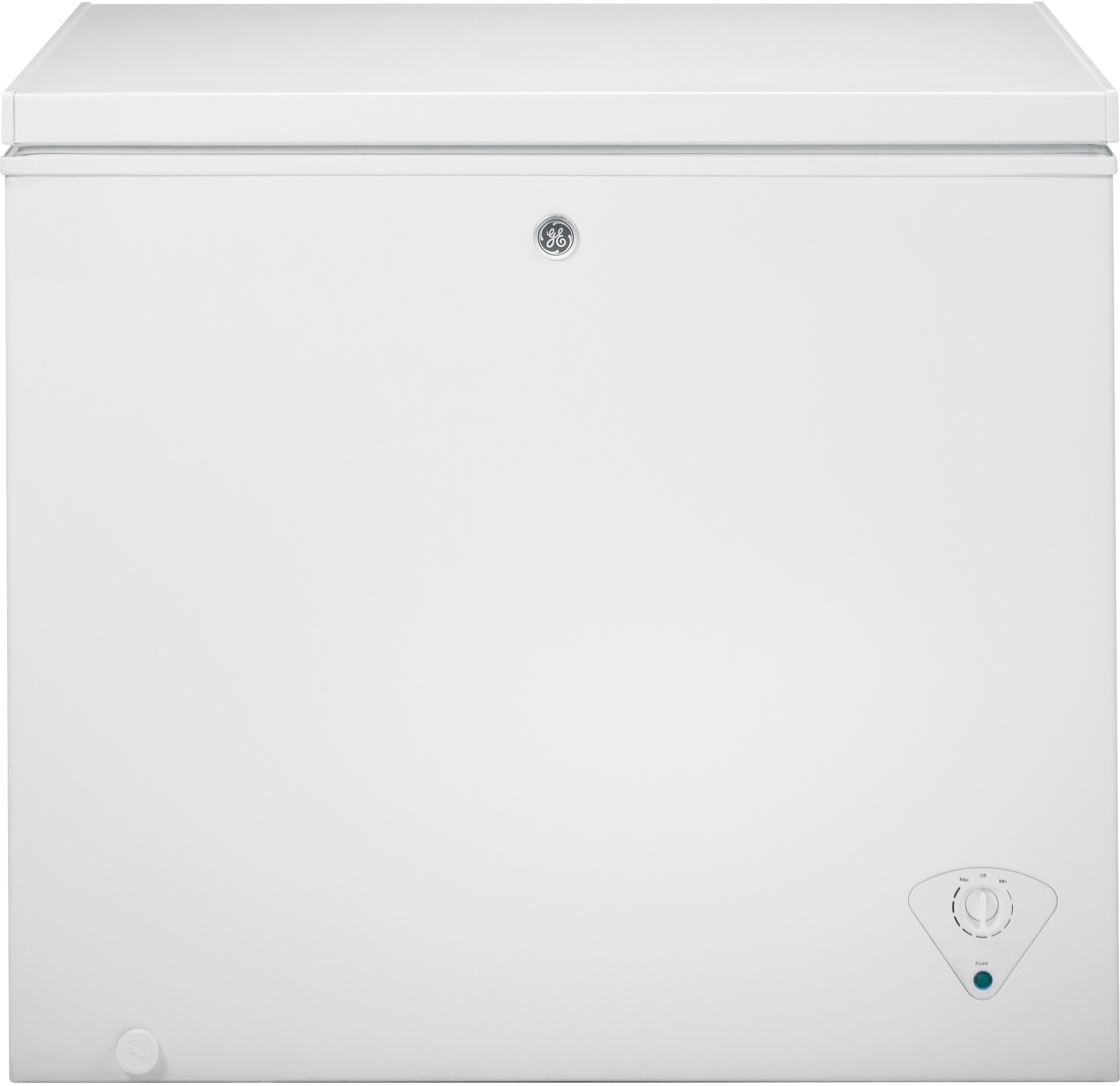
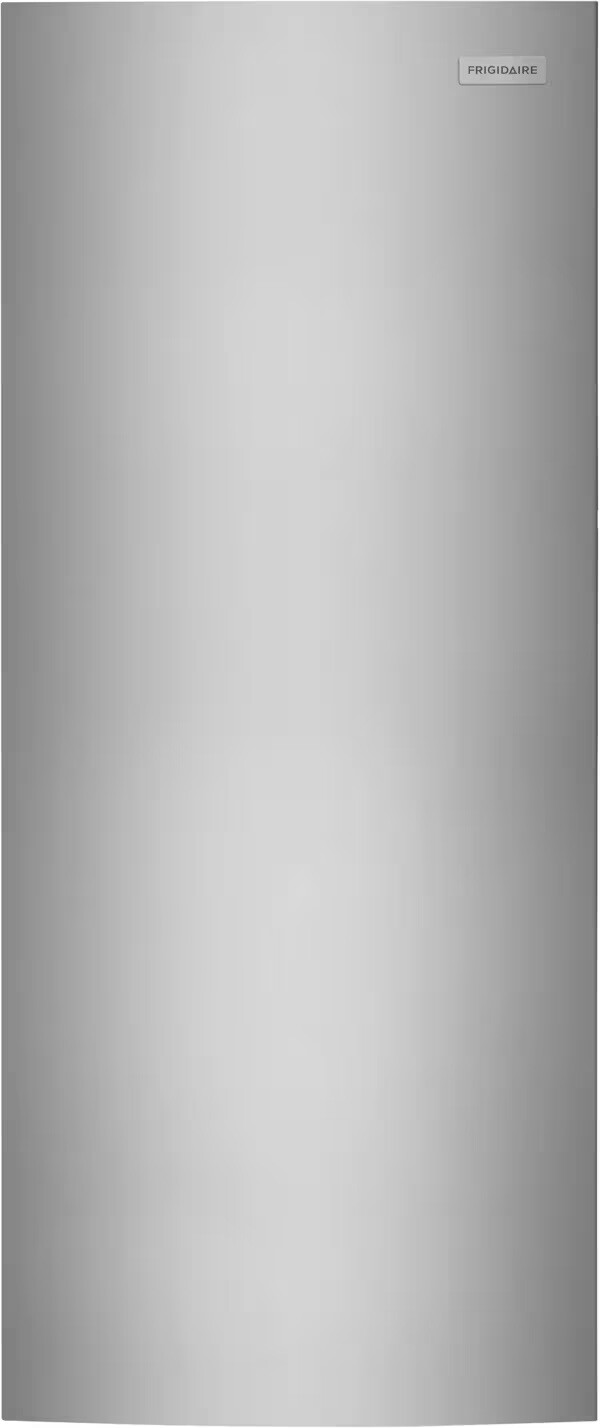
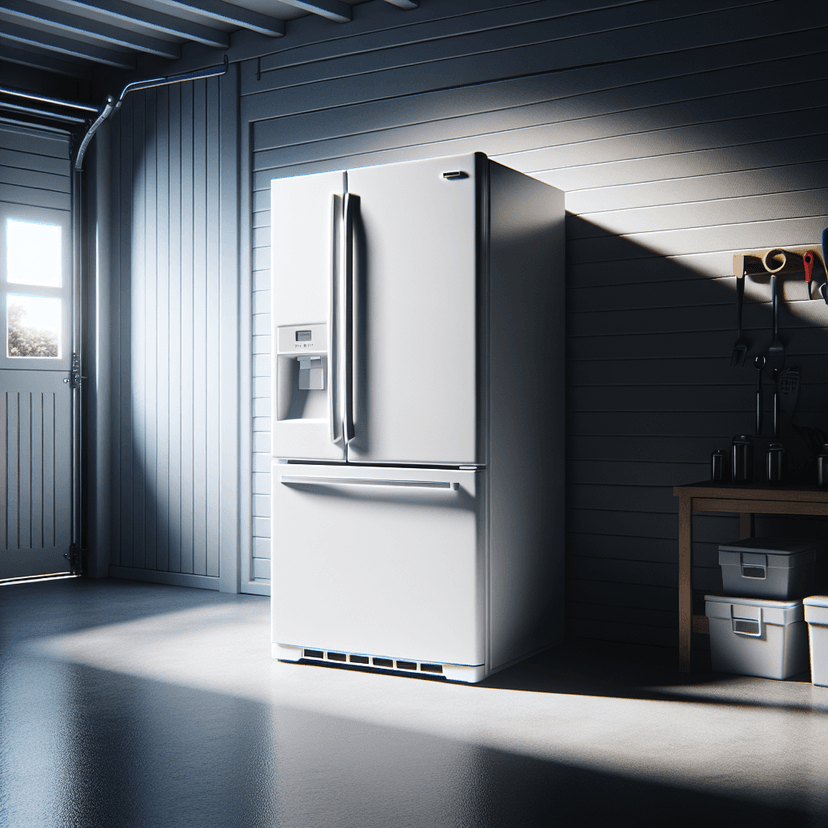
So you're tidying up the garage or outdoor hangout spot, and you're thinking, "Man, I could use more fridge space!" That's where industrial garage refrigerators come into play. Picture it: loads of room to stash everything from drinks to grandma’s giant lasagna.
Why You Really Need an Industrial Garage Refrigerator
Whether you're a family that packs the house every weekend, a wannabe chef experimenting with dishes, or an influencer without a minute to spare, you'll wonder how you ever lived without one of these bad boys. Here's why:
More Space: Ever had a guest raid your fridge and leave no room for tonight's dinner? With one of these, that's history. Space galore.
Keep it Chill: Perfect temps mean your food stays fresh, like you just brought it home from the store.
Party Perks: Forget the chaotic food run. This fridge means you’ve got the buffet sorted before the guests even arrive.
A Place for Everything: No more scratching your head over where to stuff that beer case or the extra groceries—space is finally on your side.
Why They're a Game Changer
The perks? Oh, they’re plenty. Give your fridge fantasies a spin with what these powerhouses can offer:
Benefit
Why It Matters
Extra Room
Different sizes to fit your needs, whether you're feeding the family reunion or hosting poker night.
Built Tough
These appliances don't mind taking a punch from the cold garage floor; they're built to last.
Saves Cash
Energy-efficient models mean more pennies in your pocket, less going to the electric company.
Multi-use
From wine to meal prep, they do it all.
Grab and Go
Easy access makes meal times and party prep a breeze.
Features to Look for in the Best Industrial Garage Refrigerator
You’re on the hunt for the ideal industrial garage fridge, eh? Let’s break it down so you get exactly what you’re after without any hassle.
Size and Capacity
First off, think about how much room you’ve got and what you need to stash in there. You certainly don't need a fridge shoved into a corner, cramping your style or space. Here's a quick guide to help figure out what will fit just right:
Size Class
Dimensions (inches)
Capacity (cubic feet)
Compact
24 x 24 x 60
5 - 10
Standard
30 x 30 x 66
10 - 20
Large
36 x 36 x 72
20 - 30
Do yourself a favor - grab that trusty tape measure and make sure you know your garage space inside out before you buy.
Temperature Control and Consistency
Keeping things cold but not too cold is the name of the game. You want a fridge that’ll keep everything at that sweet spot without turning your snacks into ice blocks. Here’s what to look out for:
Digital displays so you know what’s going on inside without guessing.
Adjustable thermostats for dialing in the perfect chill.
Built-in alarms to shout out if things get too warm or cold.
These gizmos help keep everything crisp and fresh just like you want.
Energy Efficiency and Durability
Who doesn’t like saving a buck or two on the electric bill, right? Plus doing right by the planet. Check for Energy Star ratings or similar badges to make sure you’re going green. Let's face it, garage life can be rough, so you need a fridge that's tough as nails:
Stainless steel exteriors to fight off rust and dings.
Heavy-duty shelves that hold up under pressure without sagging.
Rock-solid compressors that keep ticking like clockwork.
Nail these features, and you’ve got yourself a fridge that's gonna last. Curious about other tips?
Finding the best spot for your industrial garage fridge and keeping it in tip-top shape is key to making sure it works like a charm. Here's some friendly advice to set you on the right path.
Proper Placement in Your Garage
The spot you pick for your fridge can really make a difference in how well it does its job. Keep these handy tips in mind when you're zeroing in on the perfect location:
Flat Surface: Make sure your fridge is on a stable, flat spot to keep it balanced and stop any shaking that might mess with cooling.
Room to Breathe: Leave some wiggle room around the fridge for air to move freely. This cools things down nice and even and stops stuff from getting too hot.
Not Too Hot: Keep that fridge away from the sunshine, heating vents, or any other heat-throwers. It'll help the cooling system do its thing without a hitch.
Easy Access: The fridge should be easy for you and your crew to get to, making loading and unloading a breeze.
Regular Cleaning and Maintenance
Keeping your industrial fridge in good shape is no small potatoes. Regularly taking care of it means cleaning it and keeping an eye out for any funkiness. Here's a list of what you should be doing:
Maintenance Task
How Often
What's Involved
Wipe the Outside
Once a Month
Use a damp cloth to keep it looking spiffy.
Spruce Up Inside
Every 1-3 Months
Empty out the shelves and give them a wash with warm, soapy water.
Inspect Door Seals
Monthly
Look for any worn-out seals and switch them out if needed.
Defrost Freezer
When Needed
Defrost if ice builds up more than a 1/4 inch thick.
Temperature Check
Weekly
Make sure the settings are steady and fit your needs.
Troubleshooting Common Issues
If your fridge acts up sometimes, don’t sweat it. Here are some bumps you might hit along the road and how to fix ‘em:
Not Cooling Right:
Make sure the door is fully closed.
Double-check those temp settings.
Give the condenser coils a cleaning.
Weird Noises:
Look for loose parts rattling around.
Make sure the fridge is level and not bumping into walls or other stuff.
With these tips, your industrial garage fridge will keep humming along just fine. Whether you're dishing out dinner for the family or whipping up a feast, a well-loved fridge keeps food storage stress-free.
Budget-Friendly Ways to Optimize Your Industrial Garage Refrigerator
Running a fridge's like managing a diner menu—you gotta know what's cool to keep your food fresh and organize it so you can grab that midnight snack without hassle. Here are some tricks that won’t break the bank to whip your garage fridge into shape.
Organizational Accessories
Okay, so diving into a fridge should feel less like spelunking and more like opening a treasure chest. With the right bits and bobs, your fridge will be a symphony of sorted deliciousness:
Accessory Type
Job Description
Bins
Clusters your ketchup buddies
Shelving Dividers
Carves out lanes for easy reachin'
Labeling System
Transforms rummage into routine
Adjustable Racks
Play Tetris with those surfaces
Stack up on those bins and their ilk. Stuff like veggies and dairy each get their own cozy spot, so when you’re cooking, it’s hassle-free, less of a ‘where’d I put the cheese?’ game.
Temperature Monitoring Tools
Think of fridge temps like toddler moods—unpredictable but crucial. Keeping them checked ensures no nasty surprises:
Tool Type
Job Description
Thermometers
Old school but gold—keeps checks steady
Digital Monitors
Your cheerleader with alert powers
Apps
Spy on your fridge from your pocket
Regular peeks at these gripe-fighters could mean the world between groovy greens and funky feta. Especially handy if you’re both a busy bee and tech-enthused.
Energy-Saving Strategies
What's sweeter than cold ice cream? A low energy bill! Here’s how to keep those dollars in your pocket:
Strategy
Money-Saving Magic
Keep it packed
Cold rooms have better cage fights
Quick close is the best close
Keep your cool in and outta there
Clean those coils
It’ll breathe easy and work harder
Dial it right
37°F to 40°F = chill status achieved
Nail these energy tricks and watch that electricity meter slow down like it's on vacation. Also, for those curious about cooking timelines, check out "how long does meat last in the freezer?" or "how long does uncooked chicken last in the fridge?".
By sprinkling these savvy tips into your routine, your garage fridge will not only run smoother but last longer too. Happy optimizing!
From Fridge.com research
Figures below come from data Fridge.com builds and maintains. Each links to the record behind it.
Fridge.com Energy Index, built on U.S. EPA and DOE ENERGY STAR records
Across 5,455 ENERGY STAR certified refrigerators and freezers from 263 brands, median use is 360 kWh per year.