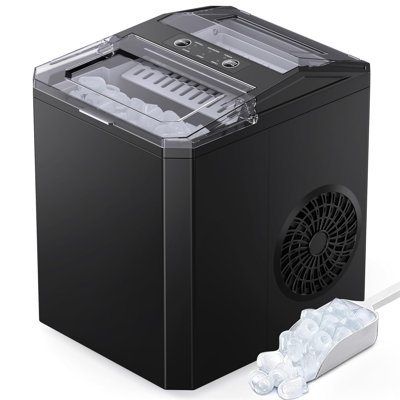
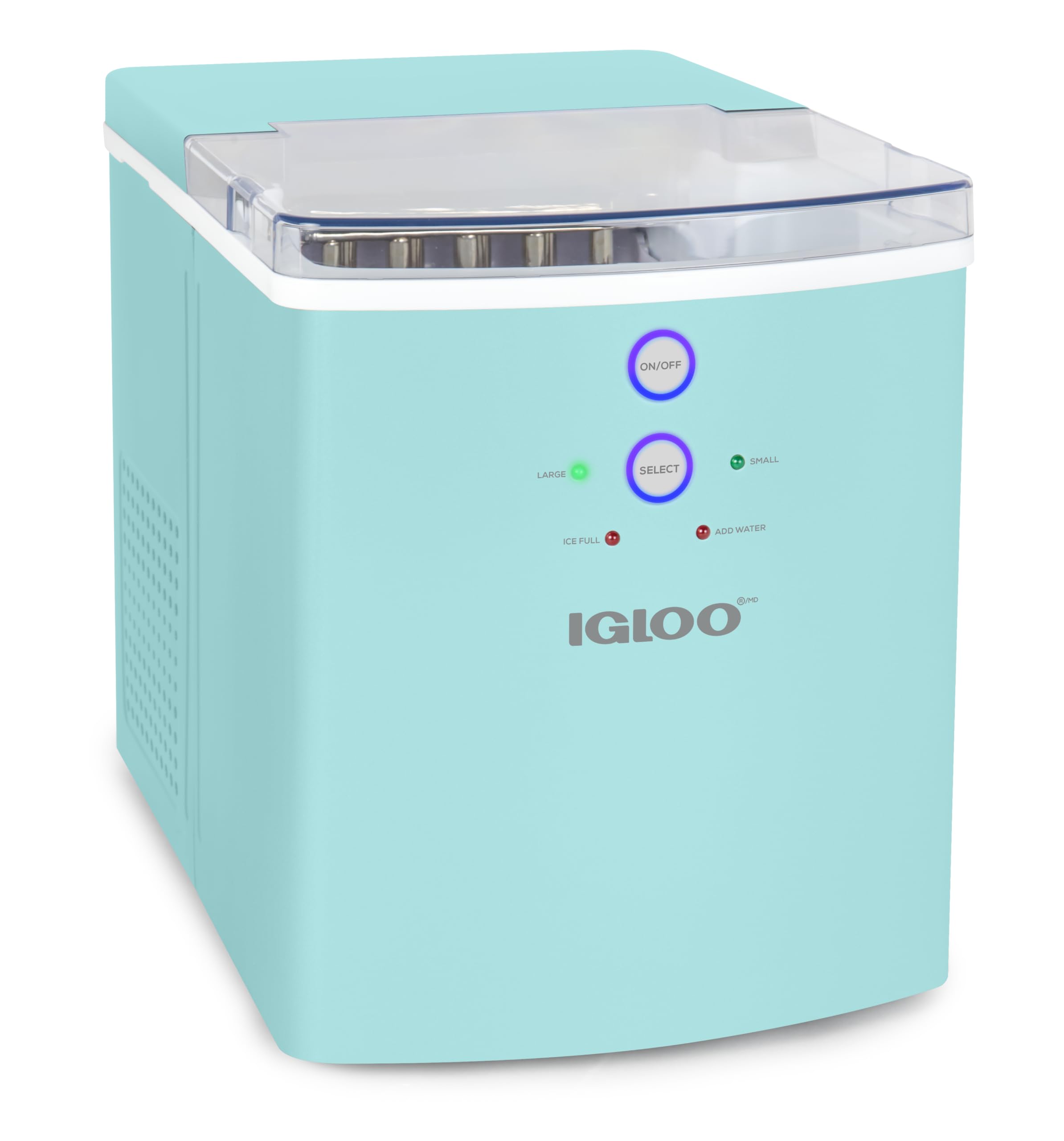
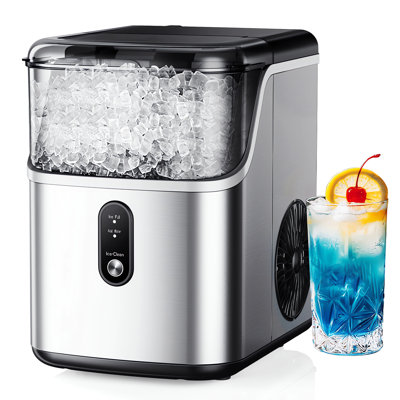
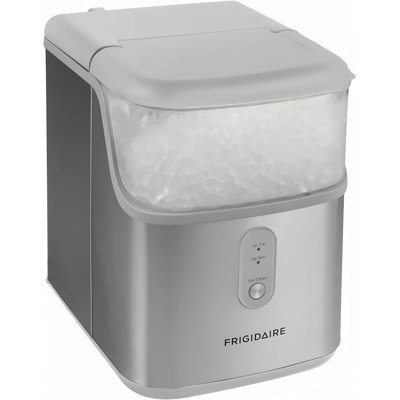
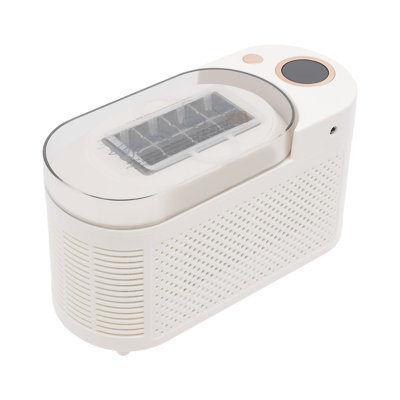
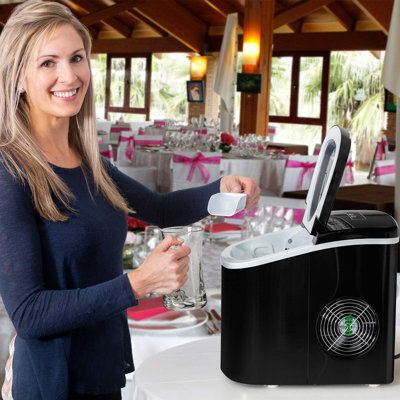
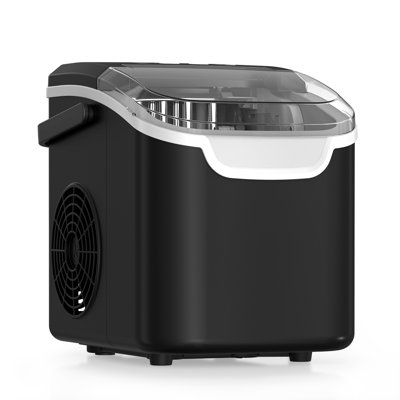
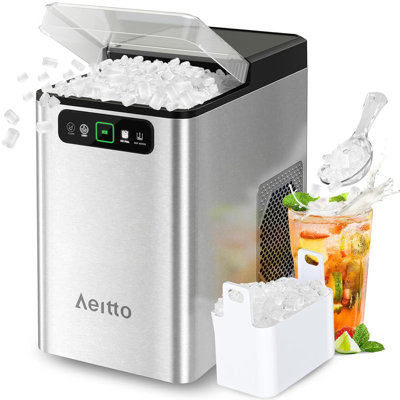
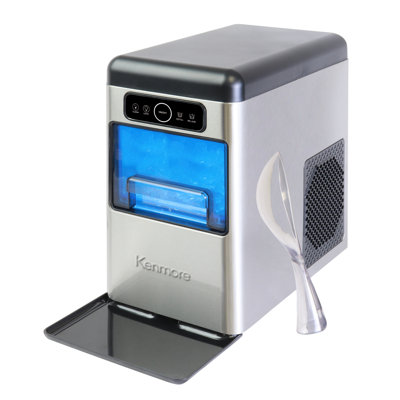
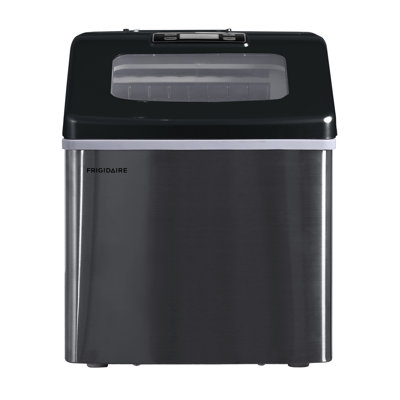
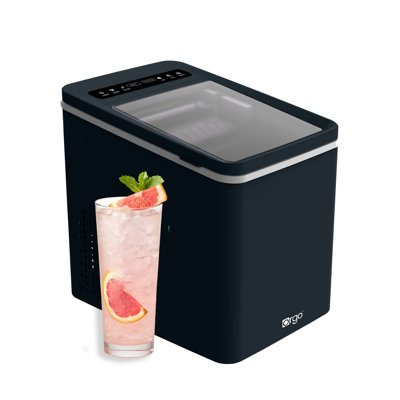
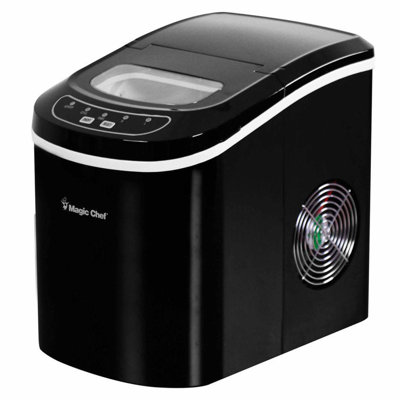
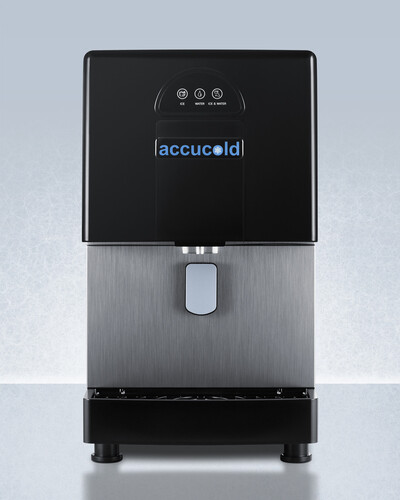
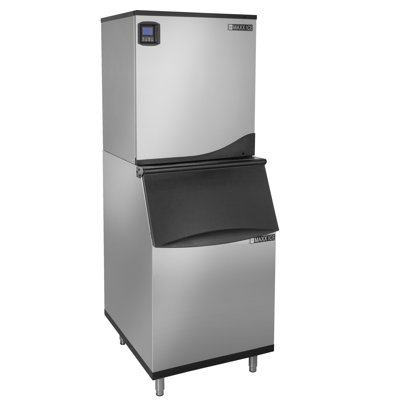
When you’re running a busy restaurant, café, or catering kitchen, ice isn’t just a convenience—it’s a necessity. From chilling beverages to prepping seafood displays, you need a steady supply of clean, perfectly shaped ice. Picking the best ice maker for a commercial kitchen can feel overwhelming, but it doesn’t have to be. In this guide, you’ll learn what features matter most—from production capacity to ice type—so you can find the right commercial ice machine for your workflow. Whether you’re serving craft cocktails, stocking salad bars, or entertaining a crowd, we’ve got the scoop on making ice that keeps up with your pace.
benefits of commercial ice makers
Upgrading from a bag of ice or a small countertop unit to a commercial-grade ice maker delivers big advantages:
Consistent production: A commercial ice machine runs 24/7, so you’re never left scrambling for replacement bags
Variety of ice types: Choose cube, nugget, flake, bullet, or crescent shapes to match your service needs
Large storage capacity: Built-in bins hold dozens to hundreds of pounds, reducing refill frequency
Time savings: Automated cycles free you and your staff to focus on cooking and service
Improved hygiene: Sealed systems and easy-clean designs minimize contaminants and odors
If you’ve ever paused mid-rush to toss ice bags into a cooler, you know how much smoother a purpose-built machine makes your shift.
Not all ice is created equal. Understanding the main types will help you match texture and appearance to your menu.
cube ice machines
Cube machines produce dense, clear cubes that melt slowly—ideal for cocktails, fountain drinks, and display. Depending on the model, you’ll see half-cube, full-cube, or gourmet cubes.
nugget ice machines
Nugget (or “chewable”) ice is softer and crunchier, perfect for smoothies, iced coffees, or medical uses. These machines compress flaked ice into small nuggets.
flake ice machines
Flake ice is thin and crushed, clinging to seafood, produce, or salad bars like snow. It’s also great for rapid chilling in prep stations.
bullet ice machines
Also called “crescent” or “bullet” ice, this type combines the hardness of cubes with the shape of nuggets. It’s popular in bars for fast cooling without watering down drinks too quickly.
modular ice machines
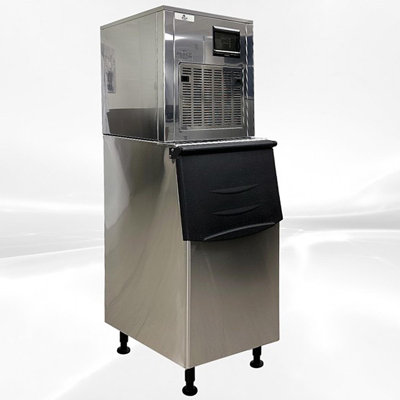
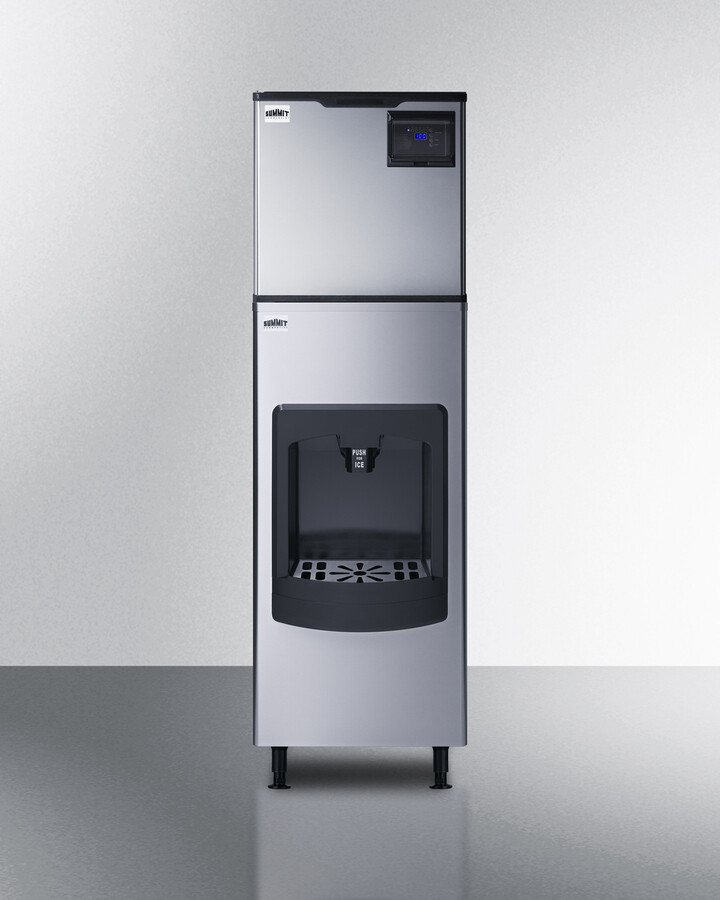
Modular units pair with remote bins, letting you scale production by adding multiple machines to one storage cabinet. You’ll often see these in high-volume kitchens.
choosing the right model
Before you shop, get clear on the factors that matter most to your operation.
production capacity
Ice makers are rated by pounds per 24 hours. Match capacity to peak demand: a small café might need 200–300 lbs/day, while a busy banquet kitchen could require 1,000 lbs/day or more.
ice type selection
Think through your menu: do you need clear cubes for cocktails, nuggets for blended drinks, or flake ice for displays? Some machines let you switch settings, but most are specialized.
water and drainage
Commercial units need a continuous water supply (hard-plumbed or single-tank fill) and proper drainage. Verify your plumbing can handle the flow rate and waste water.
storage bin size
Bin capacity determines how much ice you can stock before production pauses. Look for bins that hold at least half your daily output to buffer busy periods.
footprint and installation
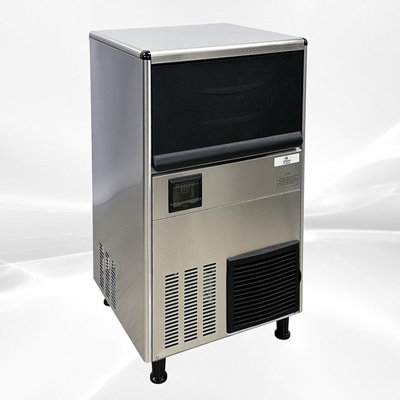
Undercounter machines tuck neatly beneath prep counters, saving floor space. Countertop models sit on bars or buffets. Modular heads need a separate bin cabinet. Measure carefully and allow 2–4 inches of clearance for ventilation.
energy efficiency rating
Look for ENERGY STAR® certified models to save on utility bills. High-efficiency compressors and insulated bins reduce overall power draw.
noise considerations
Busy kitchens can get loud, but some machines hum louder than others. If you’re near dining or office spaces, choose a quieter unit or install it in a back-of-house alcove.
Here are six standout machines for various commercial needs. Production and bin capacities are approximate.
Model
Ice type
Production (lbs/day)
Bin capacity (lbs)
Installation
Estimated price
Ice-O-Matic IDU150E
Cube
155
90
Undercounter
$3,000–$3,500
Hoshizaki KM-1301
Half cube
130
70
Countertop
$2,800–$3,200
Manitowoc Indigo NEO IM-75A
Nugget
75
26
Undercounter
$2,500–$3,000
Scotsman Brilliance C0530MA
Crescent
58
26
Modular head
$2,200–$2,600
RCI Petzer PS272
Bullet
270
110
Modular head
$5,000–$5,500
EdgeStar IP210
Nugget
28
26
Countertop
$250–$300
Ice-O-Matic IDU150E undercounter cube maker
This workhorse delivers 155 lbs/day of clear, slow-melting cubes and stashes 90 lbs in its insulated bin. You’ll appreciate the stainless steel frame, easy-flip door, and front-access filter for quick maintenance. It’s ENERGY STAR certified and runs quietly enough for most back-of-house areas.
Pros
High daily output
Large storage bin
Quiet operation
Cons
Requires built-in clearance
Front ventilation limits placement
Hoshizaki KM-1301 countertop cube maker
If floor space is tight, this 130 lb/day countertop unit is a champ. It creates half-cube ice that’s ideal for drinks and buffet lines. The self-cleaning function reduces scale build-up, while the push-button controls keep operation simple.
Pros
Compact footprint
Self-cleaning cycle
Clear, uniform cubes
Cons
Smaller bin limits stock
Not ENERGY STAR listed
Manitowoc Indigo NEO IM-75A nugget ice maker
Nugget ice fans, rejoice: this undercounter model produces 75 lbs of chewable ice daily and holds 26 lbs in its bin. Its intuitive TOUCH® interface makes monitoring a breeze, and the antimicrobial food zone keeps ice tasting fresh.
Pair this 58 lb head with any compatible bin cabinet for a flexible setup. The patented water filtration system yields crystal-clear crescent ice, and the sleek black finish looks sharp in both front- and back-of-house.
Pros
Modular scalability
Built-in water filtration
Low cost of ownership
Cons
Requires separate bin purchase
Moderate output
RCI Petzer PS272 modular bullet ice maker
For large events or busy banquets, this bullet ice head pumps out 270 lbs/day and connects to a 110 lb bin. Its robust compressor and high-flow evaporator deliver fast cycles, while solid-state controls let you fine-tune performance.
Pros
Massive production
Fast harvest cycles
Durable construction
Cons
Expensive upfront
Needs dedicated bin space
EdgeStar IP210 portable countertop ice maker
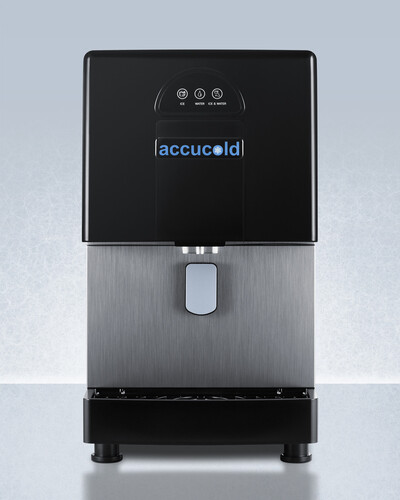
Not strictly a commercial unit, this 28 lb/day machine shines in office kitchens or pop-up events. It plugs into standard outlets, fills with a water pitcher, and drops clear, half-cubes in as little as 7 minutes.
Even the best machine needs proper installation to perform reliably.
clearance and ventilation
Leave 2–4 inches of space on the sides and rear for airflow. Avoid cramped closets—the heat exchange process needs room to reject heat efficiently.
water supply hookup
Hard-plumb units require a dedicated cold water line with 20–60 psi. Countertop or tank-fill models need only a clean water source and easy access for refills.
drainage requirements
Most commercial machines drain through a 3/4″ waste line or floor drain. Slope the drain hose slightly downward to avoid backups or standing water.
power and electrical
Check the voltage and amperage listed on your unit—most undercounter machines run on 115 V/60 Hz but some larger heads need 208–230 V. Always install on a GFCI-protected circuit.
If you’re planning to tuck your ice maker into a garage-style prep area, make sure the environment meets manufacturer specs. In some cases, you may need a heated enclosure—see will my fridge freezer work in the garage?(/will-my-fridge-freezer-work-in-the-garage) for similar guidance on cold-room installations.
cleaning and maintenance
Regular upkeep keeps ice tasting fresh and machines running smoothly.
daily cleaning
Wipe down the exterior and ice chute with a soft cloth. Empty any melted water from the bin to prevent odors.
weekly maintenance
Run a manufacturer-approved cleaning cycle or use a food-safe ice machine cleaner. Scrub the bin interior and scoop with a nylon brush.
full sanitizing
Every 1–3 months, perform a full sanitize: disconnect power, mix sanitizer solution, allow the machine to fill and flush, then rinse thoroughly per manual instructions.
common issues
Low ice production: check water inlet filter for clogging
Cloudy ice: inspect filter and water quality, replace if needed
Strange odors: deep-clean the bin and evaporator
Leaks: tighten hose clamps and check drain line slope
What size ice maker do I need?
Estimate peak hourly demand, then multiply by 24 for daily capacity. Always choose a unit rated 20–30% above your busiest day to avoid shortages.
Can I install an ice maker outdoors?
Some models are rated for outdoor kitchens, but check ambient temperature range and cover requirements. Pair with your best beverage fridge for an outdoor kitchen to keep drinks and ice flowing.
How often should I replace the water filter?
Most manufacturers recommend every 6 months or 1,000 lbs of ice production, whichever comes first. A clean filter prevents scale and off-tastes.
Why is my ice maker making too much water?
Improper drainage slope or frozen drain line can cause backups. Verify hoses aren’t kinked and maintain proper pitch.
Are countertop ice makers sanitary for foodservice?
Countertop models are fine for light commercial use—cafés, small offices, catering events—but undercounter or modular units deliver better capacity and more robust sanitation features for heavy use.
How do I know when to descale?
If you see calcified deposits on the evaporator or ice tastes chalky, run a recommended descaling cycle immediately to avoid clogs.
Keeping your kitchen stocked with high-quality ice doesn’t have to be a headache. By understanding production rates, ice types, and installation needs, you’ll zero in on the best ice maker for a commercial kitchen setup that never skips a beat. For a full selection of ice machines and commercial refrigeration solutions, explore Fridge.com and get ready to upgrade your service.
From Fridge.com research
Figures below come from data Fridge.com builds and maintains. Each links to the record behind it.
Fridge.com Energy Index, built on U.S. EPA and DOE ENERGY STAR records
Across 5,455 ENERGY STAR certified refrigerators and freezers from 263 brands, median use is 360 kWh per year.