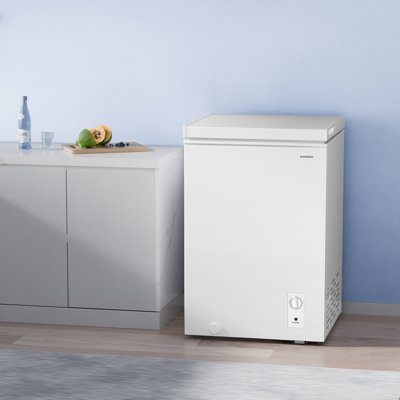
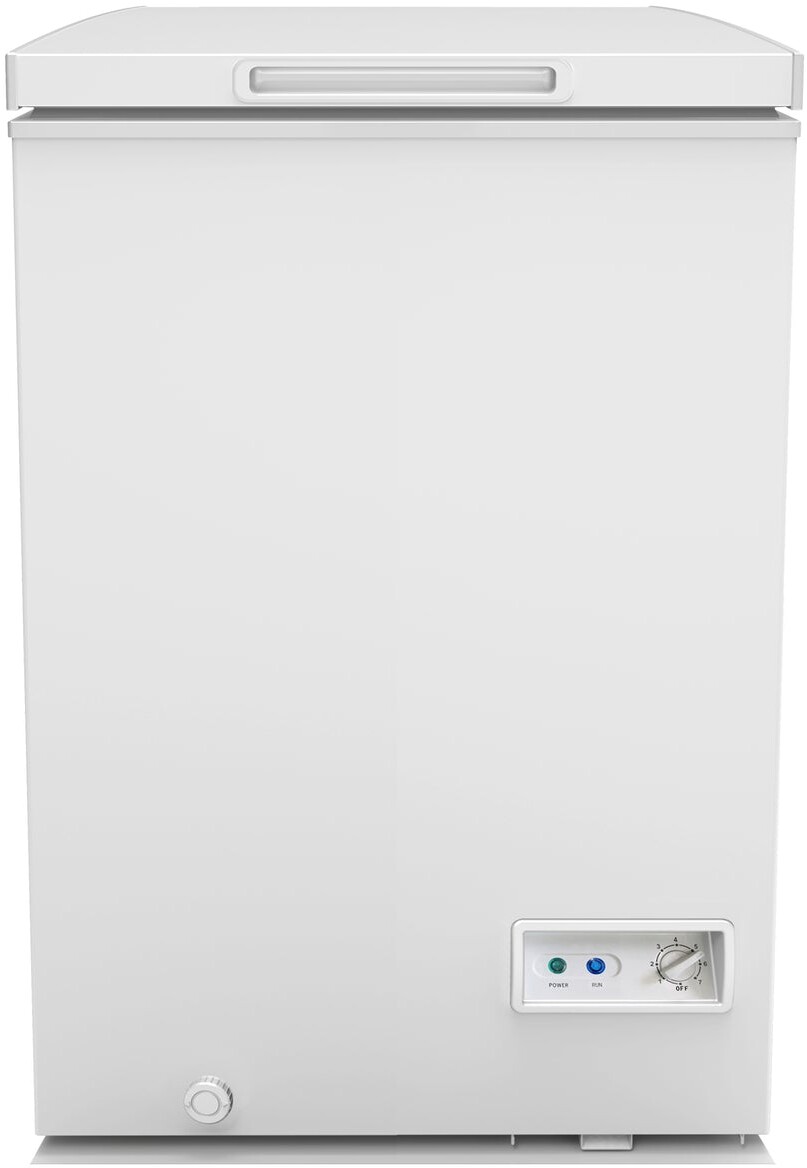
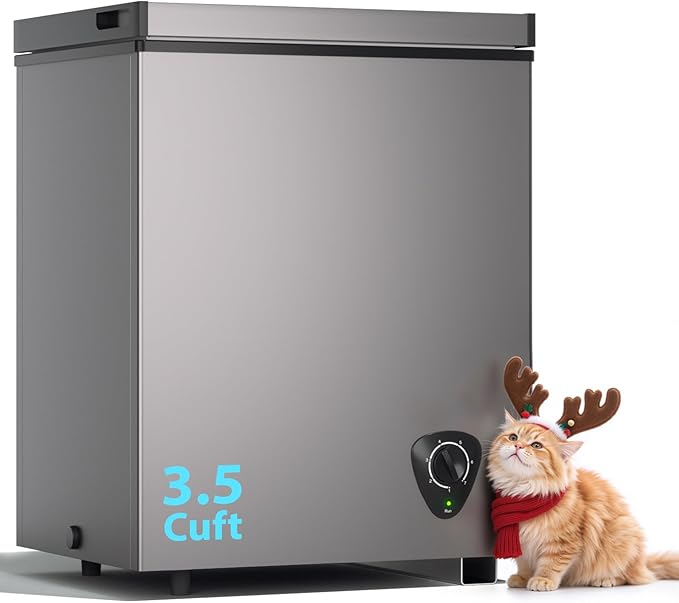
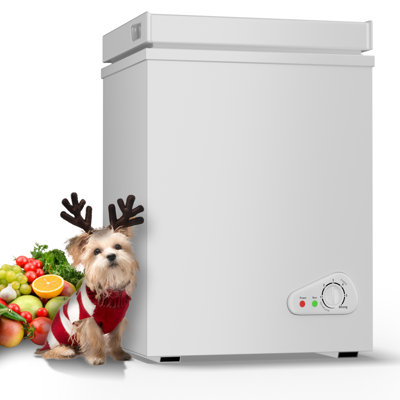
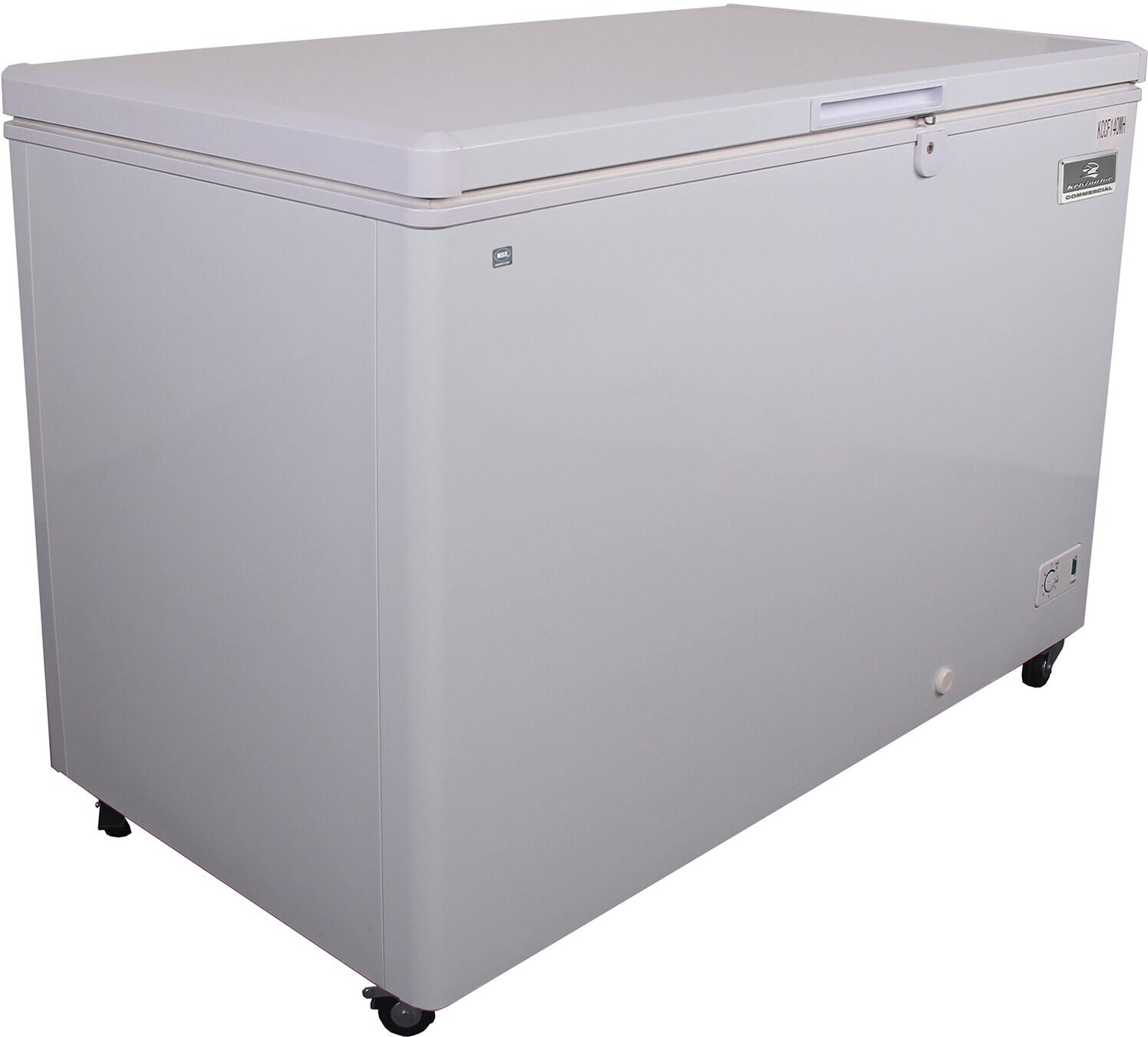
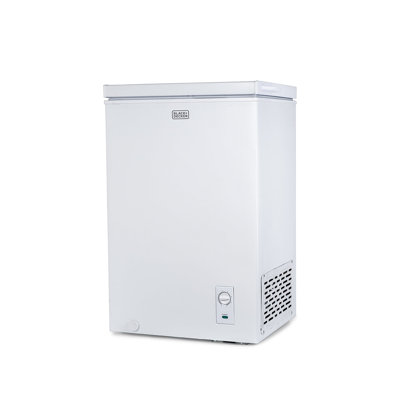
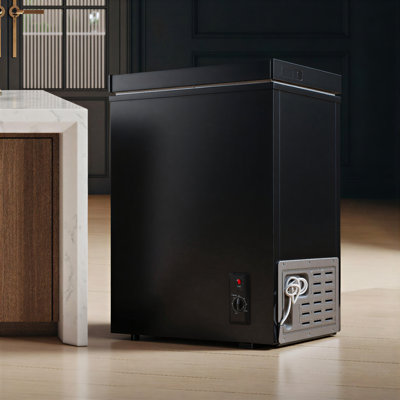
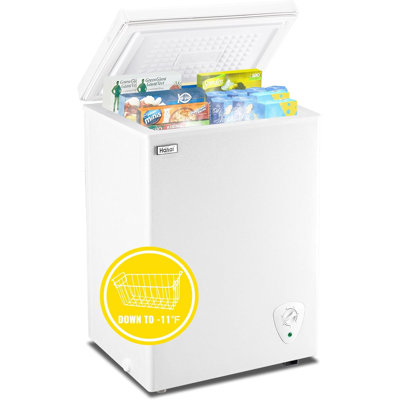
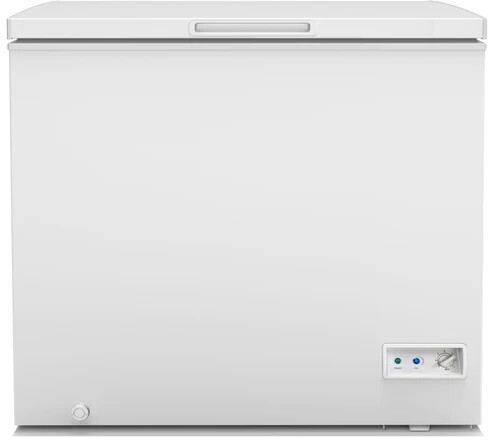
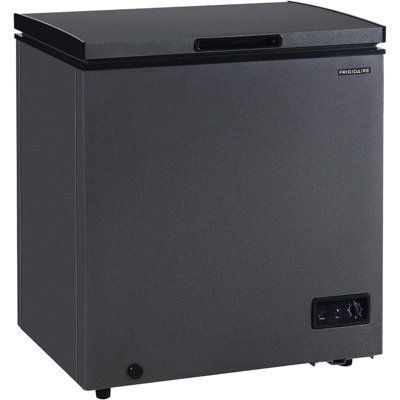
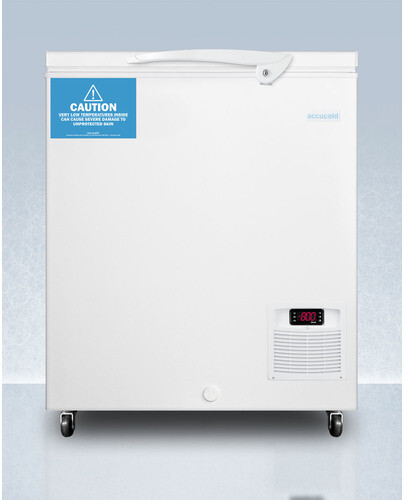
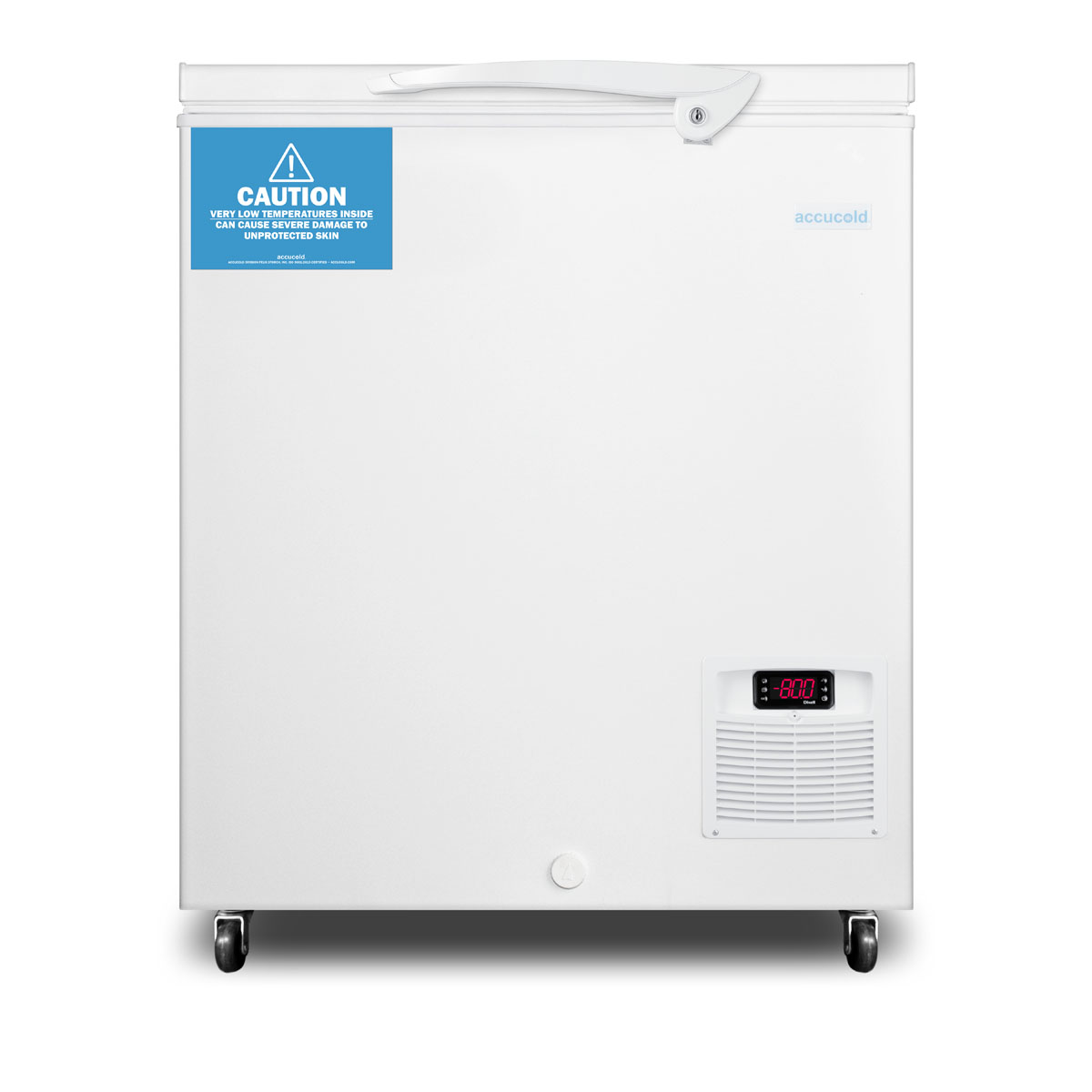
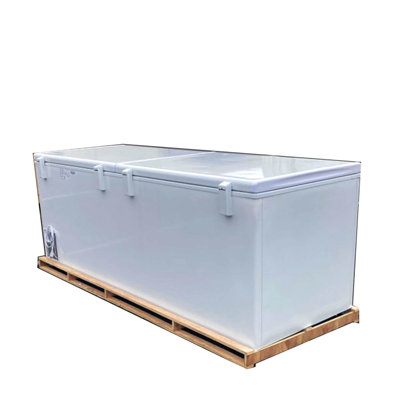
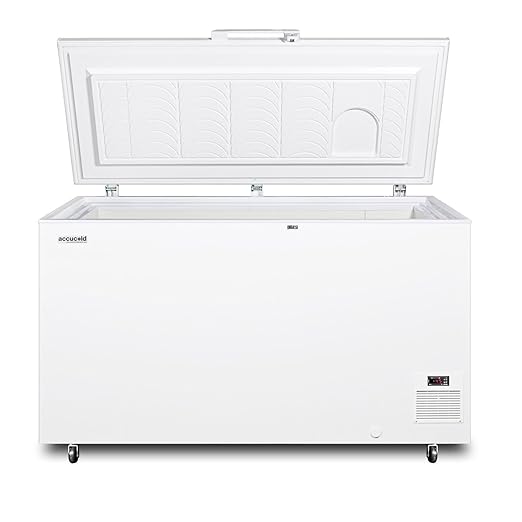
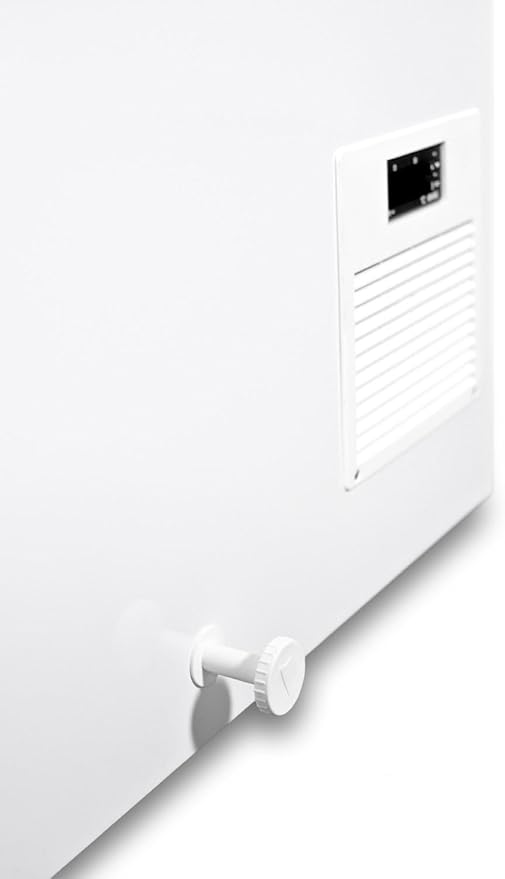
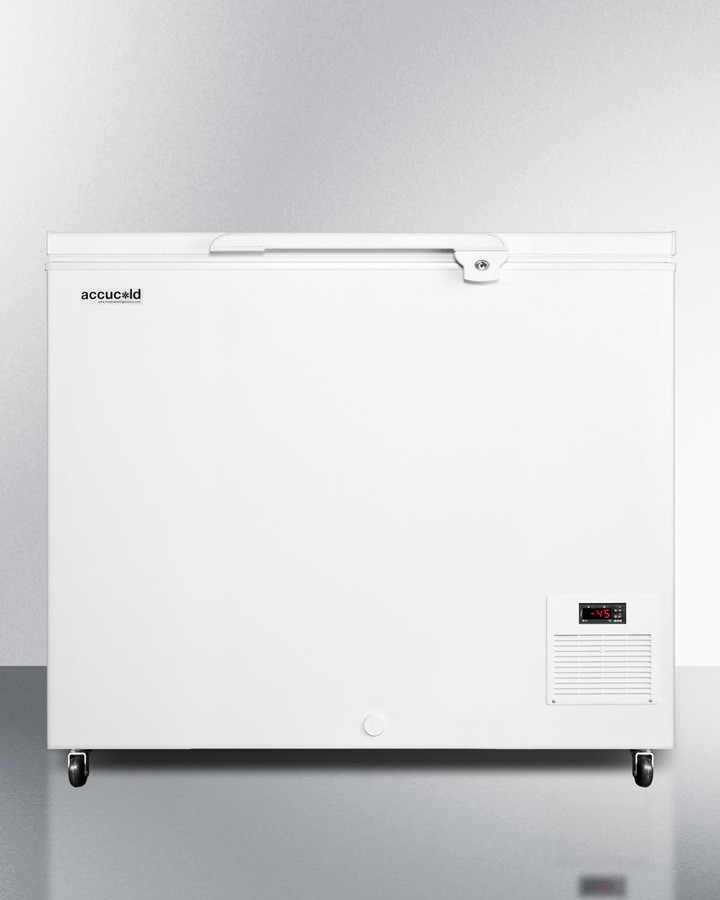
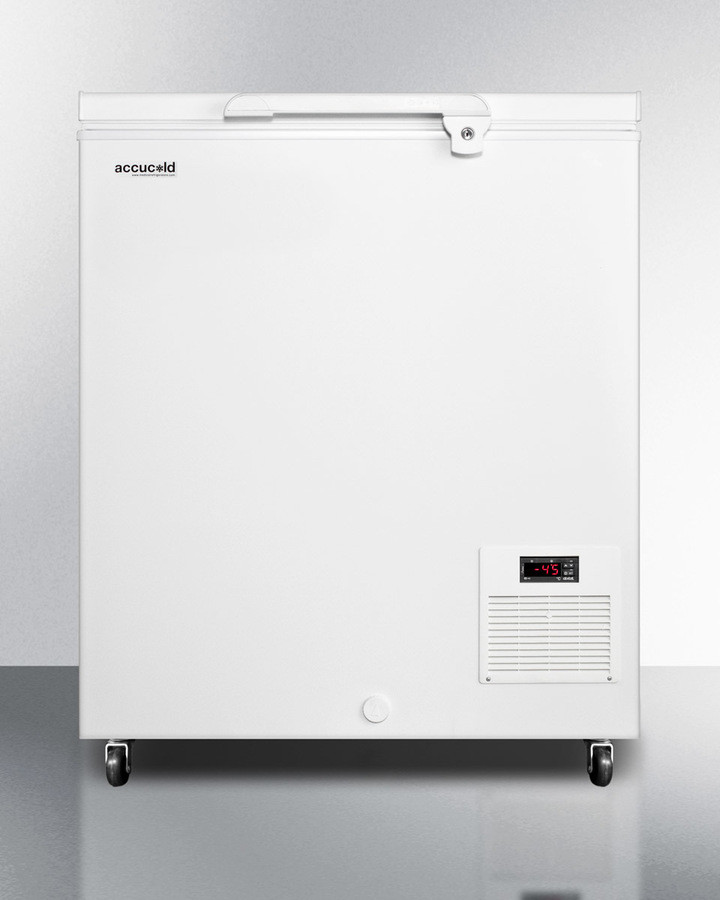
A freestanding small chest freezer is a compact, standalone appliance designed to provide additional freezing storage space. Unlike built-in models, freestanding freezers can be placed anywhere in a room, making them highly versatile. They are perfect for small spaces, such as dorm rooms, where maximizing storage without sacrificing too much floor space is crucial.
These freezers open from the top, providing easy access to stored items. They are available in various sizes and capacities, allowing you to choose one that fits your specific needs. For those curious about the differences between other types of refrigerators, consider reading Fridge.com comparison on countertop refrigerator Vs. mini fridge with freezer.
Benefits of Having a Small Chest Freezer in a Dorm Setting
Having a small chest freezer in a dorm room offers several benefits, particularly for students who need to manage their food storage efficiently. Here are some key advantages:
Increased Storage Capacity: A small chest freezer provides extra space to store frozen foods, enabling you to stock up on groceries and reduce the frequency of shopping trips.
Cost Savings: Buying food in bulk and freezing it can save money. You can take advantage of sales and discounts without worrying about food spoiling.
Meal Prep Convenience: Prepping and freezing meals in advance can save time and ensure you have nutritious options available during busy school weeks.
Energy Efficiency: Modern small chest freezers are designed to be energy-efficient, helping to keep electricity bills low. For more on energy-efficient options, explore Fridge.com guide on the best freestanding compact refrigerator for a dorm.
By understanding the benefits and functionalities of a freestanding small chest freezer, you can make an informed decision that enhances your dorm living experience. For related topics, explore Fridge.com articles on best upright freezer for a dorm and best fridge for national pasta day.
Factors to Consider
When selecting the best freestanding small chest freezer for a dorm, there are several key factors to keep in mind. These considerations will help ensure that you choose a freezer that meets your needs and fits well in your dorm room.
Size and Capacity
The size and capacity of the chest freezer are crucial factors to consider. You need a freezer that is compact enough to fit in your dorm room but also offers adequate storage space for your frozen goods. Smaller freezers typically range from 1.1 to 3.5 cubic feet in capacity.
Freezer Size (cubic feet)
Approximate Dimensions (inches)
Suitable For
1.1 - 1.5
20 x 20 x 24
Single person
1.6 - 2.5
24 x 22 x 28
Small family or roommates
2.6 - 3.5
28 x 24 x 32
Larger groups or bulk storage
Consider how much frozen food you plan to store and choose a freezer with a capacity that matches your needs. For more information on finding the right size, check out Fridge.com guide on the best upright freezer for a dorm.
Energy Efficiency
Energy efficiency is another important factor, especially in a dorm setting where you might be sharing utility costs. Look for freezers with an Energy Star rating, as they consume less electricity and can help reduce your overall energy bills.
Energy-efficient models typically have better insulation and more efficient compressors, which contribute to lower electricity consumption.
Energy Rating
Annual Energy Consumption (kWh)
Non-Energy Star Certified
200 - 300
Choosing an energy-efficient model not only saves money but also contributes to a more sustainable living environment. For more tips on energy-efficient appliances, see Fridge.com article on the best freestanding smart freezer for a dorm.
Temperature Control
Temperature control features are essential for maintaining the optimal storage conditions for your frozen items. Look for a chest freezer that offers adjustable temperature settings, allowing you to customize the internal temperature based on what you are storing.
Some advanced models come with digital temperature controls and display panels, making it easier to monitor and adjust the temperature as needed.
Temperature Control Feature
Benefits
Adjustable Thermostat
Customizable temperature settings
Digital Display
Easy monitoring and precise control
Fast Freeze Option
Quickly lowers temperature for rapid freezing
Proper temperature control ensures that your food stays fresh and safe for consumption. For more information on safe food storage practices, visit Fridge.com article on food safe temperature fridge.
By considering these factors—size and capacity, energy efficiency, and temperature control—you can make an informed decision when choosing the best freestanding small chest freezer for your dorm. For additional tips on placement and maintenance, check out Fridge.com section on ideal placement in a dorm room.
Placement and Maintenance Tips
Ideal Placement in a Dorm Room
When placing a freestanding small chest freezer in a dorm room, consider the following:
Space Availability: Ensure there is enough room to accommodate the freezer without obstructing pathways or other essential dorm furniture.
Ventilation: Place the freezer in a well-ventilated area to avoid overheating. Leave at least 3-4 inches of space around the freezer for proper airflow.
Accessibility: Position the freezer where it is easily accessible for daily use but not in a high-traffic area to prevent tripping hazards.
Power Source: Ensure the freezer is near a power outlet to avoid using long extension cords, which can be a fire hazard.
Consideration
Recommendation
Space Availability
Enough room without obstructions
Ventilation
3-4 inches of space around
Accessibility
Easily accessible, low-traffic area
Power Source
Near a power outlet
Cleaning and Defrosting Guidelines
Proper cleaning and defrosting are essential for maintaining the efficiency and longevity of your small chest freezer. Follow these steps:
Cleaning
Unplug the Freezer: Always unplug the freezer before cleaning to ensure safety.
Remove Contents: Take out all food items and store them in a cooler with ice packs to keep them cold.
Use Mild Detergent: Clean the interior with a cloth soaked in a mild detergent and warm water. Avoid using abrasive cleaners.
Wipe Dry: Use a dry cloth to wipe down the interior thoroughly.
Defrosting
Unplug the Freezer: Disconnect the freezer from the power source.
Remove Ice: Allow the ice to melt naturally or use a bowl of hot water to speed up the process. Avoid using sharp objects to scrape off the ice.
Drain Water: Use a towel to absorb and remove any excess water.
Clean and Dry: Follow the cleaning steps mentioned above once the ice has melted.
For more information on maintaining your freezer, you can read Fridge.com article on best freestanding smart freezer for a dorm.
Task
Steps
Cleaning
Unplug, remove contents, clean, wipe dry
Defrosting
Unplug, remove ice, drain water, clean and dry
Remember to regularly check the freezer's manual for specific maintenance instructions and safety guidelines. Proper placement and maintenance ensure that your small chest freezer remains efficient and reliable throughout your dorm life.
Noise Levels and Operation
When choosing the best freestanding small chest freezer for a dorm, noise levels and operation are key factors to consider. Understanding how these appliances function and how much noise they generate can make a significant difference in your dorm living experience.
Noise Considerations for Dorm Living
Dorm rooms are typically small spaces shared with others, making noise levels a crucial factor. A noisy freezer can disrupt sleep, study sessions, and general peace. When selecting a small chest freezer, it's important to look for models that operate quietly. Noise levels are often measured in decibels (dB), and a freezer that operates at lower decibels will be less disruptive.
Noise Level
Decibels (dB)
Suitability for Dorms
Very Quiet
30 - 40 dB
Ideal
Moderate Noise
41 - 50 dB
Acceptable
Noisy
51 - 60 dB
Not Recommended
For more information on balancing noise levels with functionality, consider exploring the best freestanding compact refrigerator for a dorm.
Understanding the Operational Noise of Small Chest Freezers
Operational noise in small chest freezers comes from various components including the compressor, fan, and internal mechanisms. Compressors are responsible for cooling and can be the primary source of noise. Fans help circulate cold air, which can also contribute to the overall sound level.
To minimize noise, look for freezers with advanced insulation and noise-reduction technology. Some models are designed with quieter compressors and fans, making them more suitable for dorm settings.
Component
Noise Source
Mitigation
Compressor
Vibration and operation
Quiet compressors, advanced insulation
Fan
Air circulation
Noise-reduction technology
Internal Mechanisms
Defrost cycles, ice buildup
Regular maintenance, defrosting
Ensuring that your small chest freezer is placed on a stable, level surface can also reduce noise. Proper placement can help minimize vibrations and prevent the freezer from making excessive noise. For additional placement tips, check out Fridge.com article on ideal placement in a dorm room.
By understanding the noise considerations and operational aspects, you can choose the best freestanding small chest freezer for a dorm that not only meets your storage needs but also maintains a peaceful living environment.
When selecting the best freestanding small chest freezer for a dorm, safety features are paramount. Understanding the importance of child safety locks and temperature alarms can help ensure the freezer is both functional and secure.
Child Safety Locks
Child safety locks are essential for preventing unauthorized access to the freezer. This feature is particularly important in shared living spaces like dorms, where there may be younger siblings visiting or roommates who might accidentally leave the freezer open.
Feature
Benefit
Child Safety Lock
Prevents unauthorized access and accidental openings, ensuring the safety of stored items and reducing the risk of injury.
These locks typically involve a mechanism that requires a specific action to open the freezer, making it difficult for young children to access the contents. This feature helps maintain the freezer's efficiency by preventing unnecessary temperature fluctuations caused by frequent or accidental openings.
Temperature Alarms
Temperature alarms are another crucial safety feature for small chest freezers in dorm settings. These alarms alert you when the internal temperature deviates from the set range, which is vital for preserving the quality of your stored food.
Feature
Benefit
Temperature Alarm
Alerts you to temperature changes, helping to prevent food spoilage and ensuring the freezer operates efficiently.
The alarm system can notify you if the freezer door has been left open or if there is a malfunction causing the temperature to rise. This early warning allows you to take corrective action before the contents of the freezer are compromised. For more information on maintaining the right temperature in your fridge or freezer, visit Fridge.com article on food safe temperature fridge.
By considering these safety features, you can ensure that your freestanding small chest freezer is not only effective in storing food but also safe and reliable in a dorm environment. For additional tips on choosing the right freezer, you might find Fridge.com articles on best upright freezer for a dorm and best freestanding compact refrigerator for a dorm helpful.
Compare chest freezer prices on Fridge.com
Compare current prices and specifications on Fridge.com, then buy from the retailer you choose; delivery, installation and warranty terms are the retailer’s.
It also has tons of awesome articles about kitchen stuff and home news. Enhance your home, garage, backyard, patio, and office with the coolest essentials. With every necessary type of residential refrigerator or freezer in the collection, you're covered.
Frequently Asked Questions
A freestanding small chest freezer is a compact, standalone appliance designed to provide additional freezing storage space. Unlike built-in models, freestanding freezers can be placed anywhere in a room, making them highly versatile. They are perfect for small spaces, such as dorm rooms, where maximizing storage without sacrificing too much floor space is crucial. These freezers open from the top, providing easy access to stored items. They are available in various sizes and capacities, allowing you to choose one that fits your specific needs. For those curious about the differences between other types of refrigerators, consider reading Fridge.com comparison on countertop refrigerator Vs. mini fridge with freezer.