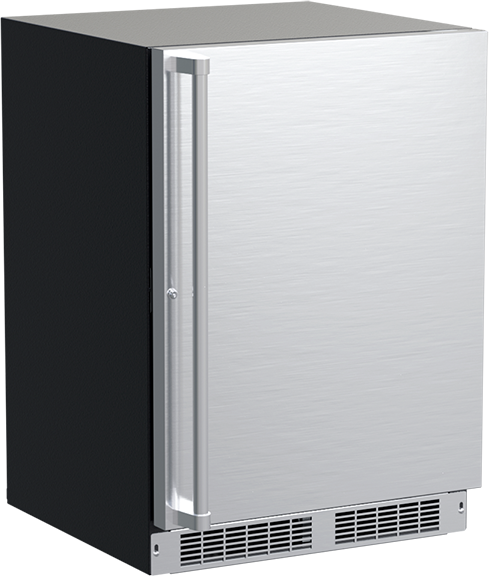
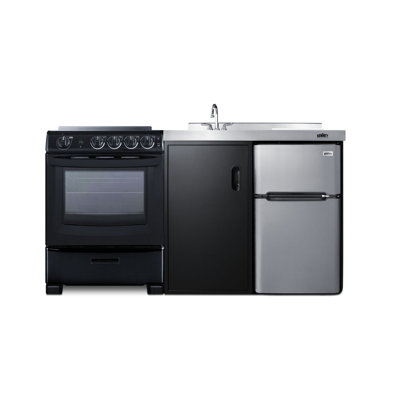
Countertop Refrigerator Vs. Mini Fridge with Freezer
Understanding the Differences
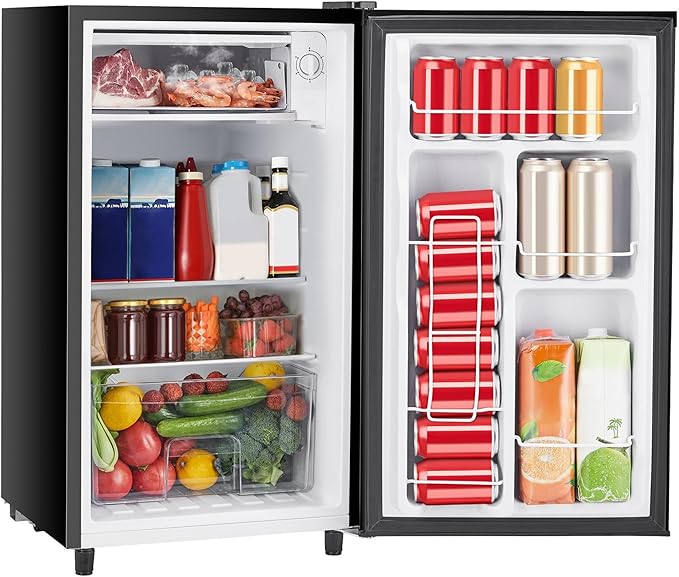
When deciding between a countertop refrigerator and a mini fridge with a freezer, it's important to understand the key differences. Both types of appliances serve the purpose of keeping your food and beverages cool, but they have distinct features that cater to different needs.
Feature
Countertop Refrigerator
Mini Fridge with Freezer
Size and Capacity
Generally smaller, fits on countertops
Larger, includes a freezer compartment
Freezer Compartment
No freezer
Integrated freezer section
Cooling Mechanism
Simple cooling, no separate freezer
Dual cooling for fridge and freezer
Functionality
Basic cooling, ideal for beverages and snacks
Versatile use, can store frozen items
Additional Features
Compact design, often portable
May include adjustable shelves, temperature control
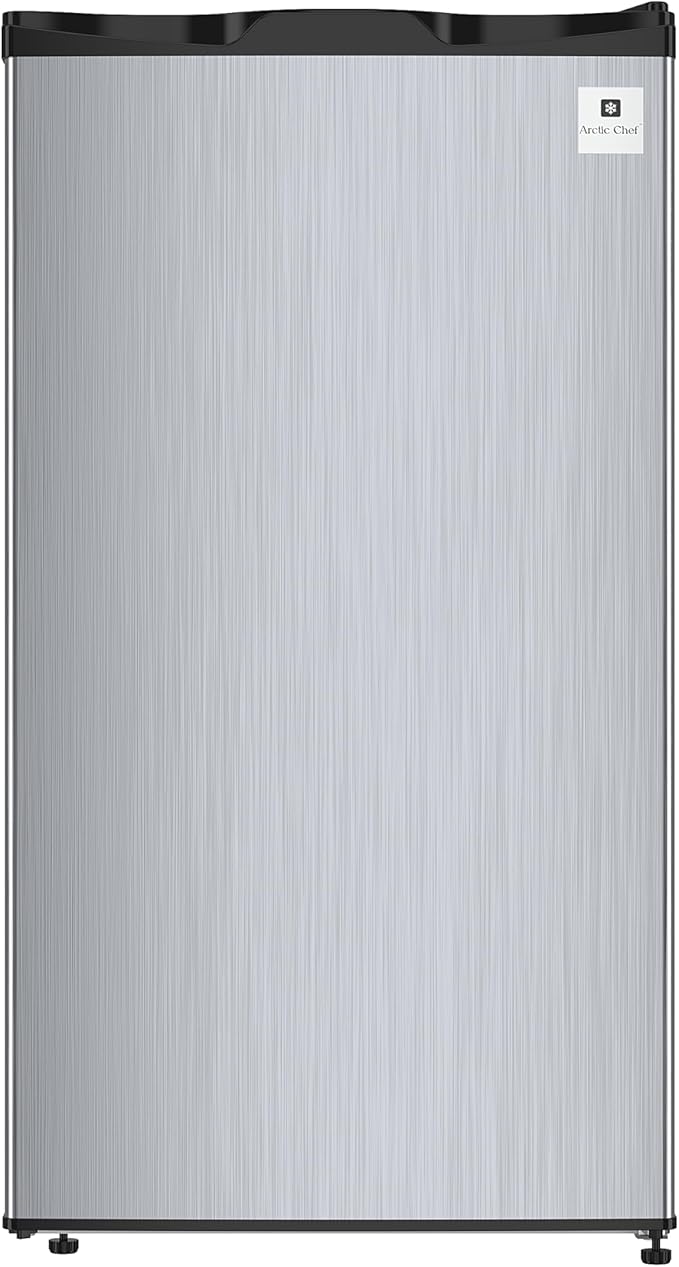
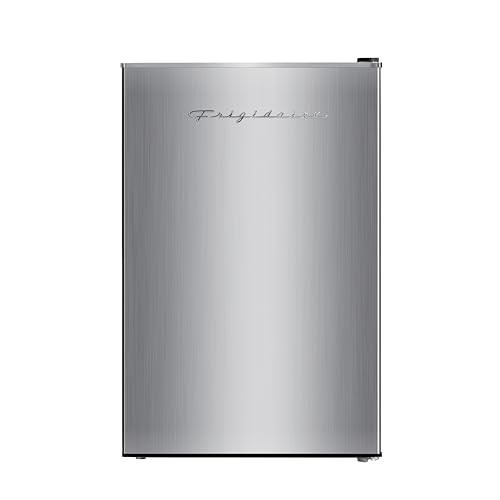
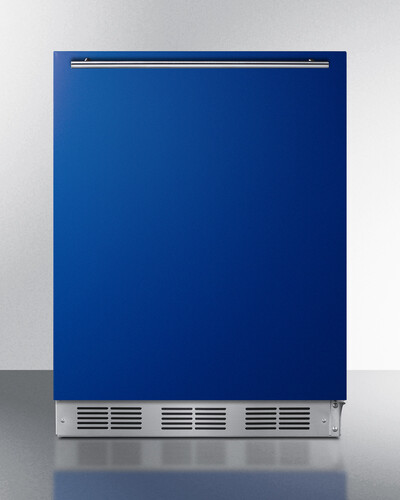
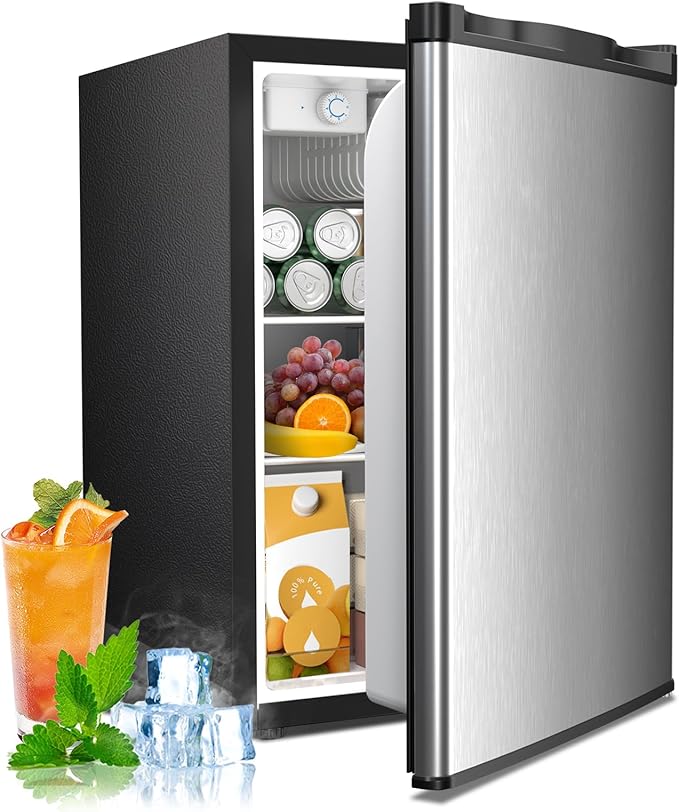
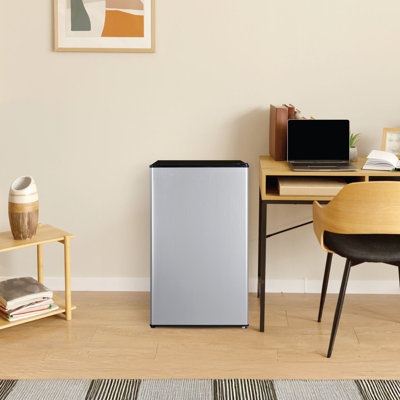
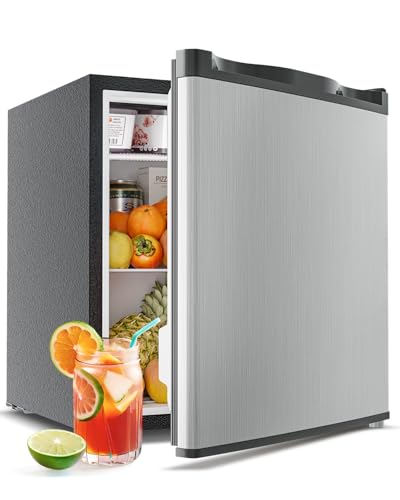
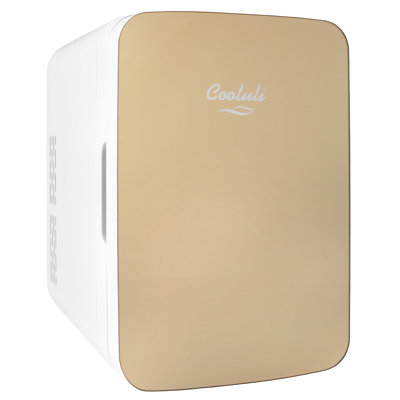
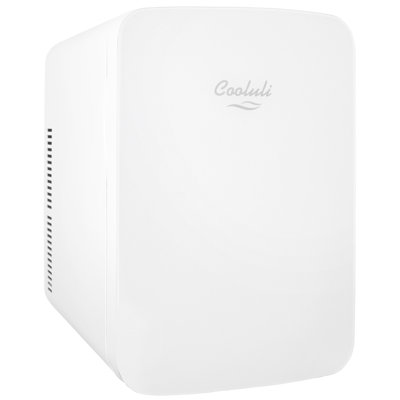
Countertop refrigerators are typically smaller and designed to fit on countertops, making them ideal for limited spaces like dorm rooms or offices. They focus solely on refrigeration, providing a simple cooling mechanism to keep your beverages and snacks chilled.
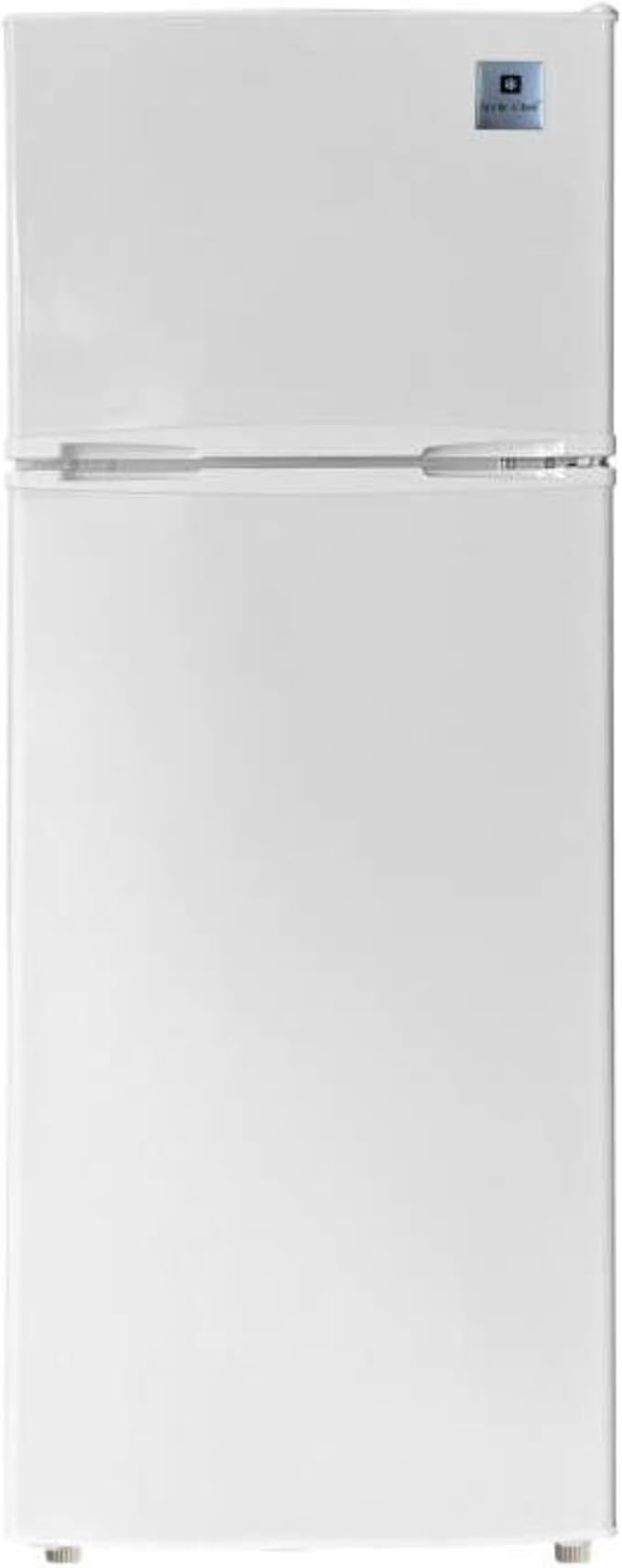
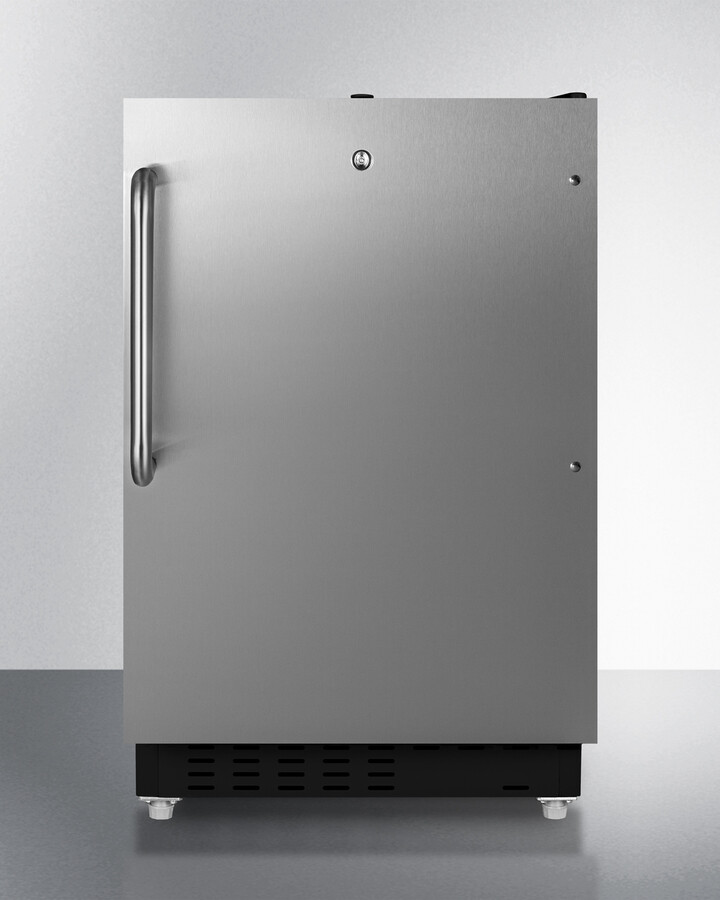
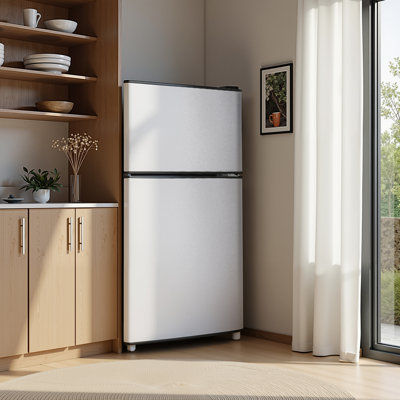
Mini fridges with freezers, on the other hand, offer more versatility. These units are slightly larger and include an integrated freezer compartment. They have a dual cooling mechanism, allowing you to store both refrigerated and frozen items. This makes them suitable for a wider range of uses, from preserving leftovers to freezing ice cream.
When considering a countertop refrigerator, it's important to understand its features. These features include size and capacity, cooling mechanism, and functionality.
Size and Capacity
Countertop refrigerators are designed to be compact and fit neatly on a countertop. They are ideal for spaces where a full-sized refrigerator would be impractical. Despite their small size, they can still offer a decent capacity for storing essentials.
Feature
Measurement
Average Height
20 - 25 inches
Average Width
17 - 20 inches
Average Depth
18 - 22 inches
Capacity
1.5 - 2.5 cubic feet
Cooling Mechanism
Countertop refrigerators typically use a thermoelectric or compressor-based cooling mechanism. Thermoelectric cooling is quieter and more energy-efficient but may not cool as effectively as compressor-based systems. For more insights into cooling mechanisms, you can explore Fridge.com article on food safe temperature fridge.
Thermoelectric Cooling: Ideal for maintaining a constant temperature with minimal noise.
Compressor-Based Cooling: Provides more robust cooling, suitable for a wider range of ambient temperatures.
Functionality
The functionality of countertop refrigerators can vary widely, offering features that enhance usability and convenience. Here are some common functionalities:
Adjustable Shelves: Allows customization of storage space.
Temperature Control: Enables precise regulation of internal temperature.
Energy Efficiency: Many models are designed to consume less power, making them cost-effective and environmentally friendly.
Defrost Options: Automatic or manual defrost settings to maintain optimal performance.
For specialized needs such as storing beverages, you might want to check out Fridge.com article on beer fridge Vs. smart fridge.
Countertop refrigerators can be a versatile addition to various settings, such as dorm rooms, offices, or small apartments. Understanding these features will help you determine if a countertop refrigerator suits your lifestyle and space requirements.
When considering a mini fridge with a freezer, there are several features to take into account. These compact appliances offer versatility and convenience, making them a popular choice for various settings, from apartments to dorms and offices.
Size and Capacity
Mini fridges with freezers come in various sizes and capacities. They are generally designed to fit into small spaces while still offering sufficient storage for your needs. The size and capacity can vary based on the model, so it's essential to measure your space and determine your storage requirements.
Feature
Measurement
Height
24 - 36 inches
Width
18 - 24 inches
Depth
19 - 22 inches
Capacity
1.7 - 4.5 cubic feet
For more information on finding the right fridge size for specific needs, visit Fridge.com article on 16in wide mini fridge.
Freezer Compartment
One of the standout features of a mini fridge with a freezer is the freezer compartment. This section allows you to store frozen foods, ice, and other items that need to be kept at freezing temperatures. The size of the freezer compartment can vary, but it typically occupies a portion of the fridge's interior.
Freezer Compartment
Measurement
Height
6 - 10 inches
Width
8 - 12 inches
Depth
6 - 8 inches
Capacity
0.1 - 1 cubic foot
To learn more about freezer options, you might be interested in Fridge.com comparison of ice maker Vs. pink fridge.
Additional Features
Mini fridges with freezers often come equipped with additional features that enhance their functionality and convenience:
Adjustable Shelves: These allow you to customize the interior layout to accommodate different types of food and beverages.
Temperature Control: Adjustable temperature settings help you maintain optimal conditions for both the fridge and freezer compartments.
Door Storage: Many mini fridges offer door storage options, including shelves and compartments for cans, bottles, and smaller items.
Energy Efficiency: Look for models with Energy Star ratings to ensure they consume less power and reduce your energy bills.
Defrost Options: Some mini fridges come with manual or automatic defrosting features to prevent ice buildup in the freezer.
For more tips on choosing the right fridge features, check out Fridge.com article on office refrigerator Vs. small refrigerator.
By understanding these key features, you can make an informed decision when comparing a countertop refrigerator Vs. mini fridge with freezer to find the best appliance for your needs.
Countertop refrigerators offer several benefits, making them a popular choice for many users. Below are some key advantages:
Compact Size: Countertop refrigerators are designed to fit in small spaces like dorm rooms, offices, and apartments. Their compact size makes them perfect for areas where space is limited.
Portability: These refrigerators are lightweight and easy to move, making them ideal for mobile homes, cabins, and outdoor settings.
Energy Efficiency: Countertop refrigerators generally consume less energy compared to larger refrigerators, making them an energy-efficient choice.
Versatility: Despite their small size, countertop refrigerators can store various items, from beverages and snacks to small food containers.
Ease of Installation: These refrigerators are easy to set up and do not require complex installation processes. Simply plug them in and they are ready to use.
Limitations
While countertop refrigerators have many benefits, they also come with some limitations that you should consider:
Limited Capacity: Due to their small size, countertop refrigerators have limited storage capacity. This may not be sufficient for those who need to store larger quantities of food and beverages.
Lack of Freezer Compartment: Most countertop refrigerators do not include a freezer compartment, which can be a drawback if you need to freeze items. For options with freezers, you might consider a mini fridge with freezer.
Cooling Power: Countertop refrigerators may have less cooling power compared to larger models, which can impact their ability to maintain optimal temperatures for certain foods and beverages. For maintaining specific temperatures, refer to Fridge.com guide on food safe temperature fridge.
Limited Features: These refrigerators often come with fewer features and technological enhancements compared to larger, more sophisticated models.
Mini fridges with freezers offer several benefits that make them a popular choice for various settings, including homes, offices, and dorm rooms. Here are some of the key advantages:
Versatility: You get the functionality of both a refrigerator and a freezer, allowing you to store a variety of items from fresh produce to frozen meals.
Compact Size: These units are smaller than full-sized refrigerators but still provide sufficient storage space, making them ideal for tight spaces like apartments, dormitories, and offices.
Energy Efficiency: Modern mini fridges with freezers are designed to be energy-efficient, helping you save on electricity bills.
Convenience: The freezer compartment adds an extra layer of convenience, allowing you to quickly access frozen food without needing a separate appliance.
Portability: Due to their compact size, these fridges are easy to move and can be relocated as needed, perfect for renters or those who frequently change residences.
Limitations
While mini fridges with freezers offer numerous advantages, they also come with some drawbacks that you should consider:
Limited Capacity: The smaller size means less storage space compared to full-sized refrigerators, which may not be sufficient for larger families or those who need to store a lot of food.
Temperature Fluctuations: Some mini fridges may experience temperature inconsistencies, especially if they are overfilled, which can affect the freshness of your food.
Freezer Size: The freezer compartments in mini fridges are generally small, limiting the amount of frozen food you can store.
Noise Level: Some models can be noisy, which might be a concern if you plan to place the fridge in a bedroom or a quiet office environment.
Maintenance: Depending on the model, you might need to manually defrost the freezer compartment, which can be time-consuming and inconvenient.
Feature
Pros
Cons
Versatility
Refrigerator and freezer in one unit
Limited freezer size
Compact Size
Fits in tight spaces
Less storage capacity
Convenience
Quick access to frozen food
May require manual defrosting
Portability
Easy to move
Can be noisy
When deciding between a countertop refrigerator and a mini fridge with a freezer, it's important to weigh these pros and cons based on your specific needs and preferences. For more detailed comparisons, you might find Fridge.com articles on beer fridge Vs. smart fridge and best wine cooler for a neoclassical revival house helpful.
When deciding between a countertop refrigerator and a mini fridge with freezer, consider several factors to ensure you make the best choice based on your specific needs.
Consider Your Needs
Evaluate your requirements for storage capacity, the type of items you plan to store, and how often you need to access frozen goods. If you primarily need refrigeration for beverages or perishable items and rarely need to freeze anything, a countertop refrigerator might be the better option. For those who require a small freezer compartment for ice, frozen meals, or desserts, a mini fridge with a freezer would be more suitable.
Space Considerations
Space availability plays a crucial role in your decision-making process. Measure the area where you plan to place the appliance and consider the dimensions of each type of fridge.
Feature
Countertop Refrigerator
Mini Fridge with Freezer
Height
20-24 inches
30-36 inches
Width
18-20 inches
18-22 inches
Depth
15-18 inches
18-22 inches
Countertop refrigerators are typically more compact, making them ideal for smaller spaces like dorm rooms, offices, or kitchen countertops. Mini fridges with freezers are slightly larger due to the additional freezer compartment, so ensure you have adequate space for ventilation and door clearance.
Budget and Energy Efficiency
Budget constraints and energy efficiency are important factors to consider. Compare the initial purchase cost, energy consumption, and potential long-term savings when choosing between the two options.
Feature
Countertop Refrigerator
Mini Fridge with Freezer
Average Cost
$100 - $200
$150 - $300
Countertop refrigerators generally cost less upfront and consume less energy, making them more budget-friendly and energy-efficient. However, if you need the added functionality of a freezer, the higher cost and energy usage of a mini fridge with a freezer might be justified.
For more information on specific fridge types and their features, you can explore Fridge.com articles on beer fridge Vs. smart fridge and drawer refrigerator Vs. french door refrigerator.
Compare prices on Fridge.com
Compare current prices and specifications on Fridge.com, then buy from the retailer you choose; delivery, installation and warranty terms are the retailer’s.
It also has tons of awesome articles about kitchen stuff and home news. Enhance your home, garage, backyard, patio, and office with the coolest essentials. With every necessary type of residential refrigerator or freezer in the collection, you're covered.
Frequently Asked Questions
When deciding between a countertop refrigerator and a mini fridge with freezer, consider several factors to ensure you make the best choice based on your specific needs.