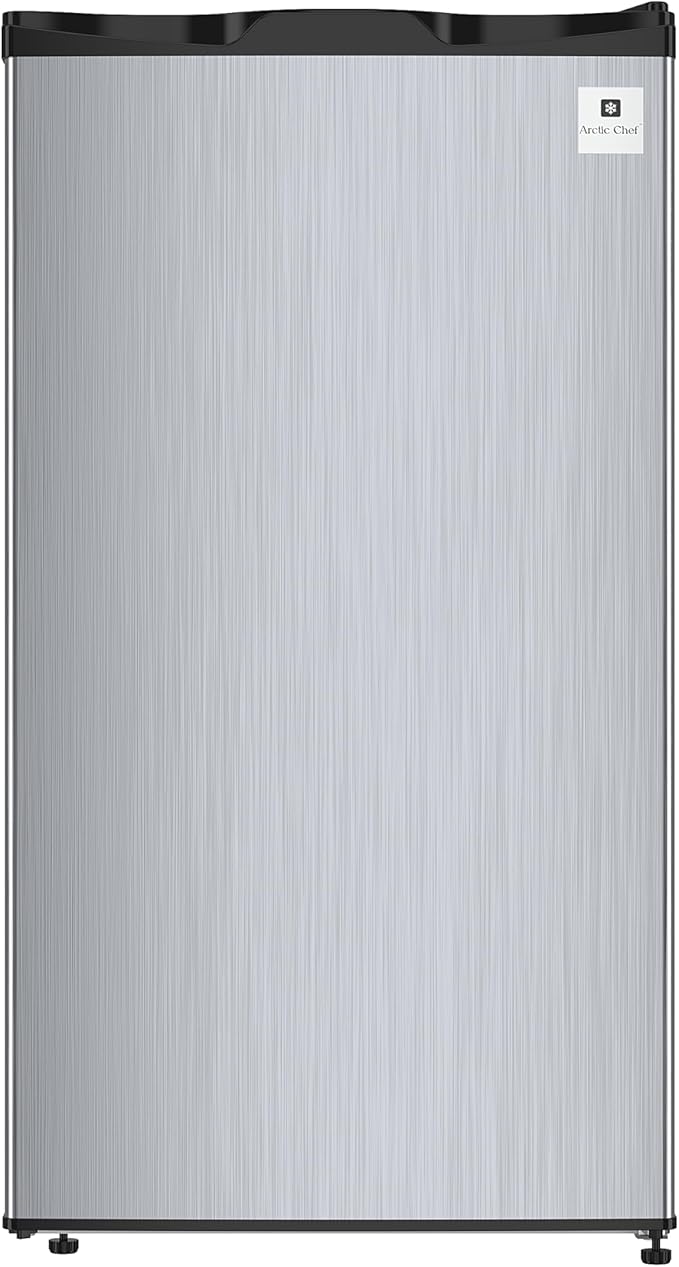
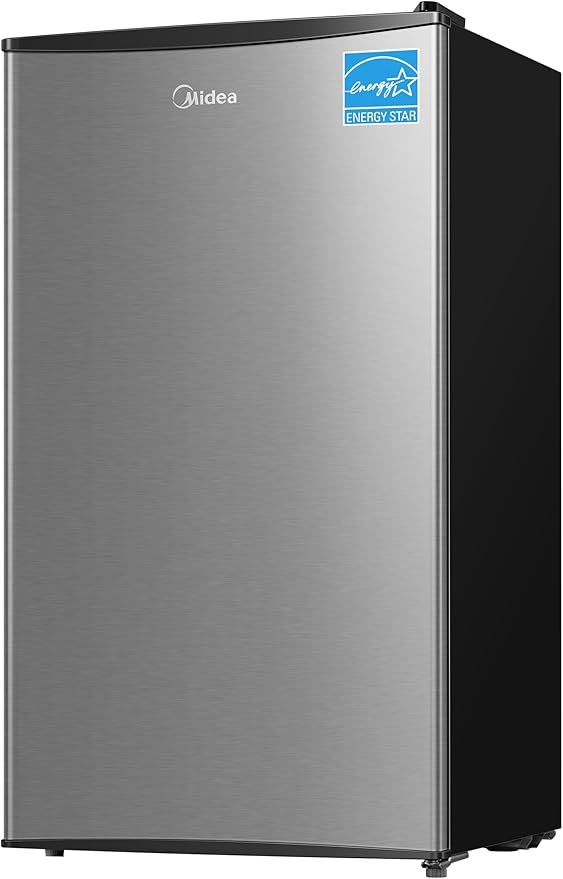
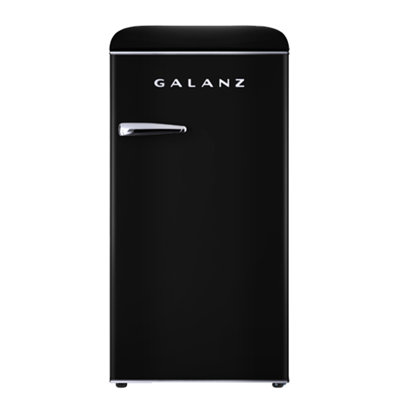
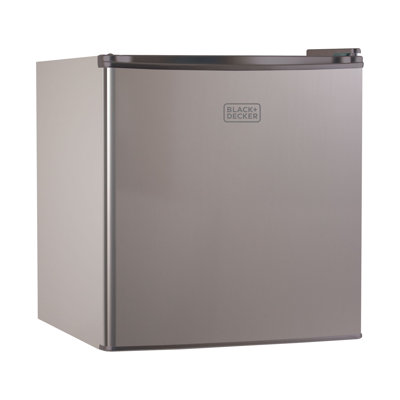
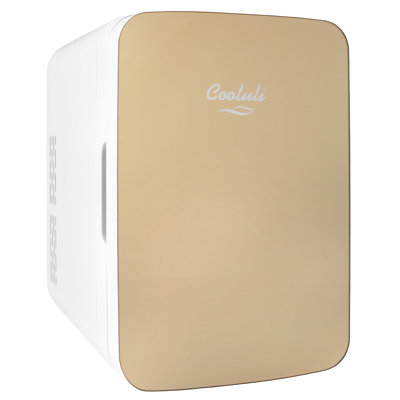
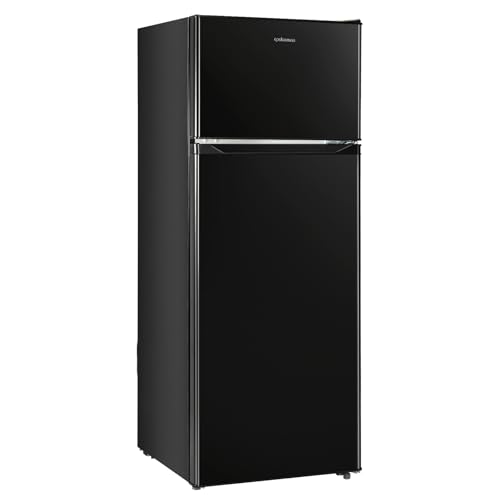
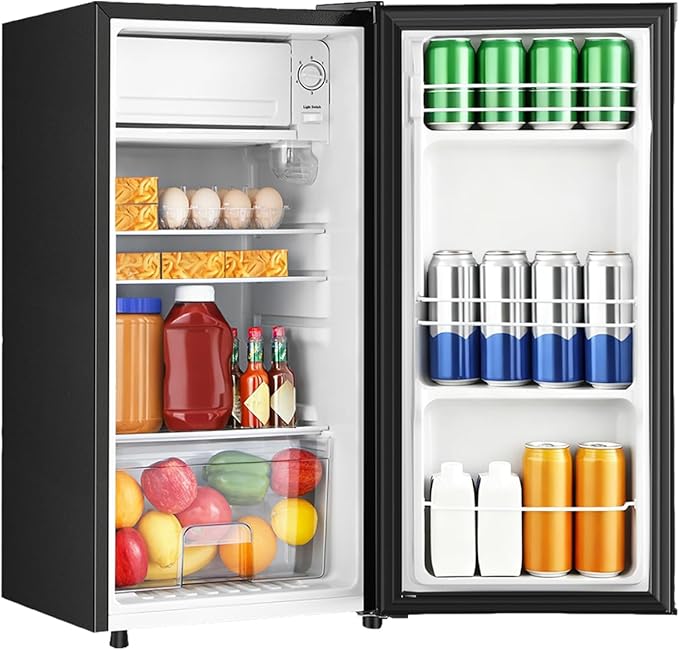
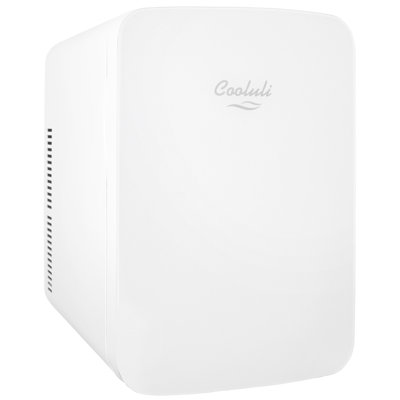
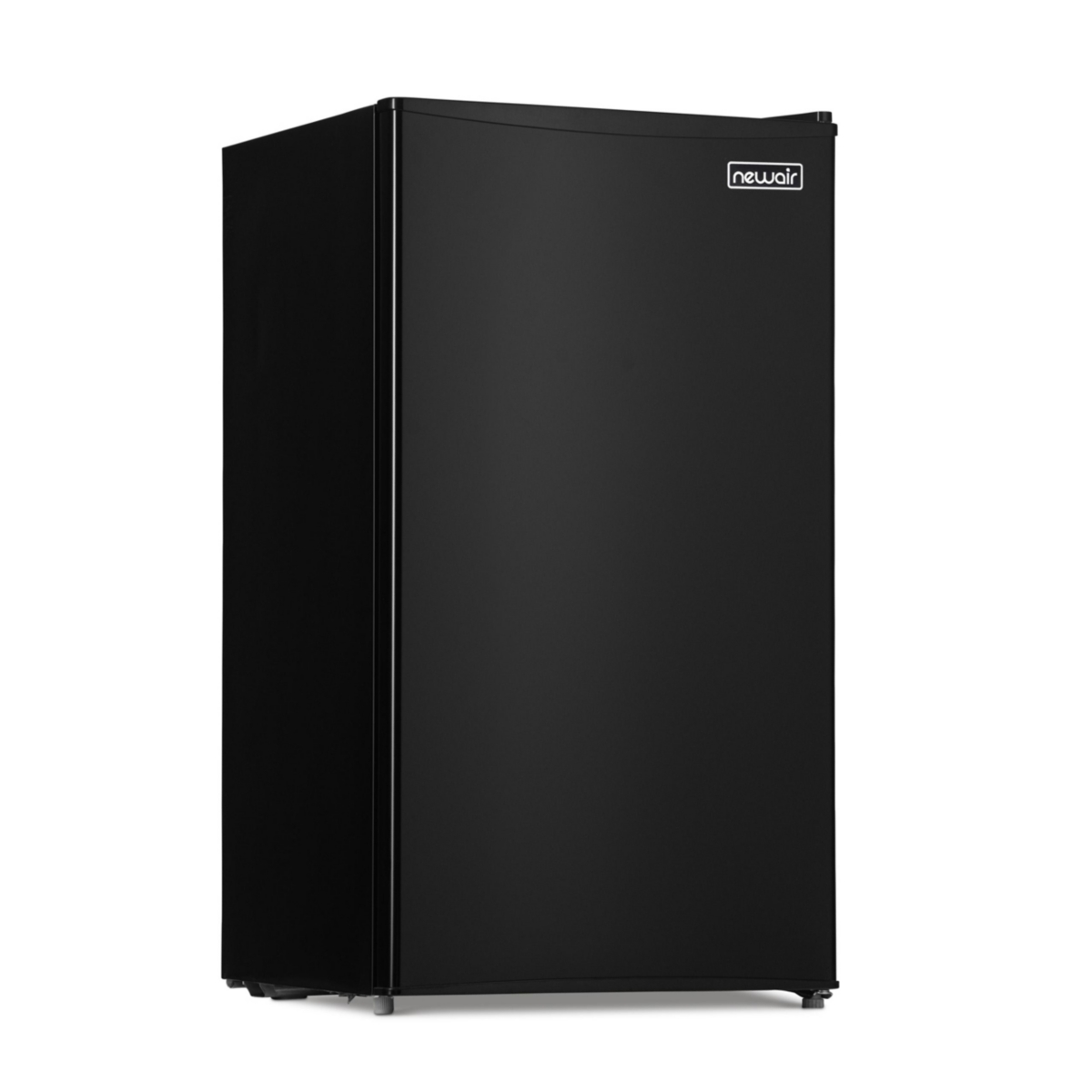
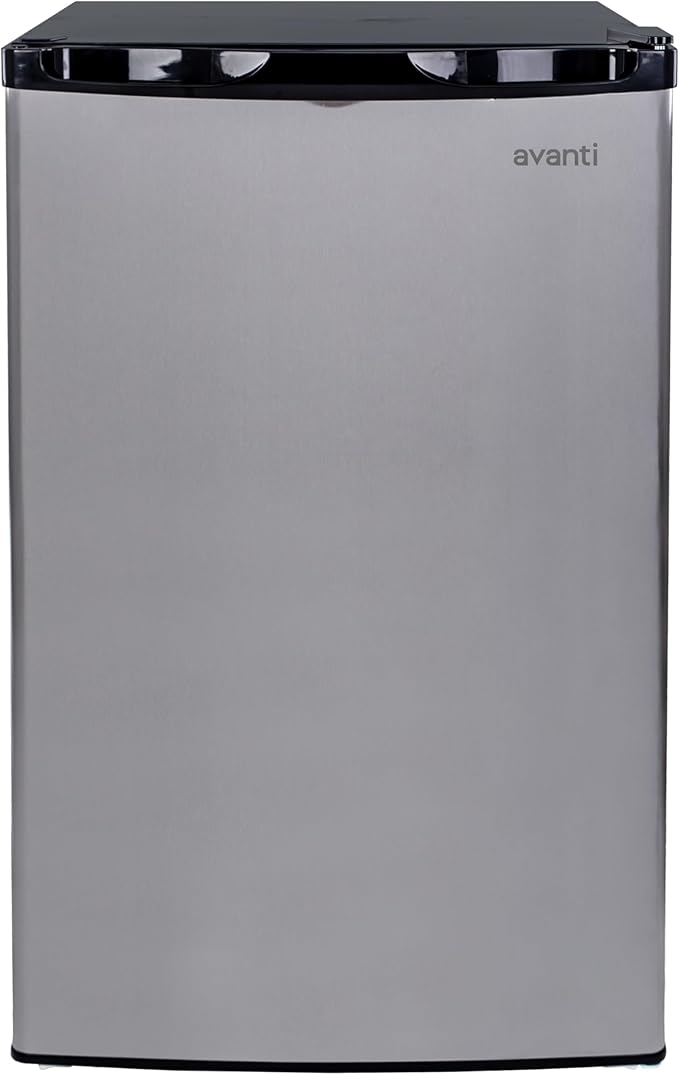
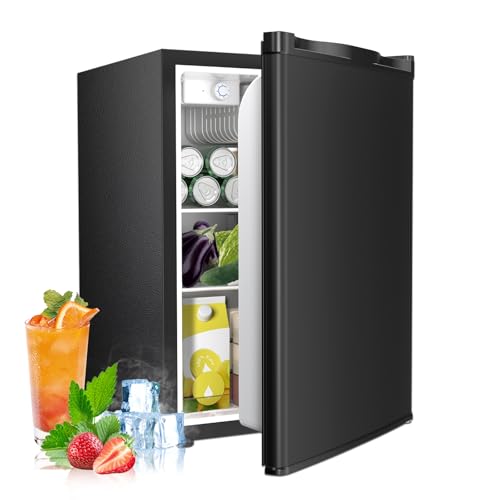
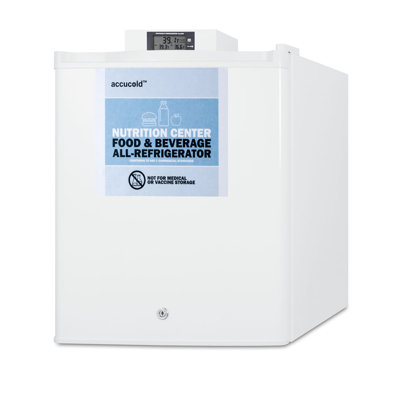
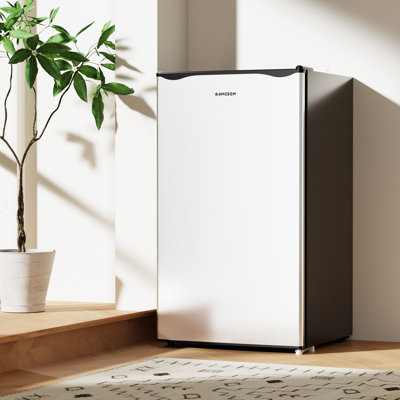
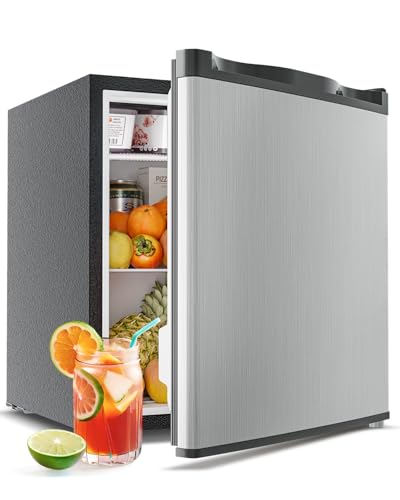
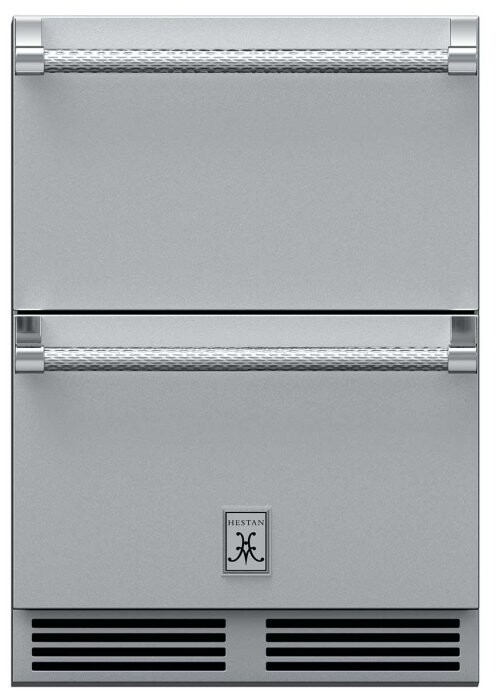
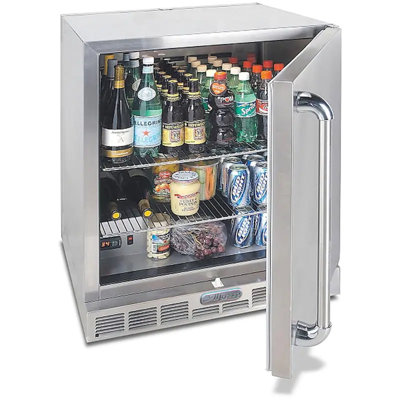
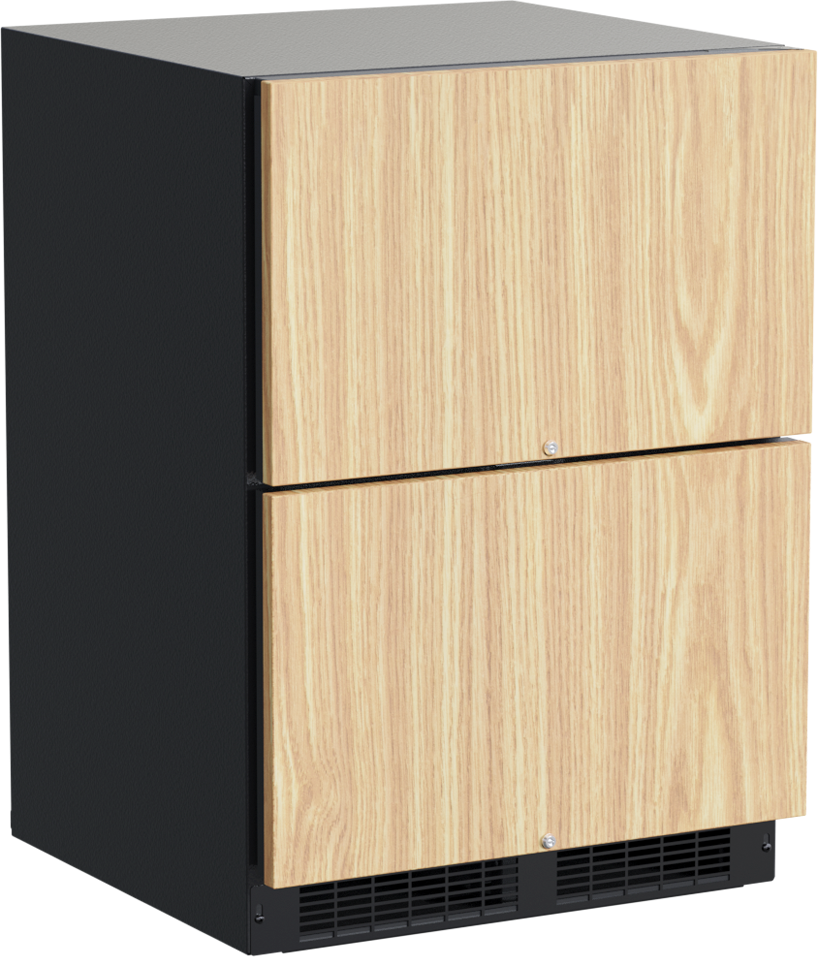
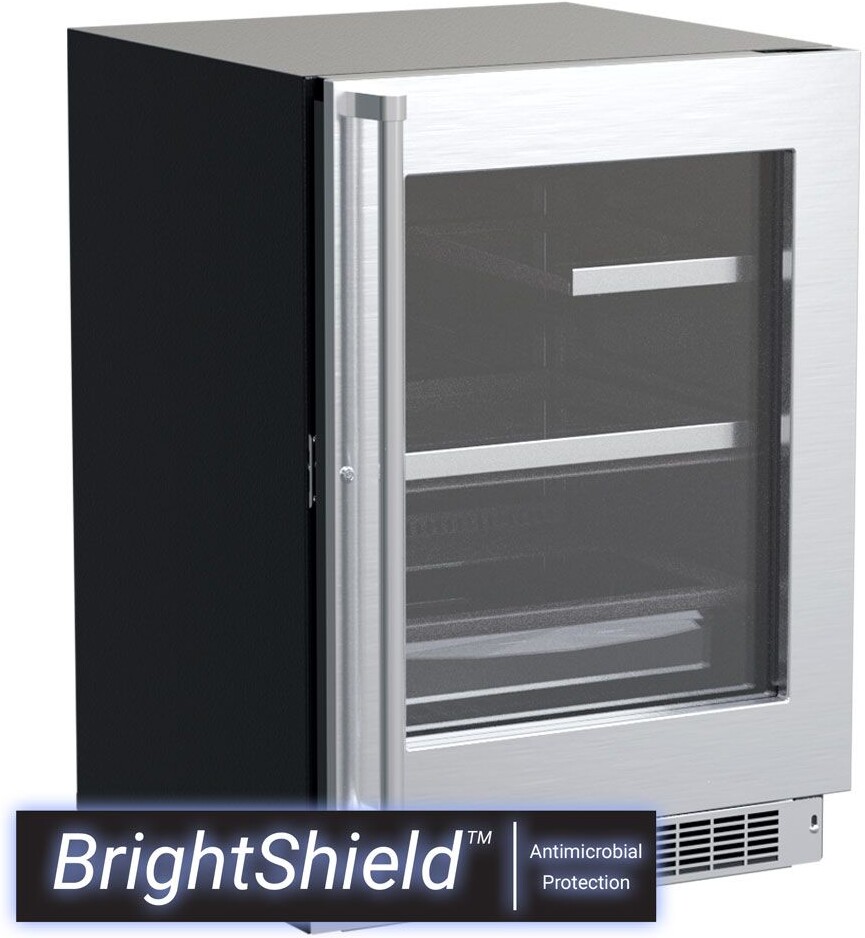
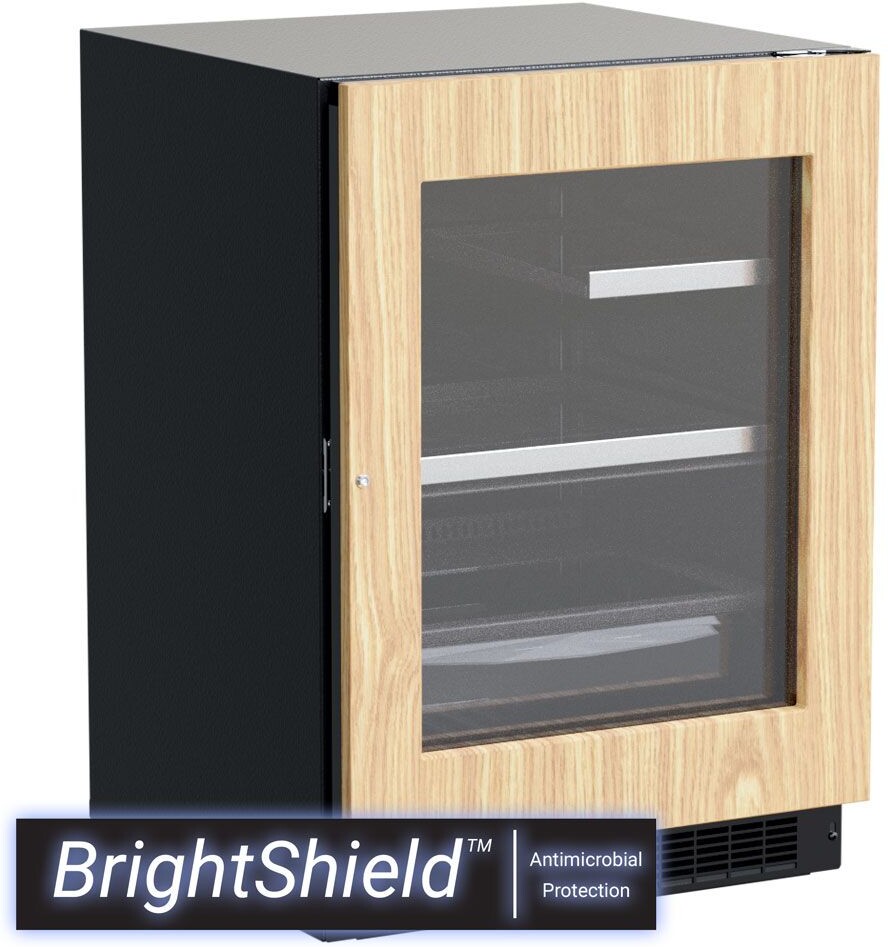
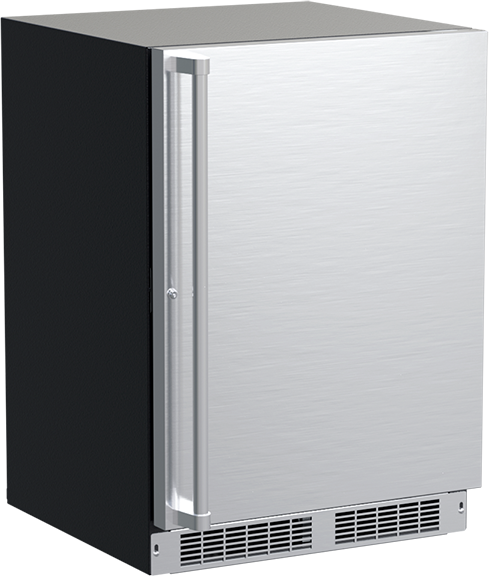
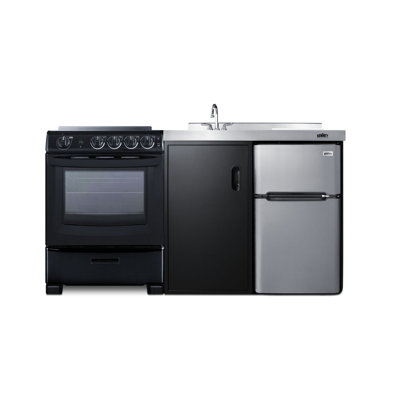
You want the best compact refrigerator for mind diet to keep your leafy greens crisp, berries fresh, and nuts crunchy, all in a stylish, space-saving package. Whether you’re meal-prepping, storing baby food, or stocking brain-boosting snacks for study sessions, the right mini fridge makes a huge difference. In this guide you’ll learn what the MIND diet entails, why a compact refrigerator is an ideal match, which features matter most, and our top model picks so you can nourish your brain—or your family’s—without missing a beat.
Understand the mind diet
The MIND diet combines elements of the Mediterranean and DASH eating plans to support cognitive health and reduce the risk of neurodegenerative decline. You focus on brain-friendly foods like leafy greens, berries, nuts, whole grains, fish, beans, and olive oil, while limiting butter, cheese, red meat, and sweets. Key staples include:
Green vegetables (spinach, kale, collards)
Berries (blueberries, strawberries)
Nuts (walnuts, almonds)
Beans (black beans, lentils)
Whole grains (oats, quinoa)
Fish (salmon, trout)
Olive oil
To follow the mind diet, you need to keep perishables at ideal temperatures, prevent moisture loss, and organize ingredients so healthy choices are always within reach. That’s where a compact refrigerator shines—you get temperature zones, humidity-controlled drawers, and adjustable shelving in a smaller footprint that fits dorms, studios, offices, garages, or RVs.
Small fridges pack surprising versatility, especially if you live in a tight space or need a secondary unit for snacks and meal prep. Advantages include:
Space saving: Slim profiles fit under counters, tuck beside workstations, or slide into alcoves.
Energy efficient: Modern mini fridges often use less power than full-size units, cutting your bills and carbon footprint.
Quiet operation: Many models claim noise levels under 40 dB, perfect for bedrooms, home offices, or libraries.
Focused storage: Separate compartments or mini-freezer sections make it easy to dedicate space for mind-diet staples.
If you’re sizing for a single person or small household, you might even explore a 3.3 cu ft fridge for an ultra-compact solution. And if you’re vegetarian, our best compact refrigerator for vegetarian diet guide highlights models optimized for produce and prep.
Key features to consider
Before you pick a model, get clear on the specs that matter for mind-diet storage and everyday ease.
Temperature and humidity control
Consistent cooling is essential to prevent wilted greens and mushy berries. Look for:
Multi-zone settings or separate compartments so you can dial fridge temps between 34°F–40°F and freezer temps around 0°F.
Dedicated crispers or humidity drawers with adjustable vents—you’ll keep herbs and veggies at 90–95 percent humidity, while berries thrive at lower humidity.
Rapid chill or turbo cool modes to quickly recover temperatures after door openings.
Seal quality and insulation
A tight seal prevents air leaks that drive up energy use and let produce spoil. Check for:
Magnetic door gaskets or heavy-duty foam rubber seals that compress evenly around edges.
Since your mini fridge might live in your bedroom, office, or shared living room, low energy draw and minimal hum are must-haves. Look for:
Energy Star certification or consumption ratings under 200 kWh per year.
Quiet compressors, ideally under 40 dB—compare sound levels in spec sheets.
Adaptive defrost or frost-free cycles to reduce manual maintenance.
Warranty and support
A reliable warranty gives peace of mind—especially if you plan to run your fridge 24/7. Aim for at least one year on parts and labor, with optional extended plans. Check whether the manufacturer covers compressor replacements or travel fees.
Keeping your compact fridge in top shape extends both performance and lifespan.
Clean interior regularly
Empty shelves and drawers every three months, wipe down walls with mild soap and water, and sanitize with a vinegar solution to prevent odors and mold.
Stock for airflow
Don’t block vents. Leave at least an inch of space around each temperature opening. For best practices, see does a fridge freezer work better full or empty?.
Replace seals and filters
Inspect door gaskets twice a year for cracks or gaps. Replace water filters (if equipped) per manufacturer guidelines, usually every six months.
Answer common questions
How cold should my fridge be for produce?
Aim for 34–40 °F in the main compartment and 38–42 °F in crisper drawers. Use built-in settings or an external thermometer to verify.
Is frost-free better than manual defrost?
Frost-free models hassle less but can be noisier and slightly warmer. Manual defrost offers precise control but requires occasional maintenance.
Can I store eggs and dairy in a compact fridge?
Yes, just place eggs on a middle shelf away from the door, and keep dairy in the coldest zone—usually at the back.
How often should I clean the condenser coils?
Once or twice a year, vacuum off dust from the coils (usually at the back or underside) to maintain cooling efficiency.
Now that you know how to choose and care for the best compact refrigerator for mind diet, it’s time to pick your perfect model. Compare current prices and specifications on Fridge.com, then buy from the retailer you choose; delivery, installation and warranty terms are the retailer’s. Browse our full selection of energy-efficient, feature-packed mini fridges at fridges for sale and get ready to keep your brain-boosting foods fresh, organized, and always within reach.
From Fridge.com research
Figures below come from data Fridge.com builds and maintains. Each links to the record behind it.
Fridge.com Energy Index, built on U.S. EPA and DOE ENERGY STAR records
Across 1,728 ENERGY STAR certified compact refrigerator models, median use is 246 kWh per year — 11% better than the federal standard.