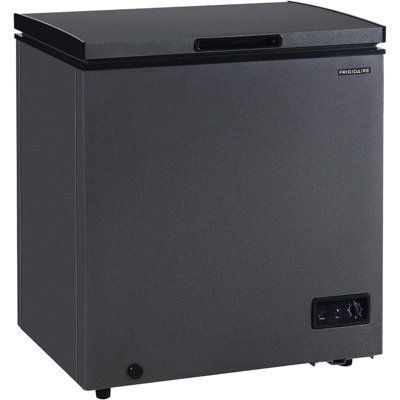
Choosing between a beer keg cooler and a freezerless refrigerator can be a tough decision, especially when considering your specific needs and preferences. Both options have unique features that make them suitable for different purposes. Understanding the differences between these two appliances will help you make an informed choice.
Understanding the Differences
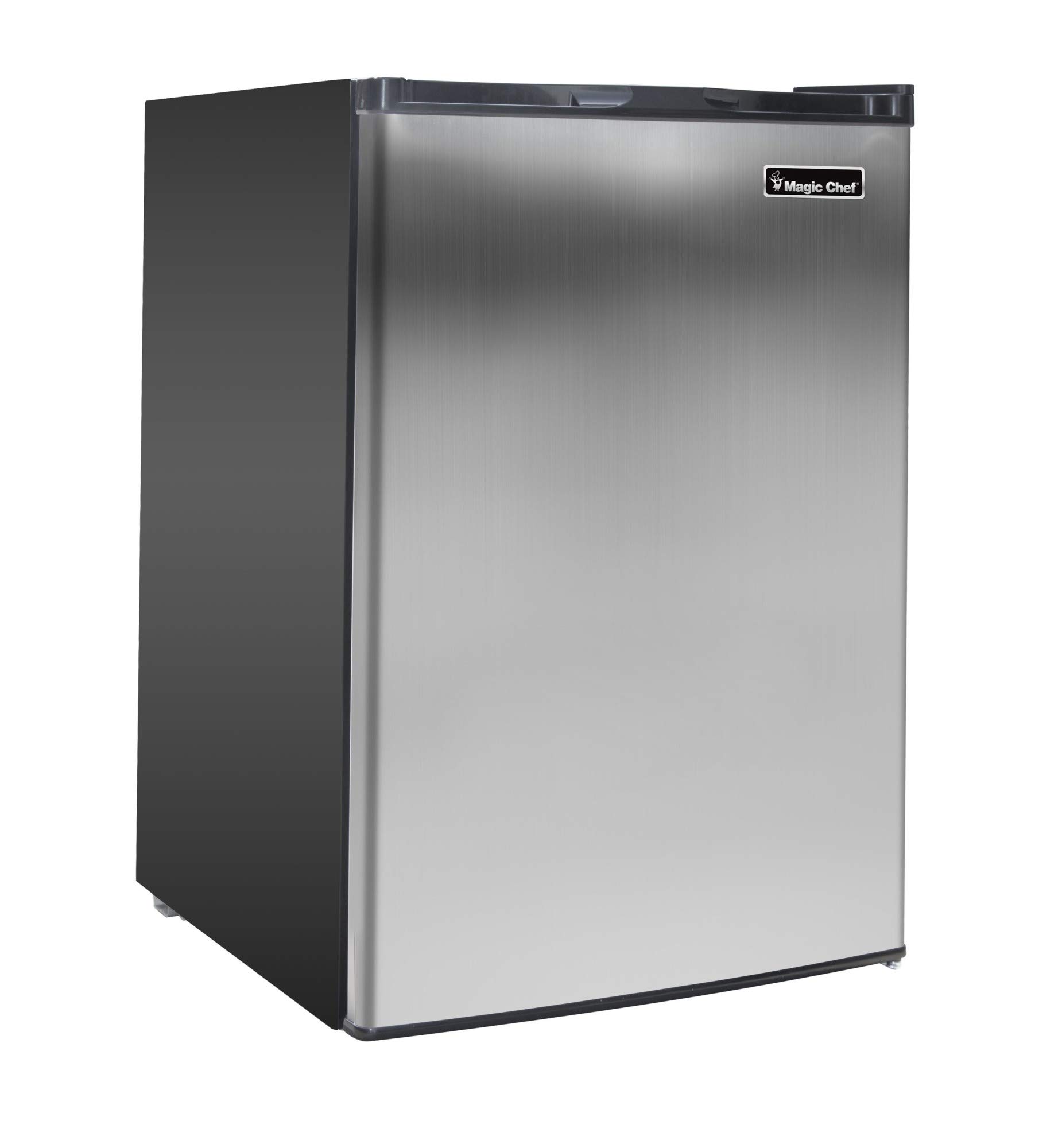
A beer keg cooler, often referred to as a kegerator, is designed specifically for storing and dispensing beer from kegs. It typically comes with a tap system that allows you to pour beer directly from the keg, making it a popular choice for home bars, parties, and gatherings. Keg coolers are designed to maintain a consistent temperature that is ideal for preserving the taste and quality of beer.
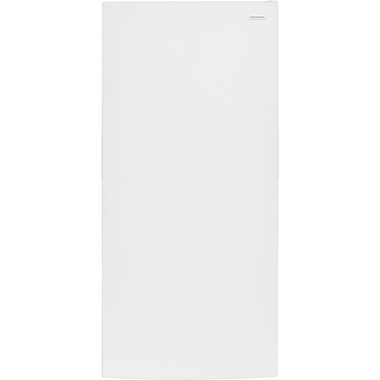
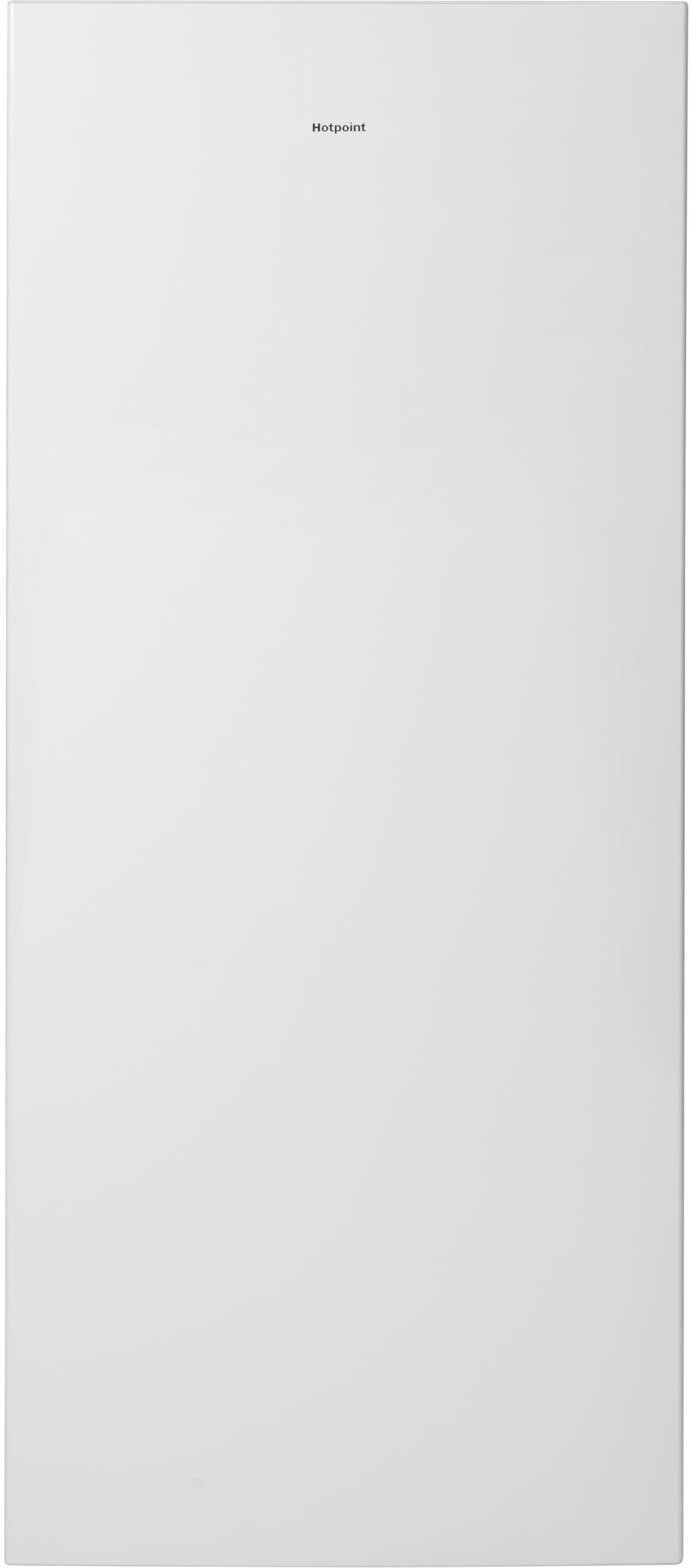
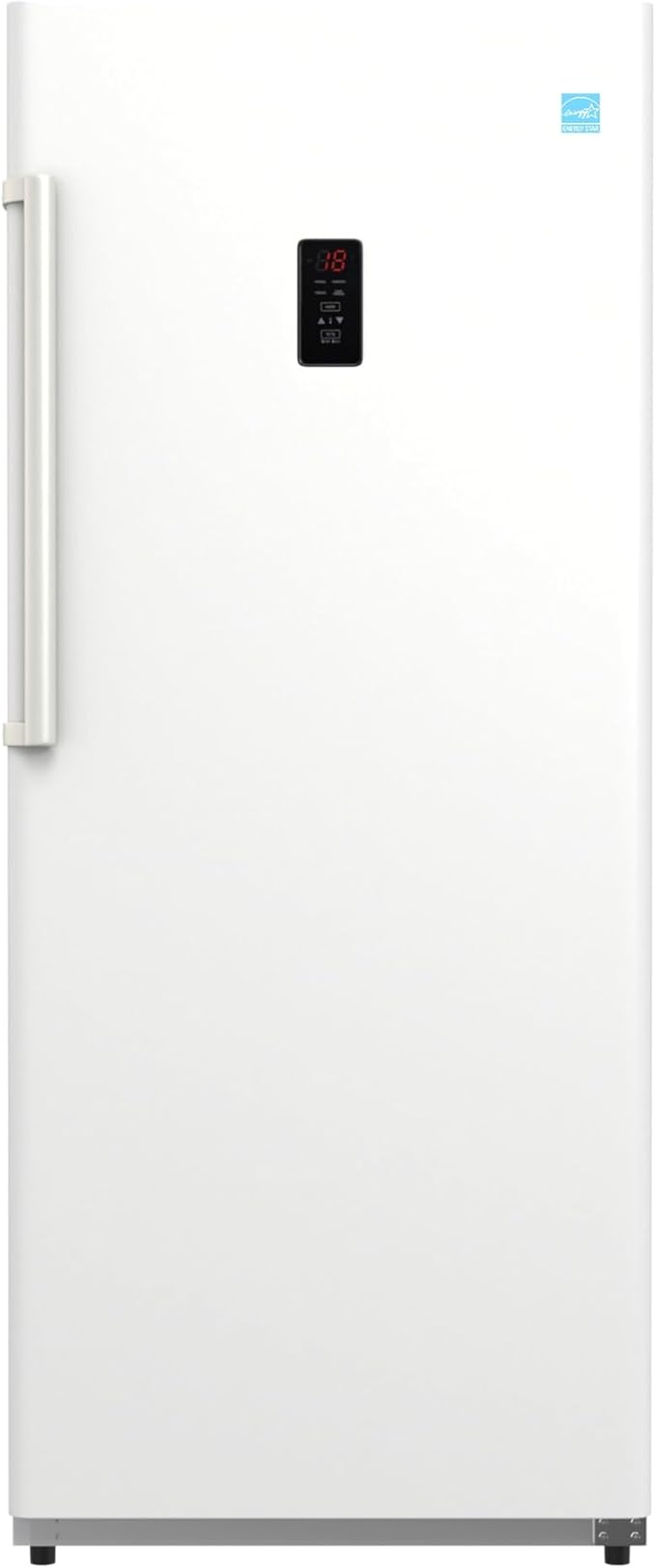
On the other hand, a freezerless refrigerator is a versatile appliance that provides ample refrigeration space without the added freezer compartment. This type of refrigerator is ideal for those who need more refrigerator storage and have a separate freezer unit. Freezerless refrigerators are commonly used in kitchens, offices, and other areas where space-saving and efficient cooling are priorities.
Here is a comparison table highlighting the key differences:
Feature
Beer Keg Cooler
Freezerless Refrigerator
Primary Use
Storing and dispensing beer
General refrigeration
Temperature Range
32°F - 50°F
35°F - 46°F
Storage Capacity
Typically fits one or more beer kegs
Multiple shelves for food and drink storage
Design
Includes tap system for dispensing
Standard refrigerator design
Placement
Home bars, basements, garages
Kitchens, offices, common areas
Versatility
Limited to beer storage
Versatile for various food and drink items
Understanding these differences will help you determine which appliance is best suited for your needs. Whether you're looking to keep your beer perfectly chilled and ready to serve, or you need additional refrigeration space for your home or office, knowing the unique features of each option will guide you in making the right choice.
When comparing a beer keg cooler to a freezerless refrigerator, understanding their capacity and storage features is crucial. Each has unique attributes that cater to different needs and preferences.
Beer Keg Cooler Features
A beer keg cooler is specifically designed to store and dispense kegs of beer. These coolers come in various sizes, typically accommodating one or more kegs. The storage capacity is measured in keg sizes, with the most common being the half-barrel keg, also known as a full-size keg.
Keg Size
Volume (Gallons)
Number of Beers (12 oz)
Half-Barrel (Full Size)
15.5
165
Quarter-Barrel (Pony Keg)
7.75
82
Sixth-Barrel (Torpedo Keg)
5.16
55
Beer keg coolers often include features like CO2 tanks and regulators for maintaining the proper pressure, along with faucets and taps for easy dispensing. The interior is designed to securely hold the kegs in place, minimizing movement and ensuring optimal storage conditions.
Freezerless Refrigerator Features
A freezerless refrigerator offers a versatile storage solution suitable for a variety of items, not limited to just beverages. These refrigerators come in different sizes and configurations, providing ample storage space for food, drinks, and other perishables.
Refrigerator Size
Volume (Cubic Feet)
Storage Capacity (approx.)
Small
10 - 15
3-4 shelves
Medium
15 - 20
4-5 shelves
Large
20 - 25
5-6 shelves
Freezerless refrigerators typically feature adjustable shelves, door storage, and crisper drawers to accommodate different types of items. This flexibility makes them ideal for storing a wide range of food and beverages, making them a great choice for kitchens, basements, and garages.
By understanding the capacity and storage features of both beer keg coolers and freezerless refrigerators, you can make an informed decision based on your specific needs. Whether you prioritize the specialized features of a keg cooler or the versatile storage options of a freezerless refrigerator, each has its own set of advantages. For more comparisons, check out Fridge.com article on bottom freezer refrigerator Vs. dry age fridge.
Temperature control is a vital factor when choosing between a beer keg cooler and a freezerless refrigerator. Different appliances offer varying temperature ranges and control methods, which can significantly impact their performance.
Beer Keg Cooler Temperature Range
Beer keg coolers are specifically designed to keep your beer at an optimal serving temperature. These coolers typically have a temperature range that is ideal for maintaining the freshness and quality of your beer. Most beer keg coolers can be set between 33°F and 38°F, ensuring that your beer is chilled to perfection.
Appliance
Temperature Range (°F)
Beer Keg Cooler
33 - 38
The temperature control in beer keg coolers is precise, allowing you to keep your beer at the perfect temperature for serving. This feature is particularly beneficial for those who frequently entertain guests or enjoy hosting parties, ensuring that every pour is as refreshing as the first.
Freezerless Refrigerator Temperature Range
Freezerless refrigerators, on the other hand, offer a broader temperature range, making them versatile appliances suitable for a variety of storage needs. These refrigerators typically have a temperature range from 35°F to 46°F. While they can also be used to store beverages, including beer, they may not offer the same level of precision as a beer keg cooler.
Appliance
Temperature Range (°F)
Freezerless Refrigerator
35 - 46
The wider temperature range of freezerless refrigerators makes them ideal for storing a variety of items, from fresh produce to beverages. However, if you are specifically looking to store beer at its optimal serving temperature, a beer keg cooler might be the better option. For more insights on how different appliances can impact your storage needs, check out Fridge.com article on built in ice maker Vs. outdoor refrigerator.
Temperature control is just one of the many factors to consider when choosing between a beer keg cooler and a freezerless refrigerator. To learn more about the other features and benefits of these appliances, explore Fridge.com related articles on best fridge for national baking week and best french door fridge for an oceanfront villa.
Design and Placement
When deciding between a beer keg cooler and a freezerless refrigerator, understanding the design and placement options for each can help you make the best choice for your space and needs.
Beer Keg Cooler Design Considerations
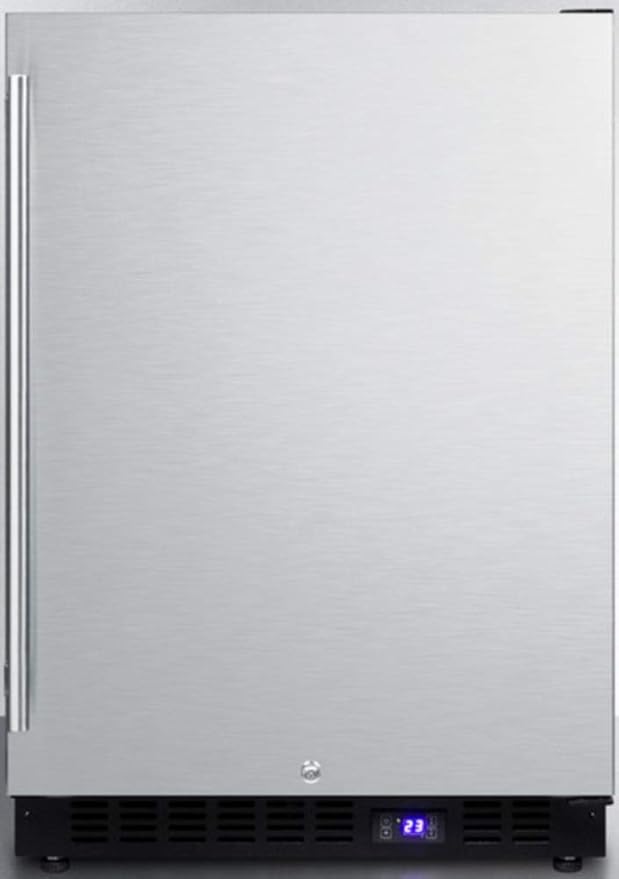
Beer keg coolers are designed specifically for the storage and dispensing of beer kegs. These coolers often come with a tap system, allowing for easy pouring. The design is generally compact to fit standard beer kegs, making it a suitable addition for home bars, basements, and garage setups.
Key Design Features:
Tap System: Integrated taps for easy dispensing.
Keg Capacity: Typically designed to hold one to four kegs.
Mobility: Some models come with wheels for easy movement.
Ventilation: Requires adequate ventilation space to prevent overheating.
Placement Considerations:
Indoor Use: Ideal for home bars, basements, and man caves.
Outdoor Use: Can be placed in outdoor kitchens or near the pool, but may require weatherproofing.
Space Requirements: Ensure there is enough space for ventilation and easy access to the tap system.
Feature
Specification
Keg Capacity
1-4 kegs
Mobility
With/Without Wheels
Ventilation Space
Required
For more information on how to set up and maintain your beer keg cooler, you might find Fridge.com article on horizontal beer cooler useful.
Freezerless Refrigerator Placement Options
Freezerless refrigerators offer versatile storage solutions without the need for a freezer compartment. These refrigerators are designed to maximize fresh food storage and are available in various sizes and styles to fit different spaces.
Key Design Features:
Storage Shelves: Multiple adjustable shelves for flexible storage.
Door Configurations: Available in single and double door options.
Temperature Control: Precise temperature settings to keep food fresh.
Placement Considerations:
Kitchen Use: Perfect for kitchens where freezer space is already available.
Office Use: Suitable for office break rooms for storing lunches and beverages.
Garage Use: Useful for additional storage in the garage or workshop.
Compact Spaces: Ideal for apartments, condos, and tiny homes.
Feature
Specification
Shelves
Adjustable
Door Configuration
Single/Double Door
Temperature Control
Precise Settings
For more tips on how to organize your freezerless refrigerator, visit Fridge.com guide on organizing my fridge.
By evaluating the design and placement options for both beer keg coolers and freezerless refrigerators, you can determine the best fit for your specific needs and space. Whether you are looking to enhance your home bar with a beer keg cooler or add extra storage with a freezerless refrigerator, understanding these considerations will help you make an informed decision.
Energy Efficiency
When comparing the energy efficiency of a beer keg cooler and a freezerless refrigerator, several factors come into play. Understanding these differences can help you make an informed decision based on your specific needs and usage.
Beer Keg Cooler Energy Usage
Beer keg coolers are designed specifically for maintaining the ideal temperature for kegs of beer. Their energy usage can vary depending on factors such as size, insulation, and the frequency of use. Generally, beer keg coolers use less energy compared to traditional refrigerators because they are smaller and have a more focused cooling area.
Keg Cooler Size
Average Energy Usage (kWh/year)
Small (1-2 kegs)
150 - 200
Medium (3-4 kegs)
200 - 250
Large (5+ kegs)
250 - 300
The energy efficiency of a beer keg cooler can be enhanced by factors such as good insulation and energy-saving features. However, if the cooler is frequently opened or placed in a warm environment, energy consumption might increase.
Freezerless Refrigerator Energy Consumption
Freezerless refrigerators are versatile appliances designed to store a variety of foods and beverages without the need for a freezer compartment. These refrigerators generally consume more energy than beer keg coolers due to their larger size and the need to maintain a consistent temperature across a broader area.
Refrigerator Size
Average Energy Consumption (kWh/year)
Small (10-15 cu. ft.)
300 - 400
Medium (15-20 cu. ft.)
400 - 500
Large (20+ cu. ft.)
500 - 600
Freezerless refrigerators often come with energy-saving features such as adjustable thermostats and efficient compressors. To further improve energy efficiency, placing the refrigerator in a cool, shaded area and minimizing the frequency of door openings can help reduce power consumption.
In comparing the energy efficiency of beer keg coolers and freezerless refrigerators, it is essential to consider your specific needs and usage patterns. For more insights on different types of refrigerators and their energy usage, you can explore Fridge.com articles on built in ice maker Vs. outdoor refrigerator and bottom freezer refrigerator Vs. dry age fridge.
When comparing a beer keg cooler to a freezerless refrigerator, it's important to understand their unique applications and flexibility. Each appliance offers distinct advantages based on your specific needs.
Beer Keg Cooler Applications
Beer keg coolers are designed specifically for storing and dispensing beer kegs. They are popular in settings where draft beer is a priority, such as home bars, outdoor parties, and special events. Key applications include:
Home Bars: Perfect for serving draft beer at home.
Outdoor Parties: Keeps beer cold and easily accessible during gatherings.
Special Events: Ideal for weddings, birthdays, and other celebrations where draft beer is served.
Beer keg coolers come with features like tap systems, CO2 tanks, and temperature control to ensure your beer is served at the optimal temperature. For more about how these coolers function, see Fridge.com article on black stainless refrigerator Vs. kegerator.
Freezerless Refrigerator Flexibility
Freezerless refrigerators offer a different kind of versatility. Without the freezer compartment, these fridges provide more space for refrigerated items. They are suitable for various environments and applications, such as:
Offices: Ideal for storing large quantities of beverages and snacks.
Garages: Extra storage for drinks, fruits, and vegetables.
Small Homes and Apartments: Maximizes refrigeration space without the need for a freezer.
Freezerless refrigerators often come with adjustable shelves, door bins, and crisper drawers to help organize your food and drinks efficiently. For additional information on different refrigerator types, check out best mini fridge for a sandstone house.
Feature
Beer Keg Cooler
Freezerless Refrigerator
Primary Use
Storing and dispensing beer kegs
General refrigeration without freezer space
Ideal Locations
Home bars, outdoor parties, special events
Offices, garages, small homes, apartments
Key Features
Tap systems, CO2 tanks, temperature control
Adjustable shelves, crisper drawers, door bins
Both the beer keg cooler and freezerless refrigerator offer unique benefits depending on your needs. Whether you're looking to serve draft beer at a gathering or maximize refrigerated storage space, understanding the versatility and usage of each appliance will help you make an informed decision. For more details, see Fridge.com article on built in ice maker Vs. outdoor refrigerator.
Free tool
Beverage Cooler Size Calculator
Free interactive tool from Fridge.com — get a quick answer while you read.