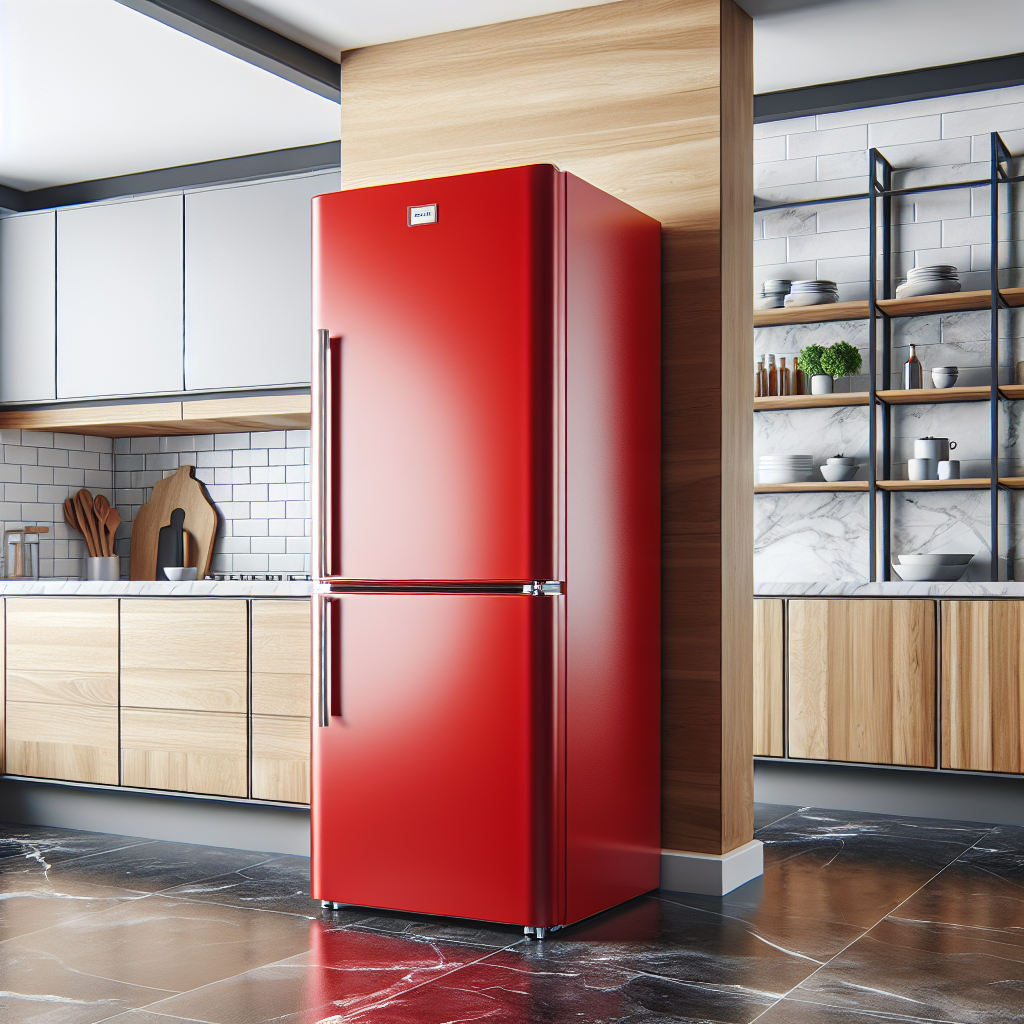
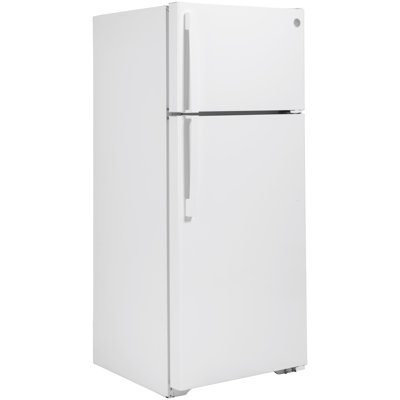
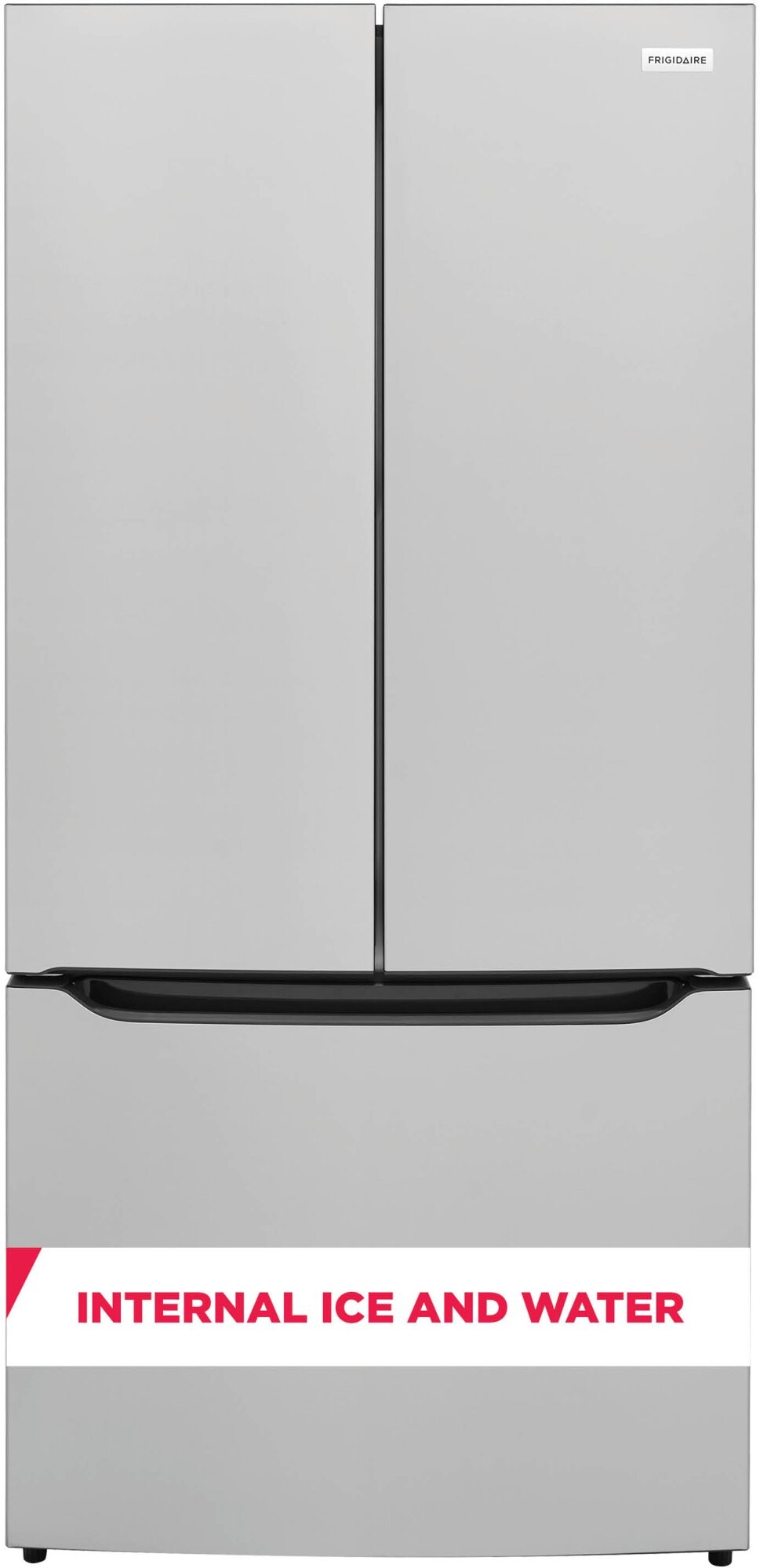
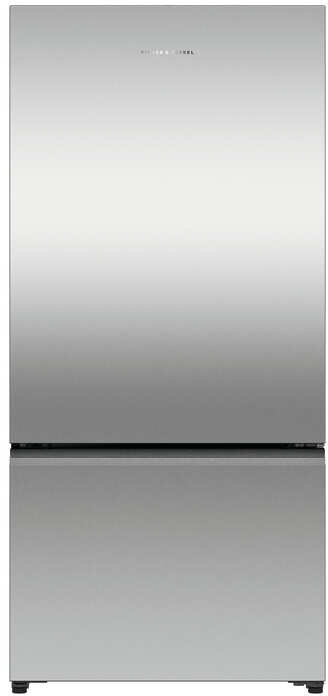
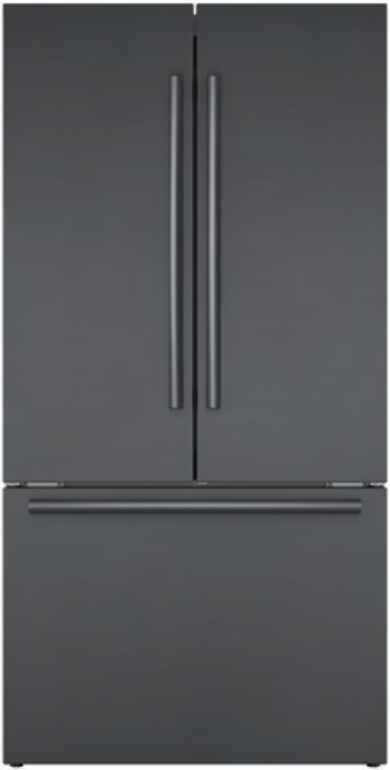
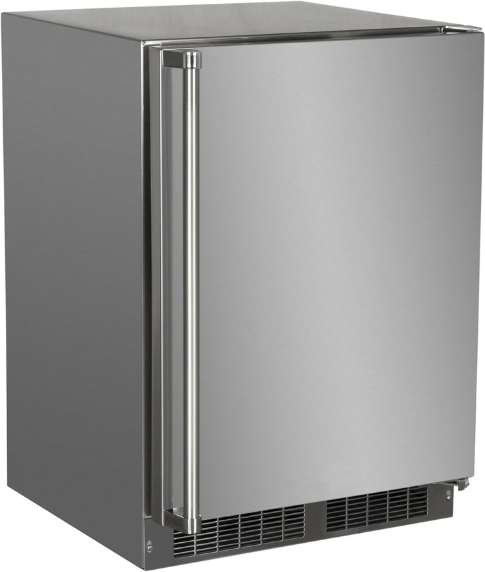
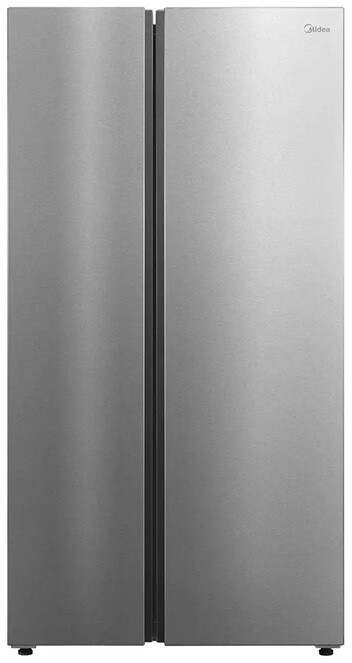
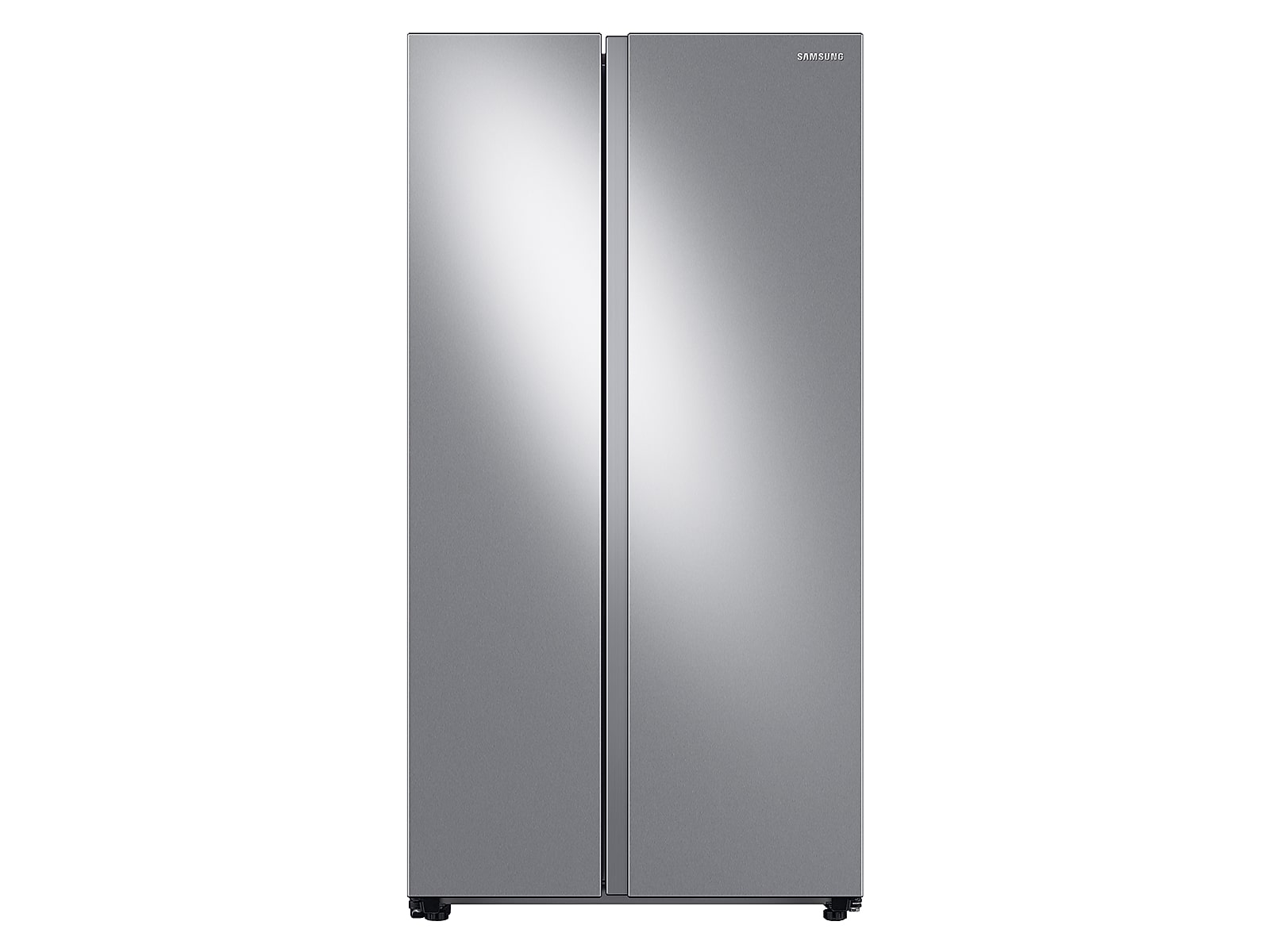
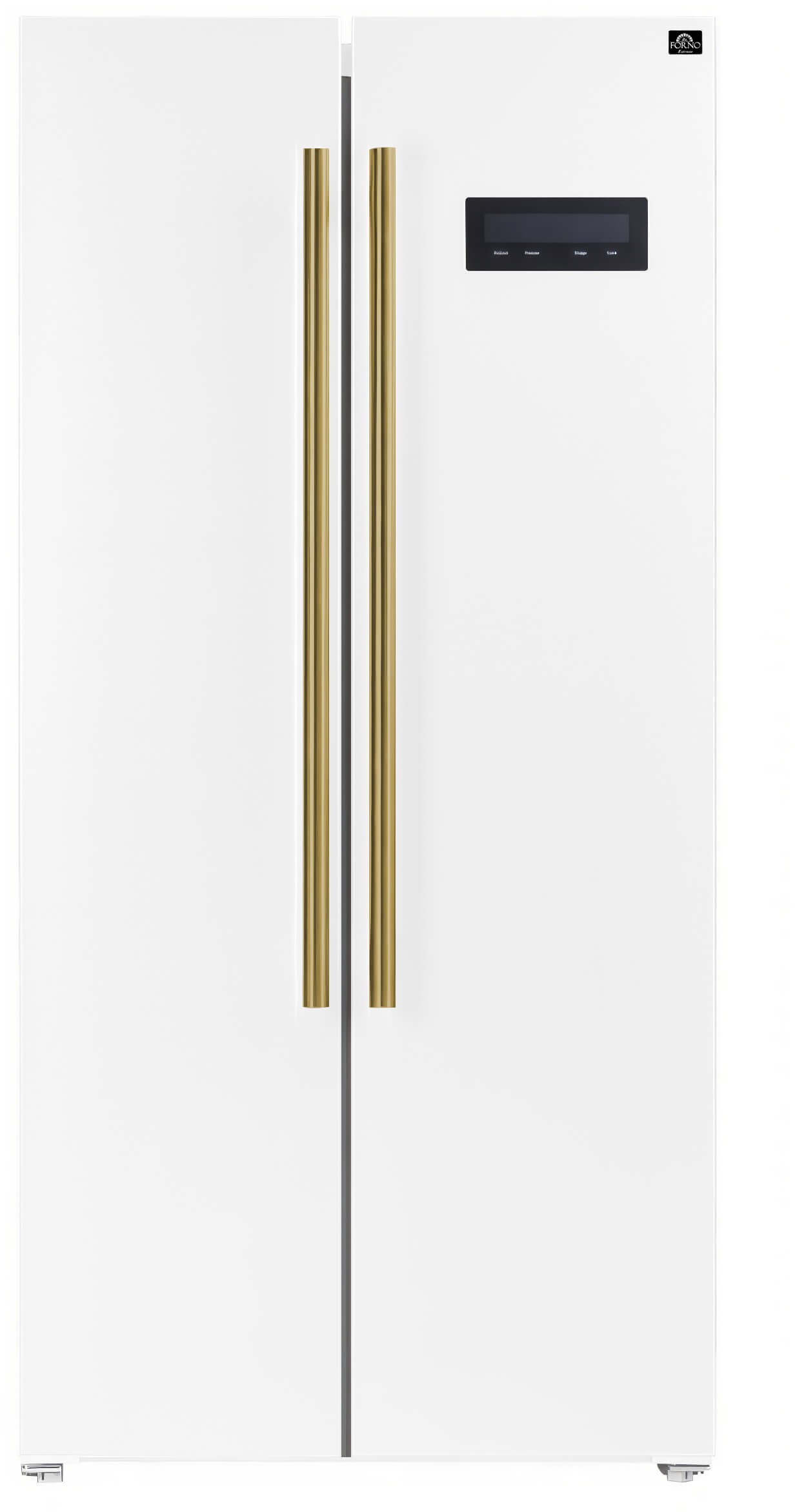
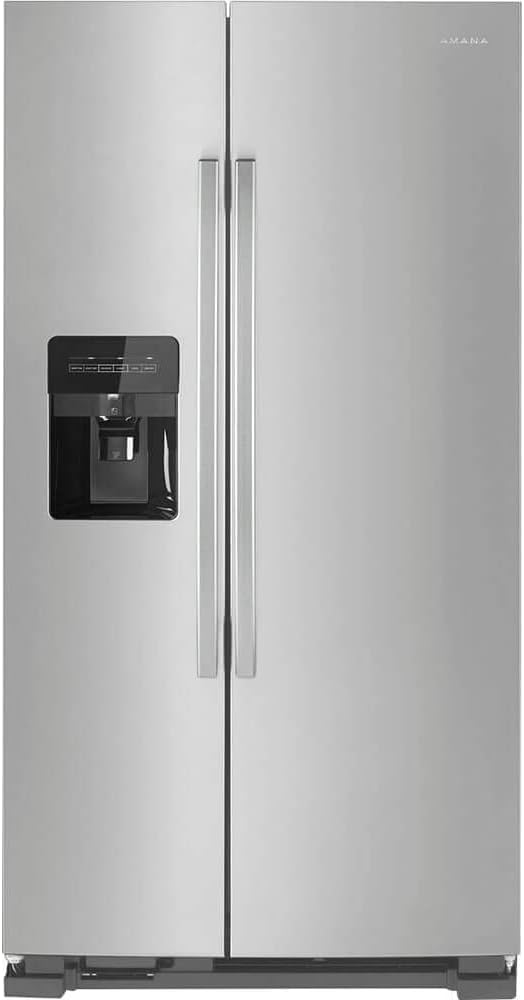
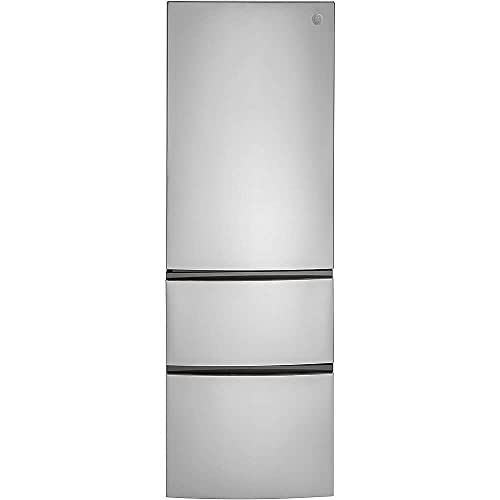
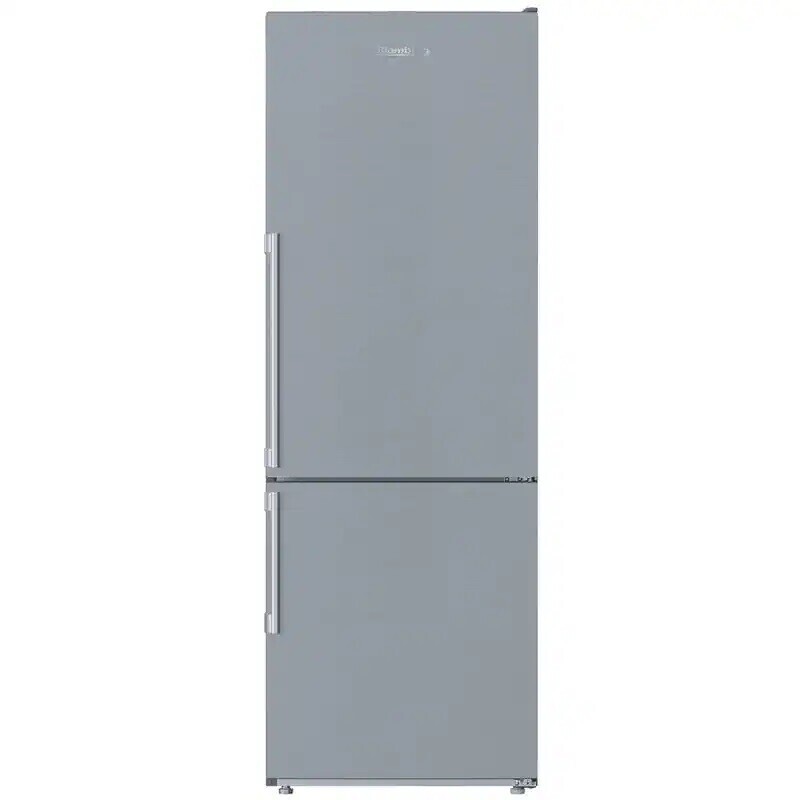
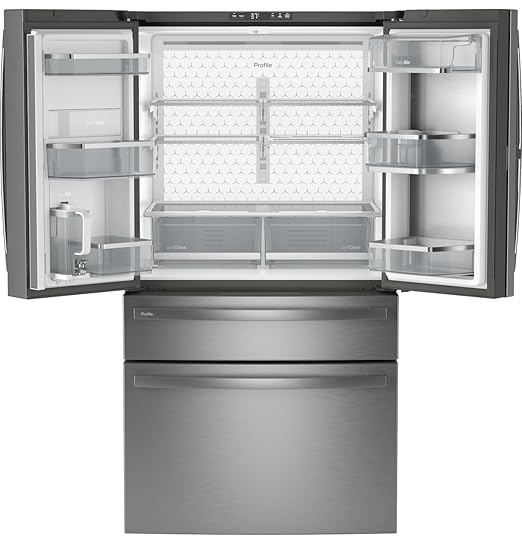
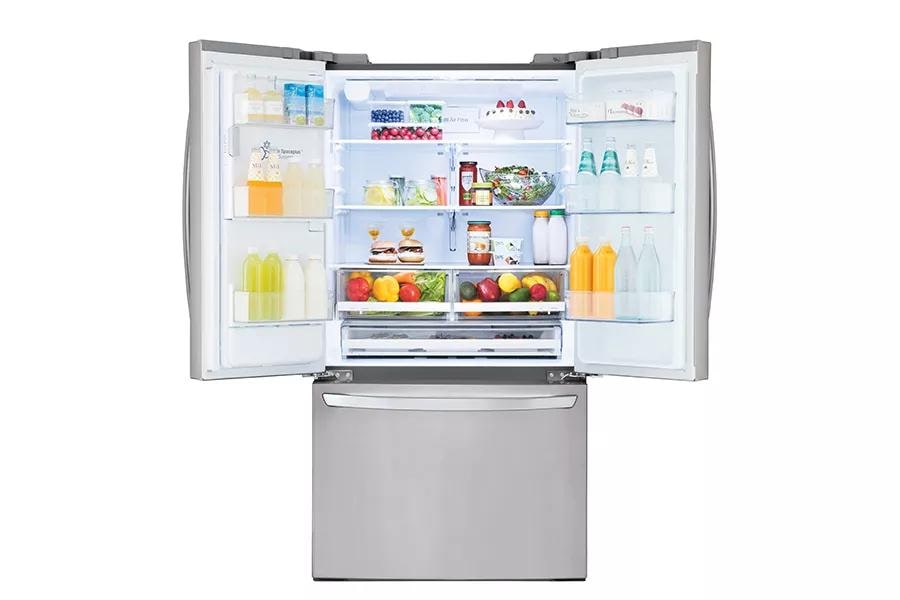
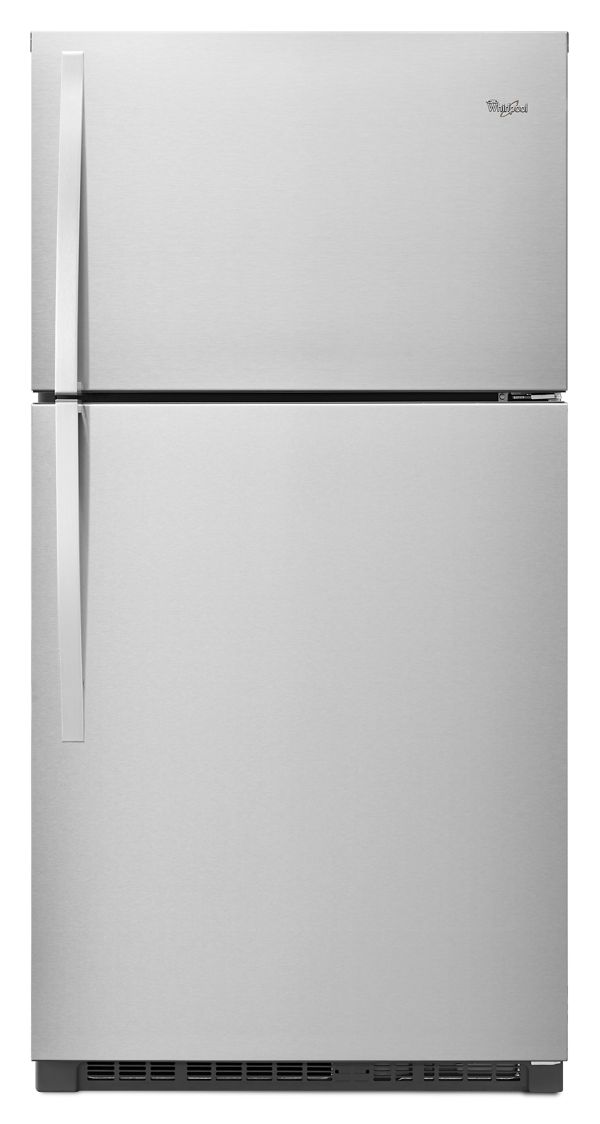
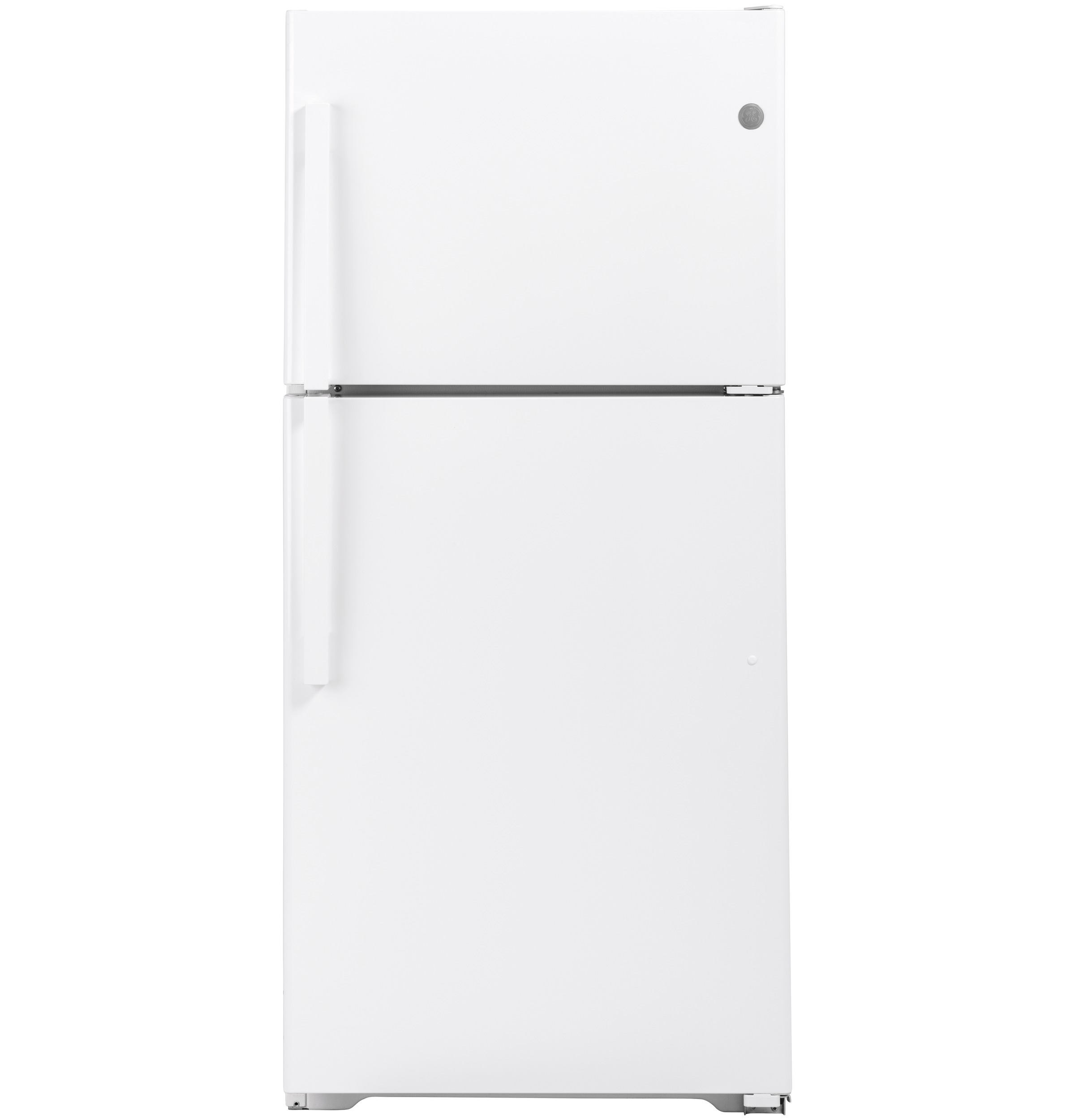
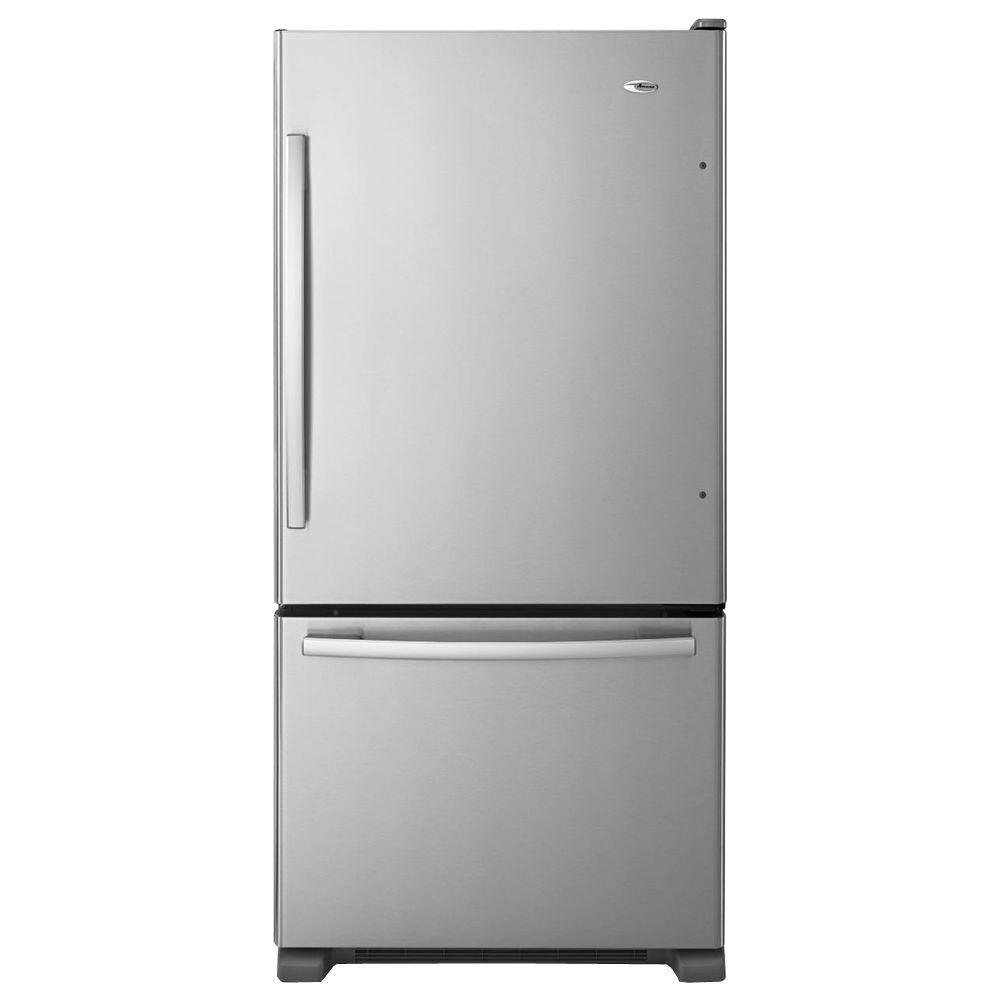
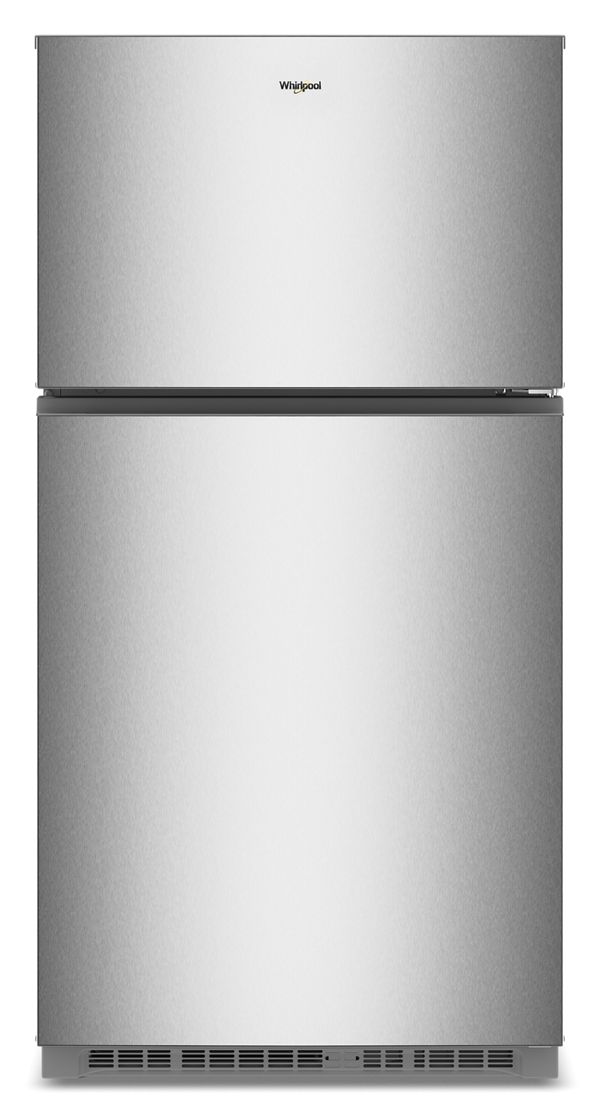
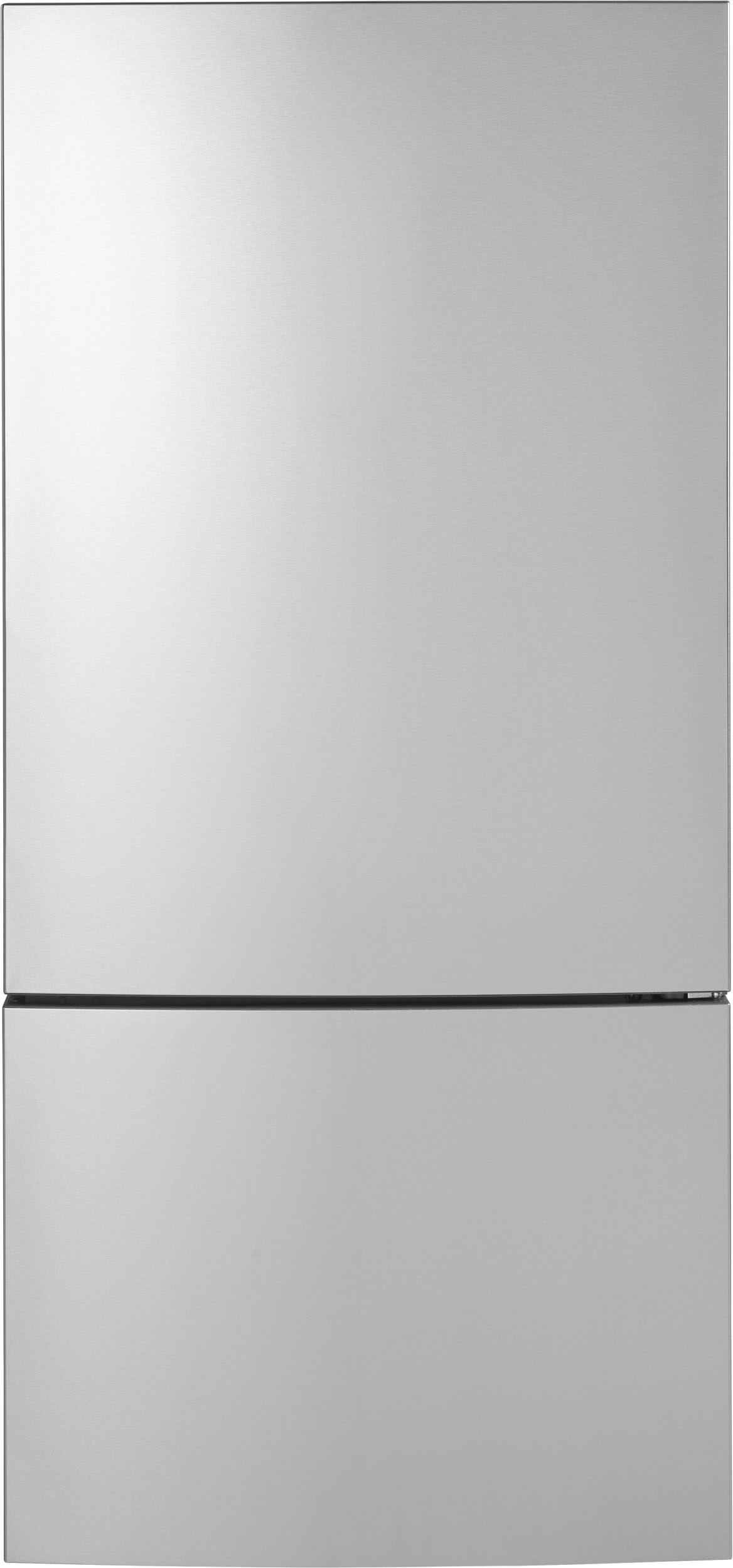
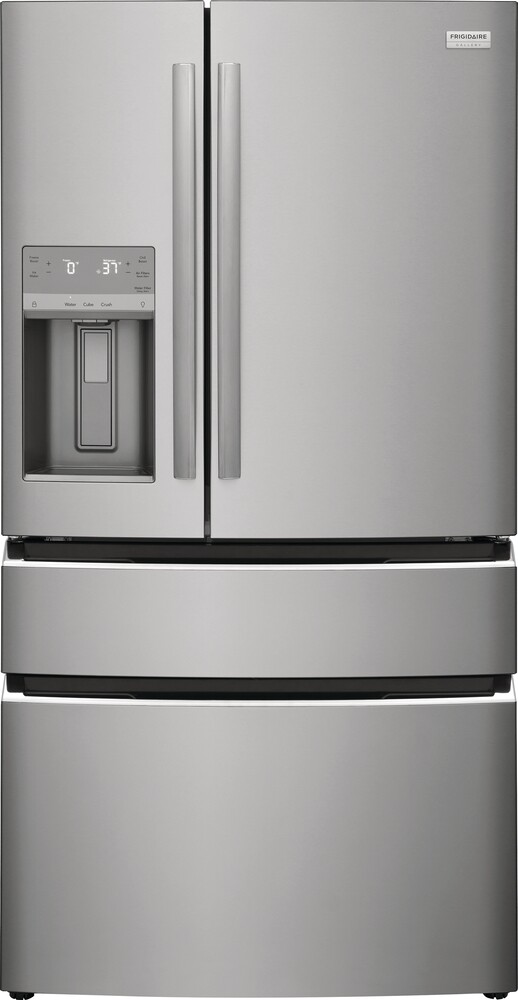
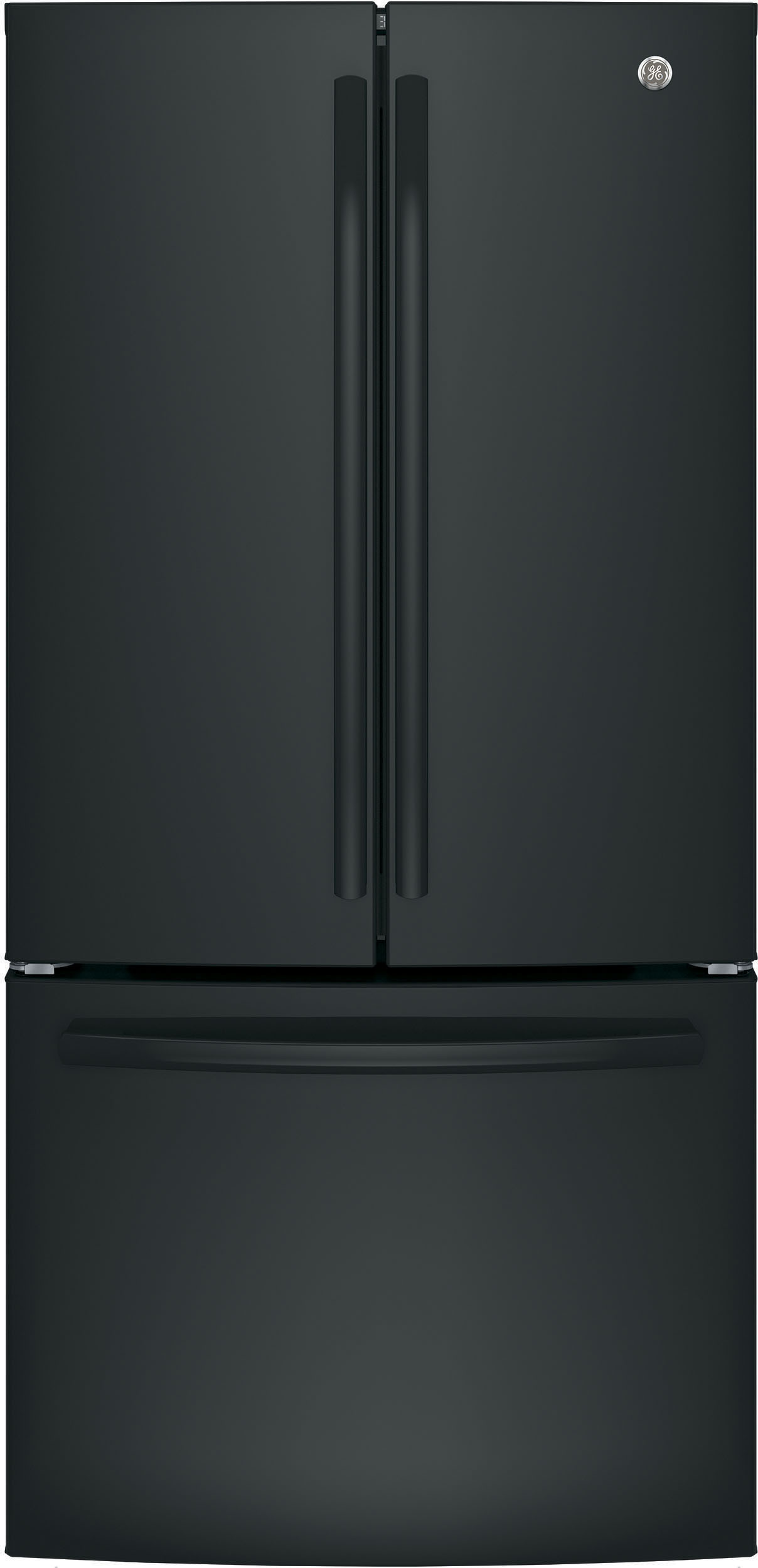
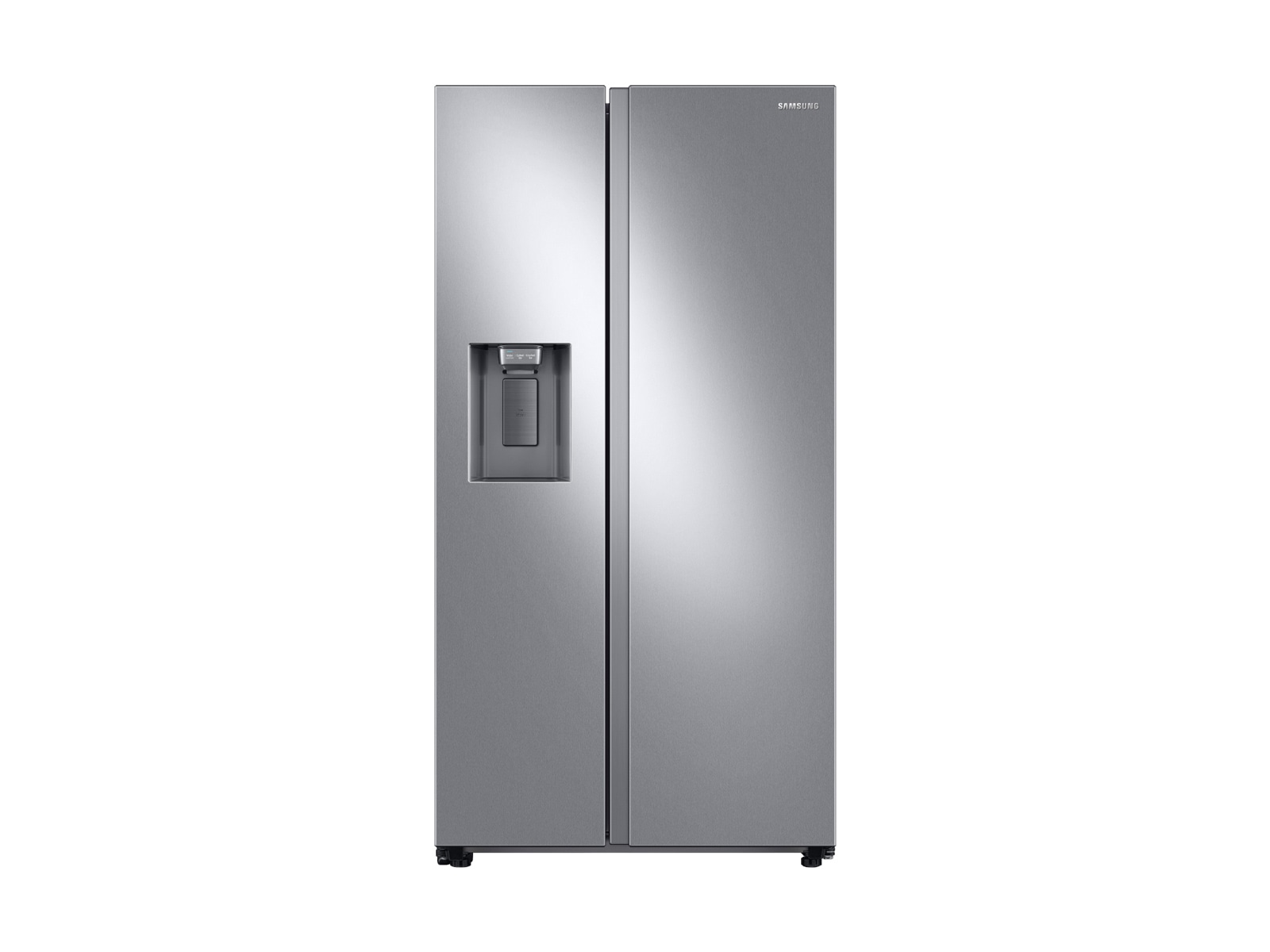
A basement refrigerator is designed for placement in lower-level areas of your home, such as the basement. These refrigerators are typically full-sized and offer ample storage space for bulk items, beverages, and extra groceries. They are ideal for families who need additional refrigeration space beyond their primary kitchen fridge. The basement refrigerator helps in organizing food and drinks for large gatherings or bulk shopping trips.
Characteristics of basement refrigerators include:
Large storage capacity
Full-sized dimensions
Often include both refrigerator and freezer compartments
Narrow refrigerators are designed to fit into tight spaces, making them perfect for apartments, offices, or small kitchens. These refrigerators are characterized by their slim width, which allows them to be placed in areas where a standard refrigerator might not fit. Despite their compact size, narrow refrigerators can still offer a reasonable amount of storage space, often with innovative interior layouts to maximize capacity.
When evaluating a basement refrigerator Vs. narrow refrigerator, considering the space requirements is crucial. Size and installation are key factors that can significantly impact your decision.
Size and Dimensions
Basement refrigerators are typically larger and designed to offer substantial storage space. They are ideal for families or those who need extra refrigeration for parties or bulk shopping. On the other hand, narrow refrigerators are designed to fit into tighter spaces, making them perfect for small apartments, condos, or offices.
Refrigerator Type
Average Width (inches)
Average Height (inches)
Average Depth (inches)
Basement Refrigerator
30 - 36
65 - 70
30 - 34
Narrow Refrigerator
18 - 24
60 - 66
24 - 28
Installation Requirements
Installing a basement refrigerator usually requires more space and may involve additional considerations like ensuring proper ventilation and accessibility. These refrigerators are often placed in larger areas such as basements, garages, or utility rooms.
Narrow refrigerators, due to their compact size, can be installed in various locations, including kitchens, dorm rooms, and even outdoor areas. Their slim profile allows them to fit into small nooks and crannies where a standard refrigerator wouldn't.
When choosing between a basement refrigerator and a narrow refrigerator, consider the space you have available and the specific installation requirements of each type. For more information on different refrigerator comparisons, check out Fridge.com articles on beverage refrigerator Vs. silver side by side refrigerator and drawer freezer Vs. smart fridge.
Cooling Efficiency
When comparing a basement refrigerator to a narrow refrigerator, cooling efficiency is a crucial factor to consider. This section will cover temperature control and energy efficiency to help you make an informed decision.
Temperature Control
Temperature control is essential for maintaining the freshness and quality of your food. Both basement and narrow refrigerators offer different features that cater to various needs.
Basement refrigerators often come with robust temperature control systems, designed to handle larger volumes of food and beverages. These refrigerators are typically used for extra storage, making precise temperature control essential for long-term preservation.
Narrow refrigerators, on the other hand, are designed for smaller spaces and may not have as advanced temperature control systems as their larger counterparts. However, they often offer digital displays and adjustable thermostats, allowing for adequate temperature regulation within a compact space.
Feature
Basement Refrigerator
Narrow Refrigerator
Temperature Range (°F)
32 - 40
34 - 42
Adjustable Thermostat
Yes
Yes
Digital Display
Often
Common
Multi-Zone Cooling
Available
Rare
For more detailed comparisons, check out Fridge.com article on beverage refrigerator Vs. silver side by side refrigerator.
Energy Efficiency
Energy efficiency is another critical aspect when comparing refrigerators. An energy-efficient model can help you save on electricity bills and reduce your environmental footprint.
Basement refrigerators, due to their larger size, generally consume more energy compared to narrow refrigerators. However, many modern basement refrigerators are designed with energy-saving features such as inverter compressors and eco modes to offset their higher energy consumption.
Narrow refrigerators are typically more energy-efficient due to their smaller size and lower cooling demands. They often come with Energy Star ratings, ensuring that they meet stringent energy efficiency guidelines.
Feature
Basement Refrigerator
Narrow Refrigerator
Inverter Compressor
Often
Rare
Eco Mode
Available
Sometimes
For more on energy-efficient options, consider reading Fridge.com article on energy efficient refrigerator Vs. upright refrigerator.
Understanding cooling efficiency, including temperature control and energy efficiency, will help you choose the best refrigerator for your needs. Whether you're looking to store extra food in a basement refrigerator or save space with a narrow refrigerator, each option has its benefits. For more comparisons, explore Fridge.com articles on drawer freezer Vs. smart fridge and mini fridge freezer Vs. wine refrigerator.
Assessing the storage capacity of basement refrigerators versus narrow refrigerators is crucial for determining which option best suits your needs. This section delves into the interior layout and shelf space and organization of these two types of refrigerators.
Interior Layout
The interior layout of a refrigerator significantly impacts its usability and convenience. Basement refrigerators typically offer a more spacious and flexible interior compared to narrow refrigerators. These refrigerators often come with multiple compartments and adjustable shelves, allowing you to customize the space according to your storage needs.
Feature
Basement Refrigerator
Narrow Refrigerator
Compartments
Multiple
Fewer
Adjustable Shelves
Yes
Sometimes
Door Storage
Ample
Limited
Freezer Configuration
Separate
Often integrated
Narrow refrigerators, on the other hand, are designed to fit into tighter spaces, which can limit their interior layout options. These refrigerators usually have fewer compartments and less flexibility in shelf adjustment. However, they can be ideal for smaller households or spaces where a larger refrigerator isn't feasible.
Shelf Space and Organization
Shelf space and organization are critical for maintaining an orderly refrigerator. Basement refrigerators generally provide more shelf space and organizational features, such as door bins, crisper drawers, and dedicated compartments for specific items like dairy or meat.
Storage Feature
Basement Refrigerator
Narrow Refrigerator
Total Shelf Space
Larger
Smaller
Door Bins
Multiple
Limited
Crisper Drawers
Yes
Sometimes
Specialized Compartments
Yes
Rarely
In contrast, narrow refrigerators may have to sacrifice some of these features due to their compact design. While they still offer essential storage options, the shelf space is more constrained, which can make organizing larger quantities of food more challenging.
When choosing between a basement refrigerator and a narrow refrigerator, it's essential to consider how each option's interior layout and shelf space will meet your specific storage needs. For more comparisons on different types of refrigerators, check out Fridge.com articles on beverage refrigerator Vs. silver side by side refrigerator and drawer freezer Vs. smart fridge.
When comparing a basement refrigerator to a narrow refrigerator, design and aesthetics play a significant role in your decision-making process. Both types of refrigerators offer unique exterior designs and color options that cater to different preferences and needs.
Exterior Design
The exterior design of a refrigerator can greatly influence the look and feel of your space. Basement refrigerators often feature a robust and utilitarian design, suitable for areas like basements, garages, or other utility spaces. These refrigerators prioritize functionality and durability, making them ideal for storing bulk items or overflow from your main kitchen fridge.
Narrow refrigerators, on the other hand, are designed to fit into smaller spaces, such as apartments, condos, or offices. Their sleek and compact design allows them to blend seamlessly into tight spaces without compromising on style. Narrow refrigerators often feature modern and minimalist designs, making them a fashionable choice for contemporary living spaces.
Feature
Basement Refrigerator
Narrow Refrigerator
Design Focus
Robust and utilitarian
Sleek and compact
Ideal Space
Basement, garage, utility room
Apartment, condo, office
Style
Functional and durable
Modern and minimalist
Color Options
Color options are another important aspect to consider when choosing between a basement refrigerator and a narrow refrigerator. Basement refrigerators typically come in standard colors like white, black, or stainless steel, which are practical and versatile for various settings.
Narrow refrigerators, due to their placement in more visible areas, often offer a wider range of color options. You can find them in vibrant colors, metallic finishes, or even custom designs to match your interior decor. This flexibility allows you to choose a refrigerator that complements your existing kitchen or living space aesthetics.
Feature
Basement Refrigerator
Narrow Refrigerator
Common Colors
White, black, stainless steel
White, black, stainless steel, vibrant colors
Customization
Limited
Extensive
Finish Options
Standard
Metallic, vibrant, custom designs
By understanding the exterior design and color options of both basement and narrow refrigerators, you can make a more informed choice that suits your style and space requirements. For more comparisons on refrigerator types, visit Fridge.com articles on beverage refrigerator Vs. silver side by side refrigerator and drawer freezer Vs. smart fridge.
Flexibility and Versatility
When comparing a basement refrigerator with a narrow refrigerator, flexibility and versatility are key factors to consider. Understanding how each type adapts to different spaces and the customization options available can help you make an informed decision.
Adaptability to Different Spaces
Basement refrigerators and narrow refrigerators each have unique advantages when it comes to fitting into various spaces. Basement refrigerators are typically larger and may require more space, making them suitable for basements, garages, or spacious kitchens. They offer ample storage capacity and are ideal for households that need extra refrigeration space.
Narrow refrigerators, on the other hand, are designed to fit into tighter spaces. Their slim profile makes them perfect for small kitchens, apartments, condos, or even offices. Despite their compact size, narrow refrigerators can still provide sufficient storage for your daily needs.
Refrigerator Type
Ideal Spaces
Basement Refrigerator
Basement, Garage, Spacious Kitchen
Narrow Refrigerator
Small Kitchen, Apartment, Condo, Office
Customization Options
Both basement and narrow refrigerators offer various customization options to enhance their functionality and aesthetics. Basement refrigerators often come with adjustable shelving, removable bins, and flexible storage compartments. This allows you to organize your food and beverages efficiently and customize the interior layout to suit your preferences.
Narrow refrigerators also provide several customization features. Many models include adjustable shelves, door bins, and specialized compartments for items like cans or bottles. These features ensure that you can maximize the storage space within the narrow confines of the refrigerator.
For those who want to match their refrigerator with the existing decor, both types offer a range of color options and finishes. Whether you prefer a sleek stainless steel look or a more vibrant color, you can find a model that fits your style.
To explore more about different refrigerator types and their features, you can check Fridge.com comparisons like beverage refrigerator Vs. silver side by side refrigerator and drawer freezer Vs. smart fridge.
By considering the adaptability and customization options of basement and narrow refrigerators, you can choose the one that best fits your space and meets your needs. Whether you need a spacious refrigerator for your basement or a compact one for your apartment, there are plenty of options available to suit your lifestyle.
When choosing between a basement refrigerator and a narrow refrigerator, it's essential to consider maintenance and durability. Proper care can extend the lifespan of your appliance and ensure it operates efficiently.
Cleaning and Care
Regular cleaning is crucial for both basement and narrow refrigerators. Here are some key points to keep in mind:
Interior Cleaning: Both types require regular cleaning of the interior to prevent mold and odors. Use a mixture of warm water and mild detergent to wipe down shelves and drawers.
Exterior Cleaning: The exterior should also be cleaned to remove dust and fingerprints. For stainless steel finishes, use a specific cleaner to avoid streaks.
Defrosting: If your model isn't frost-free, defrosting is necessary to maintain efficiency. Follow the manufacturer's guidelines for defrosting procedures.
Coil Cleaning: The coils, usually located at the back or bottom, should be cleaned at least twice a year. Dust and debris can accumulate, reducing cooling efficiency.
Cleaning Task
Frequency
Interior Cleaning
Monthly
Exterior Cleaning
Monthly
Defrosting
As Needed
Coil Cleaning
Biannually
For more detailed cleaning tips, you can refer to Fridge.com guide on drawer freezer Vs. smart fridge.
Longevity and Reliability
The longevity and reliability of your refrigerator depend on several factors, including build quality, usage, and maintenance. Here’s how basement and narrow refrigerators generally compare:
Basement Refrigerator: Typically, these models are designed for less frequent access. They often have robust construction to withstand variations in basement conditions, such as humidity and temperature changes.
Narrow Refrigerator: These are optimized for tight spaces and regular use. They are designed to fit into smaller kitchens or limited spaces without compromising on functionality.
Refrigerator Type
Expected Lifespan
Key Factors for Longevity
Basement Refrigerator
10-15 years
Robust construction, less frequent access
Narrow Refrigerator
8-12 years
Efficiency in limited space, regular use
Regular maintenance and proper usage can significantly enhance the longevity of your appliance. For more insights on the durability of different refrigerators, check out double drawer refrigerator Vs. wine cooler.
By understanding the maintenance requirements and durability aspects of basement and narrow refrigerators, you can make an informed decision that aligns with your needs and lifestyle. For more comparisons, visit Fridge.com article on freestanding wine cooler Vs. fridge freezer combo.
Compare prices on Fridge.com
Compare current prices and specifications on Fridge.com, then buy from the retailer you choose; delivery, installation and warranty terms are the retailer’s.
It also has tons of awesome articles about kitchen stuff and home news. Enhance your home, garage, backyard, patio, and office with the coolest essentials. With every necessary type of residential refrigerator or freezer in the collection, you're covered.
From Fridge.com research
Figures below come from data Fridge.com builds and maintains. Each links to the record behind it.
Fridge.com Energy Index, built on U.S. EPA and DOE ENERGY STAR records
Across 5,455 ENERGY STAR certified refrigerators and freezers from 263 brands, median use is 360 kWh per year.