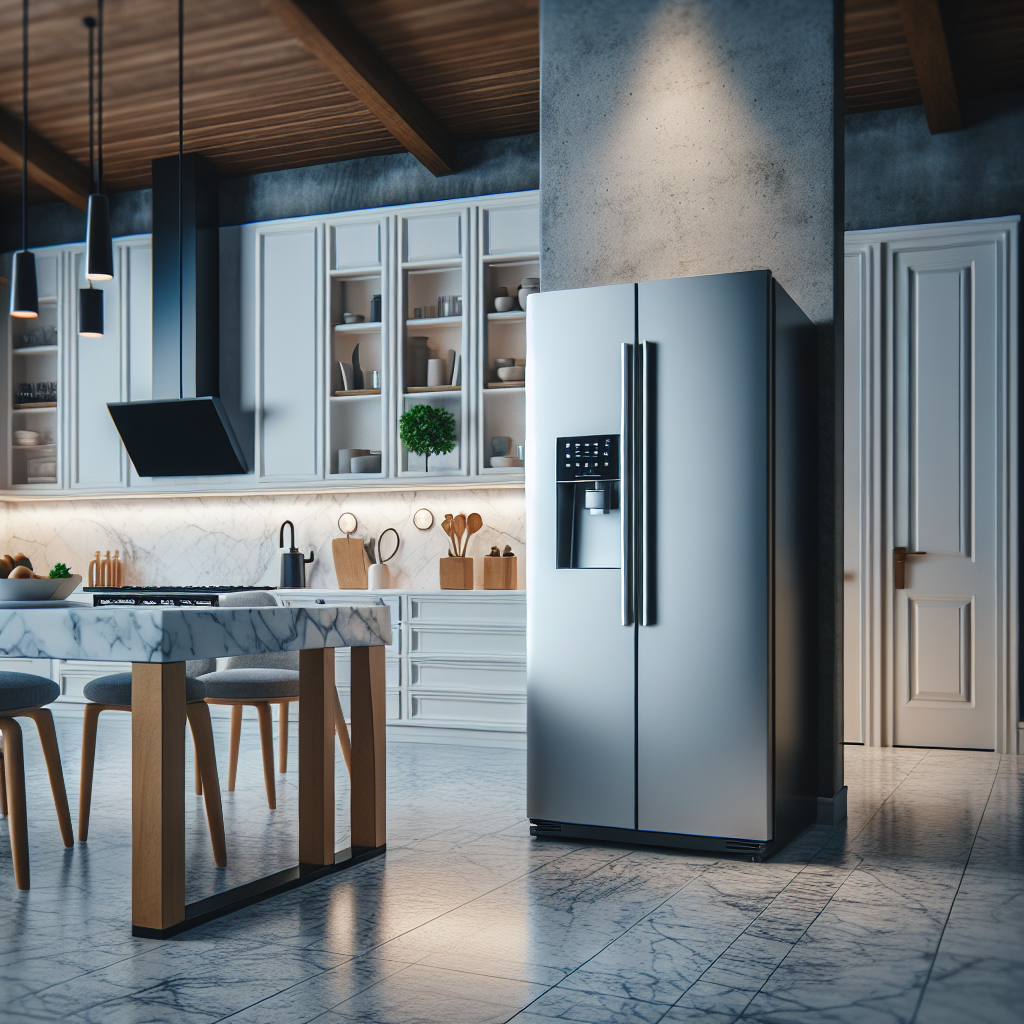
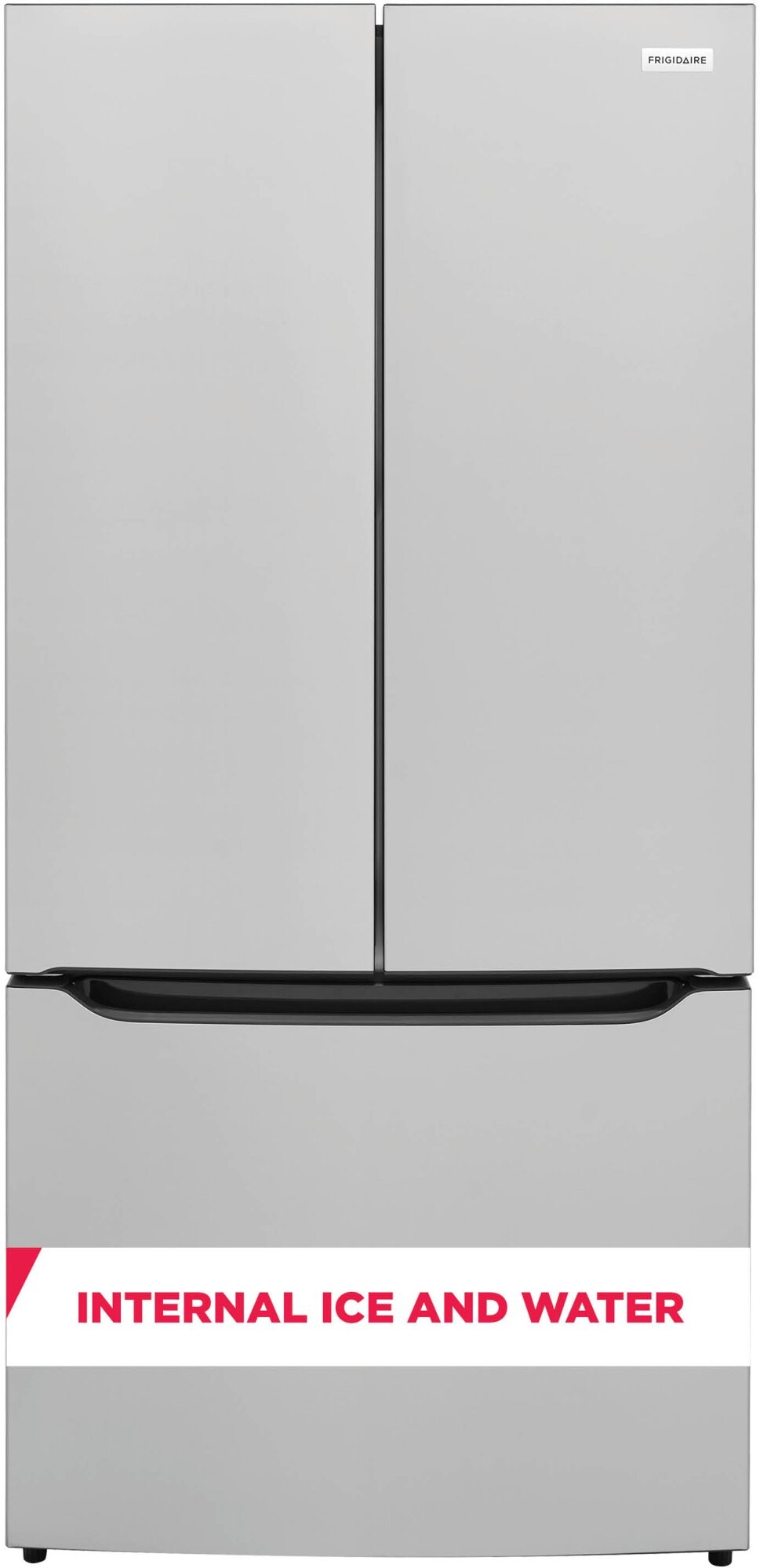
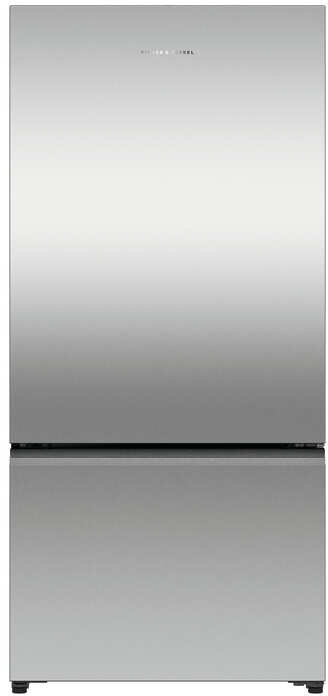
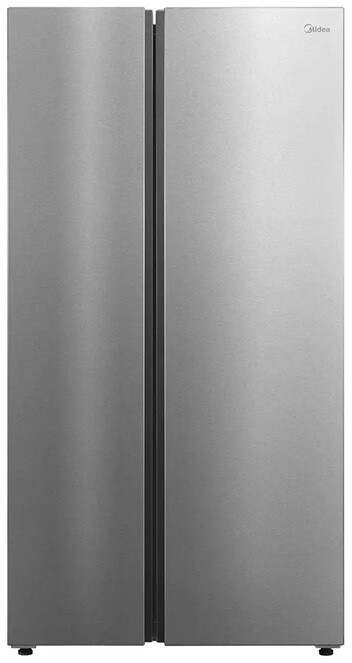
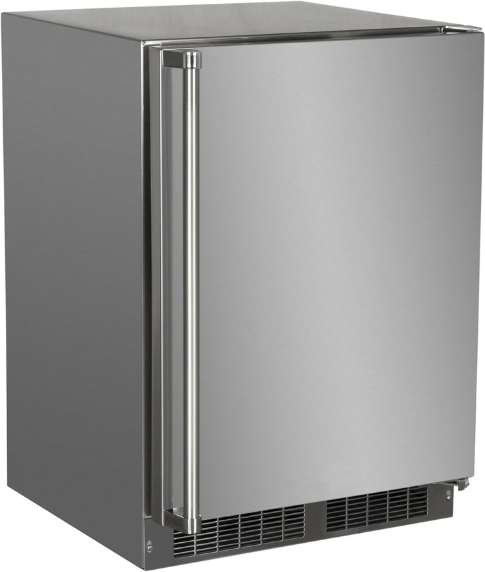
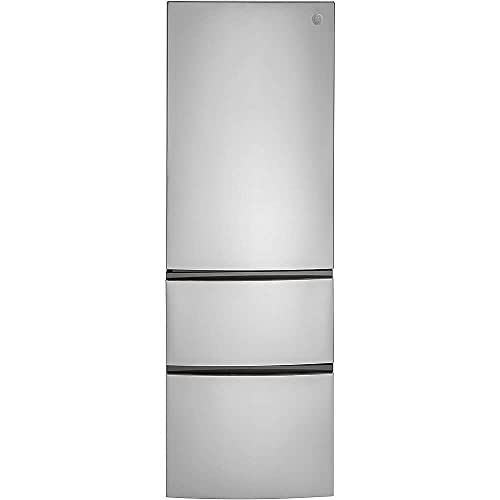
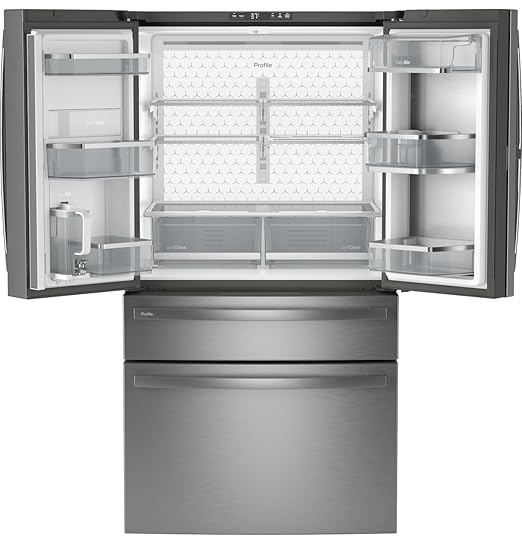
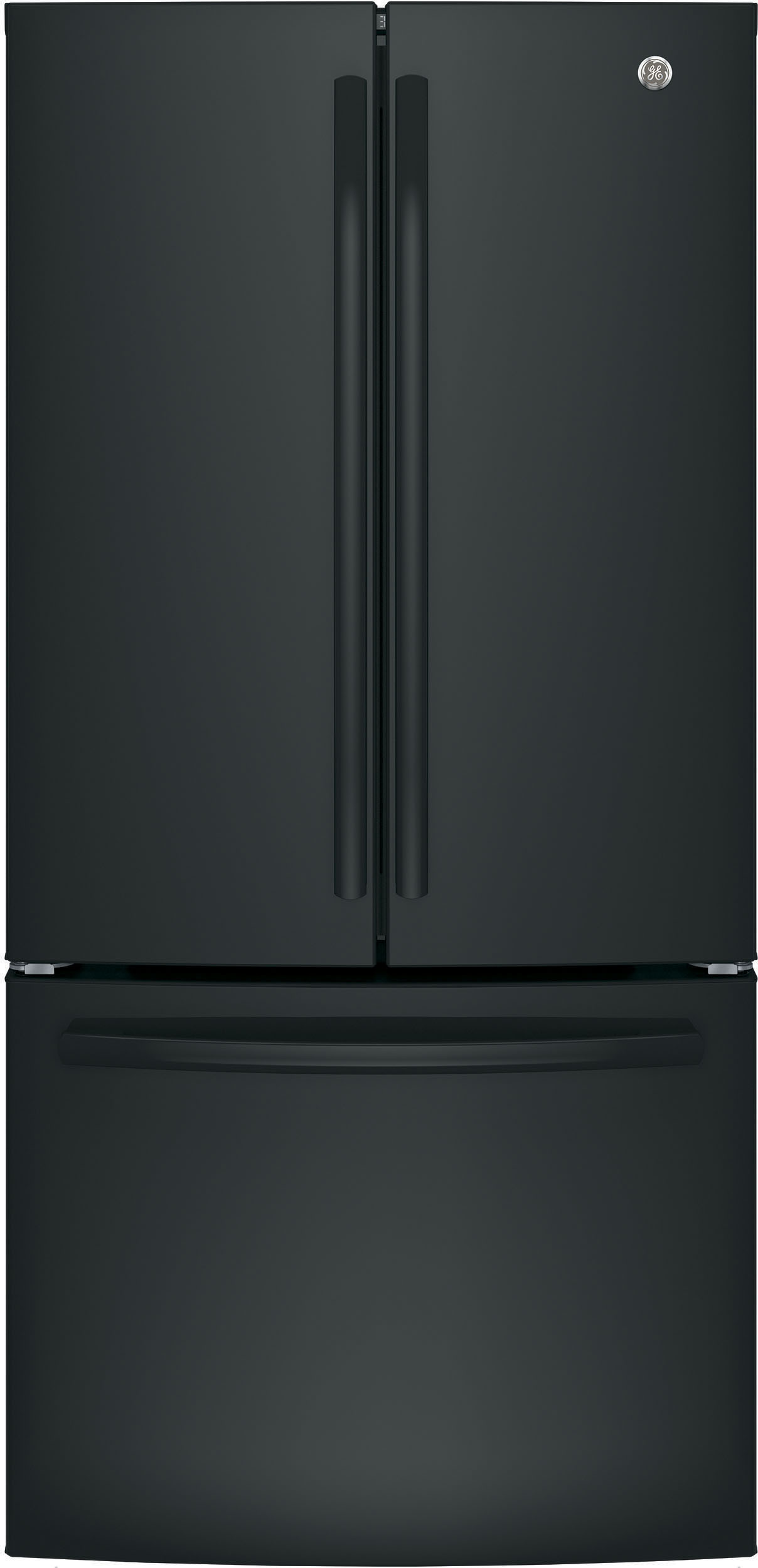
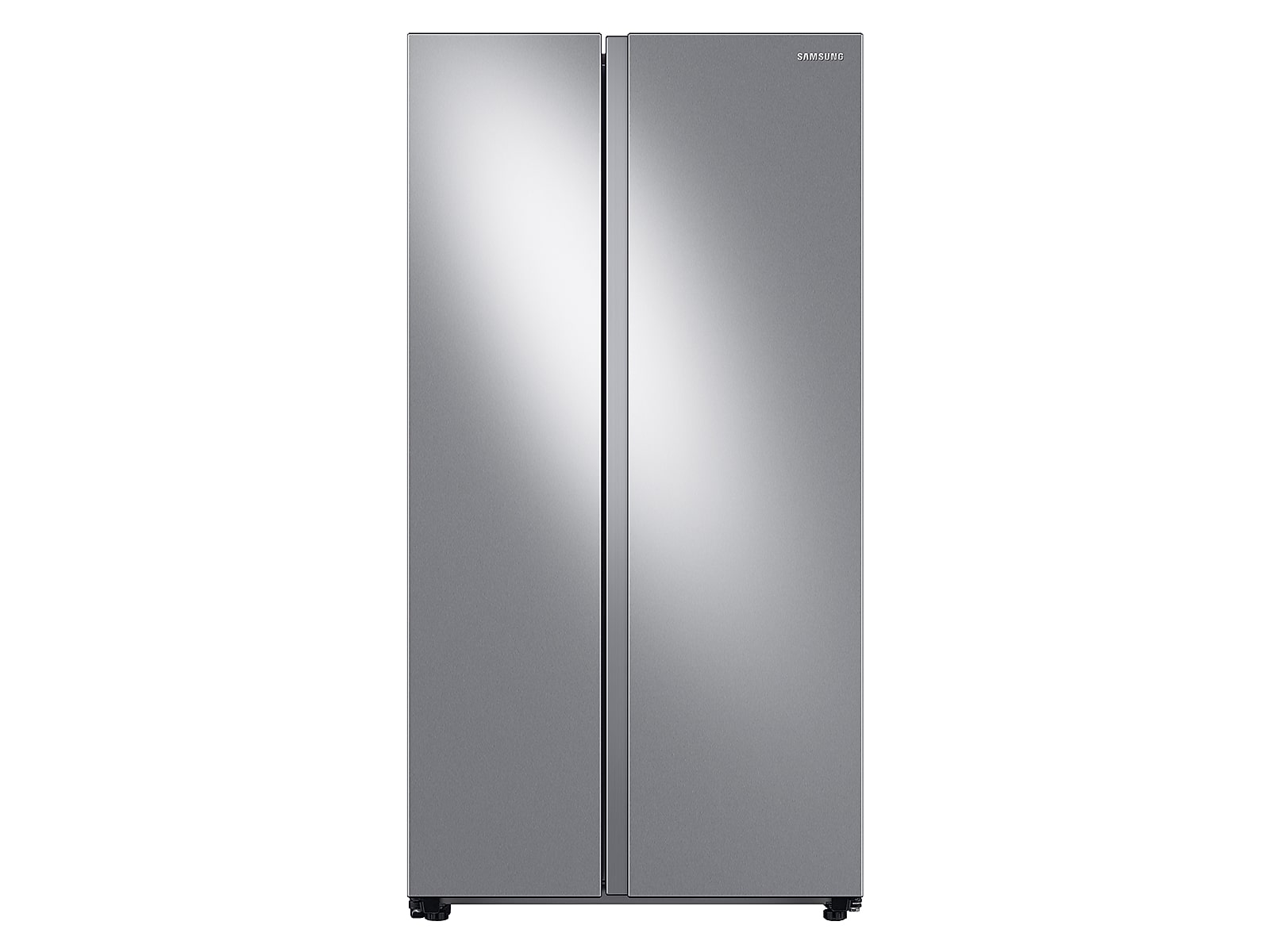
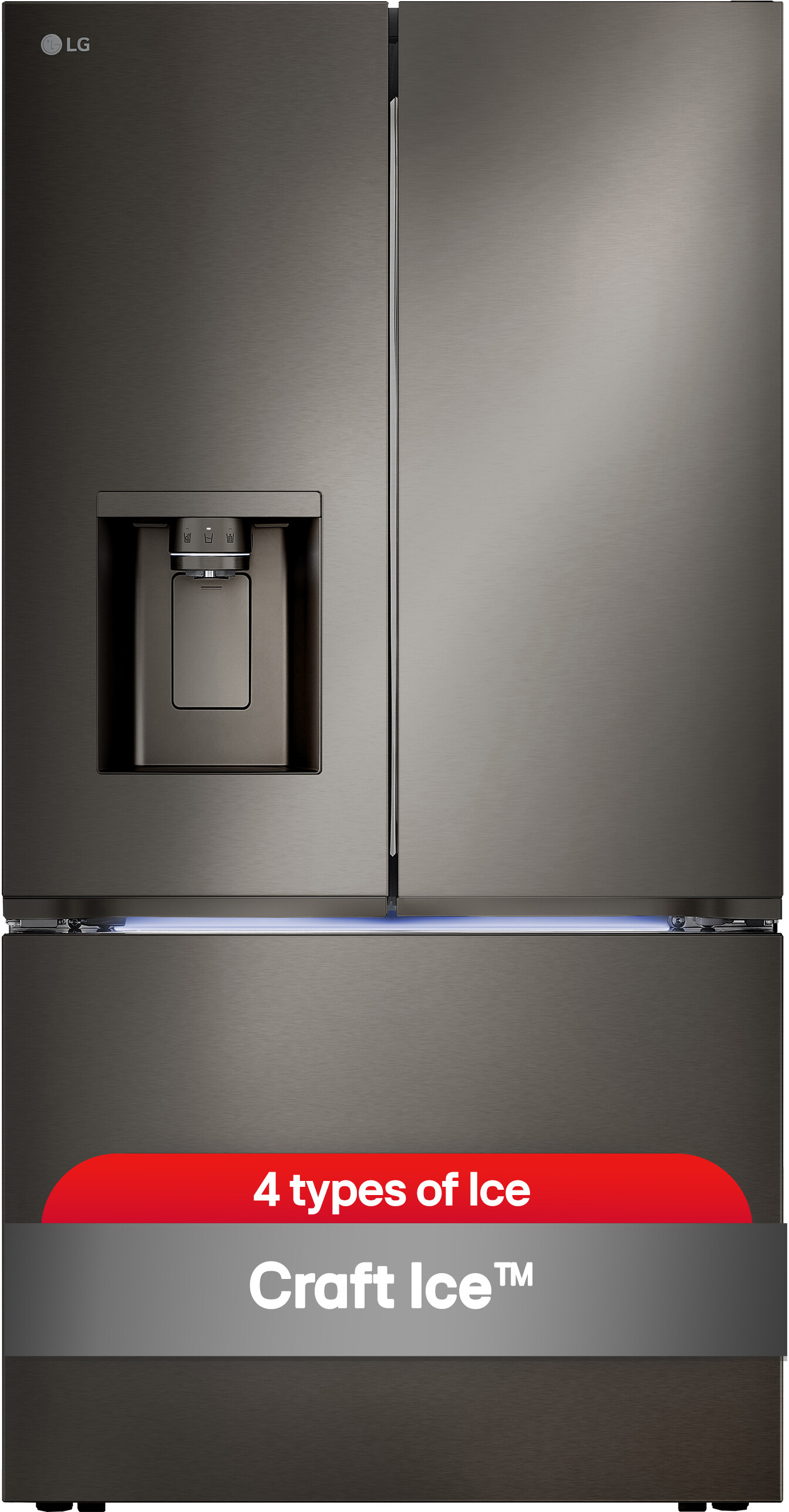
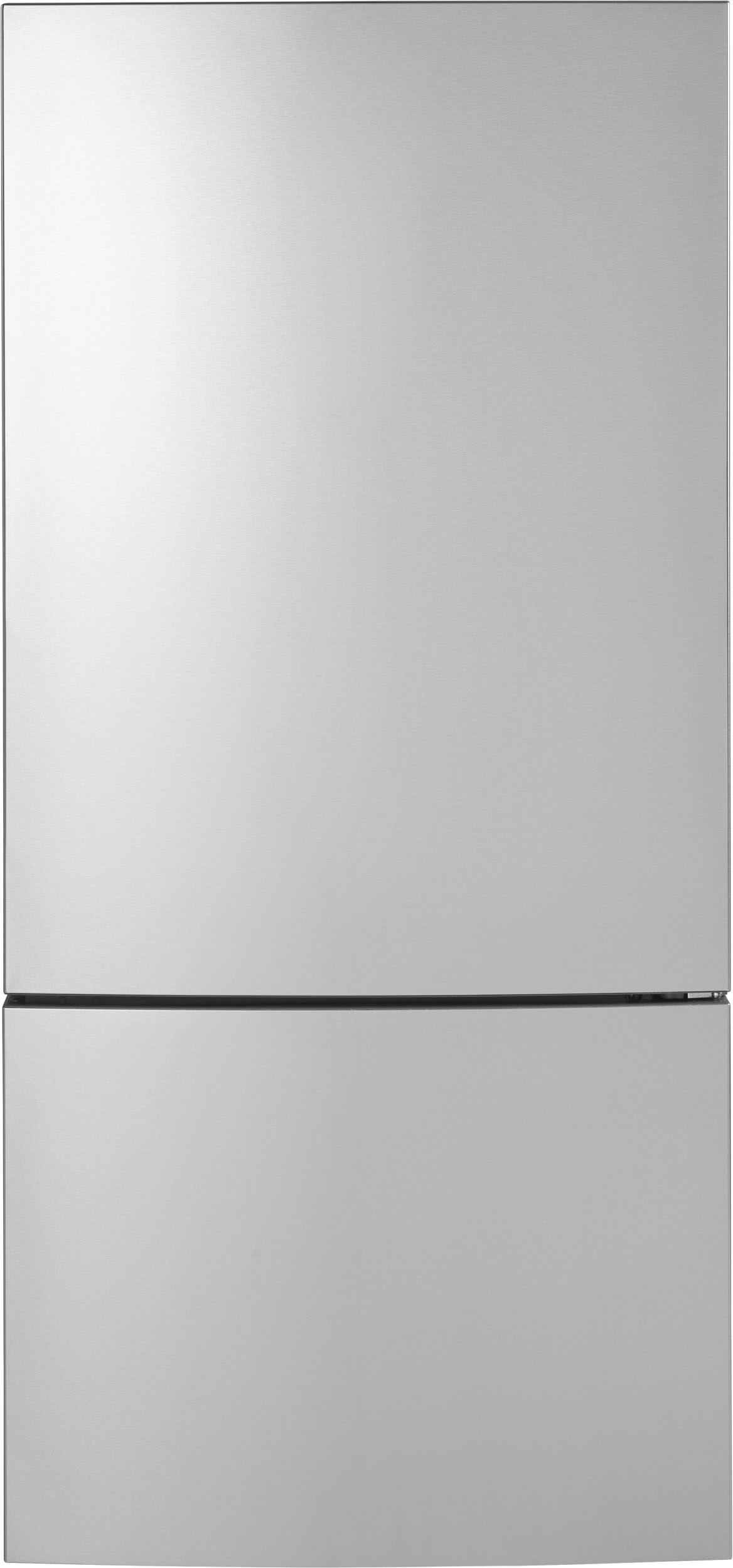
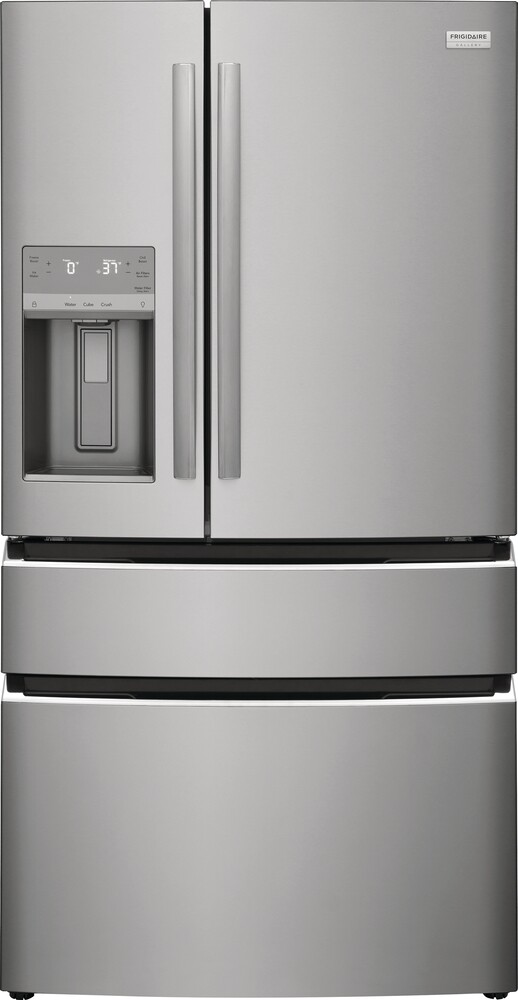
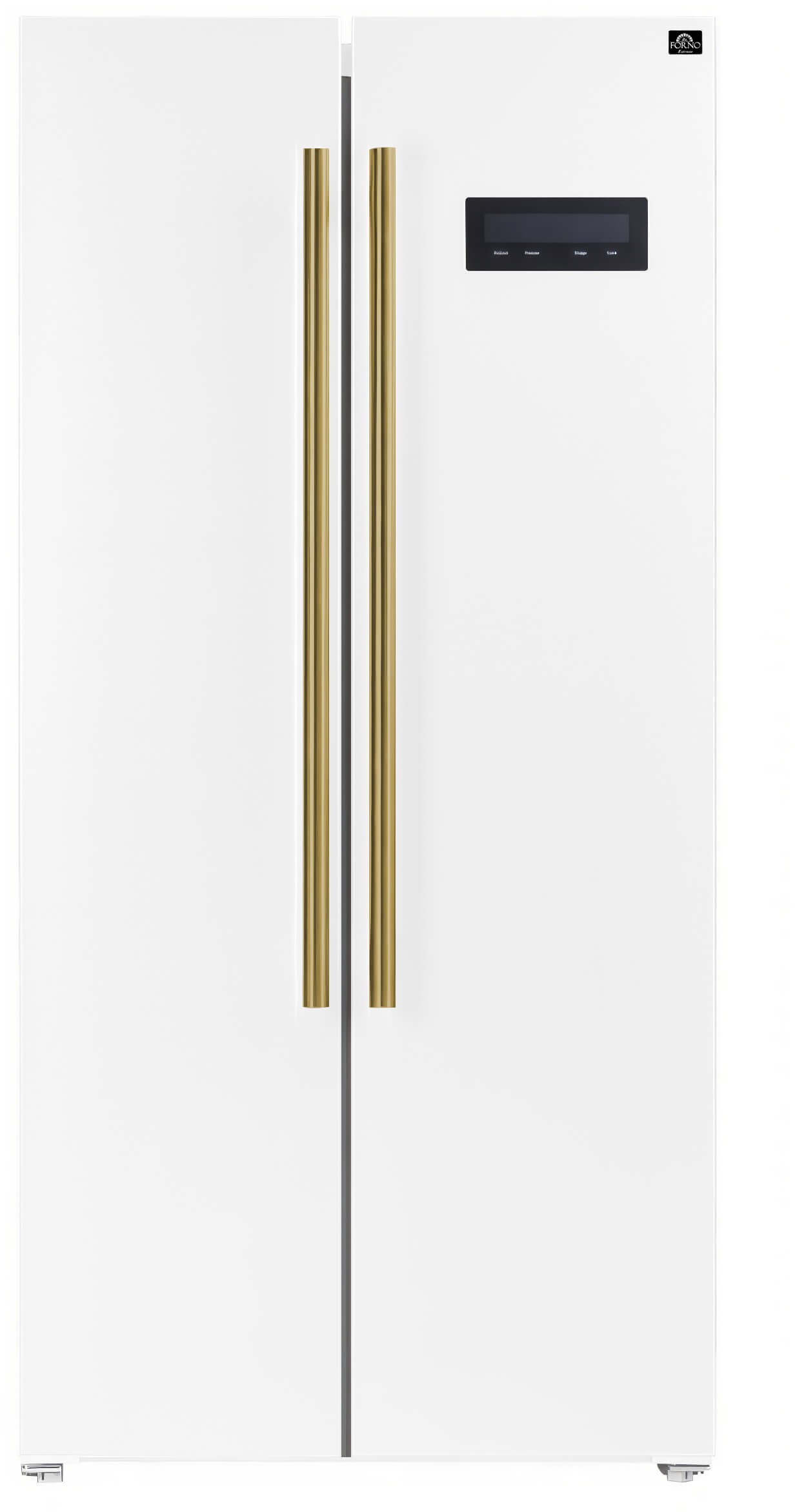
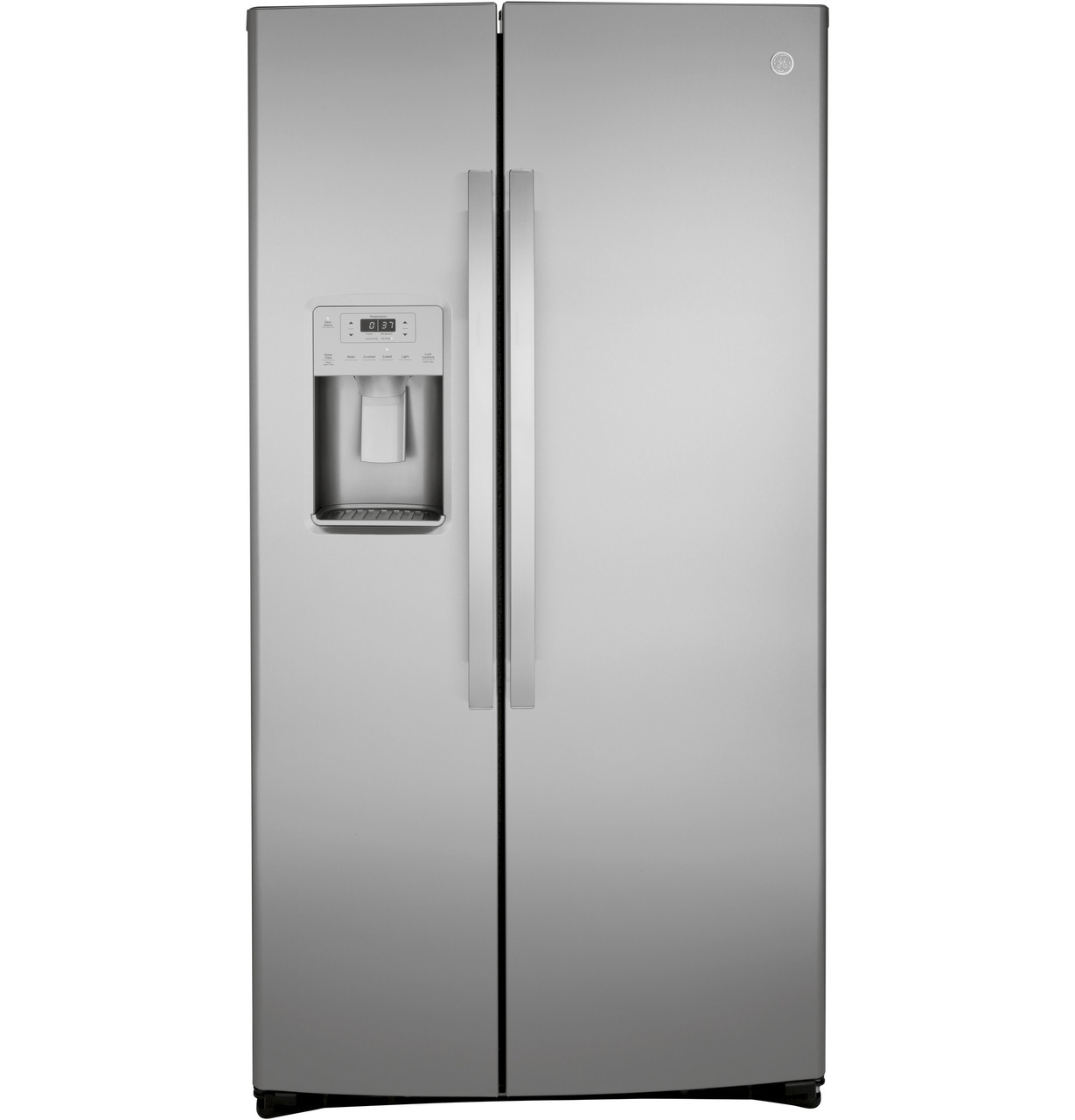
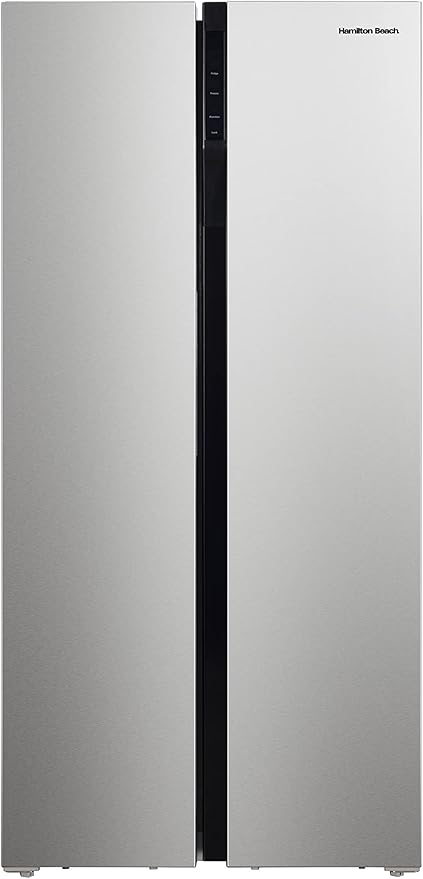
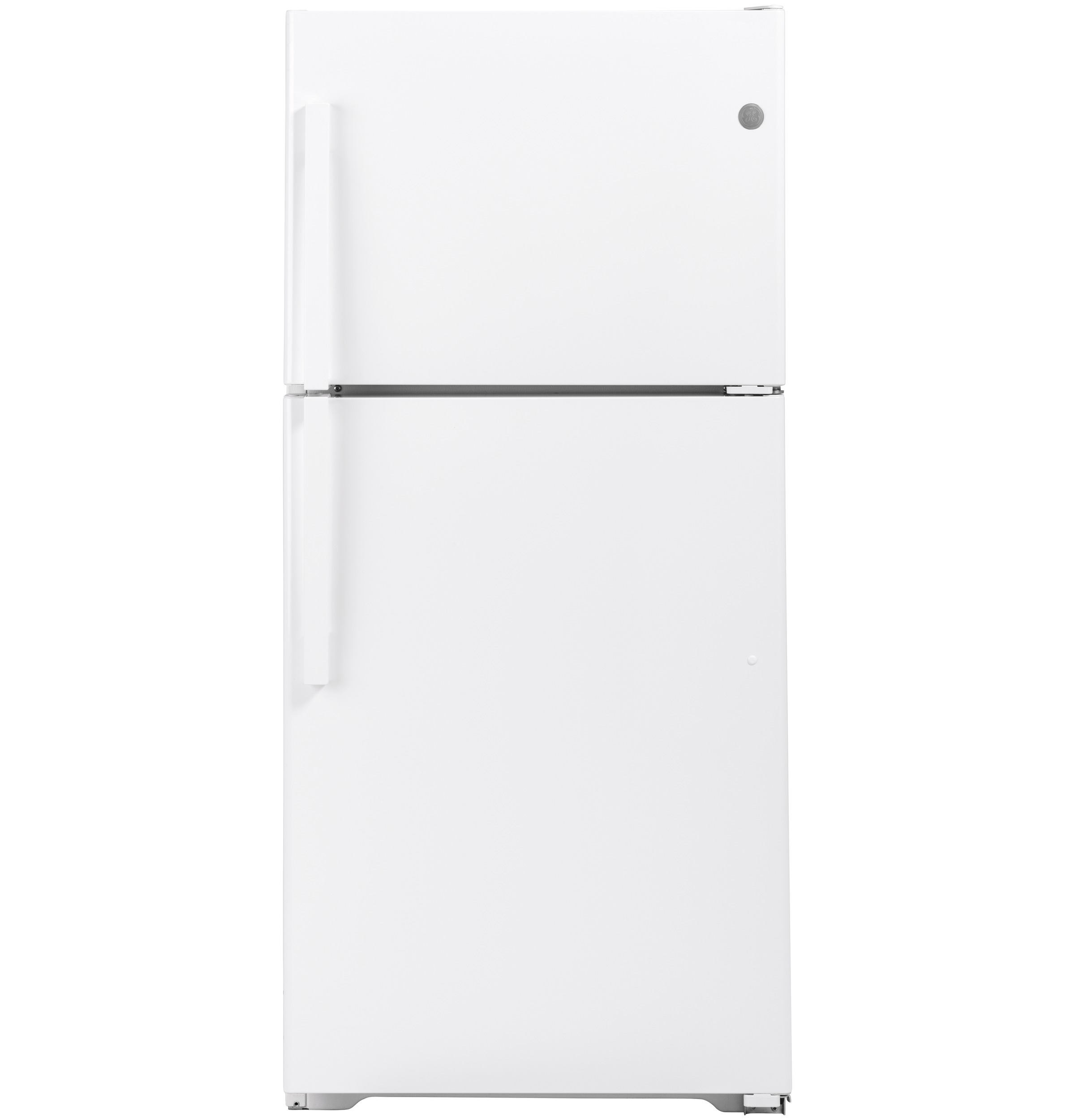
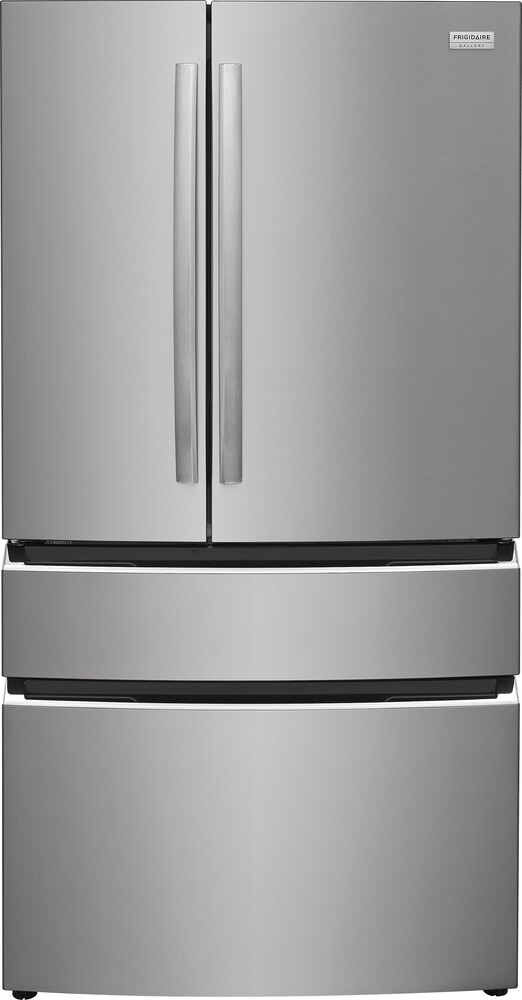
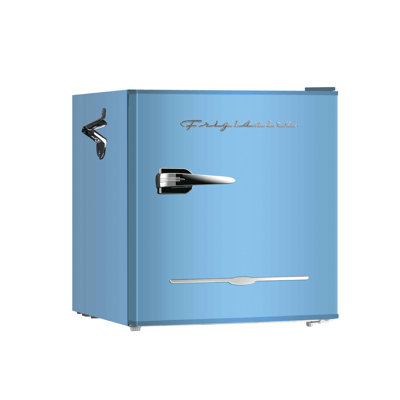
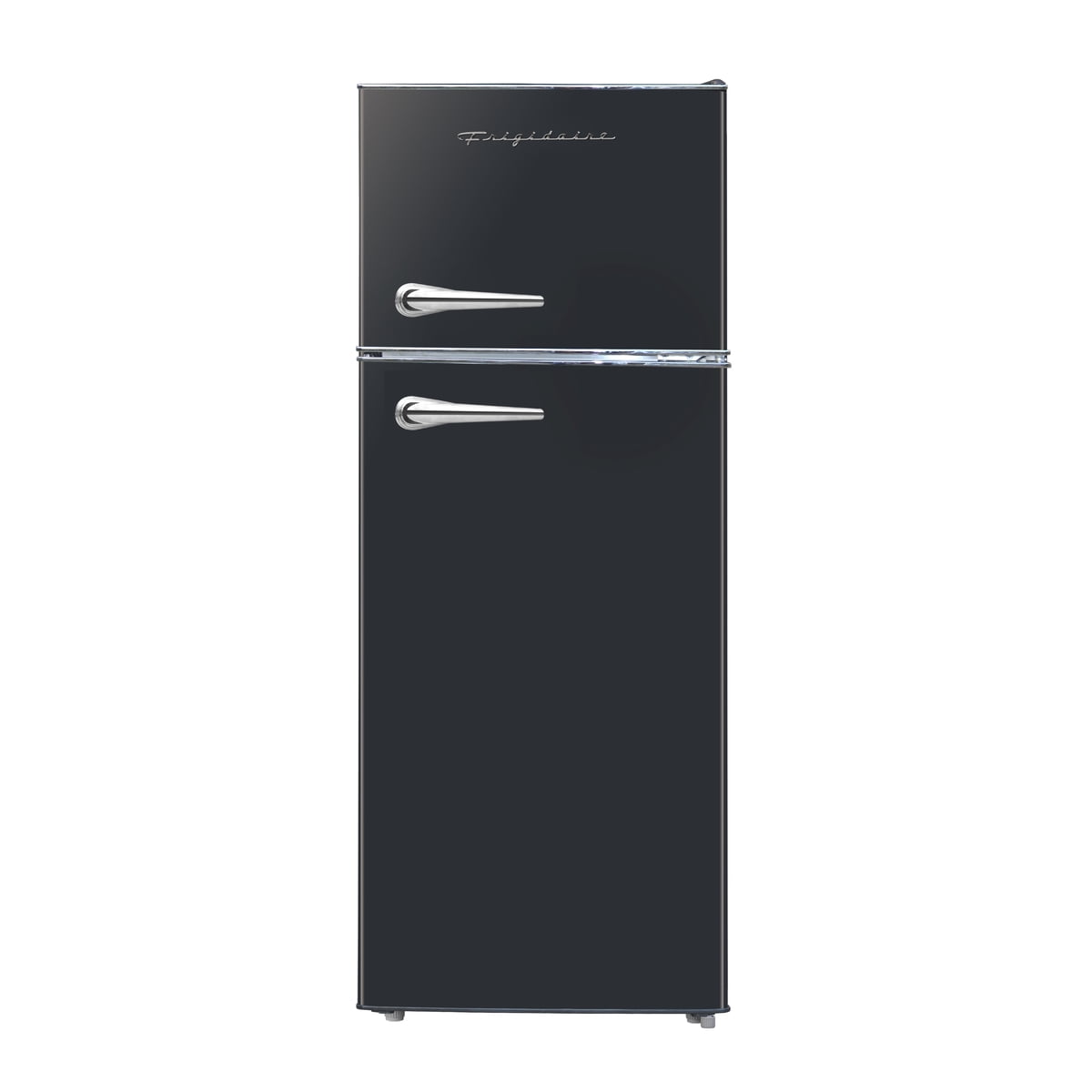
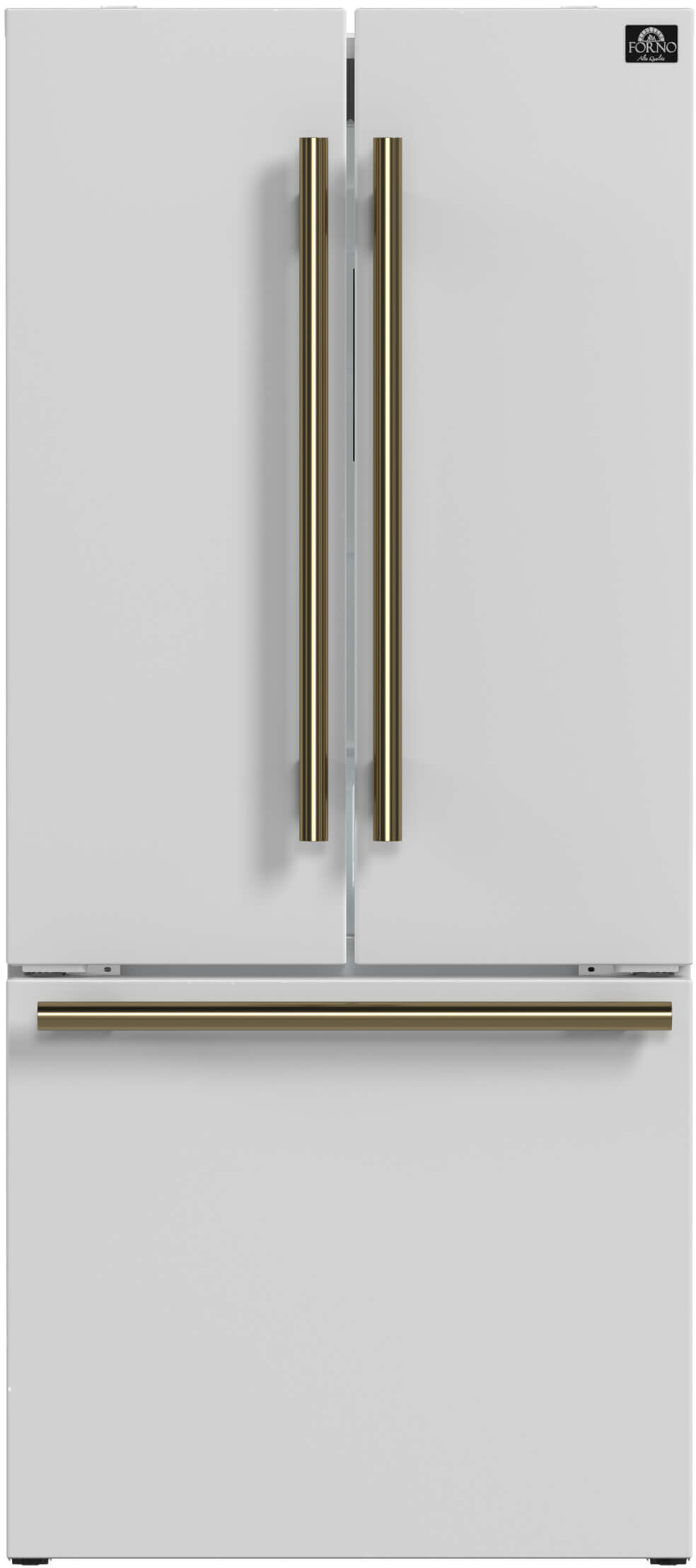
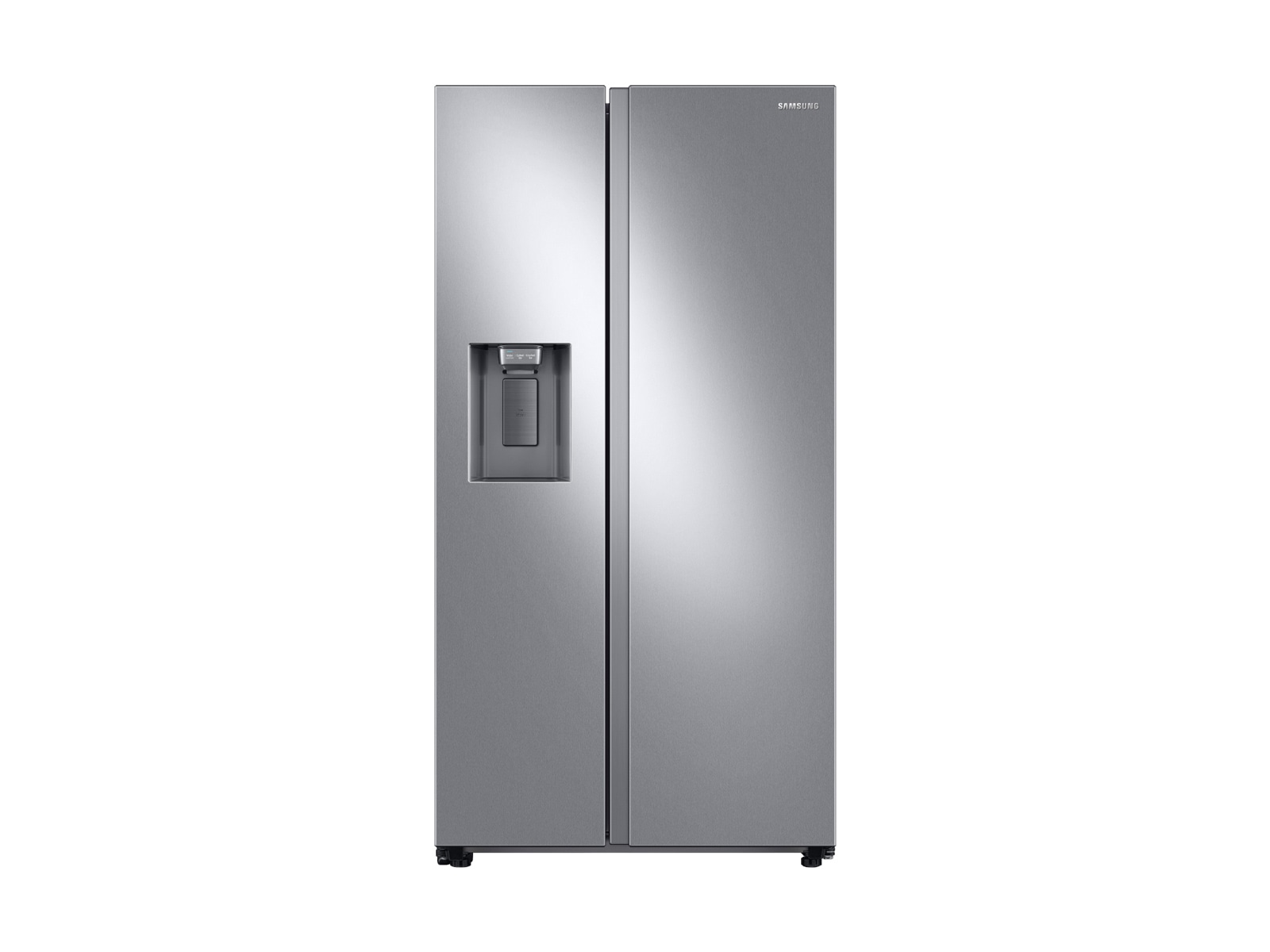
These refrigerators typically come with multiple compartments, adjustable shelves, and specialized storage areas for items like fruits, vegetables, and beverages.
Large refrigerators typically offer expansive storage, making them ideal for families or individuals who require ample space for groceries, leftovers, and beverages.
On average, you can expect a large refrigerator to last between 10 to 15 years with proper care.
The average lifespan of a smart fridge is around 8 to 12 years.
When it comes to choosing a refrigerator, understanding the differences between large refrigerators and smart fridges is essential. Both types have unique features and benefits that cater to different needs and preferences.
Large Refrigerators are designed to offer extensive storage space, making them ideal for families, food enthusiasts, and anyone who needs to store a significant amount of groceries. These refrigerators typically come with multiple compartments, adjustable shelves, and specialized storage areas for items like fruits, vegetables, and beverages. Their primary focus is on maximizing capacity and providing efficient organization options. For those with ample kitchen space or who frequently entertain, a large refrigerator can be an excellent choice.
Smart Fridges, on the other hand, incorporate advanced technology to enhance convenience and functionality. These refrigerators connect to the internet and offer a range of smart features, such as touch screens, inventory management, remote control via smartphone apps, and even voice assistant integration. Smart fridges aim to make daily tasks easier, from tracking expiration dates to creating shopping lists and accessing recipes. They are designed for tech-savvy users who appreciate modern conveniences and seamless integration with other smart home devices.
Understanding these key differences can help you make an informed decision when choosing between a large refrigerator and a smart fridge. Whether you prioritize storage capacity or smart technology, there is a refrigerator out there that fits your lifestyle and needs.
When deciding between a large refrigerator and a smart fridge, it's important to consider their capacity and size. Both options offer distinct advantages depending on your storage needs and the available space in your home.
Comparing Storage Space
Storage space is a key factor in determining which refrigerator best suits your needs. Large refrigerators typically offer expansive storage, making them ideal for families or individuals who require ample space for groceries, leftovers, and beverages. On the other hand, smart fridges may offer enhanced organization features, allowing you to maximize storage efficiency.
Refrigerator Type
Average Capacity (cu. ft.)
Best Use Cases
Large Refrigerator
20 - 30
Families, bulk storage, meal prep
Smart Fridge
18 - 28
Tech enthusiasts, organized storage, smart features
A large refrigerator often includes multiple compartments, shelves, and door bins, providing versatile storage solutions for various food items. Smart fridges, while sometimes slightly smaller in capacity, often incorporate adjustable shelving and smart storage solutions, such as temperature-controlled drawers and built-in organization systems.
Considering Dimensions and Placement Options
The dimensions of your refrigerator are crucial to ensuring it fits seamlessly into your kitchen or designated area. Both large refrigerators and smart fridges come in various sizes, so it's essential to measure your available space accurately.
Refrigerator Type
Width (inches)
Height (inches)
Depth (inches)
Large Refrigerator
30 - 36
65 - 70
30 - 35
Smart Fridge
30 - 36
65 - 70
30 - 35
When considering placement options, think about the layout of your kitchen and the clearance needed for opening doors and accessing compartments. Large refrigerators may require more space due to their size, while smart fridges, with their sleek designs, may offer more flexibility in placement.
Choosing between a large refrigerator and a smart fridge ultimately depends on your storage requirements and the space you have available. By carefully considering both the capacity and dimensions, you can select the refrigerator that best fits your lifestyle and home.
When considering the features and functionality of large refrigerators versus smart fridges, you'll find distinct advantages in each category.
Large Refrigerator Features
Large refrigerators offer ample storage space and versatile shelving, making them ideal for families and those who entertain frequently. They come with a range of features designed to keep your food fresh and your kitchen organized.
Adjustable Shelves: Customizable shelving allows you to fit large or awkwardly shaped items with ease.
Spacious Freezer Compartments: Larger freezers offer more room for frozen goods, often with separate compartments for better organization.
Crisper Drawers: Designed to keep fruits and vegetables fresh longer by controlling humidity levels.
Door Storage: Multiple door bins for easy access to frequently used items like condiments and beverages.
Ice and Water Dispensers: Many models include built-in dispensers for filtered water and ice.
Feature
Benefits
Adjustable Shelves
Fits large items, customizable storage
Spacious Freezer
More room for frozen goods
Crisper Drawers
Keeps produce fresh longer
Door Storage
Easy access to frequently used items
Ice and Water Dispensers
Convenient access to filtered water and ice
For more insights on how large refrigerators compare to other types, see Fridge.com comparison of beverage refrigerator Vs. silver side by side refrigerator.
Smart Fridge Features
Smart fridges take convenience to the next level with advanced technology and connectivity features. These refrigerators are designed to integrate seamlessly into your smart home ecosystem.
Wi-Fi Connectivity: Allows for remote control and monitoring via smartphone apps.
Touchscreen Interfaces: Interactive screens for managing grocery lists, calendars, and recipes.
Voice Control: Compatible with virtual assistants for hands-free operation.
Interior Cameras: Lets you see inside your fridge from your phone, handy for grocery shopping.
Energy Monitoring: Tracks energy use to help you save on electricity bills.
Feature
Benefits
Wi-Fi Connectivity
Remote control, monitoring via smartphone apps
Touchscreen Interfaces
Manage grocery lists, calendars, and recipes
Voice Control
Hands-free operation with virtual assistants
Interior Cameras
View inside fridge remotely, helpful for shopping
For those interested in the latest technological advancements, smart fridges offer unparalleled convenience and functionality. Learn more about similar innovations in Fridge.com article on drawer freezer Vs. smart fridge.
By understanding the features and functionality of both large refrigerators and smart fridges, you can make an informed decision based on your lifestyle and needs. For further comparisons, check out Fridge.com guide on double drawer refrigerator Vs. wine cooler.
Energy Efficiency
When choosing between a large refrigerator and a smart fridge, understanding energy efficiency is crucial. Both options have different energy consumption profiles and eco-friendly features that can impact your decision.
Understanding Energy Consumption
The energy consumption of refrigerators varies based on their size, features, and technology. Large refrigerators typically consume more energy due to their greater storage capacity. Smart fridges, on the other hand, may have advanced features like digital displays and connectivity options that could increase energy usage.
Type of Fridge
Average Annual Energy Consumption (kWh)
Large Refrigerator
400 - 600
Smart Fridge
450 - 700
Eco-Friendly Options
Eco-friendly options are available for both large refrigerators and smart fridges. Energy-efficient models often come with features like improved insulation, efficient compressors, and advanced temperature control. Look for Energy Star ratings to identify appliances that meet high standards for energy efficiency.
Type of Fridge
Energy Star Rating
Eco-Friendly Features
Large Refrigerator
Yes
Efficient compressors, improved insulation
Smart Fridge
Yes
Energy-saving modes, smart temperature control
Considering the energy efficiency of large refrigerators and smart fridges can help you make an informed decision. For more information on fridge options, check out Fridge.com articles on energy efficient refrigerator Vs. upright refrigerator and double drawer freezer Vs. outdoor freezer.
When deciding between a large refrigerator and a smart fridge, understanding the cost implications is key. This section will explore the initial investment and long-term costs and savings.
Initial Investment
The initial cost is the first factor to consider when comparing a large refrigerator to a smart fridge. Large refrigerators are generally more affordable upfront compared to smart fridges, which come with advanced technology and connectivity features.
Refrigerator Type
Average Initial Cost
Large Refrigerator
$800 - $2,500
Smart Fridge
$2,000 - $4,000
Long-Term Costs and Savings
The long-term costs and savings associated with each type of fridge depend on various factors, including energy consumption, maintenance, and potential savings from smart features.
Factor
Large Refrigerator
Smart Fridge
Maintenance Costs
Lower
Higher due to advanced components
Potential Savings
None
Smart features can help reduce food waste and energy usage
Smart fridges often boast energy-efficient technologies that can lower your utility bills over time. Additionally, features like inventory management and expiration date tracking can help reduce food waste, further contributing to long-term savings.
For more detailed comparisons on different types of refrigerators, you may find Fridge.com articles on beverage refrigerator Vs. silver side by side refrigerator and drawer freezer Vs. smart fridge helpful. These articles delve into specific features, costs, and benefits of various refrigerator types, aiding you in making an informed decision.
When deciding between a large refrigerator and a smart fridge, it's important to consider maintenance needs and durability. These factors will influence the longevity and performance of your appliance.
Maintenance Needs
Large refrigerators and smart fridges have different maintenance requirements. Large refrigerators typically need routine cleaning and occasional part replacements. Regular maintenance tasks include:
Cleaning the interior shelves and drawers
Checking and replacing the door seals
Defrosting the freezer (if not frost-free)
Cleaning the condenser coils
Smart fridges, on the other hand, may require additional upkeep due to their advanced technology. Maintenance for smart fridges can include:
The lifespan of your refrigerator depends on factors like build quality, usage, and maintenance. Generally, large refrigerators are known for their sturdiness and longevity. On average, you can expect a large refrigerator to last between 10 to 15 years with proper care.
Smart fridges, while offering advanced features, may have a slightly shorter lifespan due to the complexity of their technology. The average lifespan of a smart fridge is around 8 to 12 years. However, their durability can be enhanced with regular software updates and careful maintenance.
Appliance
Average Lifespan (Years)
Large Refrigerator
10 - 15
Smart Fridge
8 - 12
In terms of durability, large refrigerators have fewer electronic components, making them less prone to technical issues. Smart fridges, with their advanced features, may require more frequent repairs, particularly for digital and electronic components.
Understanding the maintenance needs and durability of both large refrigerators and smart fridges will help you make an informed decision. For more comparisons, check out Fridge.com article on built in refrigerator Vs. garage freezer.
When deciding between a large refrigerator and a smart fridge, connectivity and convenience play a significant role. Smart fridges offer a range of advanced features that can enhance your everyday life. This section will delve into the smart features of smart fridges and their ease of use and integration.
Smart Features of Smart Fridges
Smart fridges come equipped with a variety of cutting-edge technologies designed to make your life easier. These features can include:
Wi-Fi Connectivity: Allows you to connect your fridge to your home network. This enables remote control and monitoring via a smartphone app.
Touchscreen Displays: Provides an interactive interface for managing fridge settings, creating shopping lists, and even streaming media.
Internal Cameras: Lets you check the contents of your fridge without opening the door, which can be especially useful when you're out shopping.
Voice Control: Offers compatibility with virtual assistants like Alexa or Google Assistant, allowing you to control the fridge using voice commands.
Automated Inventory Management: Tracks the expiration dates of stored items and can suggest recipes based on available ingredients.
Feature
Description
Wi-Fi Connectivity
Remote control and monitoring via smartphone app
Touchscreen Displays
Interactive interface for settings, shopping lists, and media
Internal Cameras
Check fridge contents without opening the door
Voice Control
Compatibility with virtual assistants like Alexa or Google Assistant
Automated Inventory
Tracks expiration dates and suggests recipes
For more on how smart technology can enhance your kitchen, visit Fridge.com article on smart fridge features.
Ease of Use and Integration
The usability and integration of smart fridges with your existing home setup are crucial factors to consider. These appliances are designed to be user-friendly and intuitive, ensuring that even those who are not tech-savvy can operate them with ease.
User-Friendly Interface: Touchscreen displays are typically straightforward and easy to navigate. They often offer tutorials or guided setups to help you get started.
Seamless Integration: Smart fridges are designed to integrate seamlessly with other smart home devices. This includes compatibility with smart lighting, smart thermostats, and other connected appliances.
Remote Access: The ability to control and monitor your fridge remotely adds a layer of convenience, especially for busy households or those who travel frequently.
Customizable Alerts: Set up notifications for important events like when the door is left open, when it's time to replace the water filter, or when groceries are running low.
For additional comparisons and insights, check out Fridge.com article on beverage refrigerator Vs. silver side by side refrigerator.
By understanding the smart features and ease of use, you can determine whether a smart fridge or a large refrigerator is better suited to your lifestyle. For more on choosing the right refrigerator, explore related articles on double drawer refrigerator Vs. wine cooler and freestanding drawer refrigerator Vs. skincare fridge.
Customization and Personalization
Tailoring Your Fridge to Your Needs
When deciding between a large refrigerator and a smart fridge, customization options play a significant role. Large refrigerators offer ample space, allowing you to organize your groceries according to your needs. You can adjust shelves and drawers to fit larger items like party platters or tall bottles. Additionally, some models come with specialized compartments for deli items, vegetables, and fruits, enhancing your food storage experience.
Customization Option
Large Refrigerator
Smart Fridge
Adjustable Shelves
Yes
Yes
Specialized Compartments
Yes
Yes
Temperature Zones
Yes
Yes
Door Configurations
Multiple
Multiple
Large refrigerators also offer multiple door configurations, such as French doors, side-by-side, and bottom freezer options, allowing you to choose the layout that best fits your kitchen space and usage habits. For more insights on different refrigerator types, take a look at Fridge.com comparison of double drawer refrigerator Vs. wine cooler.
Smart Technology Customization Options
Smart fridges take customization to the next level by integrating advanced technology features. These refrigerators come equipped with touch screens, Wi-Fi connectivity, and apps that allow you to control and monitor your fridge remotely. You can set temperature levels, receive alerts when the door is left open, and even create shopping lists directly from your fridge.
Smart Feature
Functionality
Touch Screen
Control settings, view contents
Wi-Fi Connectivity
Remote monitoring, control
Apps
Create shopping lists, recipe suggestions
Internal Cameras
View contents without opening the door
Voice Control
Integration with smart home devices
Smart fridges often come with internal cameras, allowing you to check the contents of your fridge from your smartphone while grocery shopping. This feature ensures you never forget an item you need. Additionally, some smart fridges offer recipe suggestions based on the ingredients available in your fridge, making meal planning easier.
For homeowners looking to blend modern technology with kitchen appliances, smart fridges offer unparalleled convenience and customization. To explore more about smart appliances, read Fridge.com comparison of drawer freezer Vs. smart fridge.
Both large refrigerators and smart fridges offer various customization options to suit your lifestyle. Depending on your needs, you can choose a model that provides the right balance of space, technology, and convenience. If you're interested in more refrigerator comparisons, consider reading about freestanding wine cooler Vs. fridge freezer combo.
When choosing between a large refrigerator and a smart fridge, several factors come into play. Each type offers unique advantages and may suit different needs based on your lifestyle, kitchen space, and technological preferences.
Storage Needs: Assess your storage requirements. Large refrigerators typically offer more storage space, which is ideal for larger families or those who buy groceries in bulk. Smart fridges may have more organized storage solutions but could offer less overall space.
Technology: Smart fridges come with advanced features like touchscreens, internet connectivity, and internal cameras. These features can make meal planning and grocery shopping more convenient but might be unnecessary for those who prefer simplicity.
Energy Efficiency: Energy consumption is a crucial factor. Check the energy ratings of both types to determine which option is more eco-friendly and cost-effective over time. For more on this, visit Fridge.com article on energy efficient refrigerator Vs. upright refrigerator.
Cost: Consider both the initial purchase price and long-term costs. Smart fridges often have a higher upfront cost due to their advanced features. However, they might offer savings through energy efficiency and reduced food waste.
Maintenance: Evaluate the maintenance needs of each type. Large refrigerators may have simpler maintenance requirements compared to smart fridges, which could need software updates and repairs for electronic components.
Space and Placement: Consider the dimensions and placement options. Large refrigerators may require more space, while smart fridges often come in more compact designs.
Choosing the Right Refrigerator for Your Lifestyle
Selecting the right refrigerator hinges on your specific needs and preferences. Here’s a brief comparison to help you decide:
Criteria
Large Refrigerator
Smart Fridge
Storage Space
More spacious, ideal for large families
Organized storage, might have less space
Technology
Basic features
Advanced features like touchscreens and connectivity
Cost
Lower initial cost
Higher initial cost, potential savings over time
Maintenance
Simpler maintenance
Requires updates and potential tech repairs
Space Requirements
Larger dimensions
Compact designs available
For those who prioritize ample storage and simplicity, a large refrigerator might be the best fit.
For tech-savvy individuals who appreciate modern conveniences, a smart fridge offers numerous advantages.
Consider all relevant factors, including your kitchen layout, daily habits, and long-term goals, to make an informed decision. For more detailed comparisons, explore Fridge.com articles on beverage refrigerator Vs. silver side by side refrigerator and kegerator Vs. standard fridge size.
Compare prices on Fridge.com
Compare current prices and specifications on Fridge.com, then buy from the retailer you choose; delivery, installation and warranty terms are the retailer’s.
It also has tons of awesome articles about kitchen stuff and home news. Enhance your home, garage, backyard, patio, and office with the coolest essentials. With every necessary type of residential refrigerator or freezer in the collection, you're covered.
From Fridge.com research
Figures below come from data Fridge.com builds and maintains. Each links to the record behind it.
Fridge.com Energy Index, built on U.S. EPA and DOE ENERGY STAR records
Across 5,455 ENERGY STAR certified refrigerators and freezers from 263 brands, median use is 360 kWh per year.