Related collections

Related articles

Buying guides

Tools

Fridge.com · Blog

Average Weight Fridge

Share
Average Weight Fridge | Fridge.com
Richard Thomas | Fridge.com
Richard Thomas· Culinary Reviewer
8 min read
Summarize with
Shop the answerRefrigerators (936)

Key Takeaways

  • Most refrigerators weigh between 100 and 300 pounds, depending on size and features.
  • Most fridges weigh between 100 to 300 pounds, depending on their size and features.
  • Keep the fridge between 35°F and 38°F, and the freezer at 0°F.
  • Make sure your flooring can handle the load.
Browse Mini Fridges

Understanding Fridge Weight

Why Knowing Your Fridge's Weight Matters

Knowing how much your fridge weighs isn't just trivia—it's practical. First off, it helps you figure out how to move and install it without breaking your back or your floor. You’ll know if you need a dolly, a couple of strong friends, or even professional movers. Plus, it helps you pick a fridge that fits your space and lifestyle.

And let's not forget about your floors. Especially in apartments, mobile homes, or older houses, a heavy fridge can mess with your floor's structural integrity. Make sure your flooring can handle the load.

What Affects a Fridge's Weight?

Several things can make a fridge heavier or lighter. Here’s a quick rundown:

Factor
What It Means
Size
Bigger fridges weigh more. They range from compact to full-size.
Features
Extras like ice makers, water dispensers, and fancy cooling tech add weight.
Materials
The type of metal and insulation thickness can make a difference.
Design
Built-in or counter-depth fridges might weigh differently because of how they're made and installed.

When you're fridge shopping, keep these factors in mind. Whether you need a fridge for big family dinners, weekend parties, or just everyday use, knowing what makes a fridge heavy can help you pick the right one. Want to dive deeper into fridge types? Check out Fridge.com article on all refrigerators.

How Much Does a Fridge Weigh?

Shop this collection

Refrigerators

Browse all

Thinking about getting a new fridge? You gotta know how heavy it is, especially if you're the one lugging it around or squeezing it into your kitchen. Fridge weights can be all over the place depending on their size and what bells and whistles they come with.

How Heavy Are Standard Fridges?

Most fridges fall into a certain weight range. Knowing this can save you a lot of back pain and frustration. Check out this table to get a feel for what you're dealing with:

Type of Fridge
Average Weight (lbs)
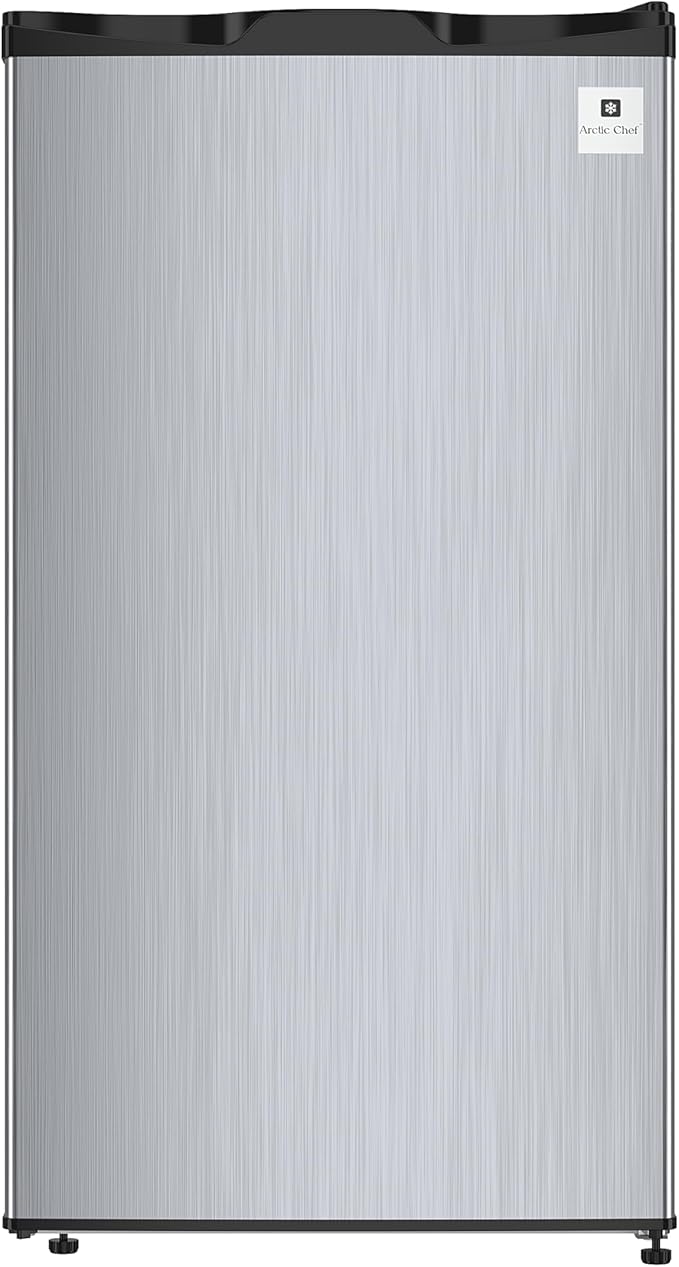
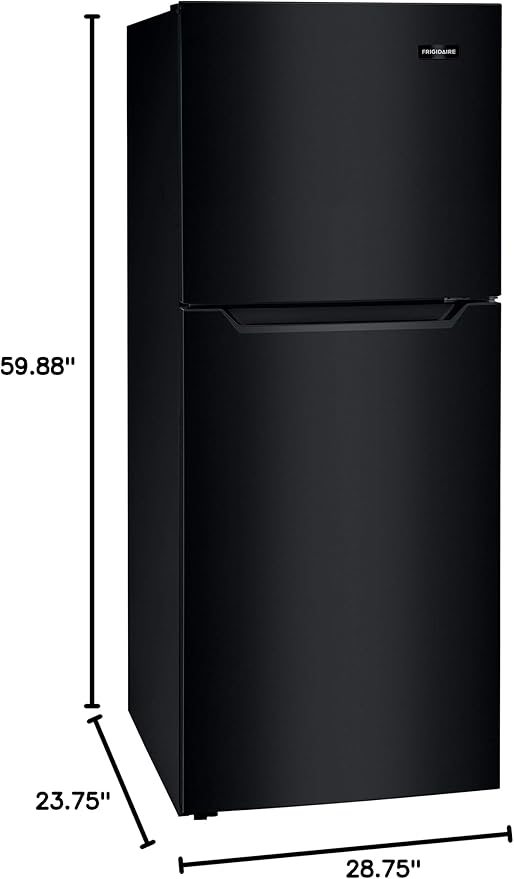
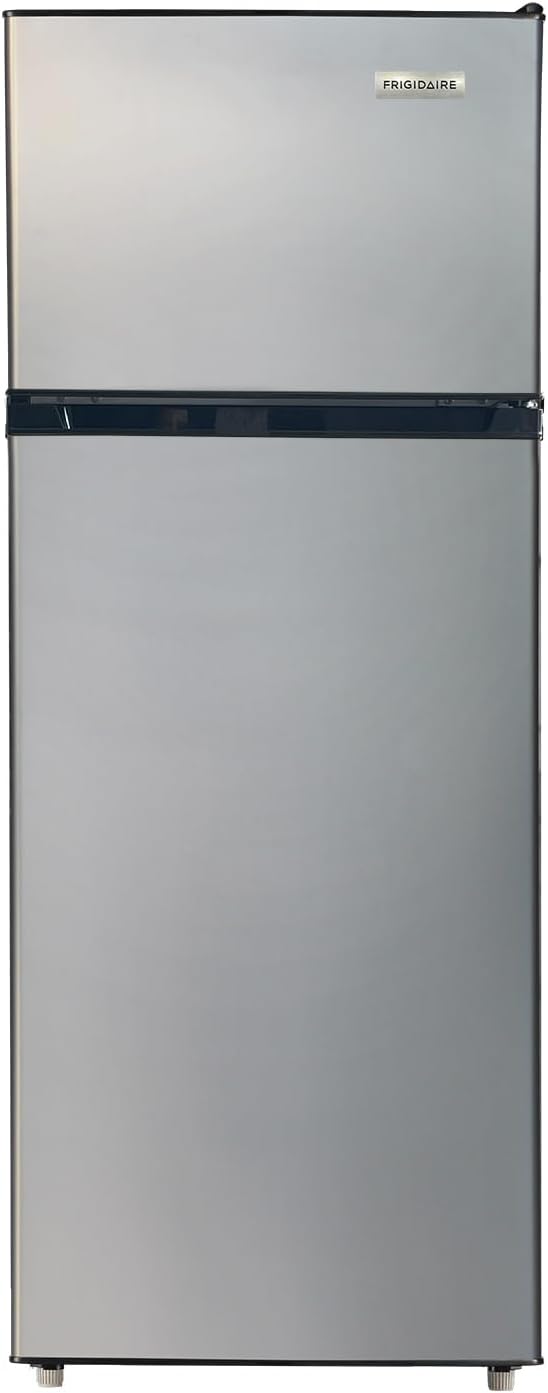
Compact Refrigerator
50 - 100
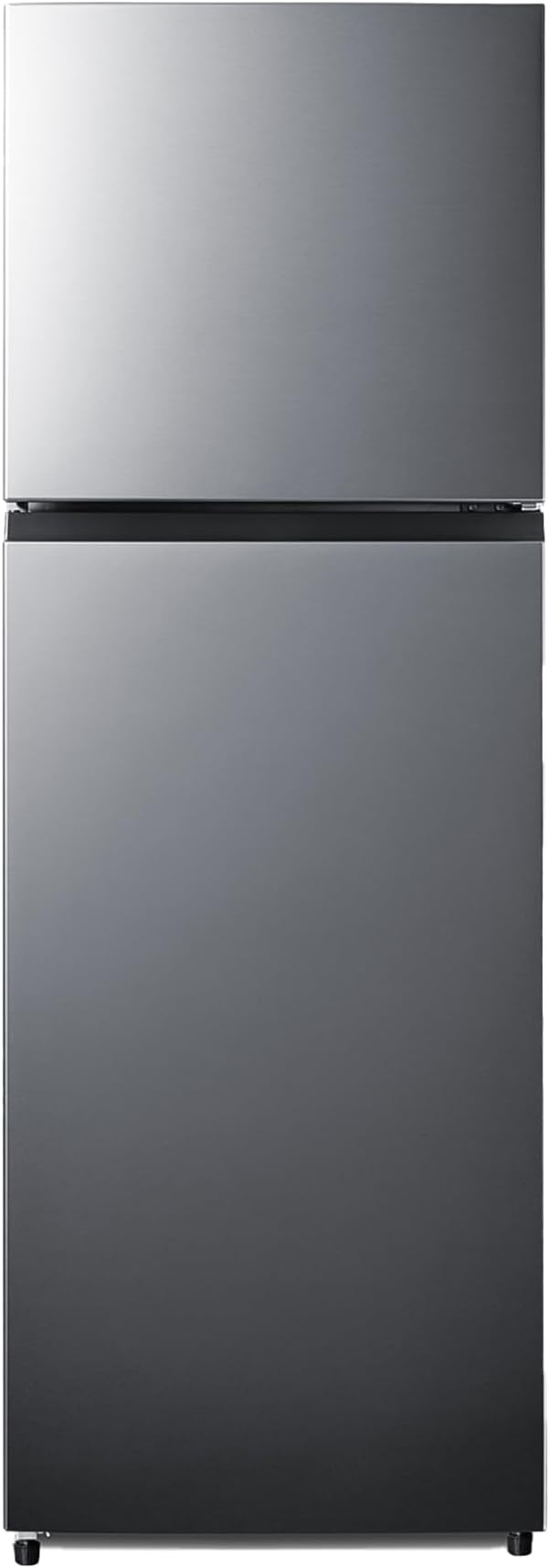
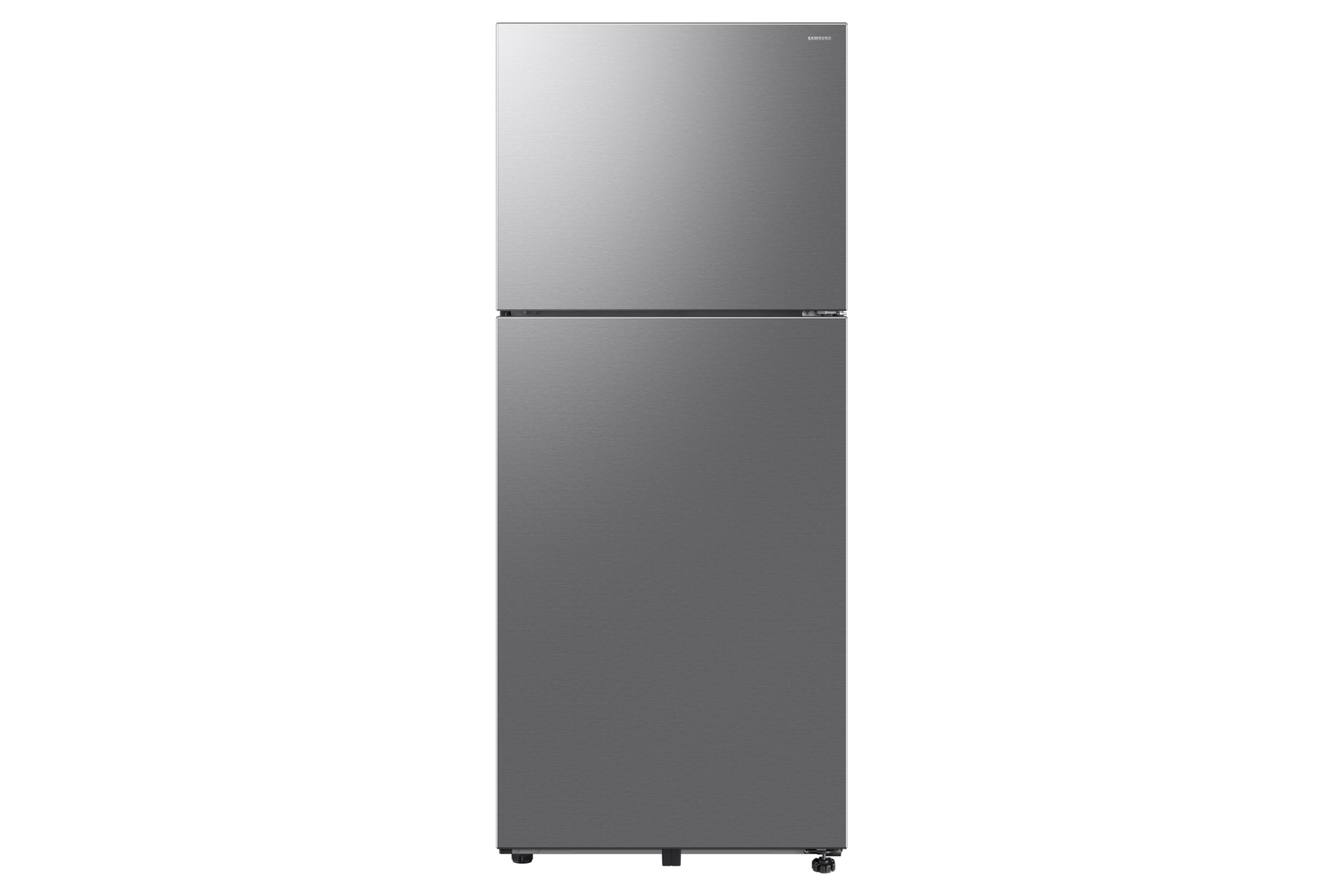
Top Freezer Refrigerator
150 - 250
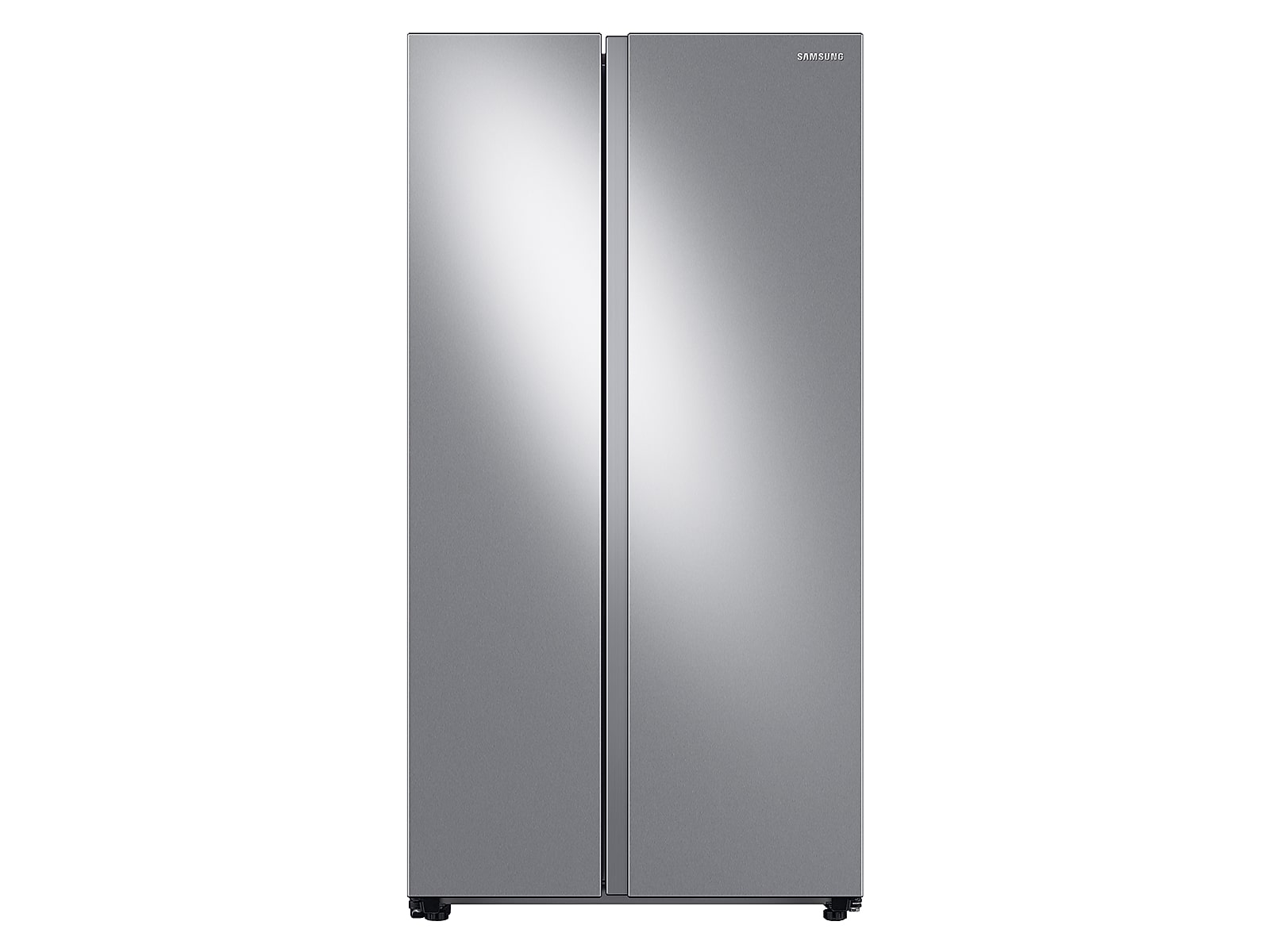
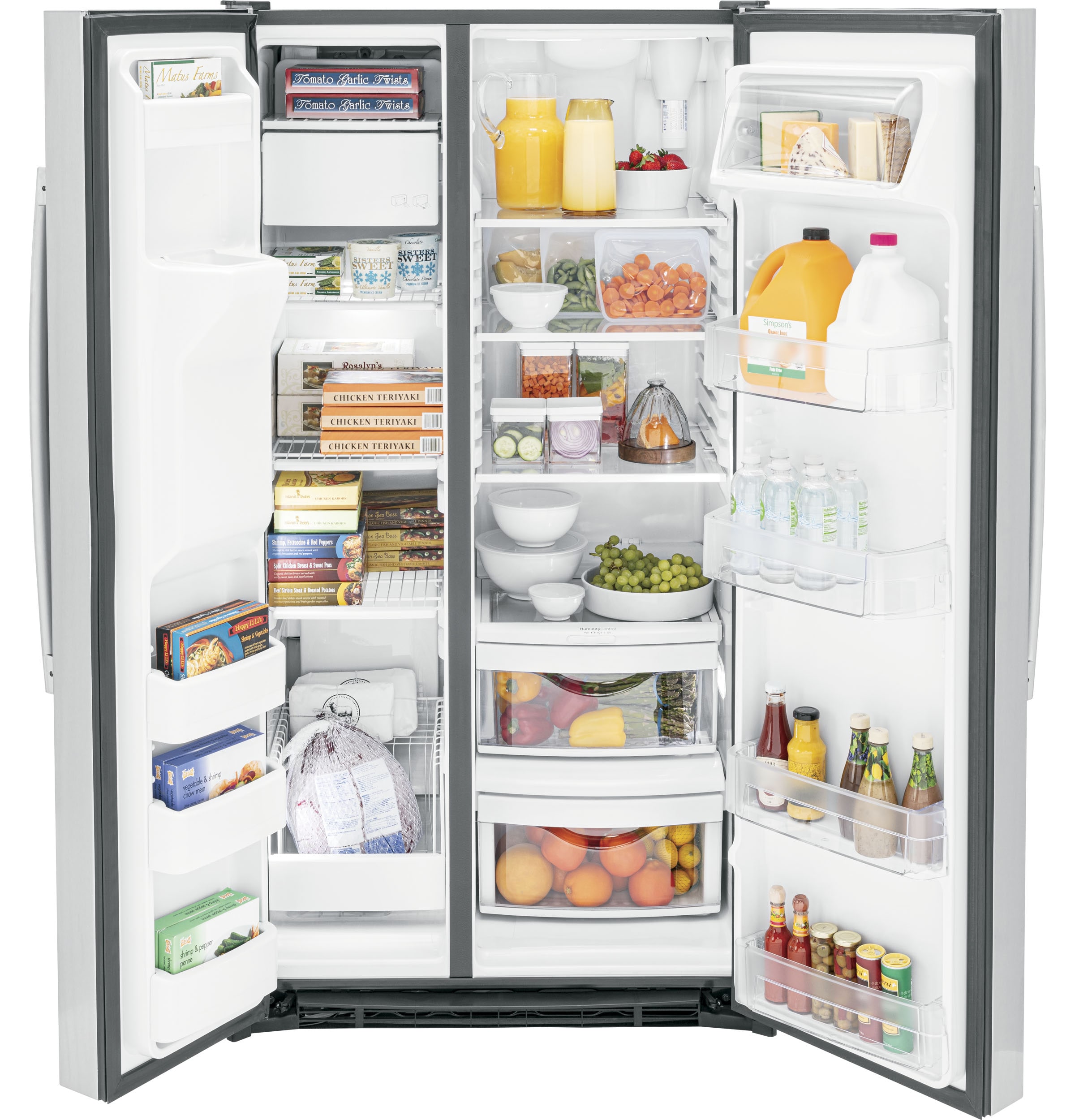
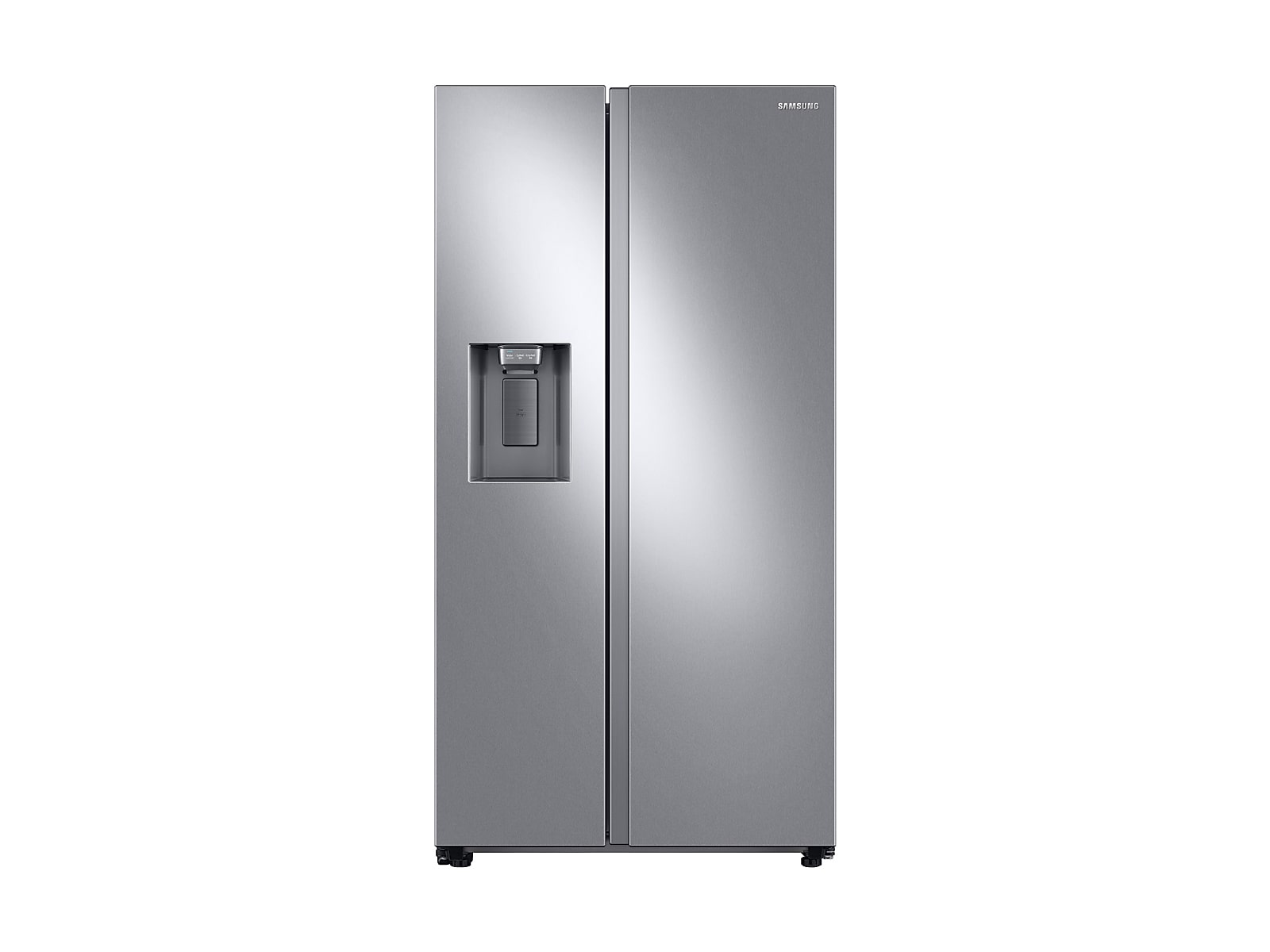
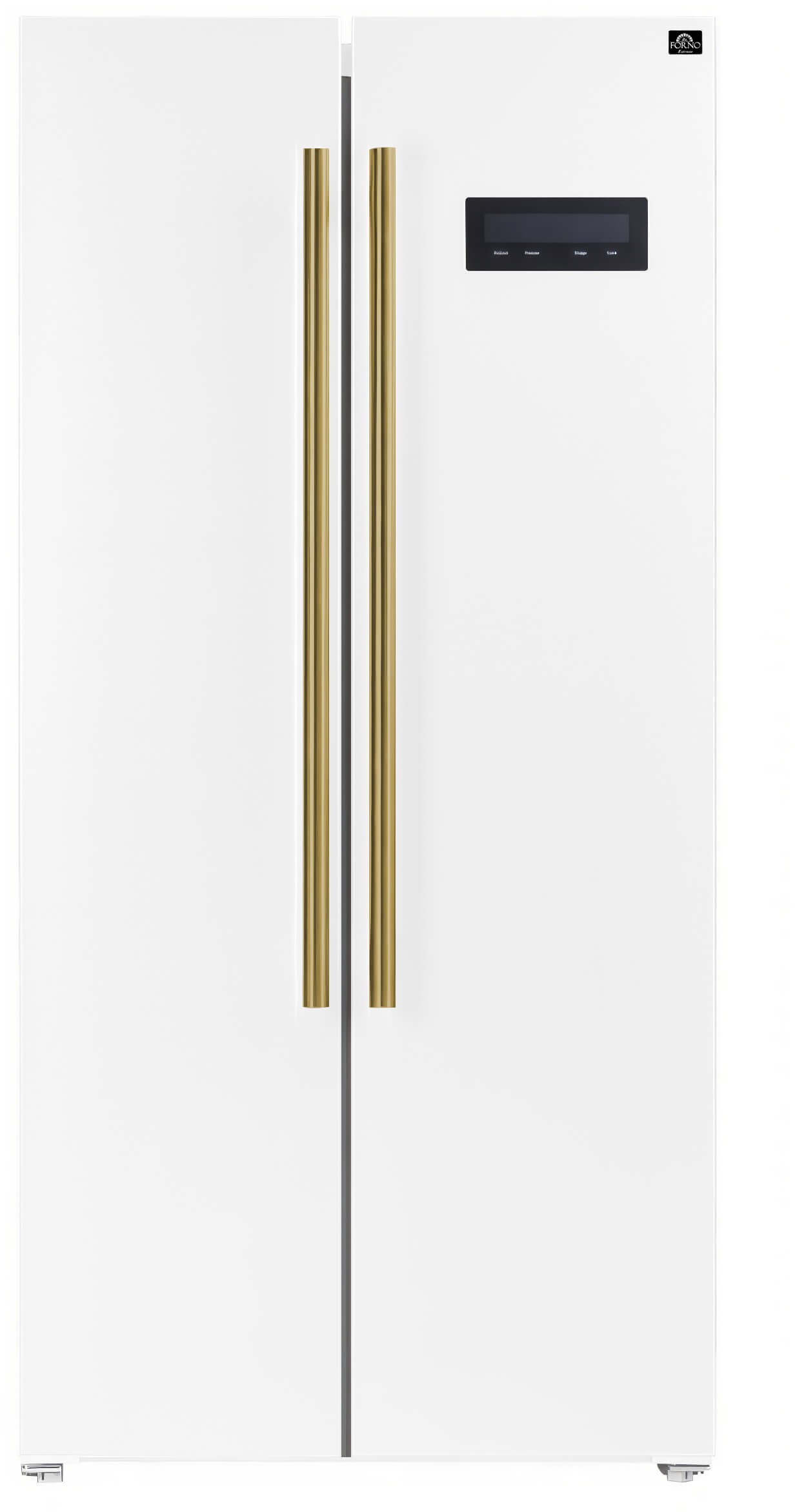
Side-by-Side Refrigerator
250 - 350
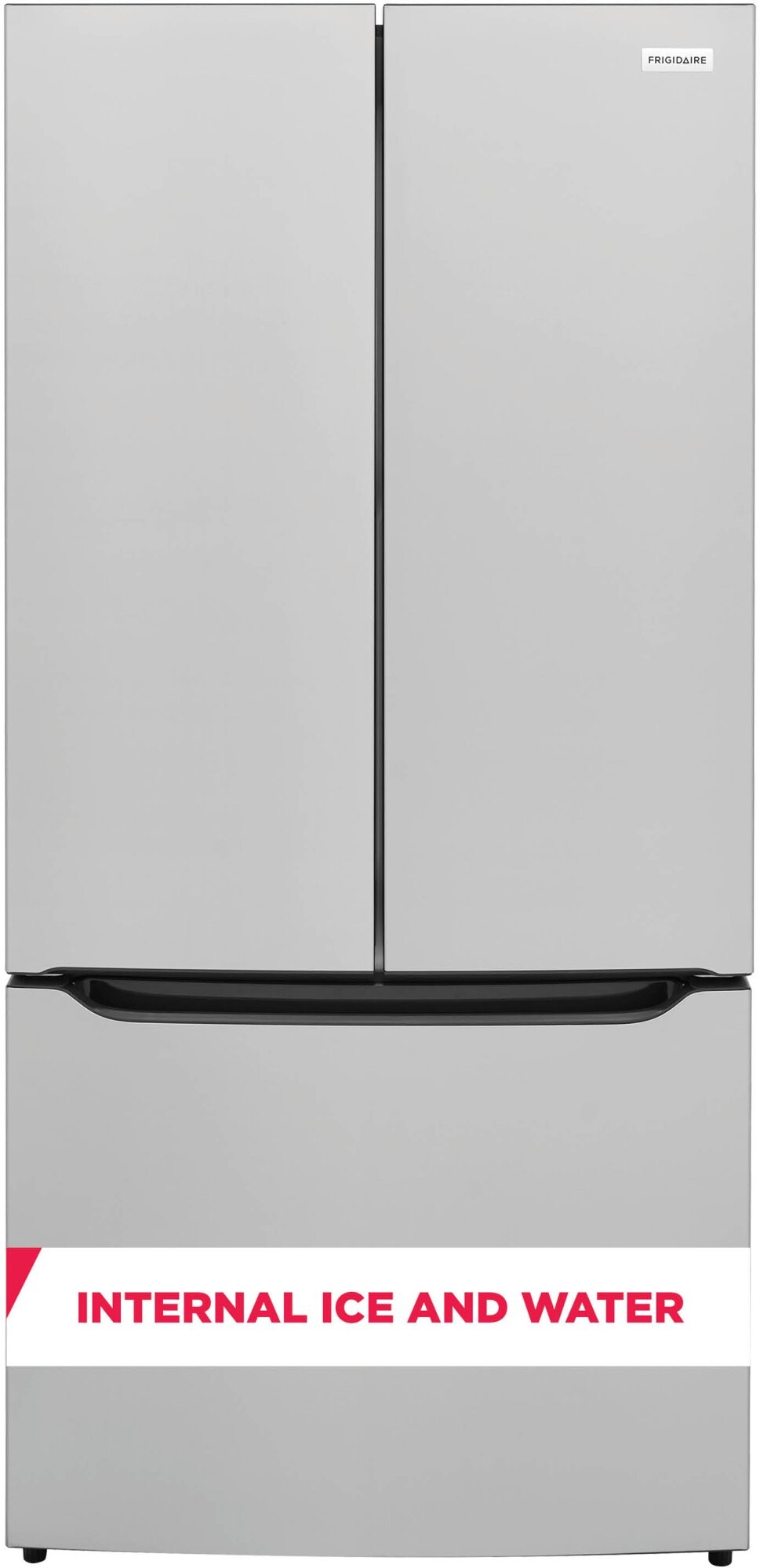
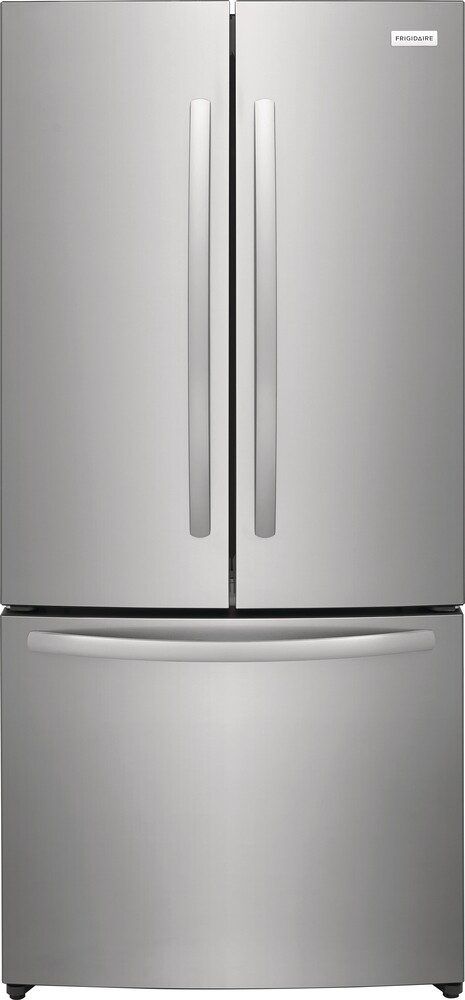
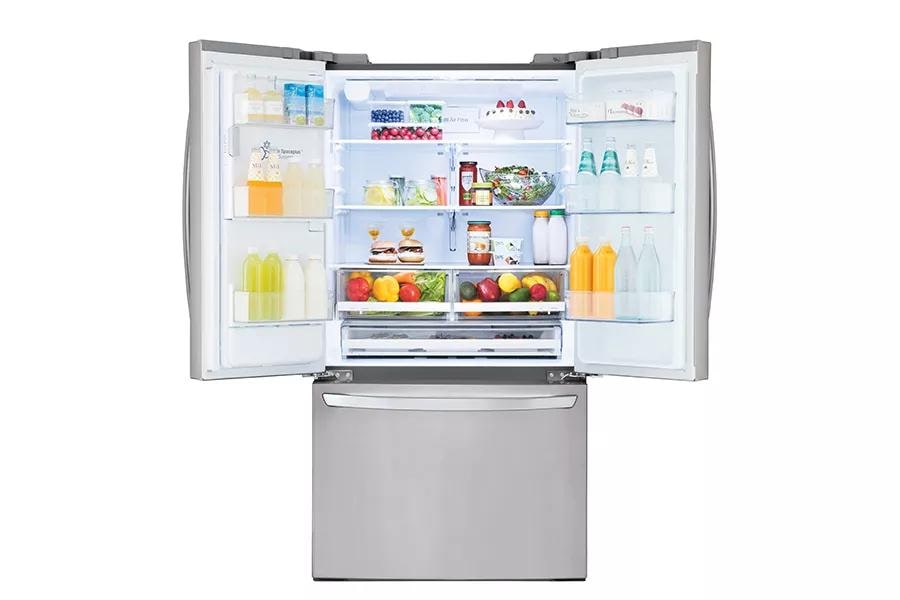
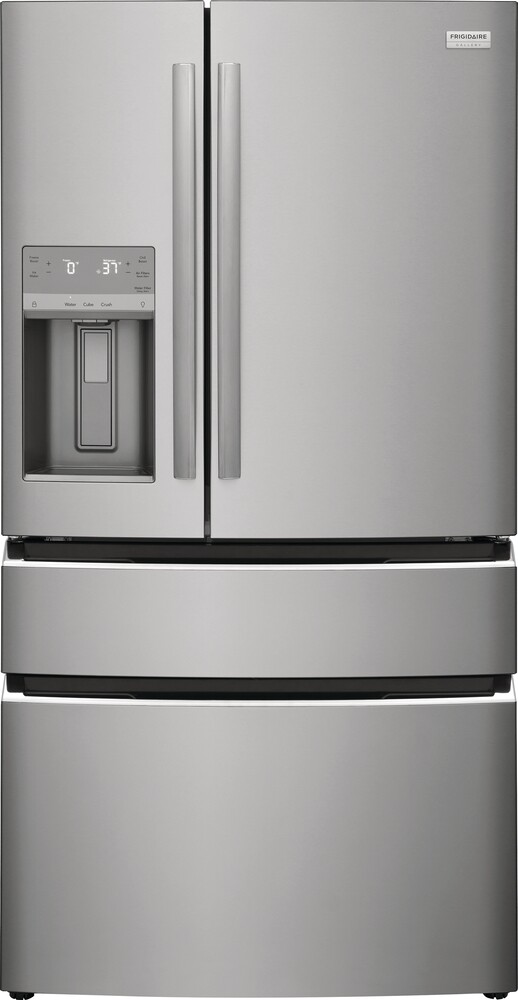
French Door Refrigerator
250 - 400
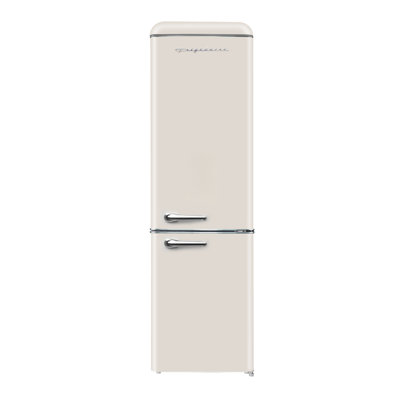
Bottom Freezer Refrigerator
200 - 300

What Makes a Fridge Heavier?

The weight of a fridge isn't just about its size. Other factors can pack on the pounds too. Here’s a quick rundown:

Factor
Description
Size
Bigger fridges weigh more. Shocker, right?
Door Design
Double doors or French doors? Extra weight.
Extra Features
Ice makers, water dispensers, smart tech—all add weight.
Insulation
Thicker insulation for energy efficiency can make it heavier.

Knowing how much your fridge weighs and what makes it heavier can help you plan where to put it and how to take care of it. If you want to dive deeper into fridge types, check out Fridge.com articles on panel ready refrigerators and all refrigerators.

Moving a Fridge Without Losing Your Cool

Shifting a fridge is no small feat. It's big, it's heavy, and it can be a real pain if you don't prep right. But don't sweat it—follow these steps, and you'll have that fridge in its new spot without breaking a sweat.

Getting Ready to Move Your Fridge

Before you even think about lifting, you've got some prep work to do. Here's what you need to get sorted:

  • Measure Everything: Grab a tape measure and check the fridge, doorways, hallways, and any tight spots. Make sure the fridge can actually fit where you want it to go.
  • Empty It Out: Take out all the food and shelves. Not only does this make the fridge lighter, but it also stops stuff from flying around inside.
  • Defrost the Freezer: If your fridge has a freezer, defrost it at least a day before the move. This avoids leaks and ice chunks.
  • Lock the Doors: Use tape or rope to keep the fridge doors shut. You don't want them swinging open mid-move.
  • Gather Your Gear: Get moving blankets, a dolly, straps, and any tools you might need to disconnect the fridge. These will make your life a lot easier.

Safety Tips for Moving a Heavy Fridge

Moving a fridge isn't just about muscle; it's about doing it safely. Keep these tips in mind:

Safety Tip
What to Do
Lift Smart
Bend your knees and lift with your legs, not your back. Trust me, your back will thank you.
Get a Buddy
Don't go solo. Grab a friend or family member to help out. Two heads (and sets of hands) are better than one.
Use a Dolly
A dolly or hand truck is your best friend. It makes moving the fridge a breeze, especially on stairs.
Protect Your Floors
Put cardboard or moving blankets under the fridge to avoid scratching up your floors.
Strap It Down
Use straps to secure the fridge in your moving vehicle. You don't want it sliding around during the drive.

With a bit of planning and some safety smarts, moving your fridge can be a lot less of a headache. For more tips on keeping your fridge in top shape, check out Fridge.com guide on regular maintenance to prolong the lifespan.

Installation Tips

Shop this collection

Counter Depth Refrigerators

Browse all

Can Your Floor Handle It?

Before you plop down that new fridge, make sure your floor can take the weight. Most fridges weigh between 100 to 300 pounds, depending on their size and features. If you're putting it on an upper floor or a wooden surface, double-checking the floor's strength is a must to avoid any mishaps.

Fridge Type
Average Weight (lbs)
Compact Fridge
50 - 100
Standard Fridge
150 - 300
French Door Fridge
200 - 350
Side-by-Side Fridge
200 - 400

Here's what you need to do before installation:

  • Make sure the floor is level and solid.
  • Reinforce the area if needed.
  • Skip placing the fridge on carpet; it messes with stability and airflow.

Where to Put Your Fridge

Where you put your fridge matters just as much as the floor it's on. Follow these tips to get it right:

  1. Let It Breathe: Leave some space around the fridge for airflow. At least 1 inch at the back and sides helps it run smoothly.
  2. Keep It Cool: Don't put the fridge near ovens, stoves, or direct sunlight. Heat can mess with its cooling.
  3. Easy Access: Place the fridge where you can easily load and unload it. Think about the layout of your kitchen and nearby furniture.
  4. Level It Out: Once it's in place, use a level to make sure it's even. Adjust the feet if needed to keep it stable.


By keeping these tips in mind, you can set up your fridge safely and make sure it works well. Want more tips on keeping your fridge in top shape? Check out Fridge.com article on regular maintenance to prolong the lifespan.

Keeping Your Fridge in Tip-Top Shape

Taking care of your fridge isn't just about keeping it running; it's about making sure your food stays fresh and your energy bills stay low. A little regular TLC can save you from big headaches down the road.

Easy Maintenance Tips

Want your fridge to last longer and work better? Here's what you need to do:

What to Do
How Often
Why It Matters
Clean the Coils
Twice a Year
Dusty coils make your fridge work harder. Just grab a vacuum or brush and give them a quick clean.
Check Door Seals
Monthly
Cracked seals let cold air escape, wasting energy. Make sure they're tight and in good shape.
Defrost Freezer
When Needed
Ice buildup can mess with your freezer's performance. Defrost it to keep things running smoothly.
Monitor Temperature
Monthly
Keep the fridge between 35°F and 38°F, and the freezer at 0°F. This keeps your food fresh and safe.

These simple steps can make a big difference in how well your fridge works and how long it lasts.

Cleaning Your Fridge Like a Pro

A clean fridge isn't just nice to look at—it's healthier for you and your food. Here's how to do it right:

  1. Empty It Out: Take everything out and toss anything that's expired or spoiled.
  2. Go Gentle: Use a mix of warm water and baking soda to clean surfaces. It's effective and safe.
  3. Shelves and Drawers: Remove these parts and wash them separately. Make sure they're dry before putting them back.
  4. Wipe It Down: Use a damp cloth to clean the inside walls and door compartments.
  5. Don't Forget the Outside: Clean the exterior, including handles and the top where dust loves to settle.
  6. Put Things Back Neatly: Organize your items so you can find what you need quickly.

Following these tips will keep your fridge clean and running efficiently. If you have a special type of fridge, like a panel ready refrigerator or a cooler refrigerator, check out other Fridge.com articles for more specific advice.

Recycling or Getting Rid of a Fridge

Getting rid of an old fridge the right way is super important for safety and the planet. Here’s how you can do it without causing a mess.

Green Ways to Ditch Your Fridge

Here are some eco-friendly ways to say goodbye to your refrigerator:

How to Do It
What to Do
Donate It
If your fridge still works, give it to local charities or community groups. Many will happily take appliances that are in good shape.
Recycle It
Lots of cities have special recycling programs for appliances. Check with your local waste management folks for drop-off spots or pick-up services.
Retailer Take-Back
When buying a new fridge, some stores will take your old one and recycle it. Ask about this when you’re shopping.

These options help cut down on landfill waste and make sure valuable materials get reused.

How to Get Rid of It Properly

If donating or recycling isn’t an option, here’s how to properly dispose of your fridge:

How to Do It
Steps to Follow
Call Local Authorities
Contact your local waste management services to find out about bulk waste pick-up days. Some places need you to set up a special pick-up for appliances.
Handle Hazardous Stuff
Make sure any hazardous materials, like refrigerants, are dealt with safely. Many disposal services can handle these substances.
Take It Apart
If it’s safe, take the fridge apart to separate recyclable parts like metal, glass, and plastic. Check local rules for recycling these materials.

For more tips on managing your fridge, check out Fridge.com articles on panel ready refrigerators and freezerless refrigerators Vs. small freezer chests.


Frequently Asked Questions

Several things can make a fridge heavier or lighter. Here’s a quick rundown:. Factor. What It Means. . Size. Bigger fridges weigh more. They range from compact to full-size.. . Features. Extras like ice makers, water dispensers, and fancy cooling tech add weight.. . Materials. The type of metal and insulation thickness can make a difference.. . Design. Built-in or counter-depth fridges might weigh differently because of how they're made and installed.. . When you're fridge shopping, keep these factors in mind. Whether you need a fridge for big family dinners, weekend parties, or just everyday use, knowing what makes a fridge heavy can help you pick the right one. Want to dive deeper into fridge types? Check out Fridge.com article on all refrigerators.

Browse Mini FridgesBrowse Mini FridgesBrowse the guide →
Free tool
Warranty Expiration Calculator

Free interactive tool from Fridge.com — get a quick answer while you read.

Open the tool ↗
Share
More refrigerators

Top refrigerators on Fridge.com

Top rated

The highest-rated refrigerators on Fridge.com

Editor's picks of the season

Premium picks our editors keep coming back to

Continue reading: Refrigeration & Food Storage Guides