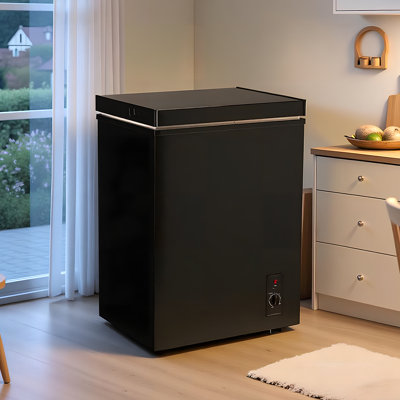
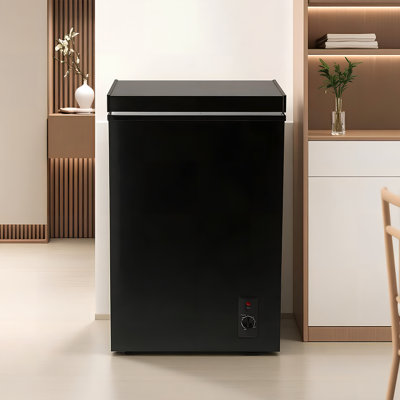
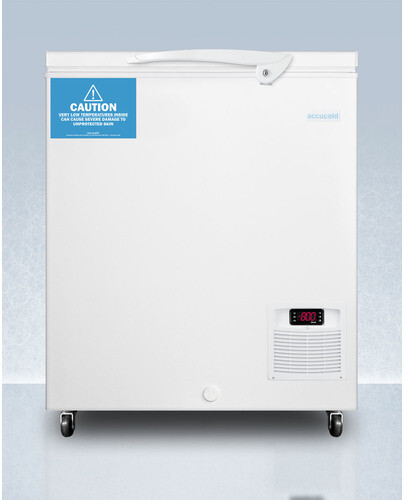
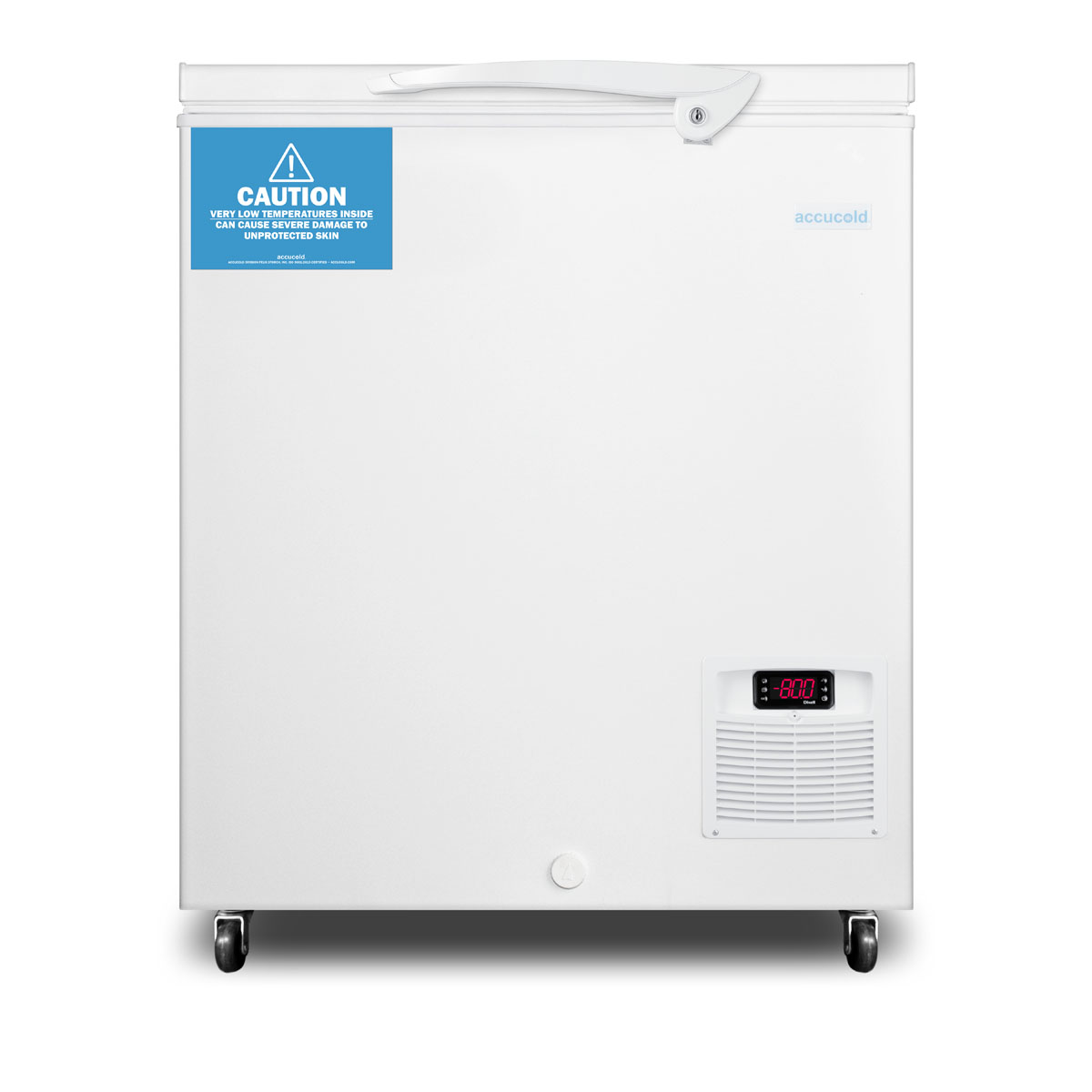
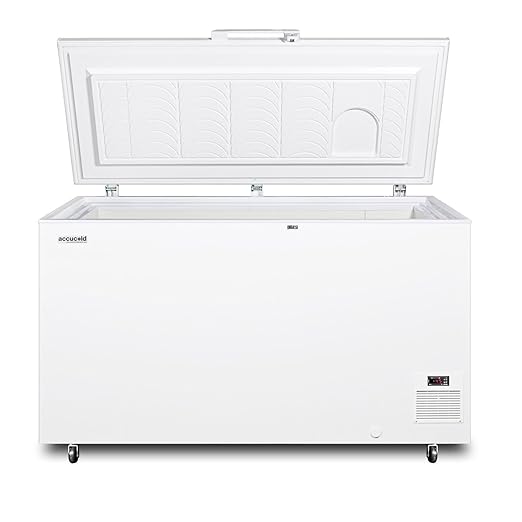
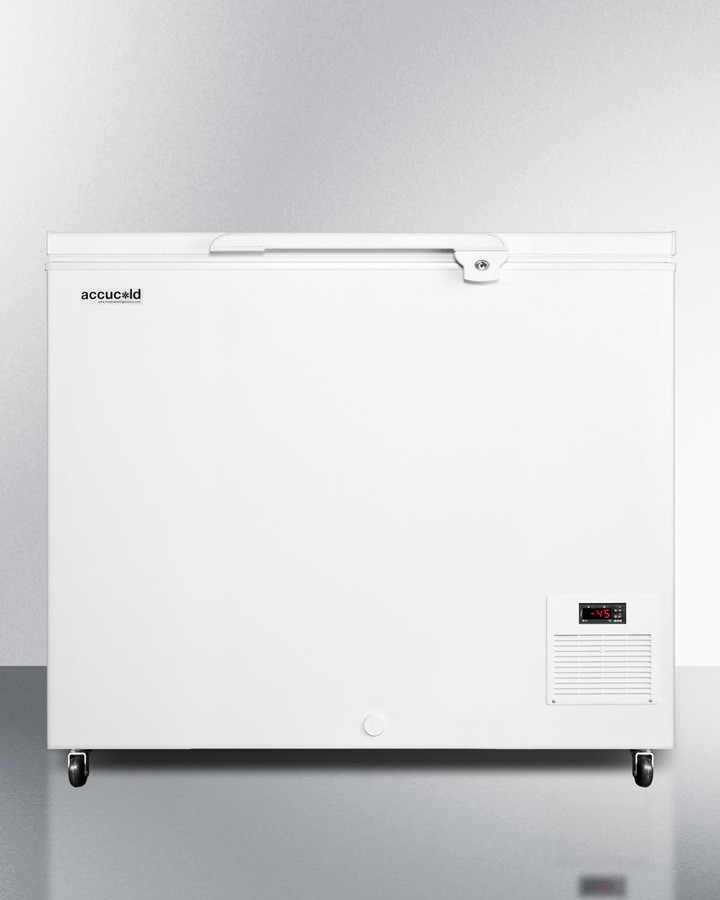
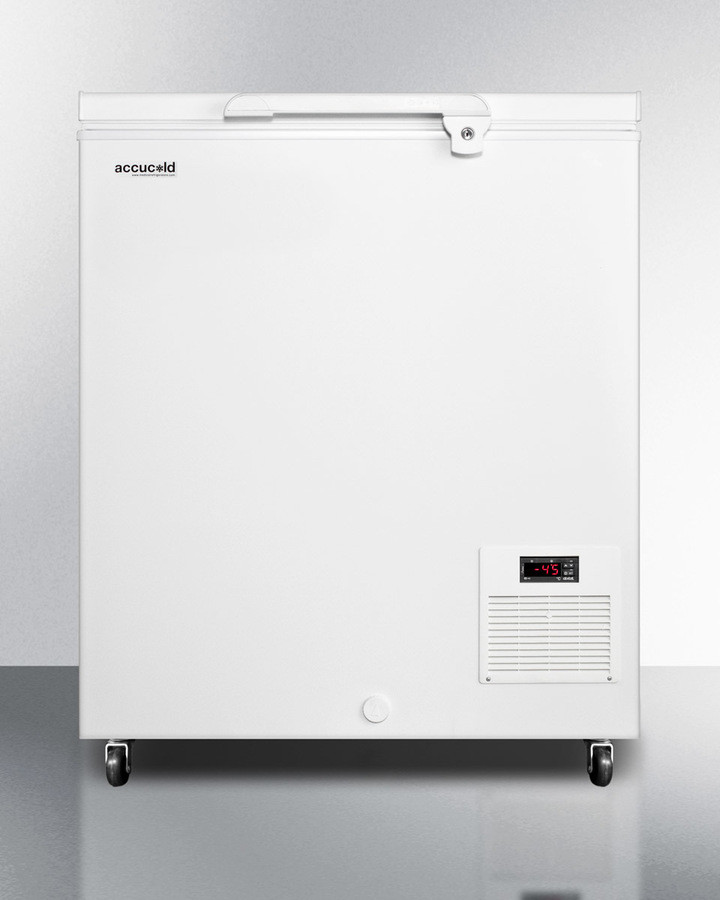
Getting a handle on how much power your chest freezer guzzles is key to managing those pesky energy bills and making sure it runs like a dream. Let's chat about why it's important to know what your freezer's up to and what fiddles with its energy use.
Why Bother With Power Consumption?
Being in the know about your freezer's energy habits is the ticket to smart energy use. Here's why paying attention matters:
Money Matters: By figuring out your freezer’s power appetite, you'll avoid surprise bills. Knowing this helps you plan your finances without scratching your head.
Cut Back and Save: When you understand your freezer's power use, you're better equipped to tweak habits and save a chunk of change by changing bad habits, like mindless opening and closing, or by just nudging that temperature dial.
Help Mother Earth: Slashing your energy usage isn’t just good for your pocket; it lightens your carbon footprint too, doing your bit for planet Earth.
What Tweaks Power Usage?
Your chest freezer’s power needs don’t operate in a bubble. Here’s what plays into how much juice it needs:
What Affects It
What's Going On
Warm Weather Hangover
If it’s toasty outside, your freezer’s gotta work overtime to keep cool. It’s like wearing a winter coat in summer – not fun.
Mind the Door
Every time you pop that lid, cold air peaces out and warm air crashes the party, making your compressor break a sweat.
Stuff it Right
Believe it or not, a packed freezer is like an Eskimo hut – it keeps cool better, needing less energy than when it’s empty.
Insulation Muscle
Good insulation is a freezer's best friend. It keeps things icy without extra effort, saving you those precious watts.
Temperature Tweak
There's no need to set it to Arctic levels; 0°F is just right. Cranking it down can freeze your wallet too.
Keeping an eye on these, you’ll know what’s what and can pull the right strings to keep your freezer from running wild. Who knew saving on electric bills could be this straightforward? For more clever ways to be an energy wizard, check Fridge.com energy-saving tips.
Figuring out how much energy your 7 cu ft chest freezer burns can be a game-changer for trimming those energy bills and making smart choices about how you use your appliances.
Watts Versus Kilowatt-Hours
Before you roll up your sleeves for the calculations, let’s be on the same page about watts and kilowatt-hours (kWh).
Watts are what you’re looking at to see energy usage speed. So, if your freezer's doing its thing at 150 watts, that’s exactly what it’s drawing at any second.
Kilowatt-Hours (kWh) are about energy over time. If a 150-watt beast runs for an hour, you’ve chalked up 0.15 kWh.
Here's a quick way to switch from watts to kilowatts: [ \text{Kilowatts} = \frac{\text{Watts}}{1000} ]
Getting a Handle on Energy Use for a 7 Cu Ft Chest Freezer
To ballpark the energy your 7 cu ft chest freezer is gulping, you gotta know its wattage first. Most fall somewhere between 100 and 200 watts, typically landing around the 150-watt mark.
Here's the go-to formula for daily power munching: [ \text{Daily kWh} = \frac{\text{Watts} \times \text{Hours used}}{1000} ]
If it's humming along all 24 hours, this is what you'd see:
Watts
Hours Used
Daily Energy Consumption (kWh)
100
24
2.4
150
24
3.6
200
24
4.8
In this lineup, a 150-watt freezer would gobble up about 3.6 kWh each day.
Wanna know how much that sets you back a month? Just take those daily kWh, multiply by 30 (days in a month), and hit up your local electricity rate (cost per kWh). If you’re being billed at $0.12 for each kWh, your monthly bill for that 150-watt freezer looks like:
For the 150-watt fellow: [ 3.6 \, \text{kWh} \times 30 \times 0.12 = 12.96 \, \text{USD} ]
Grasping watts and kWh, and knowing your freezer’s energy habits, can guide you in keeping the power bills in check. You might want to look into energy-savvy options and smarter usage to crank up that efficiency.
Energy Efficiency Tips
Keeping your 7 cu ft chest freezer humming along smoothly isn't just about saving energy— it's about putting a little extra change back in your pocket each month on those pesky electricity bills. So, let's dive into some clever yet simple tricks to keep your freezer working like a charm.
Smart Placement and Breathing Room
Alright, where you stick that freezer makes a great difference. Stick it somewhere cool and dry. Keep it at arm's length from sunny spots or heating appliances like stoves. Give it room to breathe, 'cause it needs a few inches around its sides and back to let air circulate.
Placement Tips
Good Moves
Keep away from heat sources
Stay at least 2 feet clear
Room to breathe
Leave 2-3 inches all around
Dodge the sunlight
Keeps things chilled evenly
Regular Check-Ups
Think of your freezer like you do a car—it needs a bit of TLC (tender loving care) now and then:
Coil Cleanup: Dust bunnies love to gather on these coils, making them work extra hard. So, make sure you tackle that chore a couple of times a year.
Seal the Deal: Check those door gaskets! A good seal keeps that cold party inside. If it's showing wear, time for a new one.
Defrosting Chores: No frost-free magic? Then roll up your sleeves when that ice hits thicker than ¼ inch because thick frost makes your freezer grind hard.
Maintenance Thingamajig
How Often
Coils need love
Every 6 months
Check them seals
Every 3 months
De-ice it
When ice goes too far
Getting Those Temps Right
Ah, the sweet spot of temperature settings can make all the difference. Aim for around 0°F (-18°C) for best results. Pop a thermometer in there sometimes to keep you honest. When the freezer feels more like a treasure trove of your dinner dreams, don't jam it awkwardly full; let air move around.
Keep an eye on it so the temp doesn't sneak down and burn extra energy doing not much at all.
Keep These in Mind
Temps to Stick To
Optimum chill
0°F (-18°C)
Safe ballpark
0°F to -5°F (-18°C to -20°C)
Don't go too chilly
Below -10°F (-23°C) isn't needed most times
Caring for your chest freezer can help it run like a star, keeping your food safe and your wallet happier. If you're still curious about which type of freezer's best for you, Fridge.com has the scoop on that too with comparisons among different styles of freezers.
Comparing Fridge Power Use
Choosing the right freezer involves checking out how much juice each type guzzles. Knowing the energy consumption can steer you toward the right pick for your pad.
7 Cu Ft Chest Freezer Vs. Other Sizes
The 7 cu ft chest freezer—it's a hit with households and those who love stocking up. But you've gotta know how it actually compares with other models when it comes to energy bills.
Freezer Size
Typical Power Use (kWh/year)
5 cu ft
200 - 350
7 cu ft
250 - 400
10 cu ft
350 - 600
15 cu ft
500 - 800
A 7 cu ft freezer strikes a sweet spot between being spacious and sipping power modestly. Sure, smaller ones sip even less, and the big ones might make the meter spin faster.
Chest Freezer Vs. Upright Freezer
When it comes to design, chest freezers and upright freezers each have their power quirks. Here's the lowdown:
Freezer Type
Typical Power Use (kWh/year)
Stuff to Keep in Mind
Chest Freezer
250 - 400
Sips less energy, hugs cold longer, usually friendly on the wallet
Upright Freezer
400 - 600
Easy to grab stuff, but not the best at holding the chill
Chest freezers win the energy game with solid insulation, keeping the chill intact even when you peek inside. Uprights, on the other hand, make it simple to reach stuff but can keep the energy meter buzzing.
Checking out how the 7 cu ft chest freezer stacks up to other models and styles gives you a good idea of what fits your energy needs and lifestyle. For more on cutting energy costs, why not peek at some tips on power-saving tricks and dive into related stuff?
Keeping an eye on how much juice your appliances are guzzling can trim your bill and cut back on your carbon footprint. Here's how to keep your 7 cu ft chest freezer from becoming a power-hogging monster.
Off-Peak Energy Usage
Tapping into electricity when the grid's chillin' can slash what you owe the power company. Off-peak hours are those lazy times when everyone else is catching Z's, like late at night or early morning. By planning when you open your freezer or run other power-suckers, you can snag a lower rate. Give your local energy folks a ring to suss out the cheapest times to flip the switch.
Energy-Saving Features
Today's chest freezers might as well wear capes with all the energy-saving goodies they pack. Look for ones that have:
Energy Star Ratings: These bad boys aren't just efficient—they're endorsed!
Insulated Walls: Packed tight to keep the cold in without cranking up the power.
Smart Thermostats: These brainiacs adjust temps by themselves, depending on what’s inside.
Using these nifty features means your freezer keeps cool without acting like an energy hog. Wanna geek out on energy-efficient stuff? Peep Fridge.com piece on the solar power freezer.
Using Timers and Thermostats
Timers and thermostats: your freezer's trusty sidekicks in saving power. Set a timer so it doesn’t run round the clock; this is gold during peak times when juice is priced high. With a thermostat, you get to pick the exact chill. Keeping it at a comfy 0°F (-18°C) stops it from working overtime to freeze your peas.
Feature
Benefits
Timers
Keeps running time in check, saving on energy.
Thermostats
Holds the perfect temp, which stops the engine from burning out.
For maintenance hacks that double down on efficiency, check out Fridge.com article on how to keep your deep freezer odor-free. Follow these tips and notice how much less energy your freezer munches on while keeping your grub icy fresh.
Frequently Asked Questions
Being in the know about your freezer's energy habits is the ticket to smart energy use. Here's why paying attention matters:. Money Matters: By figuring out your freezer’s power appetite, you'll avoid surprise bills. Knowing this helps you plan your finances without scratching your head. Cut Back and Save: When you understand your freezer's power use, you're better equipped to tweak habits and save a chunk of change by changing bad habits, like mindless opening and closing, or by just nudging that temperature dial. Help Mother Earth: Slashing your energy usage isn’t just good for your pocket; it lightens your carbon footprint too, doing your bit for planet Earth.