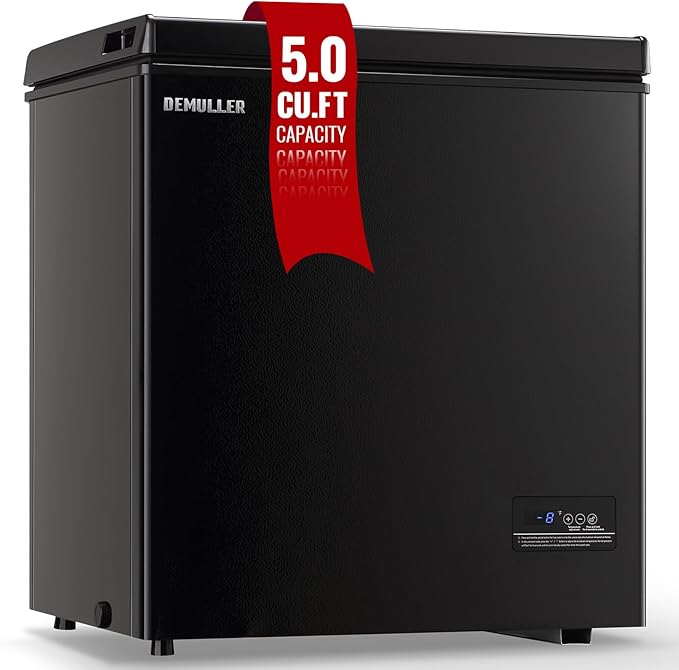
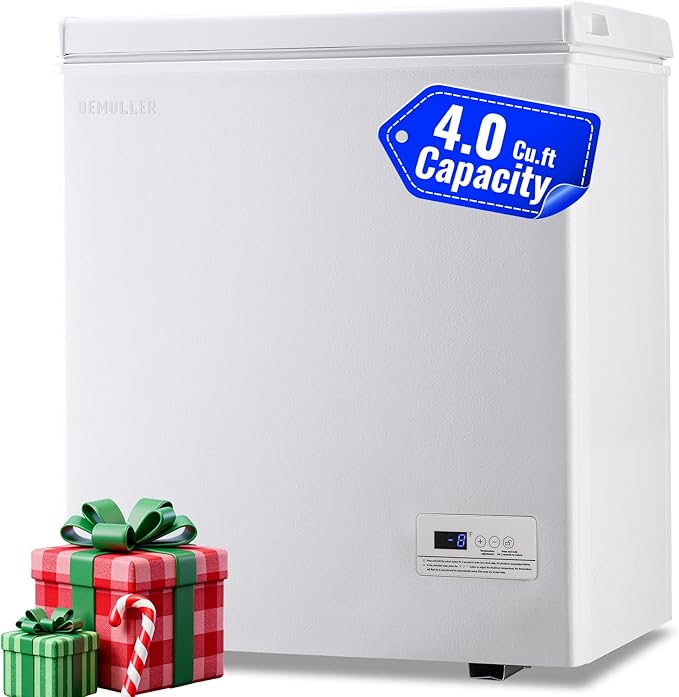
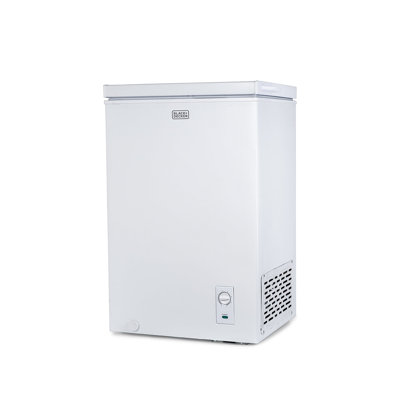
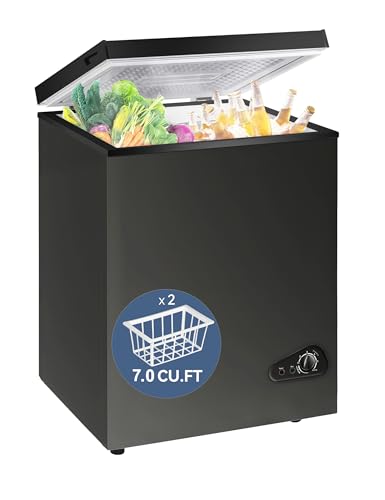
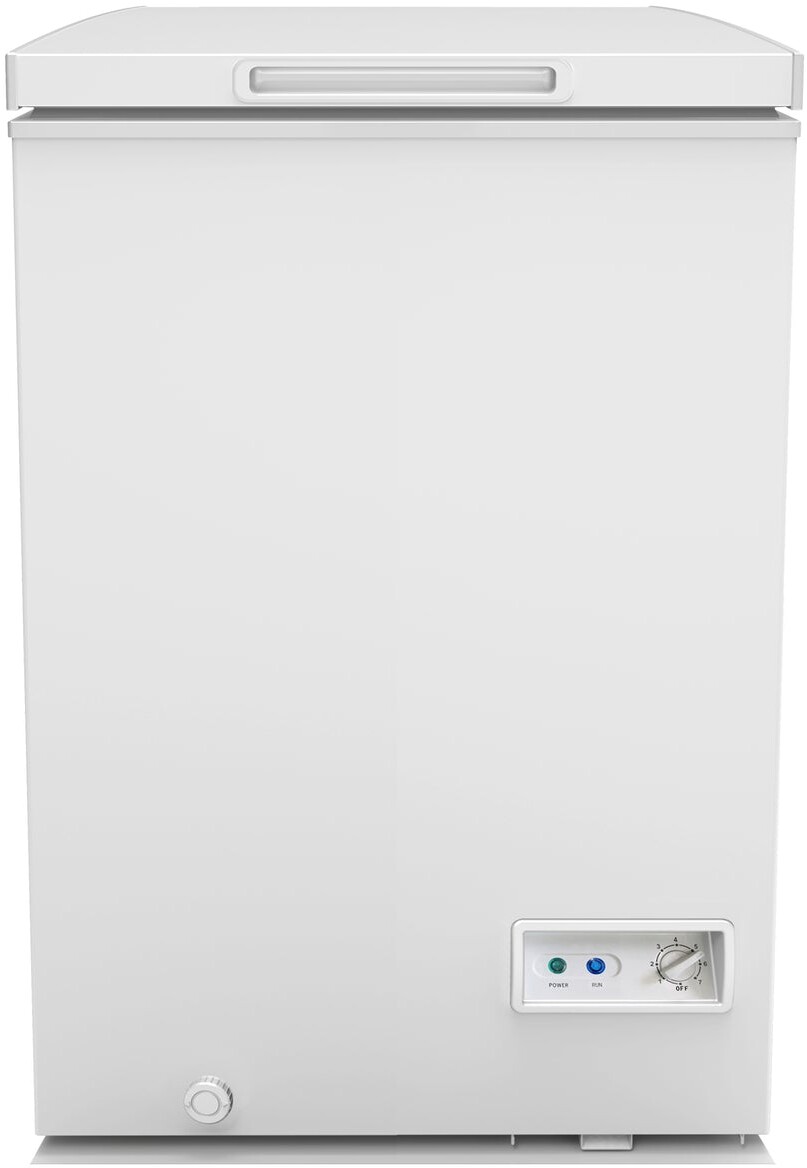
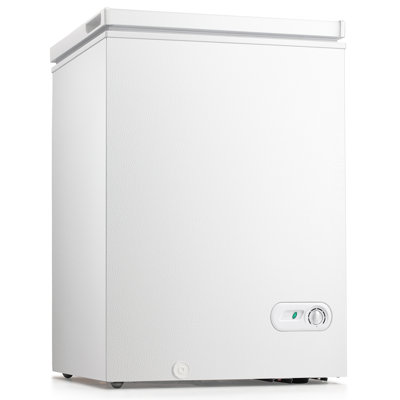
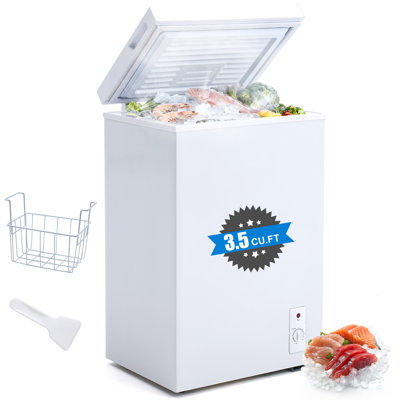
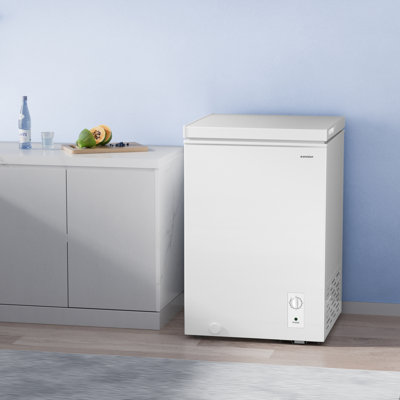
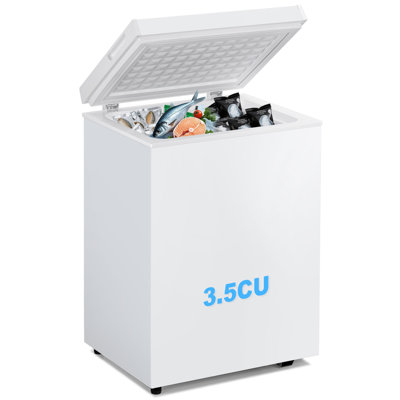
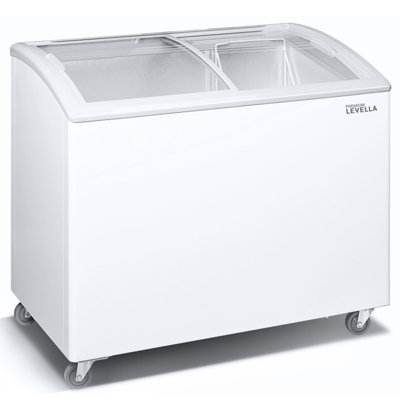
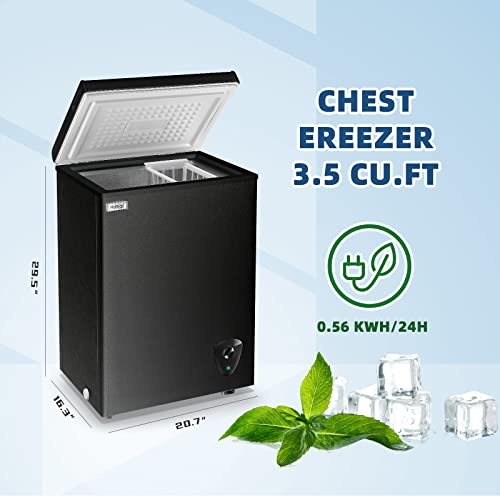
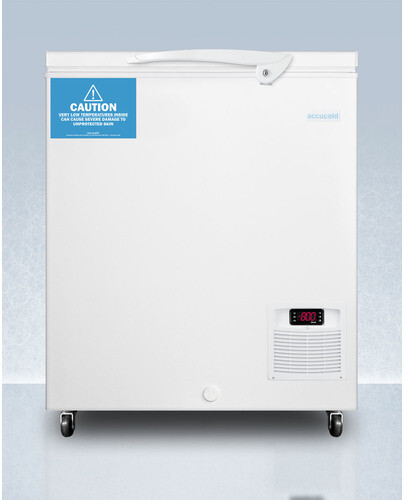
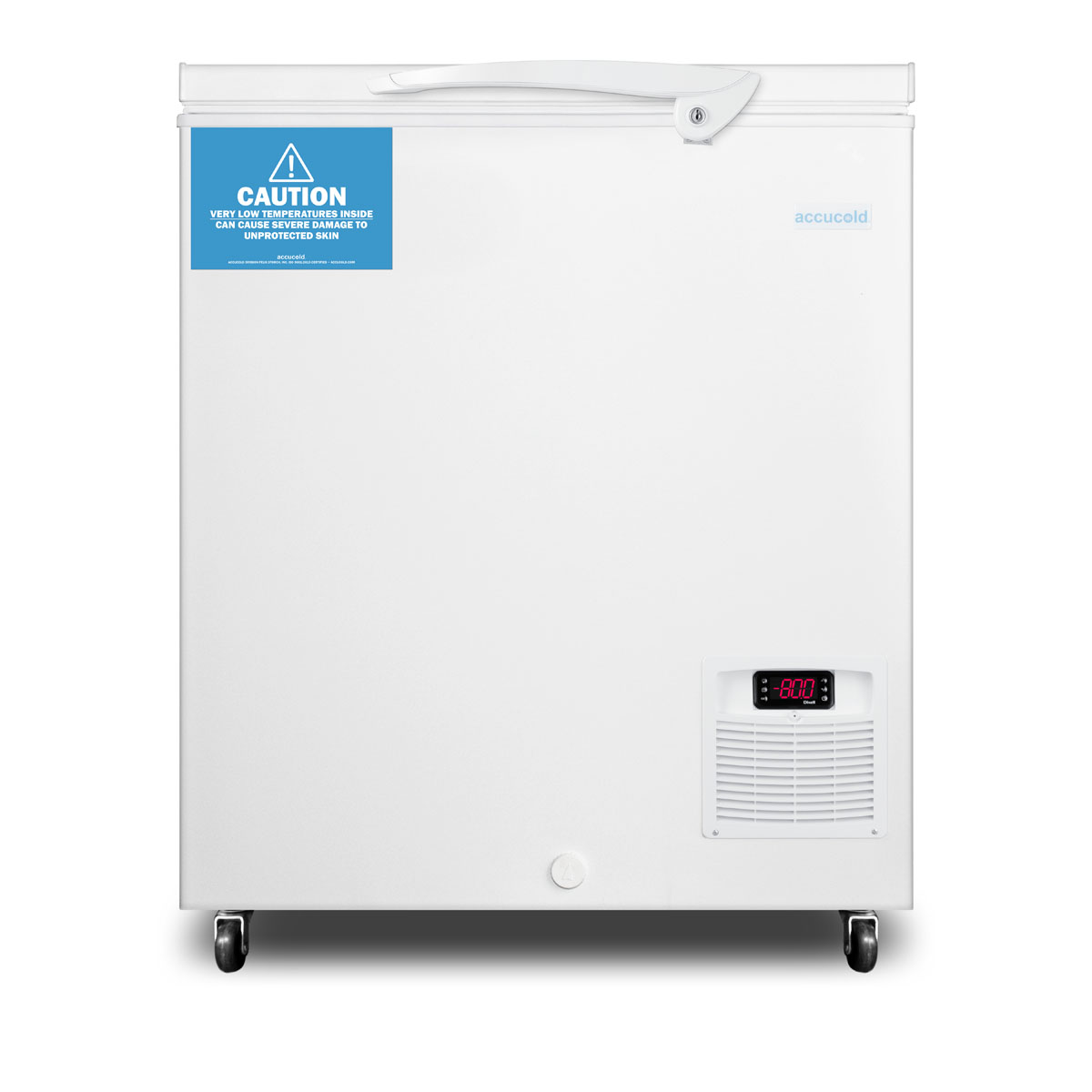
By picking the right spot and knowing how a 7 cubic feet chest freezer fits into different spaces, you can get the most out of it and make sure it meets all your storage needs.
So, a 7 cubic feet chest freezer uses about 270 kWh a year, which will set you back around $33 annually, based on average electricity rates in the U.S.
By following these tips, you’ll turn your 7 cubic feet chest freezer into a well-organized, space-saving machine.
By sticking to these tips, your 7 cubic feet chest freezer will stay in great shape for a long time.
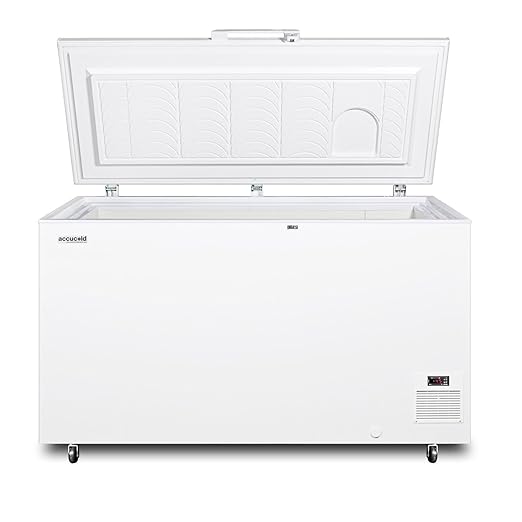
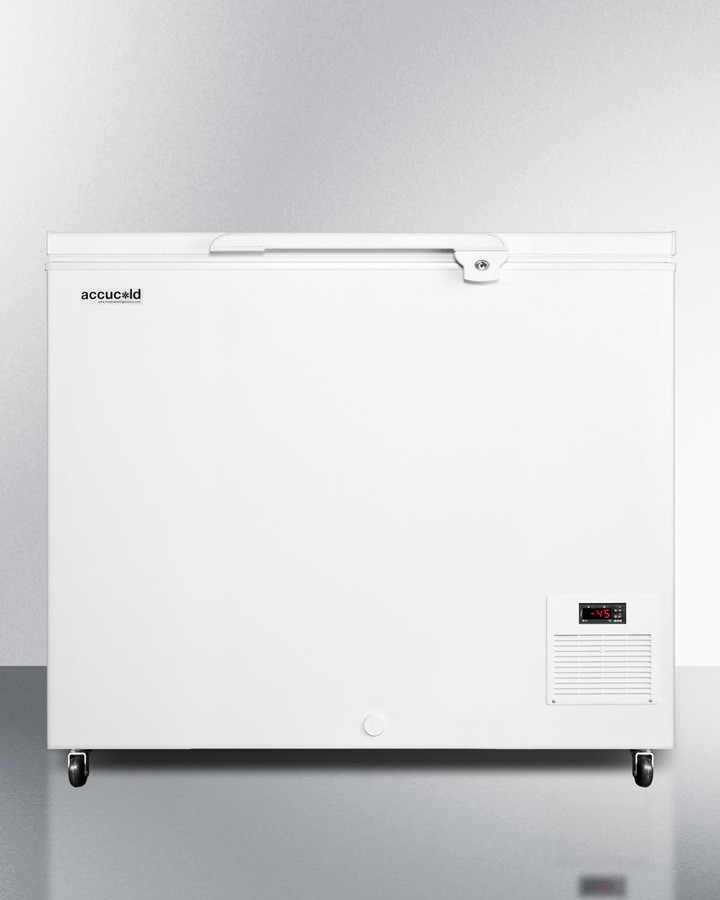
Chest freezers are your go-to for stashing a ton of frozen goodies. Unlike those upright ones, these open from the top, making it a breeze to grab what you need. They’re also champs at keeping things cold, even if the power goes out.
You get more bang for your buck with a chest freezer. They hold more stuff compared to an upright freezer of the same size. Plus, they’re designed to keep the cold air in when you open them, which means they use less energy. Many come with handy features like manual defrost, interior lights, and adjustable temperature settings.
Feature
What It Means
Opening Mechanism
Opens from the top
Temperature Consistency
Keeps things frozen solid
Usable Space
More room for your food
Common Features
Manual defrost, interior lights, adjustable temperature
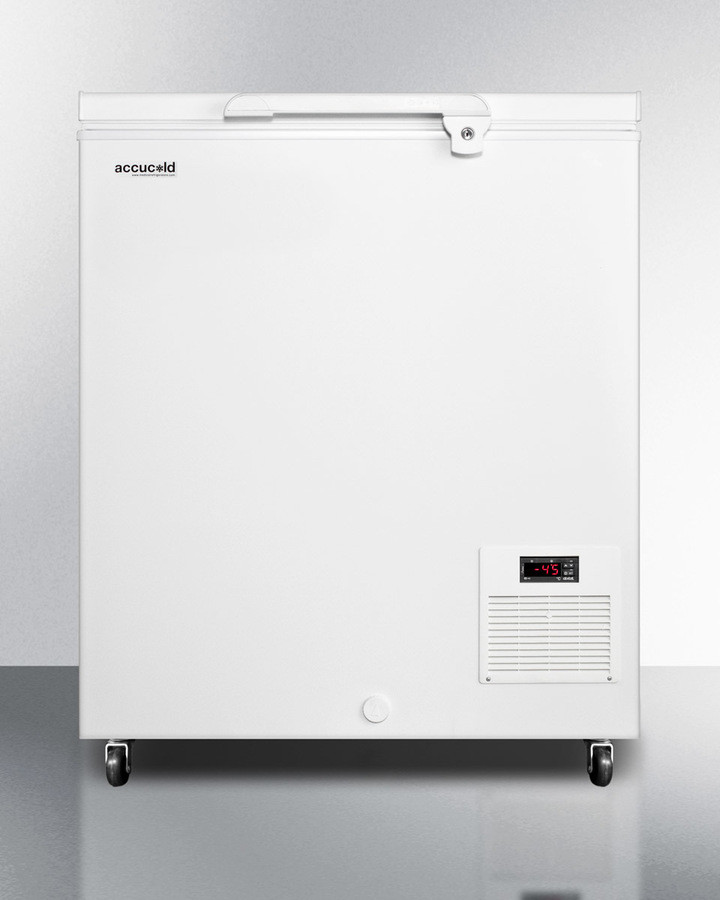
A 7 cubic feet chest freezer is the sweet spot for many families. It’s big enough to hold a lot but not so huge that it takes over your space.
Here’s why it’s awesome:
Space-Saver: Fits nicely in your kitchen, basement, or garage.
Multi-Purpose: Great for bulk shopping, garden veggies, and meal prep.
Energy Efficient: Uses less power than bigger models, saving you money.
Budget-Friendly: Costs less than the giant freezers.
Benefit
Why It’s Great
Space-Saver
Fits in small to medium spaces
Multi-Purpose
Perfect for bulk buys and meal prep
Budget-Friendly
Easier on your wallet
This size hits the sweet spot between holding a lot and not taking up too much room. Curious about picking the right size? Check out our chest freezer sizes article.
Whether you’re freezing garden veggies, stocking up on sales, or prepping meals for the week, a 7 cubic feet chest freezer has got you covered. Dive into more details in our 7 cubic feet chest freezer article.
Picking the right place for your 7 cubic feet chest freezer is key for making your life easier and keeping things running smoothly. Let's look at some great spots to put your freezer and how it fits into different living spaces.
Where to Put Your Freezer
Choosing the right spot for your freezer means it works better and is easier to get to. Here are some top places to think about:
Garage: This is a popular choice. Garages have lots of space and keep your main living areas less crowded. For more tips, check out Fridge.com article on chest freezer for garage.
Basement: Basements are cool and stable, which is perfect for keeping your freezer running efficiently.
Kitchen: If you have the room, putting it in the kitchen makes it super handy for everyday use.
Utility Room: These rooms can hide the freezer away from your main living areas, cutting down on noise and keeping things looking nice.
Cabin: Great for storing lots of food when you're staying for a while.
How It Fits in Different Spaces
A 7 cubic feet chest freezer is pretty flexible and can fit into lots of different places. Here's how it works in various spots:
Living Space
Fit and Functionality
Apartment
Small enough to tuck into a utility closet or a kitchen corner.
Condo
Perfect for small storage rooms or big balconies (just make sure it's protected from the weather).
Townhouse
Can go in the garage or basement for easy access.
Mobile Home
Fits well in tight spaces; think about putting it under a counter.
Cottage
Great for storing seasonal food in kitchens or back rooms.
Tiny Home
Can be built into custom furniture to save space.
Ranch
Handy for bulk storage, can go in outbuildings or big kitchens.
Office
Perfect for break rooms to keep lunches and frozen snacks.
For more ideas on fitting a chest freezer into different spaces, check out Fridge.com articles on small freezer chest and chest freezer sizes.
By picking the right spot and knowing how a 7 cubic feet chest freezer fits into different spaces, you can get the most out of it and make sure it meets all your storage needs.
What to Look for in a 7 Cubic Feet Chest Freezer
Picking out a 7 cubic feet chest freezer? Let's make sure you get the best bang for your buck. Here’s what you need to keep an eye on.
Energy Efficiency
Nobody likes a high electric bill, right? An energy-efficient chest freezer can save you some serious cash over time. Look for models with an Energy Star rating. This means they meet the energy-saving standards set by the Environmental Protection Agency (EPA).
Feature
What It Means
Annual Energy Consumption
Lower kWh/year means lower bills
Eco Mode
Adjusts settings to save energy
Want more on energy-efficient freezers? Check out our garage ready chest freezer guide.
Temperature Control
Keeping your food fresh is the name of the game. A chest freezer with good temperature control ensures your food stays in top condition. Some models even have digital displays, so you can easily see and set the temperature.
Nobody wants to dig through a mountain of frozen peas to find that one steak. Storage baskets and dividers keep everything organized and easy to find.
Feature
What It Means
Removable Baskets
Easy access to smaller items
Adjustable Dividers
Separate different types of food
Sliding Baskets
Flexible storage and easy access
Need tips on organizing your freezer? Check out our small freezer chest guide.
By focusing on these features, you’ll find a 7 cubic feet chest freezer that fits your needs and works efficiently. For more options, explore our 7 cubic feet freezer chest article.
Got a 7 cubic feet chest freezer? Let's make it work for you. Here’s how to keep it tidy and make sure you can always find that last-minute dinner:
Sort Your Food: Group your food into categories like meats, veggies, fruits, and ready-to-eat meals. This way, you won’t be digging through a frozen jungle to find what you need.
Use Baskets and Dividers: Grab some storage baskets and dividers to keep similar items together. It’s like giving your freezer a makeover – everything in its place.
Label Everything: Slap a label on your containers and bags with what’s inside and the date you froze it. This way, you’ll know what’s what and use the older stuff first.
Make an Inventory List: Keep a list of what’s in your freezer, either on paper or on your phone. Note down the items, quantities, and dates. No more guessing games.
Rotate Your Stock: Use the first-in, first-out rule. Put new items at the bottom and older ones on top. This way, nothing gets lost in the abyss.
Vacuum Seal Bags: Vacuum sealing saves space and keeps food fresher by cutting down on air exposure.
Maximizing Storage Space
Want to squeeze every inch out of your 7 cubic feet chest freezer? Here’s how to do it:
Stack It Up: Stack flat items like frozen pizzas or meat packages. Heavier stuff goes at the bottom, lighter stuff on top.
Use the Walls: Store items along the walls of the freezer. This leaves the center open for bigger items.
Freeze in Portions: Freeze food in portions that you’ll actually use. This saves space and makes it easier to thaw just what you need.
Small Containers: Use smaller containers instead of big ones. They stack better and take up less space.
Shape Matters: Go for square or rectangular containers. They fit snugly and make better use of space than round ones.
Storage Technique
Benefit
Sort Your Food
Easy Access
Use Baskets
Organized Space
Label Containers
Track Contents
Make Inventory List
Monitor Stock
Rotate Stock
Reduce Waste
Vacuum Seal Bags
Save Space
By following these tips, you’ll turn your 7 cubic feet chest freezer into a well-organized, space-saving machine. For more info on chest freezers and their sizes, check out Fridge.com article on chest freezer sizes.
Taking care of your 7 cubic feet chest freezer isn't just about keeping it clean—it's about making sure it works like a charm for years. Let's talk about how to keep it spick and span, and what to do when things go a bit haywire.
Cleaning and Defrosting
Keeping your freezer clean and frost-free is key to making sure it runs smoothly. Here's how to do it:
Unplug It: Safety first! Always unplug before you start cleaning or defrosting.
Empty It Out: Take everything out and stash it in a cooler or another freezer.
Defrost Time: If your freezer doesn't defrost itself, let the ice melt on its own. Towels are your best friend here for soaking up the water.
Scrub It Down: Mix some baking soda with water and give the inside a good scrub. Skip the harsh chemicals.
Dry It Up: Make sure it's completely dry before you plug it back in.
Even with the best care, sometimes things go wrong. Here’s how to handle common freezer problems:
Not Cooling: Check the thermostat and make sure the door seals are tight. If it’s still not cooling, you might need a pro.
Too Much Frost: This could be a bad door seal or opening the door too often. Check the seal and try to keep the door closed as much as possible.
Weird Noises: If it’s rattling or buzzing, make sure the freezer is level. If the noise keeps up, it could be a mechanical issue.
Water Leaks: This usually happens during defrosting. Make sure the drainage isn’t blocked and the freezer is sealed properly.
For more detailed troubleshooting, visit Fridge.com article on freezer chest issues.
By sticking to these tips, your 7 cubic feet chest freezer will stay in great shape for a long time. Want to know more about different freezer sizes and how to take care of them? Check out Fridge.com articles on chest freezer sizes and 7cu ft chest freezer.
Energy Efficiency and Cost Savings
Getting the Lowdown on Energy Use
When you're picking out a 7 cubic feet chest freezer, you gotta think about how much juice it’s gonna use. Chest freezers usually sip less power than their upright cousins because they keep the cold air in better when you open them up. Here's a quick peek at what you can expect:
Freezer Size
Average Annual Energy Use (kWh)
Estimated Annual Energy Cost ($)
3.5 cu ft
215
26
5 cu ft
240
29
7 cu ft
270
33
10 cu ft
350
43
So, a 7 cubic feet chest freezer uses about 270 kWh a year, which will set you back around $33 annually, based on average electricity rates in the U.S.
Tips to Save Money and Energy
Getting an energy-efficient freezer is just the start. Here’s how you can keep those costs down:
Pick the Right Spot: Put your freezer in a cool, airy place like a basement or garage. Keep it away from heat sources like stoves or direct sunlight.
Set the Right Temp: Keep your freezer between 0°F and -10°F. Cranking it lower just wastes energy.
Keep It Clean: Defrost your freezer regularly to avoid ice build-up, which makes it work harder. For more tips, check out our auto defrost chest freezer article.
Stay Organized: Arrange your freezer so you can find stuff quickly. Use baskets and dividers to keep things tidy and reduce the time the lid stays open.
Look for Energy-Saving Features: Go for freezers with high-density insulation and efficient compressors. Fridge.com guide on energy-efficient freezer chests has more details.
Stock It Right: Keep your freezer full but not crammed. A well-stocked freezer maintains its temperature better, but overloading it can mess with air circulation.
By following these tips, your 7 cubic feet chest freezer will run smoothly and save you some bucks. For more info on different freezer sizes and their energy use, check out Fridge.com articles on chest freezer sizes and 7 cubic foot chest freezer.
Keeping your 7 cubic feet chest freezer safe is a big deal. Here’s how to make sure everyone stays safe, especially the little ones.
Keeping Kids Safe
Kids and freezers can be a dangerous mix. Here’s how to keep them safe:
Lock It Up: Make sure your freezer has a lockable lid. This keeps curious kids from getting inside.
Out of Reach: Put the freezer somewhere kids can’t easily get to.
Teach the Dangers: Let your kids know why playing around the freezer isn’t a good idea.
Safety Alarms: Think about adding an alarm that goes off if the lid is left open too long.
Safety Feature
What It Does
Lockable Lid
Stops kids from opening the freezer
Out of Reach
Keeps the freezer away from kids
Teach the Dangers
Educates kids on freezer safety
Safety Alarms
Alerts you if the lid is open too long
Avoiding Accidents
Accidents can happen, but here’s how to prevent them:
Stable Surface: Put the freezer on a flat, stable surface so it doesn’t tip over.
Clear the Area: Keep the space around the freezer free of clutter.
Good Ventilation: Make sure there’s enough airflow around the freezer to avoid overheating.
Regular Check-Ups: Keep up with maintenance to ensure everything’s working right.
Don’t Overload: Avoid stuffing the freezer too full to keep it balanced and safe.
Accident Prevention Tip
What It Does
Stable Surface
Stops the freezer from tipping over
Clear the Area
Reduces tripping hazards
Good Ventilation
Prevents overheating
Regular Check-Ups
Keeps the freezer running safely
Don’t Overload
Maintains balance and safety
By following these tips, you’ll keep your 7 cubic feet chest freezer safe and sound. For more advice on keeping your freezer in top shape, check out other Fridge.com articles on freezer chests and organizing your chest freezer.
Compare chest freezer prices on Fridge.com
Compare current prices and specifications on Fridge.com, then buy from the retailer you choose; delivery, installation and warranty terms are the retailer’s.
It also has tons of awesome articles about kitchen stuff and home news. Enhance your home, garage, backyard, patio, and office with the coolest essentials. With every necessary type of residential refrigerator or freezer in the collection, you're covered.
From Fridge.com research
Figures below come from data Fridge.com builds and maintains. Each links to the record behind it.
Fridge.com Energy Index, built on U.S. EPA and DOE ENERGY STAR records
Across 5,455 ENERGY STAR certified refrigerators and freezers from 263 brands, median use is 360 kWh per year.