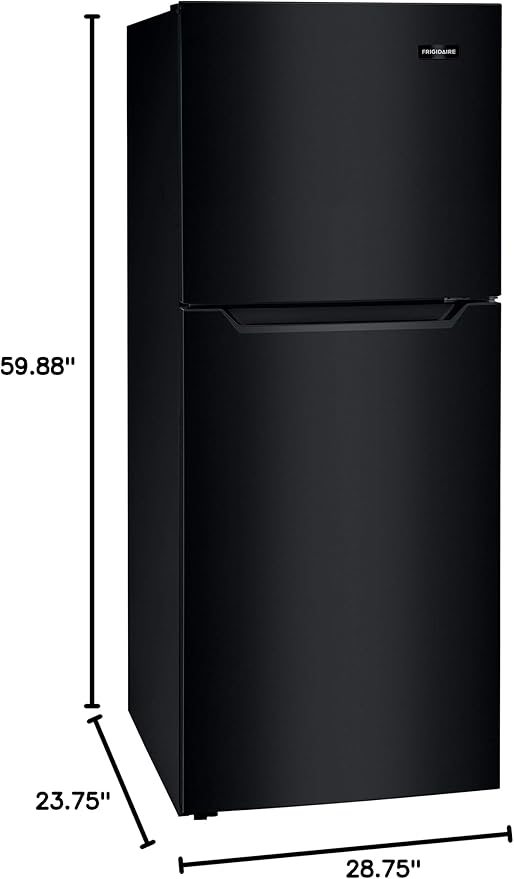
A compact fridge can hold plenty of flavor, especially when it comes to Egyptian cuisine. If you’ve ever wondered which foods truly define an Egyptian kitchen, you’ll often find at least 3 condiments every Egyptian cook has in their fridge. These special sauces and pickles aren’t just add-ons, they’re the heart of many beloved dishes, bringing bold tastes and comforting warmth to every meal.
Picture this: you pop open your refrigerator freezer and pull out a small glass jar. Instantly, you’re surrounded by the aroma of sesame, garlic, or tangy lemon. Sounds amazing, right? Below, you’ll learn about three signature condiments, why they’re essential for Egyptian food, and how to ensure they taste as fresh on day ten as they did the first time you opened them.
Stock up on Tahina
Tahina (also spelled “tahini”) is a creamy sauce made from sesame seeds. You’ve probably seen it drizzled over falafel, shawarma, or grilled veggies. While tahina itself is also an ingredient in Middle Eastern dips, an Egyptian-style tahina sauce usually includes lemon juice, garlic, and a pinch of salt. It’s smooth, nutty, and oh-so-versatile.
Explore tahina’s core ingredients
Most tahina paste starts with hulled sesame seeds that are lightly toasted. This paste on its own is thick and can sometimes separate into layers of oil and solids. When you’re making an Egyptian-style sauce at home, you’ll whisk that sesame seed paste with lime or lemon juice, finely minced garlic, and just enough water to reach a pourable consistency.
Sesame seeds: the base of all tahina pastes
Lemon or lime juice: helps balance the richness
Garlic: optional but common, adding an earthy sting
Water: thins the paste into a sauce
How Egyptians use tahina sauce
Egyptians love to pair tahina sauce with practically everything savory. Think of it as a universal sidekick to roasted eggplant, grilled chicken, or even fresh salad greens. You’ll often find it served in small bowls alongside fresh bread. Some families even consider it the “prized sauce” at the dinner table, as it’s both comforting and packed with flavor.
No wonder it’s regularly stocked in every kitchen fridge. If you’ve bought or whipped up a big batch, you can quickly transform leftover veggies or grilled meats into a brand-new meal. And if you’re a fan of healthy snacking, try dipping raw carrot sticks or cucumber slices in a chilled bowl of tahina. It’s a refreshingly light option that’s still satisfying.
How to store tahina properly
Storing tahina sauce is simple. But first, let’s clarify the difference between pure tahini paste (the sesame seed base) and the prepared sauce. The raw paste is typically shelf-stable before you open it, and it can hang out in your pantry for several months. Once you open it and mix in other ingredients, though, you’ll want to seal it tightly and keep it refrigerated.
Use a small, airtight container to reduce exposure to air.
Stir gently if you notice any oil separation, this is perfectly normal.
For the best flavor, consume homemade sauce within a week or two.
Don’t toss it if it thickens. A little warm water or extra lemon juice can revive that smooth texture.
Adjust garlic to taste. Some Egyptians adore a strong bite, while others prefer only a hint.
Splash in chili flakes or paprika for extra color and subtle heat.
Drizzle over roasted cauliflower, eggplant, or fresh salad greens for a quick flavor boost.
Tahina sauce is incredibly forgiving. Even if you’re not used to cooking Middle Eastern food, you’ll find it easy to prepare and personalize. Bring it to your next family dinner, and watch as that big bowl of tahina disappears faster than you can say “sesame.”
Shatta is that addictive chili spread you didn’t know you needed. Think of it as a spicy companion that can transform an ordinary sandwich, soup, or plate of rice into something bold and memorable. Egyptians use this hot sauce in countless ways, and if you love adding a little kick to your dishes, you’ll soon be sneaking a spoonful or two into your lunch or dinner.
Understand what shatta is made of
Shatta’s base ingredients are fresh hot peppers, vinegar, and salt. Garlic and other spices like cumin or coriander often jump in for extra depth. You might find red shatta or green shatta, depending on the peppers. Red shatta tends to be slightly sweeter, while green is sharper. Both can deliver that tear-inducing spiciness if you pick peppers on the hotter side.
Hot peppers: typically pickled or blended raw
Vinegar: preserves the peppers and adds tang
Salt: essential for flavor and preservation
Optional extras: garlic, coriander, cumin, or lemon zest
Why every Egyptian cook has shatta
Ask any Egyptian home cook what they reach for when a dish lacks spark, and they’ll likely say shatta. Maybe you’ve got some grilled chicken on your plate, or a bowl of vegetable soup that’s tasting a bit too mild. Just stir in a teaspoon of shatta, and you’ve instantly got a vibrant, dynamic flavor. Because it’s vinegary, spicy, and tangy, it works well as a marinade base too. Rub shatta onto cubed lamb or chicken an hour before roasting, and you’ll get juicy, fiery bites bursting with personality.
Safe, simple storage tips
Homemade shatta keeps well in the fridge, as vinegar and salt act as natural preservatives. Properly sealed, it can last a month or more, though you might notice the peppers gradually lose their bright color over time. That’s normal, and as long as it smells and tastes fine, it’s usually still good to go.
Use a small, sterilized jar to help preserve flavor and color.
Keep the jar tightly closed, especially if you have strong-smelling items like onions or cheese in your fridge.
If any mold forms or it develops an off smell, discard immediately.
Feel free to tuck your shatta behind the pickles in your kitchen fridge. It’s fine to store on the door shelf as well, just be sure your refrigerator’s temperature is consistently cool.
Making your own: a quick method
Ever wanted to create custom condiments that align exactly with your spice tolerance? It’s surprisingly easy to whip up your own shatta. Just wear gloves if you’re cutting spicy peppers, because the oils can irritate your skin.
Pulse fresh chili peppers (seed them if you prefer milder heat) in a food processor.
Add vinegar, salt, and any extra spices you love, such as ground cumin.
Stir, taste, and adjust until it’s just right.
Transfer into a clean jar and store in the fridge.
Ways to use shatta
Dab on grilled fish or shrimp for a zesty finish.
Mix a spoonful into yogurt or mayo for a tangy sandwich spread.
Whisk into soups or stews near the end of cooking.
Serve as a table condiment alongside roasted potatoes or fried eggplant.
If you’ve never tried a chili sauce like shatta before, take it slow. A small spoonful goes a long way. Pretty soon, though, you might find yourself adding it to scrambled eggs, avocado toast, or anything else you think needs a little fiery fun.
Try pickled lemons now
Pickled lemons are a tangy, slightly salty staple in Egyptian homes. They’re typically made by preserving whole lemons in brine, sometimes with spices like chilies, cumin seeds, or bay leaves. The result? Soft, fragrant lemons that are a punch of brightness in countless dishes. If you love that zing of citrus, you’ll find these pickles downright irresistible.
Why pickled lemons matter in Egyptian cooking
Lemons are a big deal across the Middle East, and Egypt is no exception. Turning fresh lemons into preserved, jarred pickles is a time-honored way to capture flavor and extend shelf life. Long before refrigerators were widespread, pickling was a practical solution to keep produce from spoiling in the heat. Even though modern freezers and fridges are common now, this tradition remains because it delivers a robust, unique taste.
Egyptian pickled lemons aren’t just for show, either. You’ll see them sliced into stews, mashed into sauces, or used as a marinade ingredient for poultry and fish. The bitterness dims, and a slight hint of sweetness can emerge after months in brine. It’s a balance you’ll want to experience if you’ve never tried it.
How to prepare pickled lemons at home
If you can’t find store-bought jars, making your own is simpler than you’d think. You just need fresh lemons (preferably thin-skinned), coarse salt, clean water, and a jar that seals well.
Scrub lemons thoroughly to remove any wax or dirt.
Cut them lengthwise into quarters but keep the base intact so they remain in one piece.
Pack them into a jar with generous amounts of salt.
Fill the jar with fresh lemon juice or salty water (depending on your recipe).
Tighten the lid, then let them sit at room temperature for a few weeks, shaking the jar every couple of days.
After that, move them into your fridge or a cool place. The longer they sit, the deeper the flavor gets. Some folks wait at least a month before popping them open, while others like to sample them earlier for a less intense bite.
Using pickled lemons in dishes
There’s no shortage of ways to use pickled lemons. Want to perk up a soup? Toss in a wedge or two. Feeling creative? Purée them (rind included) into a sauce for roasted cauliflower. Their tang can also anchor a salad dressing, simply combine finely chopped pickled lemon rind with olive oil, fresh herbs, and a bit of garlic.
Finely dice and stir into rice for a bright side dish.
Blend into salsa or dip for a citrus twist.
Add to chicken tagine or braised lamb for extra dimension.
Mash with chopped parsley and black pepper for a zesty condiment.
Storage suggestions
After pickling, these lemons can last in the fridge for several months, assuming they’re covered well by the brine. Always use a clean utensil when fishing out a wedge. Introducing outside bacteria can cause spoilage. Keep an eye on any cloudiness or unusual growth. Although cloudiness can be normal as the lemons ferment, trust your nose, if it smells funky, it’s time to let them go.
Now that we’ve uncovered the core details of tahina, shatta sauce, and pickled lemons, how do you actually keep them organized or decide which to pull out for dinner? Let’s be honest, busy families often juggle many sauces, jars, and leftovers in the fridge. Luckily, these three condiments pair nicely with a huge range of meals, so working them into your routine isn’t tricky at all.
A quick comparison table
Below is a snapshot of how these condiments differ in essence, ensuring you know exactly what you’re reaching for in your fridge:
Condiment
Primary Ingredients
Taste Profile
Typical Shelf Life
Common Uses
Tahina Sauce
Sesame paste, lemon, garlic
Creamy, nutty, slightly tangy
~1-2 weeks
Drizzling on falafel, fresh salads, dips
Shatta Sauce
Chili peppers, vinegar, salt
Spicy, tangy, slightly sour
~1+ month
Marinade base, table condiment, sauces
Pickled Lemons
Whole lemons, salt, water
Tangy, salty, a bit sweet
Several months
Stews, marinades, spice rubs, dressings
Keeping your fridge in check
Condiments can pile up quickly. Before you know it, one jar is hidden behind the milk, and another is teetering on the edge of a shelf. To avoid losing your new favorites in the depths of the fridge, do a simple reorg session:
Group your sauces: Keep all chili-based condiments together. Place lemony or citrus-based condiments on another shelf.
Label and date: Especially if you’ve made them yourself. A quick note can help you remember how long each jar has been sitting.
Maintain consistent temperature: Most fridges hover around 37-40°F (around 3°C). If your fridge temperature is erratic, check your seals or upgrade to a more reliable model. If you’re looking to reorganize, see kitchen fridge for helpful tips on sizing and installation.
Use see-through containers: Clear jars or containers let you instantly gauge how much is left and whether it’s still fresh.
Fun ways to mix and match
Ever played with combining condiments? Shatta’s heat can offset tahina’s creamy richness. Spread tahina on a warm pita, add a tiny dollop of shatta, and toss in some crumbled feta cheese. Or, chop up a wedge of pickled lemon and swirl it into a tahina dip. You’ll get tang, creaminess, and a subtle punch all in one.
If you’re hosting a Middle Eastern-inspired dinner party, put all three of these jars on the table. Let guests build their perfect flavor combos. Some might slather tahina on roasted eggplants, while others dab their roasted chicken with shatta. And at least one adventurous friend will try layering pickled lemon slices on their plate for a bold citrus blast.
Entertaining with these condiments
Need to impress your guests but want minimal fuss? Combine three easy appetizer ideas:
Mini falafel bites: Drizzle with tahina and top with a sliver of pickled lemon.
Spice-roasted potatoes: Serve with small bowls of shatta for dipping.
Warm pita wedges: Perfect for scooping up extra tahina or layering with lemon pieces.
That’s it, three bites, all featuring the condiments that define Egyptian home cooking. Everyone leaves with a happy palate, and you don’t have to rummage around for complicated ingredients. These condiments hold up well at room temperature for a short period, so you won’t be rushing to stash them back in the fridge the second friends arrive.
Consider dietary preferences
Given how central bread is in Egyptian cuisine, you may be concerned about gluten-free guests. The good news? Both tahina and shatta sauces are generally gluten-free, as are pickled lemons, as long as you’re using pure ingredients. You can easily swap out pita bread for gluten-free crackers, or just set out plenty of fresh veggies. The flavors remain outstanding no matter what you’re dipping.
For those who watch their salt intake, you might want to reduce salt in the shatta sauce or do a partial rinse on a pickled lemon wedge before adding it to your dish, especially if you pickled it with a heavy hand. Tahina sauce can also be prepared with minimal salt, letting the lemon juice and garlic shine.
Overcoming condiment fatigue
You might think, “Great, I’ve got these three jars, but what if I get bored?” Don’t worry. Each one morphs nicely into different recipes. For instance, you could mash some pickled lemon into a softened butter as a finishing touch for grilled fish or corn on the cob. You can drizzle tahina over sweet potatoes and top them with a sprinkle of chili flakes. You’re likely to keep discovering new uses once you start playing around. The key is to treat these condiments as flavor boosters that complement a wide variety of meals.
Troubleshooting common issues
Tahina sauce separating: Give it a quick stir or whisk, and if it’s too thick, add a splash of water or lemon juice.
Shatta sauce turning darker: This is normal as chilies oxidize. If it smells okay, it’s likely fine.
Pickled lemons forming slight cloudiness: Often part of the fermentation process. Discard them only if you see mold or pick up an unpleasant odor.
So, are you ready to fill your fridge with bright flavors? The three condiments every Egyptian cook has in their fridge, tahina sauce, shatta sauce, and pickled lemons, cover a remarkable flavor spectrum. You get creamy nuttiness, bold heat, and tangy citrus all in a handful of simple, fridge-friendly jars. Keeping them on hand means you can whip up an Egyptian-inspired meal without much effort.
Don’t underestimate the power of a quick drizzle or a small dollop. Maybe you’re hosting friends, wanting a nod to Middle Eastern cuisine in your weekly meal plan, or simply craving something unique. With these three go-to condiments, all you have to do is reach into your fridge and add a spoonful of instant flair to your cooking. Give them a try, experiment with new recipe ideas, and watch your everyday dishes transform into something vibrant and memorable.
Feel like diving deeper into storing everything efficiently? From produce to big platters of leftovers, your refrigeration choices can make a huge difference. If you’re curious about adjusting your setup or want to explore more storage tips for flavor-packed creations, you can always reference user-friendly guides like kitchen fridge. Whether you’re cooking for yourself, your family, or a crowd of hungry guests, you’ll appreciate having these Egyptian favorites at the ready.
Give tahina, shatta, or pickled lemons a whirl next time you’re in the mood for something new. Who knows, you might find yourself dunking everything in creamy sesame sauce, spicing up your eggs with a swirl of chili, or brightening up your salads with lemony bursts. Once these staples become part of your routine, you’ll see why Egyptian cooks treasure them so much. Enjoy, and happy flavor hunting!
Free tool
Cooking Temperature Converter
Free interactive tool from Fridge.com — get a quick answer while you read.