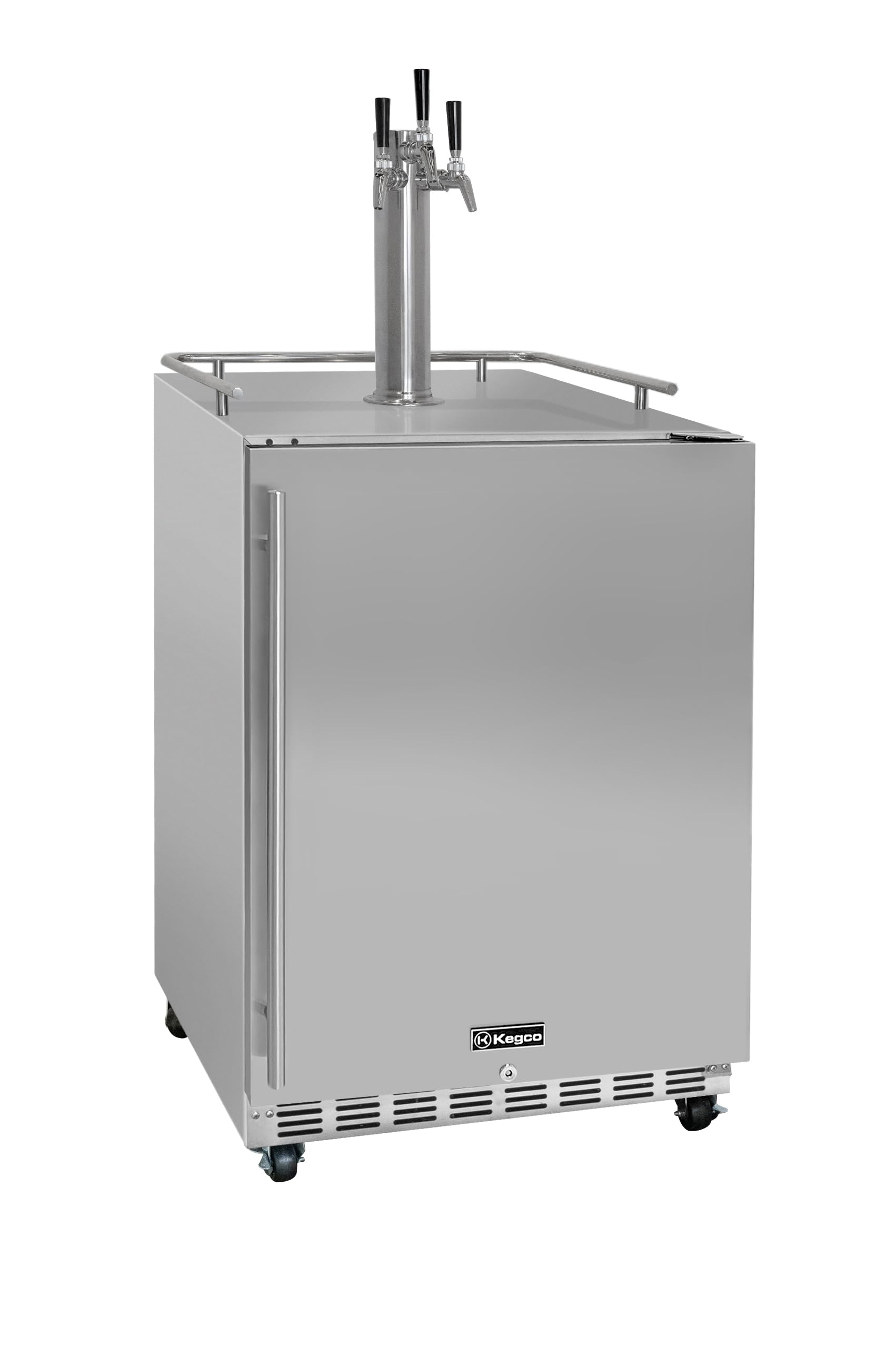
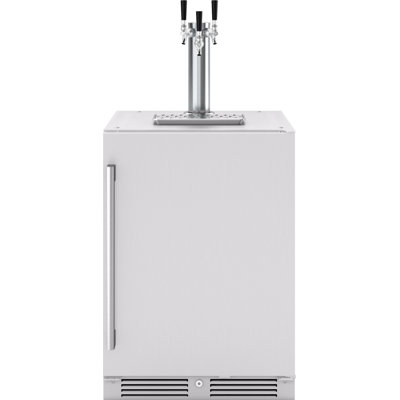
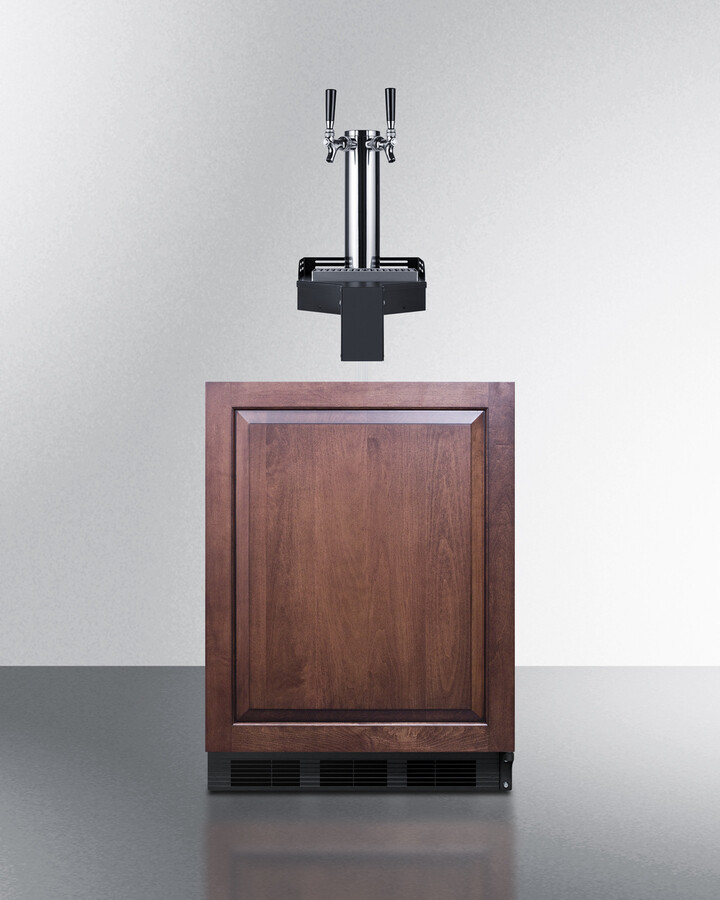
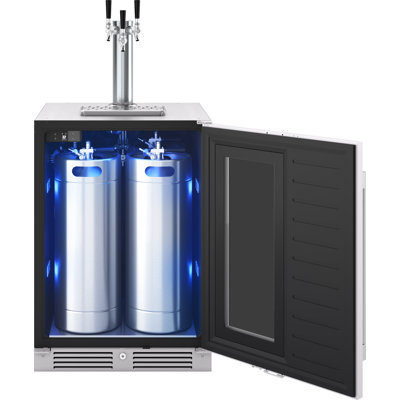
You’ve set up your kegerator, poured the first crisp pint, and now you’re eyeing that CO2 tank wondering, “how long does a co2 tank last in a kegerator?” Whether you’re hosting game-day gatherings, running a backyard bar, or simply enjoying draft at home, knowing your tank’s lifespan can save you from unexpected flat pours. In this ultimate guide, you’ll learn everything about CO2 tanks—from basic anatomy to real-world duration estimates and tips to stretch every ounce of gas.
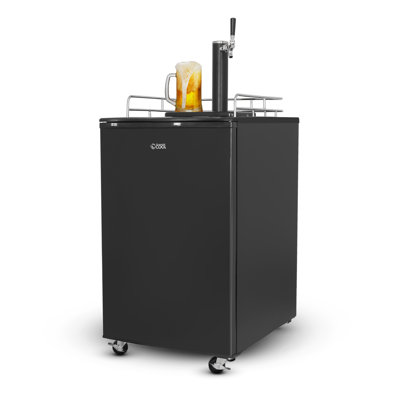
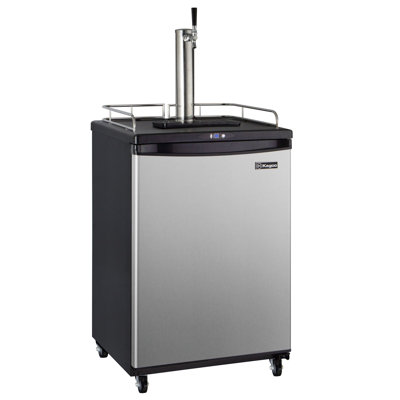
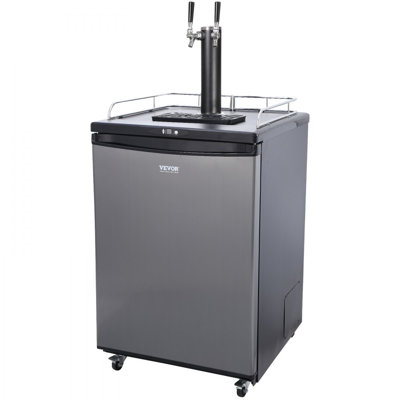
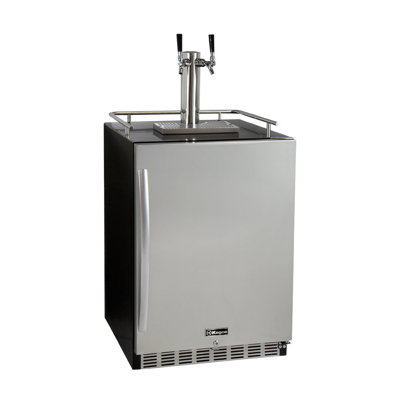
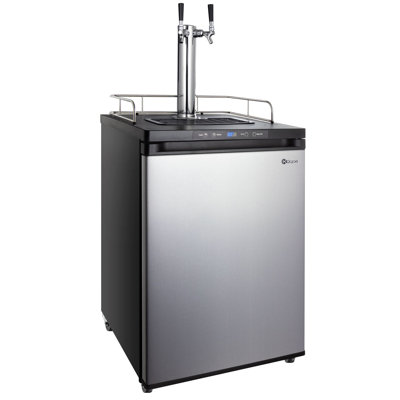
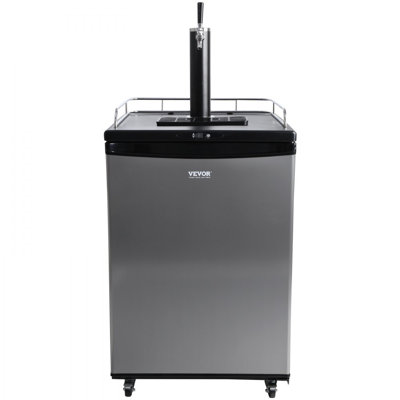
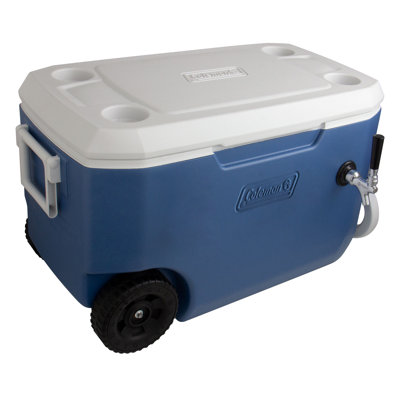
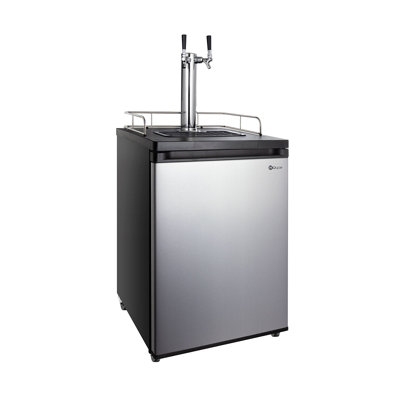
Compare current models in the Fridge.com Kegerators collection.

Understanding CO2 Tanks
Before diving into numbers, let’s cover the essentials of what makes a CO2 tank tick. When you grasp the basics, you’ll troubleshoot leaks, optimize pressure, and plan refills with confidence.
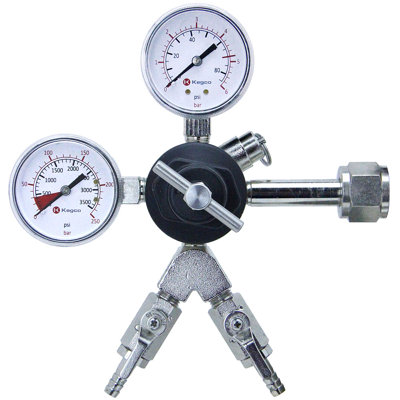
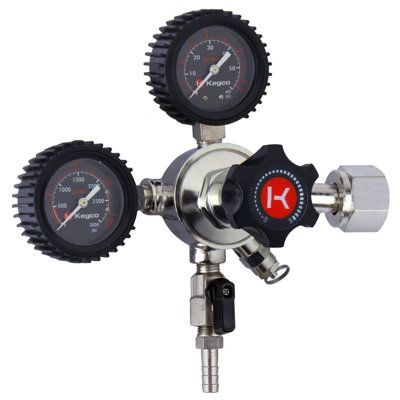
CO2 Tank Components
Every tank has a few key parts:
- Valve and Knob: You open or close gas flow here.
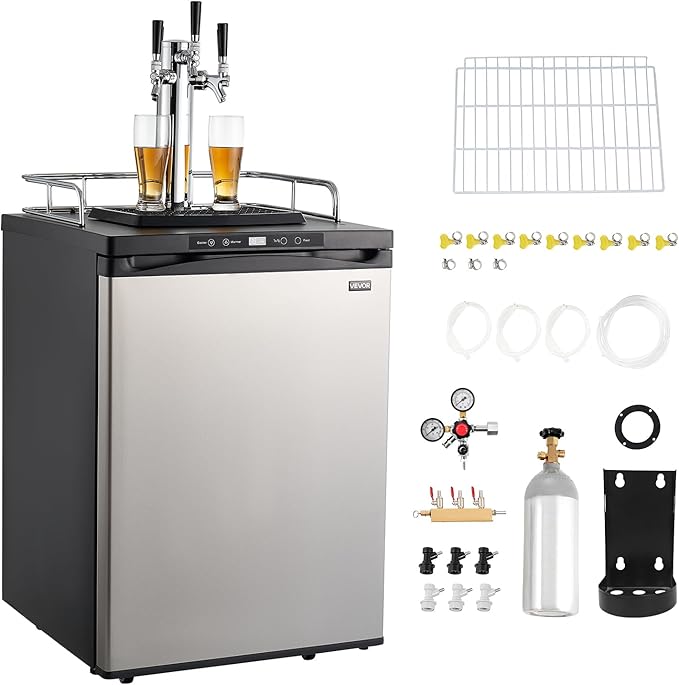
- Regulator: Reduces tank pressure to a steady serving PSI.
- Pressure Gauges: One shows tank pressure (high), the other serving pressure (low).
- Tank Body: Holds liquid CO2 under high pressure until it vaporizes.
Tank Sizes And Ratings
CO2 tanks come in various sizes, typically measured in pounds of CO2 by weight when full:
- 5-Pound (Small Home Use): Portable, ideal for occasional pours.
- 10-Pound (Moderate Use): Great for home bars, small parties.
- 20-Pound (Heavy Use): Suits commercial or large-gathering setups.
- 50-Pound (Industrial): Fits busy bars, large events—often stationary.
Each size usually holds about 860 cubic feet of gas per pound when fully vaporized, though regulators and temperature affect yield.
CO2 Pressure Basics
CO2 behaves differently than air. Inside the tank, liquid CO2 and gas maintain equilibrium. As you draw gas, more liquid evaporates to keep pressure steady until the liquid runs out. Typical serving pressure ranges:
- 8–12 PSI: German-style lagers, stouts
- 12–15 PSI: Pale ales, IPAs
- 15–20+ PSI: Nitrogen blends, faster pours
Setting the right PSI not only ensures good carbonation and head retention but also helps conserve gas.
Factors That Affect Longevity

Your CO2 tank life isn’t a one-size-fits-all number. A handful of variables can shorten or extend its run.

Pour Rate And Beer Style
How fast you pour and what you pour both matter:
- Slow Pour: Lower PSI, gentler flow → less gas per pint.
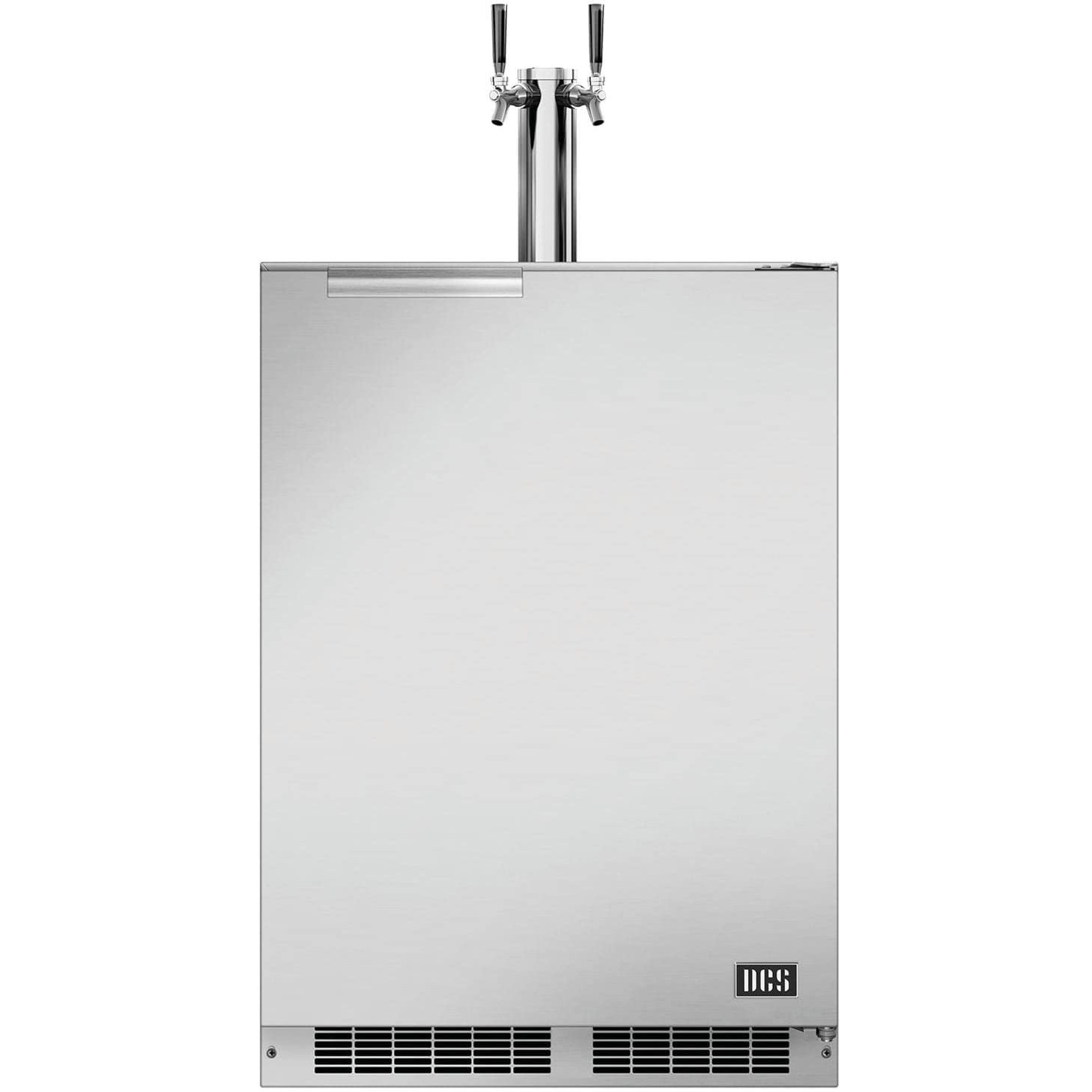
- Fast Pour: Higher PSI, more turbulence → more CO2 used.
- High-Carbonation Styles: Require higher pressure to maintain fizz.
- Low-Carbonation Styles: Need less pressure, saving gas.
Tank Size And Initial Fill
Smaller tanks run out sooner simply because they hold less CO2. A 5-pound tank might serve 45–55 pints under ideal conditions, while a 20-pound tank could yield 180–220 pints.
Number Of Taps And Setup
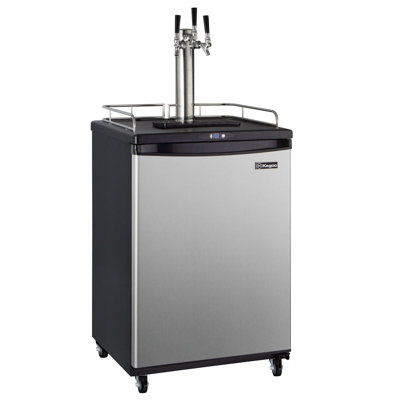
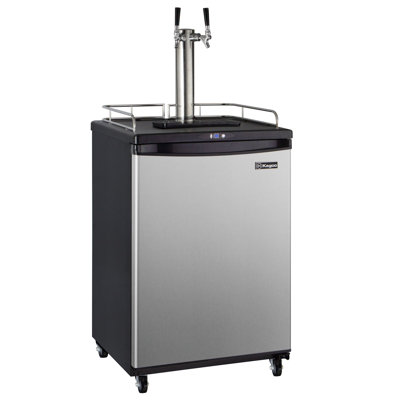
Each tap adds demand on your regulator. Running two or three taps off one tank will deplete gas faster than a single-tap setup. Flow control faucets can help meter gas usage per line.
Temperature And Storage
CO2 vaporization slows at lower temperatures, meaning you’ll draw more gas out of the tank to maintain pressure in a cold kegerator. Store tanks at room temperature when possible and keep them out of direct sunlight or freezing conditions.
Leaks And System Integrity
A sneaky leak at the valve, fittings, or keg seals can burn through CO2 without ever pouring a glass. Regularly check hoses, clamps, and keg O-rings for wear and tightness.
Estimating Tank Duration

Rather than guess, use a simple calculation to predict how long your tank will last.
Quick Calculation Method
- Determine tank weight (in pounds) of CO2.
- Multiply by 860 to get approximate cubic feet of gas.
- Estimate cubic feet per pint: about 0.13 ft³ at 12 PSI.
- Divide total cubic feet by ft³ per pint.
Example formula:
Tank Duration (pints) = (Tank Weight × 860) ÷ 0.13
Example Scenarios
| Tank Size | Number Of Taps | Serving PSI | Estimated Pints | Notes |
|---|---|---|---|---|
| 5 lb | 1 | 12 | ~330 | Ideal for occasional use |
| 5 lb | 2 | 12 | ~240 | Dual-tap slows yield |
| 10 lb | 1 | 12 | ~660 | Longer home runs |
| 10 lb | 2 | 12 | ~480 | Party-ready capacity |
| 20 lb | 1 | 12 | ~1,320 | Great for frequent hosts |
| 20 lb | 3 | 12 | ~900 | Commercial style flow |
Keep in mind that this is an estimate. Higher PSI or colder temps will reduce yields, while slower pours can stretch them further.
Maximizing CO2 Tank Life

A few adjustments can make your tank last longer without sacrificing pour quality.
Set Optimal PSI
Only use as much pressure as needed. If your beer gains the right head and carbonation at 10 PSI, avoid cranking it to 15 “just because.”
Perform Regular Maintenance
- Tighten fittings at least once a month.
- Replace worn O-rings and seals promptly.
- Inspect hoses for cracks or brittleness.
Use Flow Control Faucets
Flow control faucets let you dial in the exact pour rate, reducing wasteful gassing of your beer line.
Practice Efficient Pours
Tilt the glass at a 45-degree angle, open the faucet fully, then close it at the finish. This method uses less CO2 than a half-open, slow pour.
Store Tanks Properly
Keep tanks in a dry, cool spot upright. If you’re not tapping a spare, storing it at room temperature helps maintain pressure—and yields—when you need it.
Replacing And Refilling Tanks
Knowing when and how to swap or refill keeps your party flowing.
When To Refill Or Swap
Watch your tank pressure gauge. When it dips below 200 PSI at room temperature, plan a refill or exchange. At that point you’ve used up roughly 75% of the gas.
How To Refill A Tank
- Find a reputable gas supplier or welding shop.
- Remove the regulator, secure the dust cap.
- Let the pros weigh and refill your tank safely.
- Check for certifications and hydrostatic test dates.
Alternatively, use an exchange program at many homebrew shops—simply swap your empty for a full one.
Safety Tips For Handling CO2 Tanks
- Always keep tanks upright.
- Don’t store in extreme heat or near open flames.
- Secure tanks to prevent tipping.
- Inspect valves before attaching the regulator.
Disposing Of Old Tanks
If a tank fails inspection or you can’t refill it, return it to the supplier for proper recycling or disposal. Never puncture or incinerate a CO2 cylinder.
Troubleshooting And Maintenance
Even with careful operation, you might hit bumps in the road. Here’s how to diagnose common CO2 issues.
Common CO2 Pressure Issues
| Symptom | Possible Cause | Fix |
|---|---|---|
| Foamy Beer | Too high PSI | Lower regulator to recommended range |
| Flat Beer | Too low PSI | Increase pressure incrementally |
| Slow Pour | Clogged keg coupler | Clean and sanitize the coupler |
| No Gas Flow | Closed valve or empty tank | Open valve fully, check tank gauge |
Diagnosing Leaks
- Spray soapy water on connections.
- Look for bubbles forming.
- Tighten or replace the offending part.
Small hisses can waste hundreds of pints over a season, so tackle leaks early.
Final Thoughts
By now, you’ve got a clear picture of how long does a co2 tank last in a kegerator, why the numbers vary, and what you can do to stretch each fill. With proper setup, maintenance, and pour technique, you’ll maximize every ounce—keeping your draft crisp and your gatherings flowing.
Ready to gear up or upgrade your kegerator? When you’re set to take your draft game to the next level, shop kegerator at Fridge.com and find the perfect setup for your home or commercial space. Cheers to plenty of perfectly poured pints ahead!