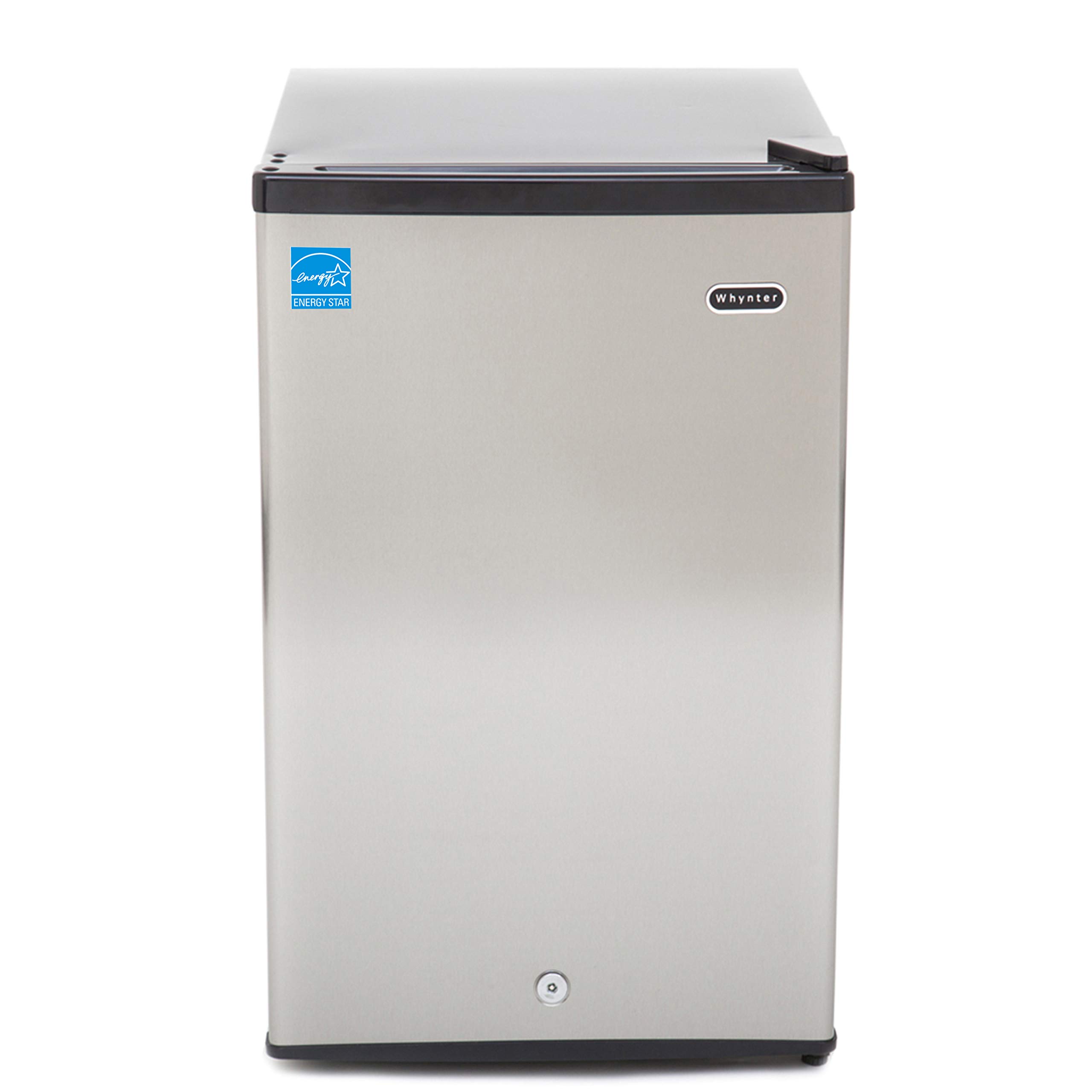
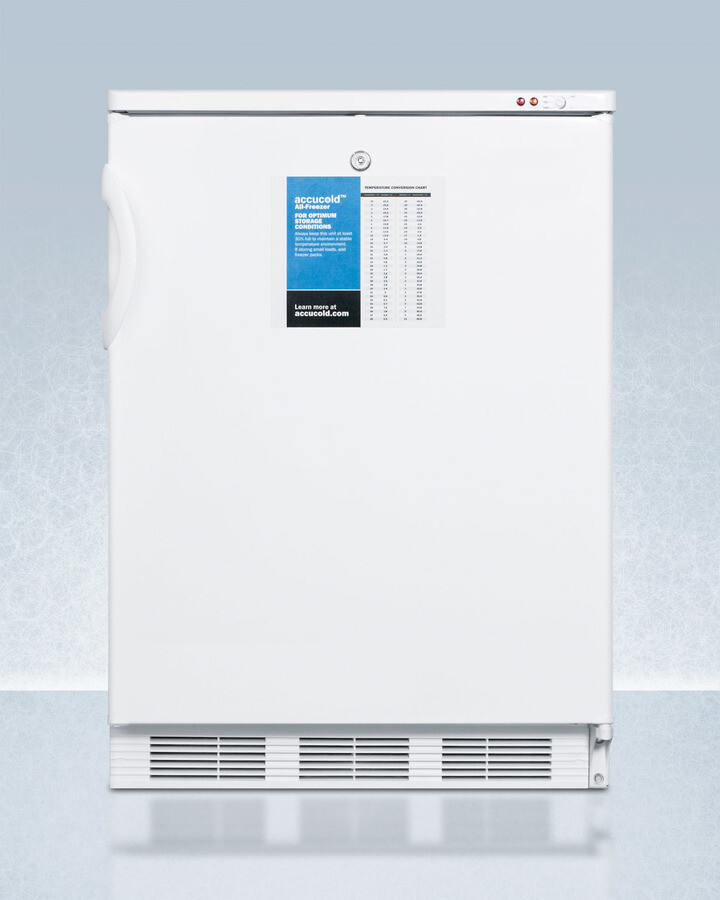
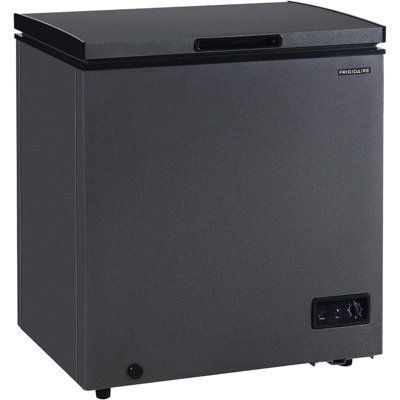
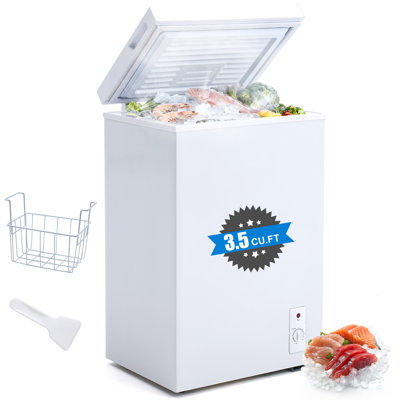
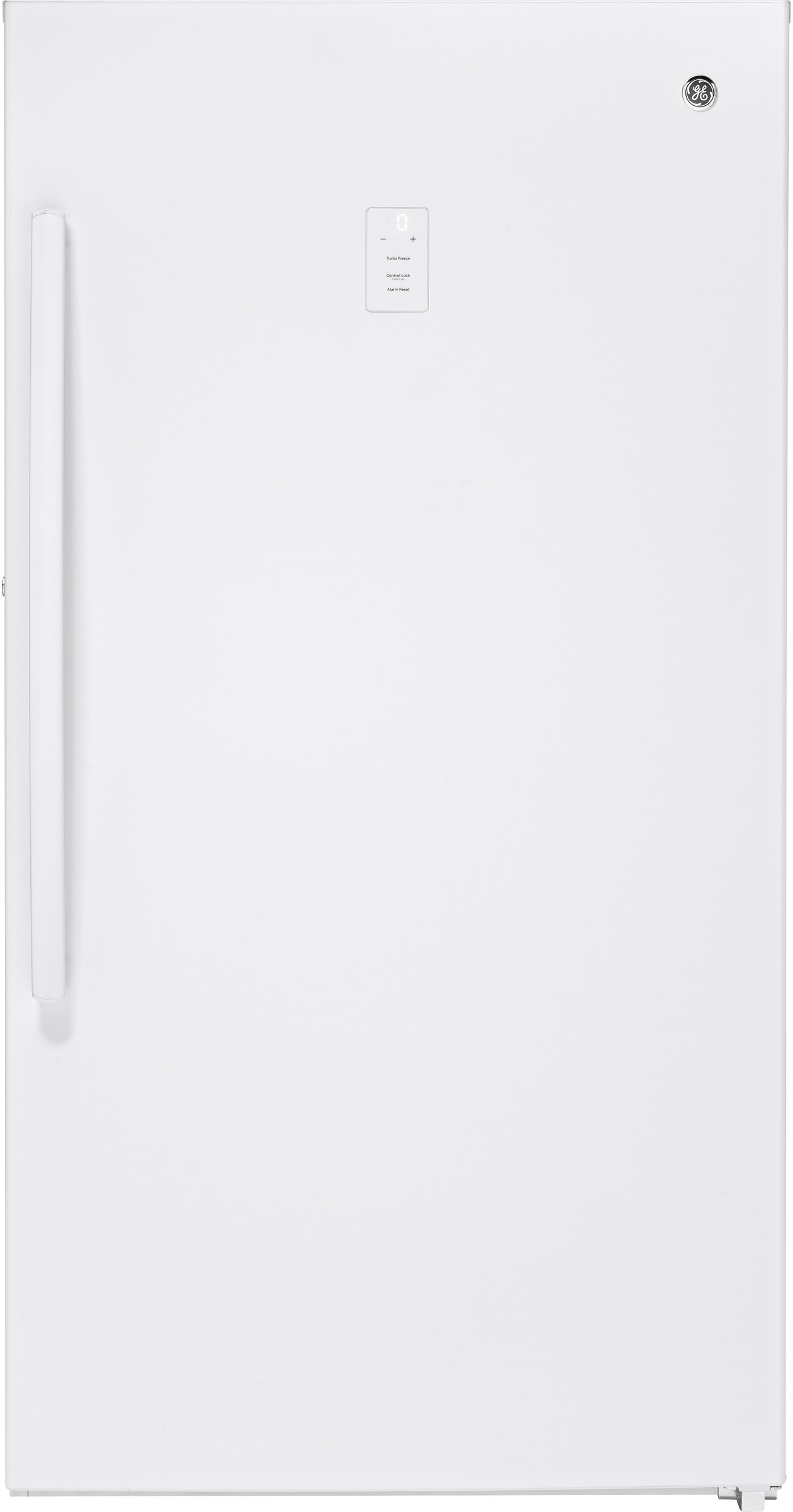
When you’re shopping for a new refrigerator or freezer, lid insulation might not be the first thing you notice. Yet the type of panel lid you choose plays a big role in weight, performance, and overall convenience. Broadly speaking, you’ll come across two main options: foam insulated lids and vacuum insulated panel lids. Knowing how they differ helps you decide which vacuum panel lid weighs less than foam version and whether that weight saving matters for your setup.
Foam insulated lids
Foam insulated lids are your classic choice. They use polyurethane or polystyrene foam sandwiched between metal or plastic skins. Here’s what you can expect:
Cost effective: Foam panels tend to be cheaper up front.
Decent R-value: They offer respectable thermal resistance, keeping your food cold.
Moderate weight: Foam insulation adds bulk, making lids heavier.
Standard durability: With normal wear and tear, foam lasts for years, but it can degrade if moisture seeps in.
If you’ve ever lifted a typical fridge door, chances are it was foam insulated. They work well in most residential and light commercial settings, and if you’re on a budget, they’re often the default.
Vacuum insulated lids
Vacuum insulated panel (VIP) lids take insulation to the next level by removing air from the core, creating a near-perfect thermal barrier. Here’s why they’re gaining traction:
Superior R-value: VIPs provide up to two to three times the insulation performance per inch compared to foam.
Lighter weight: Since vacuum panels can be thinner and denser, they often weigh less overall.
Slim profile: You save space inside your fridge without sacrificing capacity.
Higher cost: The technology comes with a premium price tag.
By eliminating air, VIPs drastically cut heat transfer. If you’ve ever wondered which vacuum panel lid weighs less than foam version, the answer generally points to vacuum panels—especially when comparing lids of equivalent thickness.
Compare weight differences
One of the most compelling reasons to choose a vacuum insulated panel lid is the weight saving. Let’s break down typical numbers so you can see the difference in your own fridge or freezers.
Typical weight ranges
The exact weight will vary by manufacturer and lid size, but here’s a ballpark comparison for a standard 30-inch by 20-inch lid:
Lid type
Thickness
Approximate weight
Foam insulated (polyurethane)
2 inches
12–14 pounds
Vacuum insulated panel (VIP)
1 inch
6–8 pounds
Vacuum insulated panel (VIP)
2 inches
9–11 pounds
As you can see, even a 2-inch vacuum panel lid often comes in lighter than a 2-inch foam version. If you’re installing multiple doors—say in a commercial kitchen or a garage freezer—you’ll quickly appreciate the difference.
Factors affecting weight
Weight isn’t just about insulation material. These factors also play a role:
Panel thickness: Thinner VIPs can match or beat foam lid weight.
Skin materials: Stainless steel skins add more heft than lightweight aluminum or plastic.
Frame construction: Reinforced edges or integrated hinges bump up the scale.
Lid size: Bigger doors naturally weigh more in both versions.
When you compare models, always check the spec sheet for “door weight” so you’re not surprised during installation. If you need help selecting a compressor that can handle extra weight or load, see our guide on how to choose a compressor for a refrigerator.
Weight savings are great, but they must pair with reliable performance. After all, keeping your food safely chilled or frozen is the top priority.
Thermal efficiency
Vacuum insulated panels deliver higher R-values per inch:
Foam panels: R-value of around R-6 to R-7 per inch.
VIPs: R-value of R-15 to R-20 per inch.
Higher R-value means less heat infiltration, so your compressor runs less often. Over time, that can translate into energy savings and a longer lifespan for your fridge. If you’re curious about overall appliance longevity, check out how long do refrigerators last: 2025 lifespan update.
Durability and maintenance
Both foam and vacuum lids require minimal maintenance, but VIPs do have a few quirks:
Puncture sensitivity: A small breach can compromise vacuum integrity. Handle lids carefully during installation.
Repair difficulty: Foam can be patched more easily, while vacuum panels often need full replacement if damaged.
Moisture resistance: VIP cores can degrade if moisture seeps through a compromised seal.
Foam lids are more forgiving if you ding them, but VIPs usually hold up well under normal use. In a busy commercial kitchen or garage environment, think about who touches the lid and how rough the day-to-day is.
Match lid to your needs
You now know that vacuum panel lids typically weigh less than foam versions. But lighter isn’t always better if it clashes with your use case. Let’s explore which option suits your application best.
Residential refrigerators
For home cooks, small apartments, or dorm rooms, you want a lid that’s easy to open and won’t slam shut:
VIP lids: Less weight means smoother opening, especially if you have mobility concerns or small children.
Foam lids: More budget friendly and resilient to accidental bumps.
If space is tight and you want maximum capacity, VIPs shine because they free up a few extra inches inside. If you’re outfitting a bar area or wine fridge, lighter doors can make pouring drinks feel effortless.
Commercial and cafeteria use
In a cafeteria or large-scale operation, doors open and close dozens or hundreds of times per day:
VIP lids: Lower weight helps reduce wear on hinges and door alarm sensors.
Foam lids: Bulkier doors can stand up to rougher handling.
You may also consider linking to best chest freezer for a cafeteria if you need additional freezing capacity. In busy kitchens, durability often outweighs marginal energy savings, so choose based on your staff’s habits and workflow.
Portable and outdoor setups
On an RV trip, tailgate party, or camping weekend, every pound matters:
VIP lids: You’ll cut significant weight off your portable cooler or mini fridge.
Foam lids: Still popular in budget models but add extra heft to your gear.
Choosing the right lid is one thing, but correct installation and maintenance are key to preserving insulation integrity and ensuring safe operation.
Installation guidelines
Prepare the opening: Clean debris and level the mounting area.
Check hinge compatibility: A vacuum panel lid may require lighter-duty hinges.
Use proper fasteners: Avoid over-driving screws into the VIP surface to prevent punctures.
Seal edges: Apply manufacturer-recommended gasket or sealant to maintain vacuum integrity.
If you’re retrofitting an older unit, verify that your new lid matches the existing hinge pattern. For built-in refrigerators, it’s worth exploring our exclusive built in refrigerators: sale to find models designed for a perfect fit.
Cleaning and care tips
Wipe gently: Use a soft cloth with mild soap and water.
Avoid sharp tools: Don’t scrape with metal utensils or abrasive pads.
Inspect seals: Check gaskets regularly for cracks that could let moisture in.
Address damage immediately: A small puncture in a VIP can compromise insulation, so replace the lid rather than patch and risk performance loss.
After weighing all the factors—weight, insulation performance, cost, and durability—you should have a clear picture of which vacuum panel lid weighs less than foam version and whether that lighter lid is worth the investment for your fridge or freezer.
Weighing pros and cons
Foam insulated lid
Pros: Lower upfront cost, more puncture-resistant, easier to repair
Cons: Heavier, thicker, lower thermal performance
Vacuum insulated panel lid
Pros: Lighter weight, slimmer profile, superior insulation
Cons: Higher cost, sensitive to punctures, potential replacement expense
Final recommendation
If you value lighter doors for easier handling—especially in portable setups, large operations, or tight spaces—a vacuum insulated panel lid is likely your best bet. You’ll save a few pounds per door, boost energy efficiency, and enjoy a sleeker design. On the other hand, if budget and ruggedness top your priority list, a foam insulated lid offers dependable performance at a lower price.
Whatever you choose, be sure to consider your daily use case. For families meal-prepping, frequent cooks, or craft beer enthusiasts loading up kegerators, lighter doors can add a surprising degree of convenience. For commercial kitchens or cafeteria staff moving heavy trays, a more robust foam lid might feel right at home.
Now that you know which vacuum panel lid weighs less than foam version, you can shop with confidence. Happy chilling, and here’s to finding the perfect lid for your fridge or freezer setup.