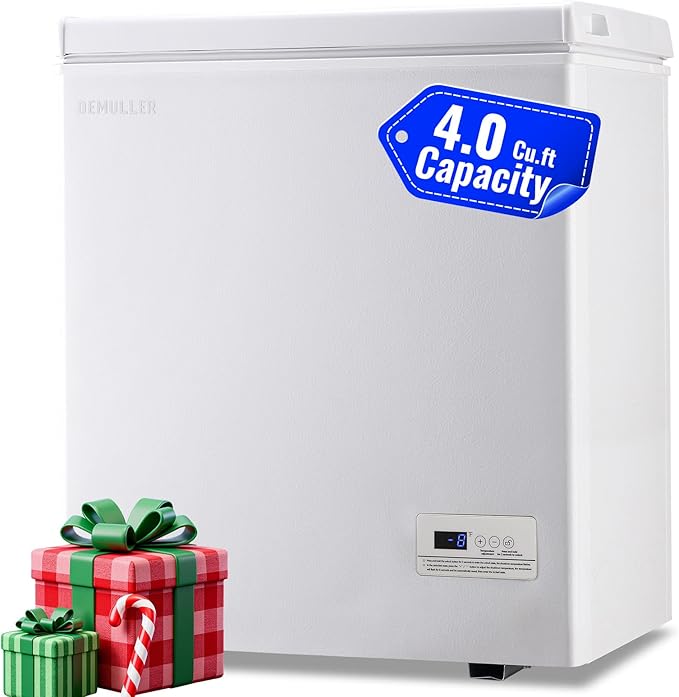
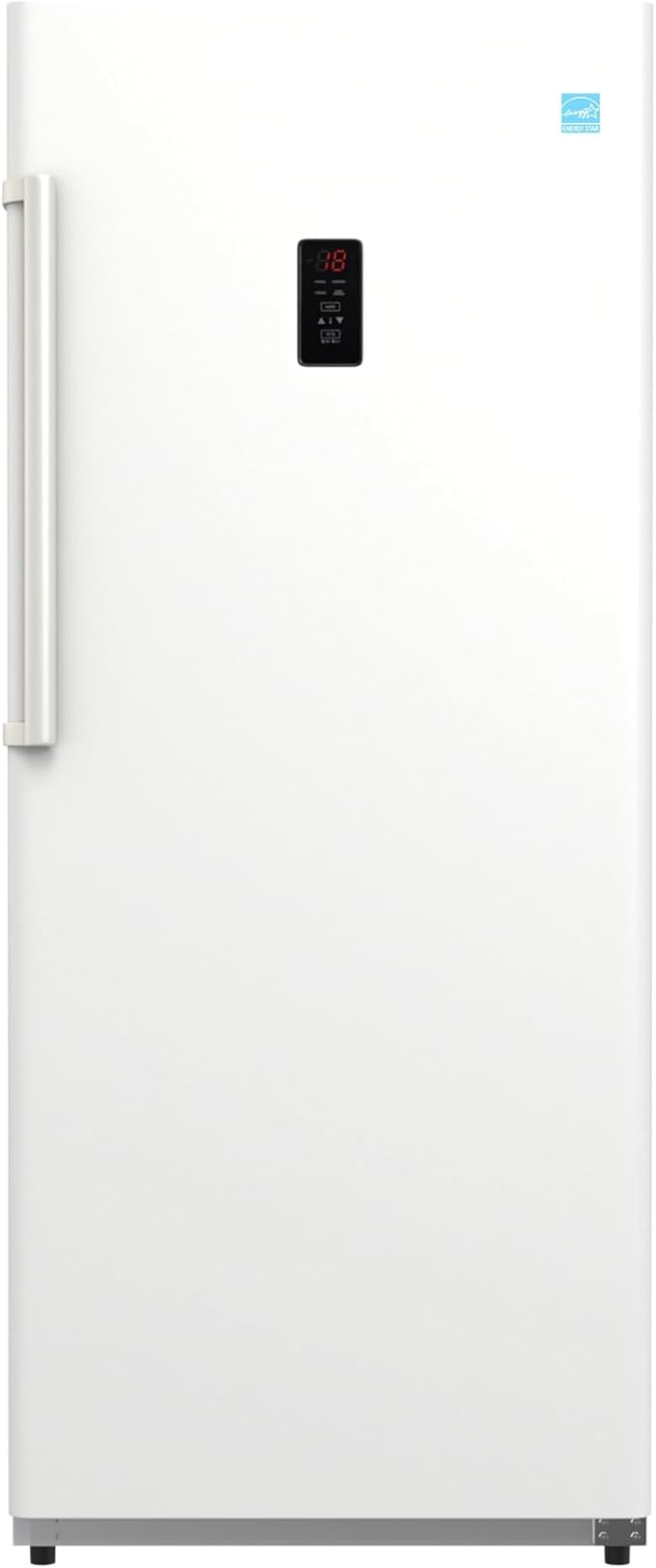
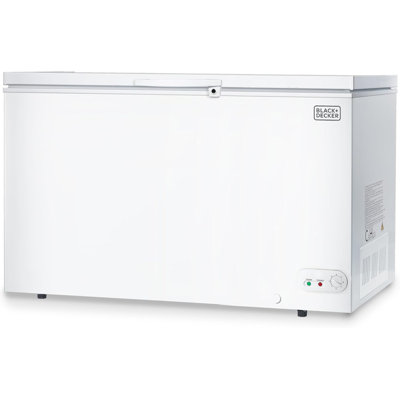
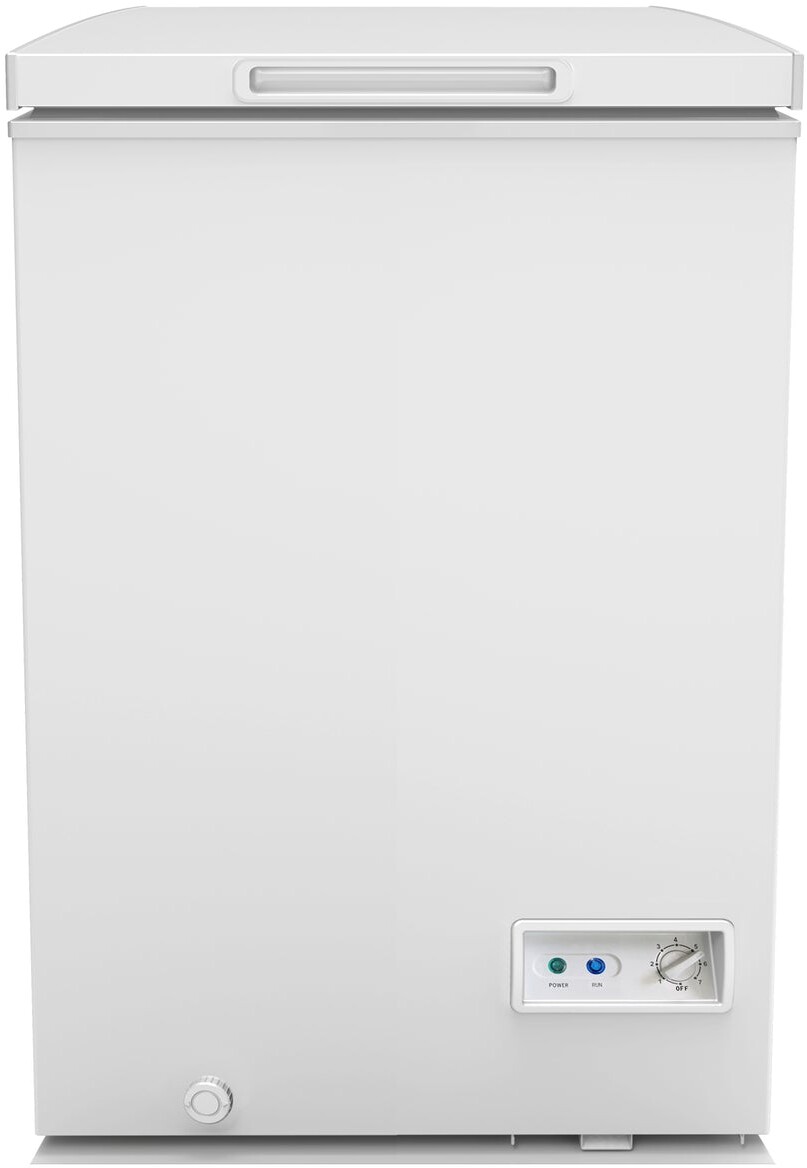
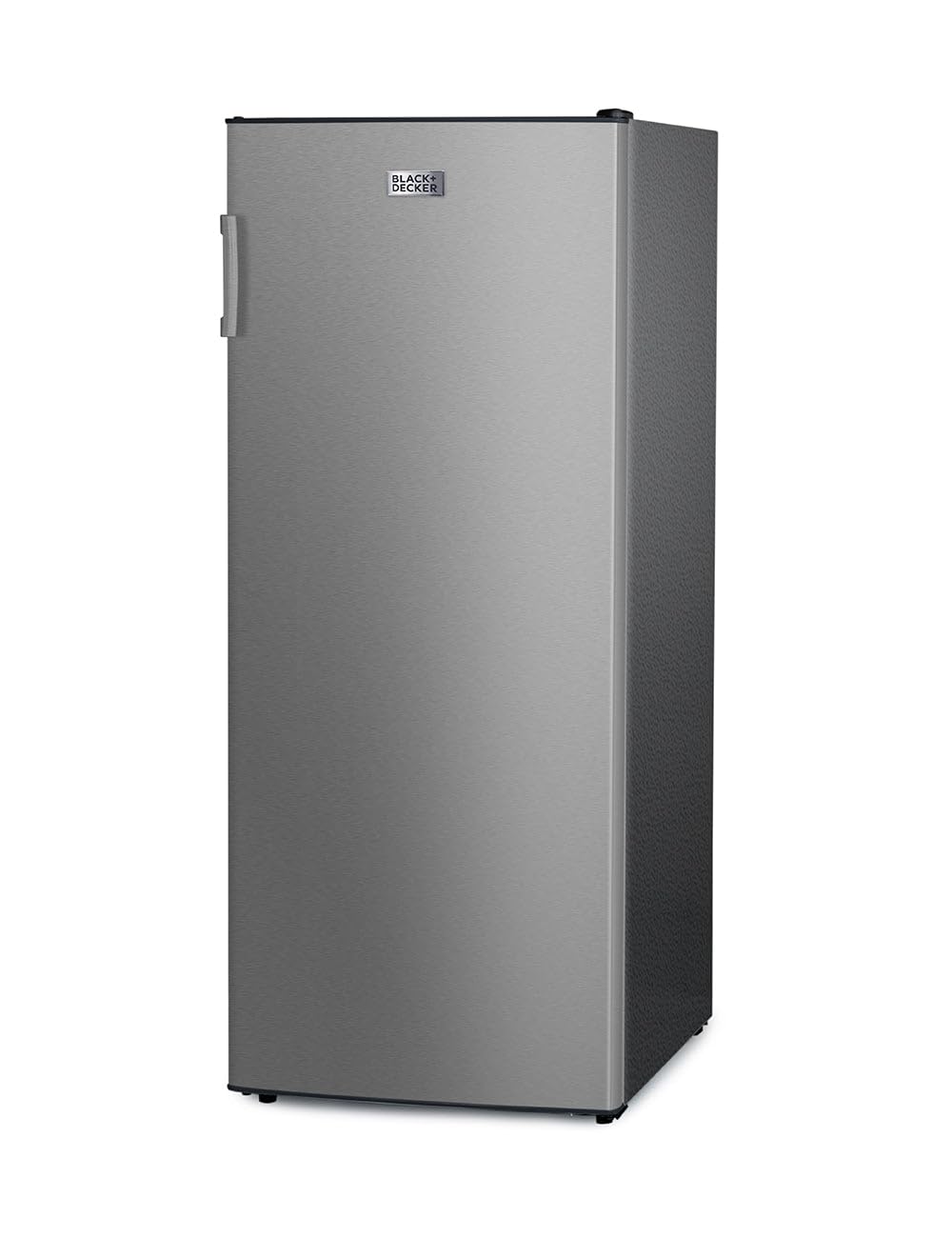
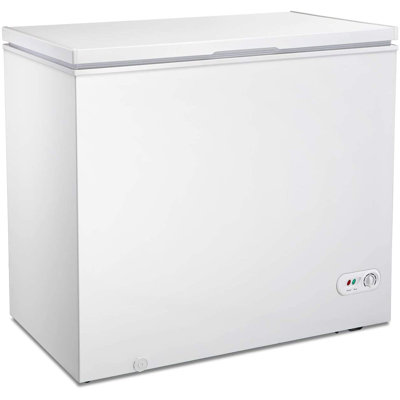
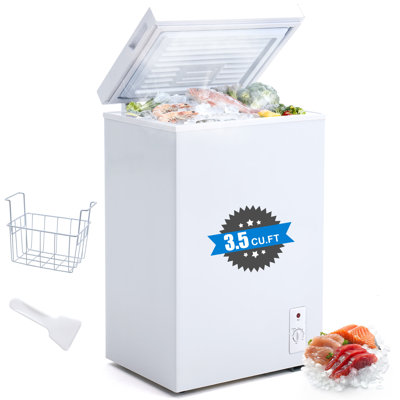
As you deck out your kitchen, home bar, or dorm room, you might ask yourself, “what mini freezer features quick freeze zone plate?” You’re not alone. Whether you’re meal-prepping for the week, preserving baby food, or chilling craft beer on your RV trip, a quick freeze zone plate can take your compact freezer’s performance up a notch.
A quick freeze zone plate is a thin metal panel or specialized shelf built into certain mini freezers. When you activate the “quick freeze” or “fast freeze” mode, this plate chills faster than the surrounding insulated walls. That rapid temperature drop around the plate helps ingredients freeze more uniformly and lock in freshness. In this section, we’ll break down exactly how it works and what parts make it tick so you know what to look for when comparing models.
How it works
Rapid cooling cycle
When you hit the quick freeze setting, the compressor and evaporator go into an accelerated freeze cycle. The refrigeration system diverts extra cooling power to the plate rather than the entire cavity.
Metal plate conduction
The plate is usually aluminum or stainless steel for high thermal conductivity. It sits flush against an internal wall or on a designated shelf bracket.
Focused freezing zone
By concentrating cold on one surface, the plate creates a “blast-freeze” effect for items you place on or near it. Ice crystals form faster in your food or ice molds, limiting cell damage in produce and preserving texture.
Key components
Plate material
Most quick freeze plates use aluminum, thanks to its light weight and rapid heat transfer, or stainless steel for durability and easy cleaning.
Cooling element link
A small evaporator coil or cold air duct sits directly behind the plate, ensuring it reaches sub-zero temps more quickly than standard shelves.
Control interface
Look for a clearly marked button, dial, or digital setting labeled “quick freeze,” “turbo,” or “blast.” Some mini freezers even include LED indicators when the zone plate is at peak chilling power.
Drainage and defrost tray
Because rapid freezing can produce extra frost, many models integrate a small drip tray or auto-defrost cycle near the plate to prevent ice buildup.
Understanding these parts will help you spot the feature when browsing mini freezer specs. Now, let’s look at why you’d want a quick freeze zone plate in your compact appliance.
You know that flash of relief when meat goes from soft to rock-hard in minutes instead of hours? That magic comes courtesy of a quick freeze zone plate. Here are the top reasons chefs, families, and snack lovers swear by it.
Preserve food texture
When fruits, vegetables, and proteins freeze slowly, large ice crystals can tear cell walls. The result is mushy spinach or crumbly fish fillets once you thaw them. A quick freeze plate shrinks crystal size, so berries stay plump, steak stays juicy, and leftovers keep their restaurant-style mouthfeel.
Reduce ice crystal buildup
Your regular freezer walls still get frost over time, especially in humid kitchens or RVs. Focusing cold on the plate means less moisture in the main cavity, which cuts down on that pesky frost you need to scrape off. A cleaner compartment also helps air circulate evenly, lowering overall energy use.
Shorten freezing time
Planning an outdoor party and forgot to freeze cocktail glasses? Pop them on the quick freeze zone plate for 10–15 minutes and they’re ice-cold, not lukewarm. When cooking for big families or cafeterias, you can cycle through multiple batches of cookie dough, homemade popsicles, or marinated trays without waiting for the entire freezer to recover.
Boost energy efficiency
It might seem counterintuitive, but targeting cold to a small zone can save power. Instead of dropping the temperature of the whole freezer, you give your compressor a shorter, more intense workload. Once the plate hits its setpoint, the system reverts to normal cooling, often using less total energy than a prolonged super-low setting.
Features to consider
Not all quick freeze zone plates are created equal. When you compare models, pay attention to these specs so you get the speed, capacity, and convenience you need.
Plate material and design
Aluminum vs stainless steel
Aluminum plates chill fastest but can dent if you stack heavy items. Stainless steel lasts longer and resists scratches but may take a few extra minutes to reach peak cold.
Plate size and shape
Some freezers feature a smaller insert tray, while others have a full-width bottom or adjustable shelving plate. Think about what you plan to freeze—ice cube trays, beverage cans, or meal prep containers—to pick the right footprint.
Freezing power and settings
Quick freeze temperature range
Look for models that push plate temps below ‑10°F. The lower you go, the shorter your freeze cycle.
Cycle duration
Some freezers let you set minutes, while others run a standard 12- or 24-hour cycle before returning to normal mode. Choose a timer that fits your routine.
Compressor rating
A higher BTU or watt rating generally means faster recovery times between blasts, especially if you open the door often.
Capacity and layout
Total volume
Mini freezers range from 1.5 to 5 cubic feet on average. If you need space for both quick freeze items and long-term storage, consider models with separate compartments.
Shelf adjustability
A quick freeze plate that doubles as an adjustable shelf gives you more space flexibility. You can lift it out to store large items or slide it into different heights.
Door baskets vs internal bins
Decide if you want door-mounted racks for flat items—like ice packs on the quick freeze plate—or removable bins for easy loading.
Usability and controls
Digital vs analog
Digital panels can display precise temps and countdown timers, while analog knobs tend to be more rugged and simple.
Indicator lights
An LED that glows when the plate is fully frozen removes guesswork.
Auto-defrost features
If you hate manual defrosting, look for a model that automatically melts frost around the plate after each cycle or drips into a front-accessible tray.
If you want more on overall mini freezer features, check out our deep dive on what are the pros and cons of a mini freezer?. With these considerations in mind, let’s explore some top models that pair performance with portability.
Top mini freezer models
Below is a comparison of popular mini freezers with built-in quick freeze zone plates or turbo-freeze compartments. Capacities and prices are approximate—you’ll want to verify current specs before purchase.
Model
Capacity
Plate type
Quick freeze temp
Controls
Price range
ArcticChill QFP-3
3 cu ft
Aluminum tray
-15°F
Digital touch
$180–$220
ChillMaster Turbo 210
2.1 cu ft
Stainless steel
-12°F
Analog dial
$150–$190
FreezyZone Pro 4.5
4.5 cu ft
Full-width aluminum
-18°F
Digital, timer
$260–$300
Glacier Mini Elite
1.8 cu ft
Removable tray
-10°F
Analog + light
$130–$160
ArcticChill QFP-3
Capacity and layout
The 3 cubic foot interior includes a dedicated quick freeze tray at the bottom plus an adjustable wire shelf up top.
Quick freeze performance
Its digital panel lets you set timer increments of 15 minutes up to 2 hours. The -15°F peak temp handles ice cream, seafood, and fruit in record time.
Why you’ll like it
Sleek stainless-steel door and LED indicator simplify operation. Great for home cooks and small offices.
ChillMaster Turbo 210
Capacity and layout
Compact 2.1 cu ft footprint fits snugly under counters or in RVs.
Quick freeze performance
A stainless steel plate behind the upper shelf chills to -12°F. Turbo mode runs a 1-hour cycle automatically.
Why you’ll like it
Rugged dial control with green light indicator, splash-proof design, and stable leveling feet.
FreezyZone Pro 4.5
Capacity and layout
One of the largest mini freezers with a full-width aluminum plate up top. Includes wire baskets below for frozen meals.
Quick freeze performance
Digital timer up to 24 hours, reaching -18°F for professional-grade flash freezing.
Why you’ll like it
Ideal for families and small cafeterias. Its auto-defrost drain pan keeps maintenance to a minimum.
Glacier Mini Elite
Capacity and layout
At 1.8 cu ft, this is perfect for dorm rooms or studio apartments. The plate nests in a removable bin for easy clearing.
Quick freeze performance
Analog knob with built-in LED signals when the plate is ready. Ideal for single batches of popsicles or chilled beverages.
Why you’ll like it
Most budget-friendly, energy-star certified, and surprisingly quiet for bedside use.
These models represent a range of sizes, plate materials, and control systems. If you need even more compact deals, browse our shop compact freezers: coupons for limited-time offers. For tight living spaces, you might also consider the best apartment deep freezer to compare your options.
Choosing your mini freezer
With all that info, how do you pick the right quick freeze-equipped mini freezer for your lifestyle? Here’s a simple decision path you can follow.
Assess your needs
Daily batch freezing for meal prep? Aim for at least 3 cu ft with a full-width plate.
Occasional ice or drink chilling? A 2 cu ft model or smaller should suffice.
Special diets (baby food, keto, vegetarian)? Look for consistent plate temps below -10°F.
Evaluate space and setup
Measure your countertop, RV cabinet, or nook. Remember to leave 2–3 inches behind for ventilation.
Consider your budget and energy use
Digital models with timers and auto-defrost cost more upfront but may save on energy bills.
Factor in noise levels
If your mini freezer lives in a home office or bedroom, look for models labeled “quiet operation.”
Compare extras
Interior lighting for better visibility
Adjustable leveling feet for uneven floors
Door lock for security in shared spaces
Once you’ve narrowed your wish list, double-check warranty terms and customer reviews. A quick freeze zone plate is a mechanical add-on, so you want reliable after-sales support. If you’re still weighing pros and cons of mini freezers in general, see our full guide on what are the pros and cons of a mini freezer?.
Maintaining quick freeze plate
A quick freeze zone plate is low-maintenance, but a little care goes a long way toward peak performance.
Regular cleaning
Every 1–2 months, remove the plate (if it’s detachable) and wipe it with a mild detergent solution. Rinse, dry thoroughly, then reinsert.
Defrosting tips
If frost builds up, run a short defrost cycle or unplug the unit and let ice melt naturally onto a drip tray. Never chip ice with sharp objects.
Check seals and gaskets
A tight door seal keeps the quick freeze cycle efficient. Inspect the rubber gasket every quarter and replace if you spot cracks or warping.
Troubleshooting common issues
Plate not reaching low temp: confirm you’re in “quick freeze” mode, clean any frost, and ensure adequate airflow.
Excessive noise in turbo mode: check for loose items near the compressor compartment and level the freezer.
Leaks from drain pan: empty and sanitize the tray, then verify the defrost drain isn’t clogged.
With these simple steps, your quick freeze zone plate will keep running strong for years, delivering consistent freeze-sharp results whenever you need them.
Do all mini freezers include a quick freeze plate?
No, only certain models advertise a dedicated quick freeze or turbo-freeze zone. Standard mini freezers rely on overall cabinet cooling, which takes longer and may yield larger ice crystals.
Can I retrofit a quick freeze plate?
Most plates need to integrate with a freezer’s evaporator coil or duct system. Retrofitting is not recommended unless you hire a refrigeration technician. Instead, look for models with factory-installed plates to ensure safety and performance.
How often should I use the quick freeze setting?
Use it whenever you need rapid freezing—ice cream, produce, fish, or last-minute drink chilling. For long-term storage, normal freezer mode is more energy-efficient once initial freezing is complete.
Will a quick freeze plate increase my power bill?
A short burst of extra power runs the compressor harder for a limited time, then returns to normal. Over months of regular use, targeted quick freeze cycles can be more efficient than leaving the entire freezer at a lower temp 24/7.
Are quick freeze plates noisy?
You may hear the compressor hum more loudly during turbo cycles, but most mini freezers remain under 45 dB. Check the specs if you plan to keep the unit in a quiet setting like a studio apartment or bedroom.
Choosing a mini freezer with a built-in quick freeze zone plate can revolutionize the way you freeze, store, and preserve food. By understanding how the plate works, comparing key features, and maintaining good care habits, you’ll enjoy everything from restaurant-quality thawed meats to dessert-perfect ice cubes. Ready to upgrade your compact freezer game? Now you have the knowledge to freeze faster, fresher, and smarter.
Frequently Asked Questions
No, only certain models advertise a dedicated quick freeze or turbo-freeze zone. Standard mini freezers rely on overall cabinet cooling, which takes longer and may yield larger ice crystals.