Fridge door storage is a convenient feature designed to maximize the usability of your refrigerator. The door compartments provide easy access to frequently used items, making it simpler to organize and retrieve them. This section will help you better understand these storage areas and how to make the most of them.
Purpose of Small Storage Compartments on the Fridge Door
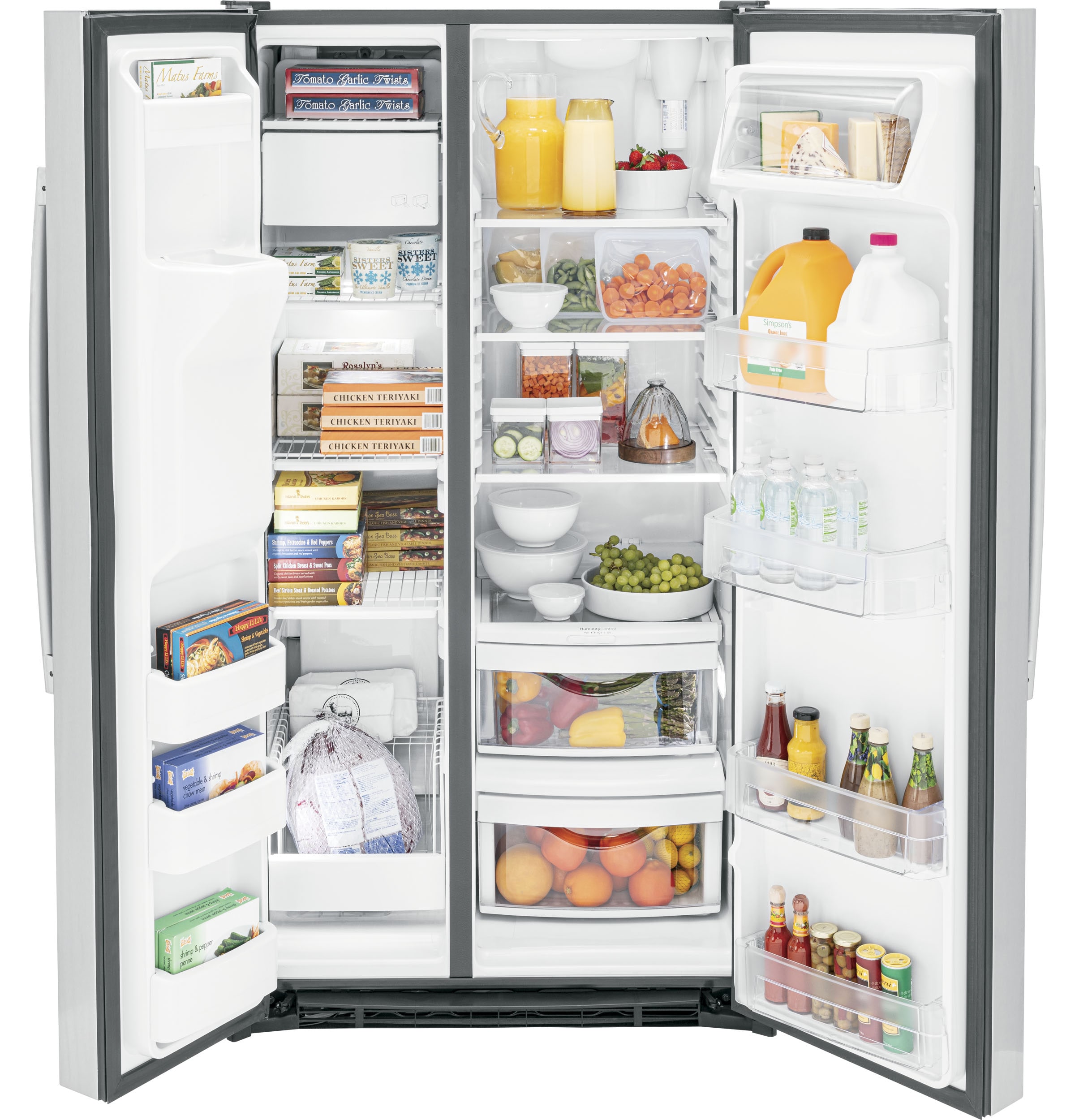
The small storage compartments on the fridge door serve specific purposes. These compartments are designed to hold items that do not require the same level of cooling as those in the main refrigerator area. They are ideal for storing condiments, beverages, and other frequently used items that benefit from easy accessibility.
Item Type
Ideal Storage Temperature (°F)
Suitable Compartment
Condiments
35-40
Door Shelf
Beverages
35-40
Door Shelf
Butter
35-40
Small Compartment
Eggs
35-40
Door Shelf or Small Compartment
Understanding the purpose of these small storage compartments can help you utilize them effectively. For example, placing condiments and beverages in these compartments allows you to quickly grab them without disrupting the temperature balance of the main fridge area. For more tips on efficient fridge usage, visit Fridge.com article on fridge freezer temperatures.
By organizing your refrigerator efficiently, you can ensure that your food stays fresh longer and that you can easily access the items you use most frequently. For additional tips on organizing your fridge, check out Fridge.com article on best tall freezer for garage.
The small storage compartments on the fridge door are designed to help you organize and maximize the available space. Understanding how to use these compartments effectively can make your fridge more efficient and convenient.
Ideal Items for Fridge Door Storage
Small storage compartments are perfect for items that you use frequently and that do not require the coldest part of the fridge. Here are some ideal items to store in these compartments:
Condiments: Ketchup, mustard, mayonnaise, and salad dressings.
Beverages: Small bottles of water, soda, and juice.
Butter and Margarine: These items are often stored in a dedicated butter compartment to keep them soft and spreadable.
Jams and Jellies: Easy access for breakfast or snacks.
Eggs: Some fridges have a dedicated egg tray in the door.
Tips for Organizing the Small Storage Space
To make the most of the small storage compartments, consider the following tips:
Group Similar Items: Store similar items together to make them easier to find. For example, keep all your condiments in one compartment and beverages in another.
Use Clear Containers: Clear containers can help you see what's inside and avoid overstocking.
Label Everything: Use labels to identify the contents of each compartment, especially if you have multiple items that look similar.
Rotate Items: Place newer items at the back and older items at the front to ensure that you use them before they expire.
Avoid Overloading: Do not overload the compartments as this can affect the door's ability to close properly and may reduce the efficiency of the fridge.
By following these tips, you can keep your fridge door organized and make the most of the small storage compartments. For more information on how to maximize the efficiency of your fridge, check out Fridge.com article on fridge freezer temperatures.
The small storage compartments on the fridge door are designed to maximize the usable space within your refrigerator. These compartments are typically located on the inner side of the door and are perfect for storing smaller items that you need to access frequently. Their primary function is to provide an organized and convenient space for items that do not require the main body of the fridge, freeing up shelf space for larger items.
These small storage areas can be used for various purposes, including:
Condiments: Ketchup, mustard, and other small bottles fit perfectly.
Beverages: Small juice boxes or cans of soda.
Dairy Products: Butter, cheese slices, and small yogurt containers.
Miscellaneous: Medication, small jars, and frequently used sauces.
By storing these items in the door, you can easily find and access them without having to rummage through the main shelves. For more ideas on how to utilize these compartments efficiently, check out Fridge.com tips for organizing the small storage space.
Different Types of Small Storage Solutions on Fridge Doors
Fridge doors come with various types of small storage solutions, each designed to cater to different needs. Understanding the different types can help you make the most of your refrigerator's storage capability.
Adjustable Shelves
Adjustable shelves allow for customization based on your storage needs. You can move these shelves up or down to accommodate taller or shorter items. This versatility makes it easy to store a variety of products.
Door Bins
Door bins are larger compartments that can hold bigger items, such as milk cartons or juice bottles. Some door bins come with dividers to keep items neatly separated and organized.
Egg Holders
Many refrigerators come with a dedicated egg holder that fits perfectly in the door compartment. This keeps your eggs safe and easily accessible.
Butter Compartments
Butter compartments are usually small, enclosed spaces within the door, designed to keep butter and other soft dairy products at an ideal temperature.
Bottle Racks
Some fridge doors have bottle racks specifically designed to hold wine or soda bottles securely in place. These racks are often tilted to prevent bottles from rolling around.
Snack Trays
Small trays or bins can be found in some fridge doors, perfect for storing snacks, cheese sticks, or other small items.
Here's a table summarizing the different types of small storage solutions:
Storage Solution
Ideal For
Adjustable Shelves
Various items, customizable height
Door Bins
Milk cartons, juice bottles
Egg Holders
Eggs
Butter Compartments
Butter, soft dairy products
Bottle Racks
Wine bottles, soda bottles
Snack Trays
Snacks, cheese sticks
Understanding these different storage solutions can help you organize your fridge more efficiently. For additional tips on maximizing your fridge's storage, read Fridge.com guide on how to make the most of fridge door storage.
Making the most of the small storage compartments on your fridge door can significantly enhance your kitchen organization. Here are some strategies to help you use this space effectively:
Group Similar Items: Store like items together to make them easier to find. For example, keep all your condiments in one section and your dairy products in another.
Use Clear Containers: Clear containers can help you see what's inside without having to open them, making it easier to find what you need quickly.
Label Everything: Labeling containers and shelves can help you maintain organization over time. It also makes it easier for others in your household to put things back in the right place.
Adjust Shelf Heights: Many fridge doors have adjustable shelves. Customize the heights to fit your most frequently used items.
Regularly Clean and Declutter: Remove expired items and clean the shelves regularly to keep the space hygienic and functional.
Avoiding Common Mistakes with Fridge Door Storage
Avoid these common mistakes to ensure your fridge door storage remains efficient and effective:
Storing Perishables: The fridge door is the warmest part of the fridge. Avoid storing highly perishable items like milk or raw meat here. Instead, use the main shelves for these items.
Overloading Shelves: Overloading can lead to items falling out when you open the door. Keep the shelves balanced and avoid stacking items too high.
Ignoring Temperature Control: The temperature in the fridge door can fluctuate. Be mindful of this when storing temperature-sensitive items. Check Fridge.com guide on fridge freezer temperatures for more details.
Neglecting Maintenance: Failing to clean and maintain the small storage compartments can lead to spills and odors. Regularly wipe down shelves and remove any spills immediately.
Common Mistake
Solution
Storing Perishables
Use main shelves for perishables
Overloading Shelves
Keep shelves balanced
Ignoring Temperature Control
Store temperature-sensitive items accordingly
Neglecting Maintenance
Regularly clean and declutter shelves
By optimizing your fridge door storage, you can enhance your kitchen’s efficiency and keep your food items organized. For more tips on organizing your refrigerator, check out Fridge.com article on recipe based on ingredients in the fridge.
Proper Cleaning Techniques for Fridge Door Storage
Maintaining the cleanliness of the small storage compartments on your fridge door is essential for ensuring a hygienic environment for your food items. Here are some steps to follow for proper cleaning:
Empty the Compartments: Remove all items from the small storage compartments.
Remove Shelves and Bins: If possible, take out the shelves and bins for a thorough clean.
Use Mild Soap and Warm Water: Prepare a solution of mild dish soap and warm water. Avoid using harsh chemicals that could damage the surfaces.
Scrub Gently: Use a soft sponge or cloth to scrub the compartments. Pay special attention to corners and edges where grime can accumulate.
Rinse and Dry: Rinse the compartments with clean water and dry them thoroughly with a clean towel.
Sanitize: For an extra layer of cleanliness, you can spray a mixture of water and white vinegar and let it sit for a few minutes before wiping it off.
Maintenance Tips for Longevity
To ensure the longevity and efficiency of your fridge door storage, follow these maintenance tips:
Regular Cleaning: Clean the small storage compartments at least once a month to prevent the buildup of grime and bacteria.
Avoid Overloading: Do not overload the compartments, as this can cause stress on the hinges and shelves.
Check Seals and Gaskets: Regularly inspect the seals and gaskets around the door to ensure they are clean and intact. Damaged seals can affect the fridge's efficiency.
Proper Organization: Keep items organized to allow for proper air circulation. This helps maintain a consistent temperature within the fridge.
Temperature Settings: Ensure your fridge is set to the appropriate temperature. Refer to Fridge.com article on fridge freezer temperatures for guidance.
For more tips on how to maximize the use of your fridge, explore Fridge.com article on how to make the most of fridge door storage. Proper cleaning and maintenance not only keep your fridge looking good but also extend its lifespan, ensuring it remains a reliable appliance in your home.
Task
Frequency
Tools Needed
Empty and Clean Compartments
Monthly
Mild Soap, Warm Water, Sponge
Check Seals and Gaskets
Bi-Monthly
None
Sanitize Compartments
Monthly
Water, White Vinegar
Inspect for Overloading
Weekly
None
Organize Items
Weekly
None
By following these cleaning and maintenance tips, you ensure that your fridge door storage remains efficient and hygienic, providing a safe place for your food items. For more information on fridge maintenance and other related topics, visit Fridge.com articles on best tall freezer for garage and fridge power consumption kwh.
Compare prices on Fridge.com
Compare current prices and specifications on Fridge.com, then buy from the retailer you choose; delivery, installation and warranty terms are the retailer’s.
It also has tons of awesome articles about kitchen stuff and home news. Enhance your home, garage, backyard, patio, and office with the coolest essentials. With every necessary type of residential refrigerator or freezer in the collection, you're covered.
Free tool
Freezer Storage Capacity Calculator
Free interactive tool from Fridge.com — get a quick answer while you read.