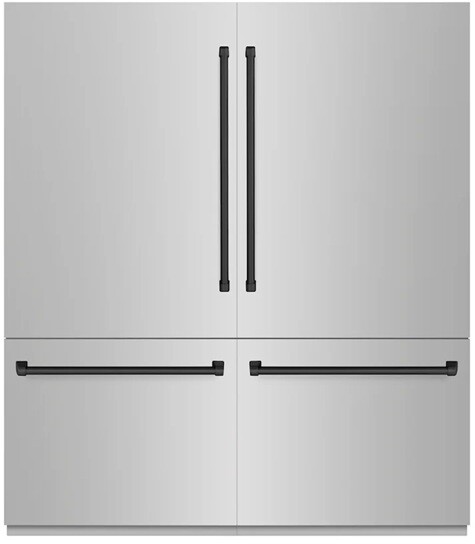
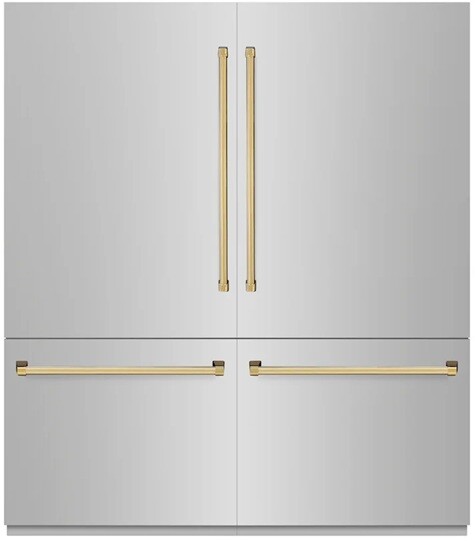
When selecting a retro fridge, there are several important factors to keep in mind to ensure you choose the best option for your needs.
If you're considering adding one to your home, it's important to understand what sets them apart and the factors to consider when choosing the right retro fridge for your needs.
Compact Design: Many retro fridges are designed to be smaller and more compact, making them ideal for apartments, condos, and other small spaces.
Compact retro fridges are ideal for small spaces such as dorm rooms, offices, or studios.
Retro fridges have become popular for their nostalgic design and modern functionality. If you're considering adding one to your home, it's important to understand what sets them apart and the factors to consider when choosing the right retro fridge for your needs.
What Sets Retro Fridges Apart
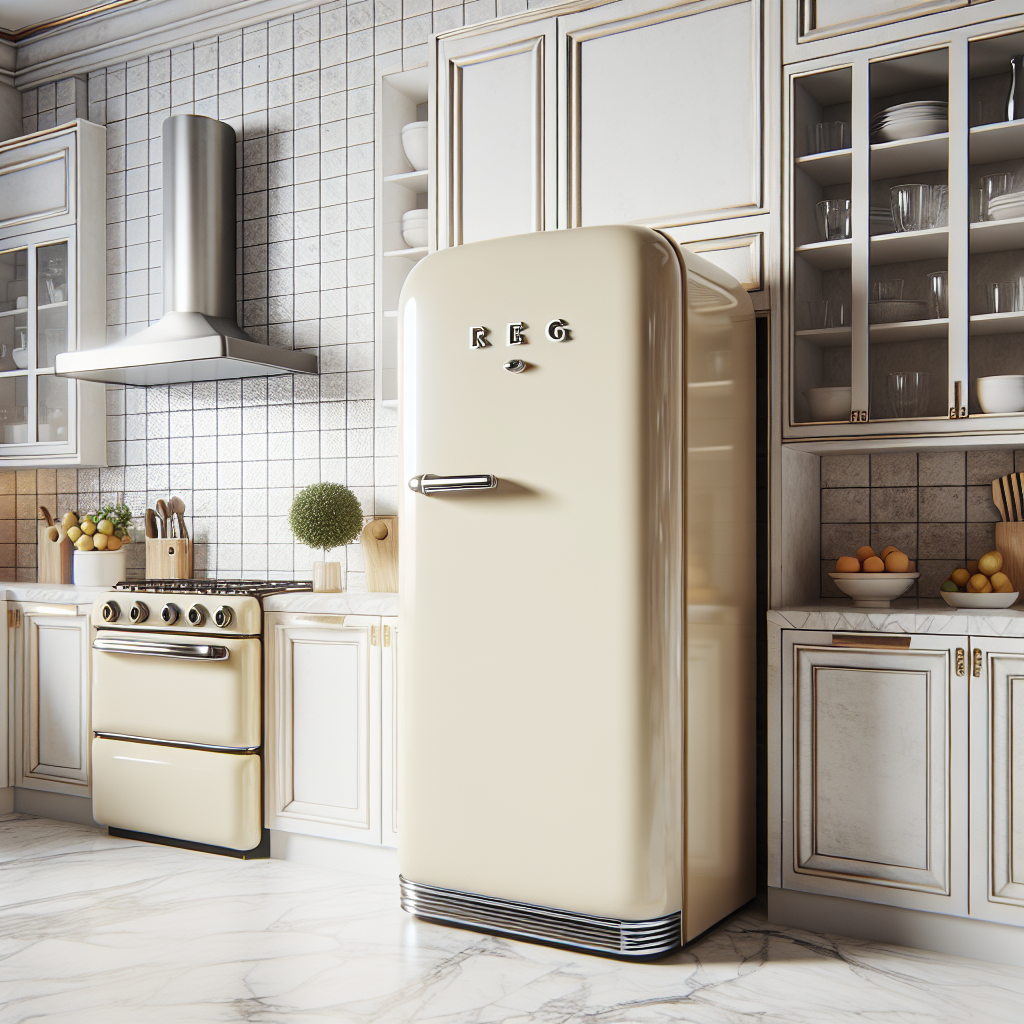
Retro fridges are characterized by their vintage-inspired design, often featuring rounded edges, chrome accents, and vibrant color options. Despite their classic appearance, these fridges incorporate modern technology to provide efficient cooling and storage solutions. Here are some key features that distinguish retro fridges from standard models:
Aesthetic Appeal: Retro fridges offer a unique, stylish look that can enhance the decor of any kitchen or living space.
Compact Design: Many retro fridges are designed to be smaller and more compact, making them ideal for apartments, condos, and other small spaces.
Energy Efficiency: Modern retro fridges often come with energy-efficient features, helping you save on electricity bills while reducing your carbon footprint.
Versatility: Retro fridges can be used in various settings, including homes, offices, garages, and outdoor areas, providing flexible storage options.
Factors to Consider When Choosing a Retro Fridge
When selecting a retro fridge, there are several important factors to keep in mind to ensure you choose the best option for your needs. Consider the following:
Size and Capacity: Retro fridges come in various sizes, from compact to full-sized models. Assess your storage needs and available space to determine the appropriate size. For more information on fridge sizes, you can refer to Fridge.com article on what is the size of a refrigerator?.
Temperature Control: Look for a retro fridge with adjustable temperature settings to ensure your food and beverages are stored at the optimal temperature.
Storage Features: Consider the layout and features of the fridge's interior, such as adjustable shelves, door bins, and crisper drawers, to maximize storage efficiency.
Energy Efficiency: Check the energy rating of the retro fridge to ensure it is energy-efficient and environmentally friendly.
Noise Level: Some fridges can be noisy, which may be a concern if you plan to place the fridge in a living area or office. Look for a model with a low noise level for a more pleasant environment.
Price: Retro fridges can vary in price depending on their size, features, and brand. Determine your budget and compare different models to find the best value for your money.
By considering these factors, you can make an informed decision when choosing the perfect retro fridge for your space. Whether you need a compact fridge for a small kitchen or a full-sized model for a larger household, understanding the key features and considerations will help you find the ideal appliance for your needs. For more detailed information on fridge sizes, explore Fridge.com articles on various types of fridges and freezers, such as what is the size of a compact refrigerator? and what is the size of a mini fridge?.
Sizes of Retro Fridges
When considering a retro fridge, size is a critical factor. Retro fridges come in various sizes to accommodate different spaces and storage needs. Understanding the dimensions and capacities of each size category will help you choose the perfect retro refrigerator for your home or office.
Compact Retro Fridges
Compact retro fridges are ideal for small spaces such as dorm rooms, offices, or studios. These fridges typically offer enough space for essentials without taking up too much room. They are designed to be both functional and stylish, providing a vintage look while offering modern amenities.
Feature
Specification
Average Height
20 - 34 inches
Average Width
18 - 24 inches
Average Depth
19 - 22 inches
Capacity
1.5 - 4.5 cubic feet
For more information on compact fridge options, take a look at Fridge.com article on what is the size of a mini fridge.
Medium-Sized Retro Fridges
Medium-sized retro fridges are a versatile option for those who need more storage without committing to a full-sized fridge. These fridges are suitable for kitchens, small apartments, or as secondary fridges in larger homes. They strike a balance between capacity and space efficiency.
Feature
Specification
Average Height
35 - 50 inches
Average Width
20 - 28 inches
Average Depth
21 - 25 inches
Capacity
5 - 10 cubic feet
If you're interested in similar options, check out Fridge.com article on what is the size of a compact refrigerator.
Full-Sized Retro Fridges
Full-sized retro fridges offer the most storage space, making them perfect for larger families or avid entertainers. These fridges combine ample space with the classic retro aesthetic, making a statement in any kitchen. They provide extensive storage for all your groceries and beverages.
Feature
Specification
Average Height
60 - 70 inches
Average Width
28 - 34 inches
Average Depth
27 - 32 inches
Capacity
11 - 20 cubic feet
For more details on large fridge options, see Fridge.com article on what is the size of a refrigerator.
Choosing the right size retro fridge depends on your space and storage needs. Whether you need a compact model for a small area or a full-sized fridge for extensive storage, understanding these dimensions will help you make an informed decision.
Determining the Right Size for You
Selecting the right size retro fridge can make a significant difference in terms of functionality and aesthetics. Here are some crucial factors to help you determine the best fit for your needs.
Assessing Your Space
First, evaluate the available space in your home or office. Measure the dimensions of the area where you plan to place the retro fridge, including height, width, and depth. This will ensure that the fridge fits comfortably without overcrowding the space.
Space Type
Recommended Dimensions (inches)
Kitchen
60-70 H x 30-35 W x 30-35 D
Office
50-60 H x 25-30 W x 25-30 D
Apartment/Condo
50-60 H x 25-30 W x 25-30 D
Garage/Basement
60-70 H x 30-35 W x 30-35 D
Outdoor/Backyard
50-60 H x 25-30 W x 25-30 D
Make sure to leave some clearance around the fridge for ventilation, which is crucial for optimal performance. Refer to Fridge.com guide on what is the size of a garage refrigerator? if you're considering placement in a garage.
Considering Your Storage Needs
Next, consider your storage requirements. The size of the retro fridge should align with your food storage needs. Think about the quantity and types of items you typically store. For instance, a family might need a larger fridge compared to a single person or a couple.
Household Type
Recommended Capacity (cubic feet)
Single Person
4-10
Couple
10-14
Small Family (3-4 members)
14-18
Large Family (5+ members)
18-25
For more detailed storage options, check out articles like what is the size of a mini fridge? or what is the size of a compact refrigerator?.
When deciding where to place your retro fridge, there are several factors to consider. Below are some placement ideas to help you make the best decision.
Kitchen Placement
The kitchen is the most common location for a retro fridge. Its nostalgic design can add a touch of vintage charm to your cooking space. Here are some key points to consider:
Available Space: Measure the area where you plan to place the fridge. Ensure there's enough room for the fridge to open fully without obstructing other kitchen functions.
Electrical Outlets: Make sure there's a nearby power outlet to plug in your fridge.
Ventilation: Ensure proper ventilation around the fridge to prevent overheating.
If you don't want to place your retro fridge in the kitchen, there are various alternative spots that can be equally functional and stylish.
Home Office: A retro fridge can be a convenient addition to a home office, keeping your snacks and beverages within arm's reach.
Garage: Ideal for storing extra groceries or beverages, especially if you host gatherings frequently. For more information, visit what is the size of a garage refrigerator.
Basement: Perfect for additional storage, especially for families with larger grocery needs. Consider reading what is the size of a deep freezer for more storage options.
Outdoor Spaces: A retro fridge can be a stylish addition to your backyard or near the pool for easy access to cold drinks. Learn more about outdoor options by visiting what is the size of a outdoor refrigerator.
Alternative Placement
Considerations
Home Office
Convenience for snacks and drinks
Garage
Extra storage for gatherings
Basement
Additional storage space
Outdoor Spaces
Easy access to cold beverages
These placement options can help you find the perfect spot for your retro fridge, whether inside or outside your home. By considering the specific needs of each space, you can ensure that your retro fridge not only adds style but also functionality to your living area.
Customizing Your Retro Fridge
Retro fridges offer a unique blend of vintage charm and modern convenience. Customizing your retro fridge can enhance its functionality and aesthetic appeal. Below are some ways to personalize your retro fridge.
Additional Features and Options
Retro fridges come with various additional features that can enhance their usability. These features can make your life easier and your fridge more efficient.
Adjustable Shelves: Customizable shelves allow you to store items of different sizes with ease.
Temperature Control: Separate temperature controls for different compartments can help keep your food at the optimal temperature.
Ice Maker: An integrated ice maker can be a convenient addition for those who frequently need ice.
Energy Efficiency: Look for models with energy-efficient ratings to help reduce electricity consumption.
Feature
Benefit
Adjustable Shelves
Customizable storage options
Temperature Control
Optimized food preservation
Ice Maker
Convenient access to ice
Personalizing the Look of Your Retro Fridge
Personalizing the appearance of your retro fridge can make it a standout piece in your space. Here are some ways to give your fridge a unique look:
Color Options: Retro fridges come in a variety of colors. Choose a color that complements your space and reflects your personality.
Handle Styles: Different handle styles can add to the vintage appeal. Select handles that match the overall aesthetic of your kitchen or room.
Decorative Magnets: Use decorative magnets to add a personal touch. These can be swapped out easily for a quick refresh.
Custom Paint: For a truly unique look, consider having your fridge custom-painted. This can be a great way to match your fridge to specific themes or decor styles.
For further inspiration on customizing your fridge, check out Fridge.com articles on what is the size of a built in refrigerator and what is the size of a compact refrigerator.
Customizing your retro fridge not only enhances its functionality but also allows you to express your personal style. Whether you focus on additional features or aesthetic upgrades, these modifications can make your retro fridge a cherished part of your home.
Free tool
Refrigerator Size Calculator
Free interactive tool from Fridge.com — get a quick answer while you read.