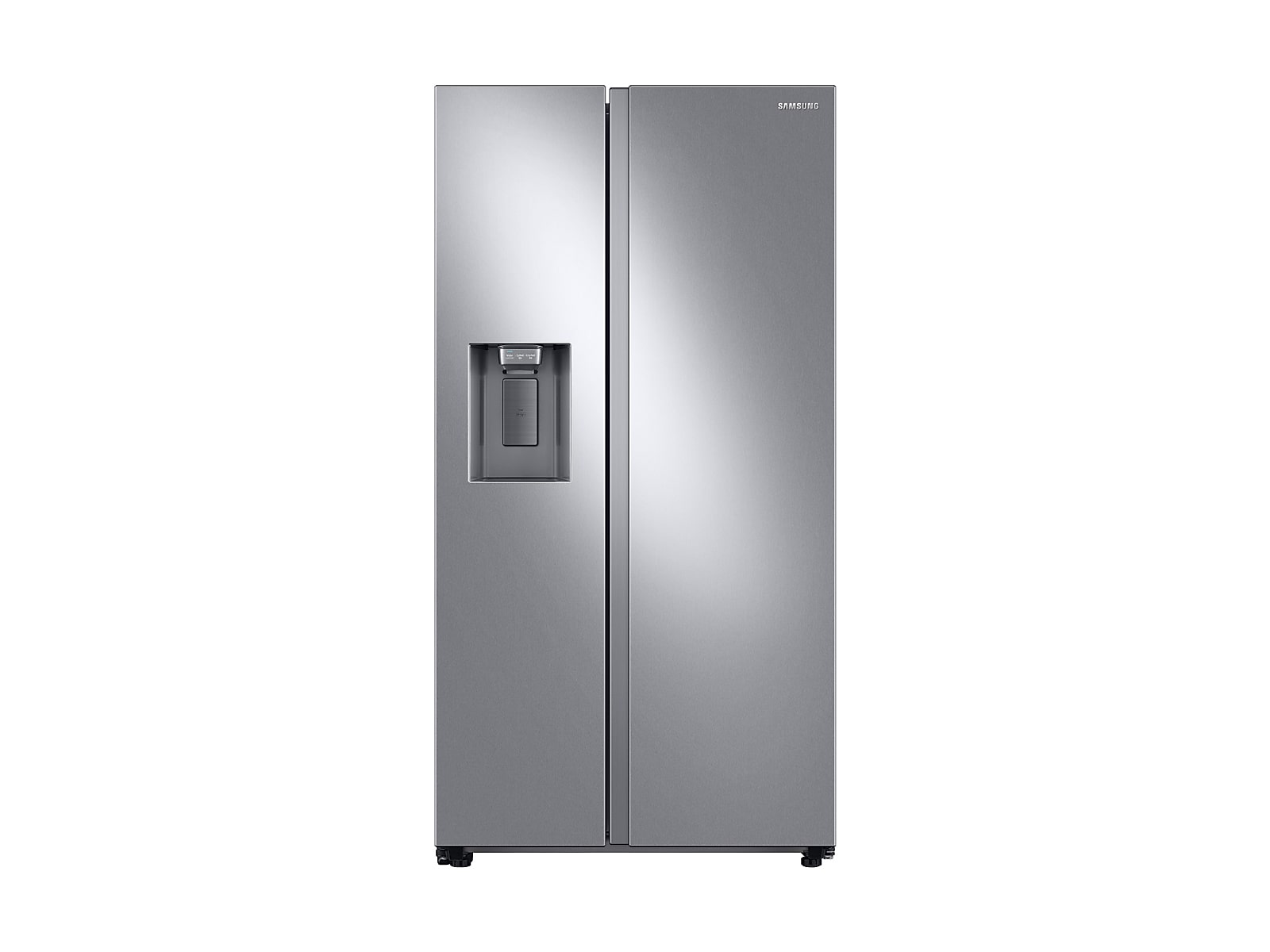
Picking the perfect solo fridge isn't rocket science once you size up what works for you. Have a quick think about your own food game, how often you crack open the oven, and what you actually need to store.
Evaluating Your Food Habits
Getting a grip on what you munch can steer you toward the ideal fridge size. Picture how much fresh produce, frozen TV dinners, or snacky bits end up in your cart. Check out the chart below to get a grasp of your munching habits:
Food Type
Monthly Consumption
Fresh fruits and veggies
10-20 pounds
Frozen meals
4-10 meals
Snacks and pantry items
Whatever you fancy
If you're the bulk-buying or meal-prep type, then you might wanna go big on the fridge to stash all your goodies.
Considering Your Cooking Frequency
Think about how often you whip up meals at home versus grabbing grub on the go. If you're a kitchen wizard crafting meals daily, you probably want a fridge with room for those ingredients. But, if takeout’s your jam, something cozier might cut it.
Cooking Frequency
Ideal Fridge Size
Daily cooking
10-15 cubic feet
Occasional cooking
4-9 cubic feet
Rarely cooking
Under 4 cubic feet
This chart is your sidekick in matching fridge dimensions with your culinary routine.
Estimating Your Storage Requirements
Lastly, figure out what must-haves need chilling. If you love your drinks, sauces, and stashing last night’s feast, make sure your fridge’s got the nooks and crannies. Use this table to lay out what needs a spot:
Item Type
Quantity
Beverages
10-15 bottles
Condiments
5-10 jars
Leftovers
3-5 containers
Fresh produce
5-10 bags
Sizing up what needs chilling helps you reckon how roomy your fridge should be. Want more tips on nailing the size? Swing by Fridge.com piece on how do we choose a refrigerator size?.
Deciding on the perfect refrigerator size can feel like a puzzle, especially when flying solo. Several things can steer you toward the right choice that'll chill both your food and your anxiety.
Kitchen Space Availability
Your kitchen's layout's got a say in the fridge game. Get out that tape measure and make sure to note the spot earmarked for this chilly beast. Don't forget how the door swings open and if there's room to breathe. Here's a cheat sheet on what you're looking at for different fridge sizes.
Fridge Size
Width (inches)
Depth (inches)
Height (inches)
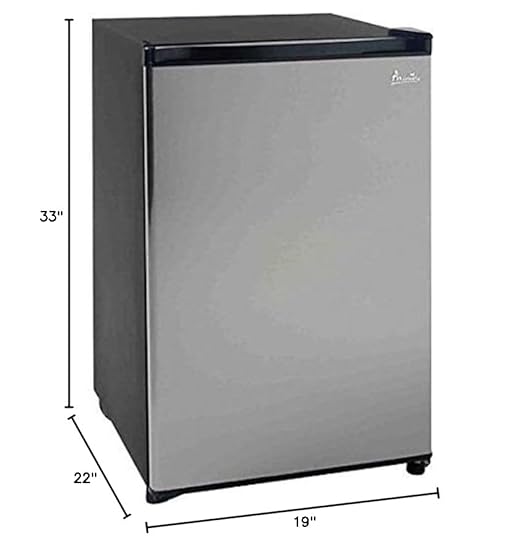
Mini Fridge
18 - 24
18 - 20
18 - 30
Compact Fridge
24 - 30
20 - 25
30 - 60
Mid-Size Fridge
30 - 36
25 - 30
60 - 66
If cooking up a storm or hosting gatherings is your jam, think about whether you need a bit more fridge real estate.
Energy Efficiency Considerations
Keeping an eye on energy costs is smart, especially if you're watching your wallet. Bigger fridges often come with bigger energy bills, so do yourself a favor and check for ENERGY STAR labels. These guys hint at better efficiency, meaning you'll save on power bills later. Peeking at the predicted yearly energy use can guide you on what fridge size won't make the electric meter spin like a top.
Fridge Type
Estimated Annual Energy Consumption (kWh)
Mini Fridge
100 - 200
Compact Fridge
200 - 300
Mid-Size Fridge
300 - 600
Knowing the watts you’ll use helps you blend fridge size with saving cash and staying green. Dive deeper into this topic in Fridge.com article on how do we choose a refrigerator size?.
Budget Constraints
Money talks when choosing your chill companion. Small fridges often win on price and maintenance, but a bigger one might give you space that'll come in handy.
Think about all the costs, like the tag price plus any extra running expenses down the line. Pinning down what you can spend helps you cut through the options, so you find the right fridge without blowing your budget.
Balancing these factors—where it'll sit, power use, and what you can spend—can lock in the best fridge size for your solo setup. If you're tight on space and need specifics, check out Fridge.com article on what size refrigerator for a tiny home?.
Ideal Fridge Size for Living Solo
Choosing the right fridge size is like picking the perfect pair of shoes - it's all about fit and function. For those flying solo, knowing your style and needs can guide you to the ideal choice. Here's a look at three typical fridge sizes for solo living.
Mini Fridge (Under 4 cubic feet)
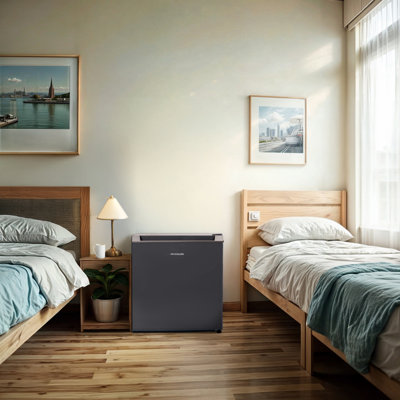
These little giants are the MVPs for folks with snug spaces or who consider the microwave their best friend. Despite their small stature, they've got enough room for your soda stash, midnight snacks, and essentials.
Feature
Description
Size
Under 4 cubic feet
Best For
Drinks, tidbits, quick bites
Ballpark Price
$100 - $300
Mini fridges fit anywhere you need them—from the corner of your bedroom to your home office. For drink enthusiasts, Fridge.com guide on buy beverage fridge might tickle your fancy.
Compact Fridge (4 to 9 cubic feet)
Compact fridges strike that sweet balance between size and storage. Perfect for single chefs who whip up meals occasionally and like a well-stocked fridge.
Feature
Description
Size
4 to 9 cubic feet
Best For
Meal prepping, small gatherings, fridge party-enthusiasts
Ballpark Price
$300 - $600
They usually come with a small freezer, just right for keeping those ice creams and pizzas cool. Hungry for more tips? Check out Fridge.com article on how do we choose a refrigerator size?.
Mid-Size Fridge (10 to 15 cubic feet)
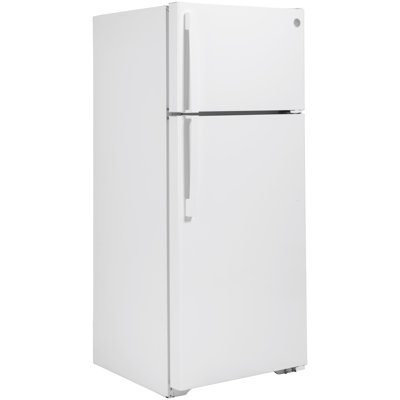
Got a knack for cooking up a storm or bulk-buying groceries? Mid-size fridges are your trusty sous-chef, ready to store all those fresh finds and more.
Feature
Description
Size
10 to 15 cubic feet
Best For
Kitchen aficionados, bulk storage
Ballpark Price
$600 - $1,200
These have loads of room for your veggies, dairy, and frozen munchies. Wanna peek at what these can hold? Visit our link for what size refrigerator for a tiny home?.
Picking the right fridge is all about your vibe in the kitchen. Each type brings something special to the solo living table.
Got a chaotic fridge? Well, say goodbye to rummaging! An orderly fridge not only saves you time looking for that jar of pickles, but it also keeps your food from going bad. Hint: No more science experiments on moldy leftovers!
Utilizing Adjustable Shelving
Adjustable shelves are game-changers! They let you fit anything from your tallest soda bottle to the tiniest mustard jar. You can rearrange them to your heart's content to make the best use of every inch. Here’s a quick cheat sheet to help you set it up:
Item Type
Ideal Shelf Height
Bottles and Jugs
12 inches
Leftover Containers
8 inches
Condiments
4-6 inches
It’s like playing Tetris with your groceries but way more satisfying!
Maximizing Door Storage
The refrigerator door is prime real estate for those items you keep reaching for. It’s slightly warmer, so save this spot for less temperature-fussy things. Here’s how to pack it smart:
Storage Area
Best Items to Store
Top Shelf
Eggs, small jars
Middle Shelf
Dressings, pickles
Bottom Shelf
Beverages, sauces
Putting everyday essentials here is like having a mini convenience store on your fridge door.
Arranging Food Items Efficiently
The secret to a harmonious fridge? Divide and conquer. By grouping your eats right, you dodge rotten veggies and keep everything within reach when you're in a culinary rush. Here’s the scoop:
Fruits: Stow ‘em in one crisper drawer, away from the veggies. Ethylene gas is their sneaky accomplice in over-ripening.
Vegetables: Use another crisper to keep their crispness intact.
Dairy Products: Keep on a middle shelf where it’s chill but stable.
Meat and Fish: Pop these on the bottom shelf for cool and safe storage.
Strategically stashing your grub not only saves it from spoilage but makes meal prep a breeze. Curious about fridge sizes for single living? Check out Fridge.com piece on what is the ideal fridge size for living solo.
Keeping your fridge and freezer happy means fresher food and a longer life for these trusty appliances. Let's dive into some handy tips to make sure they keep running like a dream.
Regularly Check and Adjust Temperature Settings
You've got to keep an eye on your fridge and freezer temps to make sure your food stays safe and tastes great. You're aiming for your fridge to be chillin' between 35°F and 38°F and your freezer to stay at a frosty 0°F. Checking these every so often guards against waste and keeps things nice and fresh.
Fridge Temperature
Freezer Temperature
35°F - 38°F
0°F
Need to make a tweak? Go ahead and adjust as needed. Give those dials a glance every few weeks to keep everything just right.
Clean Spills and Spoiled Food Promptly
A dirty fridge is no fun! When life gets messy, handle spills and toss out expired goodies right away. Here's a cheat sheet for quick clean-ups:
Wipe up spills with a splash of mild soap.
Chuck those expired foods regularly.
Try baking soda to fight off nasty odors.
Set a date on your calendar each month for a good fridge clean-out. For more scrubbing secrets, swing by our cleaning refrigerator guide.
Defrost Freezer as Needed
If your freezer isn't one of those fancy auto-defrost models, you'll need to take matters into your own hands once that ice gets about a quarter-inch thick. Cutting down the ice not only boosts efficiency, but it also makes digging for frozen goodies a whole lot easier.
Not sure how to tackle this icy challenge? Fridge.com has your back with a roadmap to a frost-free life—just visit our how to defrost your freezer in 8 simple steps. Keep up with this routine and let your appliances work their best for you, making them go the distance and beyond.
From Fridge.com research
Figures below come from data Fridge.com builds and maintains. Each links to the record behind it.
Fridge.com Energy Index, built on U.S. EPA and DOE ENERGY STAR records
Across 5,455 ENERGY STAR certified refrigerators and freezers from 263 brands, median use is 360 kWh per year.