If your freezer’s thermostat isn’t well calibrated, it may hover above safe storage temperatures even when it reads “0 °F.” That slight warmth accelerates sublimation.
The faster your freezer lowers the food’s temperature below 32 °F, the smaller the ice crystals that form.
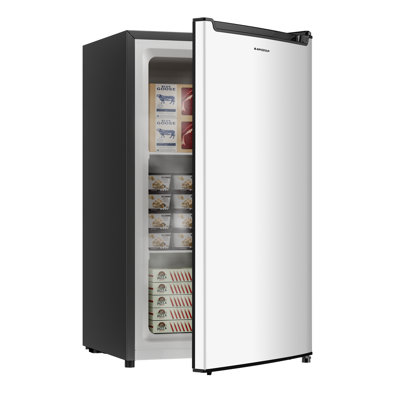
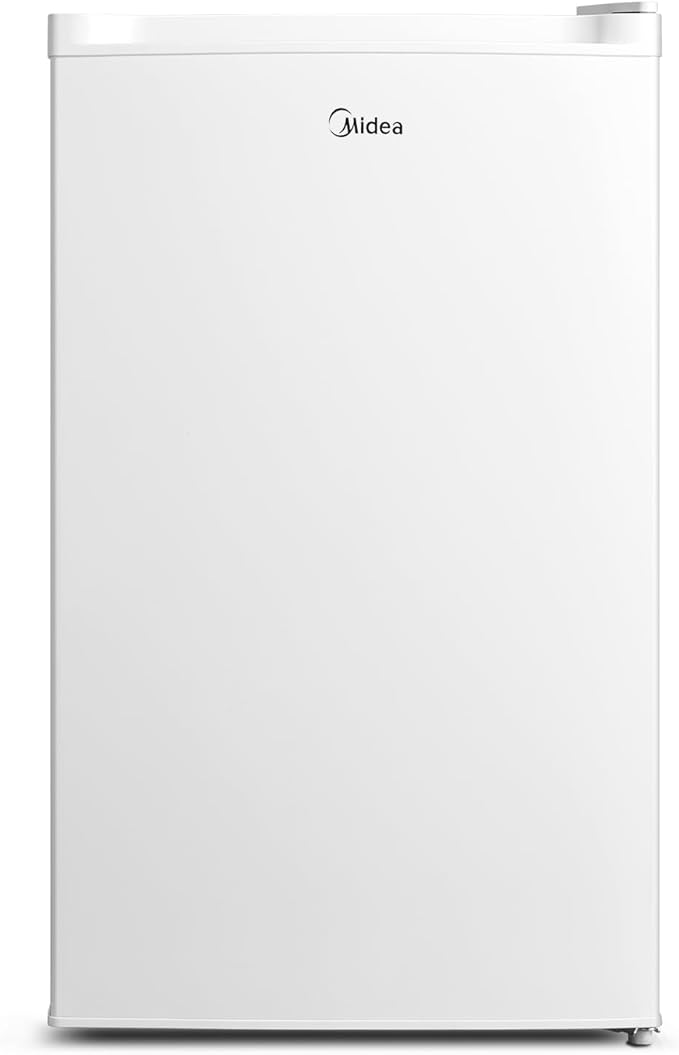
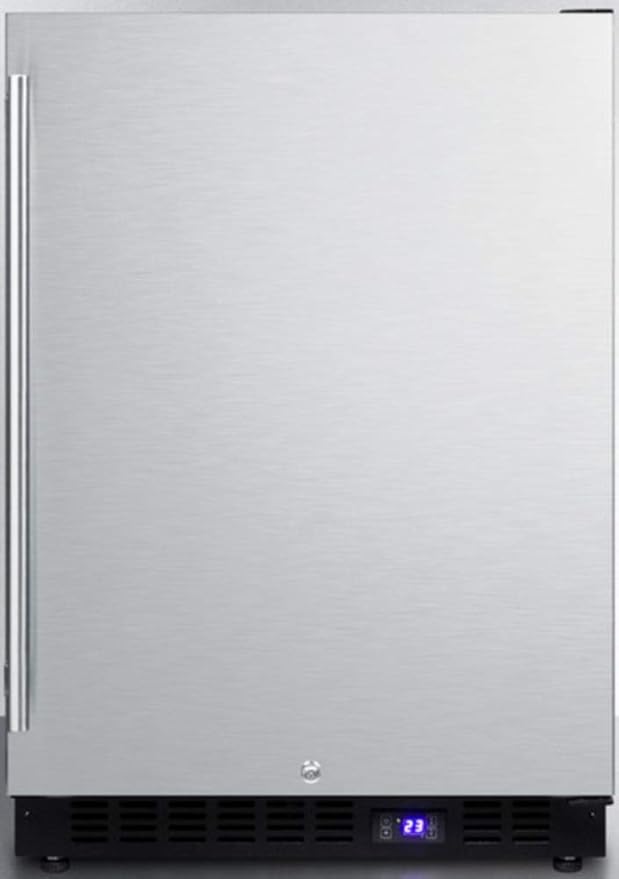
If you cook primarily for one or two, a smaller model or best freezer for middletown homes could be ideal.
You’ve probably opened your freezer to find prized leftovers or meal-prep staples looking pale, dried out, or fuzzy around the edges. So what causes food to freezer burn? In simple terms, freezer burn happens when moisture escapes from your food, migrates through the air in your freezer, and forms ice crystals on the surface of the food or on the interior walls. Over time that moisture loss dries out your ingredients, leading to off-flavors and a tough, leathery texture.
What is freezer burn?
Freezer burn is the result of sublimation, the process where ice transitions directly from a solid to a vapor without turning into liquid first. When air circulates inside your freezer, it picks up water molecules from your stored foods. Those molecules then re-deposit as frost on colder surfaces—often right on top of your chicken breasts or bag of peas.
Why does it happen?
Temperature fluctuations in your freezer cause frost to melt and re-freeze.
Improper packaging allows air to reach your food.
Long storage times magnify moisture loss.
All these factors combine to rob your meals of moisture, leaving them dry, discolored, and less appetizing.
If moisture is the main culprit behind freezer burn, air is its accomplice. Controlling both elements is key to keeping food fresh.
Ice crystal formation
As ice crystals accumulate on your food, they puncture cell walls. When you thaw and cook, those damaged cells can’t hold juices, so you end up with dry meat or floppy vegetables. The longer the crystals sit, the worse the damage.
Packaging and moisture loss
Your choice of packaging makes a huge difference. Thin plastic wrap or loosely sealed freezer bags allow moisture-rich air to swirl around. Over time that air whisks water molecules away. By contrast, materials like heavy-duty aluminum foil, freezer-grade bags with leakproof seals, or rigid plastic containers create a barrier that slows moisture migration.
Your freezer is supposed to be a cold, stable environment, but real-world use often creates pauses in that ideal state.
Effects of door opening
Each time you open the freezer, warm air rushes in. When you close the door, your freezer works overtime to bring the temperature back down. Those mini thermal cycles thaw existing frost, which then refreezes into new ice crystals.
Thermostat inconsistencies
If your freezer’s thermostat isn’t well calibrated, it may hover above safe storage temperatures even when it reads “0 °F.” That slight warmth accelerates sublimation. Consider checking your actual interior temp with an appliance thermometer.
Chest vs upright freezers
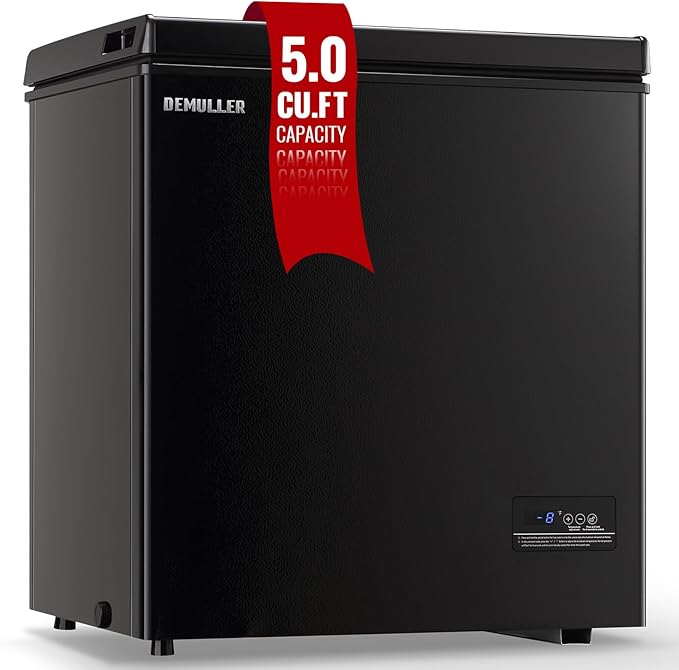
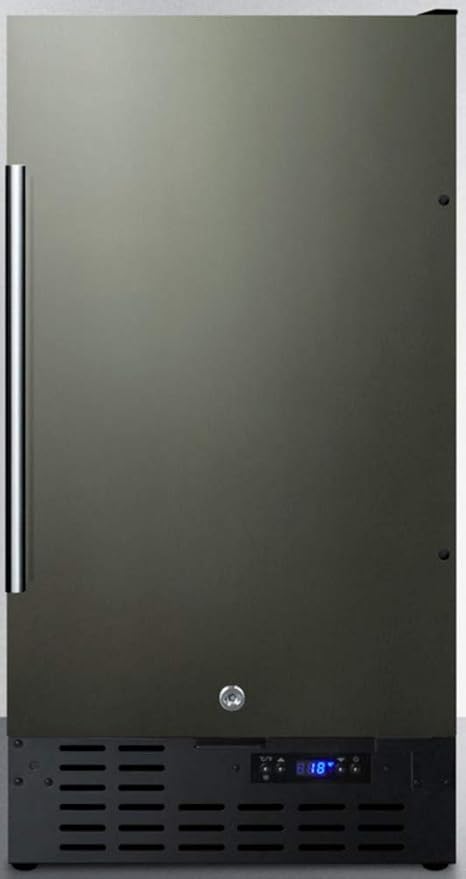
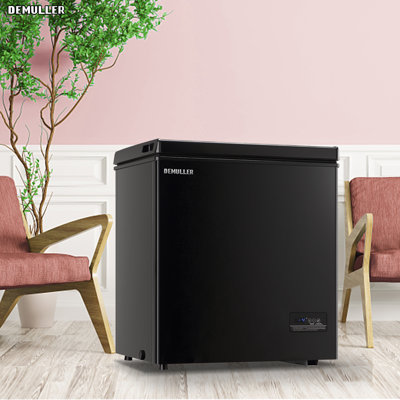
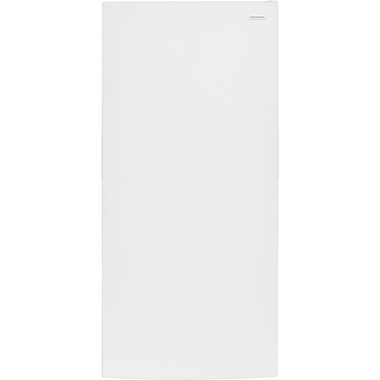
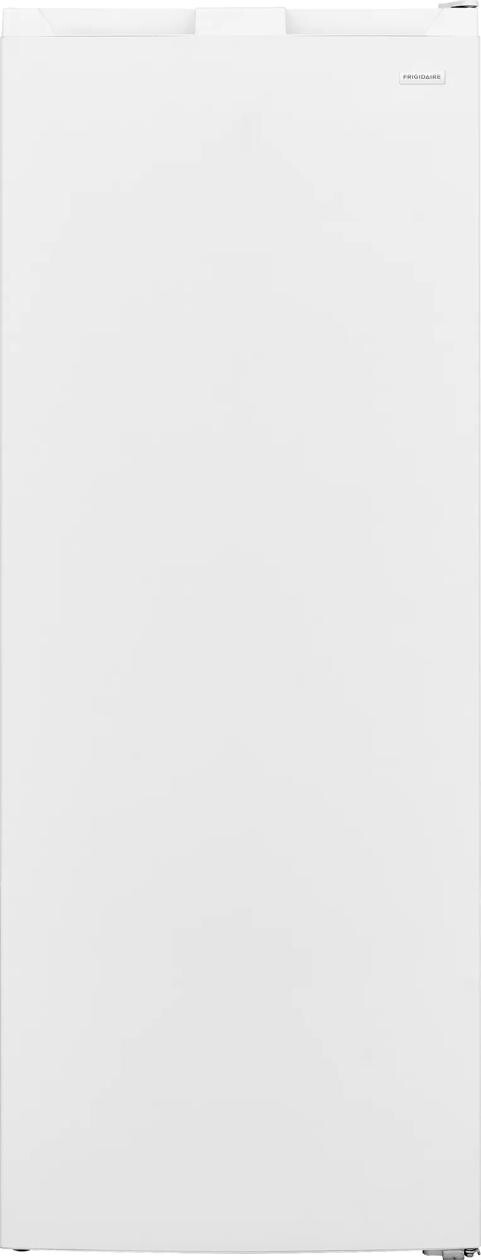
Chest freezers generally hold temperature better because cold air stays low and the lid opens upward, letting less air escape. If you own a chest model, it’s worth learning which top hinge chest lid removes for deep cleaning to maintain a tight seal. Upright freezers, by contrast, often have more gaps around the door edges as seals age, letting in air and causing more frequent frost build-up.
Type of food matters
Not all foods freeze equally. The composition of your ingredients affects how prone they are to freezer burn.
High moisture foods
Soups, stews, fruits, and berries contain lots of water. As those water molecules escape, they create larger ice crystals on the surface. You might notice that a bag of frozen strawberries looks shriveled after a few weeks—classic freezer burn signs.
Fatty foods and oxidation
Butter, margarine, and fatty cuts of meat can oxidize when exposed to air, producing off-odors and rancid flavors. Even if moisture loss is minimal, those fats can still develop freezer burn that tastes more like stale oil than fresh butter.
You can’t eliminate freezer burn entirely, but you can drastically slow its progress with the right techniques.
Use proper packaging
Vacuum sealing
Vacuum sealers remove most air before sealing, drastically reducing moisture migration. If you do meal prep regularly, investing in a vacuum sealer delivers long-term protection.
Airtight containers
Rigid plastic or glass containers with tight-fitting lids work well for soups or sauces. Just leave a little headspace so contents can expand as they freeze.
Freezer bags and wraps
Use heavy-duty freezer bags, press out as much air as possible, then seal. For extra protection, wrap your bagged food in aluminum foil or freezer paper.
Portioning food
Freeze in meal-sized portions so you only thaw what you’ll eat. Smaller packages freeze faster, leading to smaller ice crystals and less damage.
Rapid freezing
The faster your freezer lowers the food’s temperature below 32 °F, the smaller the ice crystals that form. Don’t overload your freezer—an overcrowded freezer slows cooling. If you need a compact option, check out shop compact freezer to find models with quick-freeze settings.
Alongside packaging, how you organize and rotate your frozen goods influences freezer burn.
Labeling and dating
Write the date and contents on each package. You’ll avoid rediscovering a four-month-old bag of peas that’s beyond salvage.
FIFO rotation
First in, first out. Store new items behind existing ones so you use older food first. This simple habit keeps your freezer inventory fresh.
Avoid overloading
You want good air circulation around each package. Stacking too many items in one section prevents proper cooling, leading to uneven temperatures and faster sublimation.
If freezer burn remains a persistent issue, you may want to explore a different freezer type or upgrade to a unit with advanced features.
Upright vs chest
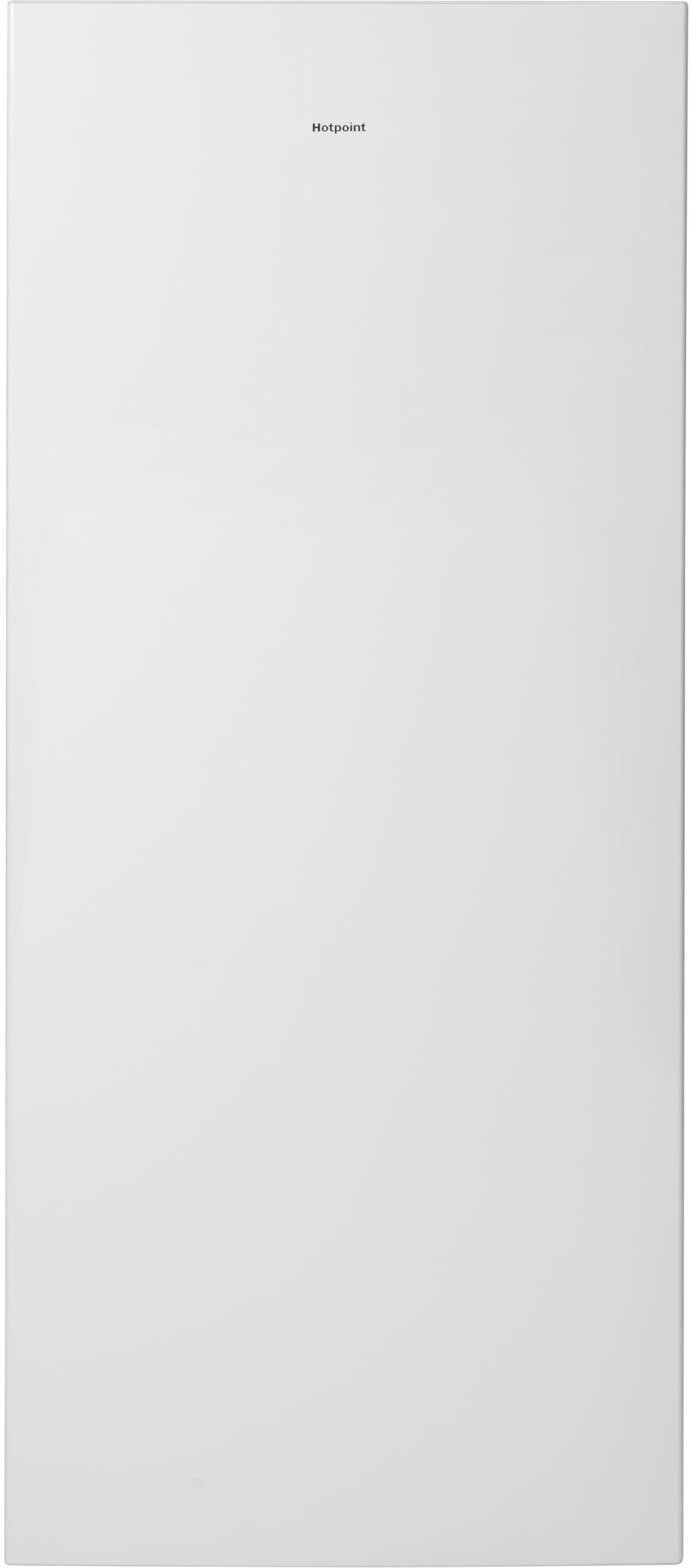
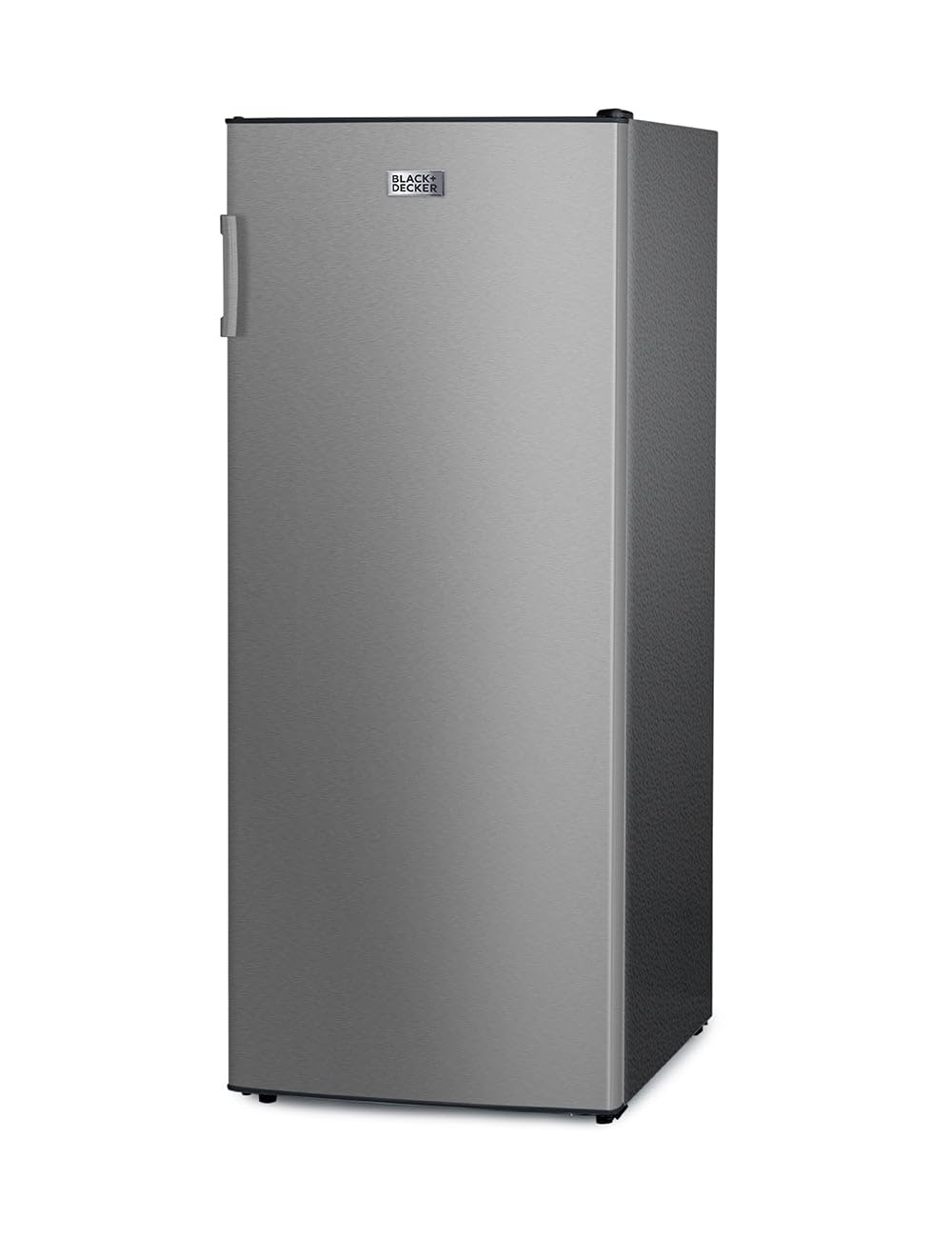
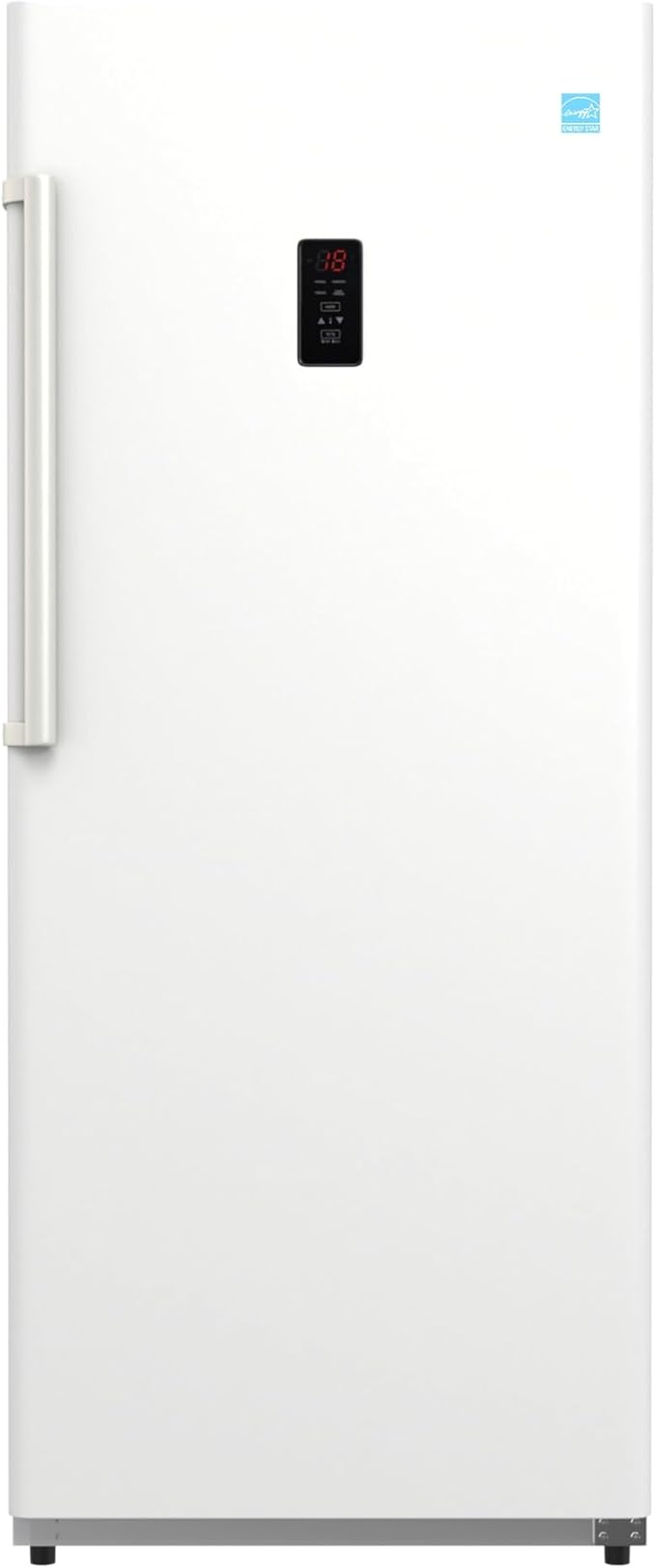
Upright freezers offer better organization with shelves and drawers, but they lose more cold air when opened.
Chest freezers are more efficient at temperature retention, which slows frost buildup.
Size and layout
Pick a size that matches your usage. A massive deep freezer half-empty for months will cycle more and may develop frost pockets. If you cook primarily for one or two, a smaller model or best freezer for middletown homes could be ideal.
Energy efficiency
Newer freezers often include improved insulation, tighter seals, and frost-free cycles. If you’re in the market, compare Energy Star ratings and look for units with a rapid-freeze or power-freeze mode.
Reviving freezer burned food
Even if freezer burn has set in, you can still make the most of your ingredients.
Trimming and preparation
Cut away the most dried-out sections before cooking.
Thaw in the refrigerator rather than under running water to prevent uneven moisture uptake.
Cooking techniques
Prepare freezer-burned meat in stews, soups, or slow-cookers where liquid can help rehydrate. For fruits, blend them into smoothies, compotes, or sauces where texture matters less.
A little regular maintenance goes a long way toward preventing freezer burn for all your stored foods.
Regular defrosting
If you use a manual-defrost freezer, plan a defrost every 3–6 months or when ice buildup reaches ¼ inch thickness. When you do, consider whether unplugging a chest freezer reset it will solve any glitch you’ve noticed in cooling cycles.
Cleaning and maintenance
Removing stains and odors
Wipe down interior walls with a mild solution of baking soda and water. This non-abrasive cleaner neutralizes odors without harming seals.
Deep cleaning tips
Occasionally remove shelves and bins for a thorough scrub. For chest freezers, knowing which top hinge chest lid removes for deep cleaning helps you reach all corners and maintain that tight seal.
Monitoring temperature
Keep an appliance thermometer inside your freezer. The ideal range is 0 °F to −10 °F. If it drifts above 0 °F, you risk accelerated freezer burn and potential bacterial growth.
By understanding what causes food to freezer burn and adopting targeted strategies—proper packaging, smart organization, mindful temperature control, and routine maintenance—you’ll extend the shelf life of your frozen meals and snacks. With a little planning, you can minimize waste, save money, and enjoy flavorful, tender food straight from your freezer.
Frequently Asked Questions
Freezer burn is the result of sublimation, the process where ice transitions directly from a solid to a vapor without turning into liquid first. When air circulates inside your freezer, it picks up water molecules from your stored foods. Those molecules then re-deposit as frost on colder surfaces—often right on top of your chicken breasts or bag of peas.