Fridge.com Logo

What Are The Electrical Requirements For An Upright Freezer?

By • Published June 30, 2025

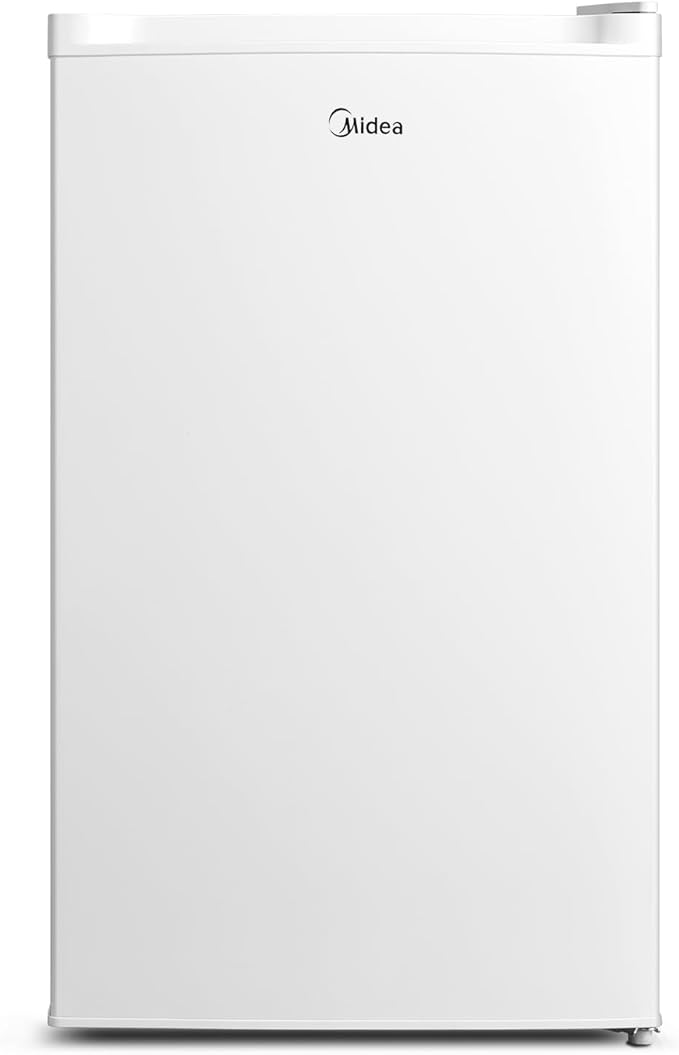
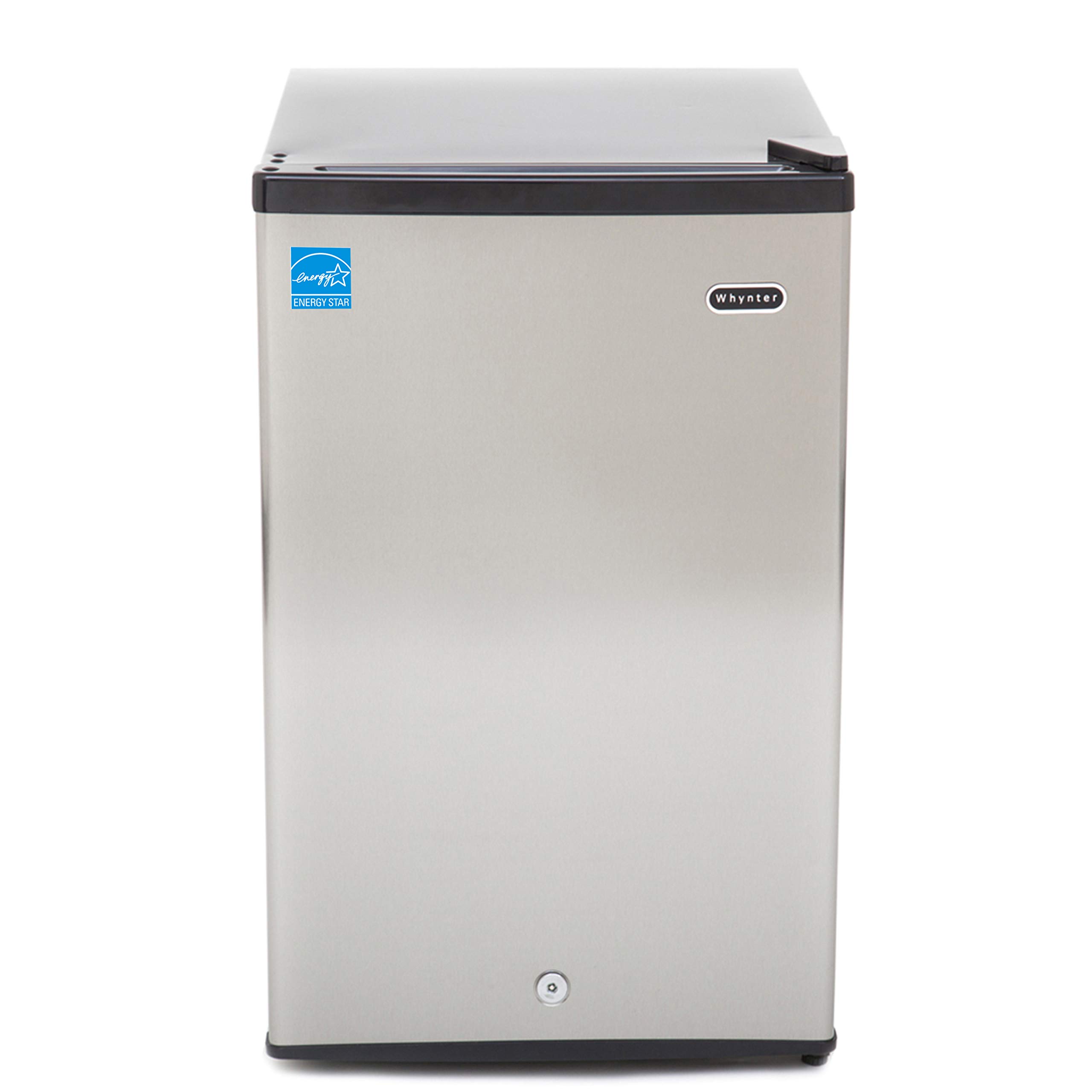
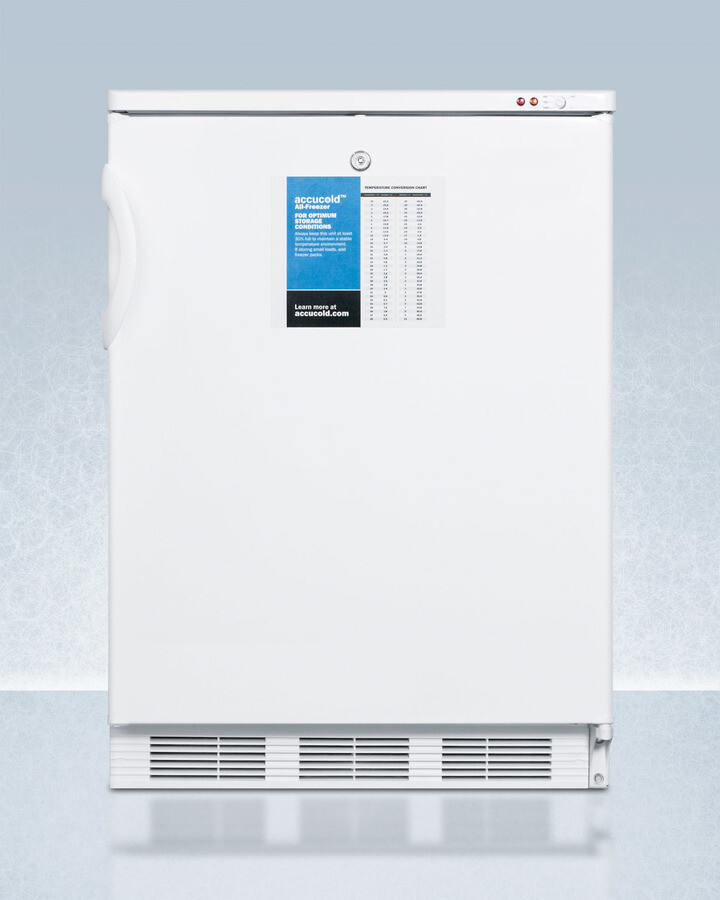
Understanding Upright Freezers

Benefits of Having an Upright Freezer

An upright freezer could be your home's next hero – especially if you're all about smart food stocking. Here’s why folks are loving 'em:

  • Space Saver: Squishes neatly into snug spots, leaving room for all the other kitchen stuff. Perfect if you're tight on square footage.
  • Tidy at a Glance: Shelves and nooks help keep your grub in line, making it a breeze to grab what you need when your stomach starts growling.
  • Eco-Friendly: Many uprights go easy on the juice, trimming down those power bills and keeping meals fresh as daisies.
  • No Stooping: No need to crawl and dig with these—you can access your goodies without turning it into a workout.session. Great for everyone, but especially if your joints are on strike.

Difference Between Upright Freezers and Chest Freezers

Can't decide between the upright and the chest? Let’s break it down:

Feature Upright Freezers Chest Freezers
Design Tall and neat, easy-peasy to sort stuff Lays low with loads of room to stash
Space Requirement Slim fit into tight corners Needs more room to stretch, but holds tons
Accessibility Everything’s within arm’s reach Might have you digging like a gopher
Energy Use Can sip more power Tends to be kinder on the power meter

Eyeballing these options will steer you toward what clicks best for your storage game. Still torn? Peek at our best freezers for back to school or any of our other deep-freeze guides for ideas that mesh with your day-to-day.

When hunting for your freezer soulmate, remember to check the plug-in requirements for your space. Knowing that bit can save you a headache when settling your new kitchen buddy in.

Electrical Requirements

Alright, let's talk about what keeps your upright freezer humming without a hitch. You gotta know the lowdown on its electrical needs to keep it running smoothly and safely. Let's break down what matters: voltage, amperage, and saving a bit on that electric bill.

Voltage and Amperage Needs

Most upright freezers won't ask for more than your regular home setup to do their job. You've got 120 volts riding the wave here. Amperage, though—that's a bit of a mix and match depending on the size and type of freezer you've got your eye on. Nailing these details saves you from any burner blowouts.

Here's a cheat sheet for amperage needs based on freezer size:

Freezer Size (Cubic Feet) Amperage (A)
5 - 9 2 - 4
10 - 15 5 - 8
16 - 20 8 - 10
21 and up 10 - 15

Always double-check with the specs for your model—don't leave it to chance. It's all about keeping you and your space safe.

Energy Efficiency Ratings

Want your freezer to cut you some slack on the electricity bill? It's about hitting up that ENERGY STAR® label. This stamp tells you what you're paying for compared to similar gizmos. Get the right one, and you're looking at pretty decent savings.

Here's a little something on usual energy gulping for different freezer sizes:

Freezer Size (Cubic Feet) Annual Energy Consumption (kWh)
5 - 9 250 - 400
10 - 15 400 - 600
16 - 20 600 - 800
21 and up 800 - 1200

Choosing a freezer that's big on efficiency puts less strain on your wallet and does Mother Nature a solid too. Check out our page on commercial fridges if you're curious about how bigger beasts match up energy-wise.

Getting to know what your freezer needs before bringing it home means you'll pick the right one for you, keeping your kitchen safe and sound.

Placement and Power Supply

Picking a perfect spot for your upright freezer is essential for both ease and getting the best out of it. Get it going strong with a solid power setup.

Best Spots to Put Your Upright Freezer

When eyeing a place for your new freezer buddy, keep these points in mind:

  1. Close to Power: Make sure the plug socket is nearby. It makes plugging in a breeze and cuts out the need for those pesky extension cords that you don't want lying around.

  2. Fresh Air: Give your freezer some breathing room. Proper airflow keeps it humming happily. Tucking it into a closet or pushing it against a wall is a no-go.

  3. Moderate Temps: Steer clear of spots that turn into a sauna or freezer themselves, like garages or sunrooms. If it's comfy for you, it'll be great for your freezer too.

  4. Handy Access: Pick someplace you can get to easily and often. You’ll thank yourself during the frequent trips to load or unload your tasty treats.

Best Place Why It Works
Kitchen Always handy and keeps a steady climate
Basement Generally cooler, with lots of air movement
Utility Room Built for stuff like this, with easy plug-ins

Getting the Power Right

For safe and smooth operation, tick these boxes for your freezer’s power needs:

  1. Solo Socket: Plug that freezer into its very own outlet. It stops other gadgets from tripping the circuit.

  2. Voltage Check: Make sure the outlet gives out the right power (usually 120V for most freezers). Peek at your appliance manual for specifics.

  3. Stay Grounded: Keep it grounded to dodge nasty shocks. Safety first, folks.

  4. Ditch the Extension Cords: Only bring them out if you absolutely have to. If it's unavoidable, a heavy-duty cord is your safest bet.

  5. Inspect the Cord: Look over the freezer’s power cord for any signs it’s not in perfect shape. If it's frayed, replace it right away to stay in the safe zone.

Keep these tips in your back pocket, and your upright freezer will do its job just fine while being within easy reach. Curious about more on your freezer’s power needs? Check out what are the electrical requirements for an upright freezer?.

Additional Considerations

To keep your upright freezer humming along like a pro, think about these two things: using a surge protector for safety and getting the temperature just right for keeping your food fresh.

Surge Protectors and Grounding

Throw a surge protector into the mix—it's like a bodyguard for your freezer against those sneaky power surges that can mess up the works. Surges might come from lightning or even hiccups in the power grid.

Check out these pointers for making the best choice in surge protectors:

Thing to Look At What to Do
Rating Go for a high joule rating—at least 1000 joules—to soak up as much power as possible. Your appliances will thank you!
Grounding Make sure your freezer's plugged into a properly grounded outlet. This means fewer shocks (literally) and better working gear.

Temperature Control Features

Fancy freezers often pack some cool tech to keep things chilled just right. These features make sure your grub stays fresh and tasty.

Feature What's It Do?
Digital Thermostat Lets you set and watch the temp like a hawk. Control freaks, rejoice!
Temperature Alarm Gives you a heads-up if things start heating up, so your ice cream doesn't become soup.
Adaptive Defrost Does the defrost thing on its own to keep temps steady, which rocks for bigger freezers with a lot of action.

When snooping around about the electrical needs for an upright freezer?, think about popping in these safety and temp tricks to get the most out of your freezer. Doing this keeps your food chill, your freezer working happily, and you stress-free.

Maintenance Tips

Cleaning Your Upright Freezer

Keeping your upright freezer tidy is like giving your kitchen a magic touch! Start by pulling everything out and stashing your food in a cooler — nobody wants melty ice cream. Here’s your go-to plan for a spick-and-span freezer:

  1. Pull the Plug: Safety first, people! Unplug your freezer before you dive in.
  2. Shelve It: Take out the shelves and drawers and give them a bubbly bath with warm, soapy water.
  3. Scrub-a-Dub-Dub: Mix up some baking soda with water and give the inside a good clean.
  4. Rinse & Shine: Rinse everything with clean water, then dry it all up till it gleams.
  5. Exterior Touch-Up: Wipe down the outside with a damp cloth to banish the dust bunnies.
  6. Reload & Reboot: Plug it back in, restock your goodies, and you're golden.

Craving a spotless fridge too? Take a peek at our handy guide on when to clean a fridge.

Troubleshooting Electrical Issues

When your upright freezer throws a fit, don’t sweat it. Here’s your backup plan for those pesky electrical hiccups:

Problem What's Likely Going On Here's the Fix
Freezer on Strike Power trouble Double-check the plug and outlet
Temperature Tantrums Thermostat acting up Tweak or swap out the thermostat
Icicle Overtake Vents blocked or door not shutting right Clear those vents, check the seal
Racket & Clatter Loose parts or compressor complaining Tighten up or call in the pros
Breaker Blues Circuit overload Unplug some stuff or call an electrician

If that circuit breaker keeps flipping, you might want to chat with a pro about your electrical situation. Curious about what happens if your freezer warms up too much? Check out our piece on what happens if freezer is too warm?.

By keeping your freezer shiny and knowing how to handle those electrical headaches, you'll keep it running smoothly, letting you stash all your tasty treats and culinary dreams.

Related Articles

Previous: How To Prepare Your Fridge For When You Leave For VacationNext: Popular Kids Friendly Fridge Freezers
Fridge.com | Blog

What Are The Electrical Requirements For An Upright Freezer?

Share Fridge.com:
Image for What Are The Electrical Requirements For An Upright Freezer?
Michelle Thomas
Fridge.com Editorial Team
8 min read
Jun 30, 2025

Understanding Upright Freezers

Benefits of Having an Upright Freezer

An upright freezer could be your home's next hero – especially if you're all about smart food stocking. Here’s why folks are loving 'em:

  • Space Saver: Squishes neatly into snug spots, leaving room for all the other kitchen stuff. Perfect if you're tight on square footage.
  • Tidy at a Glance: Shelves and nooks help keep your grub in line, making it a breeze to grab what you need when your stomach starts growling.
  • Eco-Friendly: Many uprights go easy on the juice, trimming down those power bills and keeping meals fresh as daisies.
  • No Stooping: No need to crawl and dig with these—you can access your goodies without turning it into a workout.session. Great for everyone, but especially if your joints are on strike.


Difference Between Upright Freezers and Chest Freezers

Can't decide between the upright and the chest? Let’s break it down:

Feature Upright Freezers Chest Freezers
Design Tall and neat, easy-peasy to sort stuff Lays low with loads of room to stash
Space Requirement Slim fit into tight corners Needs more room to stretch, but holds tons
Accessibility Everything’s within arm’s reach Might have you digging like a gopher
Energy Use Can sip more power Tends to be kinder on the power meter

Eyeballing these options will steer you toward what clicks best for your storage game. Still torn? Peek at our best freezers for back to school or any of our other deep-freeze guides for ideas that mesh with your day-to-day.

When hunting for your freezer soulmate, remember to check the plug-in requirements for your space. Knowing that bit can save you a headache when settling your new kitchen buddy in.

Electrical Requirements

Alright, let's talk about what keeps your upright freezer humming without a hitch. You gotta know the lowdown on its electrical needs to keep it running smoothly and safely. Let's break down what matters: voltage, amperage, and saving a bit on that electric bill.

Voltage and Amperage Needs

Most upright freezers won't ask for more than your regular home setup to do their job. You've got 120 volts riding the wave here. Amperage, though—that's a bit of a mix and match depending on the size and type of freezer you've got your eye on. Nailing these details saves you from any burner blowouts.

Here's a cheat sheet for amperage needs based on freezer size:

Freezer Size (Cubic Feet) Amperage (A)
5 - 9 2 - 4
10 - 15 5 - 8
16 - 20 8 - 10
21 and up 10 - 15

Always double-check with the specs for your model—don't leave it to chance. It's all about keeping you and your space safe.

Energy Efficiency Ratings

Want your freezer to cut you some slack on the electricity bill? It's about hitting up that ENERGY STAR® label. This stamp tells you what you're paying for compared to similar gizmos. Get the right one, and you're looking at pretty decent savings.

Here's a little something on usual energy gulping for different freezer sizes:

Freezer Size (Cubic Feet) Annual Energy Consumption (kWh)
5 - 9 250 - 400
10 - 15 400 - 600
16 - 20 600 - 800
21 and up 800 - 1200

Choosing a freezer that's big on efficiency puts less strain on your wallet and does Mother Nature a solid too. Check out our page on commercial fridges if you're curious about how bigger beasts match up energy-wise.

Getting to know what your freezer needs before bringing it home means you'll pick the right one for you, keeping your kitchen safe and sound.

Placement and Power Supply

Picking a perfect spot for your upright freezer is essential for both ease and getting the best out of it. Get it going strong with a solid power setup.

Best Spots to Put Your Upright Freezer

When eyeing a place for your new freezer buddy, keep these points in mind:

  1. Close to Power: Make sure the plug socket is nearby. It makes plugging in a breeze and cuts out the need for those pesky extension cords that you don't want lying around.

  2. Fresh Air: Give your freezer some breathing room. Proper airflow keeps it humming happily. Tucking it into a closet or pushing it against a wall is a no-go.

  3. Moderate Temps: Steer clear of spots that turn into a sauna or freezer themselves, like garages or sunrooms. If it's comfy for you, it'll be great for your freezer too.

  4. Handy Access: Pick someplace you can get to easily and often. You’ll thank yourself during the frequent trips to load or unload your tasty treats.

Best Place Why It Works
Kitchen Always handy and keeps a steady climate
Basement Generally cooler, with lots of air movement
Utility Room Built for stuff like this, with easy plug-ins

Getting the Power Right

For safe and smooth operation, tick these boxes for your freezer’s power needs:

  1. Solo Socket: Plug that freezer into its very own outlet. It stops other gadgets from tripping the circuit.

  2. Voltage Check: Make sure the outlet gives out the right power (usually 120V for most freezers). Peek at your appliance manual for specifics.

  3. Stay Grounded: Keep it grounded to dodge nasty shocks. Safety first, folks.

  4. Ditch the Extension Cords: Only bring them out if you absolutely have to. If it's unavoidable, a heavy-duty cord is your safest bet.

  5. Inspect the Cord: Look over the freezer’s power cord for any signs it’s not in perfect shape. If it's frayed, replace it right away to stay in the safe zone.

Keep these tips in your back pocket, and your upright freezer will do its job just fine while being within easy reach. Curious about more on your freezer’s power needs? Check out what are the electrical requirements for an upright freezer?.

Additional Considerations

To keep your upright freezer humming along like a pro, think about these two things: using a surge protector for safety and getting the temperature just right for keeping your food fresh.

Surge Protectors and Grounding

Throw a surge protector into the mix—it's like a bodyguard for your freezer against those sneaky power surges that can mess up the works. Surges might come from lightning or even hiccups in the power grid.

Check out these pointers for making the best choice in surge protectors:

Thing to Look At What to Do
Rating Go for a high joule rating—at least 1000 joules—to soak up as much power as possible. Your appliances will thank you!
Grounding Make sure your freezer's plugged into a properly grounded outlet. This means fewer shocks (literally) and better working gear.

Temperature Control Features

Fancy freezers often pack some cool tech to keep things chilled just right. These features make sure your grub stays fresh and tasty.

Feature What's It Do?
Digital Thermostat Lets you set and watch the temp like a hawk. Control freaks, rejoice!
Temperature Alarm Gives you a heads-up if things start heating up, so your ice cream doesn't become soup.
Adaptive Defrost Does the defrost thing on its own to keep temps steady, which rocks for bigger freezers with a lot of action.

When snooping around about the electrical needs for an upright freezer?, think about popping in these safety and temp tricks to get the most out of your freezer. Doing this keeps your food chill, your freezer working happily, and you stress-free.

Maintenance Tips

Cleaning Your Upright Freezer

Keeping your upright freezer tidy is like giving your kitchen a magic touch! Start by pulling everything out and stashing your food in a cooler — nobody wants melty ice cream. Here’s your go-to plan for a spick-and-span freezer:

  1. Pull the Plug: Safety first, people! Unplug your freezer before you dive in.
  2. Shelve It: Take out the shelves and drawers and give them a bubbly bath with warm, soapy water.
  3. Scrub-a-Dub-Dub: Mix up some baking soda with water and give the inside a good clean.
  4. Rinse & Shine: Rinse everything with clean water, then dry it all up till it gleams.
  5. Exterior Touch-Up: Wipe down the outside with a damp cloth to banish the dust bunnies.
  6. Reload & Reboot: Plug it back in, restock your goodies, and you're golden.

Craving a spotless fridge too? Take a peek at our handy guide on when to clean a fridge.

Troubleshooting Electrical Issues

When your upright freezer throws a fit, don’t sweat it. Here’s your backup plan for those pesky electrical hiccups:

Problem What's Likely Going On Here's the Fix
Freezer on Strike Power trouble Double-check the plug and outlet
Temperature Tantrums Thermostat acting up Tweak or swap out the thermostat
Icicle Overtake Vents blocked or door not shutting right Clear those vents, check the seal
Racket & Clatter Loose parts or compressor complaining Tighten up or call in the pros
Breaker Blues Circuit overload Unplug some stuff or call an electrician

If that circuit breaker keeps flipping, you might want to chat with a pro about your electrical situation. Curious about what happens if your freezer warms up too much? Check out our piece on what happens if freezer is too warm?.

By keeping your freezer shiny and knowing how to handle those electrical headaches, you'll keep it running smoothly, letting you stash all your tasty treats and culinary dreams.

Share this Fridge.com article:
What Are The Electrical Requirements For An Upright Freezer? | Fridge.com Blog