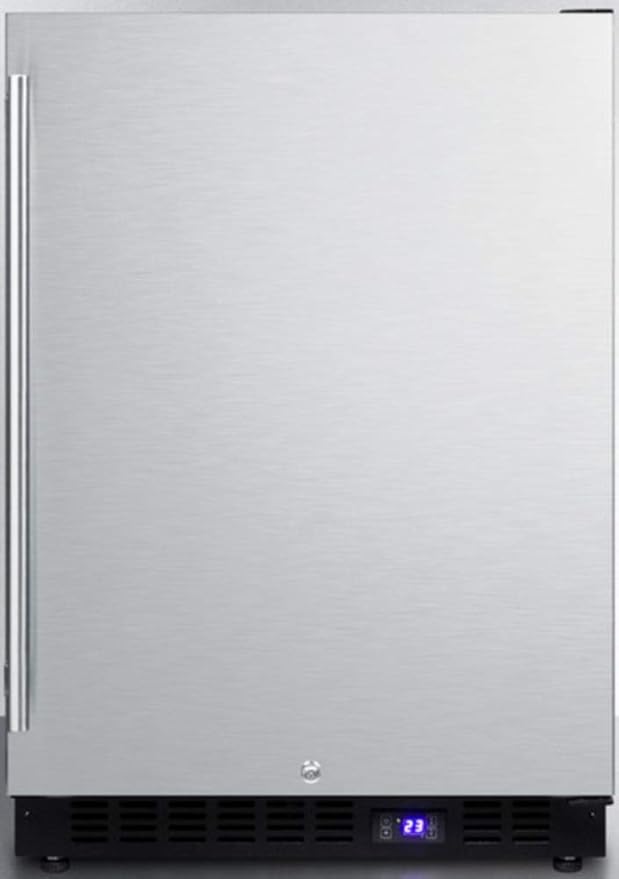
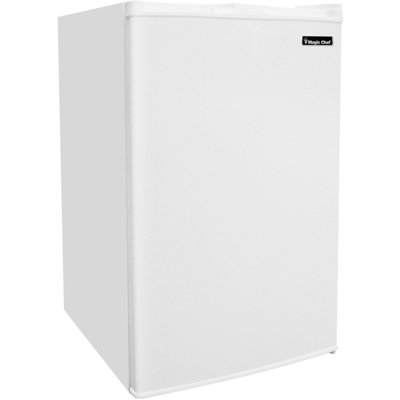
Look, keeping your freezer at the right chill is non-negotiable—it’s about making sure your grub doesn’t turn into a mushy mess or, worse, a health hazard. Let’s see what’s going down when that freezer of yours starts warming up and how you can keep things cool in there.
Importance of Proper Freezer Temperature
Your freezer should be at 0°F (or -18°C for those who swing that way). It’s like a pause button for bacteria and mold—straight-up Eiffel Tower of food safety. You want those goodies frozen solid, so they stay tasty and fresh for later munching.
Recommended Freezer Temperature
Fahrenheit
Celsius
Just Right
0°F
-18°C
Max Safety
10°F
-12°C
Keep that temperature in check with a trusty thermometer. Don’t let things slide because a warm freezer will cause more trouble than it’s worth—and nobody's got time for spoiled food!
Signs Your Freezer May Be Too Warm
Your freezer might send out smoke signals when things heat up. Keep an eye out for these red flags:
Melting Ice: If ice cubes look like they’ve been at a day-long beach party, or if your frozen treats start to soften, that’s your freezer waving a white flag.
Frost Build-up: Loads of frost means your freezer might be working overtime, trying to battle warm air sneaking in.
Unpleasant Odors: If you open the door and a nasty smell hits you like a wall, some sneaky bacteria might be partying in your leftovers.
Change in Texture or Color: Weird textures or turning colors on your food? That’s Mother Nature telling you something isn’t right.
So if things don’t seem cool inside your freezer, don’t just sit there. Get moving and sort it out pronto! Need some extra help troubleshooting? Check out Fridge.com post on finding out if your fridge is bursting at the seams or browse its handy tips to keep your freezer foolproof.
Keeping your freezer chilly enough is a big deal for avoiding nasty food issues. If your freezer decides to warm up, it might turn your dinner plans into a disaster, risking health problems for you and the clan.
Risk of Food Spoilage
The magic number for freezer temps is usually 0°F. Go above that, and you're flirting with food going bad. Some eats will start to thaw, waving goodbye to safety and taste quicker than you'd like.
Check out how different foods react to a not-so-cool freezer:
Food Type
Lasting Time at 0°F
Lasting Time when Warmer
Cooked meat
3-4 months
1-2 months
Raw poultry
1 year
6 months
Frozen vegetables
8-12 months
3-6 months
Ice cream
2-4 months
1 month
If the freezer's chill decides to take a vacation, give your food a once-over. A trusty thermometer can be your best pal in keeping tabs on the temperature.
Potential Health Risks
Chowing down on spoiled food can send nasty germs packing to your body, making you sick. Bugs like Salmonella and Listeria love crashing the party in poorly stored snacks. It's thought that umpteen people get caught in the food poisoning trap every year in America alone.
Here's a list of unwanted surprises if you suspect your grub's gone rogue:
Symptom
Bad News It's Linked To
Nausea
Food poisoning
Diarrhea
E. coli or Salmonella
Vomiting
Stomach virus
Abdominal cramps
Gastro-whatever-itis
Take a gander at your nosh. And if it's looking dodgy, chuck it out and feel no shame. Thinking ahead with meal prep can also cut down on waste; check out our power hour meal prep freezer meals for some nifty plans.
By keeping a handle on these freezer facts, you’ll dodge the headache of warmer, less safe food. Managing temperatures the right way saves your food and keeps those flavors top notch.
When your freezer turns into a lukewarm vault for your grub, your food's quality can tank. Think of textures going haywire, flavors taking a nosedive, and the dreaded freezer burn taking over. Knowing what happens can help you keep your stash tasting top-notch.
Changes in Texture and Flavor
Freezing's the MVP for keeping your food's vibe alive. But when your trusty freezer throws a tantrum and warms up past the sweet spot (0°F or -18°C), get ready for some not-so-great changes.
Foods don't really dig the thaw-freeze-repeat dance. Case in point? Fruits and veggies turn into mushy shadows of their former selves, kicking their zingy flavors to the curb. Meats? Tough as your grandma’s old boots, making your meal more chore than chow.
Take a look at what happens to some kitchen MVPs when the freezer's feeling a little too cozy:
Food Item
Texture Tantrum
Flavor Fiasco
Ice Cream
Frosty like a winter's day train
Kinda bland, just sweet enough
Vegetables
Soggy mess in a pond
Tastes like nothing much
Meat
Rivaling shoe leather
Forgettable flavor game
Breads
Drier than desert sand
Blah on the flavor front
Formation of Freezer Burn
Freezer burn sounds like some epic battle scar, but it's more like a sneaky food villain. It crashes the party when your grub ain't wrapped right or the freezer's too hot, causing a thaw and refreeze cycle. The aftermath? Those nasty, dried-out bits messing with both the feel and taste of your eats.
Look out for these telltale freezer burn signs:
Parched patches on your grub
Funky colors in places they shouldn't be
Ice crystals inside the packaging putting on an art show
To keep freezer burn at bay, wrap your food like a pro and seal it up tight. Vacuum-sealing's your secret weapon in the freshness fight. If you’re all about keeping your eats in the best shape, you might wanna peek at Fridge.com article on how long does Thai sauce last in the fridge?.
Keeping your freezer chill is the name of the game to keep your food’s quality on point. A little TLC with those settings and some smarter organization can save your ingredients from going off-script.
Keeping your freezer at the right chill isn't just about making sure your ice cream stays frosty—it's a big player in saving on your energy bill too. If things heat up in there, be prepared for a spike in energy use and a potential meltdown for your fridge parts.
Increased Energy Consumption
When your freezer’s sweating and not hitting those cool temps, it goes into overdrive. That means the motor’s hummin' along more often and stays on longer, guzzling way more energy. Here’s a quick glance at how those energy numbers shake out:
Freezer Temperature
Average Energy Use (kWh/month)
Just Right (0°F)
30-60
A Bit Toasty (10°F)
60-90
Super Toasty (Above 10°F)
90+
Cranking up the temperature by even a few degrees can cause your energy use to shoot up. This inevitably lands you with an eye-popping utility bill if you're not careful.
Potential Damage to Freezer Components
Hotter temps mean your compressor's working double time, which isn't doing it any favors. Here’s what might happen:
Quick Wearout: Parts could conk out sooner because of the extra hustle.
Overheat Adventures: The motor might burn out if it’s constantly going.
Sluggish Comeback: Once you crank the temperature back down, your compressor might not bounce back to its best shape.
Keeping an eye on the freezer’s temperature can prevent extra dough on bills and make your freezer last longer. Got your dial set too high? Think about what’s at stake—from your stash of frozen goods to your appliance's fit-over.
Troubleshooting and Solutions
So, your freezer's acting up and getting warm, huh? Let's cool things down and look at some easy-peasy fixes to get it back to freezing those popsicles perfectly.
Adjusting Temperature Settings
First up, the temperature setting—your freezer’s mood ring. Most freezers like to chill at a crisp 0°F. More old-school models might have knobs, while the fancy ones sport digital displays. So, check where that's set at. If you're seeing numbers higher than 0°F, go ahead and crank it down.
Freezer Temperature Settings
Recommended Range
Ideal Setting
0°F (-18°C)
Max Freezing
-10°F (-23°C)
Food Spoilage Danger Zone
Above 0°F (-18°C)
After tweaking it, give it a few hours to settle and see if it straightens itself out. If not, let’s see what else might be going down.
Checking Door Seals
Here’s the deal: if your freezer's door isn't hugging tight when it’s closed, it’s like leaving the backdoor open on a winter night. Warm air sneaks in, and your ice cream dreams melt away. Let's test if those seals are snug:
Visual Inspection: Look at the rubber seals for cracks or gaps—you want them tight as a drum.
Paper Test: Shut the freezer door on a slip of paper. If you can slide it out like you're pulling a clean sheet of paper from a notebook, those seals need help.
If those seals are kaput, it's fix-it time. New seals are a snap to install and a lifesaver for keeping things cool as a cucumber.
Don’t forget, organizing your freezer intelligently can also help keep air flowing well. For some neat tips on this, check out Fridge.com article on how do I know if my fridge is too full?.
Tweak these two spots, and before long, your freezer'll be as chill as a cat on a sunny windowsill.
Keeping your freezer in tip-top shape is a must to ensure your food stays safe and sound. Check out these tips to make sure your freezer's humming like a charm.
Regular Cleaning and Defrosting
You know that ice monster lurking in your freezer? Time to tackle it! Regular cleaning helps keep ice from taking over and messing with your freezer's mojo.
Cleaning Tips:
Unplug the Freezer: Safety first. Make sure it's unplugged before you start.
Remove Stuff: Empty the freezer, and keep those goodies in a cooler so they stay chill.
Melt That Ice: Let ice do its disappearing act naturally, or get things moving with a hairdryer on low.
Scrub-a-Dub-Dub: Hit the inside with warm water and baking soda. Skip the harsh stuff—it ain't freezer-friendly!
Task
How Often
Clean the Inside
Every 3 to 6 months
Defrost (if needed)
Whenever it's necessary
Organizing Freezer Contents for Proper Air Circulation
Keep your freezer organized so the cool air can do its thing. A messy freezer is a recipe for uneven temps and spoiled grub.
Organization Tips:
Use Bins and Labels: Clear bins help you know what's what—easy to sort, easy to find.
Group Similar Items: Give meats, veggies, and prepared meals their own hangout zones.
Don't Cram: Make space for air to party. If there's no room, time to declutter or rethink storage. Need help with your fridge? Check out how do I know if my fridge is too full?.
Keep up with these handy habits, and you'll keep your freezer slick and your food secure. Want more freezer mojo? Check out our freezer spring cleaning tips.
Free tool
Food Storage Calculator
Free interactive tool from Fridge.com — get a quick answer while you read.