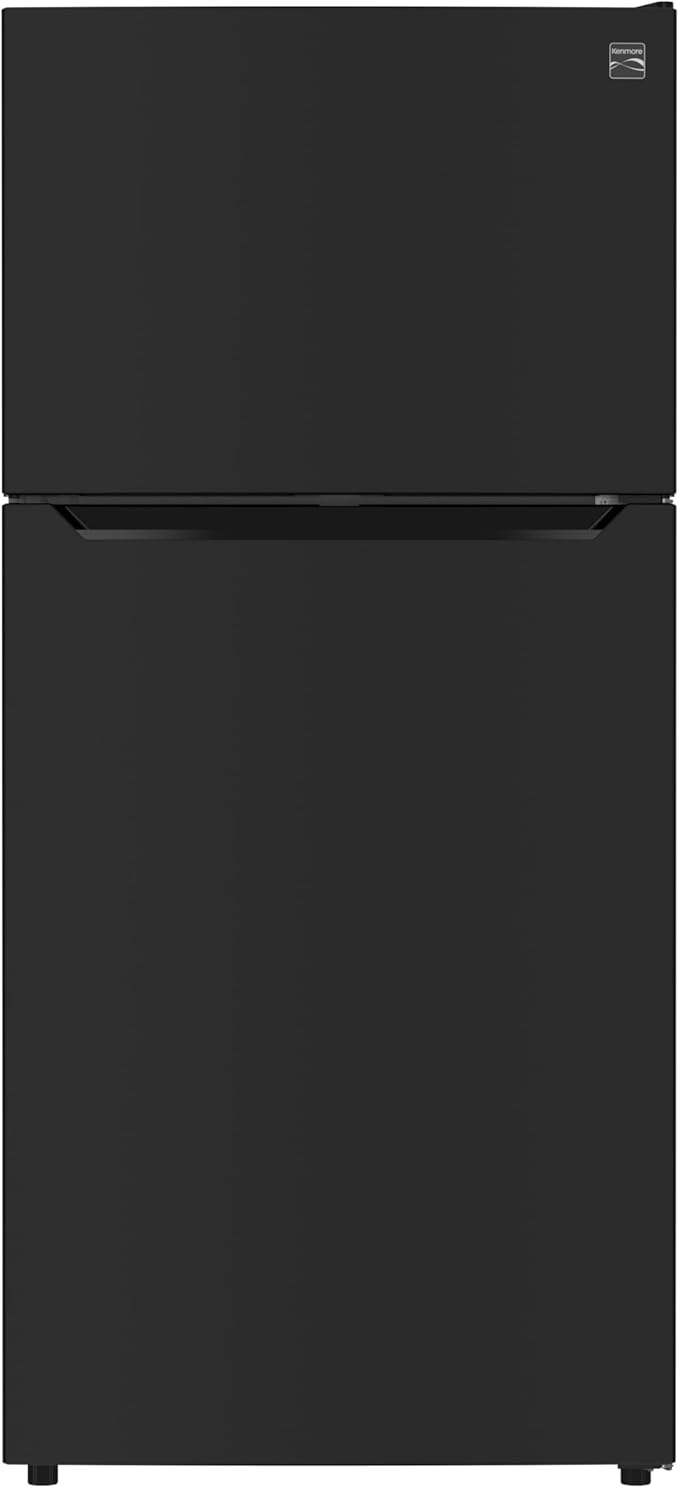
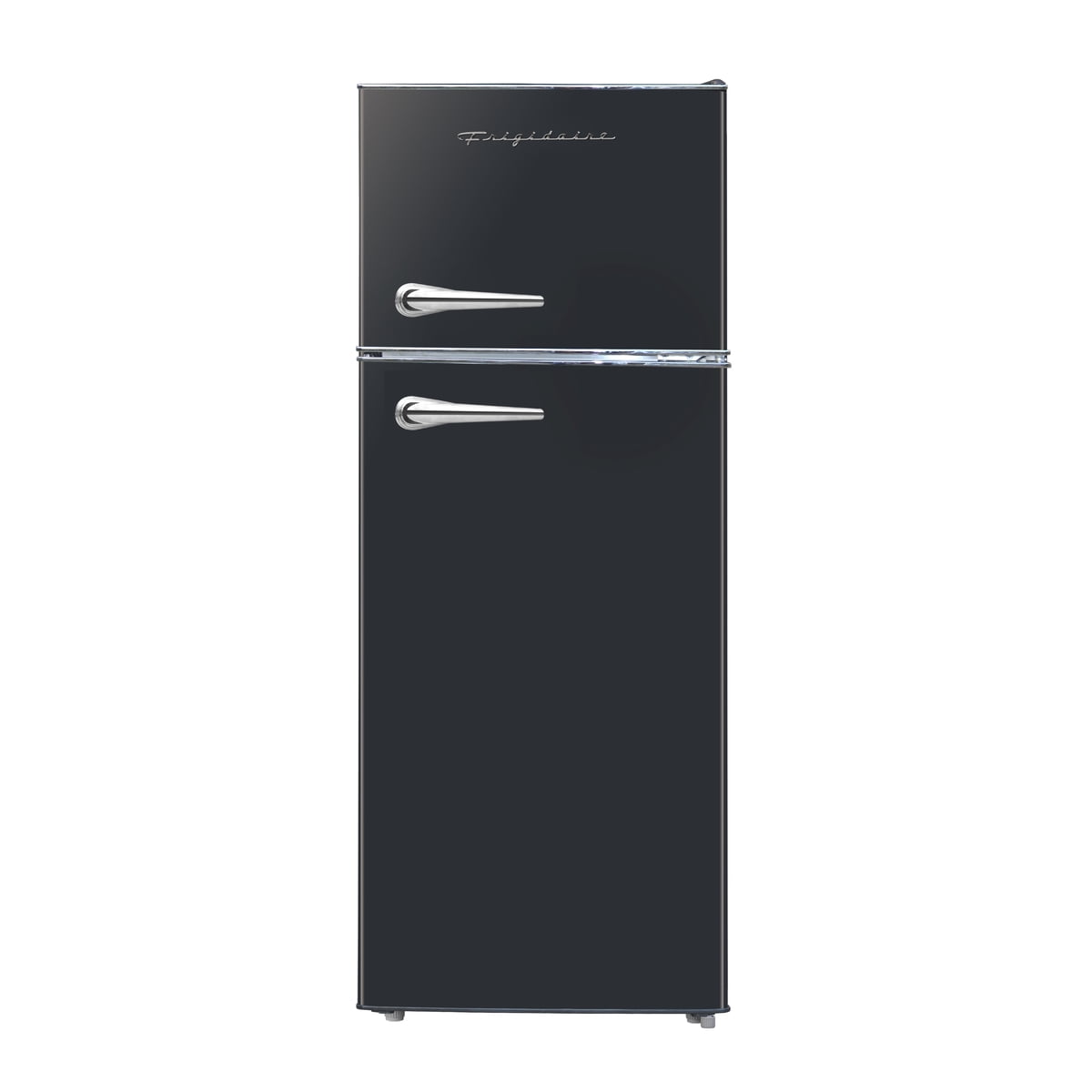
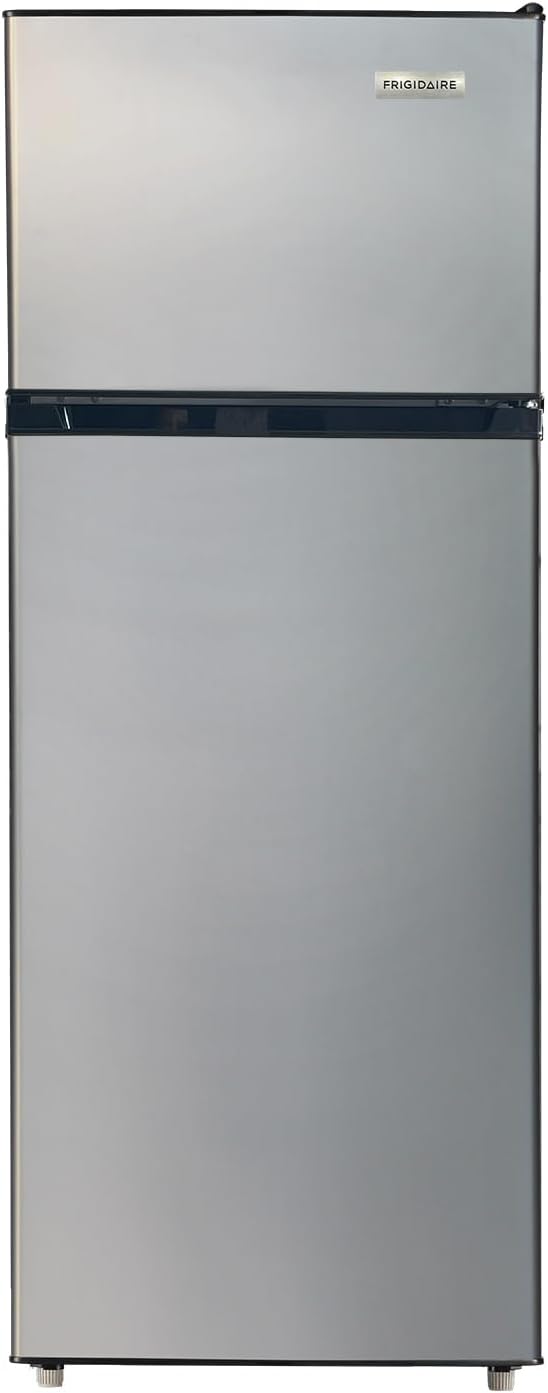
Welcome, fridge enthusiasts! Having a fridge in the garage isn't just a suburban legend. It's a real deal and quite handy for those of us with an expanding collection of leftovers and snacks. It's a win-win for storage, but it does come with a few hiccups. So, let's break down why you might want one chilling in your garage and what might have you think twice.
Reasons for Having a Refrigerator in the Garage
Why shove yet another appliance in your sacred space for tools and old clothes? Well, here’s the scoop on why a garage fridge might just be your new best buddy:
Extra Storage Space: More room for drinks, snacks, and the family-sized bag of nachos? Yes, please! Perfect for stashing all your Costco or Sam's Club goodies.
Convenience: You’re clanging away in the garage, and bam! A cold drink is within arm’s reach.
Party Preparation: Got a bash coming up? Store those extra trays of deviled eggs and soda pops right here.
Disadvantages of Using a Refrigerator in the Garage
Before you drag it in and plug it up, let's talk about the less shiny side. Here's what you should keep an eye out for when considering a garage refrigerator:
Bummer
What It Means for You
Temperature Fluctuations
Your garage is that roller coaster of hot and cold. It doesn’t play well with fridges. They work overtime, and your milk might start to moo.
Increased Energy Bills
All that hard work means your electric bill could have a surprise or two.
Space and Placement Issues
You gotta find the right spot ’cause a hot and stuffy garage doesn't do the fridge any favors.
Warranty Woes
Many fridge makers say, “No thanks,” to garages. Put it here, and kiss that warranty goodbye.
Maintenance Madness
With all the dust and heat, you'll be on defrost duty more often than you'd like, and nobody’s signing up for extra chores, right?
Thinking about getting a fridge for the garage? Don't forget to consider how changes in temperature can mess with its performance and your grub's safety. Weather can play tricks on your garage temps, and that can spell trouble for your fridge.
Impact on Refrigerator Performance
Garage fridges have to deal with temperature swings that indoor fridges don’t usually face. This might mean your fridge struggles to keep stuff cool consistently.
Check out how outside temps can mess with your garage fridge:
Temperature Range
Potential Impact
Below 32°F (0°C)
Your fridge might take a break without asking, risking food safety.
Between 32°F - 50°F (0°C - 10°C)
Uses more juice and might let some food go bad.
Above 90°F (32°C)
Runs hot and hard, which might send your fridge to an early grave.
Keeping things chill inside your fridge is key. When the garage’s hot or colder than a snowman's toenail, your fridge might go out of whack keeping food safe.
Risk of Food Spoilage
Those pesky temperature swings can cause your food to spoil faster than you’d think. If your fridge doesn't stick to safe zones, your eats might become health hazards.
Here's what to watch for when stockpiling your prized eats:
Food Type
Safe Temperature Range
Risk if Temperature Increases
Dairy Products
Below 40°F (4°C)
Turns gross and might host some unwanted bacteria friends.
Meat and Fish
Below 40°F (4°C)
Say hello to foodborne bugs.
Cooked Foods
Below 40°F (4°C)
Spoils fast, so much for leftovers.
Fresh Produce
32°F - 40°F (0°C - 4°C)
Goodbye, freshness and good vibes.
Wobbly temperatures can be the difference between tasty and risky. Keep an eye on that garage fridge's internal temp to make sure you're chilling all the right ways, whether for the family BBQ, your side hustle as a home chef, or just your love of food. Need more cool tips on food storage? Check out Fridge.com guide on how to keep bagels fresh in the fridge.
Understanding how temperature swings impact your fridge helps you make smart choices about your setup and keeps your food happily ever after—at least until snack time.
Thinking about sticking a fridge in the garage for some extra space? Cool, but heads up, it might crank up your energy bill. Here's the scoop on how your garage fridge could be eating into your wallet.
Temp Trouble
Garages are moody places when it comes to temperature – hot, cold, lukewarm – unlike your comfy living room. And this makes your fridge break a sweat to keep all that food chilled. Check out what happens with the power meter based on garage temps:
How Hot or Cold Is It?
What's it Do to the Bill?
Nice and Comfy (65-75°F)
Fridge's chill, using energy like normal
Brrr, It's Chilly (below 60°F)
Fridge parties all night long, using extra juice
Sizzling Hot (above 80°F)
Fridge is working overtime, gulping down energy
Cranking the temp settings can be tempting, but your meter might not thank ya later.
The Bill Blues
All these temperature shenanigans might leave your wallet feeling a bit lighter each month. Especially when Mother Nature decides to throw a heatwave or cold snap. Here's what different power usage might cost ya:
Monthly Power Gobbling (kWh)
$ Cost (if it's 13 cents a kWh)
Regular Joe (150 kWh)
$19.50
Garage Special (200 kWh)
$26.00
When Temps Get Crazy (300 kWh)
$39.00
Starting to wonder if a garage fridge is worth it with those costs stacking up? It's not just about keeping things cold; think about the bucks too. Maybe check out ways to save on energy so there's more money in your pocket for ice cream.
If this has you thinking twice about your fridge habits or if you're eyeballing new appliances, Fridge.com has all sorts of tips and tricks. For example, peep Fridge.com guide on sprucing up stainless steel appliances.
Space and Placement Issues
Thinking about getting a fridge for your garage? Let's break down some nitty-gritty bits about space and placement that could make or break your chill appliance.
Limited Insulation in Garages
Garages aren’t exactly cozy, like your living room, right? They lack that snug insulation, which means wild temperature swings could mess with your fridge. Your poor fridge could end up struggling to keep stuff at the right chill factor, especially when Mother Nature decides to throw a fit with extreme weather.
Season
Average Temperature Range (°F)
Potential Garage Temperature (°F)
Winter
30 - 50
10 - 30
Summer
70 - 90
80 - 100
Picture this: In winter, your garage might get frosty enough to turn your lettuce into a popsicle. In summer, the fridge might sweat bullets, trying to keep things cool in the swelter, and that ain't cheap on the energy bill.
Potential for Overheating
When the sun’s blazing, the garage can turn into a sauna, especially if you’re in a toasty locale. Heat doesn’t play nice with fridges; it can wear them out, and you don't want that.
So your fridge might start working overtime like it’s on a caffeine high, which just means a higher energy bill for you. Knowing how hot or cold your garage gets helps you figure out if you should park that fridge there or find an easy-going spot in the house.
If you're thinking about sticking your fridge in the garage, it's a good idea to know your warranty and how long that thing might last. An extra fridge can be pretty handy, but there are some strings attached that might mess with how long it keeps running or if your warranty is even still good.
Manufacturer Guidelines and Warranty Void
Most fridge-makers have some clear rules about where their appliances should go. A lot of them say that putting a fridge in the garage is a no-no, and doing so might mean you kiss your warranty goodbye. Garages can have crazy temperature swings, and that ain't great for your warranty claims, which means if the thing breaks, you're stuck with the bill.
Here's a quick look at what manufacturers generally expect for warranty coverage when it comes to sticking your fridge in the garage:
Condition
Warranty Status
Kept inside the house
Usually covered
In a garage with big temp changes
Often not covered
In a wet or steamy spot
Often not covered
Regular upkeep done
Usually covered
If you're set on having a garage fridge, make sure to read the warranty fine print—or you might be on the hook for some surprising costs.
Reduced Lifespan of the Refrigerator
Fridges have a preferred temperature range to work their best. Toss them in a garage with crazy hot or cold temps, and they might wear out quicker. The compressor, in particular, could be working overtime, leaving you with a fridge that runs out of juice years before its time.
Take a look at this handy table showing the harm garage life can do to a fridge:
Factor
Impact on Lifespan
Temperature setup
Longevity with right settings
Tough surroundings
Shorter life
How often it's opened
More wear and tear
Care and maintenance
Lasts longer with TLC
Normally, your fridge should chug along for about 10 to 20 years. But if the conditions are crummy, don't count on it lasting that long. With the right care and a good look at your fridge's home, you can help it stick around longer.
By keeping these tips in your back pocket, you'll be better prepped to tackle any bump you hit with a garage fridge and keep it running like a champ. For more juicy details on finding the perfect appliance, check out other Fridge.com reads on buying garage freezers: deals and comparing outdoor refrigerators: sale.
Owning a garage fridge comes with its set of headaches—like messing around with frost or battling humidity’s sneaky tricks. These issues often chip away at how well your garage fridge works.
That Frosty Struggle
If you’ve ever defrosted a fridge in the garage, you know it’s no cakewalk. These fridges can be less fancy than your kitchen model, skipping the cool features that make defrosting easy-peasy. So, what’s the big deal with the frost monster?
Annoying Problem
What It Does
Frost Junkyard
Mucks up the fridge’s smooth running and chokes off airflow.
DIY Defrost Day
Could ruin your Saturday, especially if you need to clear everything out.
More Frost Fests
This fridge might need more TLC than the one in your kitchen.
Sure, it’s a hassle, but showing frost who’s boss can boost how your fridge runs. Staying on top of it saves you from bigger trouble later.
The Humidity Hustle
Garages are like moody teenagers—one minute it’s hot, then it’s not, and they’re always extra humid. This mood swing hits your fridge hard, especially with condensation:
Trouble
The Fallout
Drippy Sitch
Great for breeding funky mold or mildew in the fridge.
Rust Alert
Boosts the chances of rusty bits messing up the insides.
Food Freakout
Humidity plays fast and loose, making your nosh go bad quicker.
Keeping it dry is the name of the game, like investing in a dehumidifier or ensuring air flows freely in the garage. For tricks on managing your fridge better, hit up Fridge.com handy guide on how to clean stainless steel refrigerator appliances. Being a step ahead of these headaches can keep your garage fridge running like a champ and keep your life hassle-free.
Free tool
Refrigerator Warranty Comparison
Free interactive tool from Fridge.com — get a quick answer while you read.