Frozen food placed in a 36°F beverage cooler thaws within hours and enters the bacterial danger zone (40-140°F) where pathogens multiply rapidly.
Frozen food placed in a beverage cooler thaws within hours and enters the bacterial danger zone (40-140°F) where pathogens multiply rapidly.
Cost: Can be more expensive than a mini-fridge, due to their specialized cooling features and design; premium panel-ready models reach $2,500.
Undercounter beverage coolers are specifically designed to keep drinks at their optimal serving temperatures, usually ranging from 35°F to 55°F.
An undercounter beverage cooler keeps drinks at 34°F to 55°F behind a glass door and fits beneath a standard 34-inch counter, while an upright freezer holds food at 0°F for long-term frozen storage and stands 55 to 72 inches tall. The two appliances are not interchangeable: a 24-inch undercounter cooler holds roughly 120 to 180 cans of soda, beer, or water, while a full-size upright freezer holds 12 to 22 cubic feet of frozen meats, vegetables, and bulk purchases. This guide compares temperature ranges, dimensions, energy use, noise, pricing, installation, and lifespan so you can decide which appliance — or whether both — fits your space.
Undercounter Beverage Coolers
What is an Undercounter Beverage Cooler?
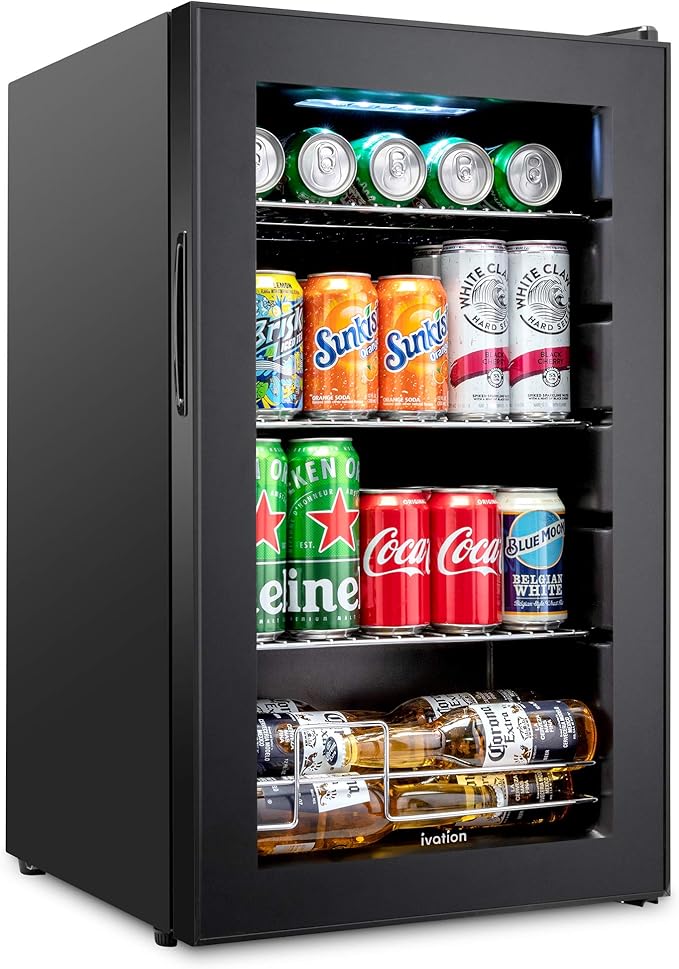
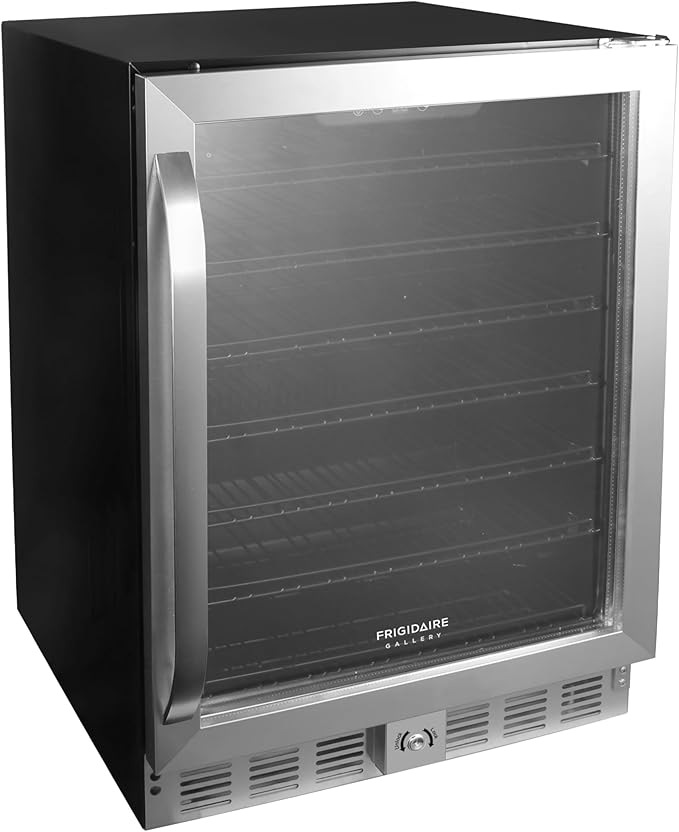
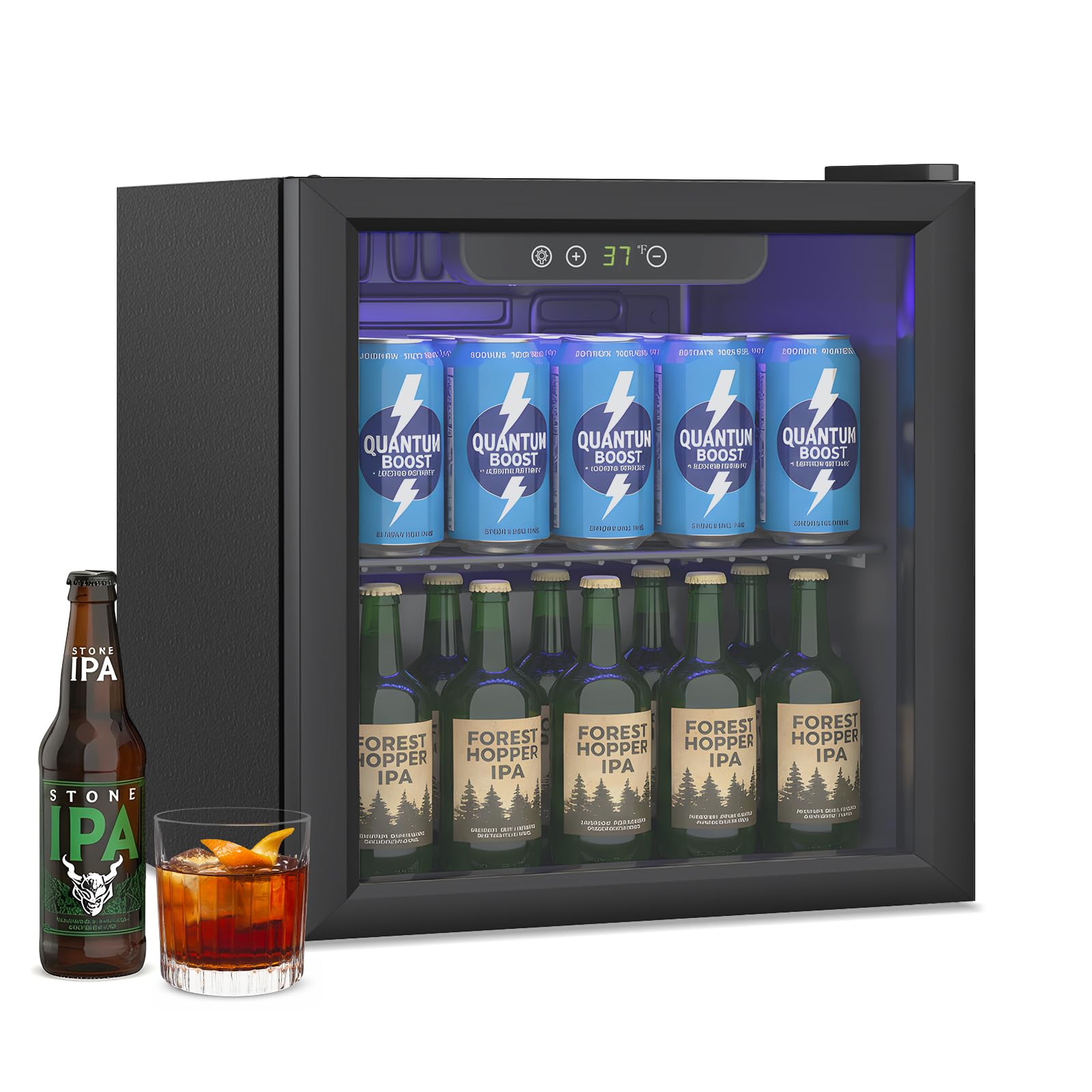
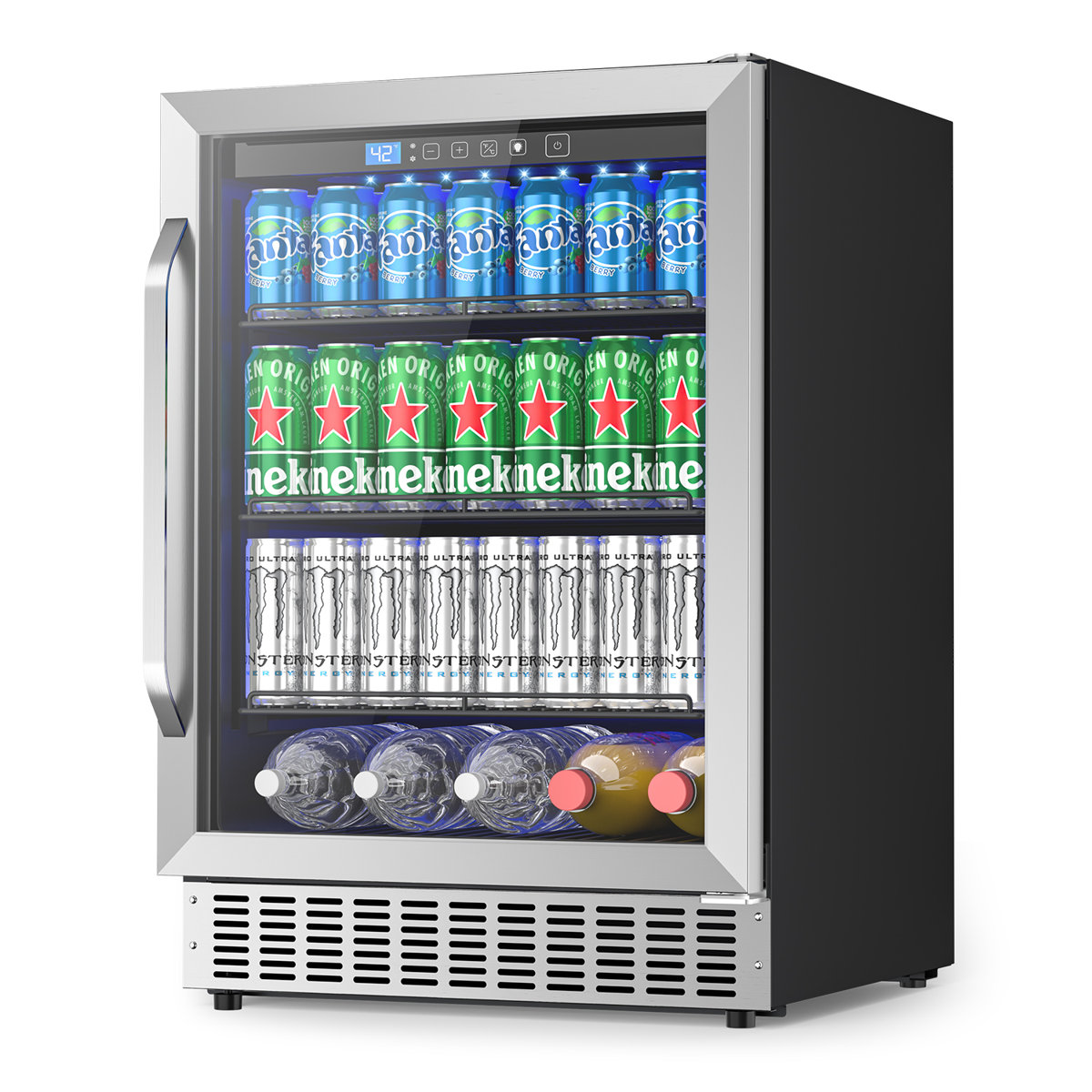
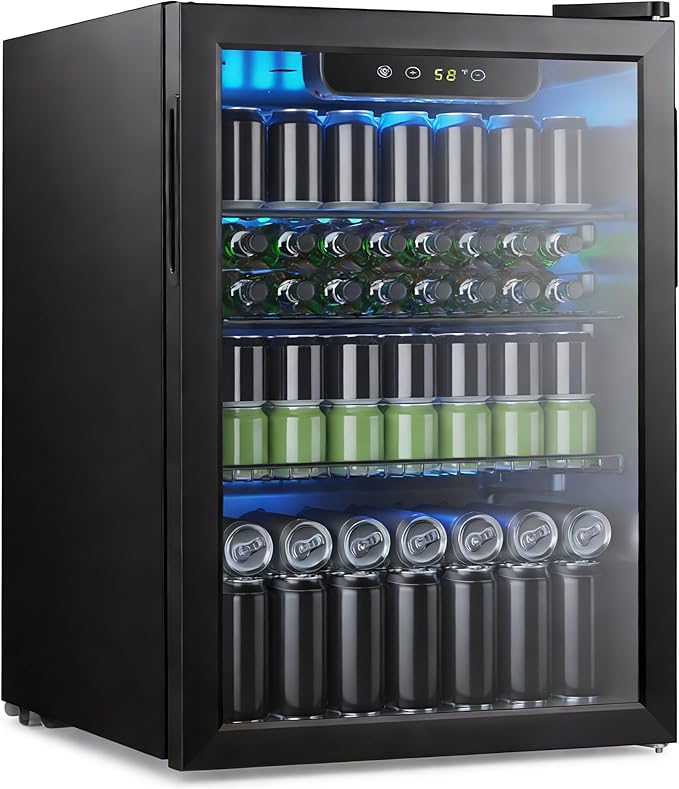
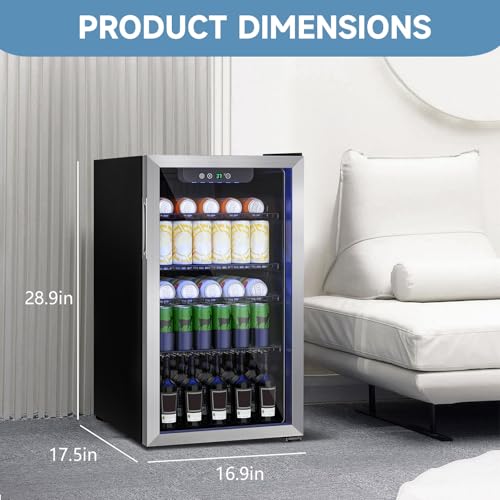
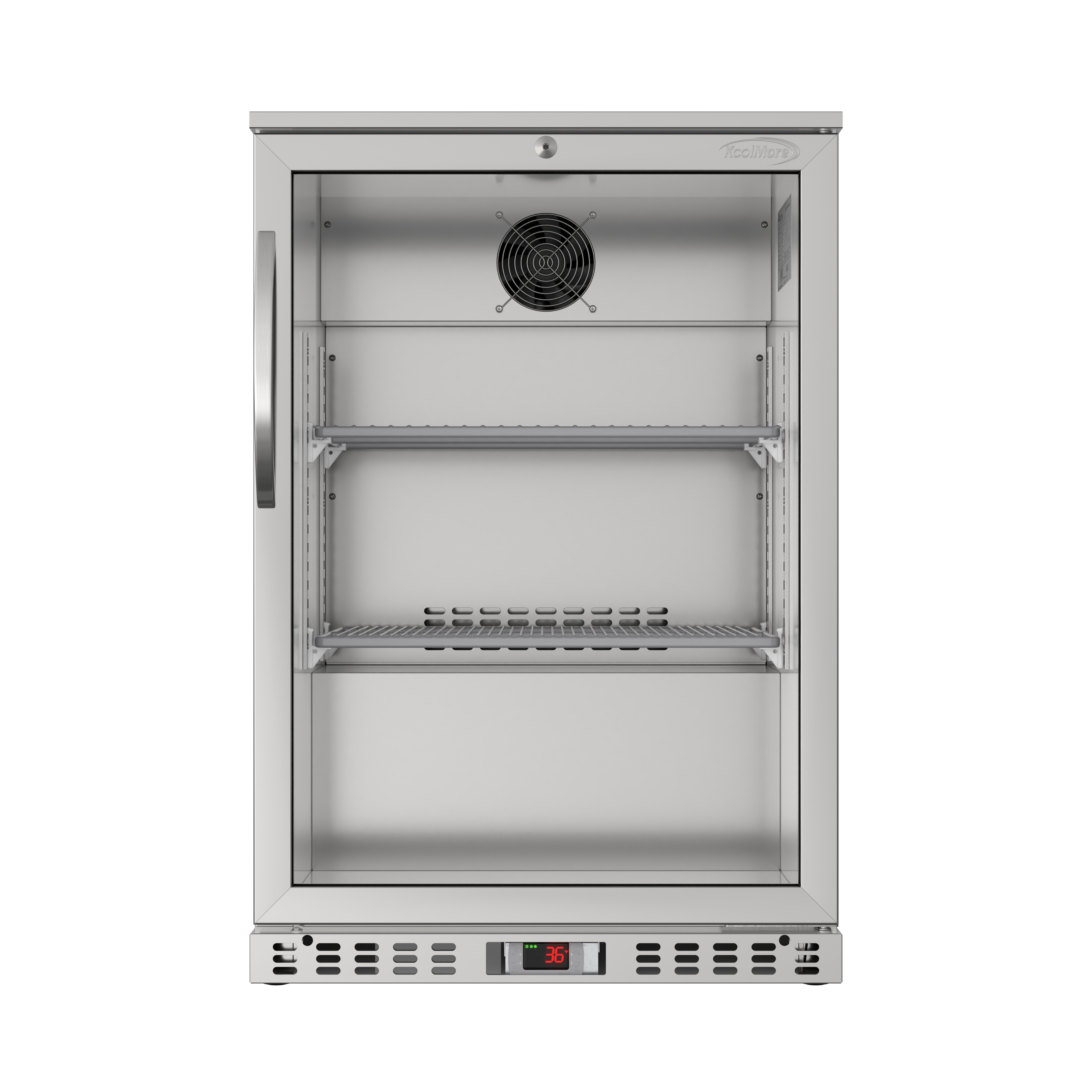
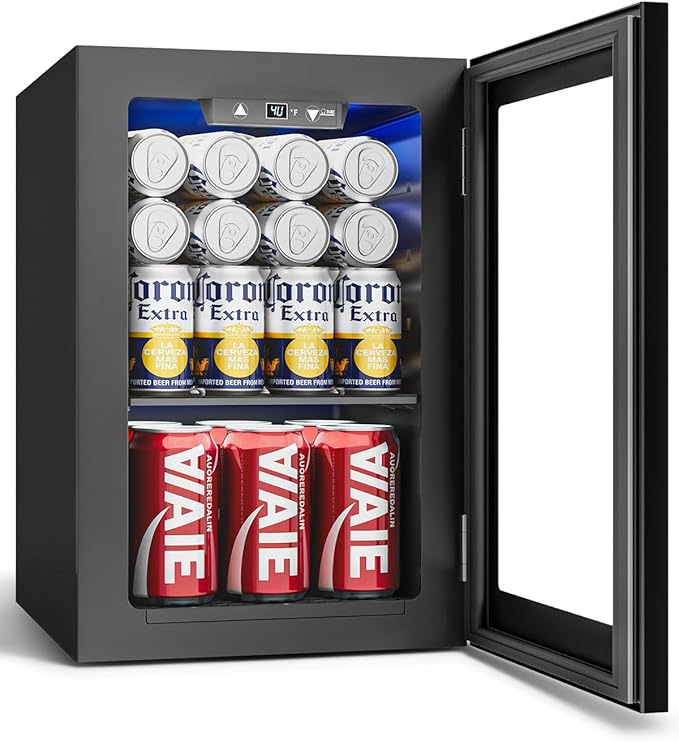
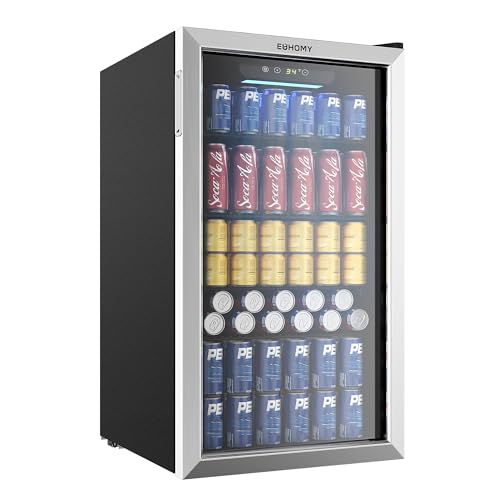
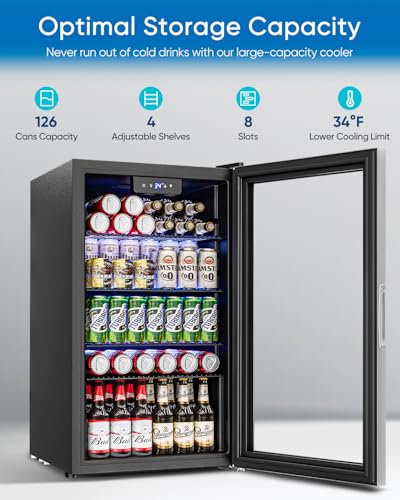
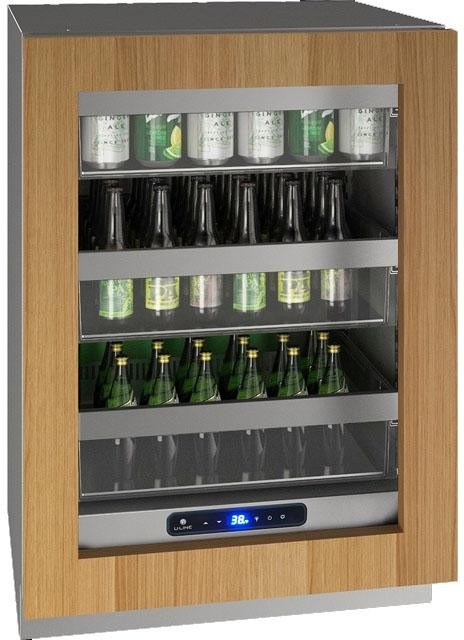
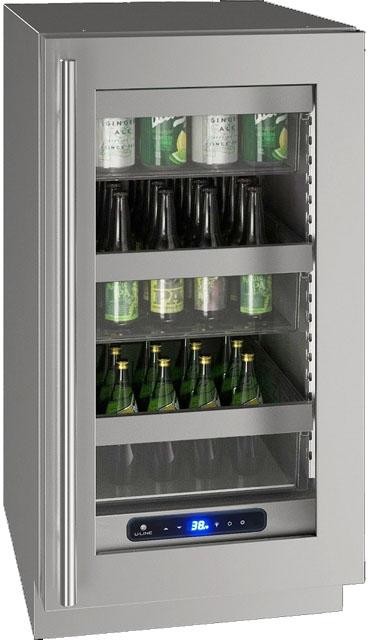
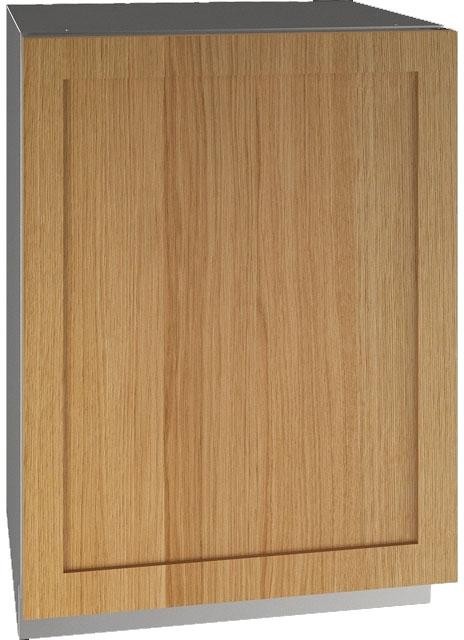
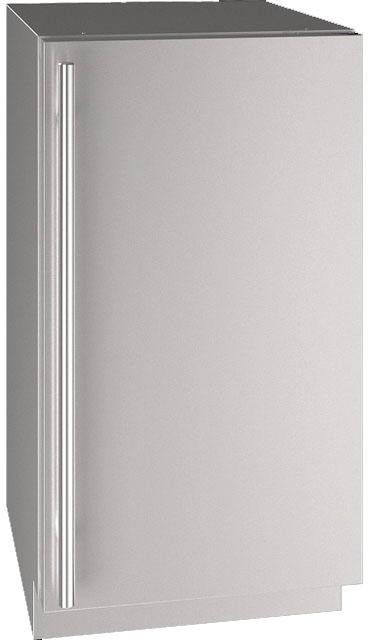
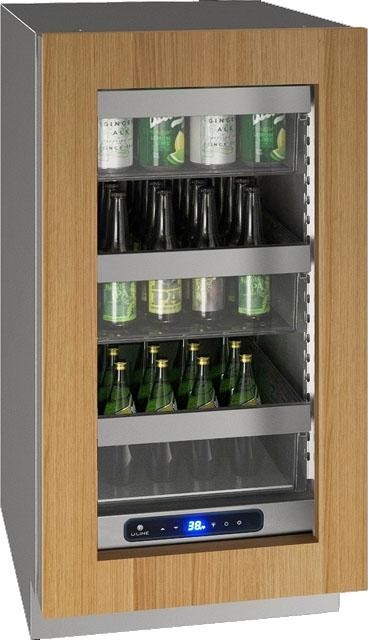
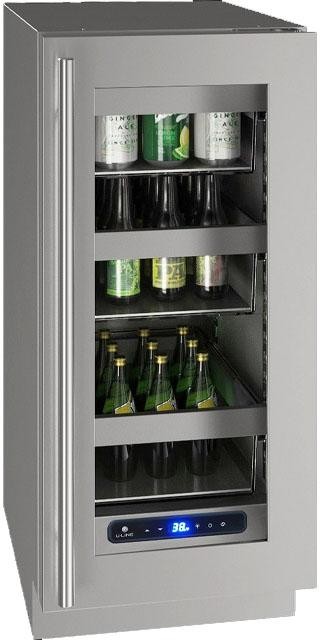
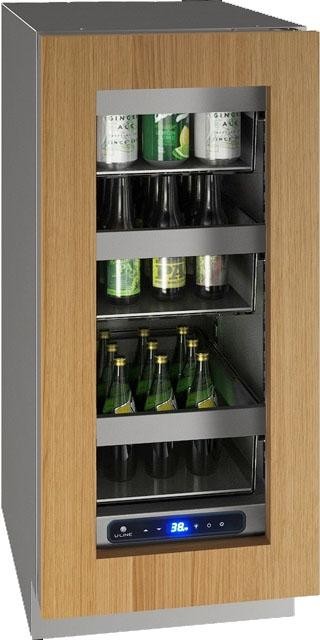
An undercounter beverage cooler is a specialized refrigeration appliance designed to be installed under a counter or bar, providing easy access to a variety of chilled beverages. Unlike traditional refrigerators, these coolers are typically smaller in size and focus on maintaining consistent temperatures ideal for drinks — usually 34°F to 50°F, with 36°F to 38°F the typical setting. The glass door displays the contents so guests can see what is available without opening the unit, and many models add LED interior lighting that turns the cooler into a display piece.
Pros of an Undercounter Beverage Cooler
Space-Saving Design: Its compact size — 15-inch or 24-inch widths at 34 inches tall — allows for installation in tight spaces, perfect for smaller kitchens or entertainment areas.
Convenience: Positioned at an accessible height, it offers quick access to beverages without needing to open a full-sized refrigerator — and without the bending a full-height appliance requires.
Temperature Consistency: Engineered to maintain stable temperatures, ensuring drinks are always perfectly chilled.
Customization: Many models come with adjustable shelves and racks to accommodate various bottle and can sizes, from 8-ounce cans to 2-liter bottles; some include gravity-feed can dispensers and horizontal wine racks holding 4 to 8 bottles.
Cons of an Undercounter Beverage Cooler
Limited Storage: Primarily designed for beverages, these coolers may not have the versatility or capacity for other types of food storage — and at 34°F to 50°F they cannot store frozen food safely at all.
Cost: Can be more expensive than a mini-fridge, due to their specialized cooling features and design; premium panel-ready models reach $2,500.
Gasket Wear: The glass door gasket wears faster than a solid-door gasket and may need replacement every 5 to 7 years to maintain a tight seal.
Ideal Use Cases for Undercounter Beverage Coolers
Home Bars: Elevate the sophistication of home entertainment spaces.
Office Break Rooms: Provide staff with easy access to a variety of chilled drink options.
Small Apartments: Maximize space without sacrificing the luxury of cold beverages.
Outdoor Kitchens: Enhance the convenience and experience of al fresco dining.
An upright freezer is a type of freezer with a vertically oriented space, similar to a traditional refrigerator. It maintains 0°F — the temperature at which bacterial growth stops completely and food remains safe indefinitely, though quality degrades over extended periods. It features 3 to 5 adjustable wire shelves, drawers, and 2 to 4 door bins for organized storage, making it easier to categorize and access frozen goods than digging through a chest freezer. These freezers come in compact (5 to 10 cubic feet) and full-size (12 to 22 cubic feet) versions and can be standalone units or integrated into kitchen cabinetry.
Pros of an Upright Freezer
Organization: Thanks to the shelf structure, you can easily sort and find items; wire shelves support heavy loads — 30 pounds of frozen meat on one shelf is common.
Convenience: The vertical design means less bending and reaching than chest freezers, and you see every item without digging through layers.
Footprint: Upright models generally occupy less floor space than chest freezers.
Features: Many come with auto-defrost, adjustable shelves, and in-door storage; garage-ready models handle unheated spaces that swing between 0°F and 110°F seasonally.
Cons of an Upright Freezer
Cost: They can be more expensive to purchase and operate than chest freezers.
Energy Efficiency: Upright freezers may use more energy than chest freezers, since maintaining 0°F demands more compressor work.
Capacity: They typically offer less storage capacity than chest freezers of the same external dimensions.
Ideal Use Cases for Upright Freezers
Bulk Shoppers and Meal Preppers: Buy groceries in bulk, batch-cook weekly meals, preserve garden harvests, or store wild game from hunting.
High-Use Environments: Perfect for those who frequently access frozen goods.
Organized Individuals: Those who prefer a structured storage system may find upright freezers more appealing.
Various Settings: From the home kitchen to the garage or basement, an upright freezer can fit in seamlessly.
For a comparison to other cooling appliances, you might find beer fridge vs. upright freezer helpful in making an informed decision.
Comparing Undercounter Beverage Coolers to Upright Freezers
Purpose and Design
An upright freezer exists to preserve food through deep cold. At 0°F, bacterial growth stops, and food stays safe for months or even years. The front-opening door and adjustable shelves organize frozen packages for easy scanning and retrieval. An undercounter beverage cooler exists to deliver ice-cold drinks on demand — it is a convenience appliance for entertaining and daily refreshment, not a long-term preservation device. Drinks cycle in and out frequently: a case of beer goes in Friday, gets consumed over the weekend, and a new case replaces it Monday.
Space and Size Considerations
Undercounter beverage coolers are designed to fit seamlessly into your existing cabinetry, providing a sleek and integrated look. They are ideal for saving space in smaller areas or adding convenience to your kitchen or home bar.
Appliance
Width
Height
Depth
Undercounter Beverage Cooler
24 inches
34 inches
24 inches
Upright Freezer
30 inches
60 inches
28 inches
Across the full range of models, the size and capacity spread looks like this:
Appliance
Width
Height
Depth
Capacity
Upright Freezer (compact)
20-24 in
55-60 in
22-26 in
5-10 cu ft
Upright Freezer (full-size)
28-32 in
60-72 in
26-30 in
12-22 cu ft
Undercounter Beverage Cooler (15-in)
15 in
34 in
22-24 in
60-90 cans
Undercounter Beverage Cooler (24-in)
24 in
34 in
22-24 in
120-180 cans
These appliances occupy fundamentally different spaces. You cannot install an upright freezer under a counter — it is too tall — and a beverage cooler is too small to stand in as garage freezer storage. Upright freezers require more vertical space and suit basements, garages, or utility rooms where floor space is not at a premium, so the two never compete for the same spot in your home.
Temperature Range and Control
Undercounter beverage coolers are specifically designed to keep drinks at their optimal serving temperatures, usually ranging from 35°F to 55°F. They often come with precise digital controls that allow you to adjust and monitor the temperature easily.
Upright freezers are meant for long-term storage of frozen goods and provide a much lower temperature range, usually around -10°F to 10°F. They can often maintain consistent temperatures better than fridge-freezer combos.
Appliance
Temperature Range
Typical Setting
Contents
Upright Freezer
-10°F to 5°F
0°F
Frozen food, ice cream, ice, bulk meat
Undercounter Beverage Cooler
34-50°F
36-38°F
Cans, bottles, water, juice, beer, soda
The 35 to 50 degree gap between these appliances makes them entirely non-interchangeable. Beverages placed in a 0°F upright freezer freeze solid — cans burst from liquid expansion, glass bottles crack, and the contents are ruined. Frozen food placed in a 36°F beverage cooler thaws within hours and enters the bacterial danger zone (40-140°F) where pathogens multiply rapidly. There is no compromise temperature that serves both purposes.
Energy Efficiency
Undercounter beverage coolers are smaller and use less energy than larger upright freezers, because maintaining 0°F requires far more compressor work than maintaining 36°F.
Appliance
Average Energy Use per Year
Undercounter Beverage Cooler
310 kWh
Upright Freezer
395 kWh
Across sizes, a 15-inch beverage cooler runs 100 to 200 kWh per year ($13 to $26 in electricity), a 24-inch cooler 150 to 300 kWh ($19 to $39), a compact 5-7 cubic foot upright freezer 200 to 300 kWh ($26 to $39), and a full-size 14-17 cubic foot upright freezer 350 to 560 kWh ($45 to $73). The absolute cost difference between categories is modest — roughly $20 to $35 per year — and both categories are efficient compared to full-size kitchen refrigerators. ENERGY STAR certified models offer the best efficiency in either category.
Noise Levels
Upright freezers produce 38 to 47 decibels during compressor cycles, with the compressor cycling on for 15 to 30 minutes and then shutting off until the temperature rises above the set point. In a garage or basement this is inaudible; in a kitchen it is faintly noticeable during quiet moments. Undercounter beverage coolers produce 35 to 43 decibels — the smaller compressor and warmer target temperature mean less mechanical effort per cycle, and built-in installation adds acoustic dampening from the surrounding cabinetry. In a busy kitchen or bar, the beverage cooler is virtually silent.
Cost Comparison
The initial cost of an undercounter beverage cooler is typically higher than that of a basic upright freezer due to the specialized design and features for beverage storage. However, the long-term operating costs can be lower for a beverage cooler if it is energy-efficient.
Appliance
Initial Cost Range
Undercounter Beverage Cooler
$500 - $1500
Upright Freezer
$300 - $1000
Broken out by tier, pricing overlaps significantly at the budget and mid-range levels:
Appliance
Budget
Mid-Range
Premium
Upright Freezer
$200-$500
$500-$900
$900-$1,400
Undercounter Beverage Cooler
$200-$500
$500-$1,000
$1,000-$2,500
At the premium end, beverage coolers with panel-ready doors, stainless steel interiors, and commercial-grade components cost more than any residential upright freezer — the premium reflects their role as design elements in kitchen and bar renovations, where aesthetics command a price above raw functionality.
Upright freezers are freestanding appliances requiring only a flat floor, a standard 120V outlet, and 2 to 4 inches of rear clearance. They go where space is available and an outlet exists — garage, basement, pantry, mudroom, or kitchen wall. No cabinetry modification, plumbing, or special electrical work is needed. Garage-ready models with wide-range thermostats handle unheated spaces where temperatures fluctuate between 0°F and 110°F seasonally.
Undercounter beverage coolers install in kitchen cabinetry, bar cabinetry, or freestanding with adequate ventilation clearance. Built-in models feature front-venting exhaust systems for flush cabinet installation; freestanding models vent from the rear or sides and need 2 to 5 inches of clearance. Reversible door hinges allow left or right opening depending on the installation location, and panel-ready models accept custom door panels that match surrounding cabinetry. The under-counter format places the cooler at a comfortable reach height without bending — ergonomically superior to a full-height appliance for frequent daily access.
Buy an upright freezer if your kitchen freezer is full and you need additional frozen food storage. The upright format provides organized, shelf-based access, and it can go in any utility space with an outlet. Bulk shoppers, meal preppers, hunters, and large families benefit most from the expanded frozen capacity.
Buy an undercounter beverage cooler if you want cold drinks on demand at a bar, kitchen island, game room, office, or entertaining area. The glass-door display and compact under-counter format transform how you entertain and enjoy daily refreshments.
Both undercounter beverage coolers and upright freezers represent significant investments. Consider not only the upfront cost but also the ongoing operational expense:
Appliance Type
Average Initial Cost
Estimated Annual Operating Cost
Undercounter Beverage Cooler
$200 - $2,500
$13 - $39
Upright Freezer
$200 - $1,400
$26 - $73
Do You Need Both?
Many households own both appliances because they address entirely different needs. The upright freezer sits in the garage or basement handling bulk frozen food overflow — the practical workhorse that saves money through bulk purchasing and meal preparation. The undercounter beverage cooler sits in the kitchen island or bar area handling daily drink access. Together they cost $800 to $2,000 for mid-range models and create complete supplemental cold storage across both temperature categories.
For households with dedicated entertaining spaces like finished basements or pool houses, installing both side by side creates a complete cold station: the freezer holds ice reserves, frozen appetizers, ice cream, and frozen cocktail ingredients, while the beverage cooler displays a curated selection of cold drinks behind its glass door. Guests self-serve from the cooler while the host pulls frozen items from the freezer as needed.
Common Mistakes
The most common mistake is attempting to use a beverage cooler as a freezer or vice versa. A beverage cooler at 36°F cannot keep ice cream frozen, cannot preserve meat safely for more than a few days, and cannot maintain the deep cold that frozen food requires. An upright freezer at 0°F cannot chill beverages to a drinkable temperature without freezing them solid — there is no halfway setting on a freezer that produces the 36°F sweet spot for cold drinks. Attempting to cross-purpose these appliances wastes money and ruins the contents.
Maintenance and Longevity
Proper maintenance of your cooling appliances not only ensures they run efficiently but also extends their lifespan.
Care Tips for Undercounter Beverage Coolers
Regular Cleaning: Wipe down the interior with a mild detergent and water mixture to prevent mold and odors. Avoid abrasive cleaners that can damage surfaces. Clean the glass door regularly for presentation.
Ventilation: Ensure there's adequate space around the appliance for air to circulate, preventing overheating and ensuring efficiency.
Coil Maintenance: Dust and vacuum the condenser coils every 6 to 12 months to keep the cooler running smoothly.
Door Seals: Check the door seals regularly for any signs of wear or leaks. The glass door gasket wears faster than a solid-door gasket and may need replacement every 5 to 7 years to maintain a tight seal.
Temperature Monitoring: Use an appliance thermometer to check the temperature settings and adjust as necessary for your beverage type.
Care Tips for Upright Freezers
Defrosting: If your model isn't frost-free, defrost it regularly to prevent ice build-up that can affect performance and increase energy use. Auto-defrost models eliminate this chore.
Gasket Checks: Inspect the door seal to ensure it's airtight. Replace if necessary to prevent cold air from escaping.
Coil Cleaning: Clean the condenser coils annually to keep the compressor working efficiently.
Organize Contents: Use bins and containers to keep the contents organized, ensuring efficient air flow and reduced energy costs.
Clean Exterior: Keep the outside clean and dust-free, especially around the vents, to ensure proper air circulation.
Lifespan Expectations
Appliance Type
Average Lifespan (years)
Undercounter Beverage Cooler
4-6
Upright Freezer
10-20
By adhering to the care tips above, you can often extend the life of your appliance beyond these averages — quality beverage coolers with regular coil cleaning and gasket care can reach 8 to 14 years, and upright freezers use proven compressor technology that makes them among the longest-lasting home appliances, with widely available and affordable replacement parts for common brands. For those considering other cooling solutions, see upright freezer vs. ice cream cooler.
No. A beverage cooler bottoms out around 34°F, far above the 0°F that frozen food requires. Frozen food placed in a beverage cooler thaws within hours and enters the bacterial danger zone (40-140°F) where pathogens multiply rapidly. It also cannot keep ice cream frozen or preserve meat safely for more than a few days.
Can you store drinks in an upright freezer?
Not for regular storage. At 0°F, beverages freeze solid — cans burst from liquid expansion and glass bottles crack. A freezer has no setting warm enough to hold drinks at the 36°F serving sweet spot.
How many cans does an undercounter beverage cooler hold?
A 15-inch wide model holds roughly 60 to 90 cans; a 24-inch model holds roughly 120 to 180 cans. Adjustable shelving accommodates bottles and taller containers at the cost of some can capacity.
Which uses more electricity, a beverage cooler or an upright freezer?
The upright freezer. A typical undercounter beverage cooler uses about 310 kWh per year versus about 395 kWh for an upright freezer, because holding 0°F takes far more compressor work than holding 36°F. In dollar terms the gap is roughly $20 to $35 per year.
Which is quieter?
The undercounter beverage cooler, at 35 to 43 decibels versus 38 to 47 decibels for an upright freezer. Built-in cabinet installation dampens the cooler's compressor sound further, making it virtually silent in a normal kitchen or bar.
Which lasts longer?
The upright freezer, at 10 to 20 years on average versus 4 to 6 years for a typical undercounter beverage cooler (quality cooler models with regular maintenance can reach 8 to 14 years). The cooler's glass door gasket is its most common wear item, often needing replacement every 5 to 7 years.
Should I buy both appliances?
If you need both frozen storage and cold drink access, yes — there is no single appliance that does both jobs, since no compromise temperature serves frozen food and chilled beverages at once. A mid-range pair costs $800 to $2,000 and covers both temperature categories completely.
Compare prices on Fridge.com
Compare current prices and specifications on Fridge.com, then buy from the retailer you choose; delivery, installation and warranty terms are the retailer’s.
It also has tons of awesome articles about kitchen stuff and home news. Enhance your home, garage, backyard, patio, and office with the coolest essentials. With every necessary type of residential refrigerator or freezer in the collection, you're covered.
Frequently Asked Questions
An undercounter beverage cooler is a specialized refrigeration appliance designed to be installed under a counter or bar, providing easy access to a variety of chilled beverages. Unlike traditional refrigerators, these coolers are typically smaller in size and focus on maintaining consistent temperatures ideal for drinks — usually 34°F to 50°F, with 36°F to 38°F the typical setting. The glass door displays the contents so guests can see what is available without opening the unit, and many models add LED interior lighting that turns the cooler into a display piece.